





Swathed in greenery and built of stone, these quiet villages of Zagori are ideal for relaxing getaways filled with scenes of nature and tradition.
Autumn is coming and with it the time to discover the beauties of mountainous Greece. If you are looking for small and serene villages, built of stone and nestled within enchanting nature, to leave behind the bustle of the city, then the Zagorohoria are one of the best choices. We have selected and recommend five low-key villages in the area, with beautiful traditional architecture and wonderful landscapes that promise true relaxation.
Dikorfo
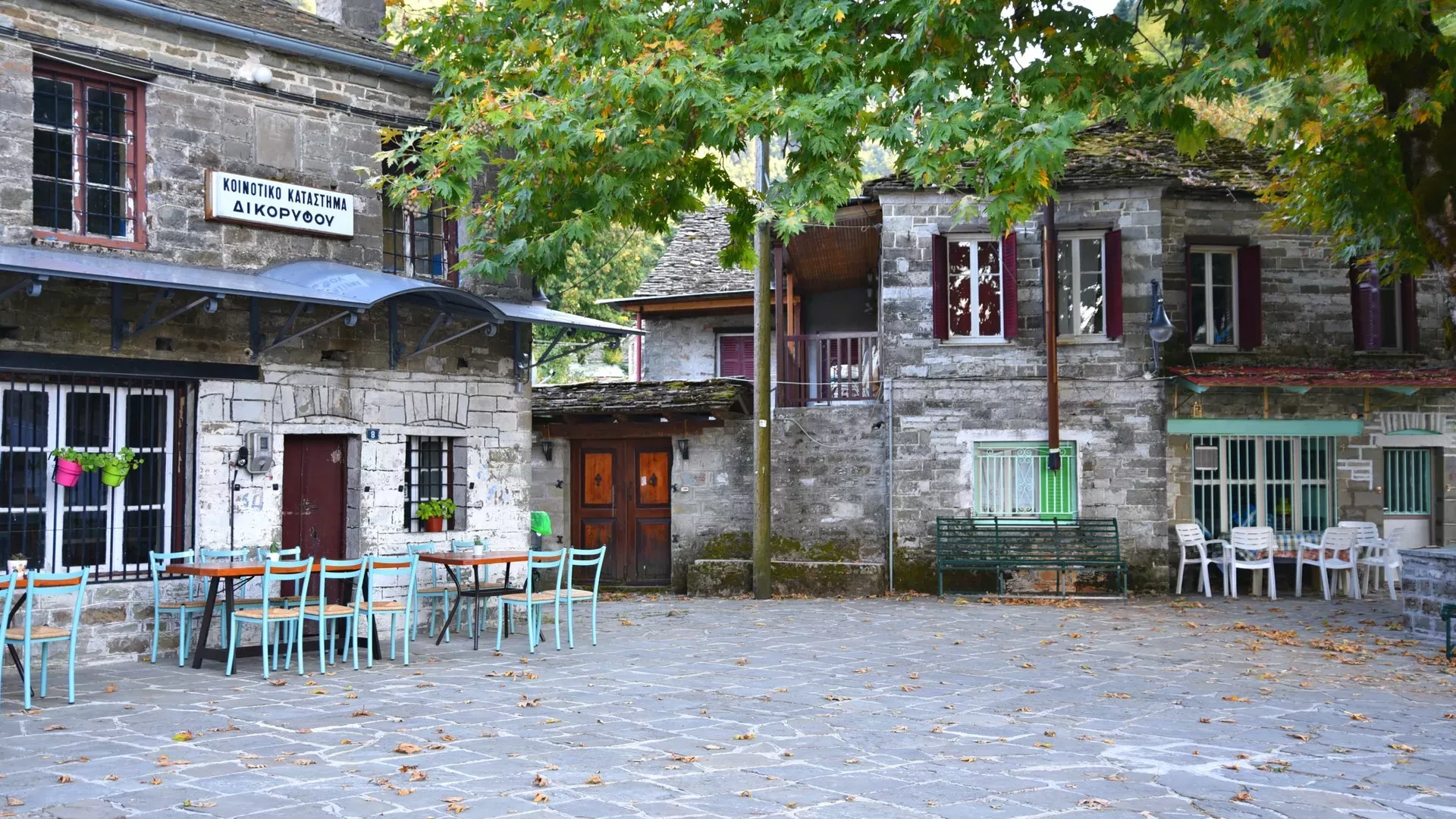
Papigo, Aristi and Monodendri are some of the most famous villages of Zagori, but if you want to step off the beaten path, it is worth exploring some lesser-known yet beautiful villages in the area, such as Dikorfo. Built at an altitude of 1,000 meters on the northeastern slopes of Mount Mitsikeli, amid dense forest of fir, beech and oak, this village is a haven of tranquility, just 35 km from the city of Ioannina. The traditional houses and mansions of the village are built of stone and black slate, and are adorned with works by the Chionades painters.
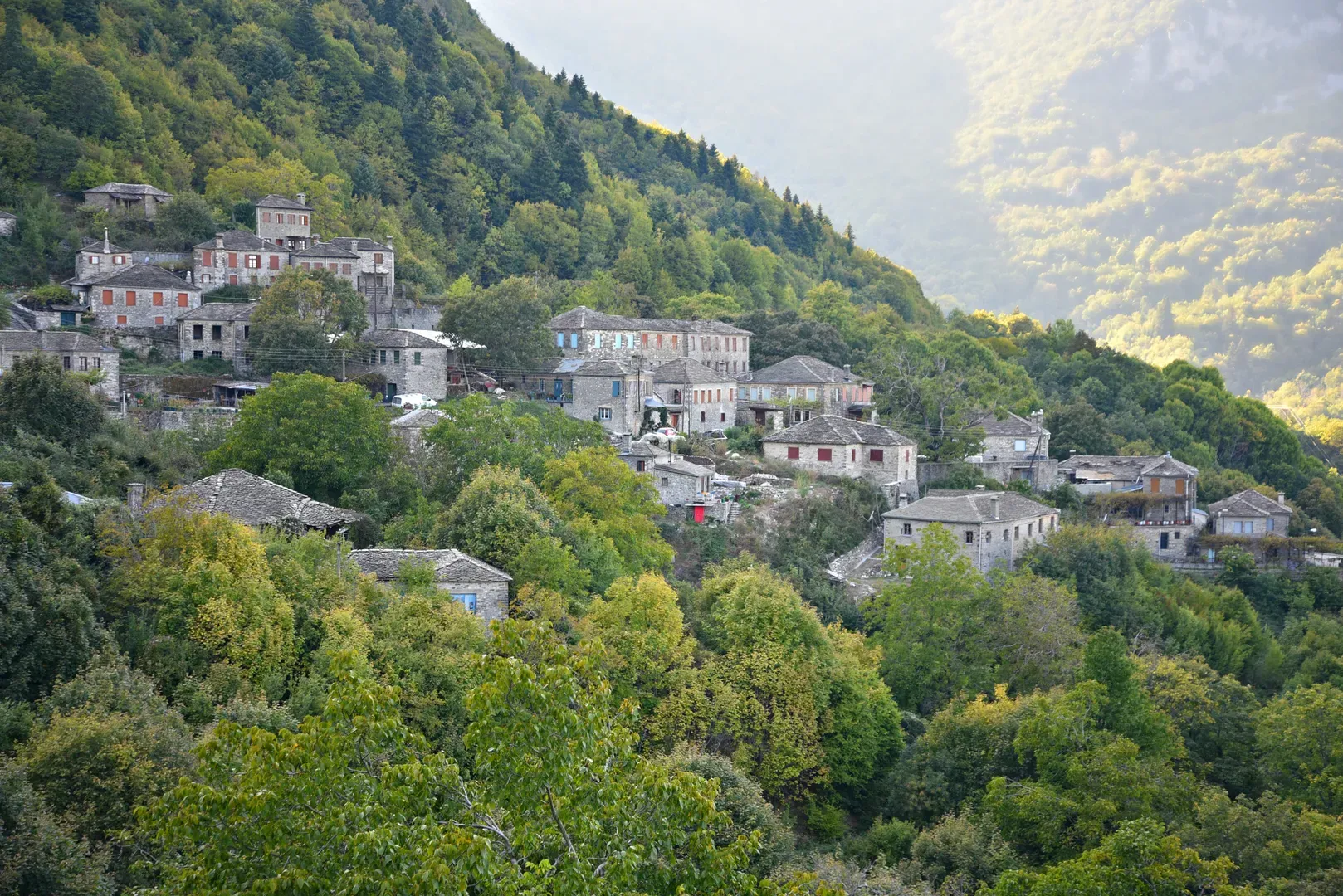
In the lovely village square stand the old school - boys school, thehugeplane treewith thestone fountainand the Church of Saint MinasofEgypt with the impressive bell tower that dates from 1896. It is worth climbing to the chapel of Saint John, which is on a hill above the village, to enjoy the fantastic view. Also, near the village are the bridges of Captain Arkoudas, Stathis (1906) and Siamaina.
Kapesovo
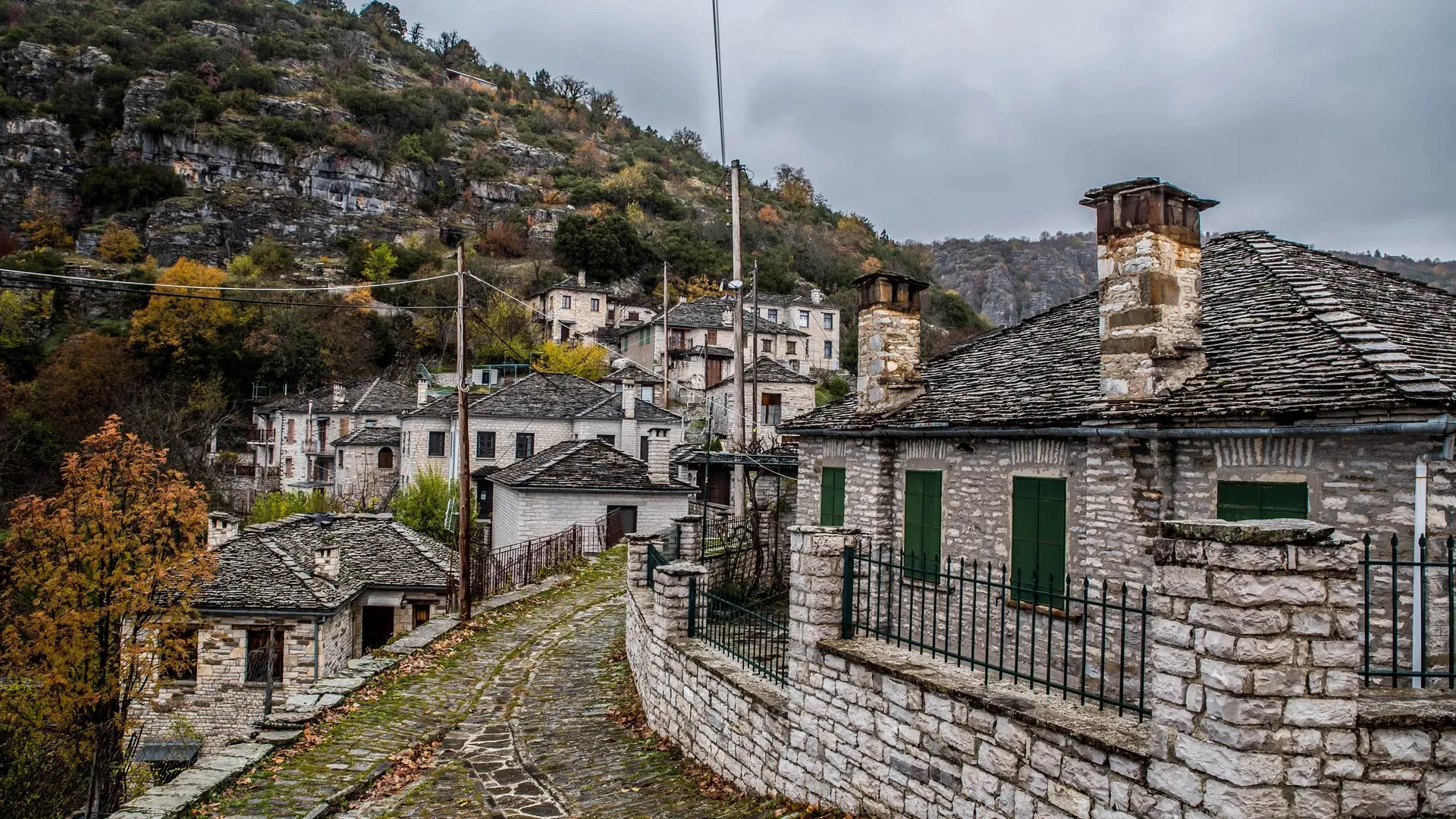
A mountain hideaway surrounded by the wild nature of Epirus, Kapesovo is one of Zagoris best-preserved villages, about 43 km from Ioannina. Here you will breathe the crisp mountain air at 1,120 meters, enjoy your stroll along the cobbled lanes and admire the mansions with traditional Zagori architecture. Make a stop in the village square to enjoy your coffee, a dessert or meze at the traditional kafeneio Mezaria located there.
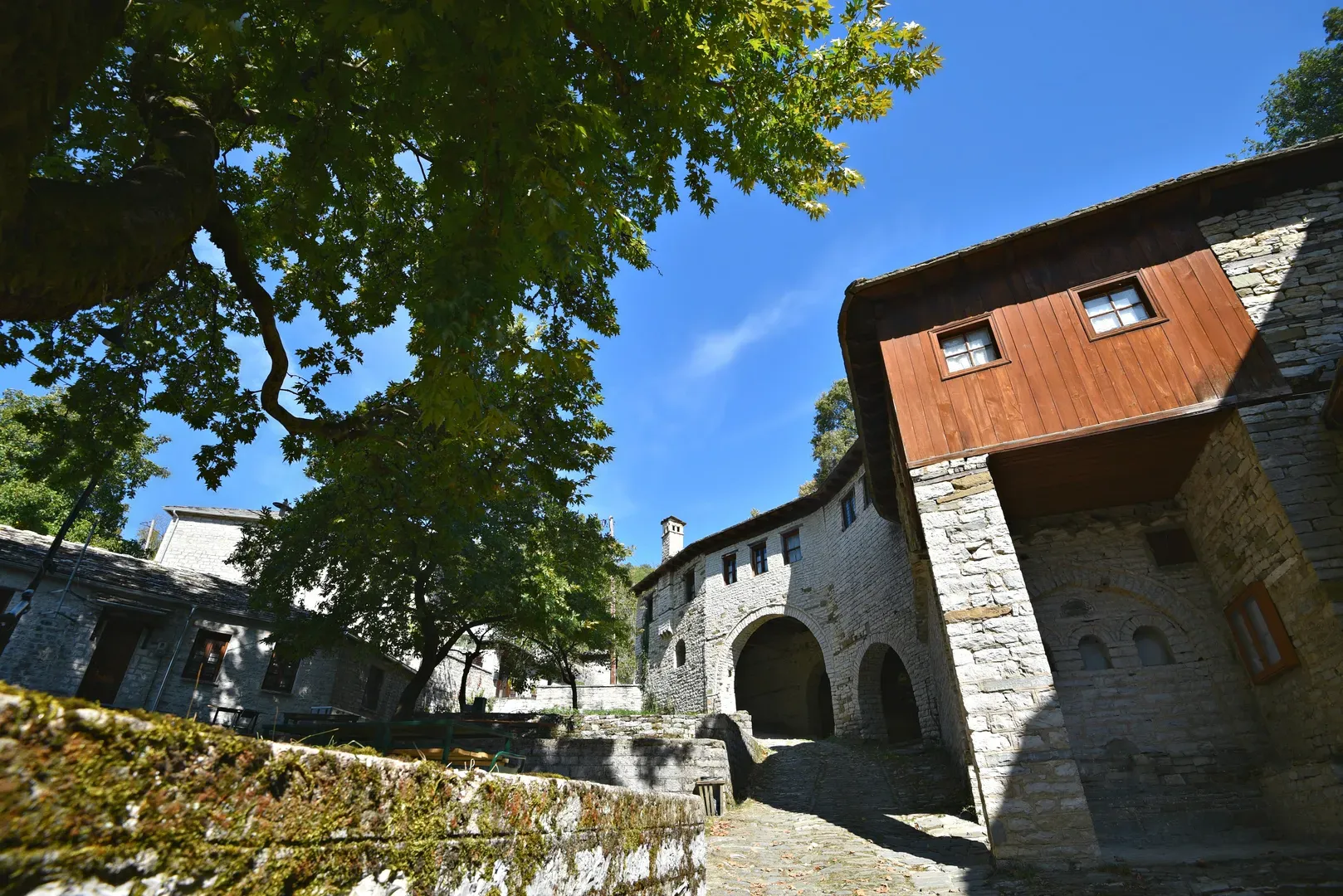
As you gaze at the view, your eyes will fall on a beautiful building. It is the Paschaleios School, which was completed in 1861 and was a donation by two prominent residents, Konstantinos and Pavlos Paschalis. It was the largest school in Zagori and operated until 1985. The Paschaleios School owes its fame to its library and mainly to the authentic copy of the Charta of Rigas Feraios kept there. Today, the villages cultural association has arranged the ground floor as a folklore museum that recreates a traditional Zagori home. Kapesovo is also renowned for its painters - iconographers, known as bogades, who in the 18th and 19th centuries adorned dozens of churches in Epirus. A visit to the Church of Saint Nicholas (1793) found here amply demonstrates the importance of their art.
Vradeto
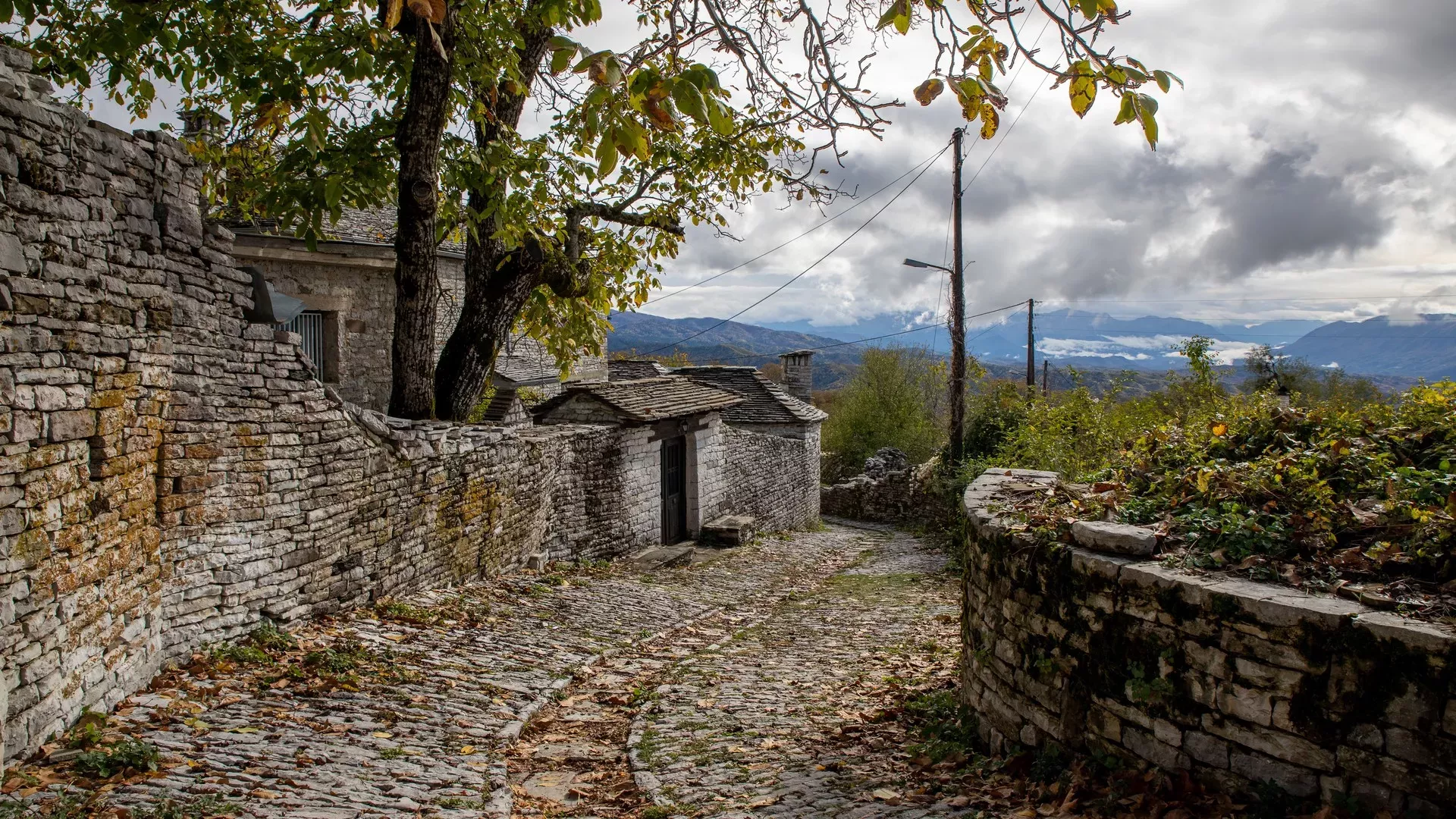
Built on the southwestern slopes of Tymfi, this serene and remote village, which is about 50 km from the city of Ioannina, is literally surrounded by the impressive Vikos Gorge. It lies at an altitude of 1,340 m and is considered the highest of all the Zagori villages. The junction after Kapesovo leads here after a 9 km route, and there is no other road connection with the other villages apart from this road.
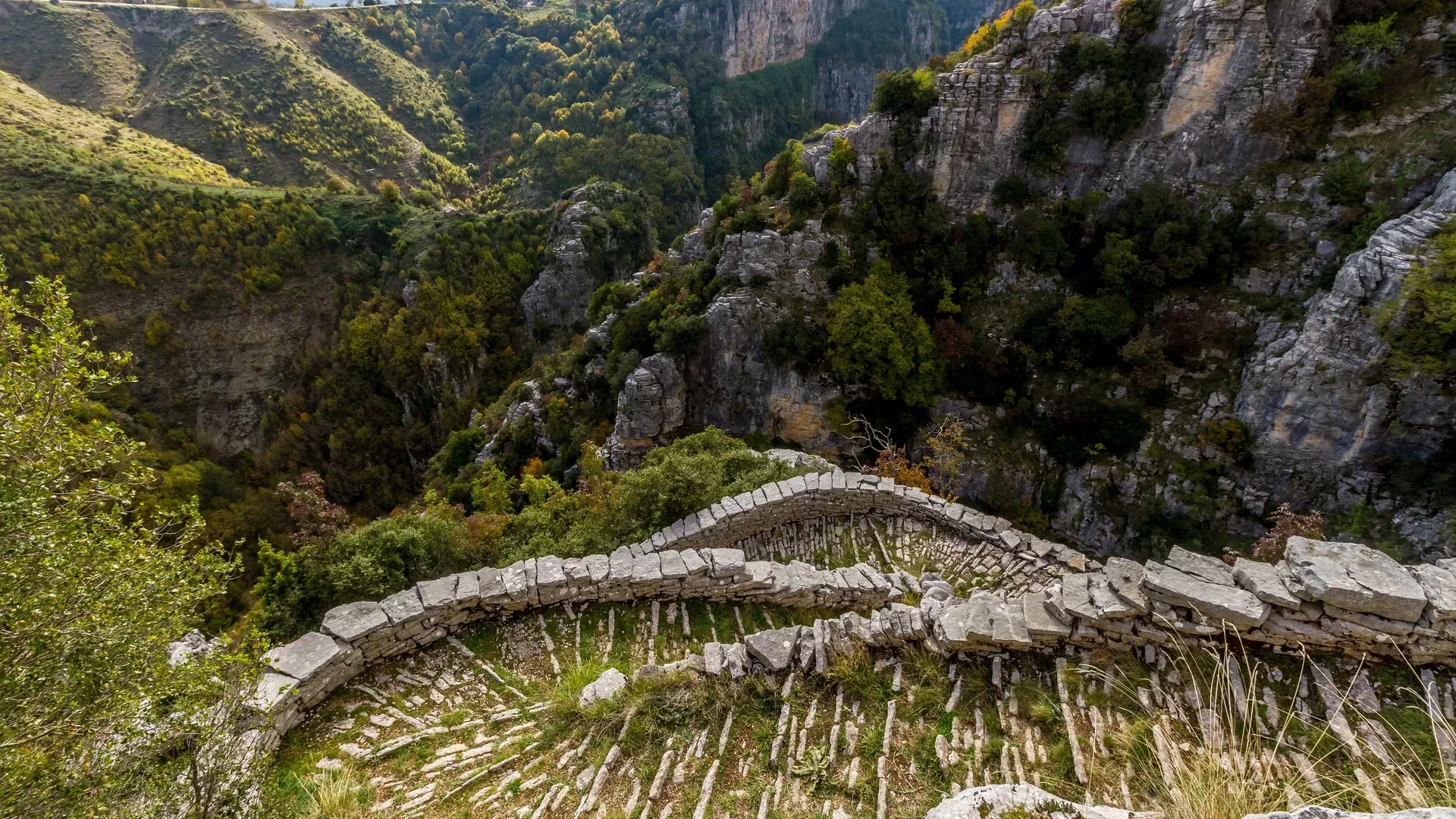
The village has vast views in all directions, while nearby is the Beloi viewpoint from where you have the entire Vikos ravine at your feet. For this reason it is known as the balcony of Zagori. Until the 70s, the villages only link with the outside world was its famous stairway with 1,100 cobbled steps. This stone construction, with a total length of 1,200 meters, served as the entrance to and exit from the village and led to neighboring Kapesovo, while it took a full 20 years to complete. Today, this beautiful cobbled path offers visitors a spectacular hiking route with views of the surrounding area that impress.
Negades
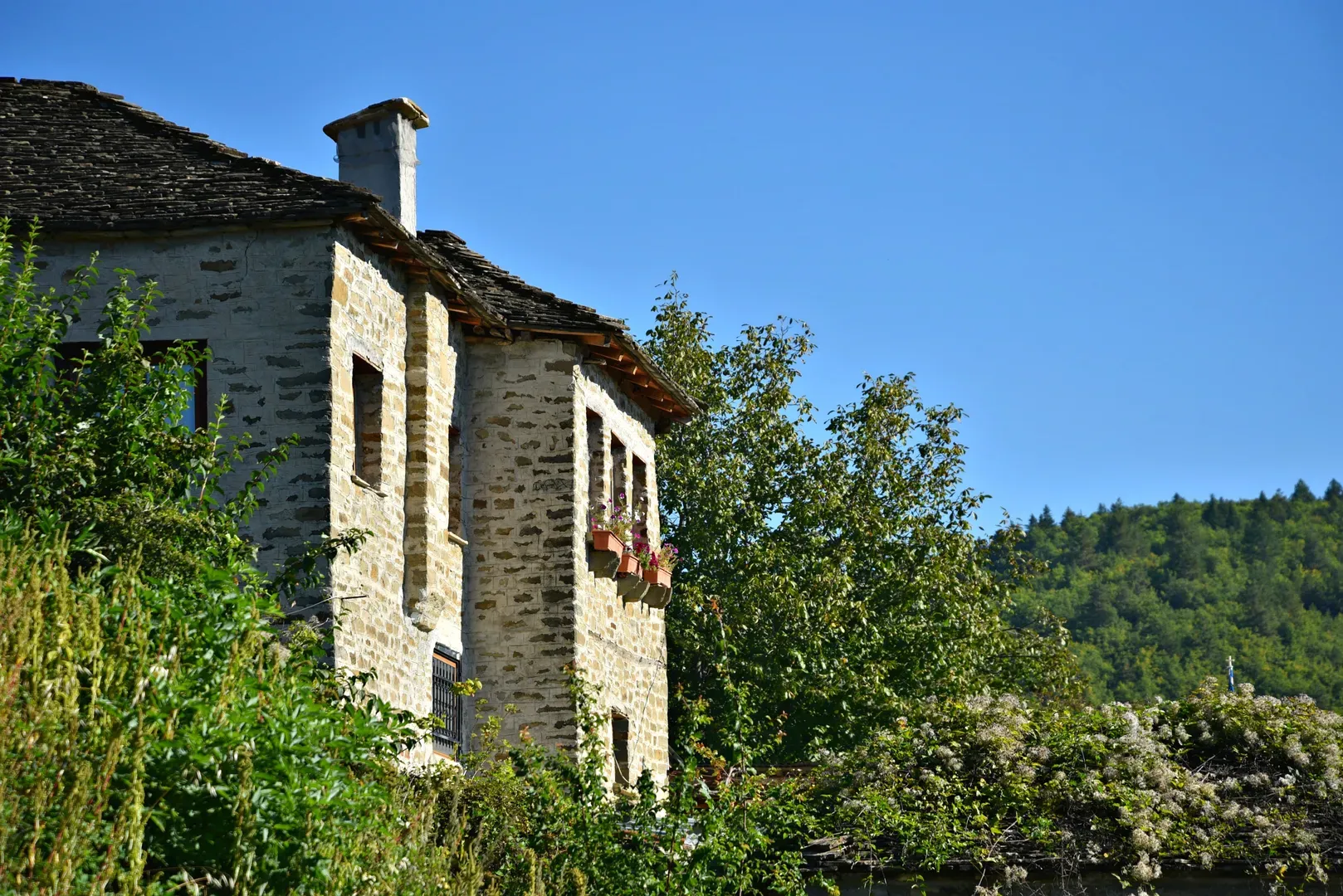
Built on the wooded slope of a hill, at an altitude of 1,060 meters, Negades, a former aristocratic village of central Zagori, awaits travelers seeking a mountain refuge of harmony, tradition and nature. The settlement dates back to 1312. During the Ottoman Empire it developed a remarkable culture and produced many benefactors who prospered in Moldavia, Wallachia, Austria and Russia. The houses and tall mansions around the square still recall the villages years of prosperity.
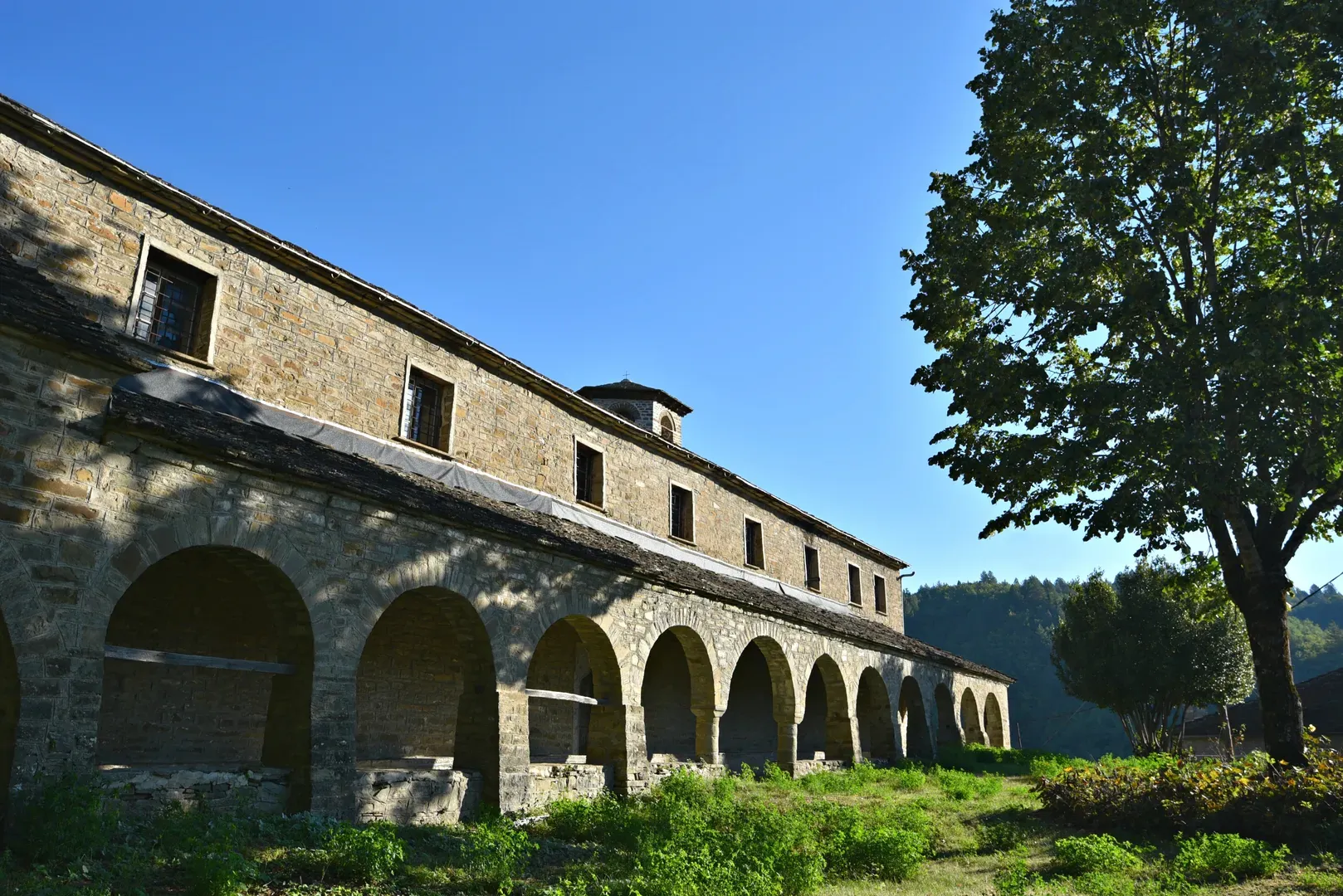
In the center of the village stands imposingly the three-aisled Church of Saint George, a basilica with three altars and three beautiful gates. It is the most interesting attraction of the village and one of the most important churches of Epirus. The church with its tall bell tower was built in 1795 by the merchant Hatzi-Manthos Ginis and features an elaborate iconostasis decorated with gilding and wonderful icons and frescoes. Particularly impressive are the icons depicting ancient philosophers. Also of interest are the two bridges that were built in 1800 and are located below the village.
Vovousa
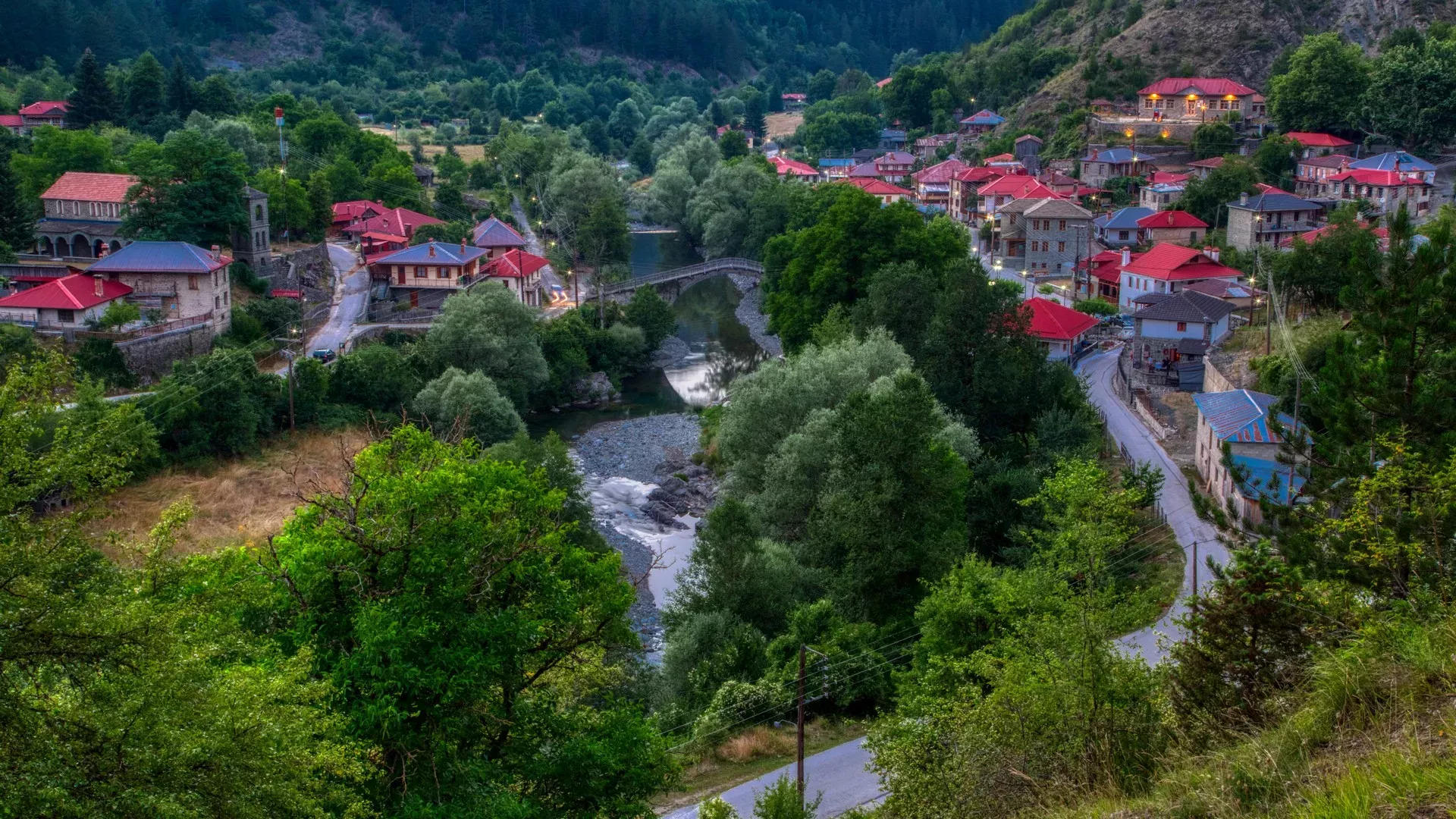
Vovousa (or Vovoussa) is the most remote village on the eastern side of Zagori. It is one of Ioanninas hidden gems and one of the entrances to the Valia Calda National Park. It lies at an altitude of 1,000 meters and is 77 km from Ioannina. The Aoos River runs through the village. The setting is fairy-tale in every season, with the river cutting the village in two, while all around spread forests of beech, fir and black pine.
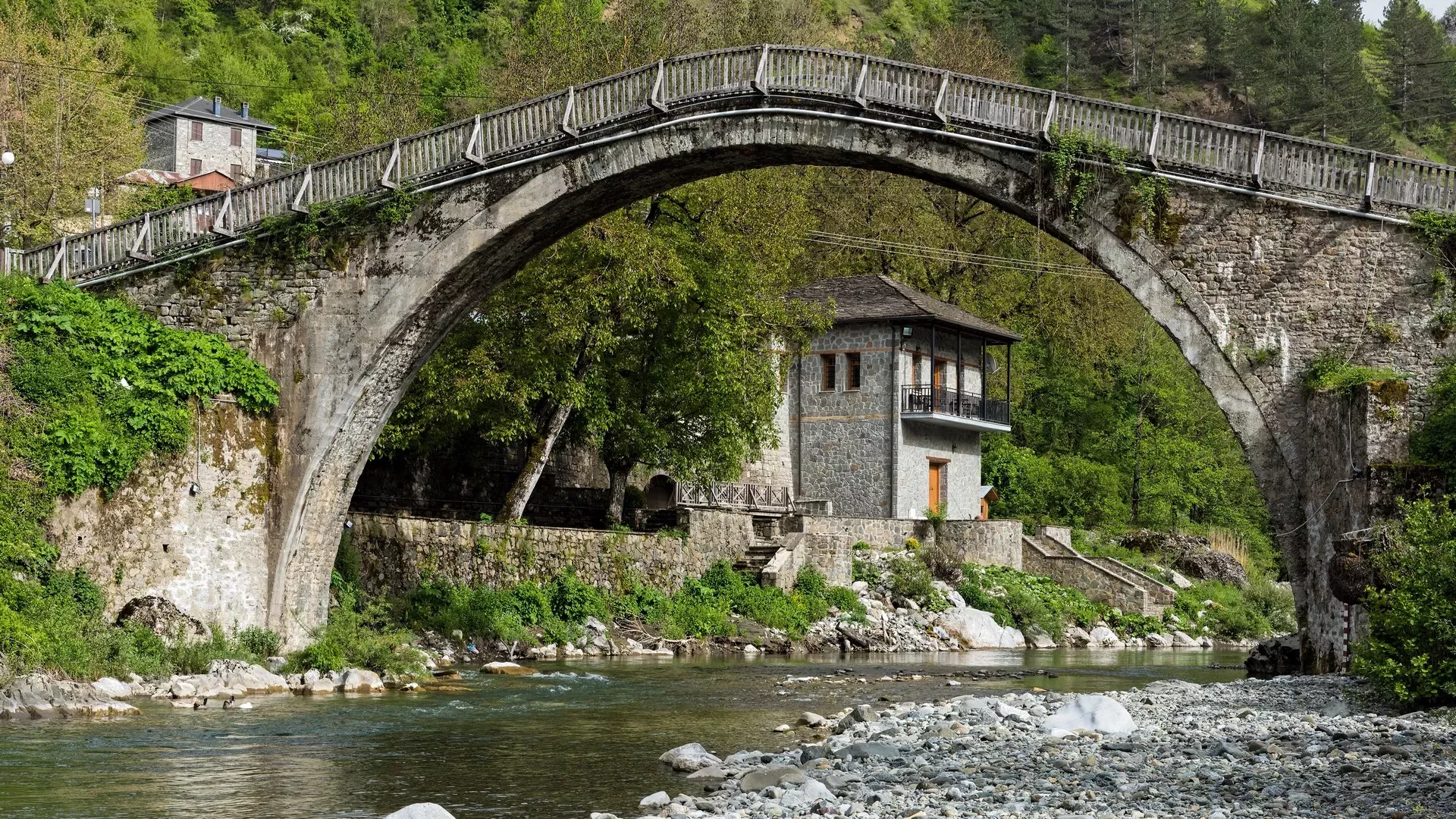
The village is adorned at its center with one of the most beautiful single-arched stone bridges of Zagori. It was built in 1748 by Alexios Misios and has been recognized as a modern archaeological monument. Vovousa is known for its summer festival, which is dedicated to the protection of the environment and includes various events,workshops, talks, performances and excursions.