





Springtime journey through the hinterland of Heraklion, where the secrets, the beauty and the authenticity of Crete are revealed.
Heraklion with its storied history, archaeological wealth and culinary tradition, is a place that has its own way of winning over every type of traveler. Beyond Cretes largest city, a captivating hinterland, with traditional settlements, archaeological monuments, proud mountain peaks and gorges that meet the sea, awaits the visitor seeking authentic experiences.
Heraklion: A journey through nature and tradition
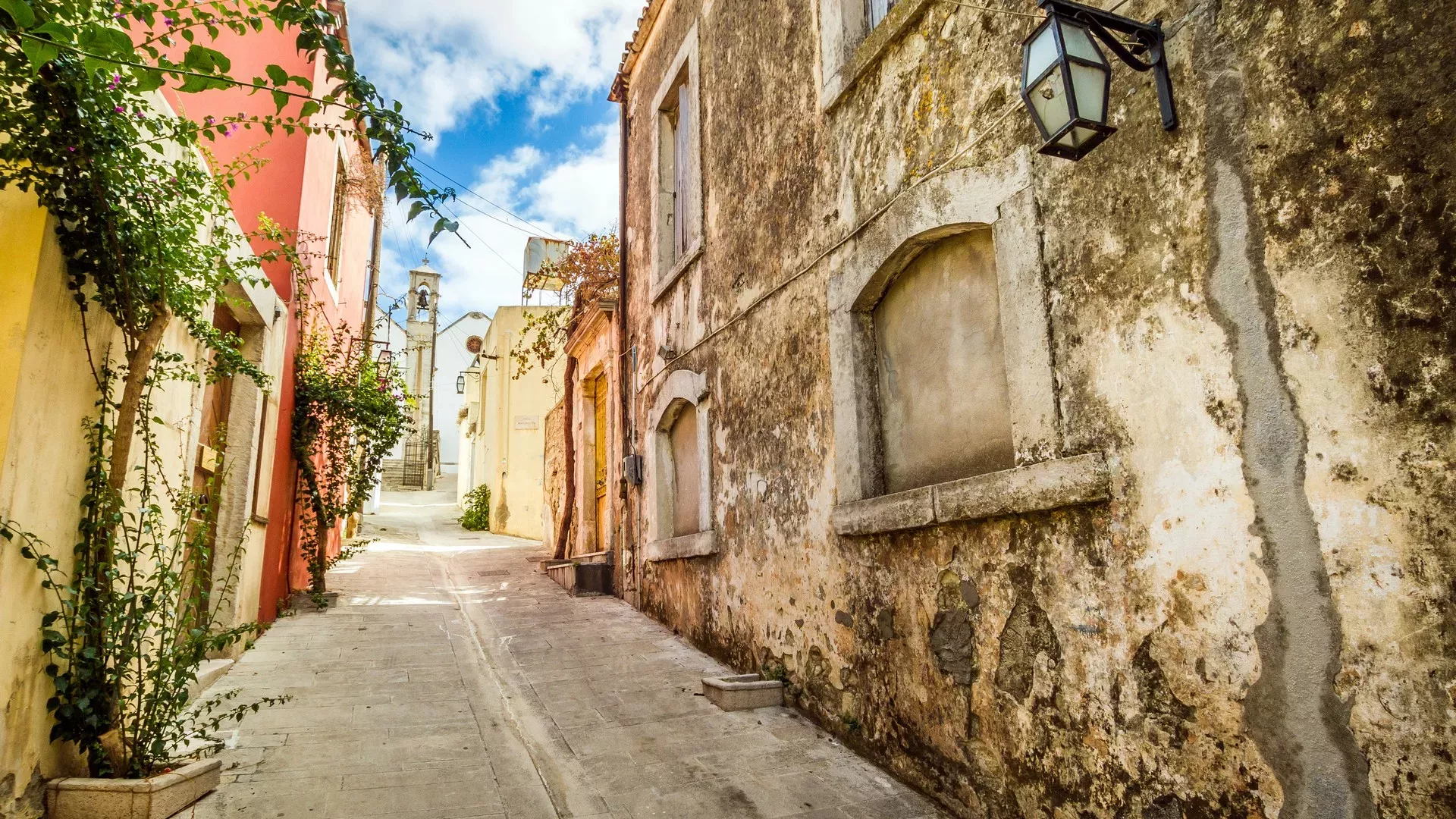
At a distance of 15 km from the city of Heraklion and just 7 km from the Minoan palace of Knossos, you will encounter one of Cretes most charming and renowned settlements, Archanes. This colorful village, built at an elevation of 380 meters on the northeastern edge of the Juktas valley, has been awarded in a European Union competition for its residential development.
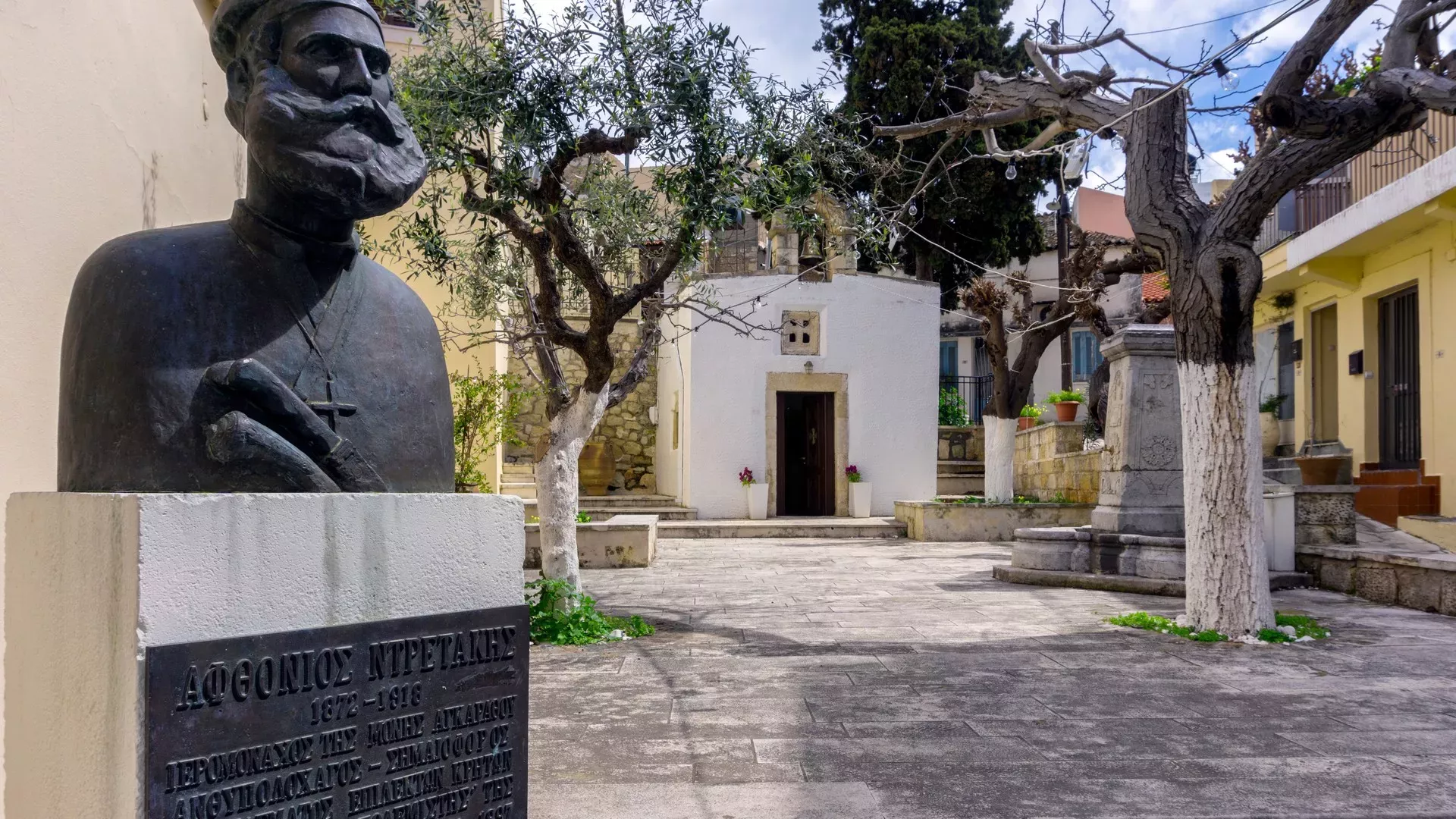
Strolling through the traditional settlement, with its cobbled alleys, well-preserved houses painted in vivid colors and flower-filled courtyards, is a delight. In Archanes you will find interesting museums (Folklore, Archaeological, Cretan History and Tradition), shops to buy handicrafts and local products, and tavernas to taste authentic Cretan flavors alongside the famed local wine. Hiking enthusiasts can ascend Fourni Hill with the Minoan cemetery and walk the trails of Juktas, the sacred mountain of the Minoans at 811 m. The ascent is relatively easy and the view from the summit will reward you.
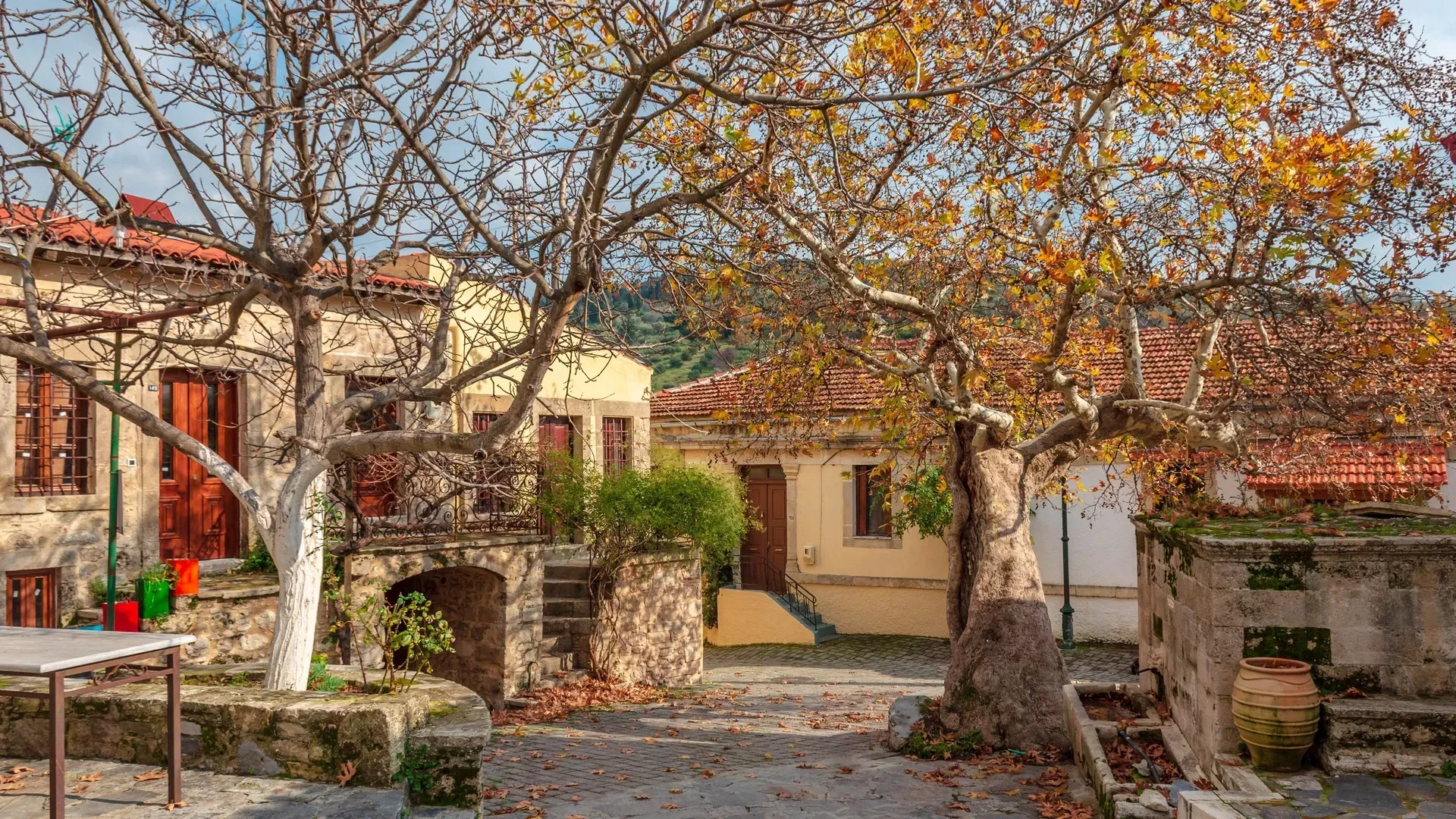
Ano and Kato Asites, two of the most traditional villages of Heraklion prefecture, make an ideal base for getting to know the Cretan hinterland. Perched at 450 m on the eastern foothills of Psiloritis, they invite you to walk among old stone-built houses and try local recipes, tsikoudia and good wine in traditional kafeneia, as well as the wonderful Asites delicacies produced by the very active womens cooperative. The most famous attraction of the area is the historic Monastery of Agios Georgios Gorgolainis, which has been operating since the years of Venetian rule. The monasteries of Panagia Paliani and Agia Irini in Krousonas are also worth a visit. Those who want more action can follow the European E4 trail to the Prinos summit of Psiloritis, and also explore the gorges of Agios Antonios and Agios Charalambos.
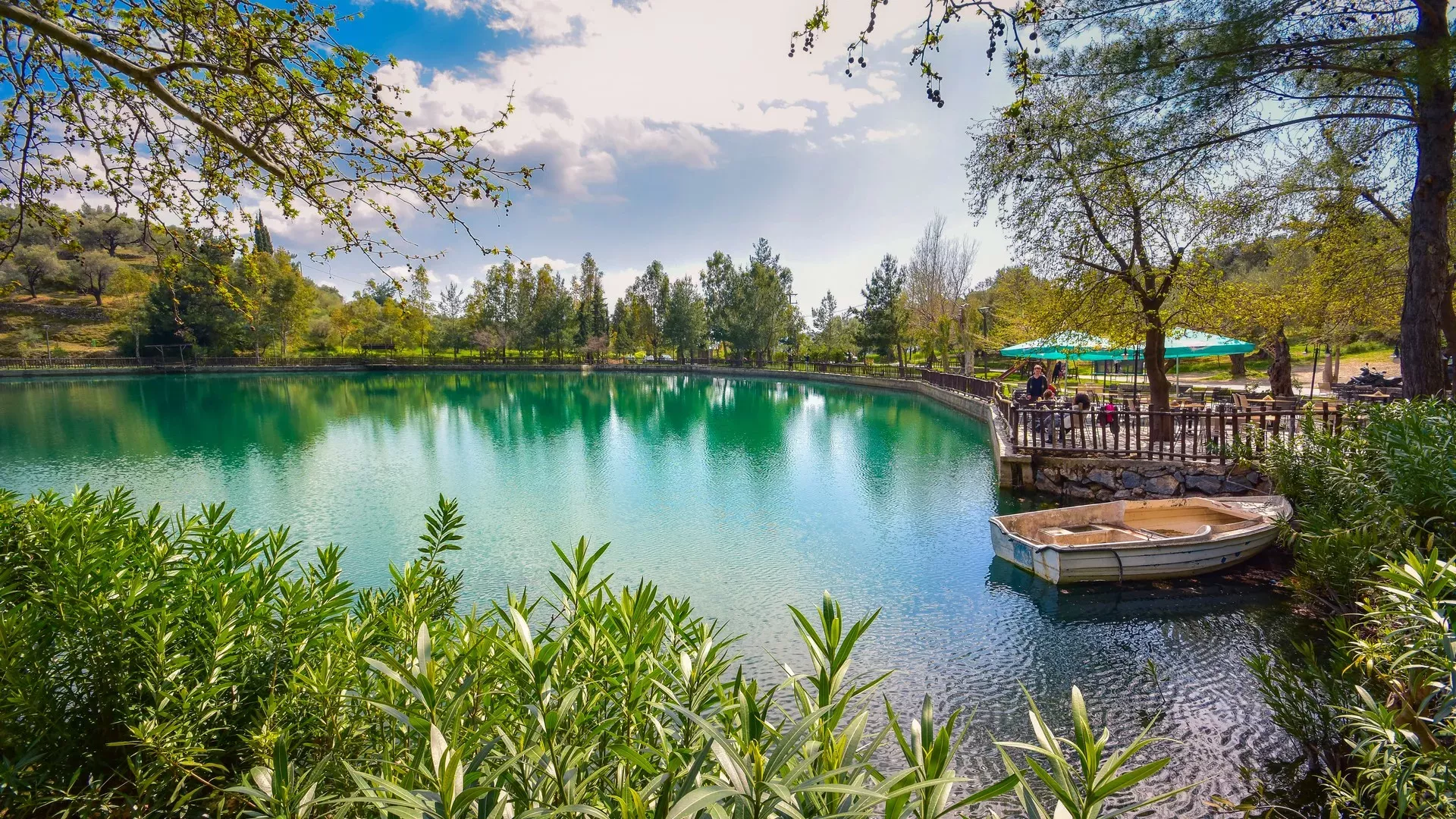
Built on the foothills of Psiloritis, in a lush green valley at an elevation of 450 m, Zaros is a picturesque and historic main village famed for its abundant waters, its gorge, and the important ecclesiastical monuments in and around the village. The most popular attraction is the artificial Lake Zaros, or Votomos (1 km north of Zaros), where you can stroll amid greenery and plane trees and, if you work up an appetite, sit down for food at the tavernas there.
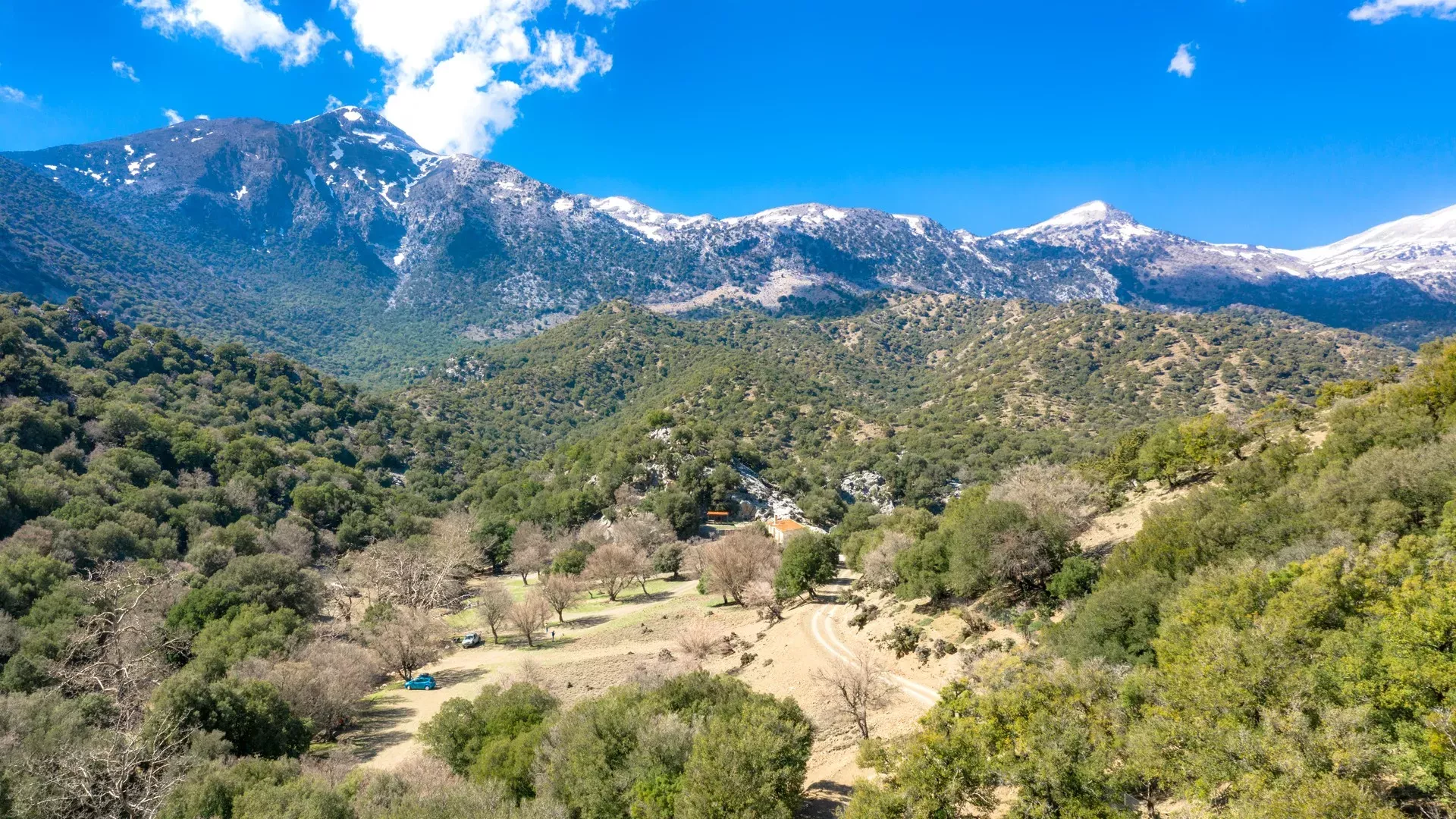
Starting from the lake you can follow the path that leads through the Gorge of Agios Nikolaos, where the monastery of the same name is located, and also visit the verdant Rouvas Forest, one of the largest and most beautiful forests in Crete. The historic monasteries (Vrontisi Monastery, Varsamonero Monastery, etc.), as well as the archaeological sites of Gortyna and Phaistos that are nearby, are ideal for exploration.
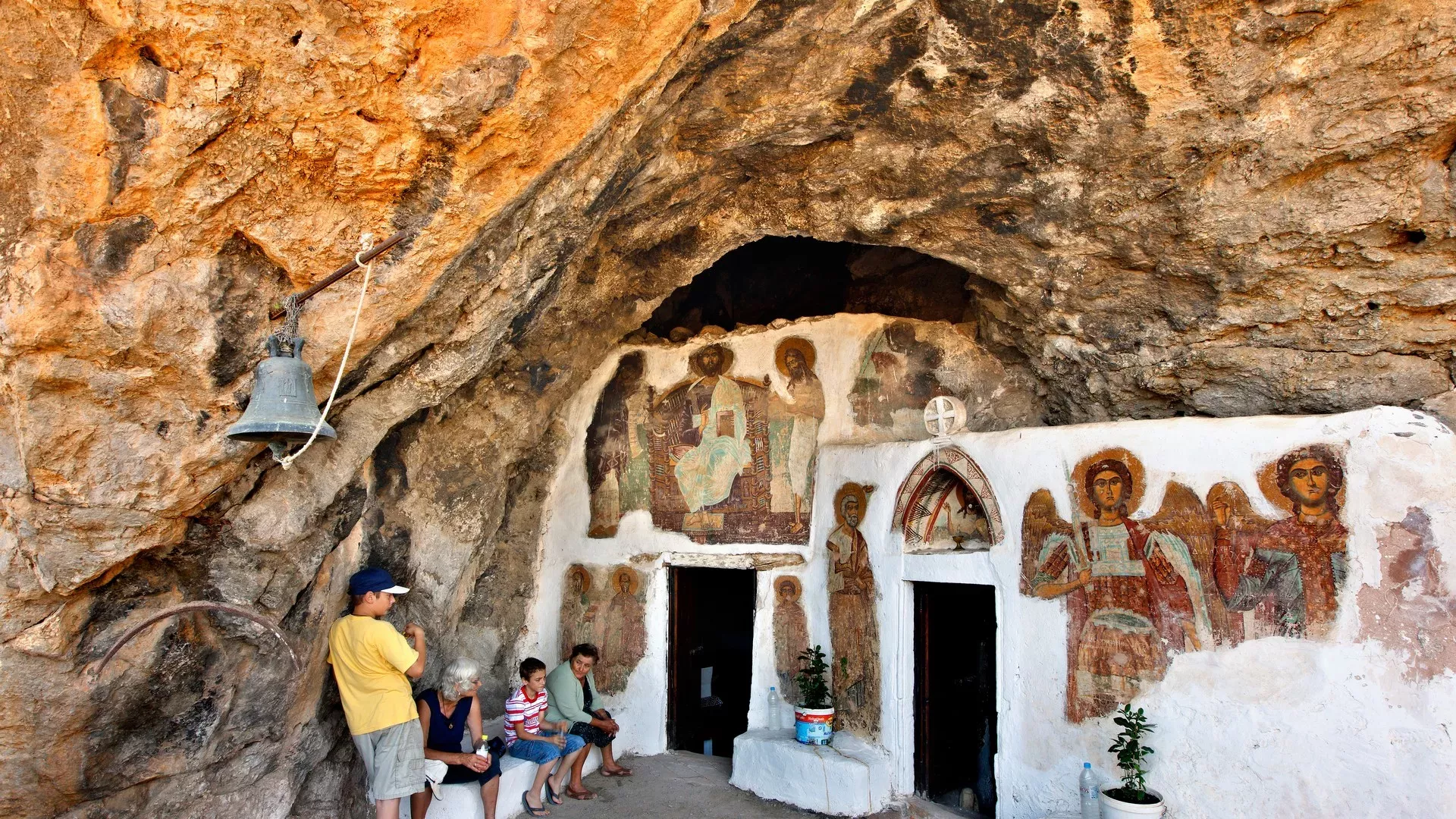
Mark on your map the Asterousia as well. It is the southernmost mountain range of Greece, formed between the Messara plain and the Libyan Sea. Exploration lovers will discover there gorges (most notably Agiofarago), caves, secluded shores, historic monasteries and remote traditional villages such as Kapetaniana and Ethia.
A feast of flavors
Cretes gastronomic tradition is another reason to love Heraklion. Tsikoudia and local wine uniquely accompany fine meze, snails, apaki, kalitsounia, antikristo (meat grilled around the fire) and many more delights of the famous Cretan cuisine.


Leaving behind the city of Heraklion and passing through the village of Skalani, its worth stopping at Elia & Diosmos, a restaurant that has created its own culinary identity by marrying contemporary Cretan cuisine with tradition. In Archanes you will find Lykastos and Spitiko for classic local flavors, Kritamon for more creative dishes, as well as the rakadiko-mezedopoleio Agora. In Kato Asites the taverna of the Earino guesthouse serves traditional Cretan flavors such as antikristo, pasta with anthotyro and boubouristoi snails. In Zaros, Vegera stands out, where authentic Cretan cuisine takes center stage. Also, at the restaurant of the Elaionas guesthouse you will find local dishes cooked with care and a large wine list from the Cretan vineyard.
Wine heritage
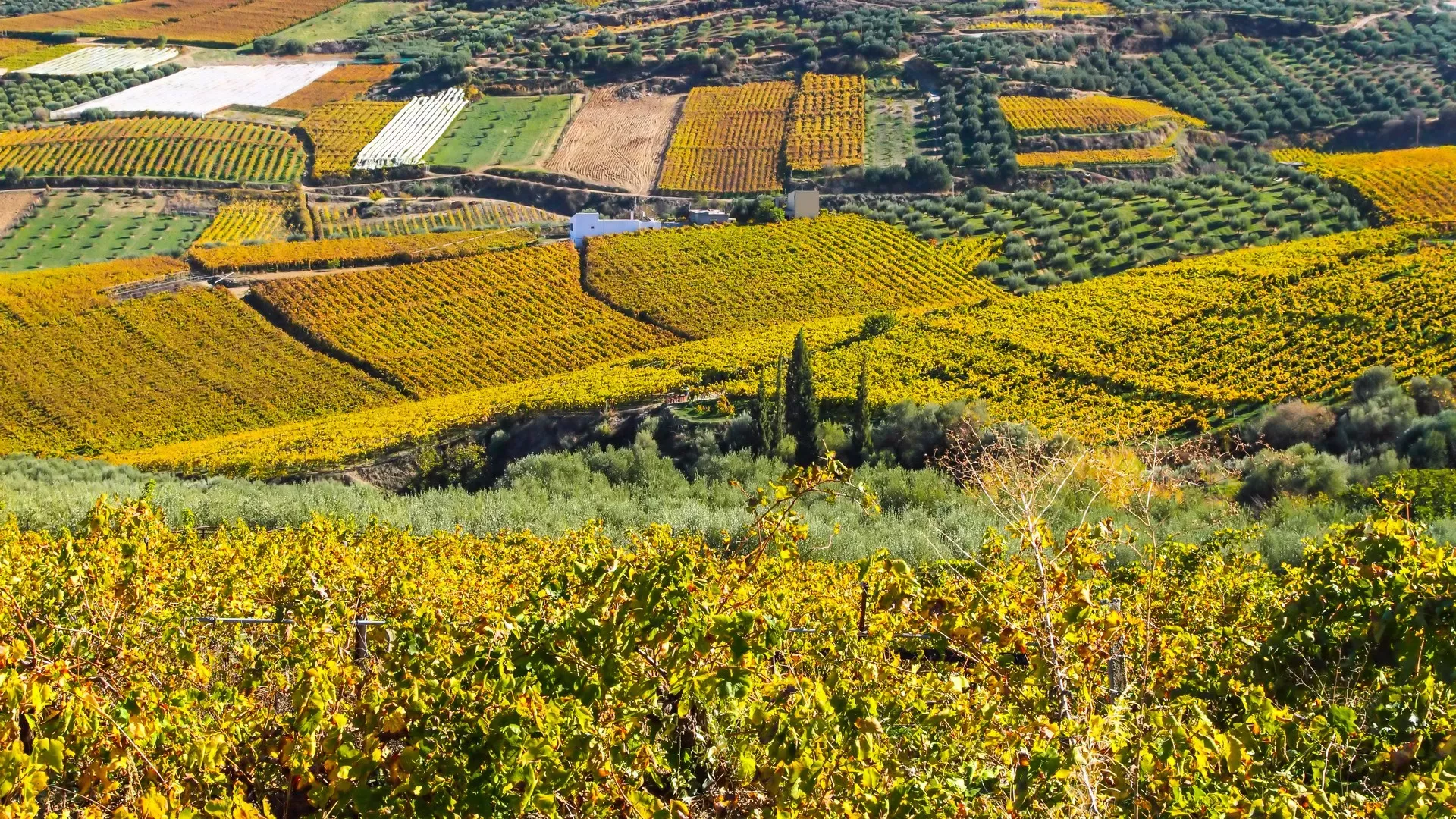
In Crete the wine tradition spans over four thousand years. The whole island offers unique experiences to wine-loving travelers. However, Heraklion prefecture has the most wineries open to visitors on the island. To discover them, simply follow the Heraklion Wine Roads starting from the city of Heraklion. TheBoutari Winery, the Douloufakis Winery, the Miliarakis Winery, theLyrarakis Estate, the Paterianakis Estate and the Zacharioudakis Estate are just a few of them.