





Picturesque villages for trips brimming with the sights and experiences of authentic Crete.
Beyond the enchanting beaches, the cosmopolitan seaside resorts and the big cities, theCretehas many wonderful mountain villages that keep traditions alive and hide treasures. On the slopes of Crete’s mountains, lovers of exploration will discover traditional settlements with great history, gastronomic gems and opportunities for activities in nature. Below we have gathered some of the island’s most picturesque villages for journeys filled with images and experiences of authentic Crete.
Zaros, Heraklion
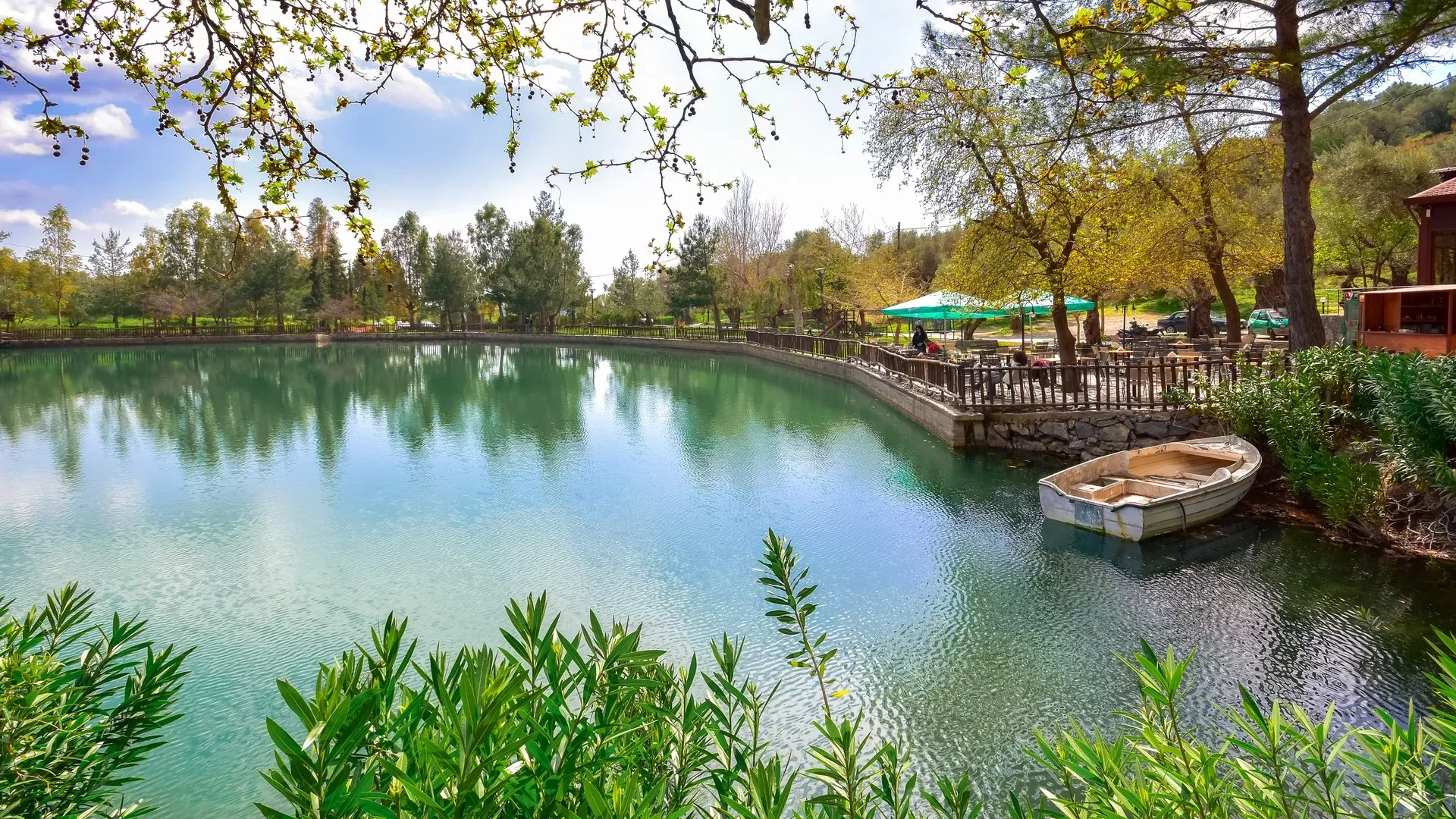
Built at the foot of Psiloritis, in a lush valley and at an altitude of 450 m, Zaros is a picturesque and historic principal village famed for its abundant waters, its gorge, and the remarkable ecclesiastical monuments in and around the village. The most popular attraction is the artificial Lake Zaros or Votomos (1 km north of Zaros), where you can stroll amid greenery and plane trees and, if you work up an appetite, sit down for a meal at the tavernas there. Starting from the lake you can follow the trail that leads through the Agios Nikolaos Gorge, where the namesake monastery is located, and visit the verdant Rouvas Forest, one of Crete’s largest and most beautiful forests. The historic monasteries (Vrontisi Monastery, Varsamonero Monastery, etc.) and the archaeological sites of Gortyna and Phaistos, which are a short distance away, invite exploration.
Archanes, Heraklion
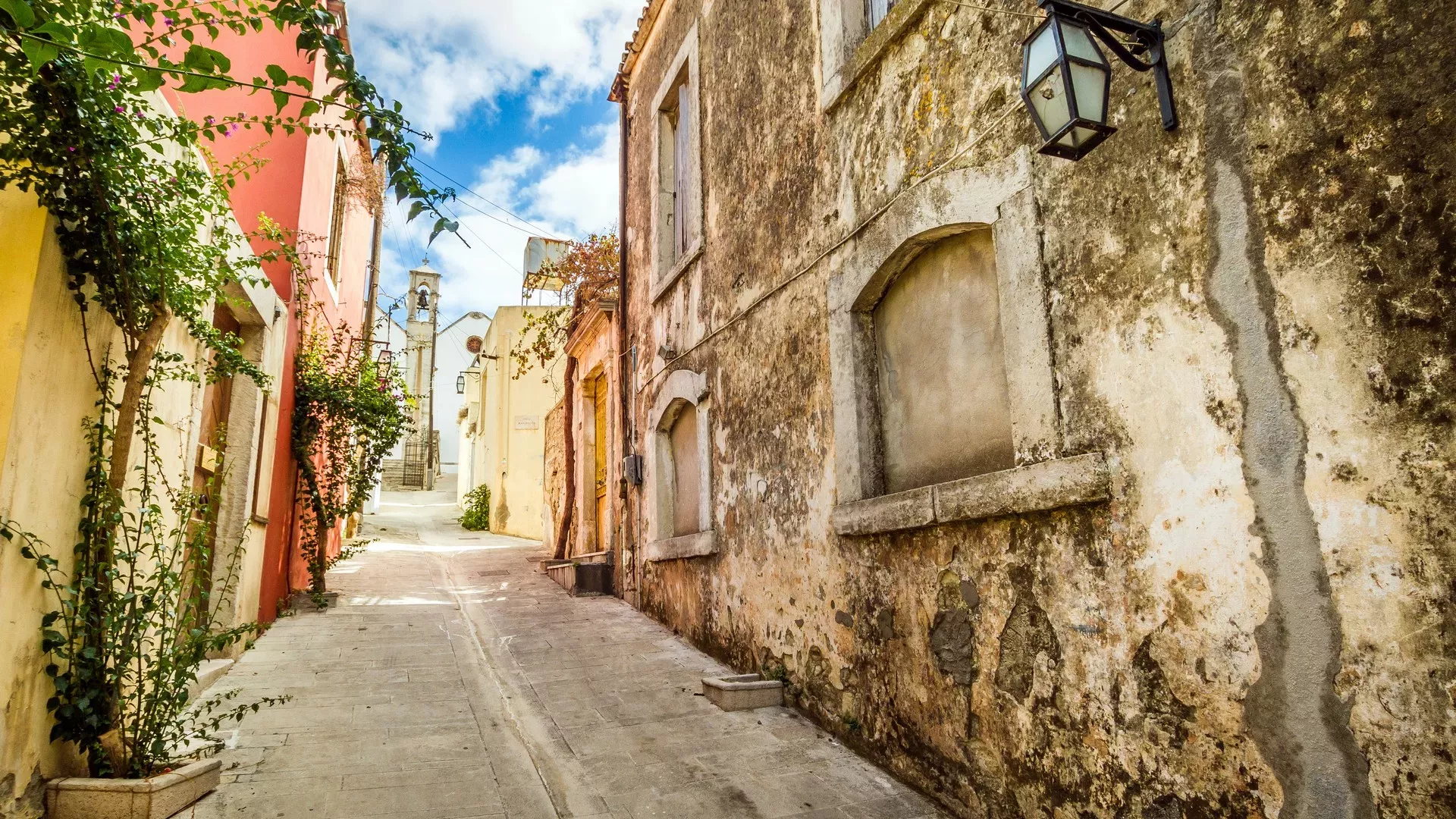
At a distance of 15 km from the city of Heraklion and just 7 km from the Minoan palace of Knossos, you will encounter one of Crete’s most charming and celebrated settlements, Archanes. This colorful village, built at an elevation of 380 meters on the northeastern edge of the Giouchtas valley, has been awarded in a European Union competition and stands as a model to emulate in terms of residential development. The houses have been restored with skill and care, and above all with respect for local tradition. Strolling through the traditional settlement with its cobbled alleys, well-preserved houses and flower-filled courtyards is a delight. In Archanes there are interesting museums (Folklore, Archaeological, Cretan History and Tradition), lovely shops where you can buy handicrafts and local products and tavernas where you can taste authentic Cretan flavors along with the renowned local wine.
Vamos, Chania
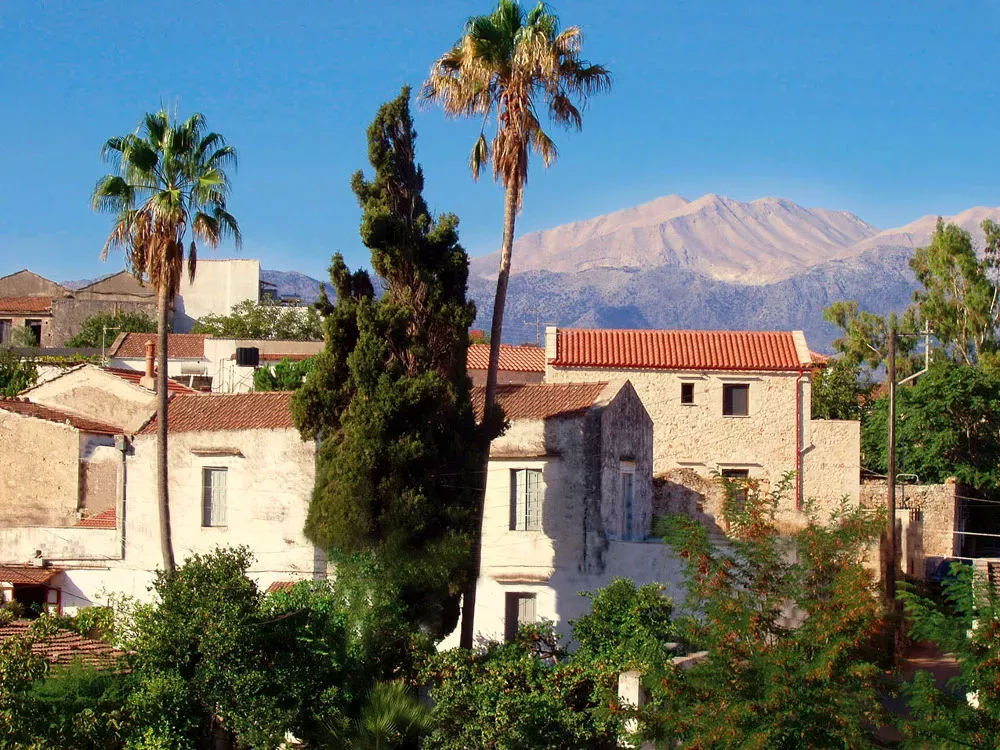
If you want to get a good taste of Cretan life and the Cretan countryside, to experience the warm hospitality of a rustic guesthouse built of stone and wood, to savor pure local flavors, to sip coffee or tsikoudia in a traditional kafeneio, to walk along cobbled lanes and into the countryside and to breathe in the scent of blooming flowers, then Vamos is the ideal village for you. It is one of the island’s loveliest traditional settlements, set at the foot of the White Mountains, 25 km from the city of Chania. Buildings from the 18th, 19th and early 20th centuries have been carefully restored with respect for tradition and architectural heritage, and transformed into beautiful guesthouses. The preserved traditional stone-paved street, the old neighborhood, the Chapel of the Virgin Mary (a 13th-century monument) and Karydi Monastery with its stunning olive press with 12 arches complete the charming tableau.
Theriso, Chania
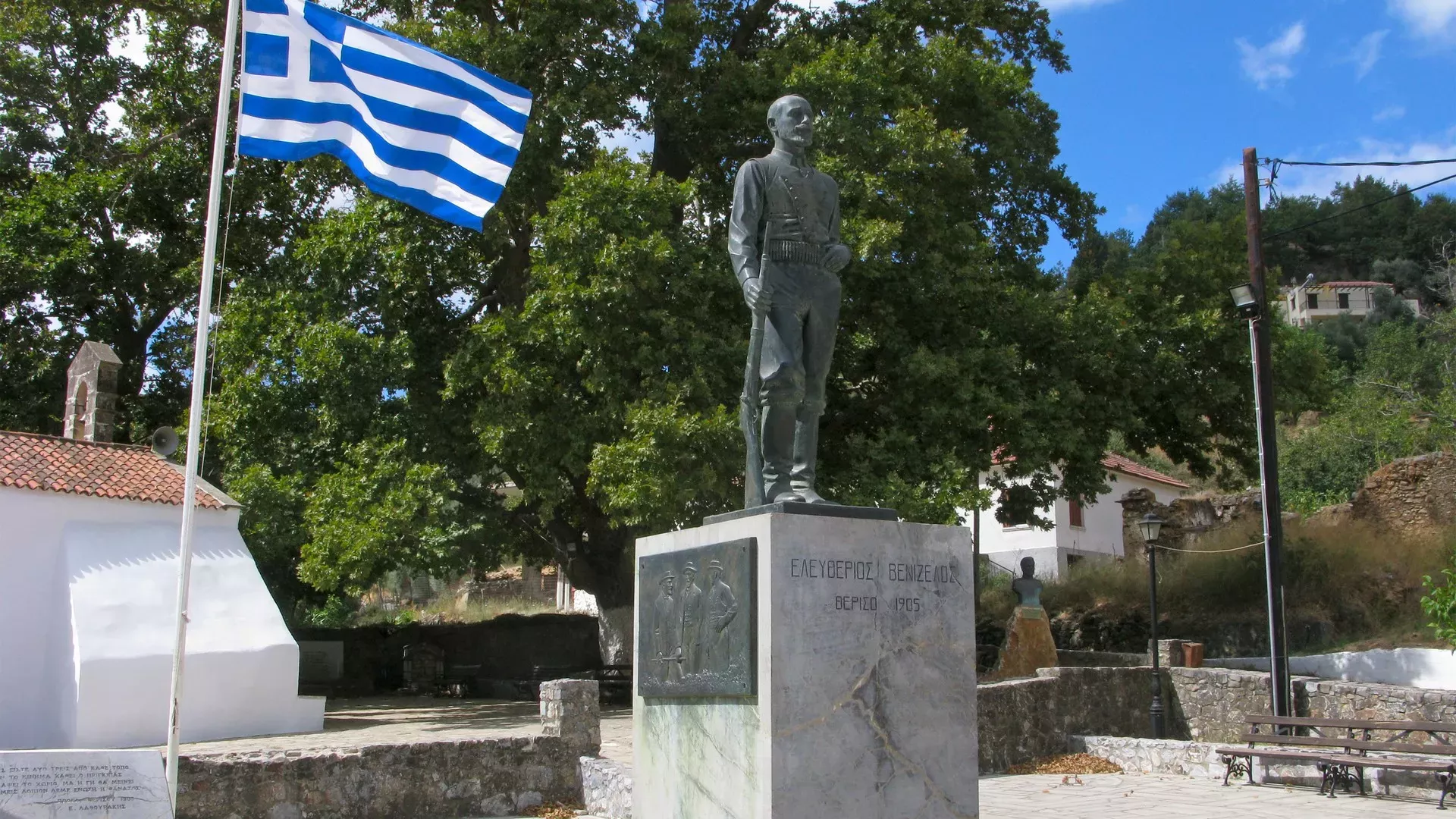
Built in a beautiful lush valley, 15 km south of Chania, Theriso is a beautiful village with a long history. Here on March 10, 1905, fighters from all over Crete gathered under the leadership of Eleftherios Venizelos and proclaimed an armed revolutionary struggle against Prince George II, in order to achieve the union of the island with the rest of Greece. To reach the village, you will cross the superb Theriso Gorge, which is literally smothered in greenery. Theriso is a genuine Cretan village, with traditional houses, cafés and well-kept streets. There are two churches, of the Panagia and of Saint George, as well as two museums (Historical-Folklore and Museum of the National Resistance), while in the central square the statue of Eleftherios Venizelos dominates. A stop at the village’s famed tavernas is essential for succulent meats and traditional Cretan dishes, such as apaki, syglino, lamb tsigaristo, etc.
Anogeia, Rethymno
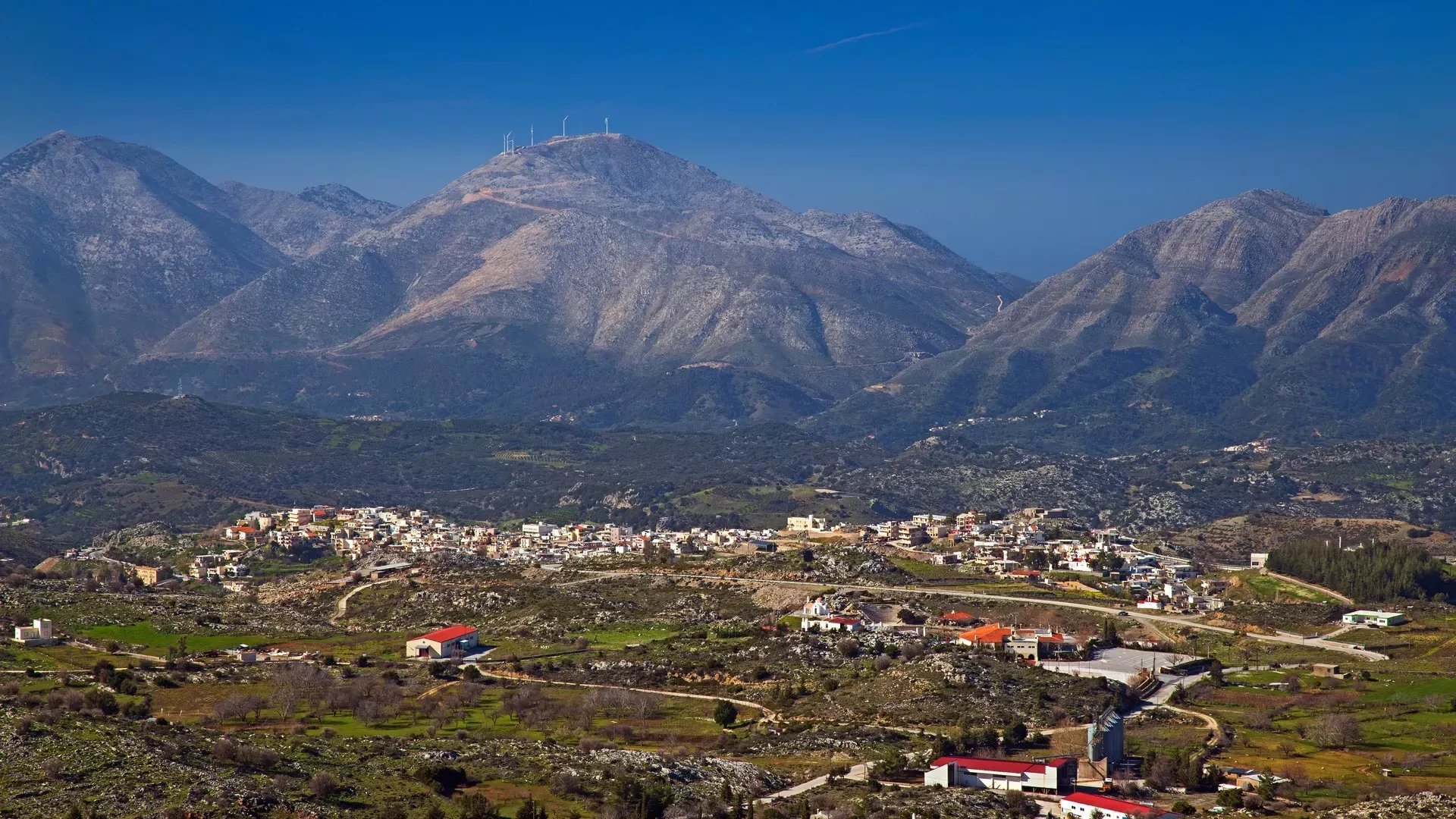
Anogeia, the most renowned village of Rethymno, offers visitors an authentic experience of mountainous Crete. In this special place, in the "Upper Land" of Psiloritis, where people are close to their past, you will meet authentic Cretans and enjoy warm Cretan hospitality. You will discover the area’s great musical tradition (Nikos Xylouris, Psarantonis and Vasilis Skoulas were born here), shop for beautiful Cretan woven textiles and enjoy your coffee or raki alongside black-shirted elders in one of the many traditional cafés that grace the village’s lovely squares. In Livadi, the picturesque square of Perachorio, you can visit the house where Nikos Xylouris grew up and the folk art museum of Michalis Skoulas (Grylios). From Anogeia you can set out for the Nida Plateau, the Skinakas Observatory, Ancient Zominthos and the Ideon Cave, the cavern where, according to mythology, Zeus was raised.
Margarites, Rethymno
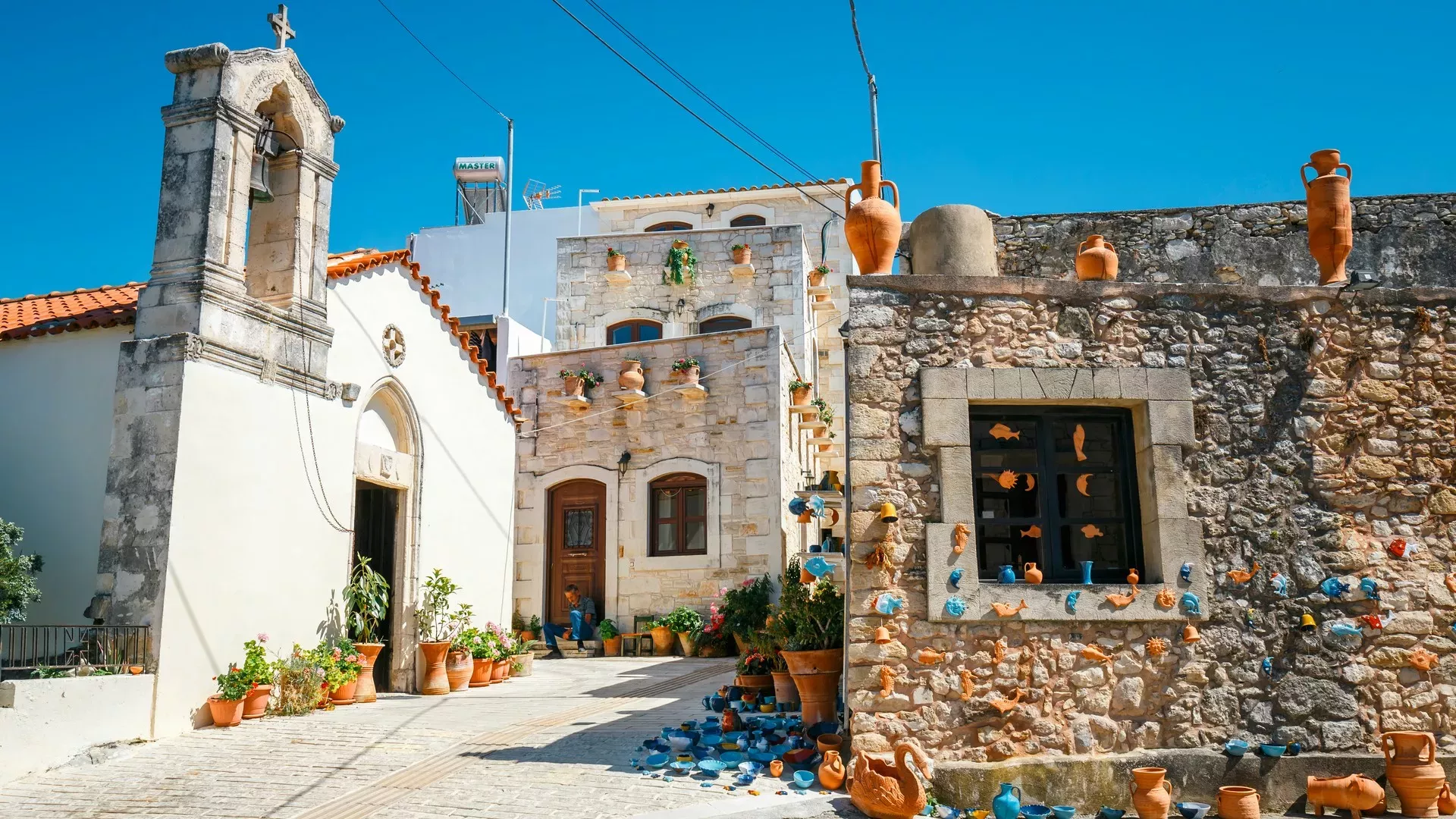
Margarites, the beautiful village of jar-makers, lies on the northern slopes of Psiloritis, at an altitude of 300 m and 27 km from Rethymno. It is a place with a unique color and character. The village’s pottery tradition (considered the largest pottery center of western Crete) is evident everywhere. As you wander the picturesque alleys you will see large clay planters outside every house, ceramics hanging on the walls and large clay jars adorning the flower-filled gardens. Today, at least 16 pottery workshops operate here, where you can buy ceramics and watch artisans work in the way of their forebears. In Margarites there are many churches in and around the village. Visit the oldest, St. John the Theologian with its stone iconostasis. On the eastern side of the village, amid rich nature, stands since the 16th century the Monastery of the Saviour Christ and Saint Gedeon, which offers lovely views of the area. Hiking lovers can follow the trail that leads to the gorge, along beautiful routes. Alternatively you can enjoy views of the gorge from the southern side of the village.
Kritsa, Lasithi
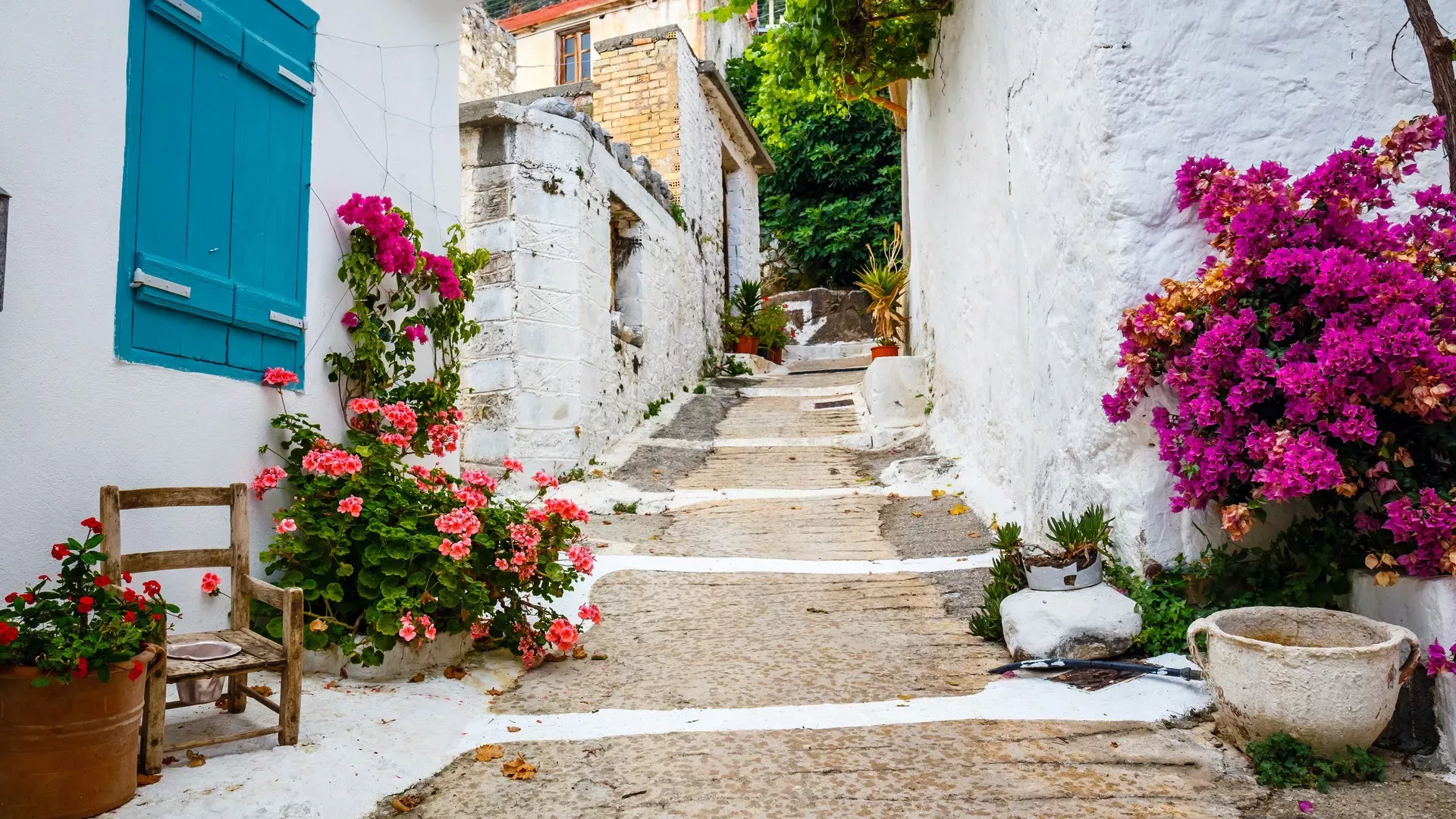
Built amphitheatrically on the slopes of Mount Kastellos, very close to Agios Nikolaos, Kritsa is one of the oldest villages of Crete. Having preserved to a significant degree its old architectural character intact, Kritsa offers a picturesque setting composed of lovely cobbled alleys, stone arches, old houses and shops with traditional products and folk art. Images of the village have traveled around the world through the film «He Who Must Die» with Jules Dassin and Melina Mercouri, which was filmed there. It is worth noting that the village is famed for its excellent extra virgin olive oil. The olive oil produced by the Kritsa Agricultural Olive Cooperative has been recognized and awarded in many competitions. The Kritsa Gorge, the small village of Tapes and the Byzantine monuments, such as Panagia Kera with its intricate frescoes, are the area’s most important attractions.