





Where history meets the sea and the narrow alleys lined with old houses give way to striking buildings. A stroll through Chania's Old Town feels like a grand journey through time.
Narrow alleys, Venetian buildings, Ottoman monuments, old neighborhoods, and a harbor that looks like a postcard. The Old Town of Chania is one of those places that hold many surprises. Chania is one of the most beautiful cities not only in Crete, but in all of Greece, and it's worth visiting at least once in your lifetime.
A stroll through the Old Town of Chania, which lies within the Venetian walls, is a journey through Crete's different eras. Venetians, Ottomans, Jews, and Cretans left their mark on a city that today blends contemporary life with history. Lose yourself in its narrow streets, pause to admire the sights, taste the local cuisine, and capture your most beautiful photos.
Venetian Harbor and Egyptian Lighthouse
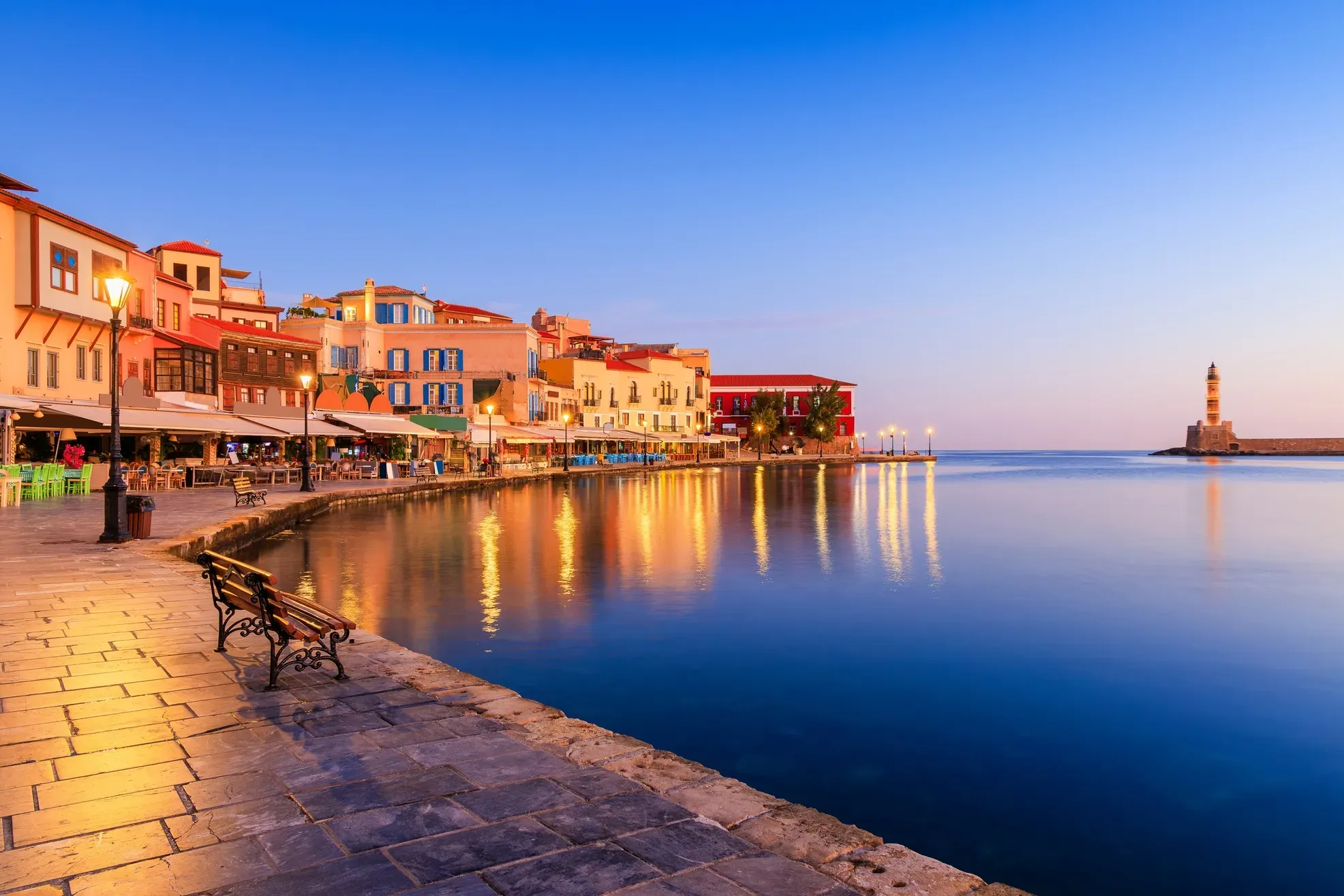
Your walk in Chania begins at the Venetian Harbor, the city's most characteristic image. Historic buildings are reflected in the water, creating a colorful scene. At the harbor entrance stands the Egyptian Lighthouse, one of Chania's most emblematic landmarks. It was originally built by the Venetians in the 16th century and owes its present form to the Egyptians who reconstructed it in the 19th century. The lighthouse is one of the oldest surviving in the world and is the perfect spot to admire the harbor and the Old Town.
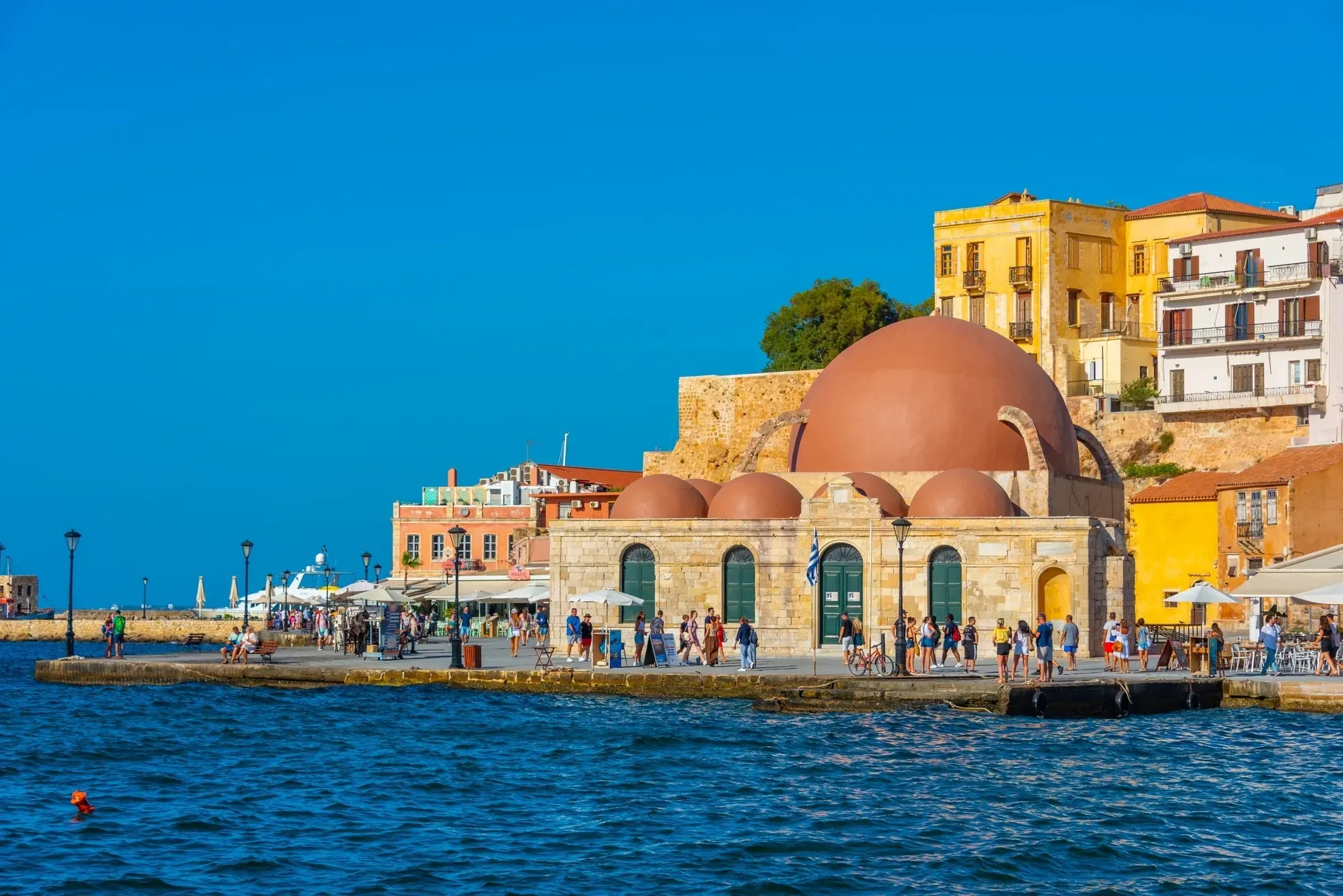
Opposite, the Küçük Hasan Mosque, also known as the Yali Mosque, stands out. This distinctive waterfront building is one of Chania's most recognizable Ottoman monuments, built in the 17th century on the site of an ancient Greek temple, a reminder of the different historical identities the city has taken on over the centuries.
The Rector's Palace and Kastelli Hill
Among the traces left by the Venetian period in Chania's Old Town is the Rector's Palace (Palazzo Rettore). It's located on Kastelli Hill, above the old Venetian harbor. The building was connected to the city's administration, serving as the seat of the Rector, the Venetian governor of Chania. Although its original form hasn't survived, its history is yet another reminder of the time when Chania was an important administrative and commercial center of the Venetian Republic.
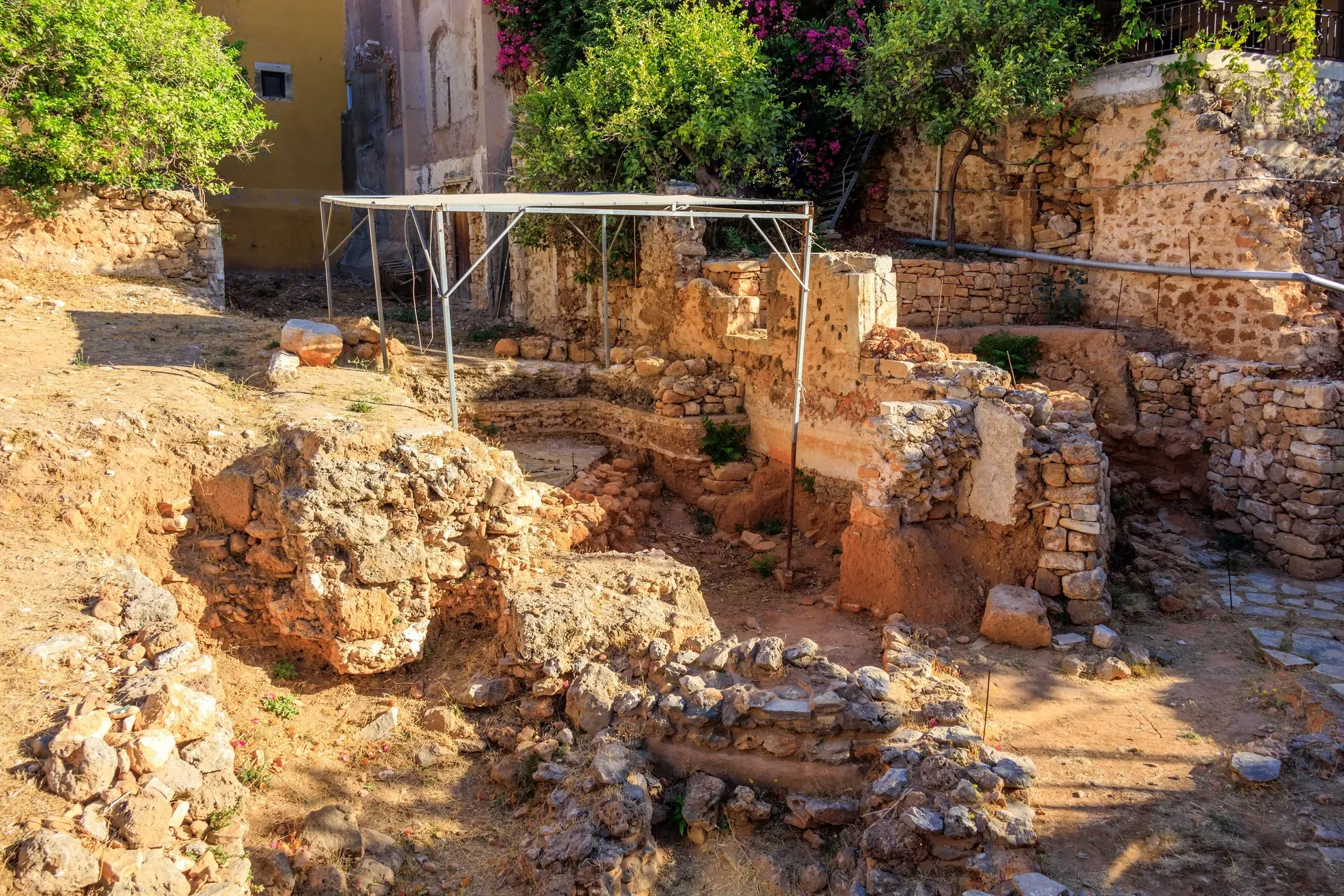
Kastelli Hill is one of Chania's most historic spots, inhabited for about 5,000 years, with the first traces of human presence dating back to the end of the Neolithic period. Ancient Kydonia developed here, while archaeological research has brought to light significant remains of a Minoan palatial center. Old mansions coexist with sections of walls and archaeological remains from the Kastelli Archaeological Site. From the hill's higher points you'll admire beautiful views over the harbor.
The Venetian Arsenals
Near the harbor you'll also find the Venetian Arsenals, the city's old shipyards. These are distinctive elongated stone buildings constructed by the Venetians for the repair and maintenance of their ships. The Arsenals are among the most impressive remnants of the Venetian period in Chania from the 16th century and reveal the great importance the harbor held for the entire city.
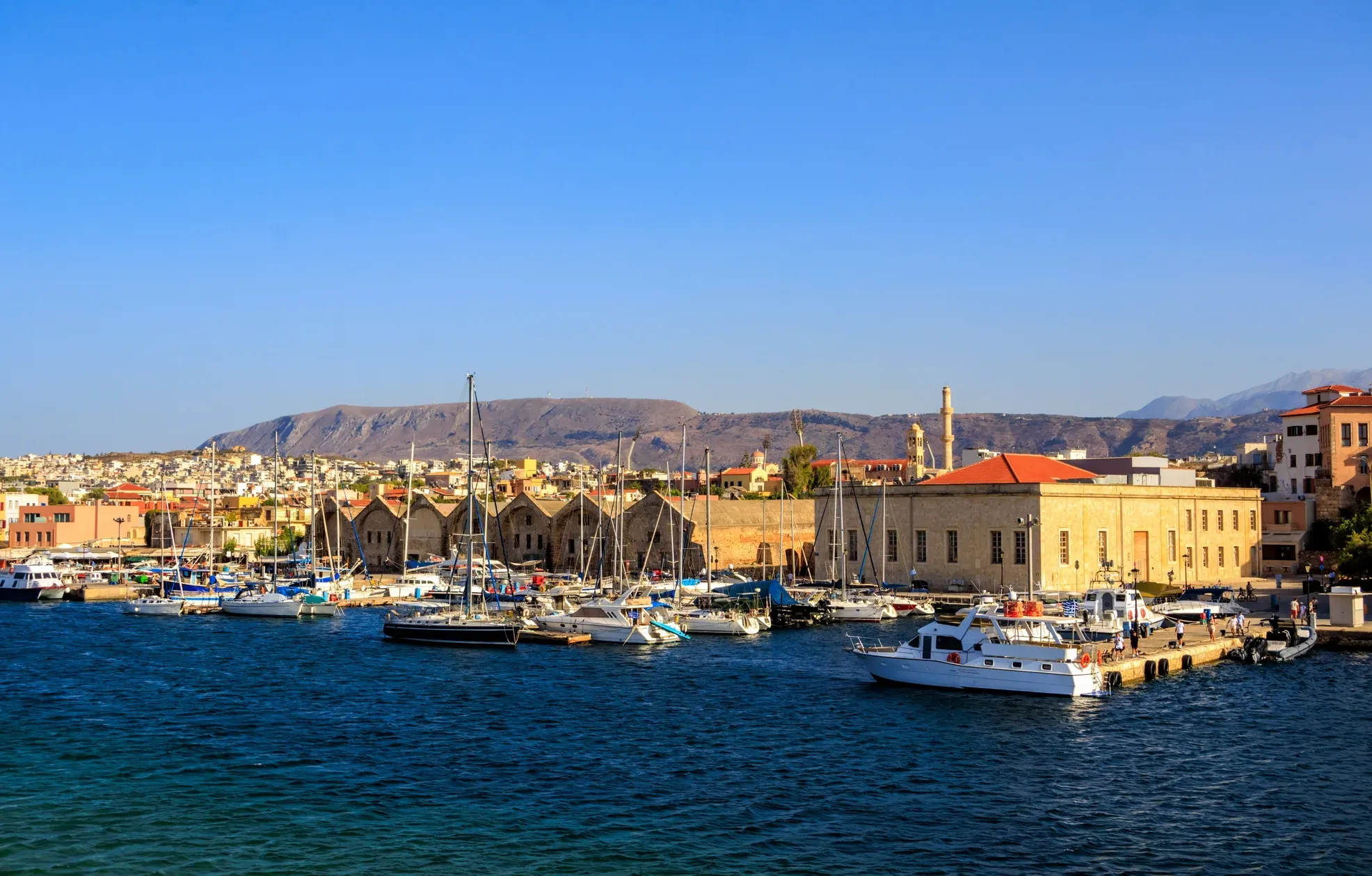
At the eastern end of the Old Venetian Harbor is the Museum of Ancient and Traditional Shipbuilding, housed in the imposing Neorio "Moro". The museum is a branch of the Maritime Museum of Crete, which stands at the western end of the Old Venetian Harbor, in Firka Fortress. There you'll admire a faithful 17-meter-long replica of a Minoan ship. It took about 4 years to create and, after its completion, it sailed to Piraeus, accompanying the vessel that carried the Olympic Flame for the Athens Olympic Games.
Splantzia Square
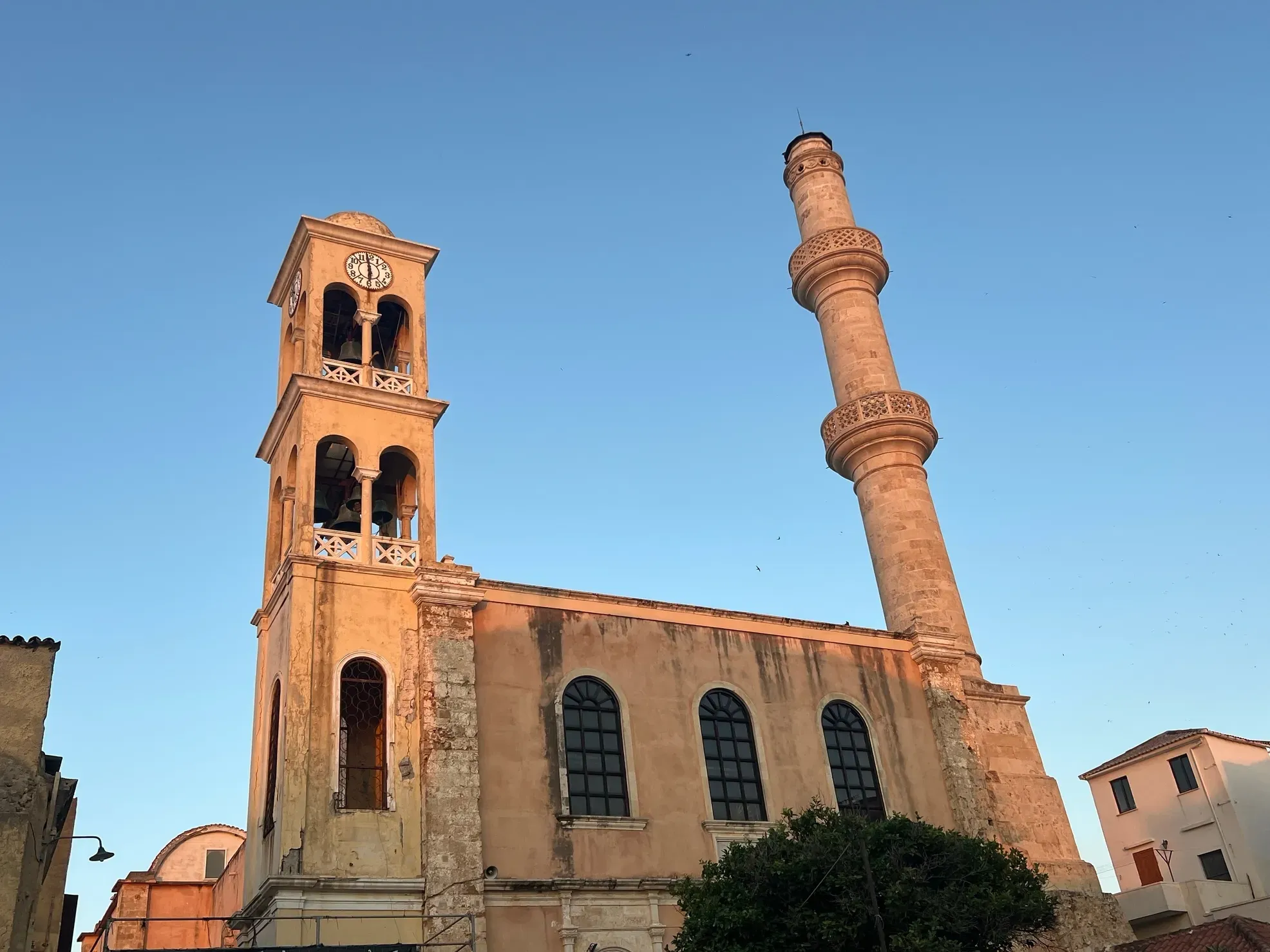
In a central spot of the Old Town lies Splantzia Square, with its authentic atmosphere. Here you'll see how daily life unfolds, sit down for food at the little tavernas, and visit the Church of Agios Nikolaos. It's one of Chania's most characteristic religious monuments, reflecting the city's different historical periods in its own way, as it was built by Dominican monks in 1320 and reached its final form in the early 20th century. Here you'll also see the Church of Saint Roch, Chania's protector against the plague.
The Topanas quarter
After your harbor strolls, it's worth getting lost in the narrow lanes of the Topanas quarter, one of the Old Town's most atmospheric neighborhoods. It's known for its Venetian architecture, Turkish baths, old houses with beautiful courtyards, and narrow alleyways. During the Ottoman period, this was Chania's Greek quarter. On Angelou Street you can do some shopping or stop for a meal.
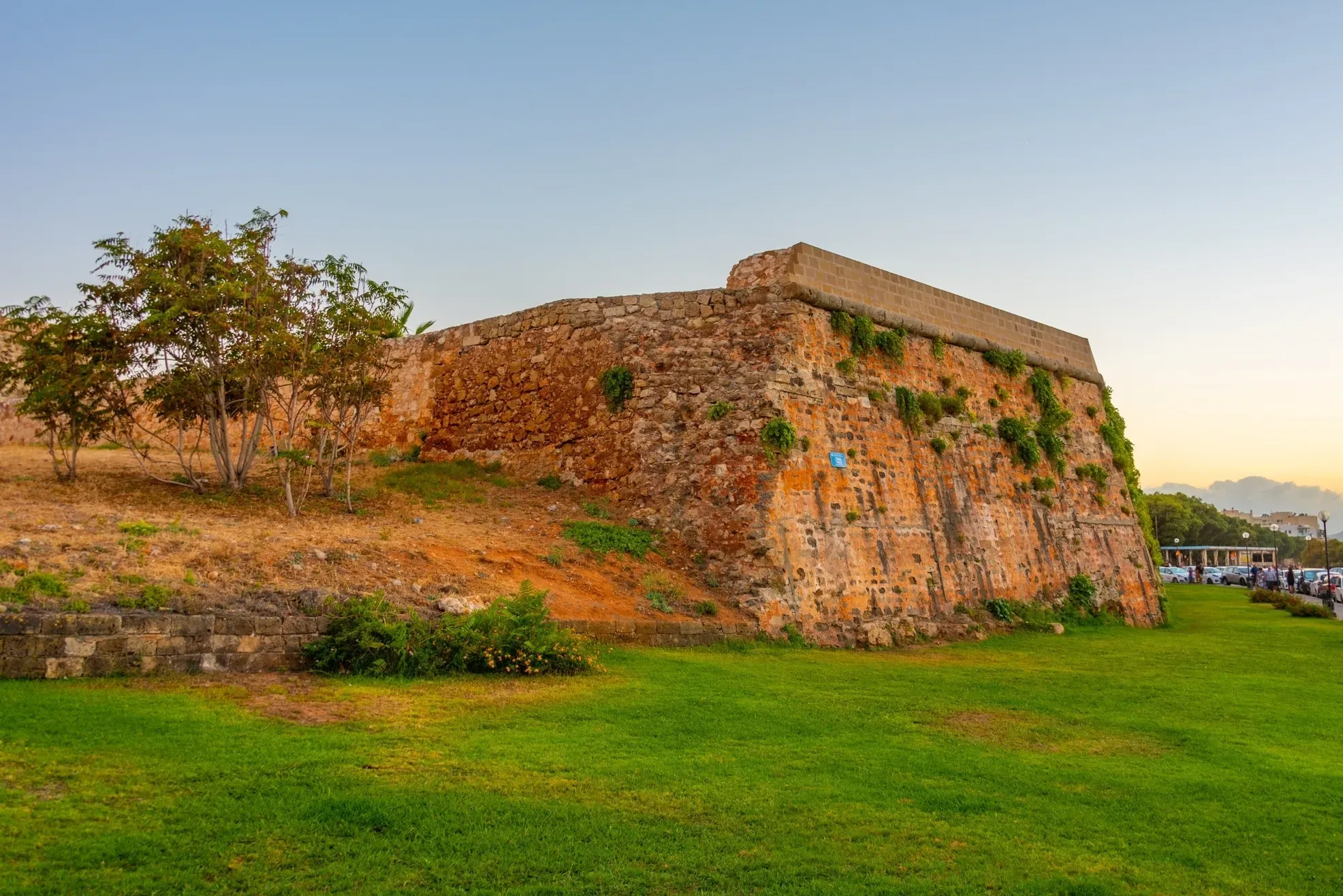
The neighborhood is also home to the Byzantine and Post-Byzantine Collection of Chania, housed in a building that was a 15th-century Venetian monastery (known as San Salvatore). A visit is a great opportunity to get to know Crete's artistic and religious history through works from different periods. At the northwestern corner of the Venetian fortifications stands the San Salvatore Bastion, which took its name from the monastery.
The Jewish quarter and Crete's only synagogue
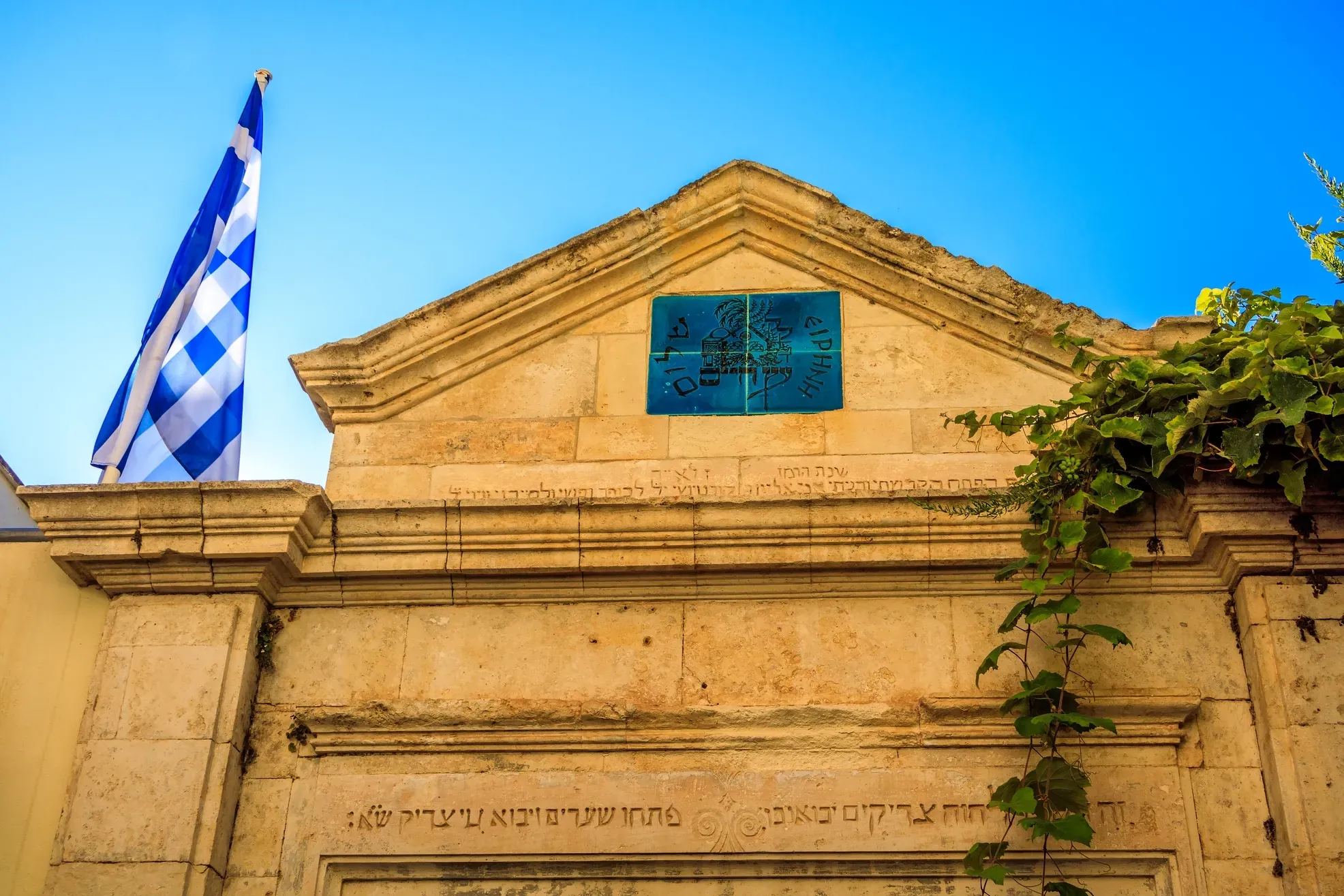
Continuing your walk, it's worth exploring the Jewish quarter, an area behind the harbor that preserves the memory of Chania's Jewish community. Among its narrow streets stands the Etz Hayyim Synagogue, the only one preserved in Crete. The synagogue first operated during the Venetian period, on the site of an earlier Catholic church. The monument is a distinctive piece of the city's history and is well worth a visit for its impressive architecture and its story.
Athenagora Square and the heart of the city
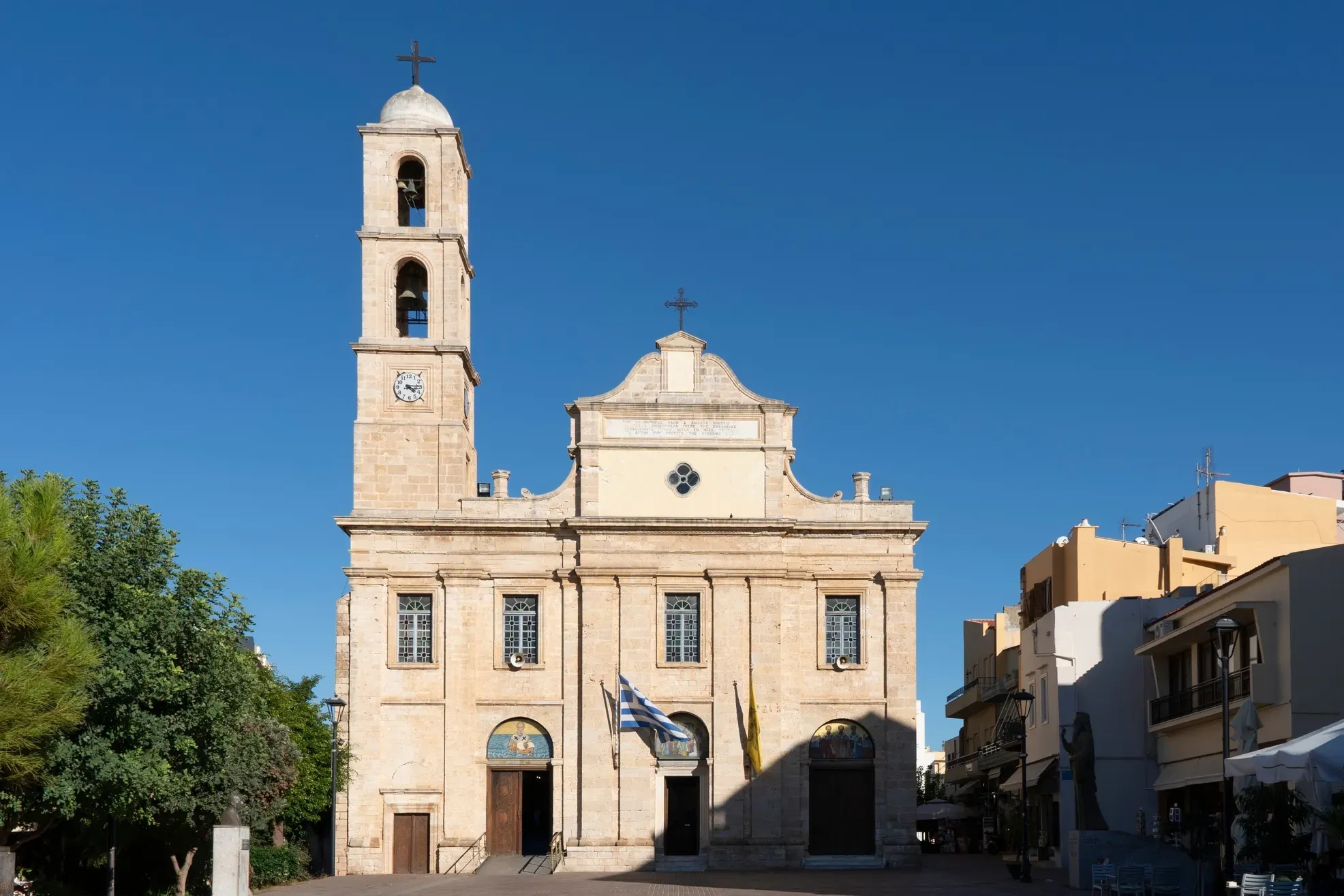
The walk continues toward Athenagora Square, where the Jewish quarter ends. It's one of the places in Chania where history meets everyday life. Here stands Chania's Cathedral, dedicated to Panagia Trimartyri, the city's patron. Its architecture impresses, as it was built in the 14th century during Venetian rule. Opposite the square is the Folklore Museum of Chania, also known as the Cretan House, with objects of daily life and embroidered textiles from Crete. Here you'll also find the Municipal Art Gallery, with an important collection of works by local artists.
Firka Fortress and the Maritime Museum of Crete
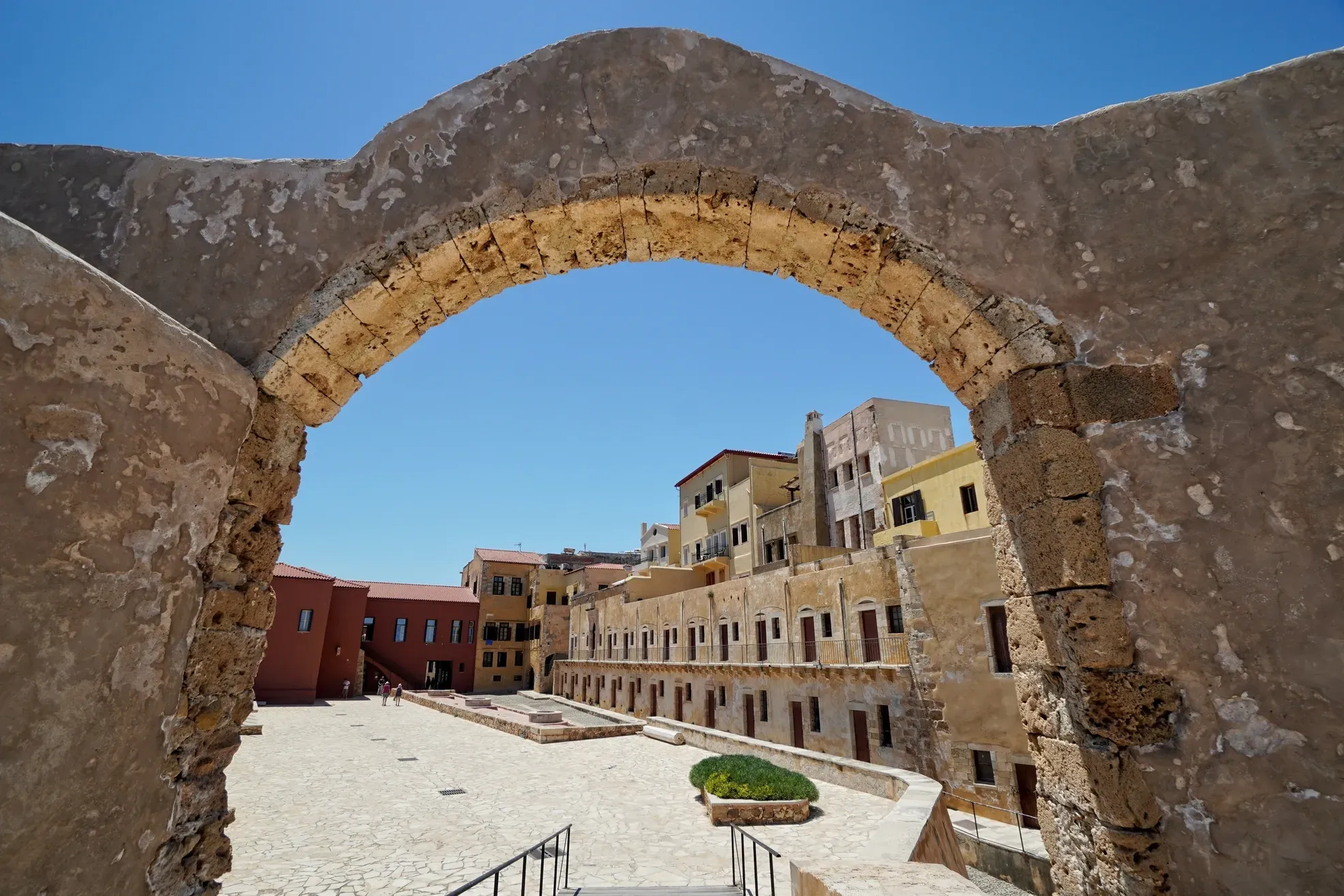
At the western end of the Venetian Harbor stands Firka Fortress, one of Chania's most important fortifications. Its position offers beautiful views over the harbor and the lighthouse, and its history is directly linked to the city's defense. It was built by the Venetians and later used by the Ottomans, from whom it took its name (Firka means barracks). At the fortress entrance is the Maritime Museum of Crete, where the island's maritime history is presented from antiquity to the modern era. There you'll see, among other things, ship replicas, finds from shipwrecks, and various documents.