





From the clay pots that shatter with a bang to the flaming hot air balloons and the burning of Judas, these are some of the most distinctive and spectacular traditions of Greek Easter.
From North to South, from the mountains to the islands, Easter all across Greece is full of traditions and customs with histories that fade into the depths of time. Each place has its own rituals and keeps its traditions alive, making Greek Easter a one-of-a-kind experience. Here are some of the most distinctive Easter customs worth experiencing at least once up close.
The botides, Corfu


The squares and narrow lanes of the beautiful old town of Corfu set the scene for perhaps Greece’s most melodic and most famous Easter. On Holy Saturday, the mourning of the Epitaphios procession gives way to the joy of the First Resurrection at 11.00 with the spectacular and thunderous custom of the "botides". Dozens of earthenware jugs of every size are hurled from decorated balconies to shatter with a bang on the ground. It is the most iconic image of Corfiot Easter. Afterwards, the philharmonic bands parade through the town playing jaunty marches.
The rocket war, Chios
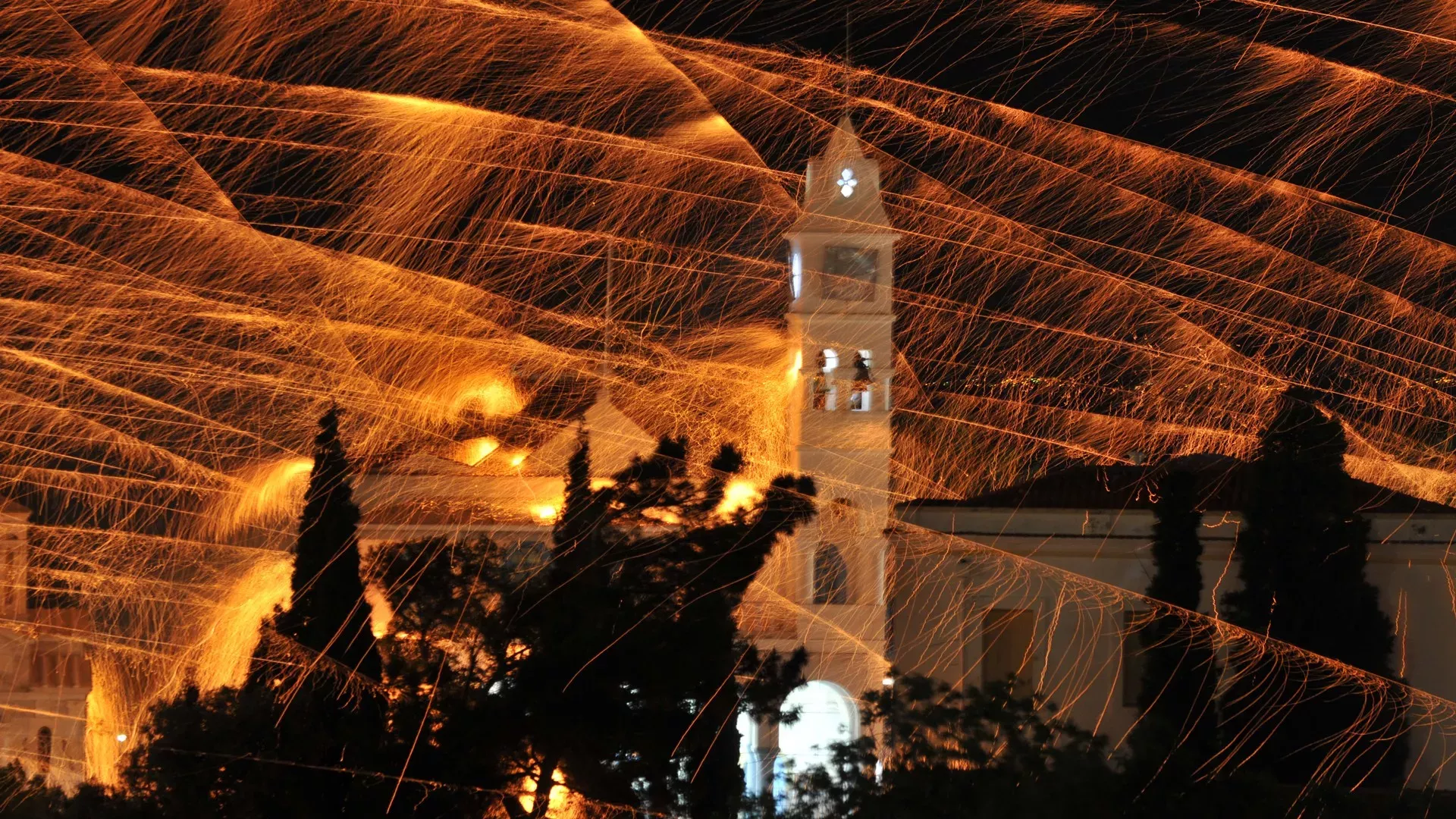
Every year around this time, Chios draws the spotlight, thanks to the custom of the rocket war revived in the village of Vrontados. The two "rival" parishes, Saint Mark and Panagia Erythiani, launch thousands of homemade rockets on Holy Saturday night aiming at the bell tower of the opposing church, creating a breathtaking spectacle. According to the prevailing account, the custom dates back to the years of Ottoman rule, when Christians wanted to show the Turks how Orthodox celebrate the Resurrection.
The hot-air balloons, Leonidio
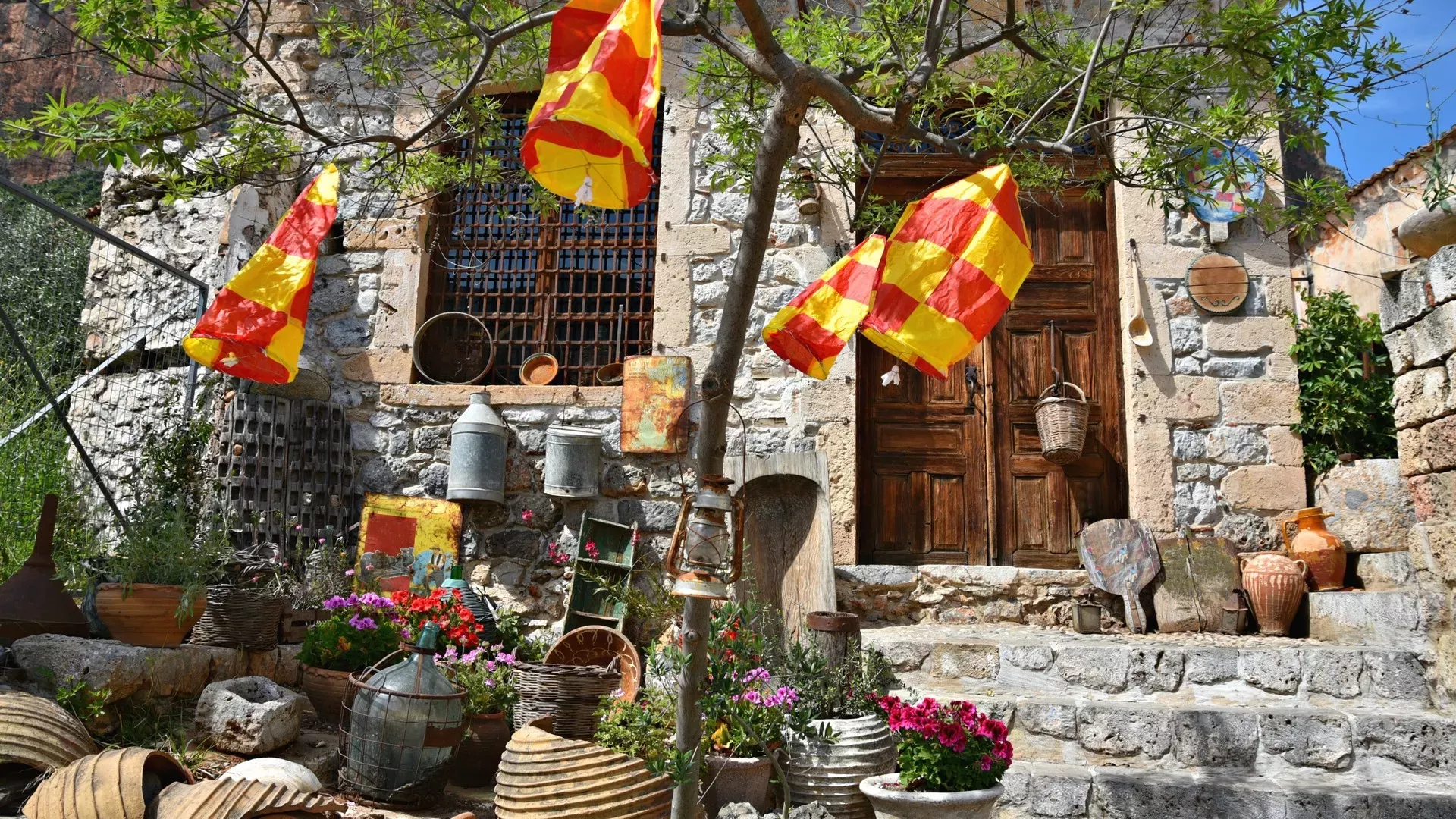
In picturesque Leonidio in Arcadia, one of Greece’s most unique and most spectacular Resurrection customs is revived: the release of hot-air balloons. On the night of the Resurrection, as soon as "Christ is Risen" is heard, dozens of homemade, multicolored "hot-air balloons" are set free, lighting up the sky in a dazzling display. The balloons are prepared by children weeks in advance, and each parish releases between one hundred and one hundred twenty. They are made of reed and paper and reach a height of two meters. This custom has its roots in the 19th century and makes Leonidio stand out among Easter destinations.
The "blazing" harbor, Nafpaktos
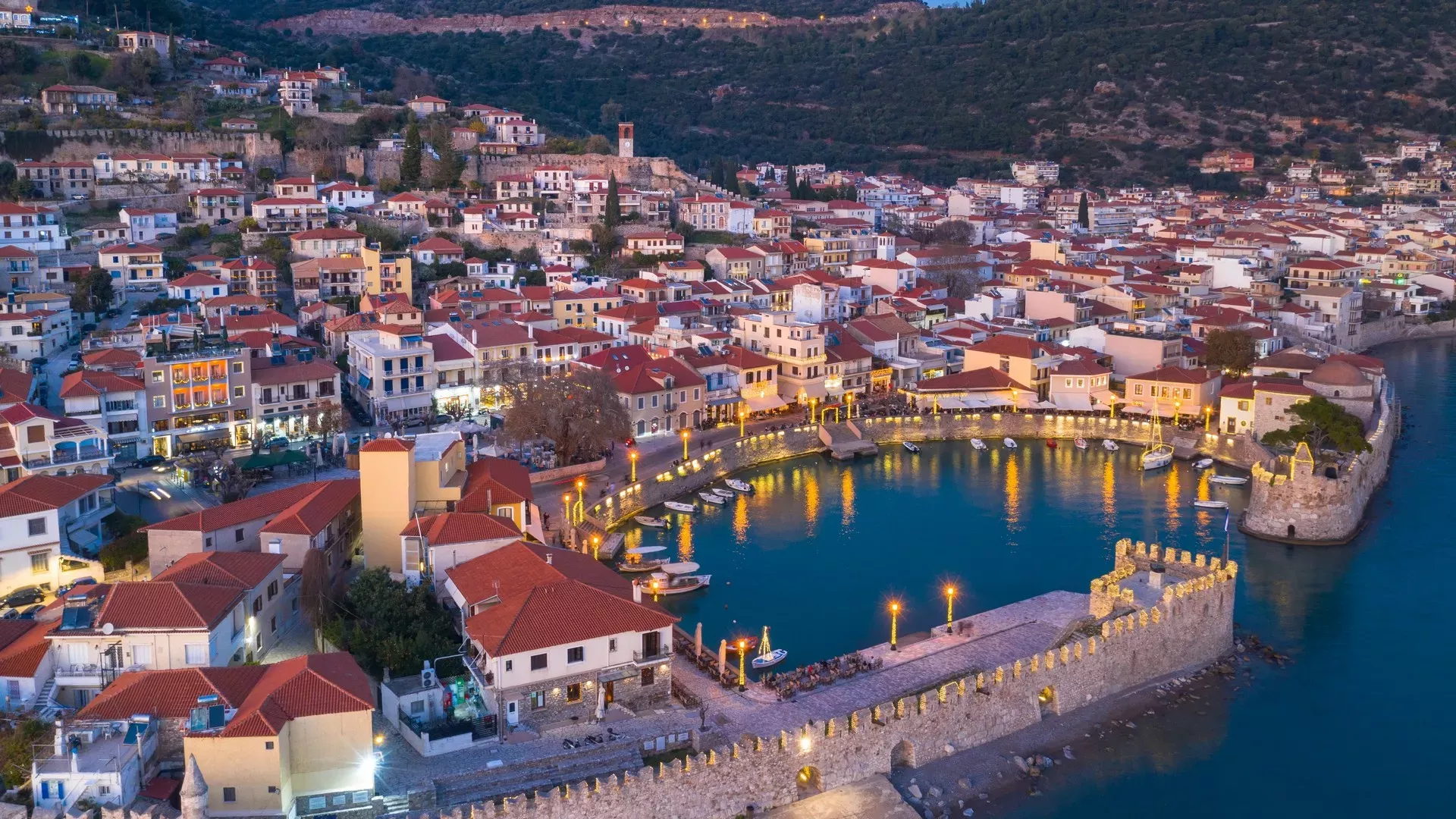
The heart of Nafpaktos beats at the picturesqueVenetian harbor.It is the city’s hallmark and one of the most beautiful harbors in Greece. Here, onGood Friday the scene is especially impressive. Hundreds of candles and flaming torches welcome the Epitaphios processions, while a blazing cross illuminates the harbor entrance. Immediately after, the night sky is lit by spectacular fireworks. This custom has been maintained since the 1950s, when fishermen "decorated" the embrasures with burning torches, wishing to salute in their own way the meeting of the Epitaphios processions from the city’s two churches (Saint Demetrios and Saint Paraskevi) at the harbor.
Orthodox and Catholics together, Syros
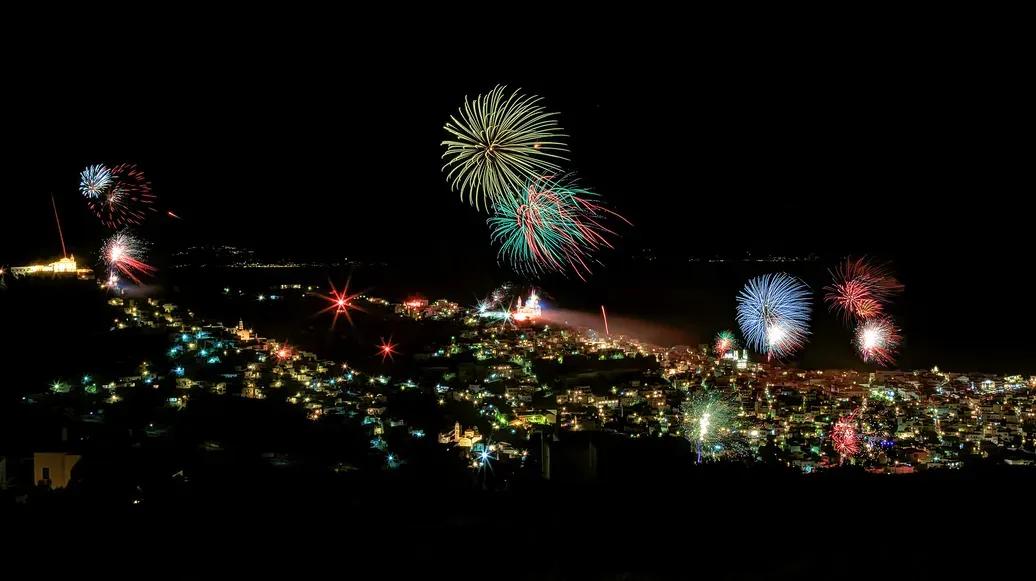
Syros is one of the best choices to experience a truly unique Easter. Here, the island’s two religious communities, Orthodox and Catholic, celebrate Easter together. On Good Friday the Orthodox Epitaphios processions set out from the churches of Saint Nicholas, the Dormition of the Theotokos, and the Transfiguration of the Savior (the Metropolis) through the town’s picturesque lanes. The processions meet in Miaouli Square in front of the Town Hall. The Epitaphios from the Catholic church of Evangelistria has already preceded. Equally special is the procession of the Catholic Epitaphios in Ano Syros, from the churches of Saint George (San Tzortzi) and Saint Sebastian.
The Epitaphios in Pyrgos, Santorini
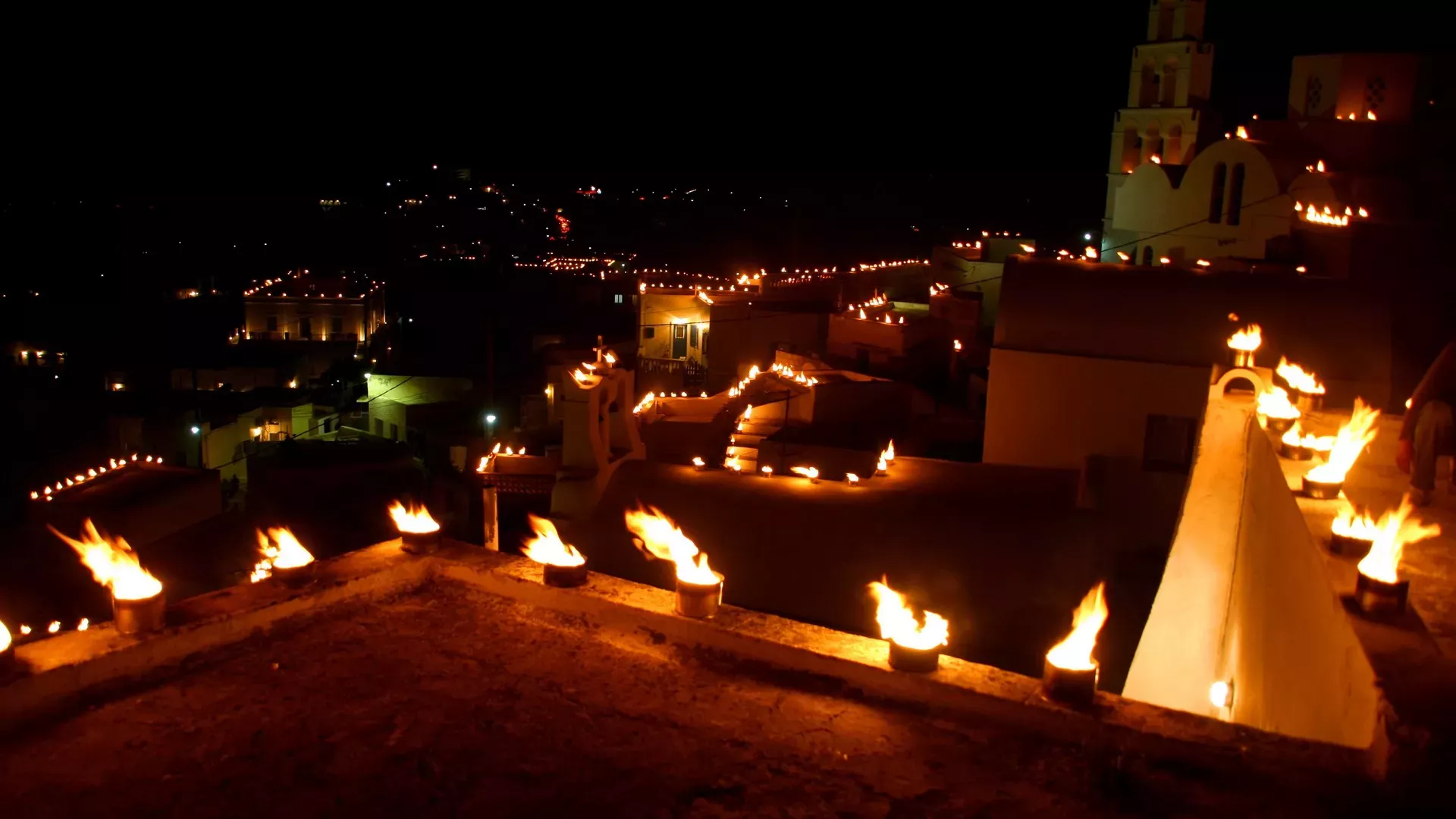
Easter in Santorini means above all the Epitaphios inland, specifically in the medieval village of Pyrgos. On Good Friday night, the village gleams from afar. Hundreds of tin lanterns are placed on rooftops, along streets, and on the walls of the medieval castle, creating an intensely devout scene through which the Epitaphios passes.
The Reenactments in Marpissa, Paros
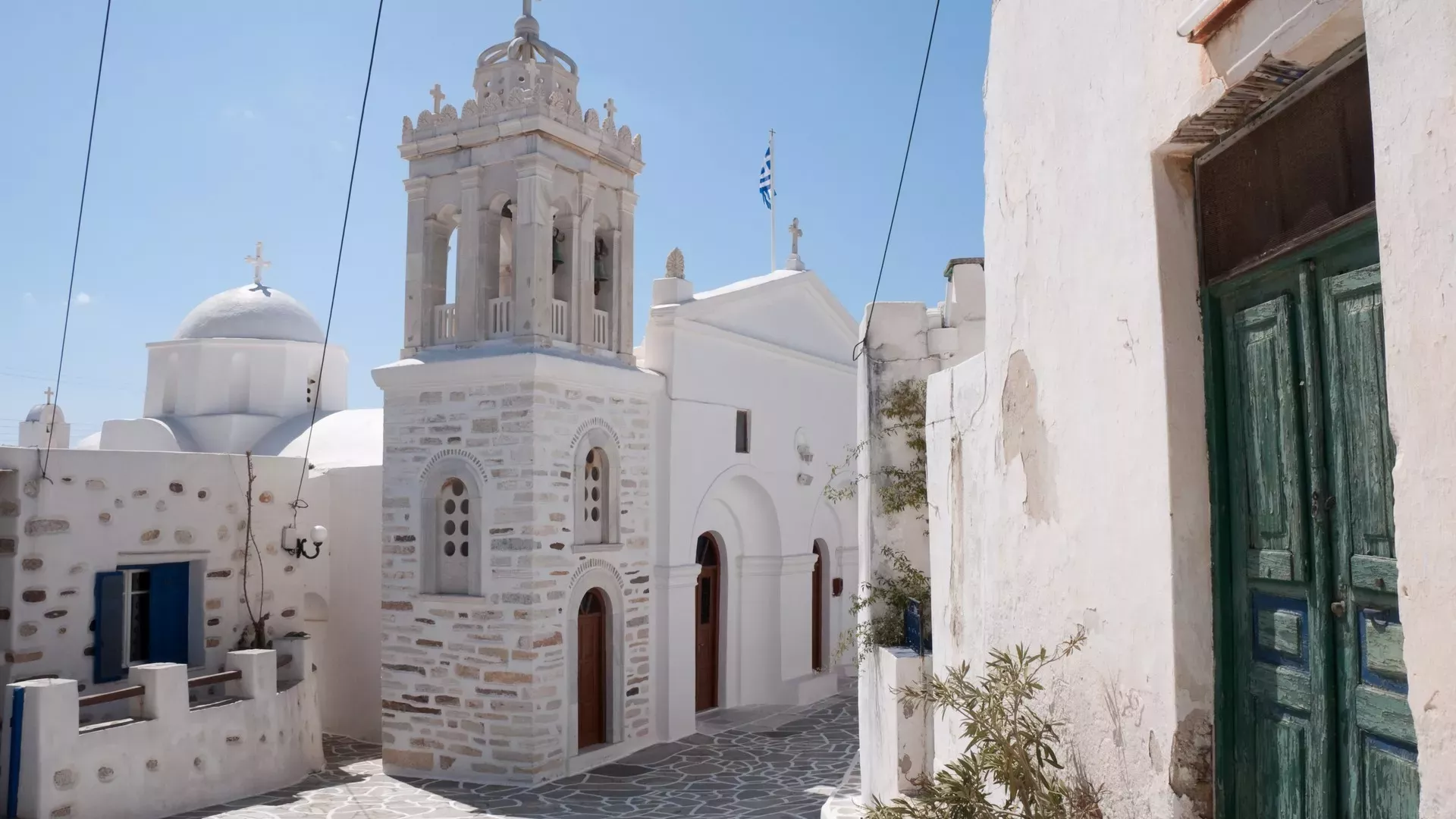
At Easter, Paros is calmer and traditions come alive in its picturesque villages. Standing out is the custom of reenacting the Passion of Christ in the village of Marpissa, which you can follow during the Epitaphios procession on Good Friday night. Young and old, dressed as Roman soldiers or disciples of Christ, vividly recreate scenes from the entrance into Jerusalem, the Last Supper, the prayer on the Mount of Olives, the Passion of the Crucifixion, and the Resurrection.
The Washing of the Feet ceremony, Patmos
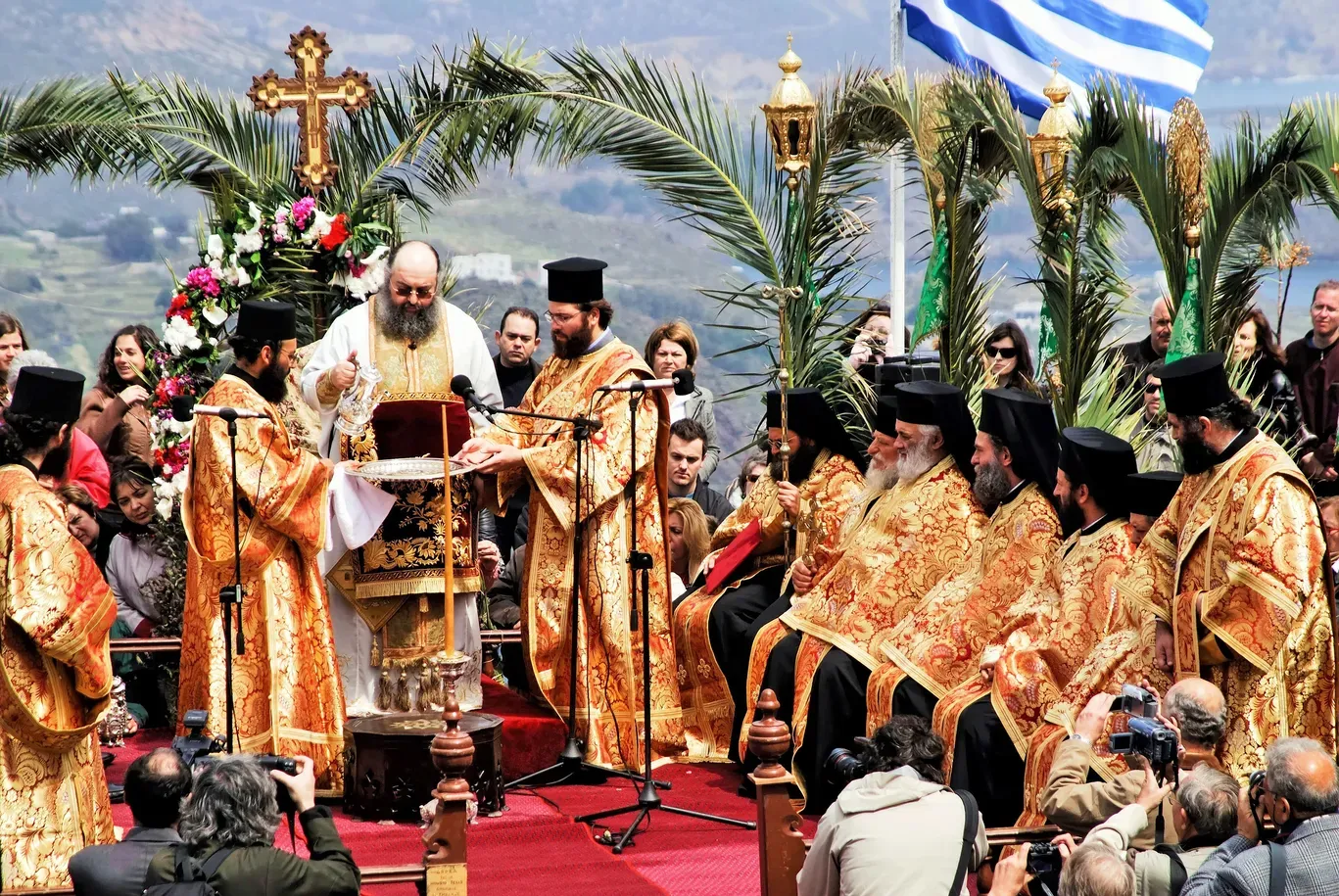
On Patmos, Easter is celebrated with deep reverence and grandeur. The island’s most characteristic custom is the Ceremony of the Washing of the Feet and the reenactment of the Last Supper, which has taken place on Holy Thursday in the Chora square for about 400 years. Shortly before noon, the abbot of the Monastery, portraying Christ, washes the feet of 12 monks and priests representing the Apostles.
The burning of Judas, from Thrace to Crete
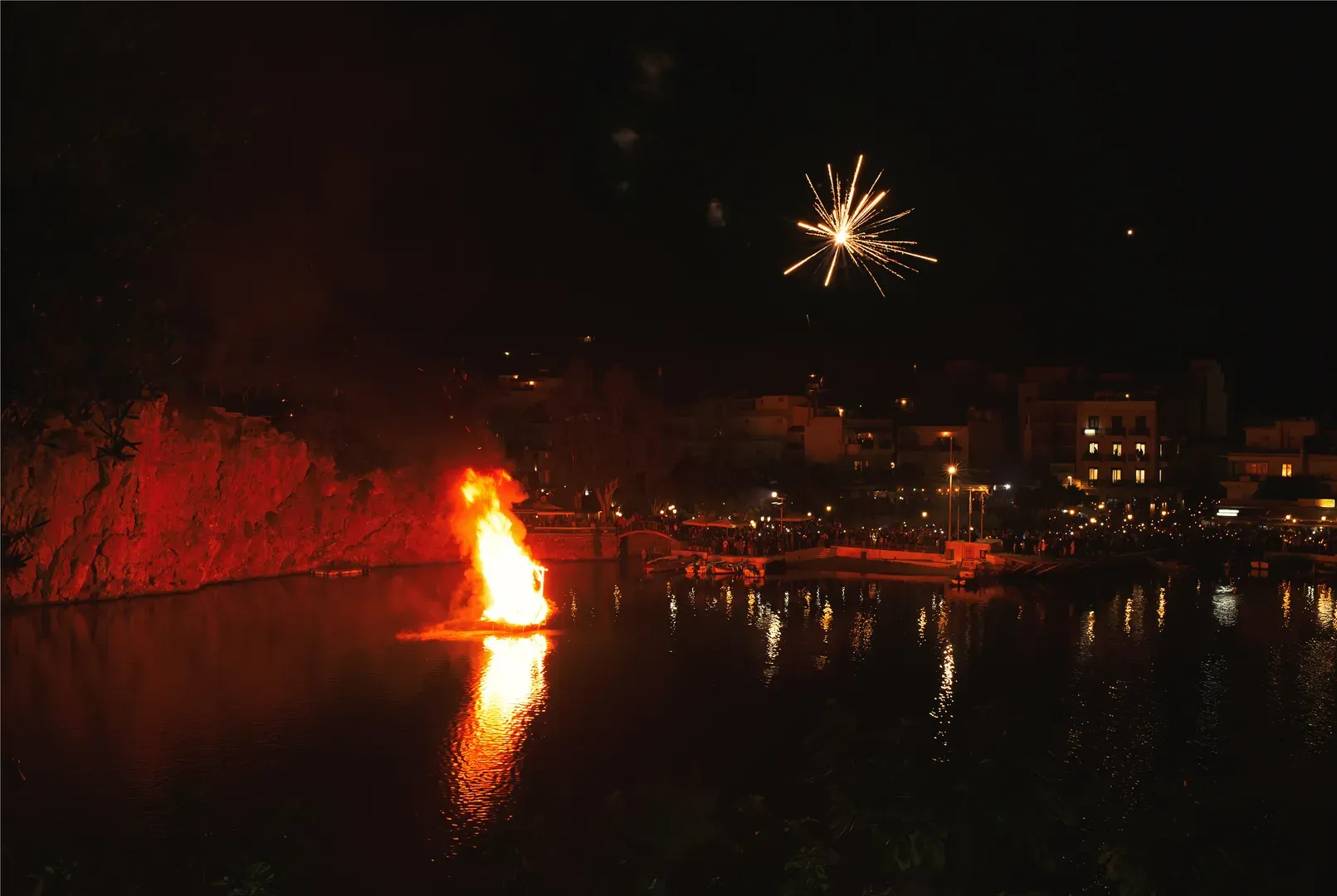
The burning of Judas is a classic Easter custom found in various forms in many parts of Greece - from Thrace to Crete. In Tyros, Arcadia, for example, the burning of Judas takes place at sea. A floating platform is piled with wood and a human effigy hangs above it. Then the fire is set by Tsakonian fire-starters and the effigy is given over to the flames, accompanied by fireworks. In Crete, there is the custom of the "founara", the great bonfire for Judas, on the night of Holy Saturday. In Agios Nikolaos, a raft with an effigy of Judas is placed in the center of the town’s lake and burned at the moment of the Resurrection.