





High in the Pomak villages of Xanthi, near the border with Bulgaria, the small and secluded settlement of Kottani retains its traditional character and is a renowned gastronomic destination thanks to the taverna that operates there.
The Pomak villages, in the Rhodope mountain range, are renowned for their cultural and architectural uniqueness. These villages have preserved their picturesque character, the traditional architecture of their houses, and the distinctive culture of the Pomaks. Kottani, about 55 km northeast of the city of Xanthiand a stones throw from the Greek-Bulgarian border, is one of the most picturesque yet also one of the most remote Pomak villages. The road there requires patience, but the experience is more than worth it.
Picturesque Kottani in the Pomak villages
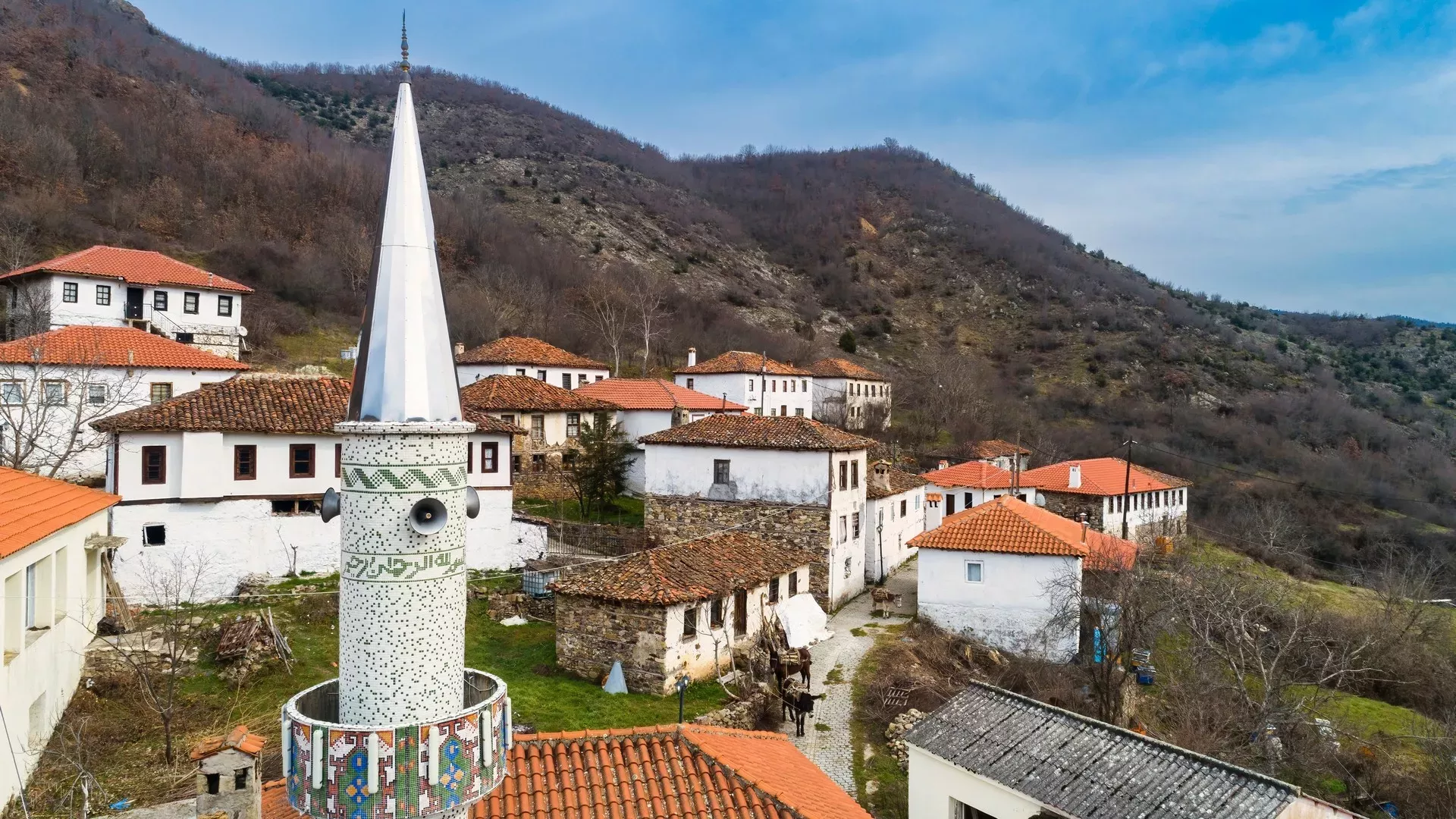
The picturesqueKottani, which has been recognized as a "traditional settlement", counts fewer than 30 houses, many over 200 years old, offering visitors unique scenes that carry them back in time. In the center of the village stands the distinctive minaret, rising imposingly next to the old Primary School building. The small village managed to keep its traditional character intact, due to depopulation after 1970. Most residents emigrated to Germany and other parts of Greece to find work. Today, Kottani counts just 43 residents (according to the 2011 census). The village was connected by road to nearby Medousa with a dirt road only in 1998 (until then access was by horses and mules along footpaths). Access remains difficult, as this section of the road (about 6 km) is still a dirt road and requires a little caution.
The tavern - museum of Tzemil
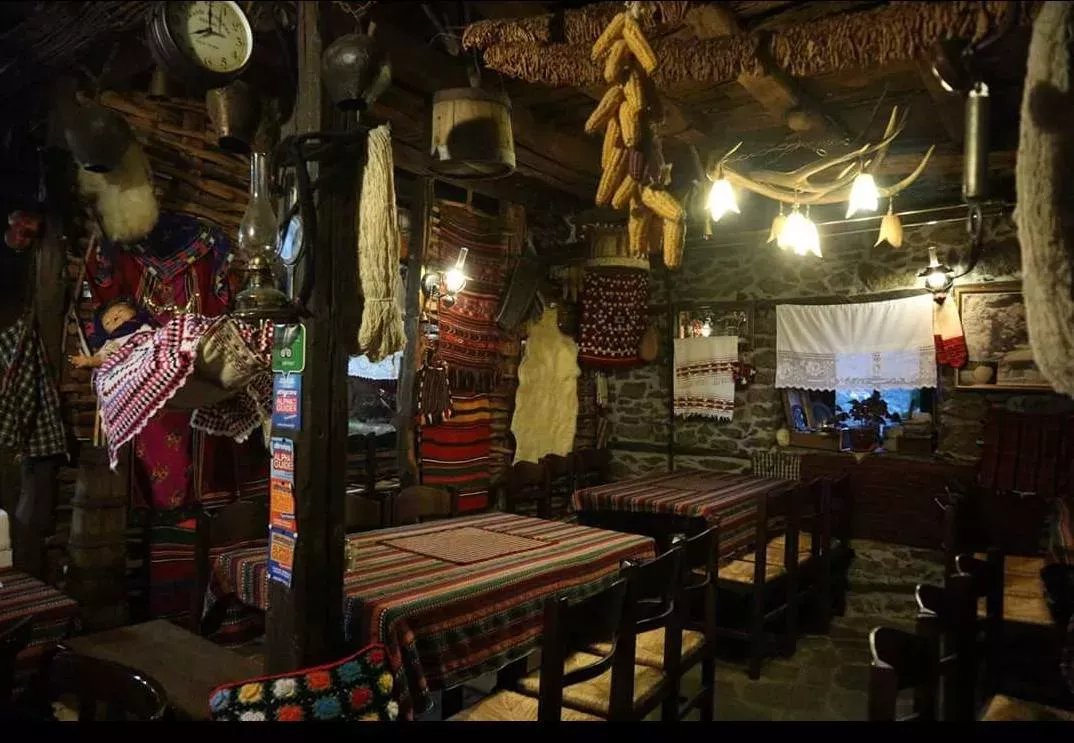
At the entrance of the village, a small surprise awaits visitors: an exceptional traditional taverna that is a destination in its own right. The traditional tavern - museum of Tzemil, also known as "Taverna Kottani", operates on the ground floor of a traditional stone-built residence with a lovely paved, flower-filledcourtyard overlooking the Kompsatos River and the village of Kottani. The upper floor of the house is preserved exactly as the owners grandparents left it. Everything is in its place, traditional costumes, copperware, glassware, weavings, kilims and blankets - like a folk museum of Pomak history.
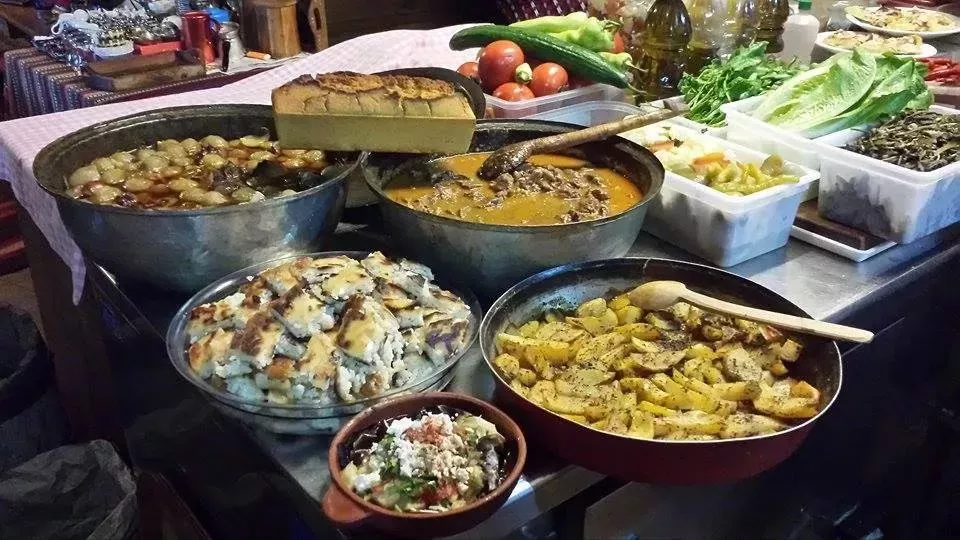
The aromas from the open kitchen will awaken your appetite at once. The table fills with delectable dishes from traditional Pomak cuisine, lovingly prepared by Tzemil and his wife, Mousgien: patatnik (potato pie), parenik (pie with cornmeal, onion and cheese, pekan patladzan (grilled eggplant with cheese), spicy bean soup, wonderful homemade pickles,grilled local meatsand juicy kebabs. Pair them with local tsipouro and a sweet from Mousgiens own hands.
See images from the village and the tavern in the Travel Inspiration video: