





From picturesque cities to coastal villages, Morocco offers exceptional destinations for every season of the year.
Dreamy cities, colorful towns, local markets, and fascinating gastronomy are some of the reasons why Morocco ranks high on travelers' wish lists around the world. Visitors of all ages arrive year-round in different parts of the country, with the shoulder seasons being the ones most people prefer.
The best time to travel to Morocco largely depends on what you want to do there and which places you plan to visit. From October to April, mild temperatures attract those who can't stand the heat. In July and August, everyone prefers the seaside areas for their holidays. Discover the ideal season for you and what activities you can enjoy once you're there.
Spring and autumn: The best months to get to know Marrakesh
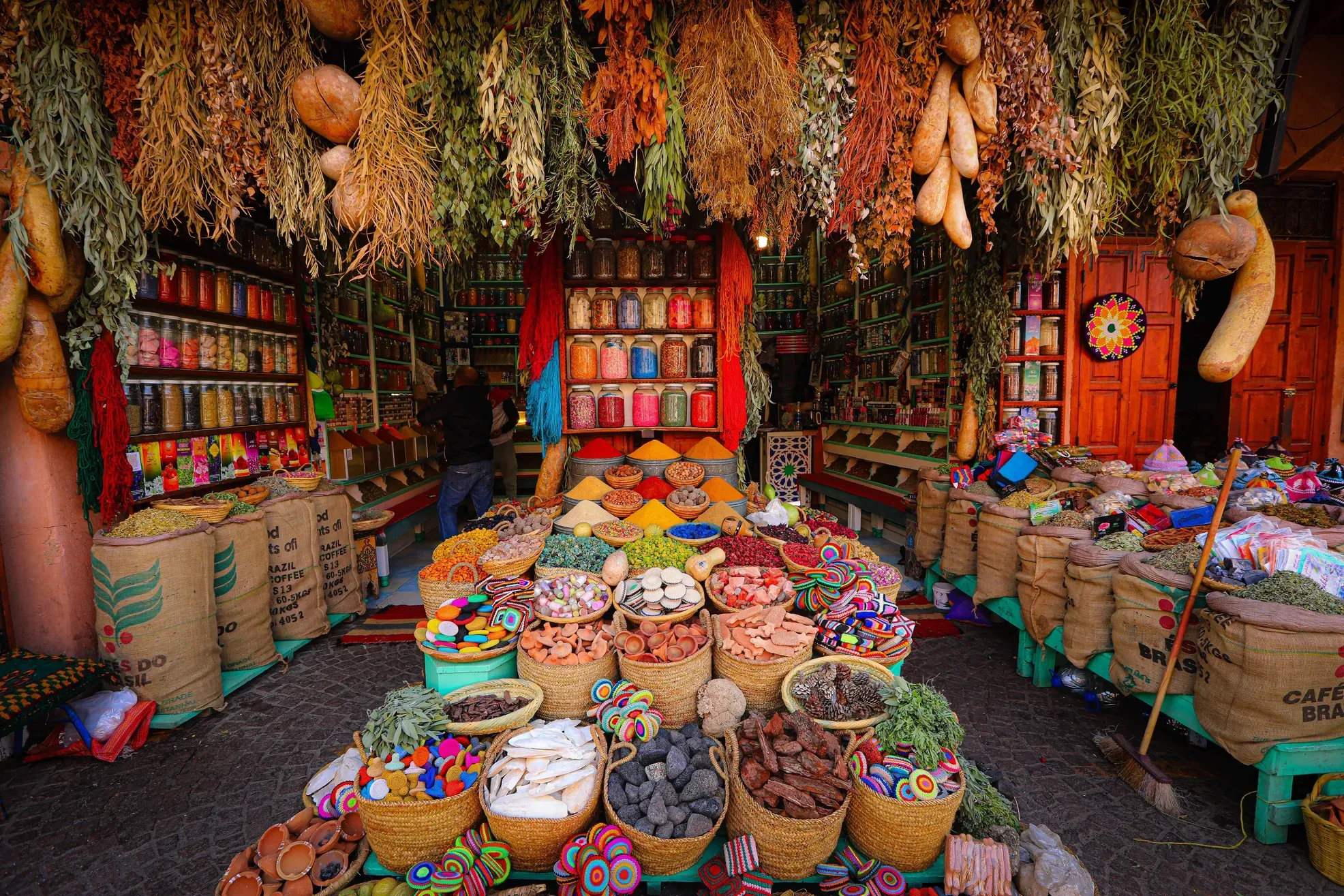
From March to May and from September to November, many days are sunny and the temperatures are neither too high nor too low. These seasons are ideal for visiting Marrakesh and its sights. May and October are the best months to go to the Sahara as well, since sandstorms occur mainly from January to May.
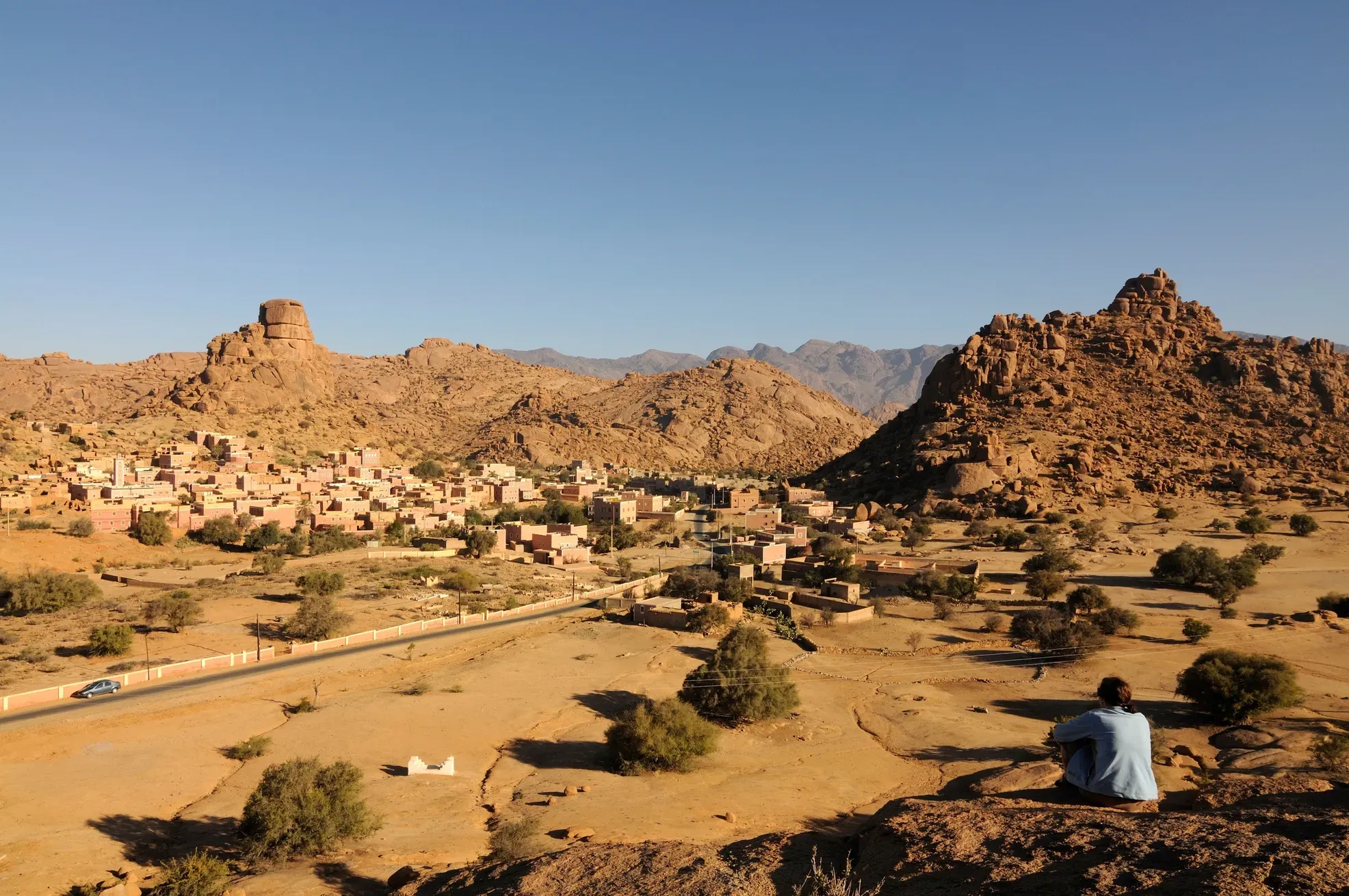
Although the Atlas Mountains are a hiking destination year-round, the weather is milder in spring and autumn, offering ideal conditions for people of different fitness levels. A popular time is also the almond blossom festival held each year in Tafraoute in February or March.
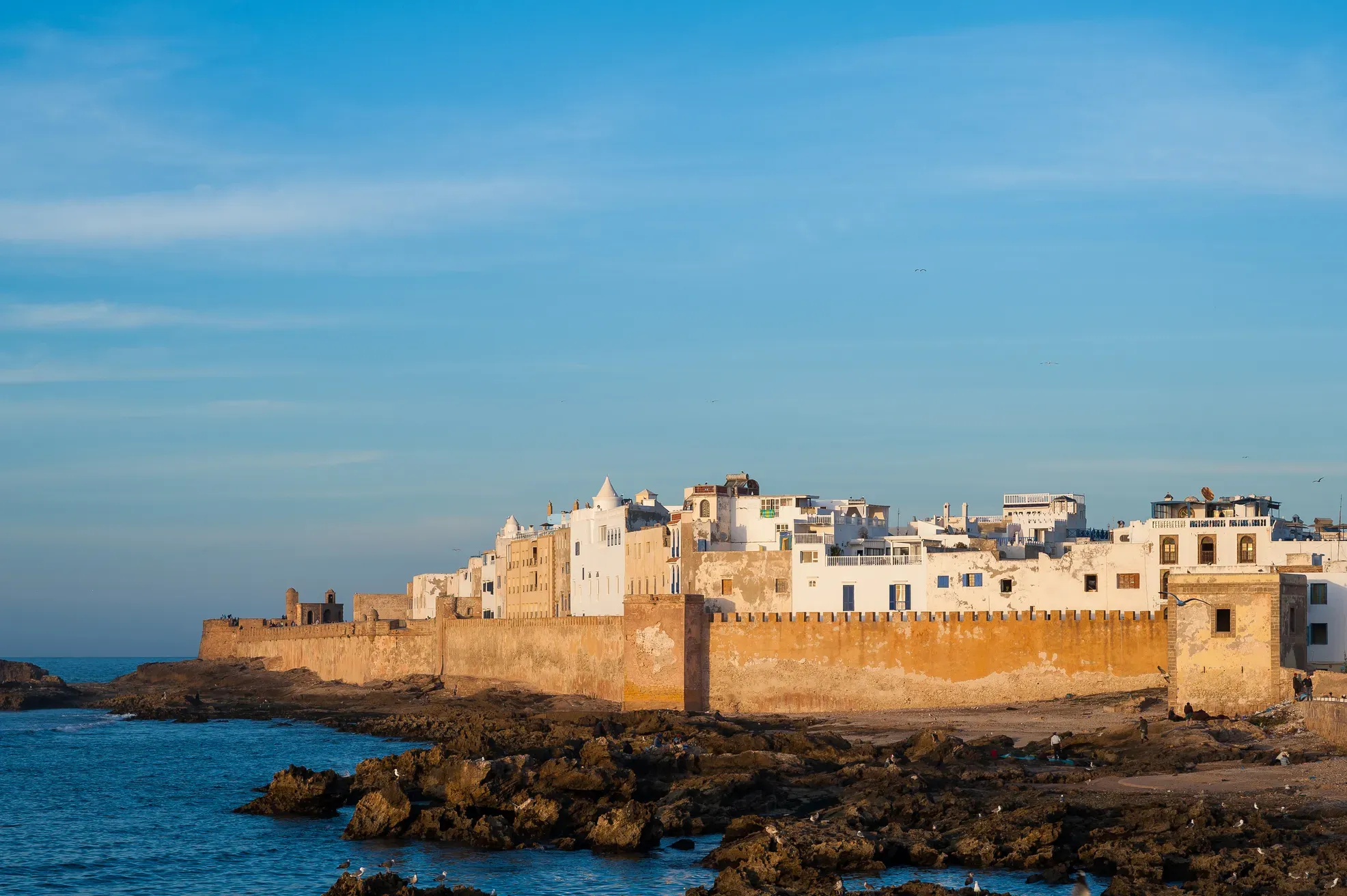
The shoulder seasons are also the best for spotting migratory birds. One of the most important coastal birdwatching destinations is Oualidia, whose calm lagoon is a haven for resident and migratory waterbirds. If you prefer a holiday without crowds, September is a good month because the weather is fine and there are fewer people, as everyone has returned from their summer vacations. This is a great time to visit the seaside cities of Essaouira, Rabat, Casablanca, Tetouan and Tangier.
Winter: The season of festivities and activities
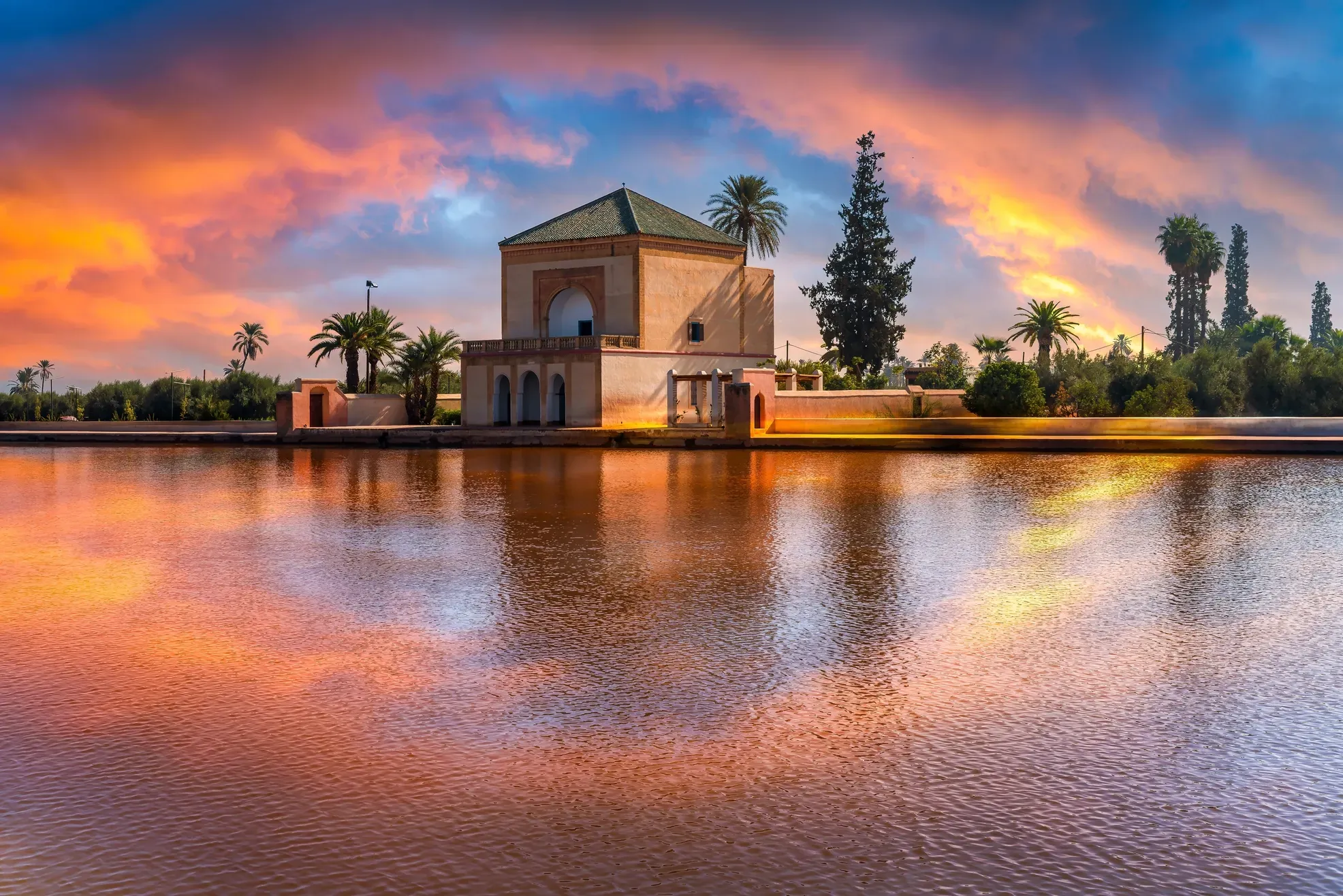
From December to February, the weather in Morocco is cold and rainy. In the northern part of the country, nights are quite chilly. Still, it's a good time to explore the cities without overheating. In Marrakesh and other popular cities you'll enjoy impressive celebrations at Christmas and New Year. However, because Yennayer, the Amazigh New Year, is celebrated in the first week of January, accommodation prices may be higher on those days.
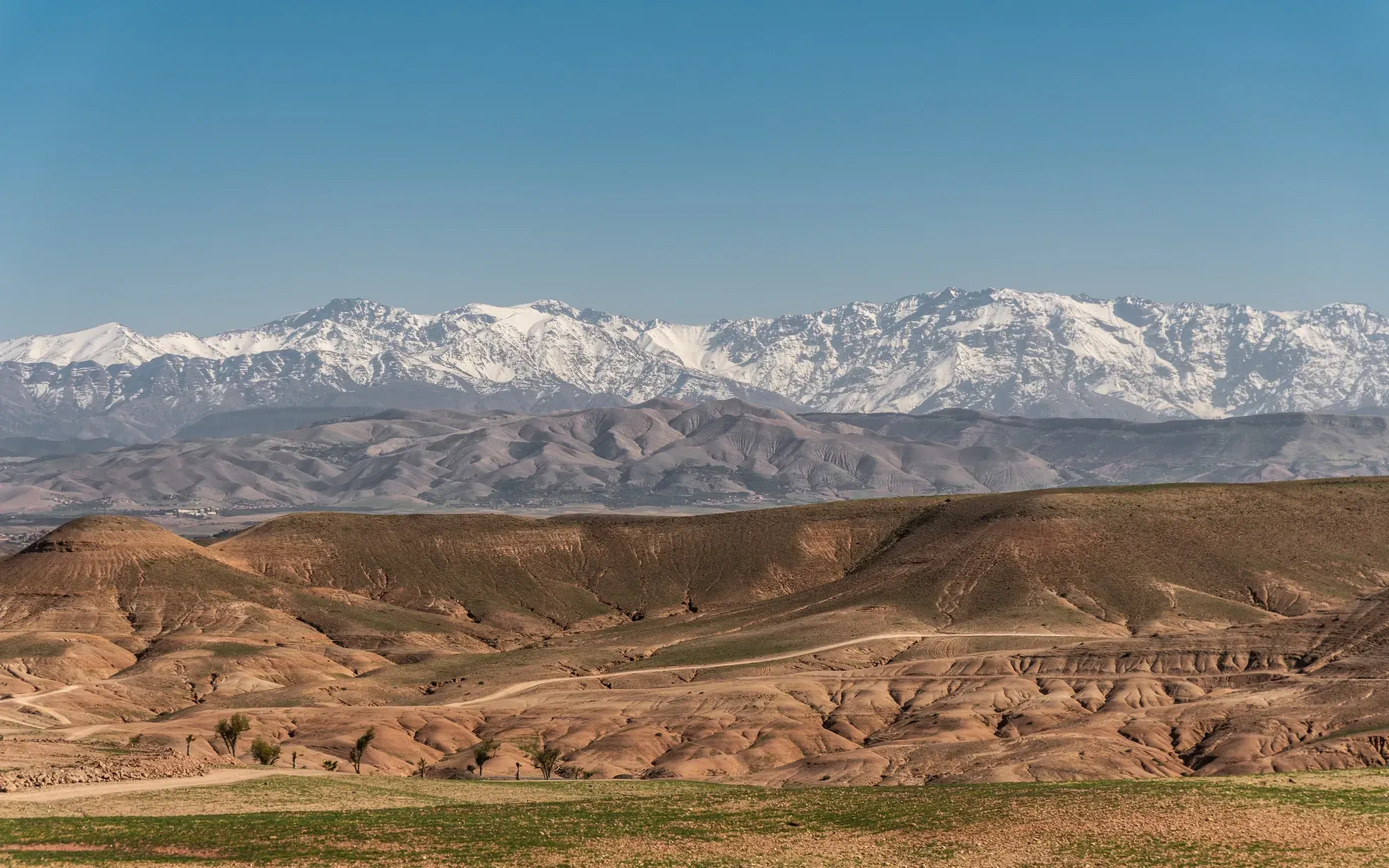
In the heart of winter, the peaks of the Atlas Mountains are covered in snow, giving visitors the chance to ski. Most people prefer areas like Oukaimeden and Ifrane. Surfers are happy too, since from December to February the country's seas see the biggest waves. Surf lovers head to Taghazout, Mirleft, Sidi Ifni and other spots along Morocco's west coast. In addition, international surf competitions are held in January and February.
Summer: Festivals and swimming
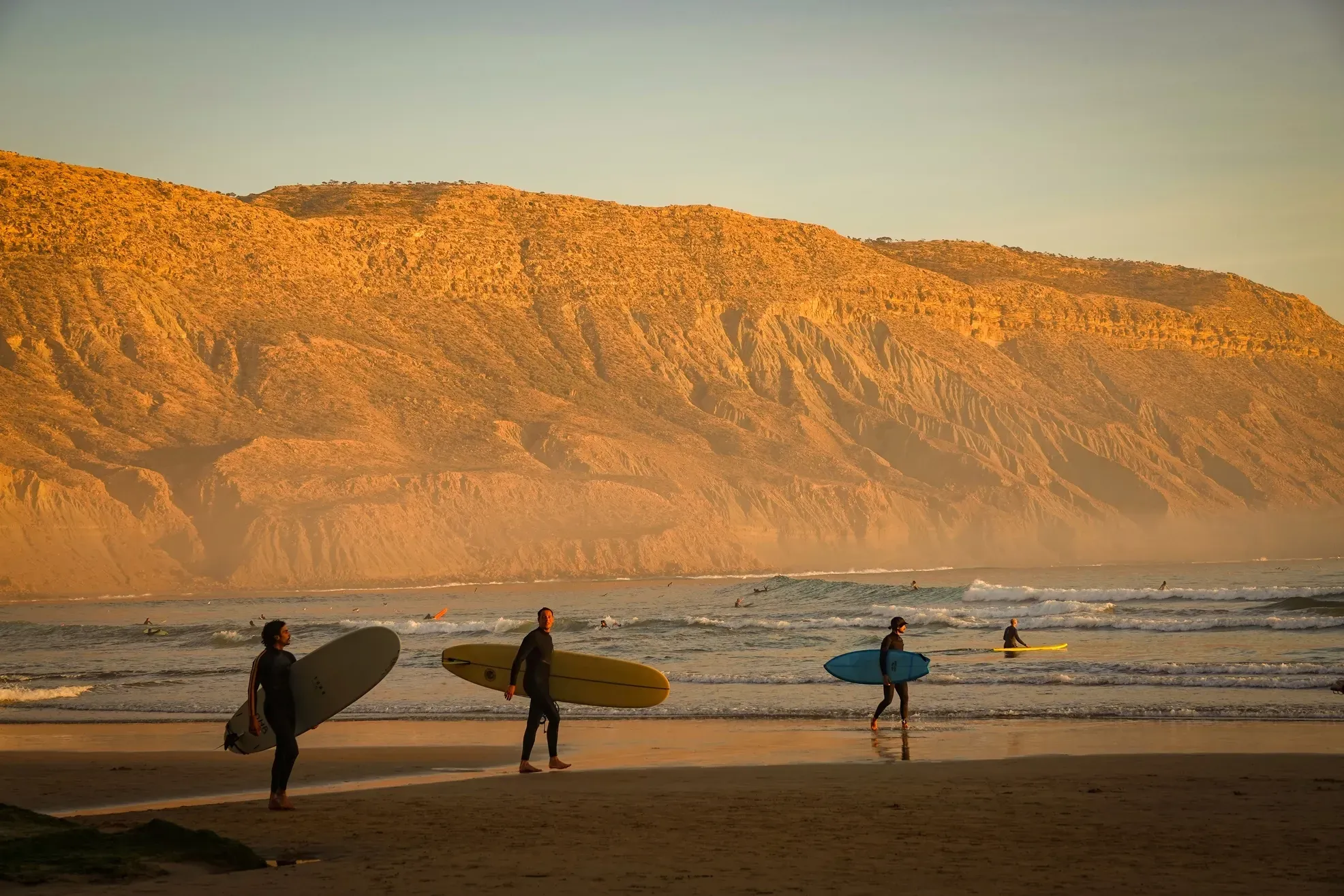
For those who can't stand high temperatures, Morocco isn't the ideal summer trip. In July and August the thermometer can top 38°C, but on the Atlantic coasts the cool ocean currents and fog keep temperatures around 27°C. In the summer months the sea is warm and perfect for swimming, while the gentle waves help beginner surfers.
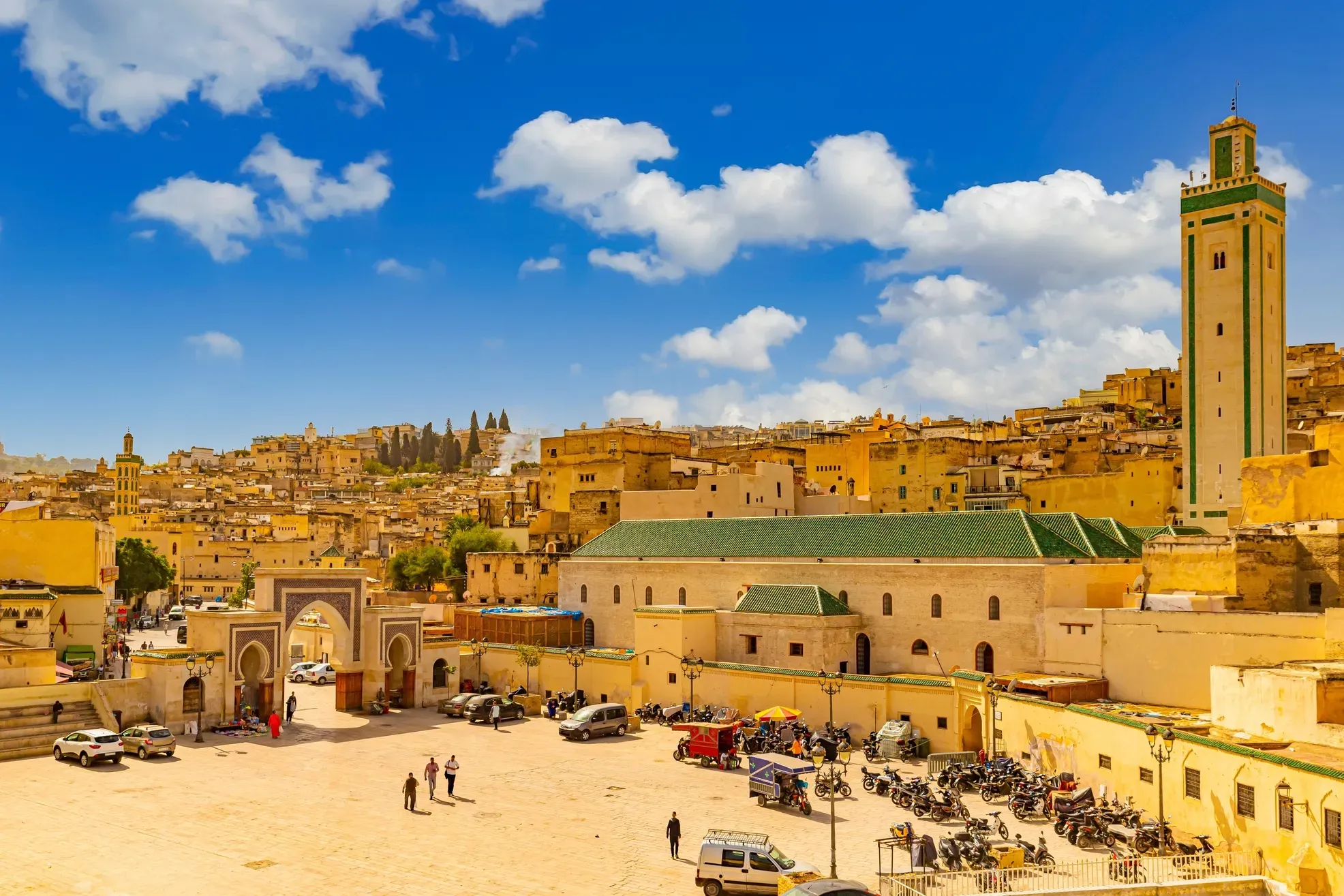
Summer is the best time to enjoy open-air music events, with bands and musicians filling venues across the country. The major festivals include the Fez Festival of World Sacred Music, which takes place roughly from late May through September, the Gnaoua and World Music Festival in Essaouira, and Mawazine in Rabat – one of the largest festivals in the world – in June. In July there's also an art festival in Asilah and Jazzablanca in Casablanca.
The period of Ramadan
Before you travel to Morocco, look up the dates of Ramadan, as they're different every year. This period is ideal for getting to know the country at a calmer pace. Despite the fact that quite a few restaurants are closed during the day, there are plenty of places to eat.