





From the narrow lanes of Tbilisi to the peaks of the Caucasus, a journey through Georgia reveals an authentic world, rich in history and nature.
A journey to Georgia is an exploration of a place where nature, history, and culture meet. Nestled between the mountains of the Caucasus and the Black Sea, it is the homeland of people who, despite a difficult history of wars and conquests, still deeply value their unique faith, culture, and traditions. From Tbilisi's lively lanes and ancient monasteries to the imposing peaks of the Caucasus, every route hides a new image and a different story.
Tbilisi: The soul of the Caucasus
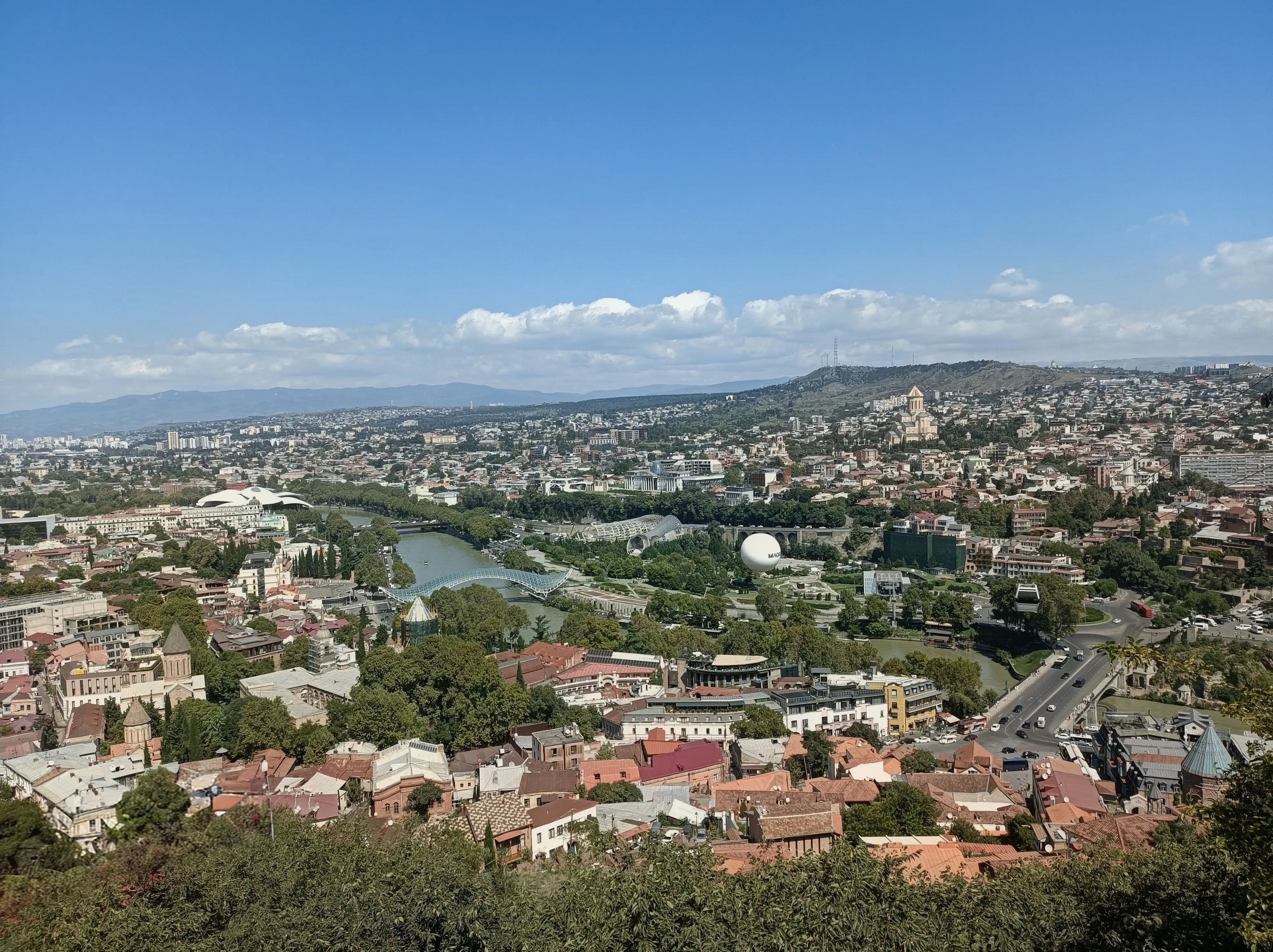
I arrive in Tbilisi at dawn. I rest for a few hours at the hotel I've chosen and after breakfast I head out to get to know the city. Tbilisi is a city full of contrasts. Built on the banks of the Kura River, it spreads between hills, with the Old Town standing out for its colorful houses, wooden balconies, and narrow uphill alleys.
A stroll in Abanotubani, the district of the famed sulfur baths with their distinctive domes, reveals one of the city's most characteristic faces. The name Tbilisi, which means a place with warm springs, was given to the city due to the area's numerous sulfur hot springs. Historical figures such as Alexandre Dumas and Pushkin visited the baths, praising their therapeutic properties.


From there, the road climbs toward Narikala Fortress, built in the 4th century during the period of Persian occupation. Here stands the statue 'Mother of Georgia,' welcoming the country's friends with a glass of wine and its enemies with a sword. The view over Tbilisi and the river from above is unique.


In the afternoon I wander through the old Sololaki district with impressive Art Nouveau mansions, built during the annexation of Georgian lands to Tsarist Russia from the mid-19th century to 1917. One of them, after the Soviet regime came to Georgia, was granted to Georgian writers, turning it into a literary hub (Writers' House of Georgia). At the back of the building lies a wonderful garden that today hosts one of the city's most renowned restaurants. In the evening the city comes alive with live music, wine, and flavors that make the experience even more authentic.


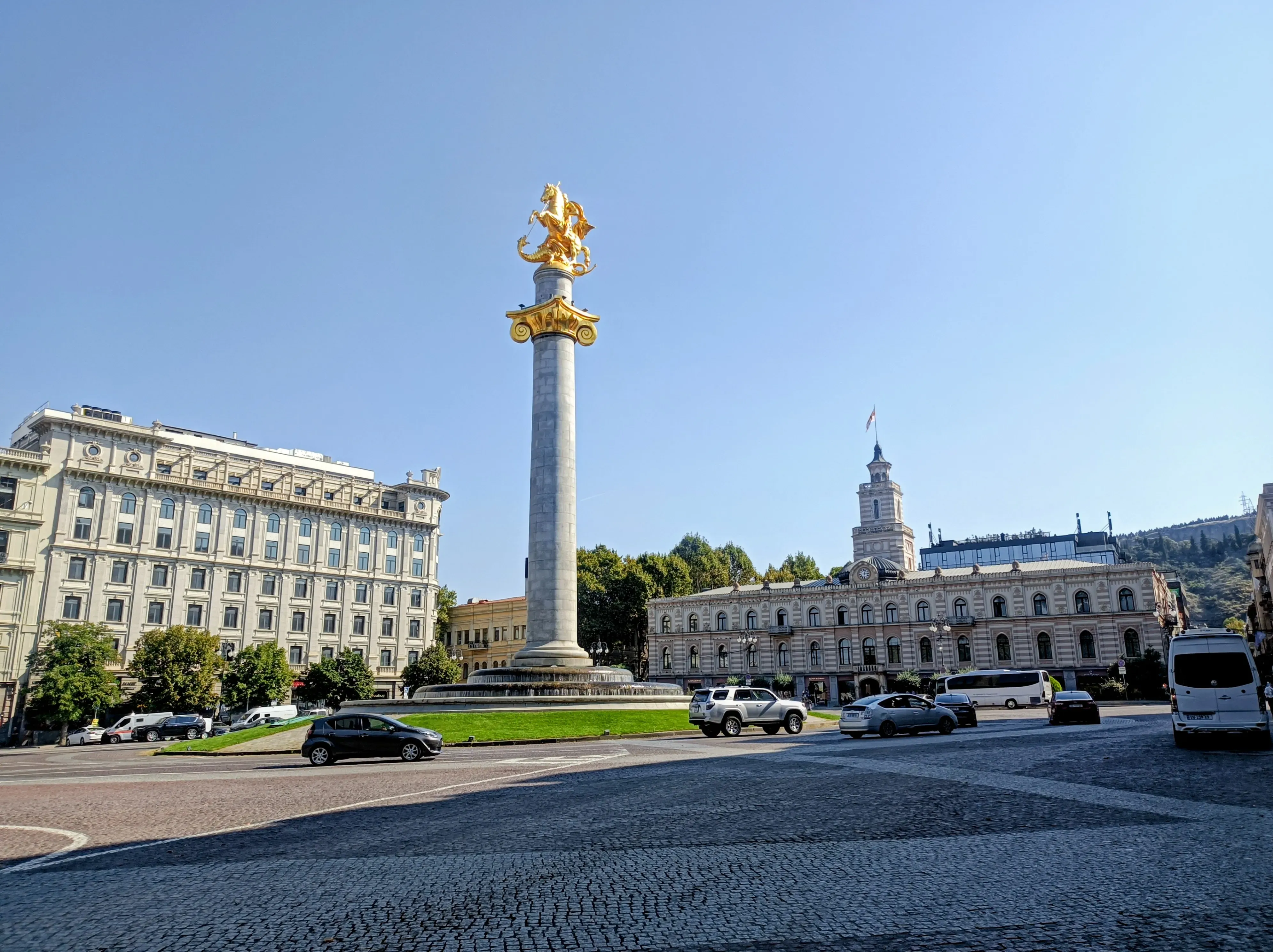
The next day I continue my tour along the historic central Rustaveli Avenue, which starts at Republic Square, formerly Lenin Square. Along the avenue, which stretches for about 1.5 kilometers, stand the country's major public and cultural buildings, such as the monument to the Georgian poet Rustaveli, the Academy of Sciences, the Opera and Ballet Theater, the National Gallery, and the National Museum of Georgia, which offers a captivating journey from prehistory to the 20th century. Recent redevelopment excavations along the avenue brought to light ceramics and remnants of workshops from the 10th–11th centuries, from the time when Tbilisi was a hub on the Silk Road. The present street seems to follow an older road along which trade caravans once passed.


I stop for coffee at Prospero’s Books and Coffee. A hidden oasis on Rustaveli Avenue that combines a well-stocked bookstore with a beautiful shady cobbled courtyard for coffee. The evening is dedicated to flavor and tradition. I'm invited to a family in Tbilisi for an authentic supra, a meal that's much more than dinner - it's a celebration of hospitality, companionship, and wine. We sit around a table laden with khachapuri, khinkali, cheeses, salads, and grilled meat, while Georgian wine accompanies the continuous toasts to family, friendship, and peace. An evening full of flavors, music, stories, and smiles, the most authentic way to get to know Georgia.
On the wine roads of Kakheti
The next morning I leave with a small group for a lovely excursion to Kakheti, in Georgia's eastern region, at the foothills of the Greater Caucasus. An area famous for its rich history, stunning landscapes, and above all its winemaking tradition that dates back more than 8,000 years.


Our first stop is the town of Sighnaghi, a small picturesque hilltop citadel known as the 'City of Love,' built on a hill with cobbled lanes, pastel-colored houses with wooden balconies, and 18th-century defensive walls that offer panoramic views over the Alazani Valley with its endless vineyards and the Caucasus Mountains.
We stop at a family winery that uses the oldest traditional winemaking method. The hallmark of this method is the large egg-shaped clay vessels (qveri), which are buried entirely underground. There we watch the owner clean the qveri with a long-handled brush whose head is made from layers of cherry bark, and we hear the family's winemaking story that stretches back generations.


All this while tasting three to five wines accompanied by local delicacies, such as the famed churchkhela (walnuts threaded on a string dipped in thick grape must and wheat flour), a flavor that carries centuries of Georgian tradition. Just below Sighnaghi, Bodbe Monastery is one of Georgia's most important pilgrimage sites, the burial place of Saint Nino, who brought Christianity to Georgia in the 4th century. Late in the afternoon we return to Tbilisi.
From Tbilisi to the mountains of the Caucasus
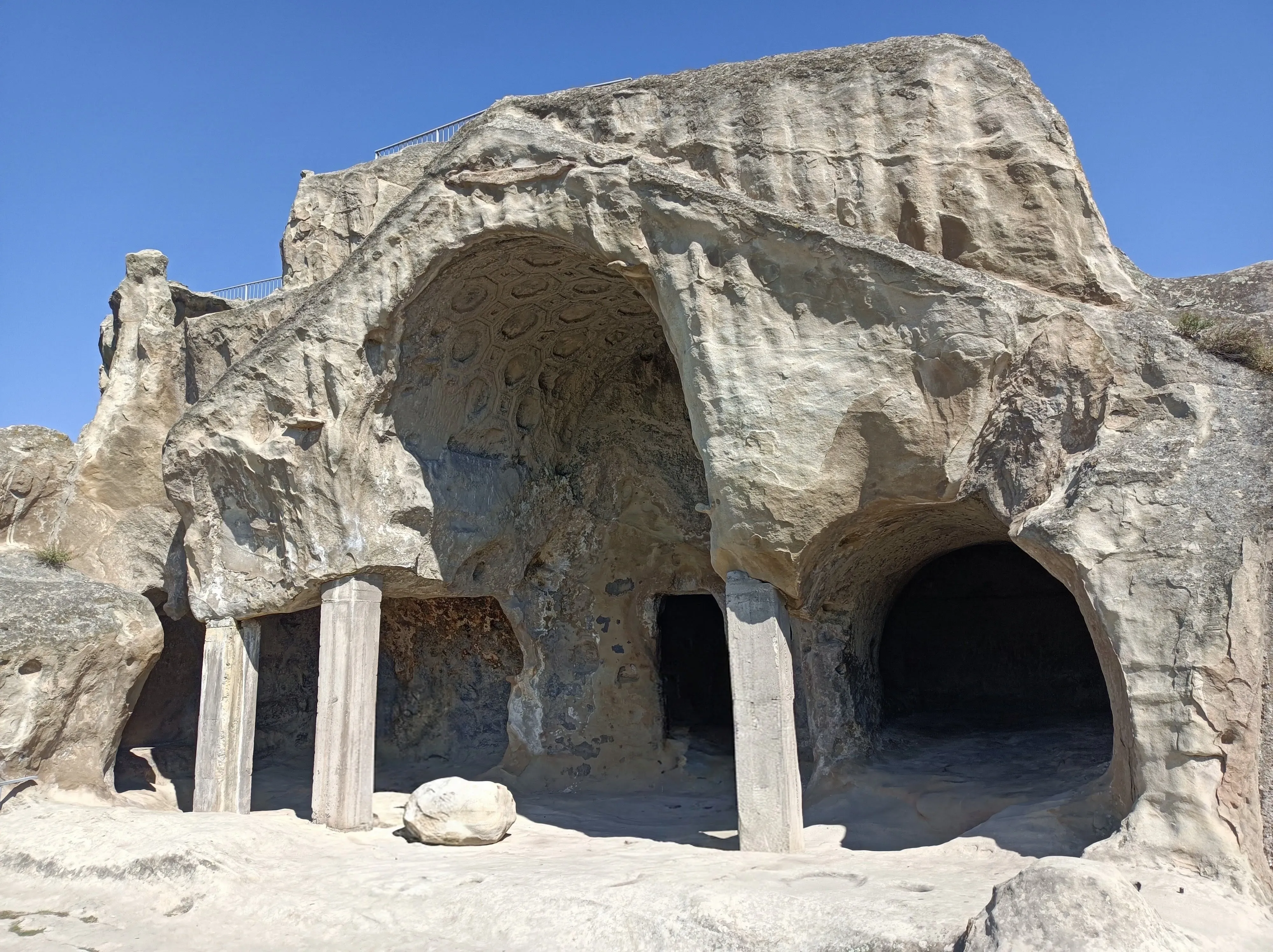
One of the most exciting parts of my trip to Georgia is a two-day road trip, with a group of five, in a van, setting out from Tbilisi on a route through the Caucasus Mountains. Our first stop is the ancient rock-hewn city of Uplistsikhe, dating back to 1500 BC. A vast complex of caves carved into the rock that includes ancient temples dedicated to the sun god, private dwellings, a theater, and even wine cellars. The city's location on the banks of the Mtkvari River offers panoramic views over the valley and the river.
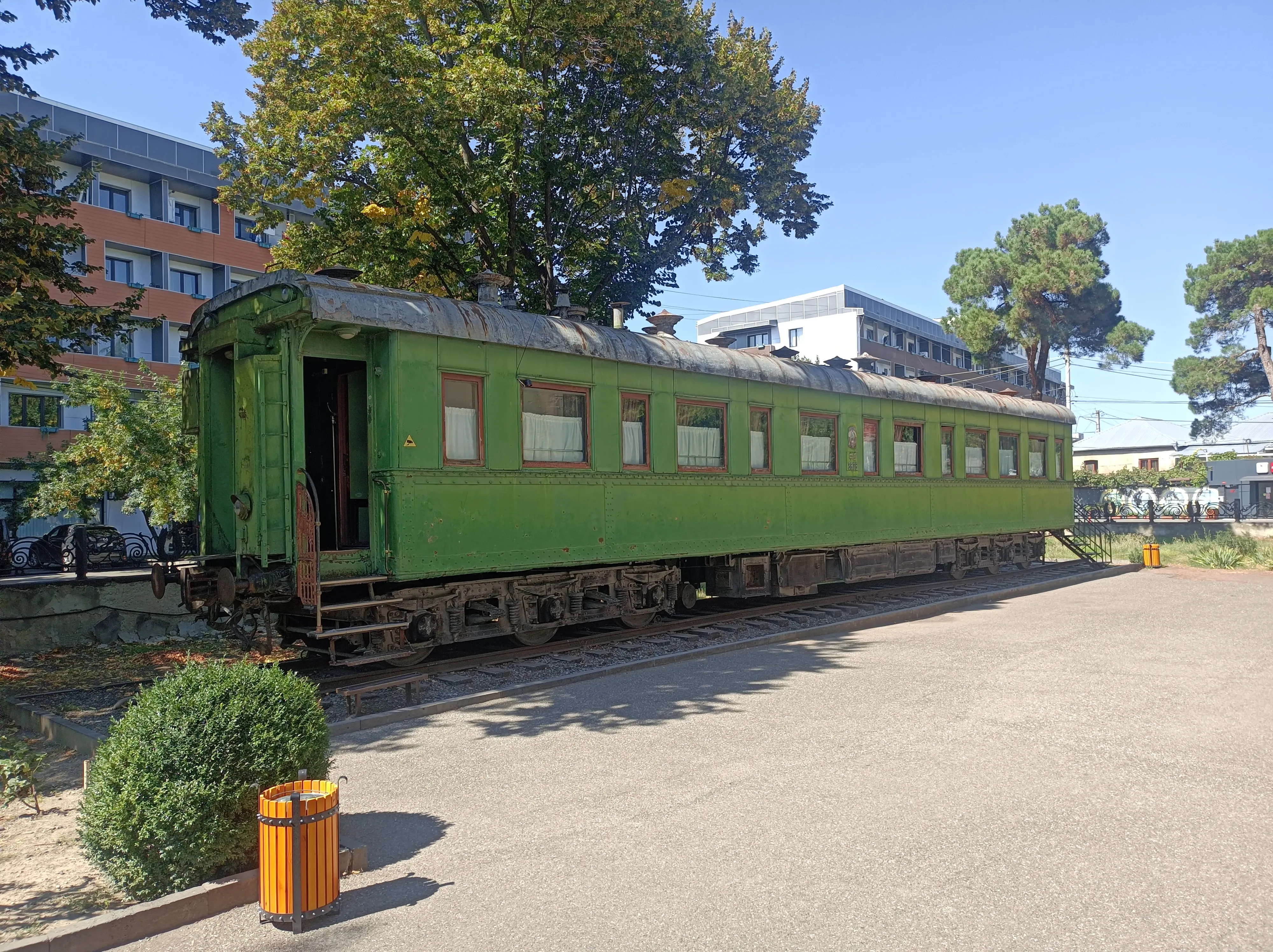
Ten kilometers to the west lies the city of Gori, Stalin's birthplace. We stop to visit the museum dedicated to his life. At the museum's exit we see Stalin's green carriage, which he used for his travels. He took it to the historic summits in Tehran and Yalta.
The journey continues north along the famed Georgian Military Road. A historic and spectacular 212 km mountain highway that crosses the Greater Caucasus range, connecting Tbilisi with the Russian city of Vladikavkaz in North Ossetia. The route had already been used since the 1st century BC by Silk Road traders, as well as invaders: Romans, Persians, Mongols. In the 19th century it took its modern form under the Russian army, when Georgia was annexed by the Russian Empire. Among the travelers who crossed the road was Tolstoy, who reached the Caucasus in 1851 and remained in the area for many years. From this experience he drew inspiration for his literary works 'The Cossacks' and 'The Prisoner of the Caucasus'.
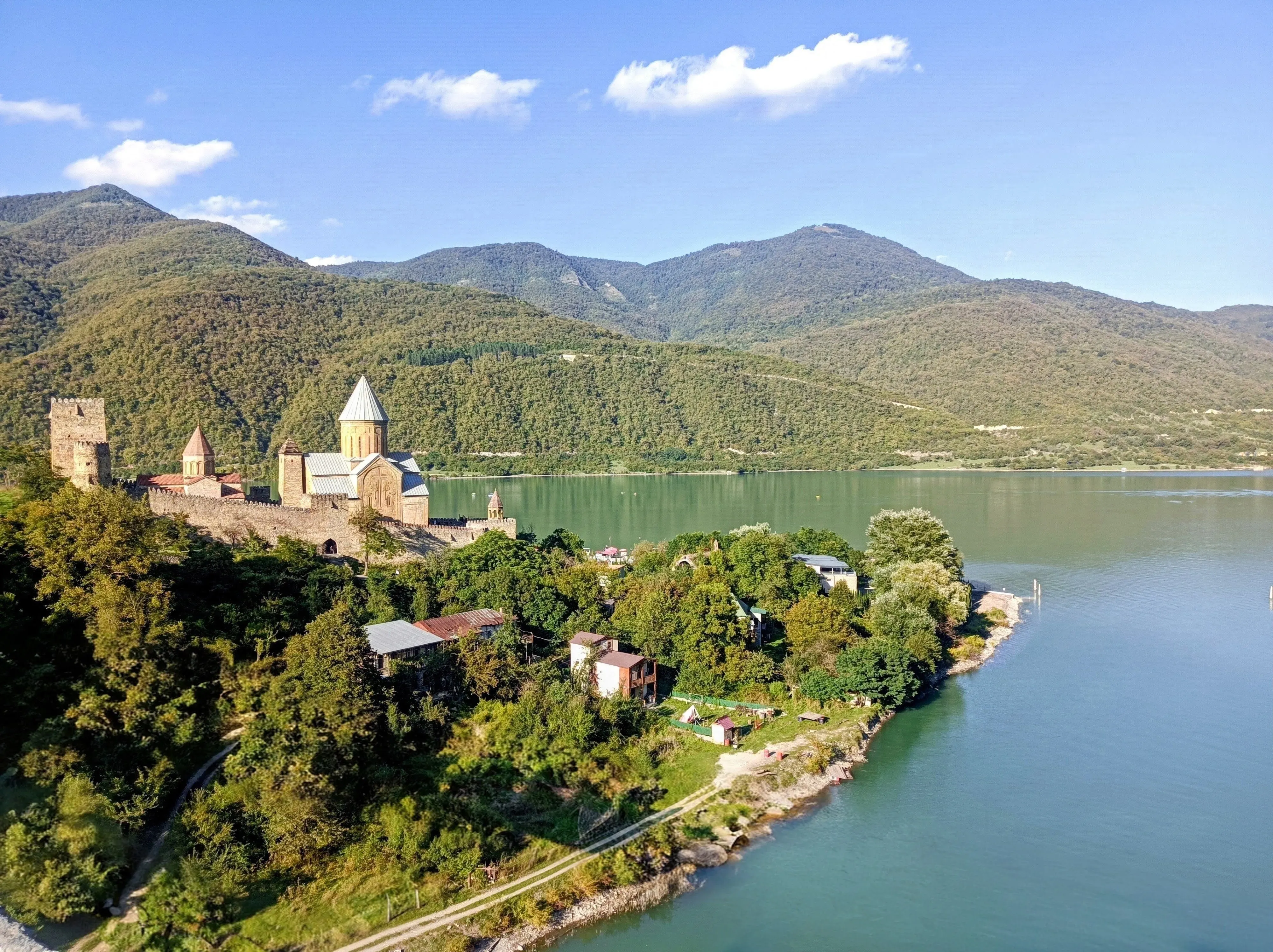
As we follow the Georgian Military Road we come to the Ananuri Fortress, on the shores of Lake Zhinvali, one of the route's most impressive historic sites. A medieval stronghold dating from the 16th century, seat of powerful feudal lords who controlled this strategic section of the mountain road. The complex includes two churches, a watchtower, and a fortified wall. Just below lies a large artificial lake. The lake's vivid turquoise creates a striking contrast with the green hillsides and the fortress's gray stone walls. From there the landscape changes dramatically: the road clambers up the slopes of the Caucasus, passes mountain passes and lush valleys, and reaches Gudauri at 2,200 m, known as Georgia's most popular ski resort.
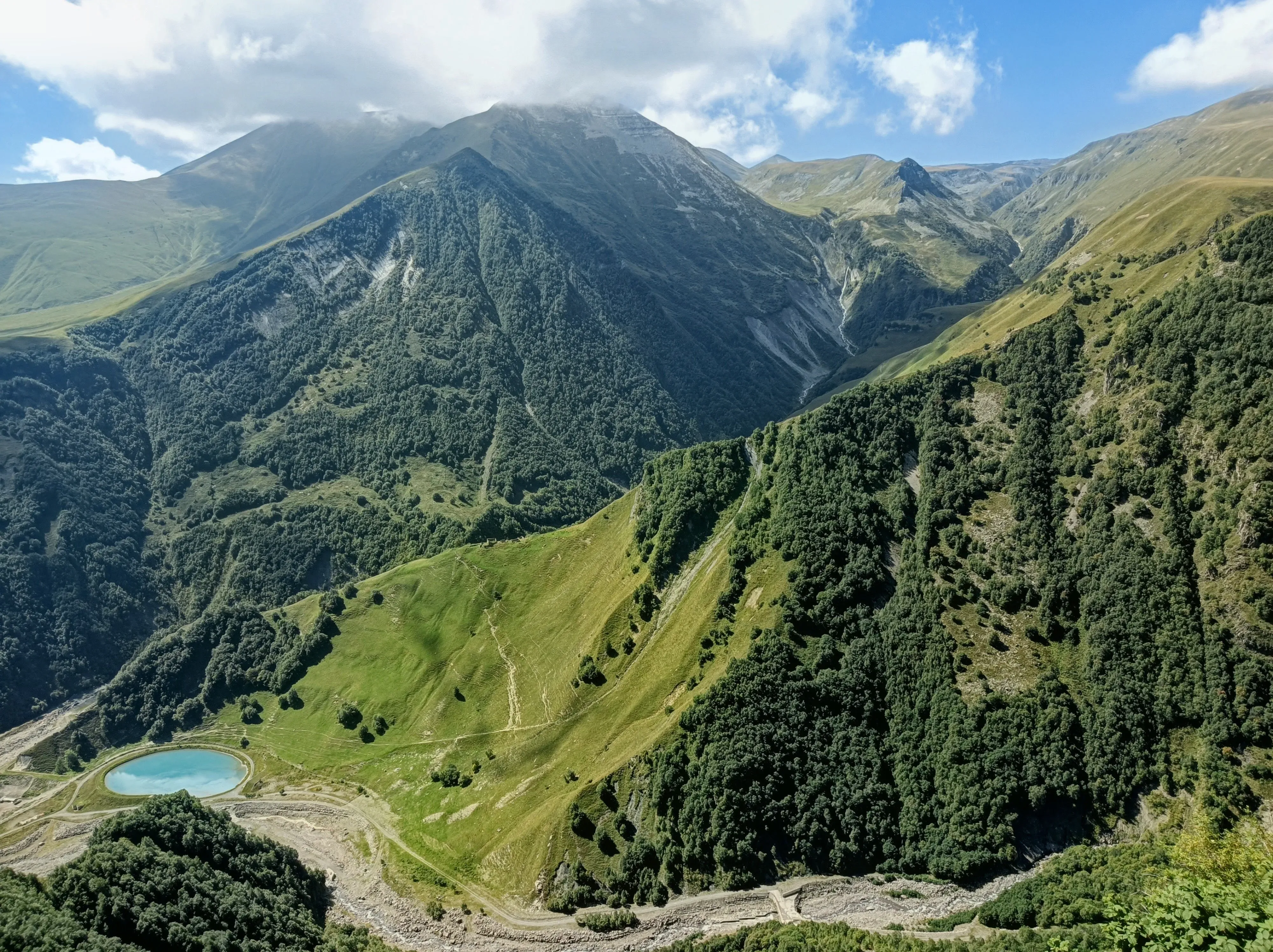
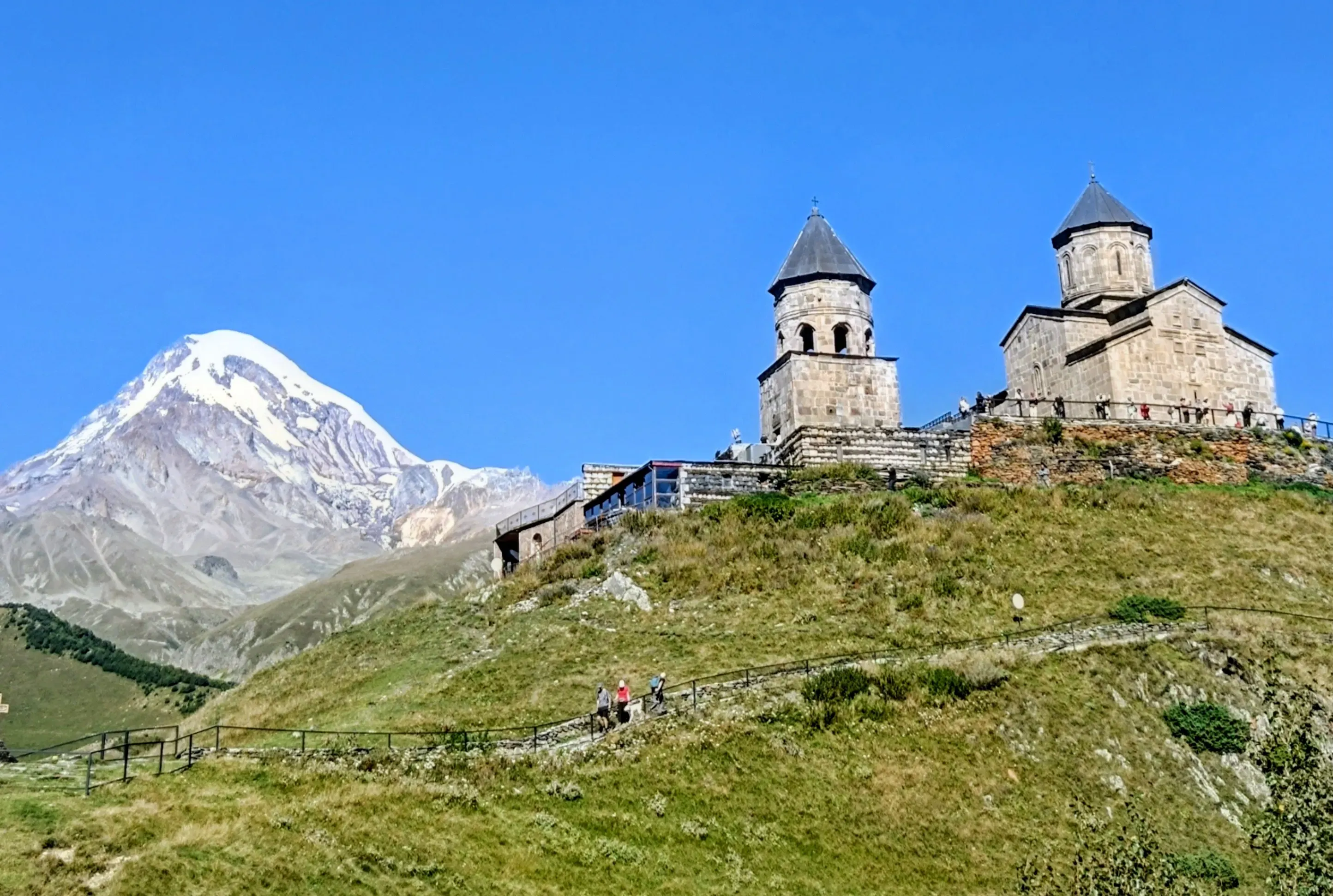
We overnight in Gudauri and the next morning the road continues deeper into the heart of the Greater Caucasus toward Kazbegi, just 11 km from the border with Russia. The drive is among Georgia's most spectacular, with sheer slopes, deep valleys, and peaks lost in the clouds. In Kazbegi, the ascent to the Gergeti Holy Trinity Church, around 6 km, is one of the trip's highlights. The small 14th-century church, perched high on the mountain with snowcapped Mount Kazbek at 5,040 m as a backdrop, offers a scene that's hard to forget.
The last stop of this wonderful road trip is the museum-town of Mtskheta, one of Georgia's oldest cities. From the 3rd century BC to the 5th century AD, Mtskheta was the capital of the ancient kingdom of Caucasian Iberia. Mtskheta was also the place where Christianity was adopted as the state religion in 337 AD. This old town hosts two of the most important religious monuments in the Caucasus, UNESCO World Heritage Sites: Jvari Monastery (Holy Cross), perched on a rocky peak, and Svetitskhoveli Cathedral (old root), where, according to legend, Christ's robe is buried beneath the church.
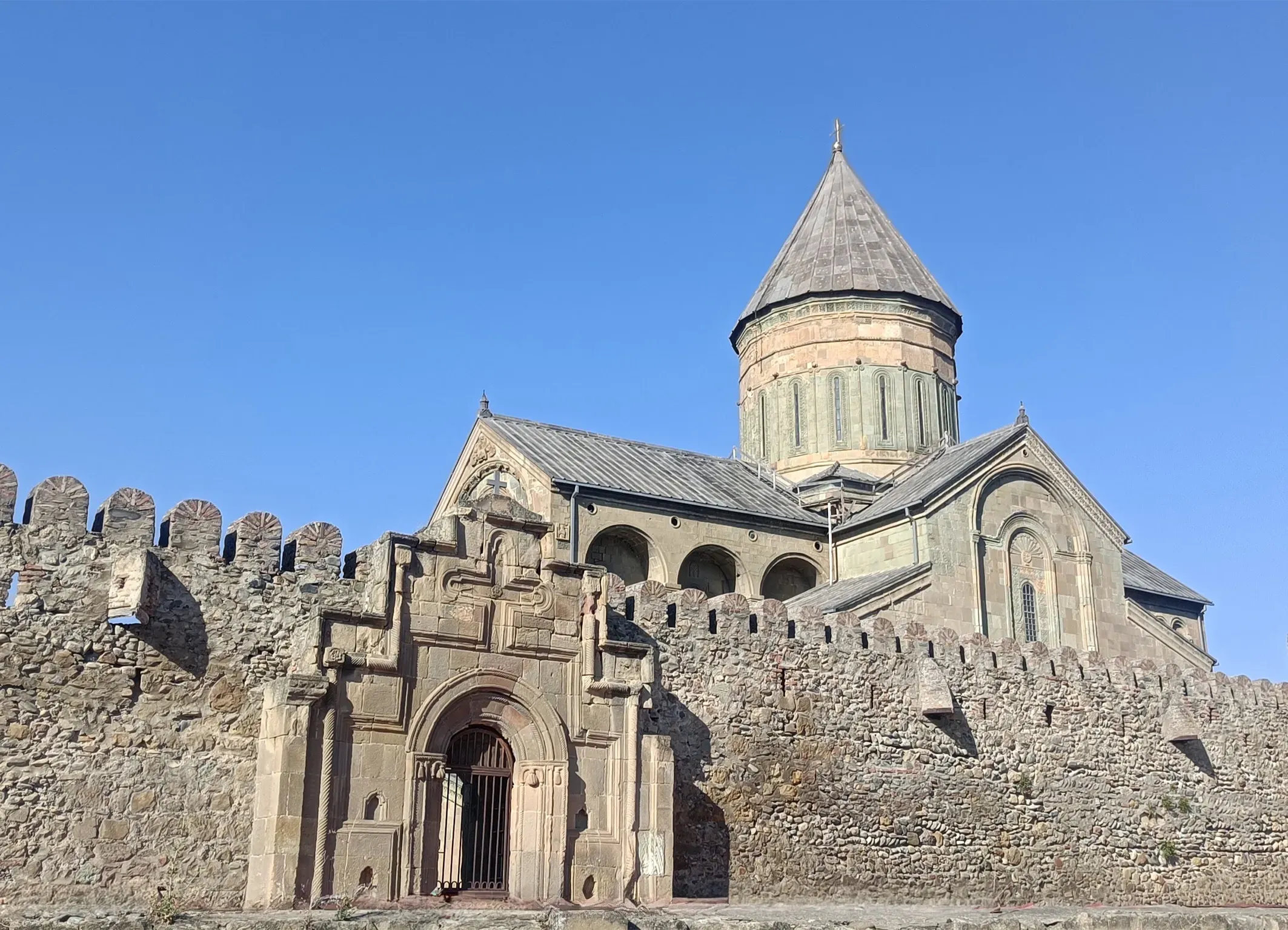
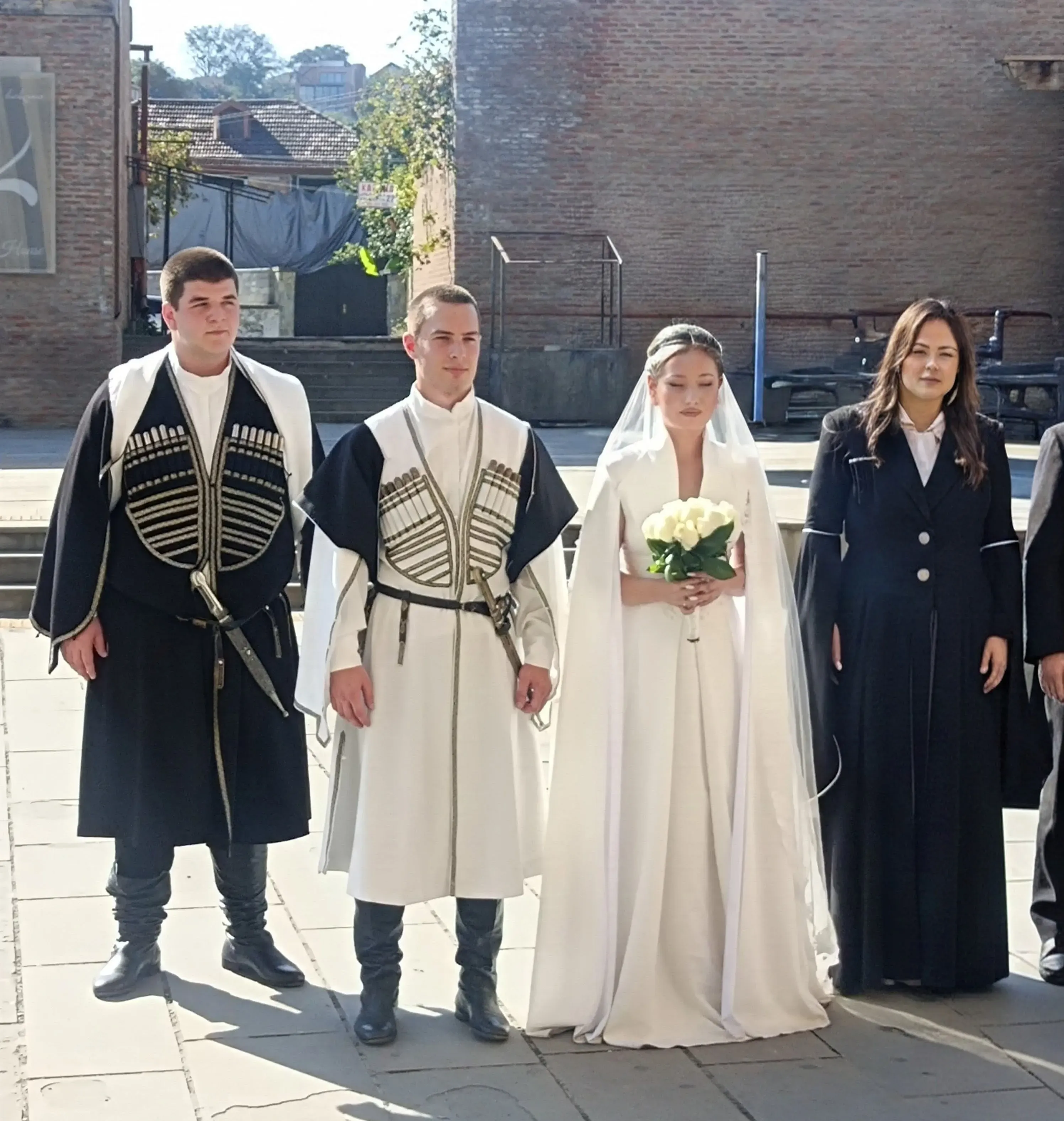
Exiting the cathedral we come across a wedding with the newlyweds wearing traditional costumes. An unforgettable image, as the setting blended with the people. Before we take the road back to Tbilisi we stroll the old town's cobbled streets, admiring the restored houses of traditional architecture.
We return to Tbilisi late in the afternoon, as the next day I continue my journey by road to Armenia. From Tbilisi's alleys and historic castles to the peaks of the Caucasus and the road to Kazbegi, Georgia revealed to us an authentic world, full of history, nature, and people.