





Grandeur and reverence, customs and local traditions, create an unforgettable Easter on Patmos.
Patmos has managed to keep its authenticity alive over time. A visit to the Island of the Apocalypse offers a spiritual experience in every season, but at Easter in Patmos the atmosphere is unique. Customs and traditions, religious reverence and local hospitality blend with the islands cosmopolitan character.
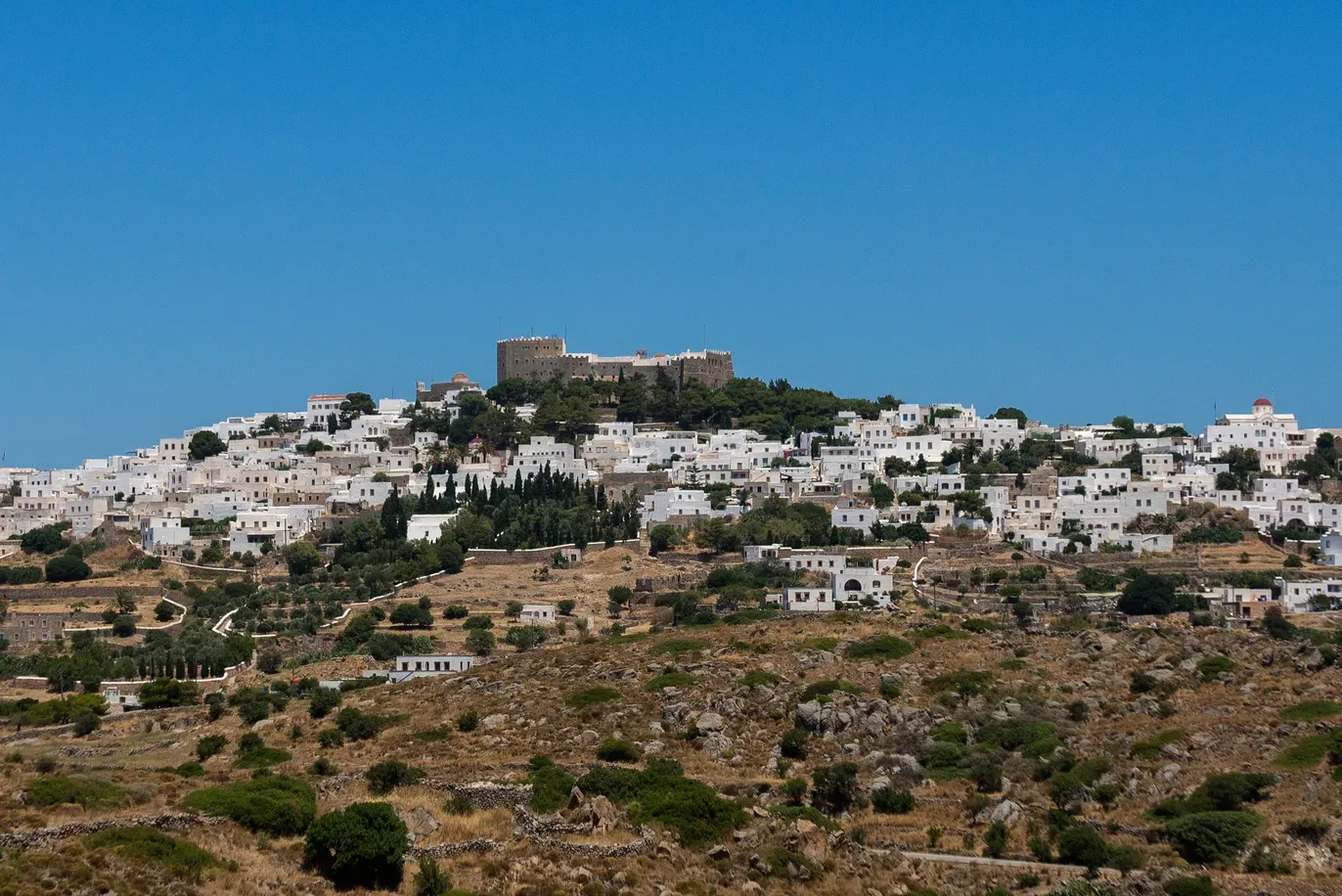
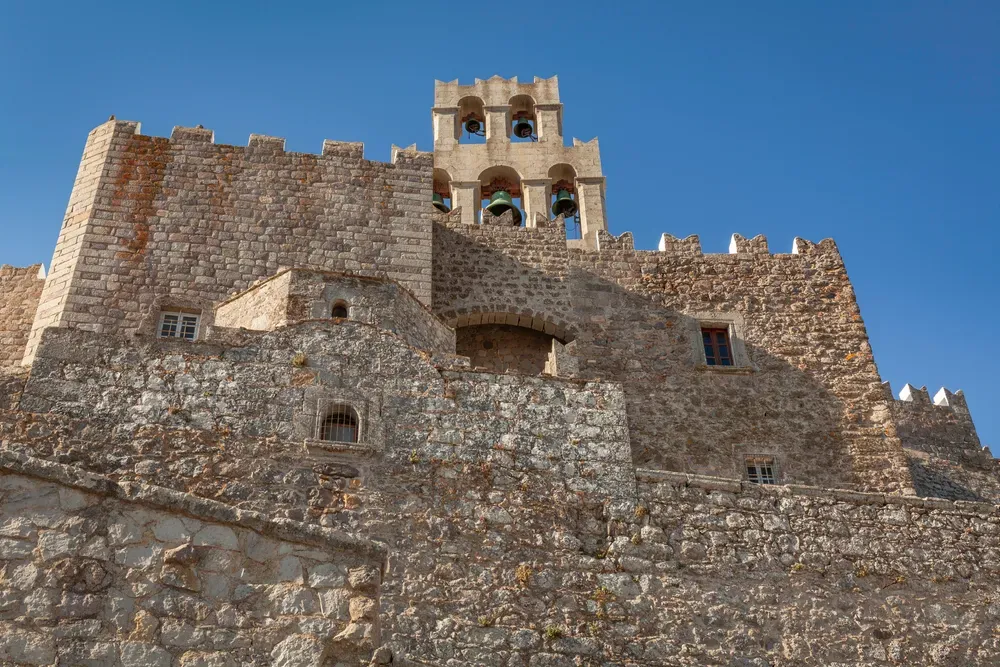
The Monastery of Saint John the Theologian, a monastery with remarkable history and architecture, rises in the heart of the Aegean and dominates life on Patmos, while its Chora is among the most atmospheric in the Aegean. Holy Week on the island unfolds peacefully with strolls offering panoramic views of the sea.
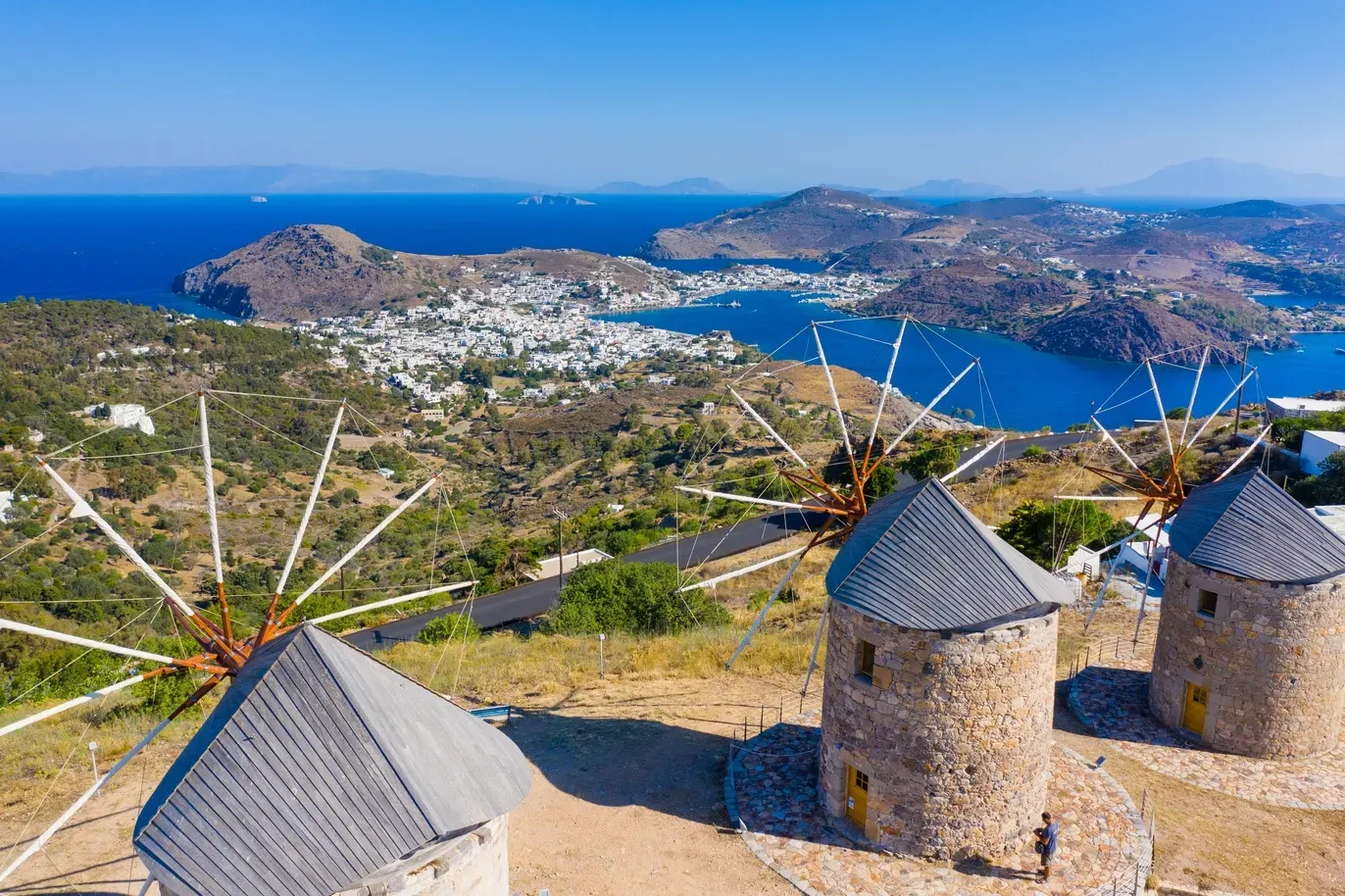
Easter in Patmos
On Patmos, Easter is celebrated with particular solemnity and grandeur. The islands most characteristic custom is the Niptir ceremony, which takes place on Holy Thursday in Choras square and has been held for about 400 years. Shortly before noon the Abbot of the Monastery, portraying Christ, washes the feet of 12 monks and priests representing the Apostles.
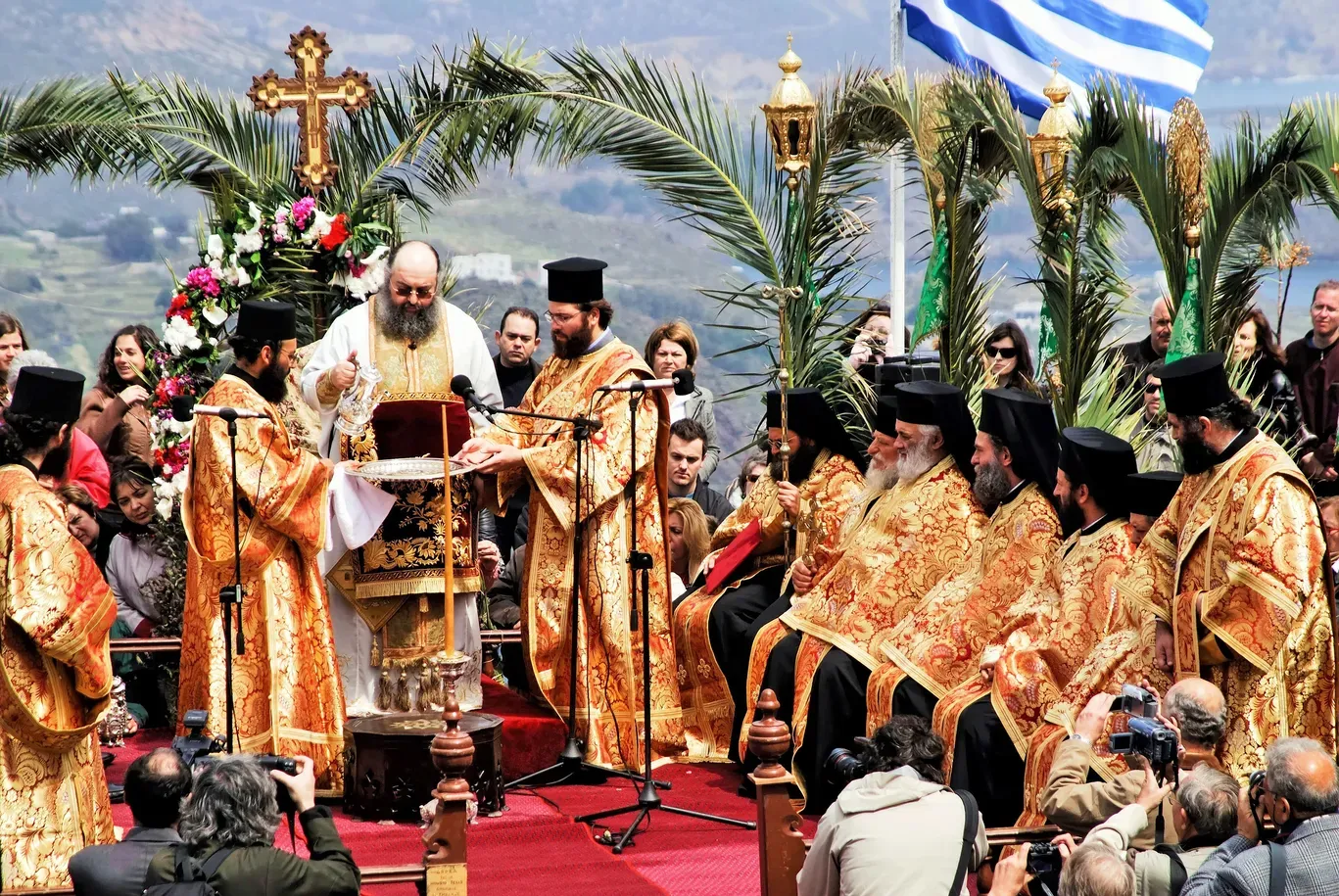
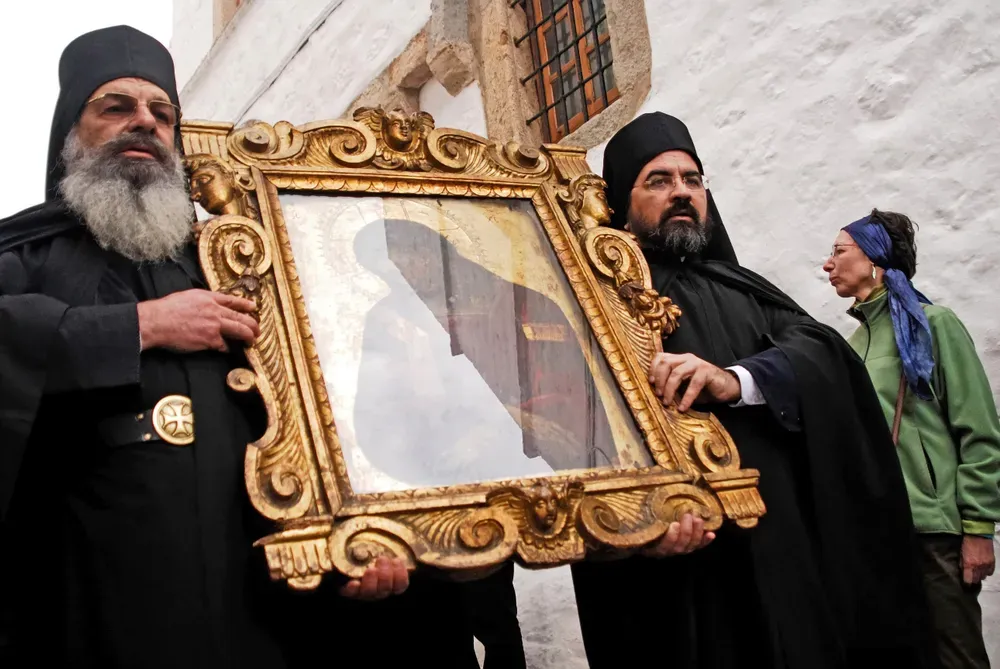
In the square Town Hall Square the historic icon by El Greco «The Dragged Christ» is brought every year for the Abbot of the Monastery to pray, reenacting the Last Supper and the prayer in Gethsemane, a few hours before His Crucifixion. The midday table of the residents includes traditional giaprakia with fresh vine leaves. Throughout the week, the traditional dasoalo, Patmos Lenten drink, is not absent from their diet. Locals choose that day the most fragrant flowers to adorn the Epitaphios of each parish. On that day they take or make the traditional koulouria and place the red egg in the middle.
On Good Friday at the Monastery of Saint John the Deposition from the Cross is reenacted. In the evening, the Epitaphios processions of the churches of Chora and Skala pass through the islands alleys, scattering the streets with rose petals and meeting in the main squares, where the chanting of the Lamentations becomes one voice.
On Holy Saturday the first Resurrection takes place in the monasteries and churches. At night, the Resurrection service is atmospheric in the islands churches, but the one at the Monastery of Saint John stands out, with bells ringing loudly and the sky filling with fireworks. Locals eat the traditional mageiritsa with more greens and aromatic herbs and accompany it with homemade bread.
On Easter Sunday, the roasting of the traditional spit-roast lamb takes place in courtyards, as well as in many restaurants and tavernas on the island. The Agape Vespers stands out, as the Gospel is read in seven different languages and the Abbot gives out the red eggs. In some parishes, coffee with traditional pies is offered. On Easter Tuesday there is a procession of icons from house to house in each parish for Gods blessing and the relics and icons from the Monastery are brought to the square of Agia Levias in Chora for the faithful to venerate.
What to see in Patmos
This stately island impresses with its architecture. The Chora is built amphitheatrically around the Monastery of Saint John the Theologian, which was built in the 11th century and is one of the most important pilgrimage sites in Greece. The white houses tucked into the narrow alleys, the beautiful courtyards and the squares complete the charm of Chora, which together with the monastery is among UNESCO World Heritage Sites.
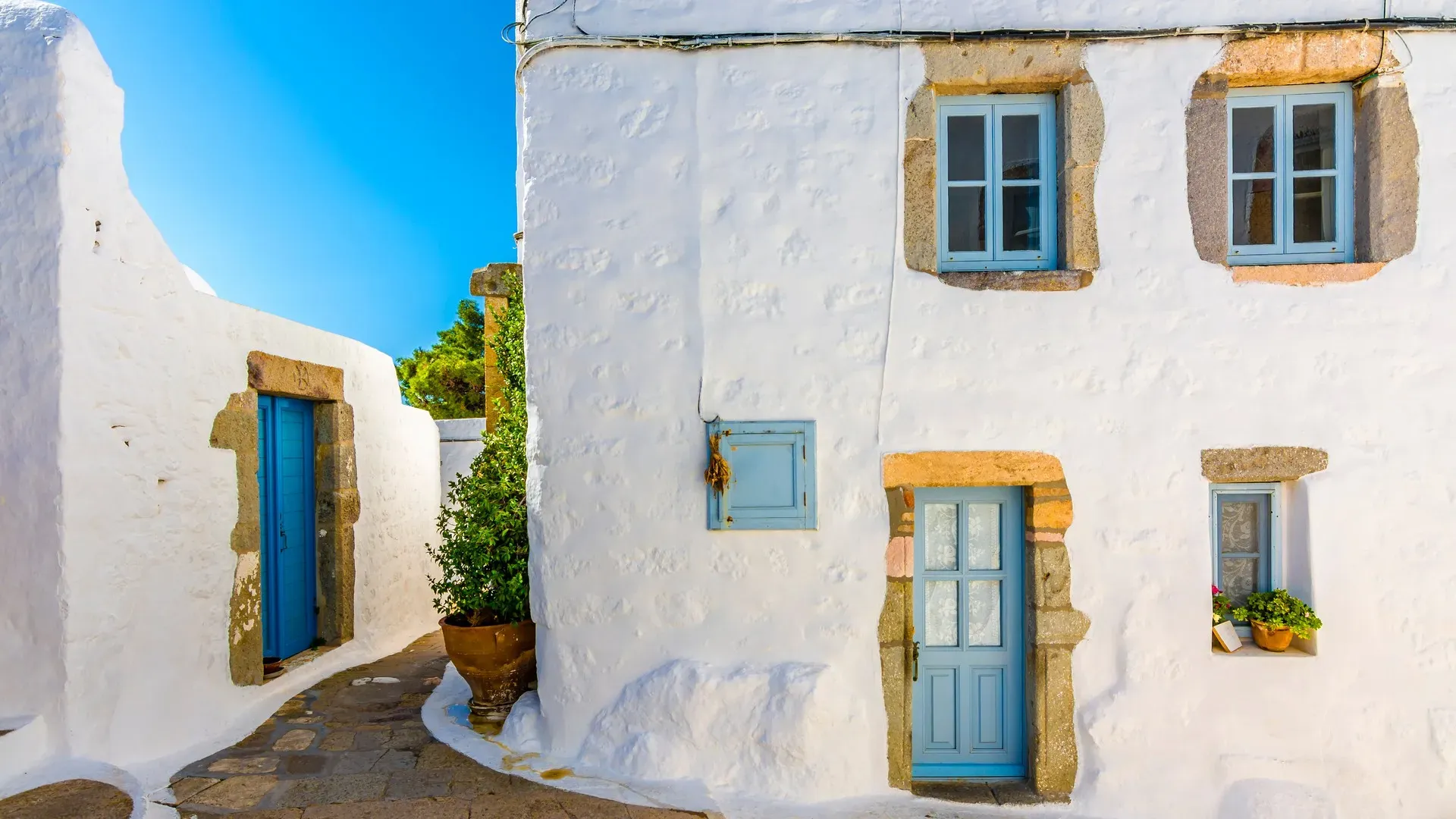
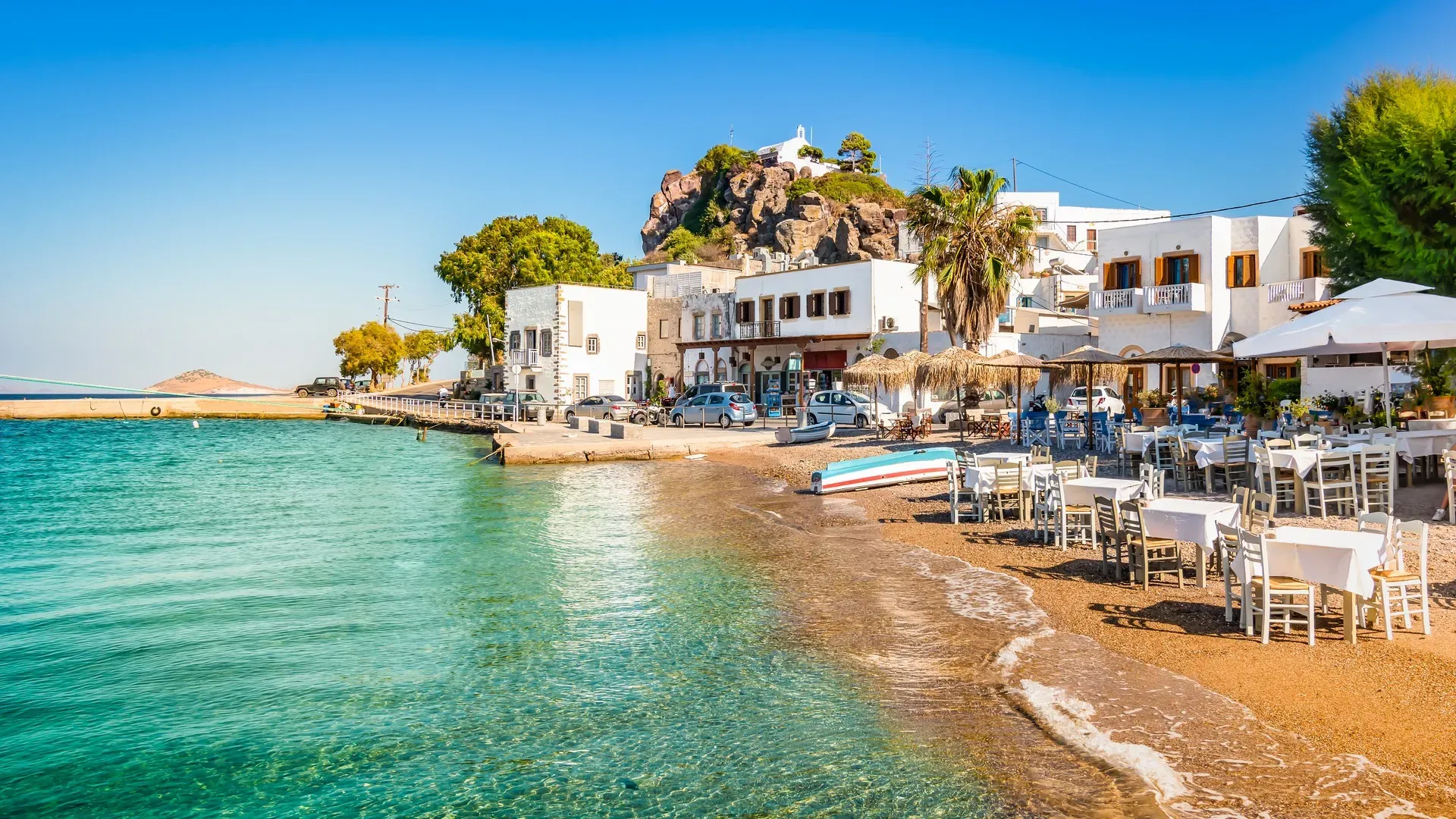
A unique experience is a visit to the Cave of the Apocalypse, located on the route from the port of Skala to Chora. According to Christian tradition, this is where Saint John wrote the Apocalypse. Skala is the islands only port and one of the most impressive and most vibrant settlements, with architectural influences from the period of Italian occupation. There you will see Geranton Castle, the ruins of the ancient Acropolis, as well as the Italian Administrative Building.
Beyond the famed monastery, in Patmos you will find small monasteries and little chapels worth a visit, such as the Monastery of the Annunciation and Saint Amphilochios with its impressive view, Prophet Elias atop the rock and the Monastery of Saint Nektarios.
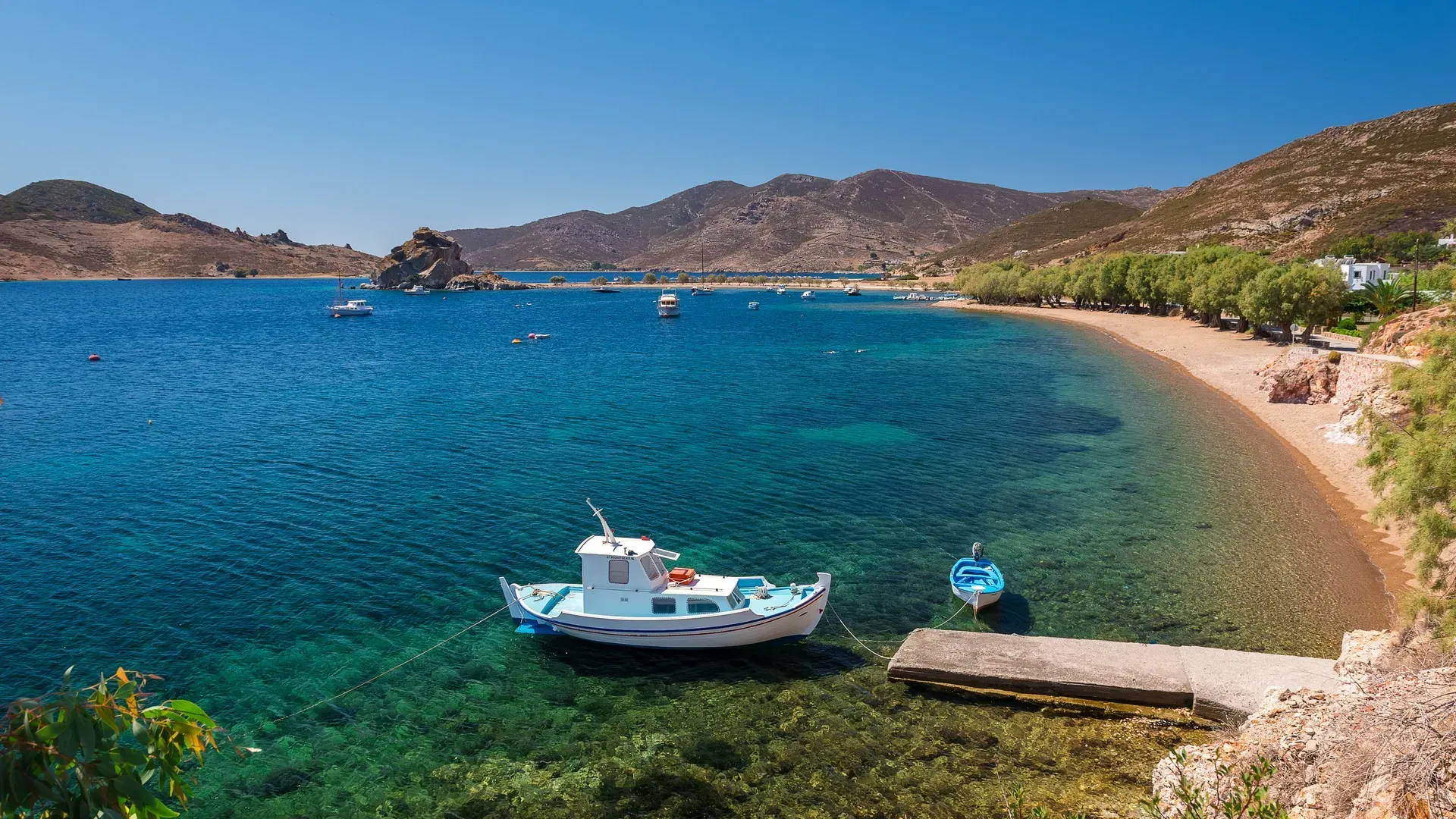
Visit Grikos, the beautiful seaside bay and Kallikatsou Rock, a large rock that connects to the land by a narrow strip and legend says it is a mothers curse that came true. The islands beaches are impressive in spring, with pristine crystal-blue waters. If the weather allows, visit Petra, Lampi, Agriolivadi, as well as the organized and bustling beach of Kambos.