





The villages, the beaches, the castles and everything you will see on Kythira, a distinctive island with its own, unique charm.
At the crossroads of the Ionian, the Aegean and the Cretan Sea, lies an island exceptional in many ways. A place filled with myths and singular beauty. Kythira, also known as Tsirigo(from «Cerigo», the islands old Venetian name), has a unique charm of its own and devoted visitors who return every year to enjoy peaceful holidays and quality hospitality. Mythology says that Aphrodite was born on this island, and that alone is reason to fall in love with it.
Kythira geographically belongs to the Ionian Islands. Yet it resembles no other island. Its beautiful Chora and a very interesting hinterland, picturesque villages of special architectural interest, impressive castles, enchanting beaches, wild natural scenery, gorges, waterfalls and caves offer options for everyone. Keep in mind that the island covers distances and you will definitely need a car to get around it.
The Chora and the Venetian castle
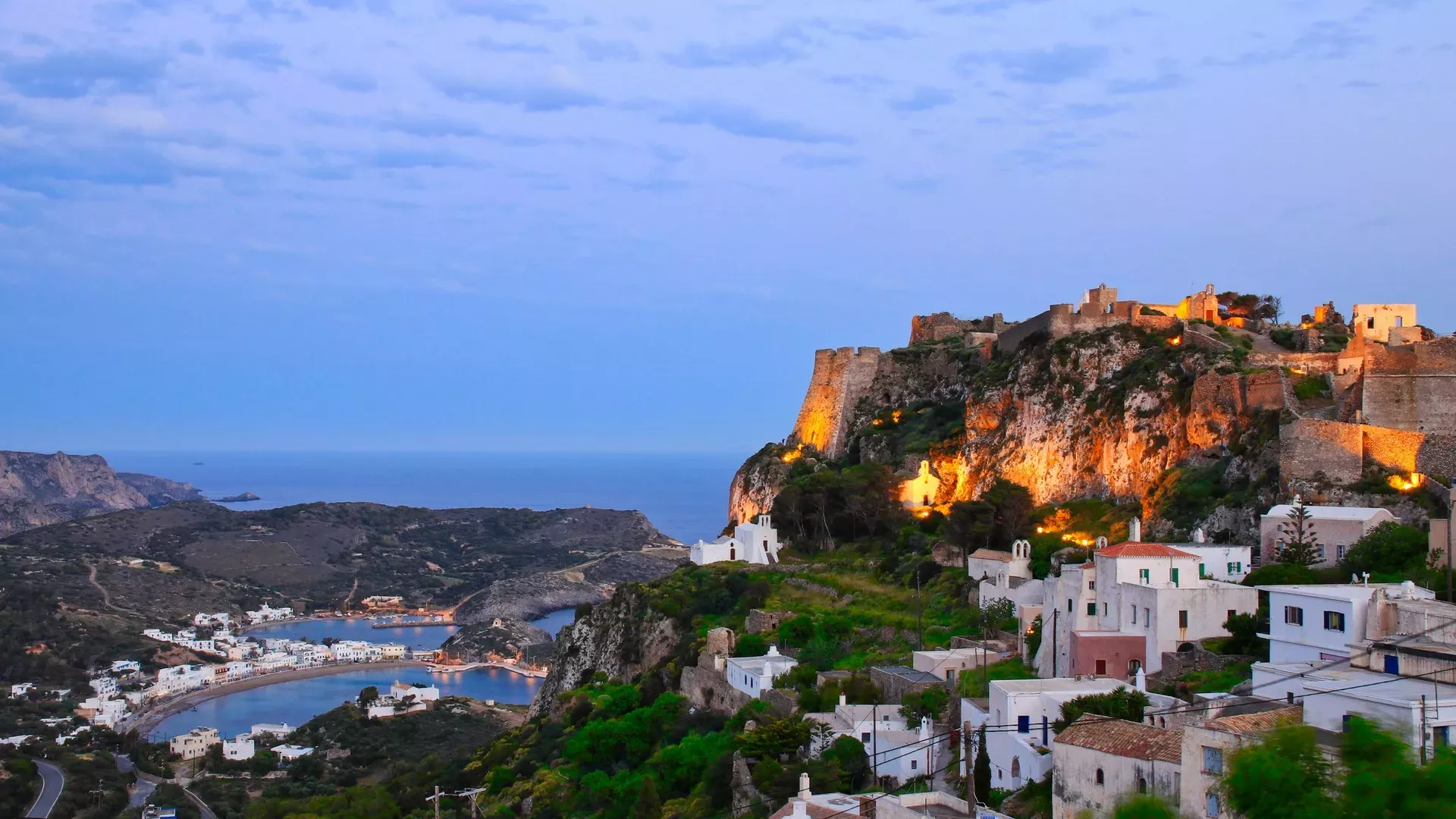
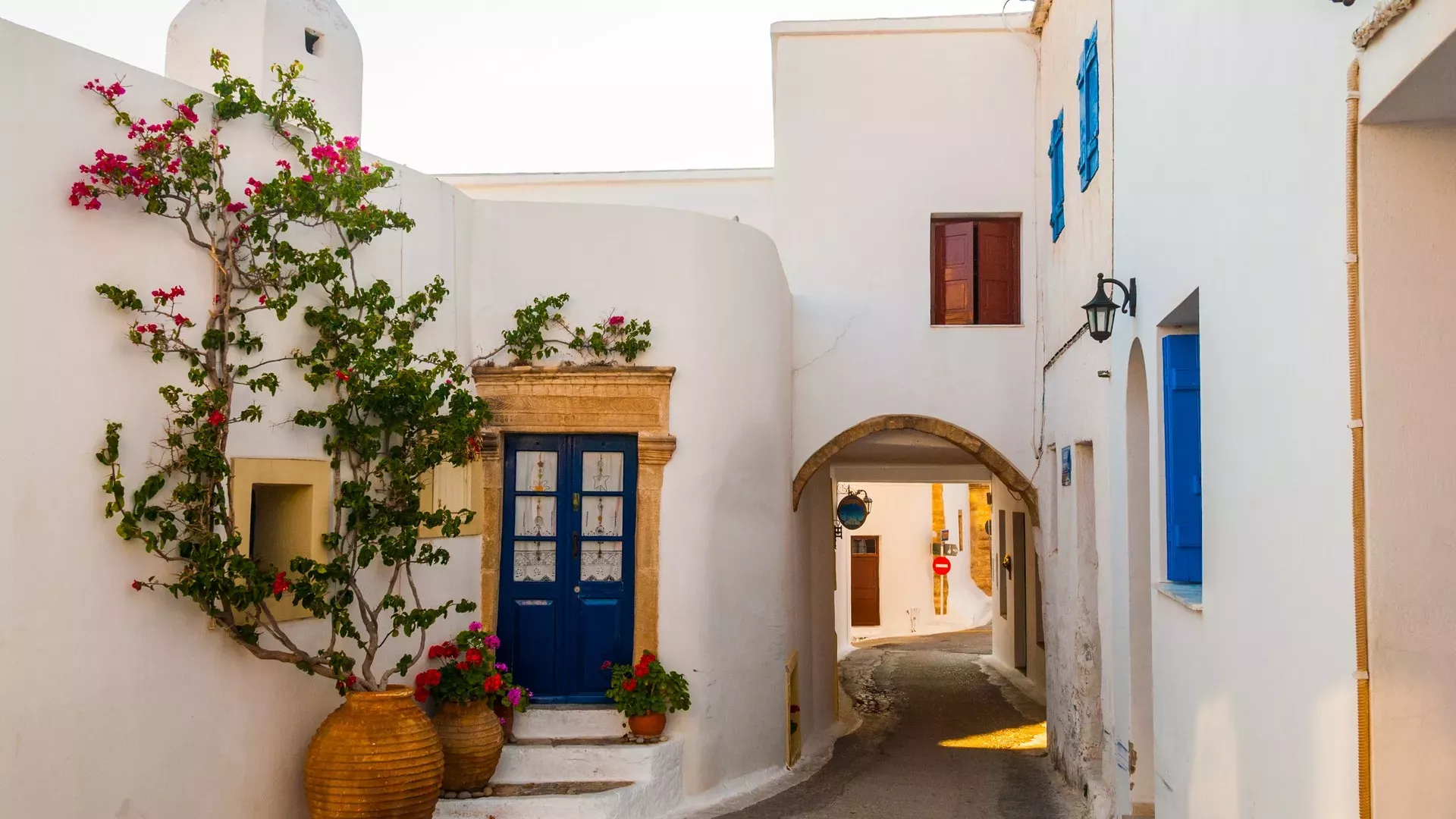
The first thing you will do is explore the Chora of Kythirawhich isbuilt at the southern tip of the island. It is one of the most picturesque settings in Greece. Wandering the alleys with mansions and the residences of former nobleswill stay with you. Houses built close together, and the narrow arched lanes between them, follow simple island architecture with a strong Venetian character. If history interests you, it is worth a stop at the renovated Archaeological Museum at the towns entrance.
The landmark of the Chora is the Venetian castle, built in 1503, which towers above the settlement. Inside you can see Byzantine churches and several buildings preserved to this day, while in its Palazzo, once residence of the Venetian Provveditore and later the British Commissioner, today houses the Historical Archive of Kythira, with texts and documents from the 16th century.
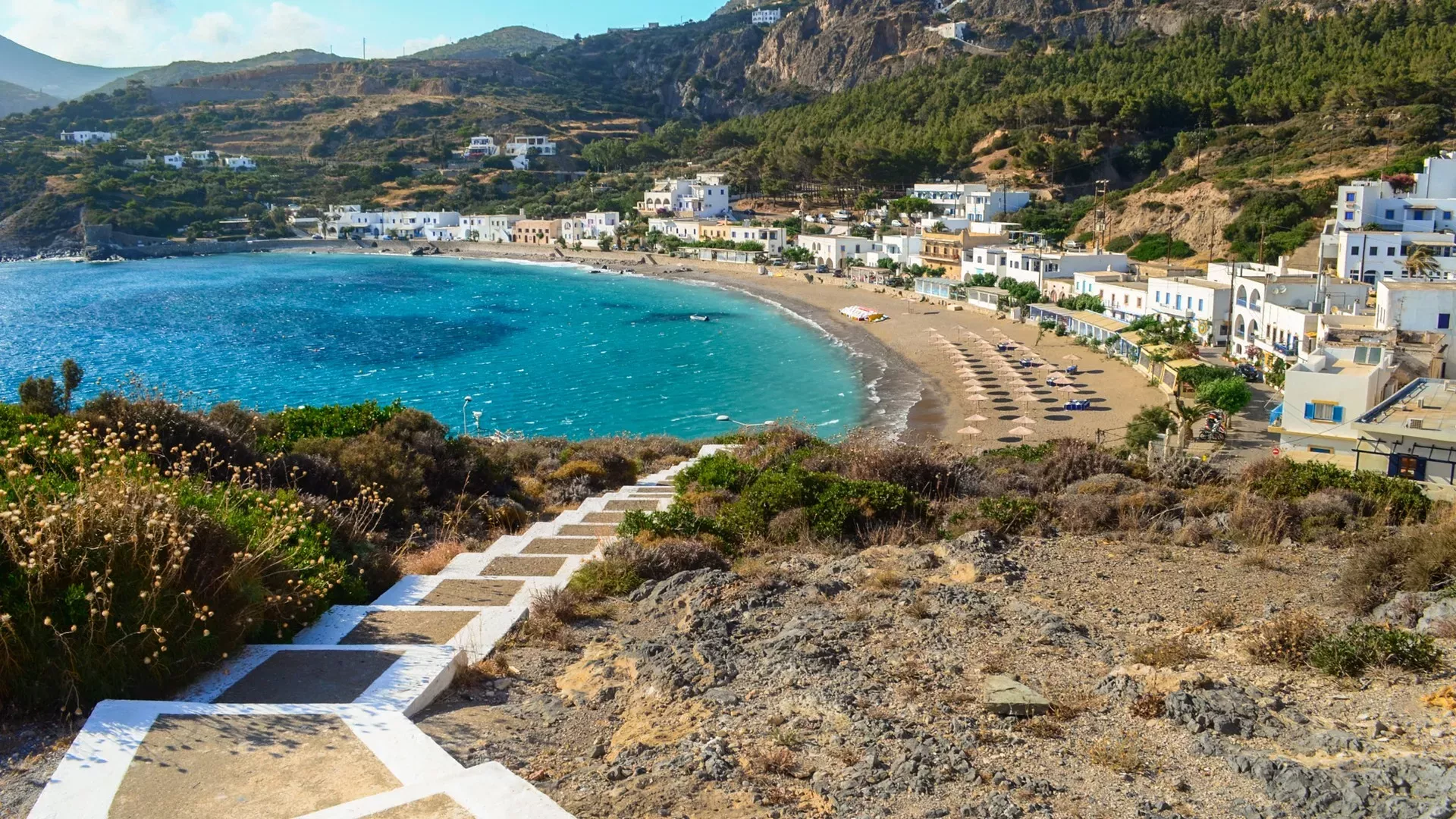
The port of the Chora isthe cosmopolitan Kapsali, the seaside village directly below. In Kapsali beats the heart of the islands nightlife, with many cafés and bars, restaurants and other shops lined up along the seafront promenade.
Picturesque villages
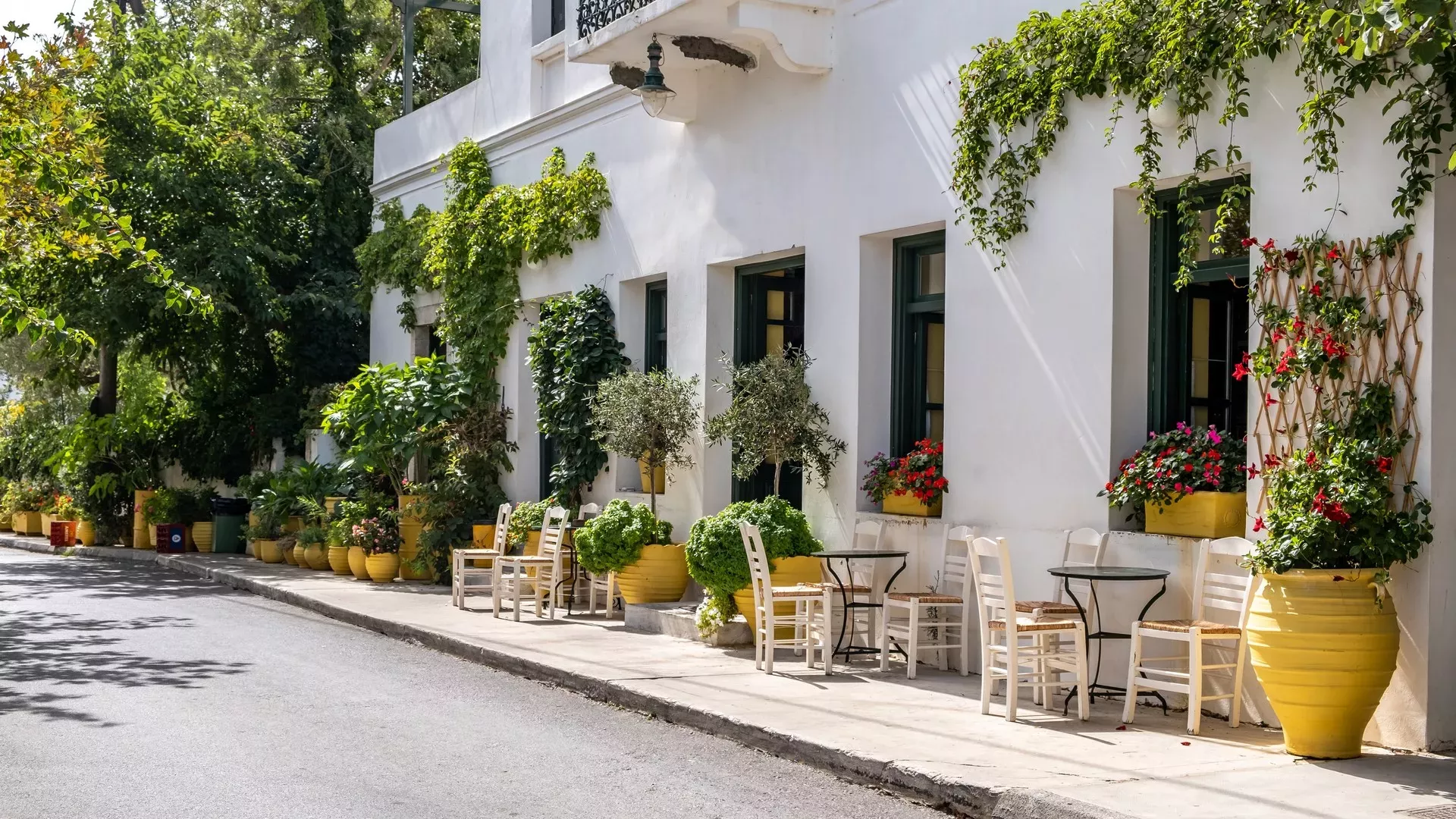
It is worth taking time to explore Kythiras beautiful villages. A lovely route throughpines will lead you to the islands largest village, Potamos, a chief village that displays significant architectural interest with its traditional houses, the islands old mansions, the Venetian guardhouse and the neoclassical building of the Nursery. Its square, with traditional cafés, bakeries and tavernas, buzzes with life all year round. The traditional market is the meeting point for localsevery Sunday morning.


Mylopotamos is a world unto itself. Here the meeting point is the main square, from which all the magical routes begin. Wandering the villages alleys will lead youto Fonissa, a hidden ravine with the well-known waterfall of the same name. If you continue further down you will encounter the watermills and other waterfalls. In Mylopotamos you will also findthe Venetian Castle of Kato Chora, one of the islands most important traditional settlements, with the Lion of Saint Mark above its monumental gate.
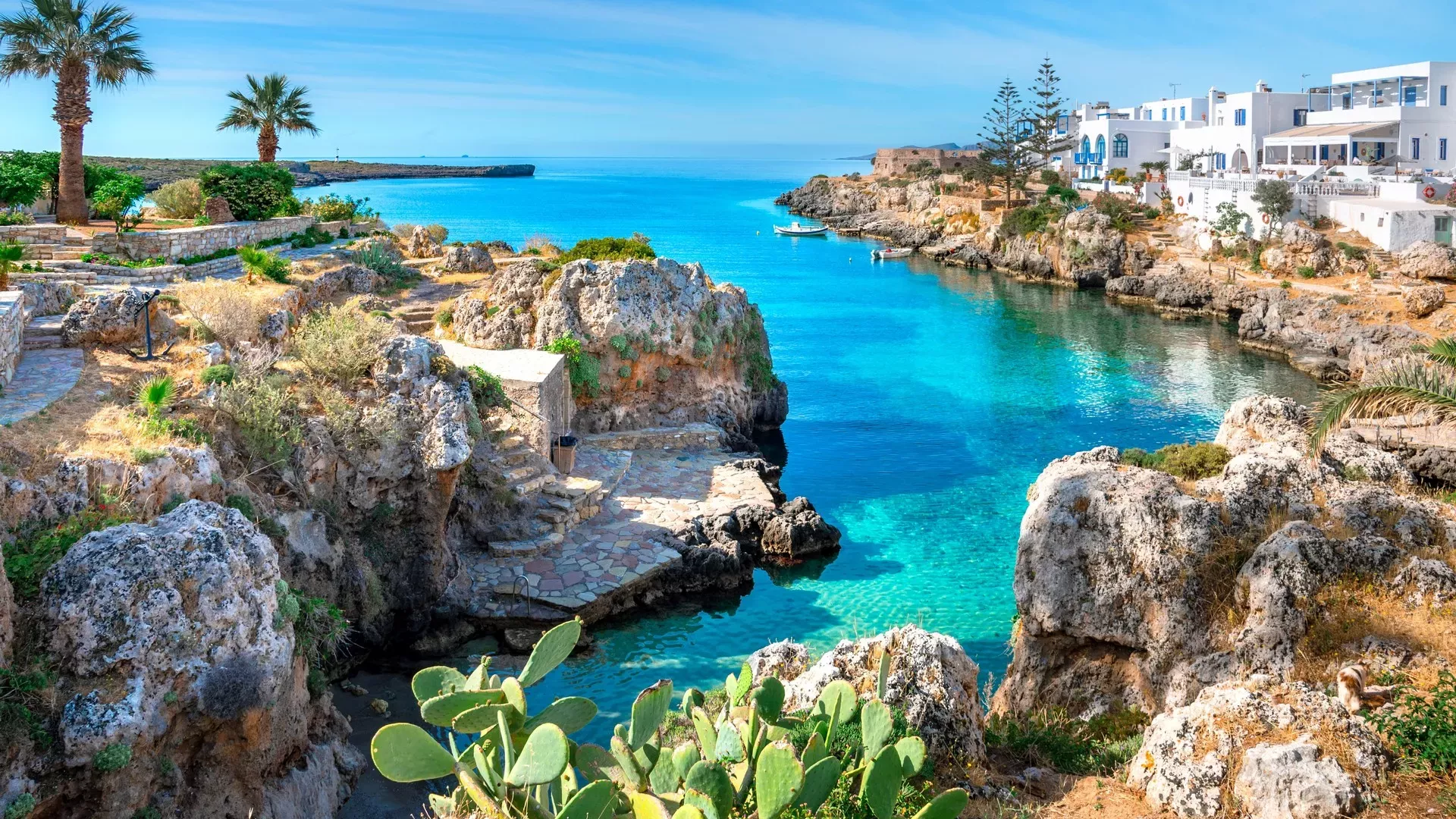
On the east of the island, about half an hour by car from the Chora, lies a seaside village that looks like a brushstroke of the Cyclades on Kythira. This is the picturesque fishing village of Avlemonas with the Venetian fort on its top and the small coves with crystal-clear emerald waters. The village is built between two small and calm bays. The natural environment strongly recalls the Cyclades and the architecture has Aegean influences. The fishermens boats complete the picturesque scene.
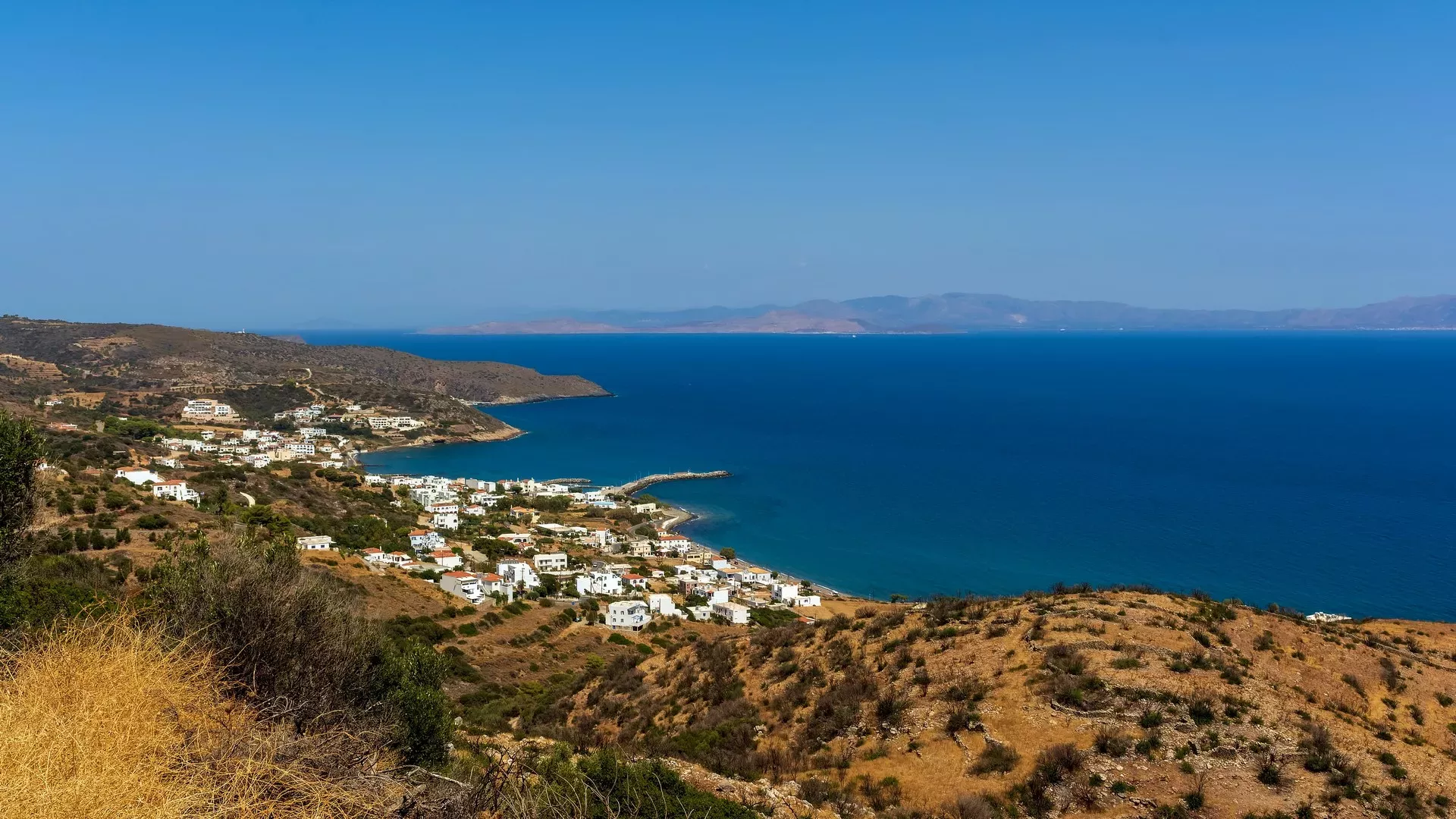
In the northeastern part of the island you will find Agia Pelagia,a highly popular summer resort and one of the largest villages of Kythira withmany options for accommodation and food. Agia Pelagia has a beautiful beach, while at a short distance you will find many more wonderful shores for a swim. In the area ends the Kakia Lagada gorge, a landscape of exceptional natural beauty.Aroniadika, Aloizianika, Frilingianika and Kastritsianika are some morepicturesque and quiet settlements of the island, with special architectural interest, that are worth discovering.
Beaches for every taste
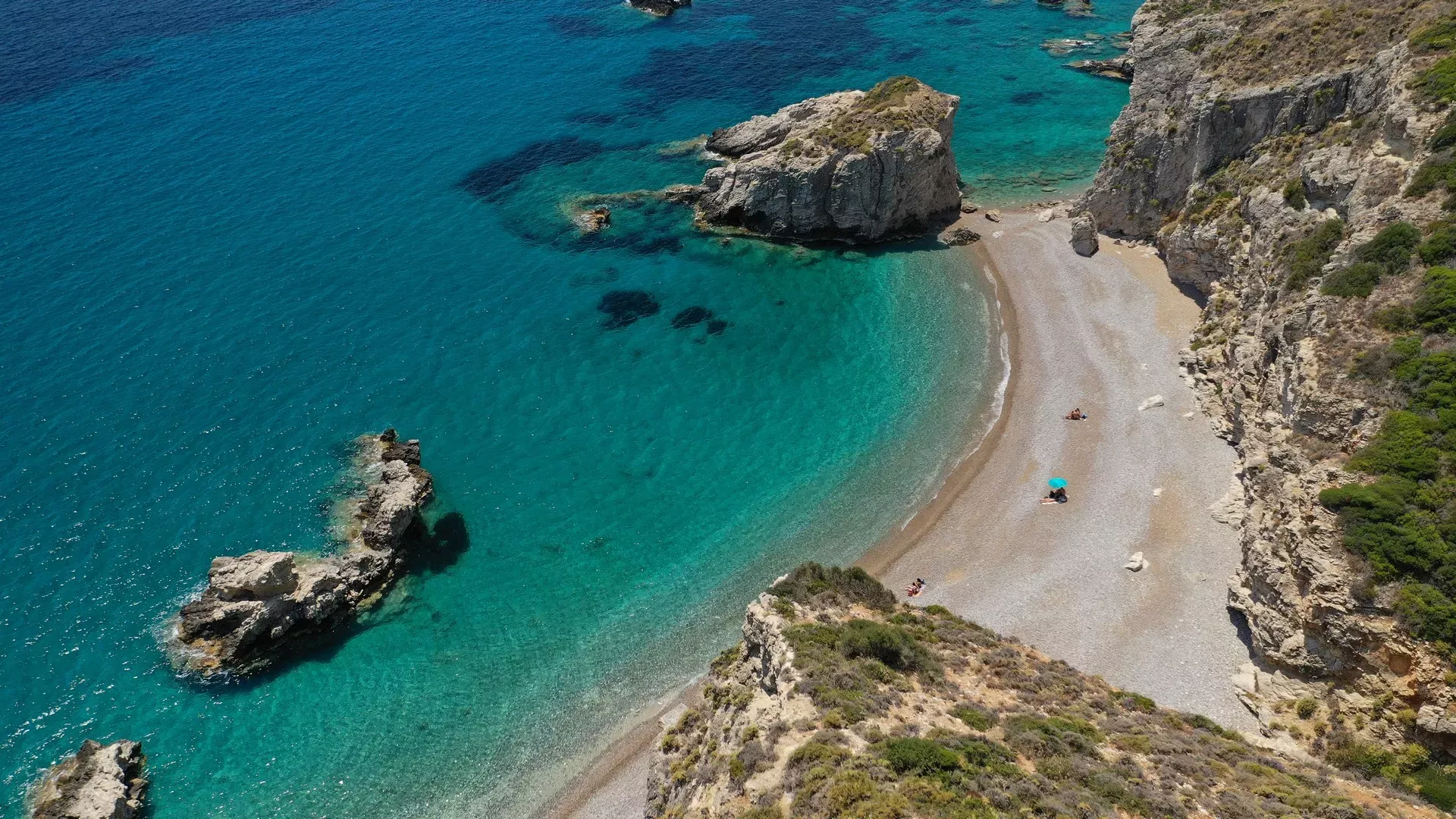
On Kythira you will relish your swims. It would be best for your tripto be at least a week so you have time to spread your towel onas many beaches as you can. The impressive Kaladi, with the large vertical rock at its edge and blue-green waters, is the islands most photographed beach, its not organized, so you should bring supplies with you.
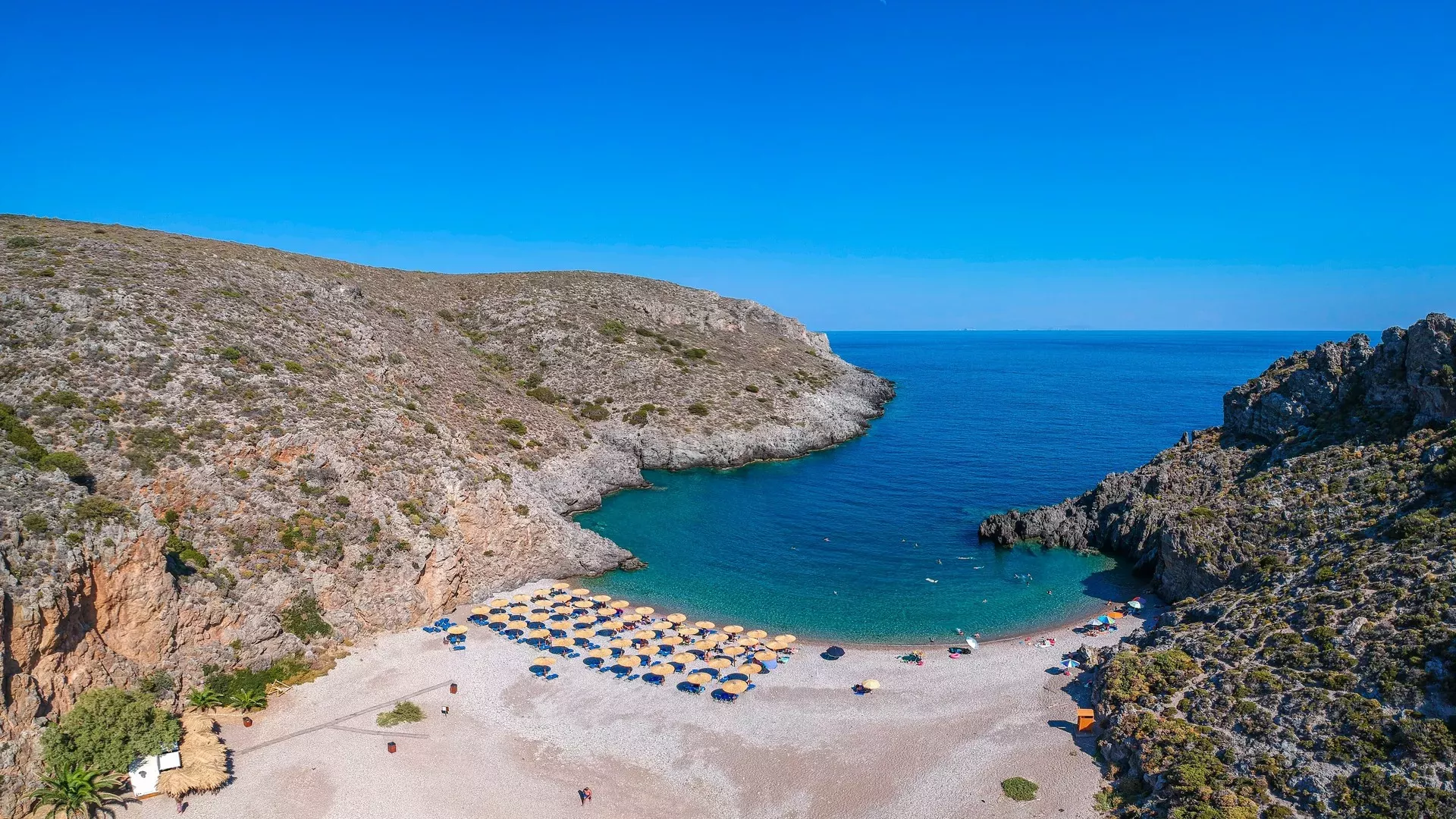
Diakofti (the islands port), Kapsali, Melidoni, Fyri Ammos, Paleopoli, Agia Pelagia, Chalkos and Fournoi are some more of the beaches that impress. We also suggest visiting remote Kalami, at the end of a gorge, as well as the pebbly Kombonada with its wild beauty.
Dont miss
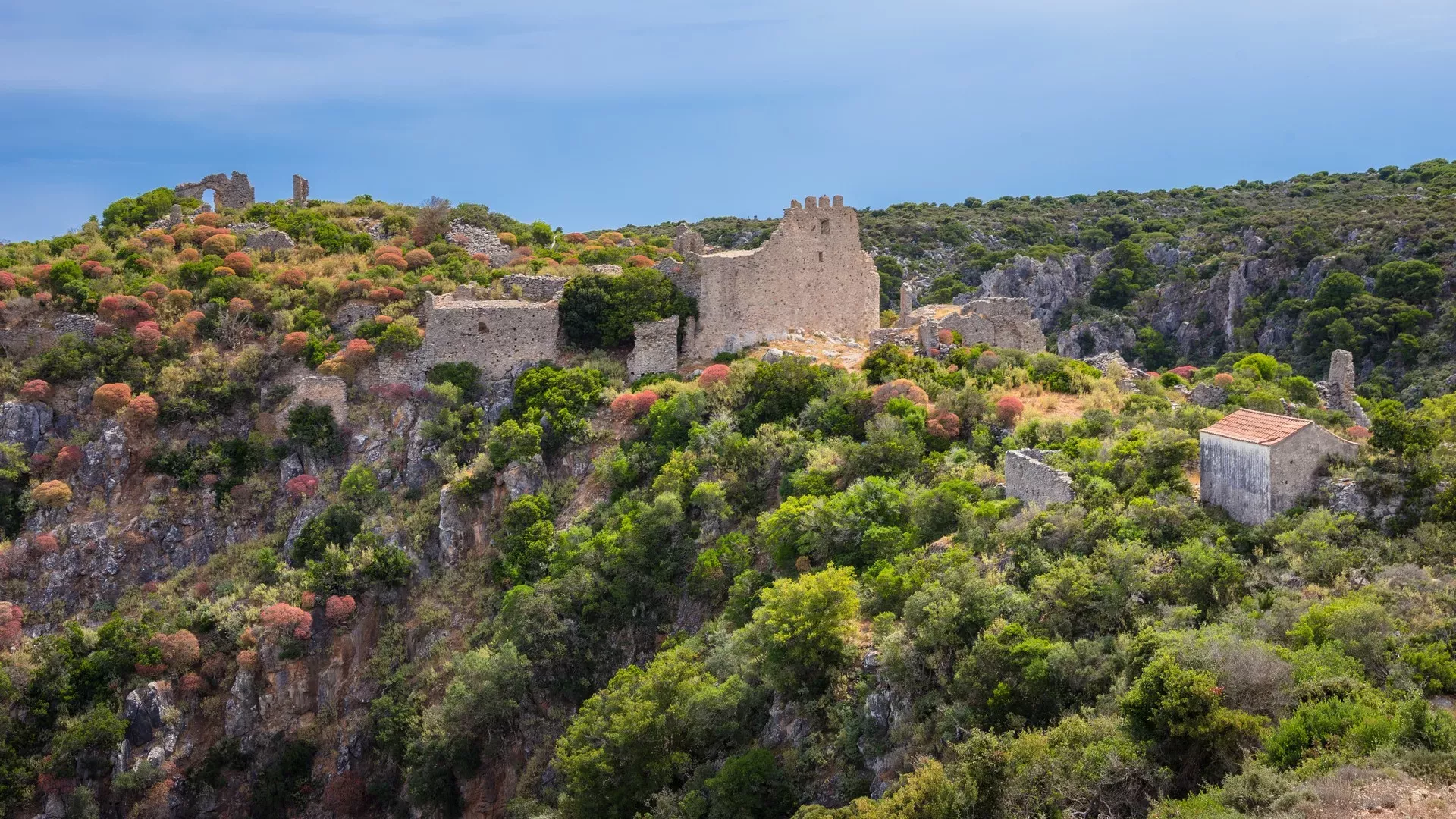
- About 8 km away fromPotamos you will findPalaiochora.The islands once Byzantine capital stands in ruins, on a steep hill, protected between the ravines just before the outlet to the sea, yet hidden from it.
- The Moudari Lighthouse, at the northern tipof the island, at Cape Spathi, built in 1857 by the British, is one of Kythiras most interesting spots.
- From Kapsali, boats depart for one of the islands most impressive places, the rocky islet Chytra (also called Avgo). It features a sea cave with enchanting colors above and below the seabed. At the endof the cave there is a refuge for seals.
- A unique location is also theAgia Sofia Cave.It is located a few kilometers outsideMylopotamostoward Limnionas beach. It was named according to local tradition, which says that the Saints body was found at this site, as testified by the 13th-century frescoes at the caves entrance.
- Kythira has a sibling, Antikythera, a small island with pristine nature between Kythira and Crete. The boat trip takes two hours, but it is truly worth it. You can explore the ruins of ancient Aegila in Xeropotamos bay, where you can have a refreshing swim or explore the southern coasts.
Accommodation
- Agia Pelagia: Terraced on a hillside, just 100 m from Neos Kosmos beach, theAlsea Seafront Apartmentsis an ideal choice for family holidays ina relaxing environment of comfort and tranquility by the sea and Kythiras natural riches.
- The hotelFiloxenia Apartmentsis just two minutes from the village of Agia Pelagia and 150 mfrom its organized beach. It featuresstudio apartments and suites with all modern amenities and a pool.
- Potamos: Porphyra Boutique Hotel is a charming guesthouse in the heart of Potamos that will make you feel at home from the first moment.
- Avlemonas: The complex of fully equipped apartmentsMaryianni Suitesis in a wonderful location in Avlemonas, right on the sea, on the road that leads to the picturesque castle at the edge of the bay.
- Diakofti: The Agnanti Studios complex is very close to the port and to the villages wonderful sandy beach, which is ideal for families with children.
- Kapsali: El Sol Hotel offers comfortable and elegant rooms with views of the castle and the open sea.
- Livadi: The Aposperides hotel is in the village of Livadi, 4 km inland from the Chora of Kythira. The village maintains the islands commercial activity all year round.
Food
- Potamos: In the main square of Potamos, Panaretos is a classic stop for delicious traditional cuisine.
- Mylopotamos: At the traditional kafeneio «O Platanos» you will try everything from roast suckling pig to homemade local sweets.
- Avlemonas: AtPsomoladearestaurant you will savor distinctive and creative dishes made with quality ingredients.
- Kalamos: Muststop isthe taverna Filioserving tasty traditional dishes with produce from their own garden.
- Paleopoli: Grab a table atSkandeiato try local dishes in a wonderful courtyard under the trees.
- Fratsia: On the menu of Familia taverna you will find dishes of Greek creative cuisine with seasonal produce.
Local products
It is a must to try xerotigano, Kythiras variation of diples, as well as the islands thyme honey, considered among the finest in the world. Kythira also produces high-quality extra virgin and organic olive oil. The islands olive oil is the base for one of the best-known local products, rusks. Standing out is theTsirigotiko olive rusk with its various versions, made with a centuries-old traditional recipe. Do not forgetto try the local sweets (rozedes, pastitseta, etc.) and fatourada (a liqueur with cinnamon and cloves as well as fruit).