




From October 19 to 25, South Aegean Open Farm Days 2026 invite residents and visitors to get to know firsthand the people, the products and the processes behind the food that reaches our table.
Between the Aegean's blue and the whitewashed houses, taste has its own story. In the South Aegean the magic hides in a field with the sea as a backdrop, in a product that's been made the same way for years, in a crop passed down from generation to generation, and at a table laden with local flavors. The land, its people, and its fruits have shaped a culinary tradition that's inextricably tied to the islands' identity.
The Region of South Aegean invites us to discover this side of the South Aegean this October, through a different kind of travel experience. Farms, production and processing businesses in the Cyclades and the Dodecanese open their doors to the public, offering tours, tastings, workshops, presentations, and immersive activities.
The South Aegean Open Farm Days 2026 take place from 19 to 25 October 2026, with their activities unfolding along two major island routes: South Aegean – Cyclades Open Farm Days 2026 and South Aegean – Dodecanese Open Farm Days 2026. It's an initiative of the Region of South Aegean, in collaboration with Open Farm, to connect the islands' primary production more meaningfully with gastronomy and tourism.
South Aegean – Cyclades Open Farm Days
The Cyclades are famed worldwide for their beauty, their whitewashed houses, their villages, and their impressive beaches. There is, however, another side of the islands that's hidden from visitors and just as vital to their identity. The land, its production, the people who cultivate it, and the products together shape the Cyclades' unique identity.
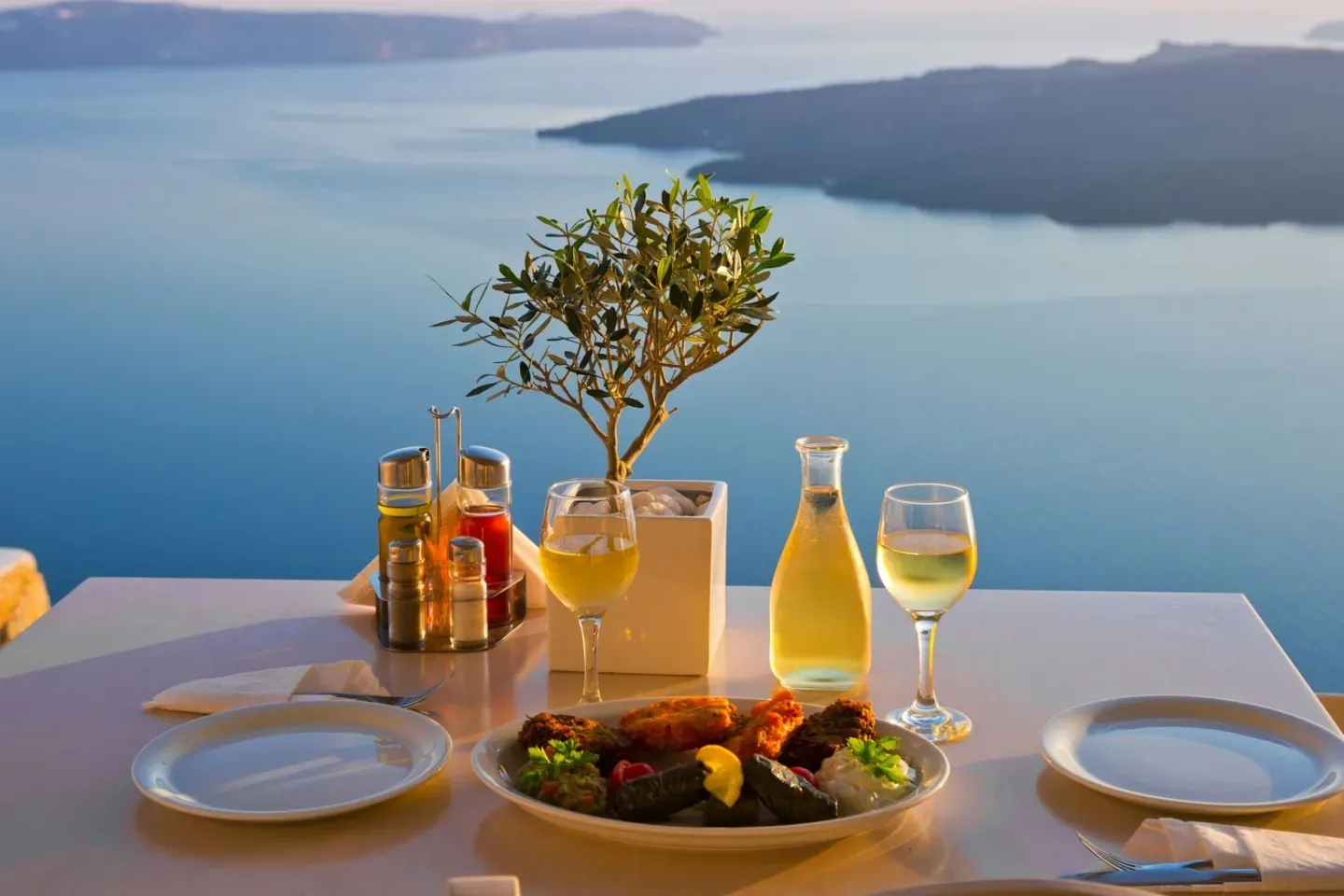
If there's another way to get to know the Cyclades, it's through their flavors. Cycladic cuisine has been shaped within the distinctive island environment, making the most of what the land and sea provide. Local gastronomy isn't just what we see on our plate, but the result of each place's natural environment, farming, and traditions. This side of the Cyclades is what the South Aegean – Cyclades Open Farm Days set out to highlight, offering a different way to experience them up close.
Through visits, tours, tastings, workshops, and hands-on activities, production steps out from behind the scenes and becomes part of the travel experience. At the heart of the event are the people of production. Farmers, livestock farmers, beekeepers, local producers, family businesses, and processing units open their doors and present to the public the work, the know-how, and the stories behind their products.
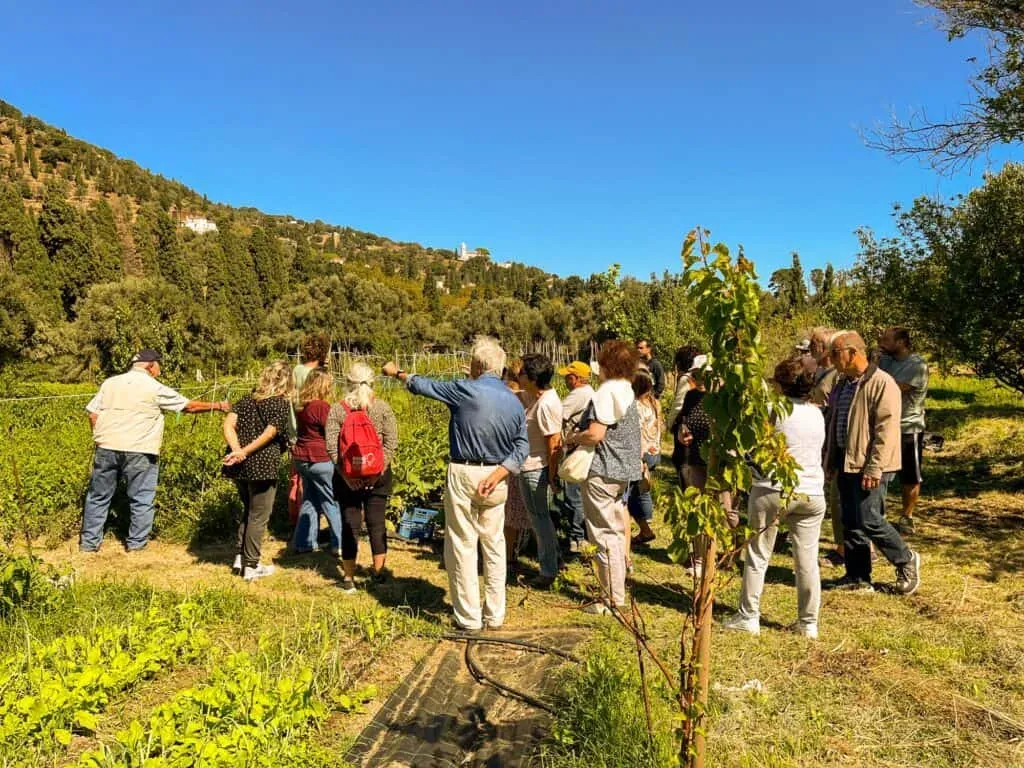
The experience isn't limited to a simple visit. Depending on the activity, visitors can take part in tours, tastings, workshops, and other immersive activities, learning firsthand how a product goes from the land to the table. This experience helps them discover each destination more meaningfully, to step away for a while from the classic routes and get to know an everyday life that's an integral part of the Cyclades' identity.
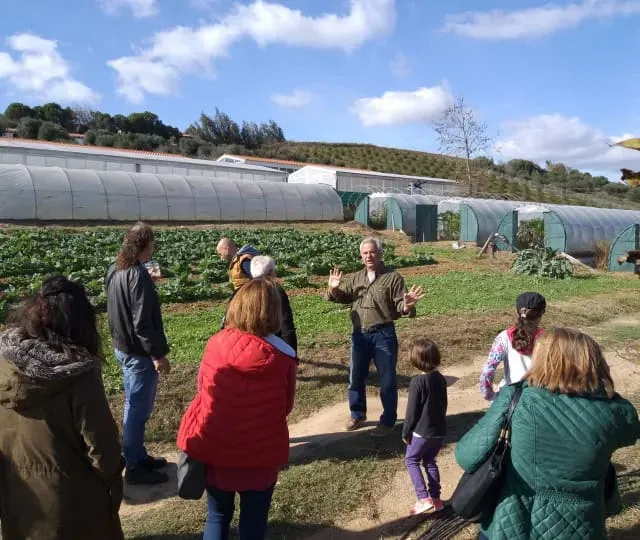
For producers and processing businesses in the Cyclades, participation creates opportunities for exposure, contact with new visitors, and the development of visitor-ready, hands-on experiences. At the same time, through the “Train the Farmer” educational program, emphasis is placed on training in agritourism, experience creation, visitor hospitality, and sustainable practices.
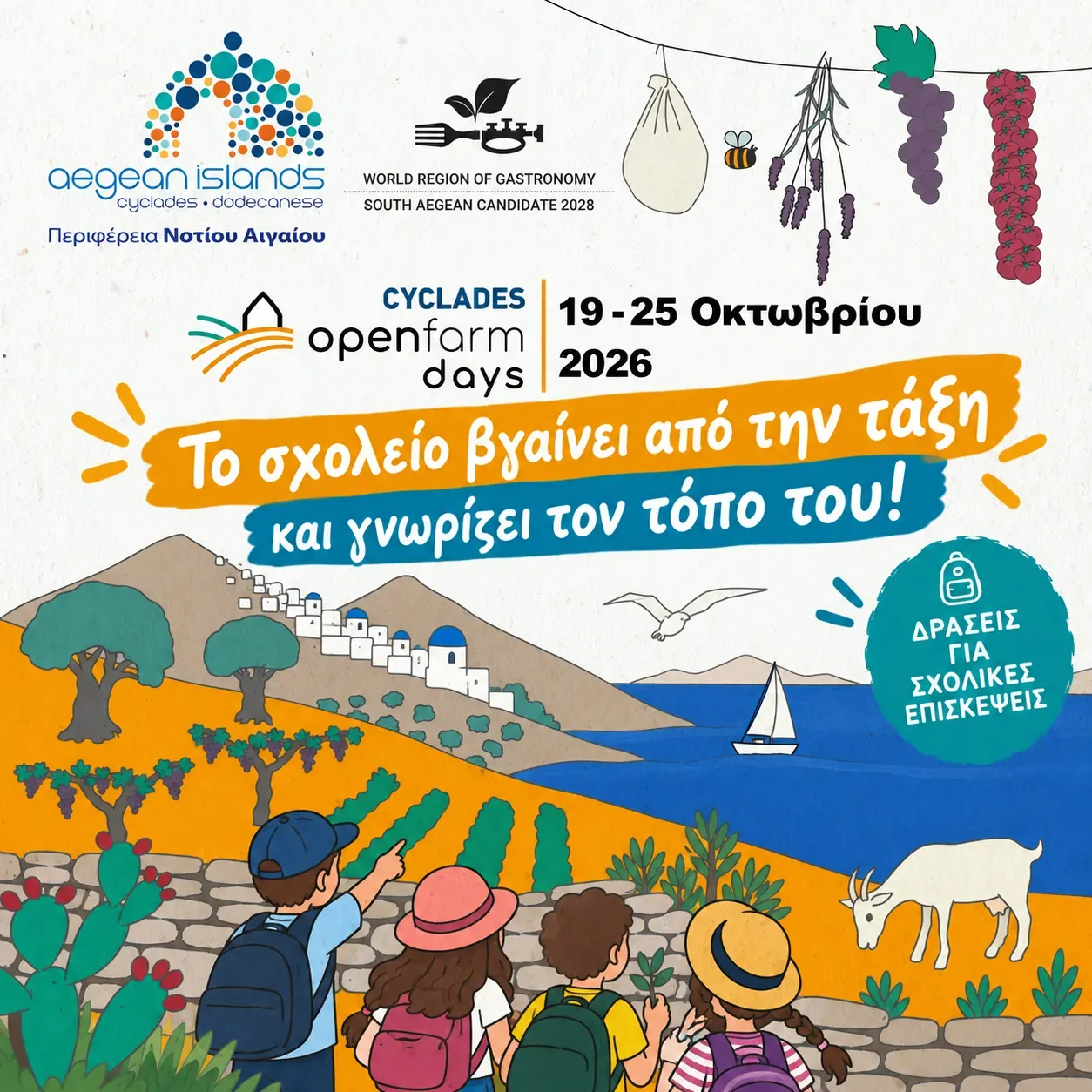
School steps out of the classroom to discover its home
The South Aegean Open Farm Days 2026 also create an opportunity for local communities to come closer to the people of production. From 19 to 25 October, the Cyclades and the Dodecanese welcome the local community, schools, and the islands' visitors to their farms and their production and processing units.
Farms, producers, and processing units open their doors and create a different educational experience for students. Through organized visits, tours, and hands-on activities, children can get to know the crops and products that characterize their island, the people who cultivate, raise, process, and create, the way food is produced and processed, the traditional knowledge and techniques that pass from generation to generation, the relationship of agriculture with the distinctive island landscape, biodiversity, and natural resources, the connection of local production with the diet, gastronomy, culture, and economy of each island.
A visit to a farm or a small production unit can thus turn into a living lesson in environmental education, local history, nutrition, and culture. Children learn that behind the honey, cheese, wine, olive oil, herbs, fruits, vegetables, and every local product, there's a person, a family, a body of knowledge, and a story tied to the place. They discover that local production is part of their island's identity and that our choices as consumers can help preserve this living productive heritage.
The rich gastronomy of the South Aegean
The South Aegean is known for its culinary wealth and the effort to showcase it. The Region of South Aegean is taking another important step toward the international promotion of the area's gastronomic identity by submitting its candidacy for the title of World Region of Gastronomy 2028. The fifty islands share a common gastronomic identity and a global goal. It's the first Greek Region to compete for this international distinction, continuing a strategy that began in 2014 and gained particular momentum in 2019, when the South Aegean was named European Region of Gastronomy.
Today, gastronomy is one of the area's most important competitive advantages, linking local production with tourism, culture, and sustainable development. This course has already left a significant mark on the islands, with more than 40 festivals and culinary events supported each year, a greater presence of producers at major international fairs, and greater outward reach for local products.
At the same time, young chefs are emerging as ambassadors of the South Aegean's gastronomic heritage, while gastronomy is increasingly being integrated into planning for tourism, education, and sustainable development. Local flavors are no longer just a part of local tradition, but a living way for production, culture, and the modern travel experience to meet.