From Mexico City and the Mariachi to the ancient civilizations of the Maya.
We're in the midst of a pandemic, in late 2020. A tough winter, everything closed, and I've just come out of three weeks of home quarantine after having Covid (thankfully mild). The little traveler in me can't take it. A second Easter in Athens, again! Mexico is among the 2-3 countries that haven't closed their borders and you can travel there. The tickets are very cheap, since no one is traveling.
Thoughts are spinning in my head: what if travel doesn't open up again? What if it's the last one we'll ever take? It took me 5 minutes to decide to book tickets. Seventeen days in Mexico and the adventure has begun. I call the embassy to ask for details. The Mexican woman speaking to me in broken Greek thought I was crazy! Be careful, my girl, it's dangerous where you're going. Unfazed, Viva la Mexico! You could call it ignorance of danger. After a rather difficult process, with papers, declarations, Covid tests, etc., we finally find ourselves in my favorite place: the airport!
Mexico City
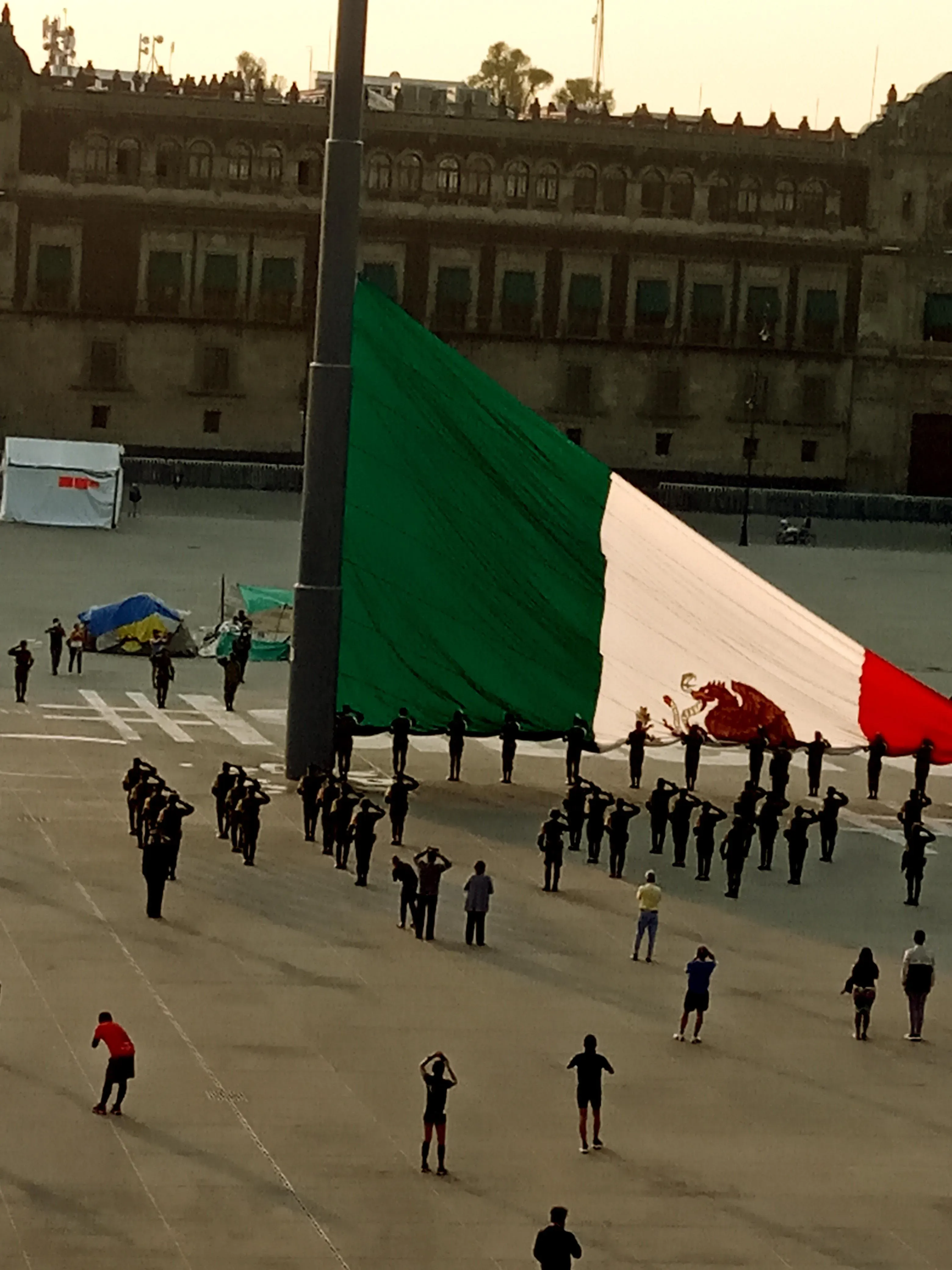
After a very stressful check for the PLF (passenger locator form) and a long flight, we land in Mexico City. Almost everything seems normal, traffic on the streets, people everywhere, they aren't even wearing masks. Another planet! Our hotel is right on the Zocalo, the square in the historic center of the city. It's one of the largest public squares in the world and from our window we see the Metropolitan Cathedral to the left and the National Palace across from us. In fact, from the roof garden, while we were having breakfast, we saw the official military flag-raising ceremony of the gigantic Mexican flag, which takes place daily to the accompaniment of military marches. After this spectacle we set off for the National Museum of Anthropology, which is dedicated to the indigenous civilizations, Aztecs, Maya, etc. I think that, along with the Egyptian Museum, it's among the most beautiful and most interesting I've ever seen!


We spent half our day there and, after the essential coffee stop, we headed for Frida Kahlo's house, the country's most important artist together with Diego Riviera, who were also a couple. The house has been a museum since 1958 and hosts many personal objects and works of art. She lived there almost her entire life until her death. Besides the objects, the building itself is very beautiful, with bold colors, mostly blue on the outside - that's why they call it Casa Azul, the Blue House. Beyond that, the area where it stands is one of the most picturesque and bohemian neighborhoods and is called Coyocan. After we explored it quite a bit we also made a brief visit to Leon Trotsky's residence, the Russian revolutionary who lived in exile there for many years, was a friend of the artistic couple but also Frida's lover for a while. Unfortunately, Diego Riviera's museum, which is also of great interest, was closed.


We returned to the Zocalo and discovered a very picturesque bar, where we went in to try the famous Mezkal tequila, the one with the worm. Our shots didn't have worms, but there was one in the bottle. Our evening continued at the renowned Garibaldi Square. The hangout of the Mariachi, the musicians with their striking multicolored suits and their huge round hats, the sombreros. Dozens of bands flood the square every night playing small guitars, violins and trumpets, giving the punch that makes their music so recognizable. They also have wonderful voices and almost all of them sing. It's like our own Katsamba brothers, only a bit better, I think. This was where Christos was inspired and jokingly started calling me Pepita! A name that's very common in Mexico. Well, that was it—since then it stuck as a pet name, not only throughout the trip, but in general; even our close friends have now picked it up and call me that...
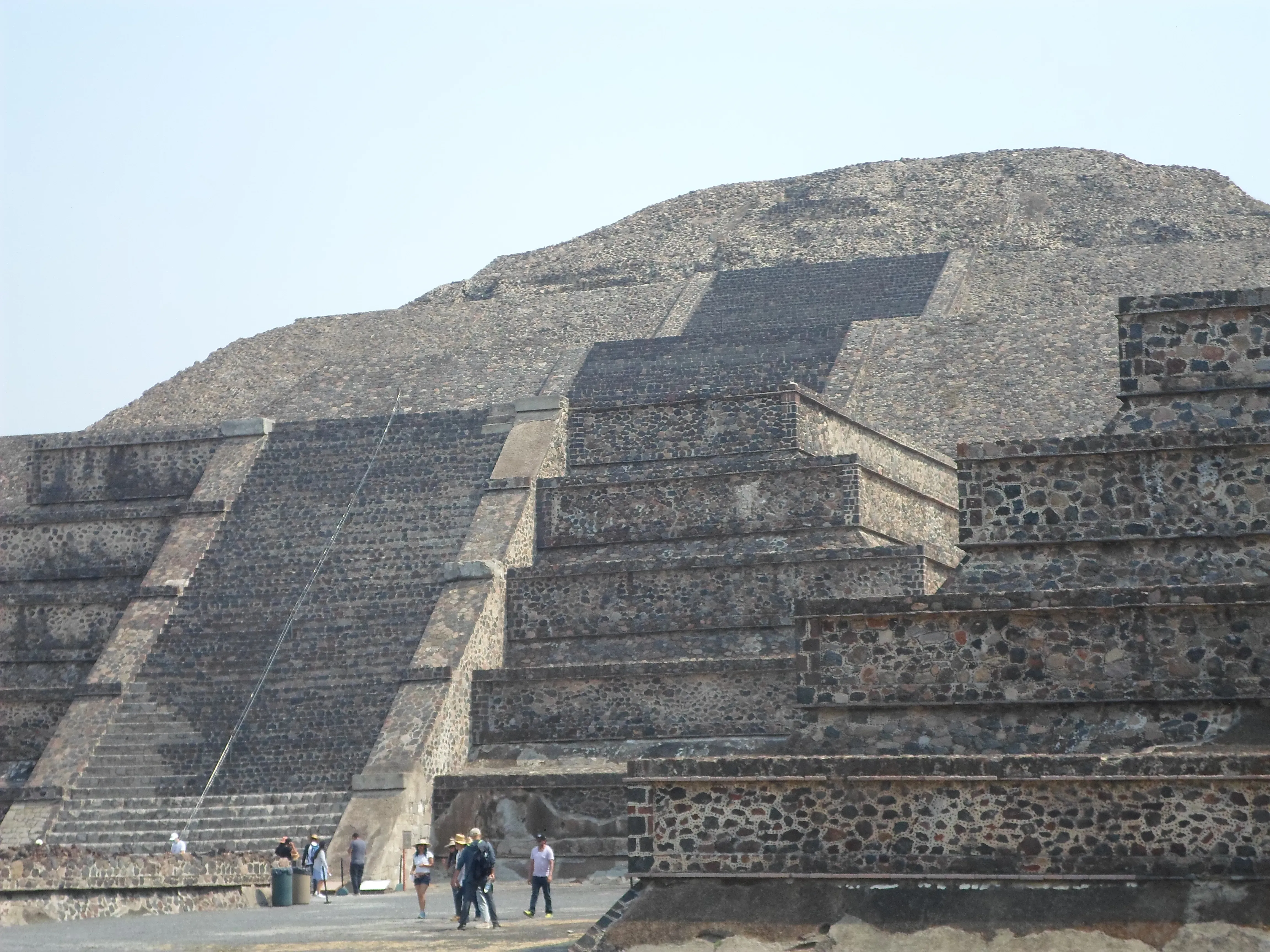
As Pepita then, the next day found me on the road to the Teotihuacan pyramids. It's a vast archaeological site about 40 kilometers outside the city. The extremely polite taxi driver, who didn't speak a word of English, used a translation app on his phone so we could communicate, which pleasantly surprised us! When we arrived, we gazed in awe at the largest, the Pyramid of the Sun, 65 meters high. But there was also the Pyramid of the Moon, a little smaller.
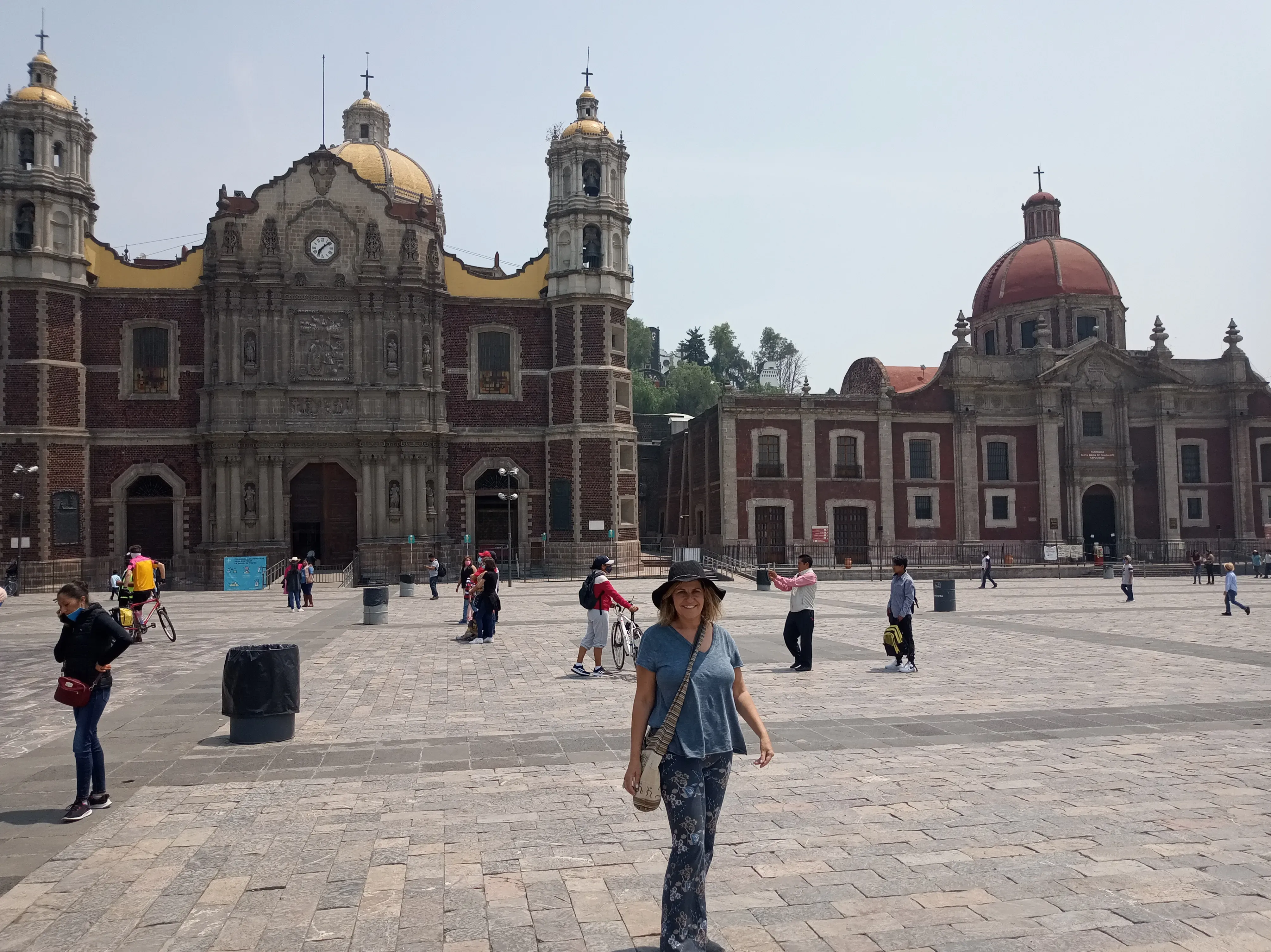
The main street of the ancient settlement is called the Avenue of the Dead. At its height, between 350 and 650 AD, the city had 200,000 inhabitants and is now a UNESCO World Heritage site. Then we went to visit Our Lady of Guadalupe on Tepeyac Hill. It's the most important religious and national symbol of Mexico. The older building is Mexican Baroque architecture and is a sight for sore eyes. Unfortunately, it showed structural damage, it leans like the Tower of Pisa, and so they built a new church next to it, very modern for our tastes. In general, though, the whole area is interesting and definitely worth a visit! In the afternoon we returned to the city and spent the rest of our time strolling around the Roma neighborhood and the adjacent La Contessa. Bohemian areas with very beautiful old buildings, lots of bars and lovely restaurants.
Oaxaca
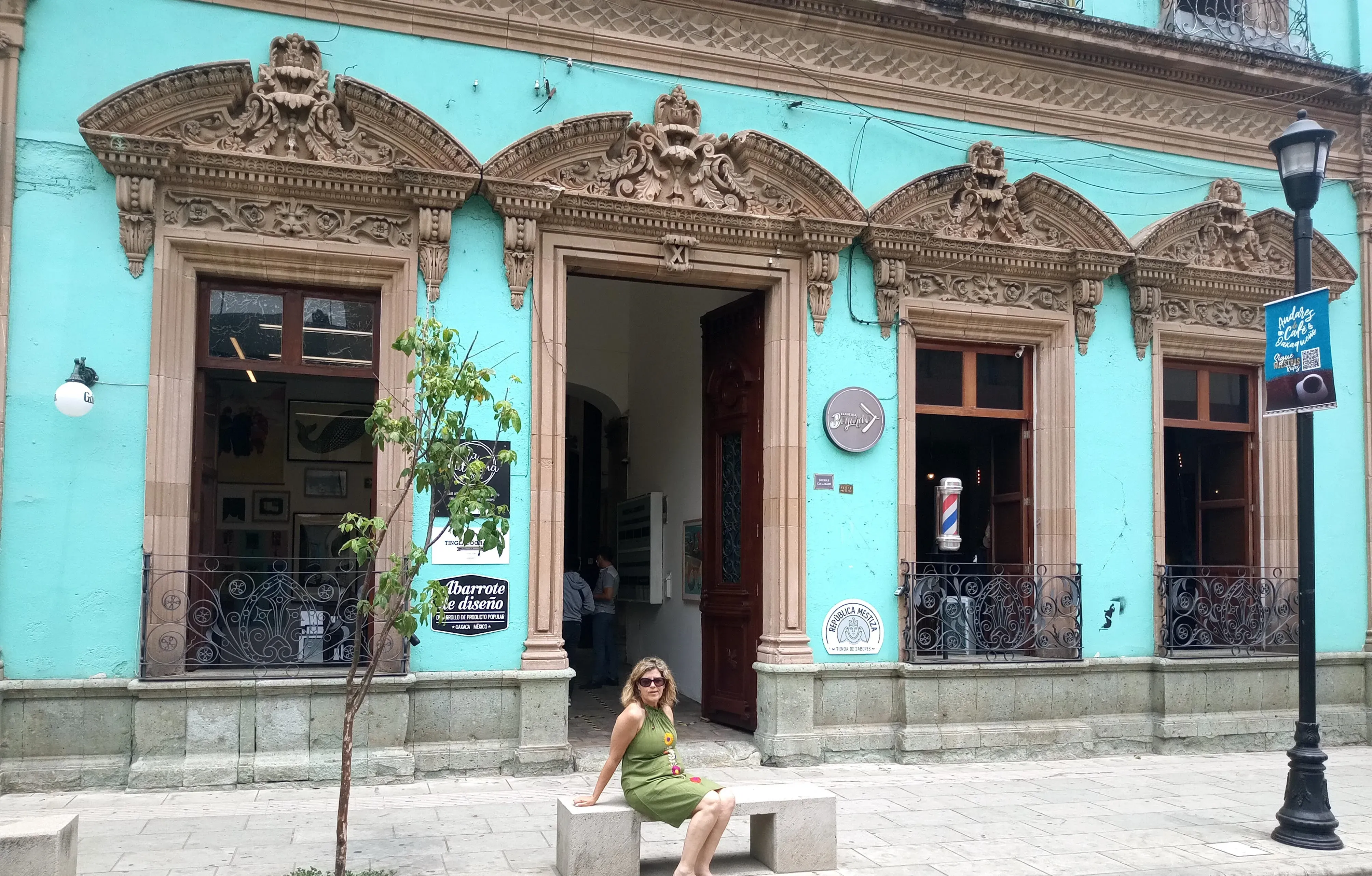
Early in the morning we were supposed to fly to Oaxaca, but the region's teachers had other plans, as they had flooded the city's airport in protest over their demands and weren't letting even a mosquito land. We rushed to grab tickets for the next bus, 7 hours' ride... worth it. In the evening we'd celebrate my birthday in a very beautiful bar-restaurant with a '70s aesthetic and very good guacamole. It was in a stone building of distinctive architecture in the city center.
Oaxaca, besides being gorgeous, is famed for its gastronomy. Most restaurants are very special with mouthwatering menus and loads of atmosphere, just right for a birthday. After dinner we headed to the main square, where we stumbled upon a fantastic Latin orchestra that alternated with a Mariachi group on a restaurant's veranda. It was a feast of color and music. We'd almost forgotten we were living in a time of pandemic. After joining the locals who were dancing across the square, we returned late to the hotel.
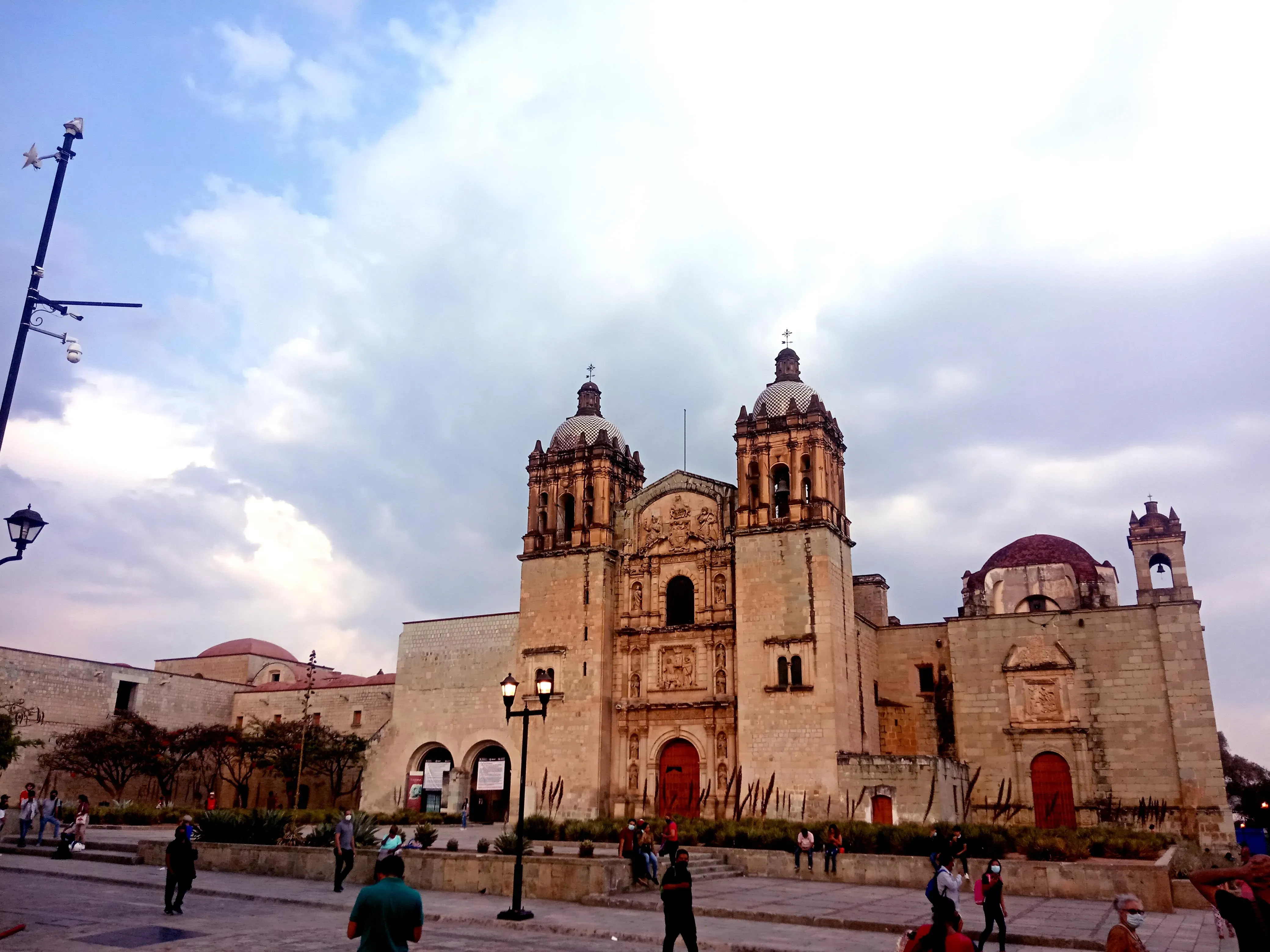
In the morning we had an early visit to Monte Alban. It's high up on a mountaintop, offering panoramic views over the valley. It's the ancient capital of the Zapotecs. It includes pyramids, a central plaza, an observatory, an ancient ball court, and excavated tombs. I admit the drive impressed me more than the ancient city... Oaxaca is also renowned for its textiles, but what we liked most was its architecture. Huge stone buildings with impressive facades in Spanish Colonial style (Colonial).
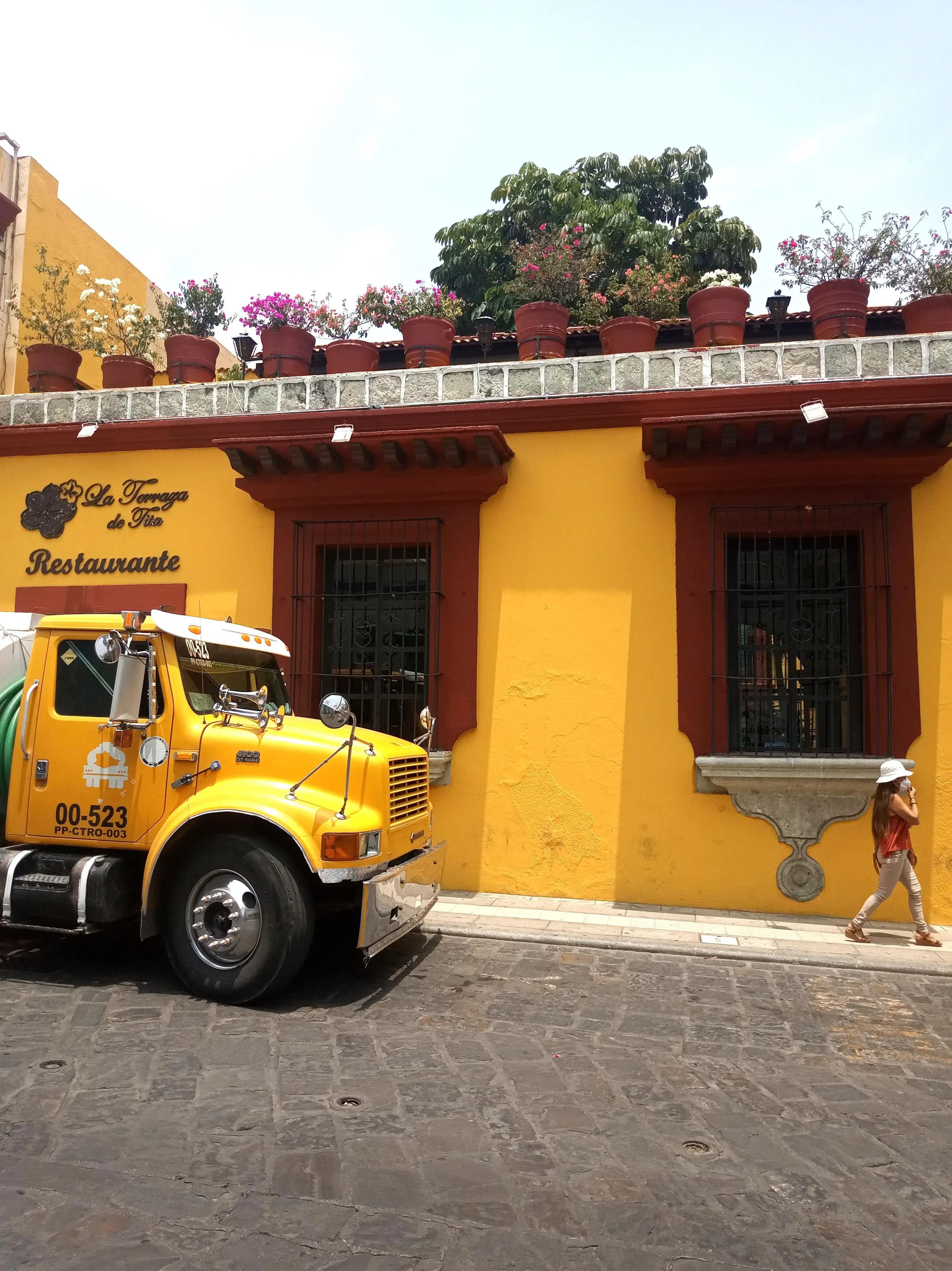
Due to the region's frequent earthquakes, the buildings have thick stone masonry, in Baroque and Spanish styles from green volcanic rocks, large internal courtyards (patios) with arched arcades and elaborate facades. We had one last glass of wine on a terrace with a view over the city and took the night bus to San Cristobal de las casas, our next stop. This was also our toughest journey, 12 hours on a night bus. Unfortunately, flights aren't convenient as the airports are very far from the cities we were interested in. Worst of all, the bus driver, evidently so he wouldn't fall asleep at the wheel, left the TV blasting music videos at full volume all night. At 11 in the morning when we arrived, we were wrecked.
San Cristobal de las Casas
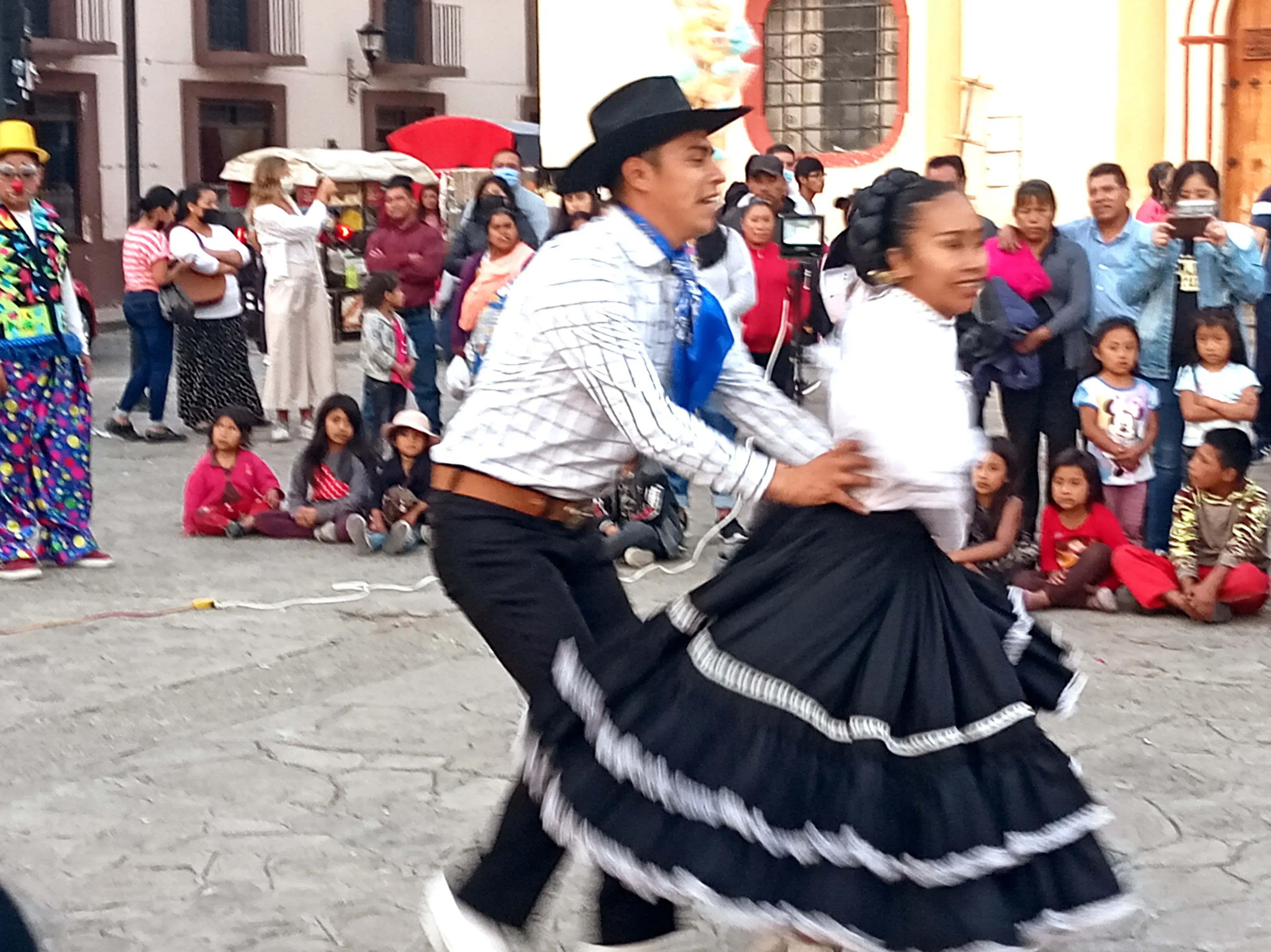
But the city was fascinating, classically Mexican, I think the most beautiful on this trip. Low, brightly colored houses, huge churches in shades of terracotta, tile-red, yellowish or red. But most interesting were the people... Indigenous tribes that live throughout the state of Chiapas and are direct descendants of the ancient Maya. Sweet, quite short and dark-skinned, they sold with great dignity the knits and textiles they make to make a living. In stark contrast to the American neo-hippie tourists who sold handmade little necklaces to keep their holidays in Mexico going. This informal competition almost bothered us, both were asking for your coin.
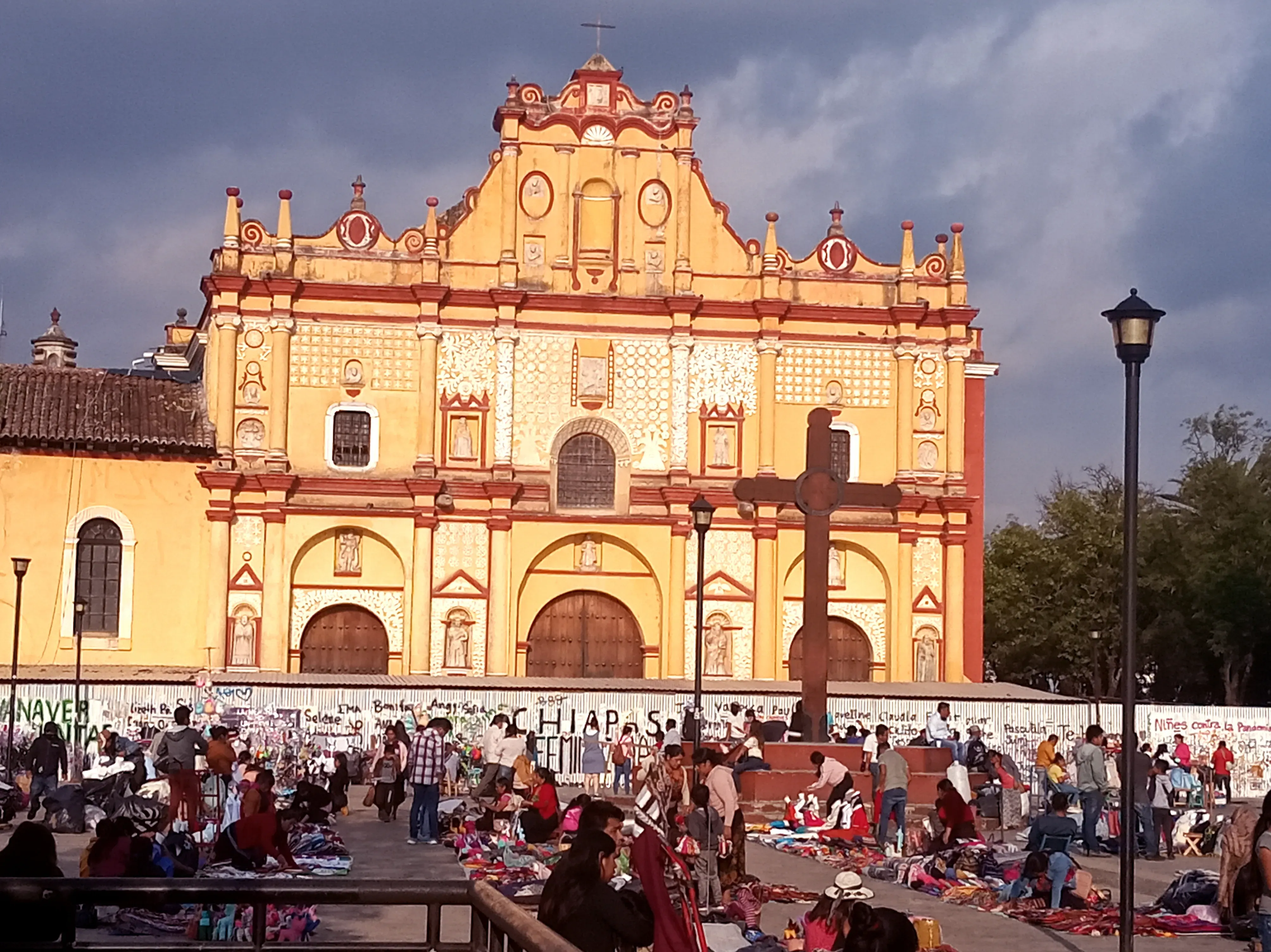
Overall, this city had a different charm and a very special atmosphere, perhaps that's why it attracts so many foreigners, somewhat alternative, artists, yogis, etc., for long stretches, even though there's not a hint of sea and it's built in the middle of nowhere. It's the blend of indigenous culture, bohemian vibe, and low cost.


The surrounding villages are also of great interest, inhabited by many communities descended from the Maya, offering an authentic encounter with primordial customs, and they're not touristy at all. The area, after all, is the epicenter of the Zapatista movement (EZLN) since 1994, a strong left-wing movement, activists with intense action. In fact, the bus we had to take after 2 days to Palenque (a major archaeological site), instead of the normal route, which was just 5 hours, is forced for the safety of the passengers to make a huge detour and almost double the time in order to avoid those villages.
Palenque
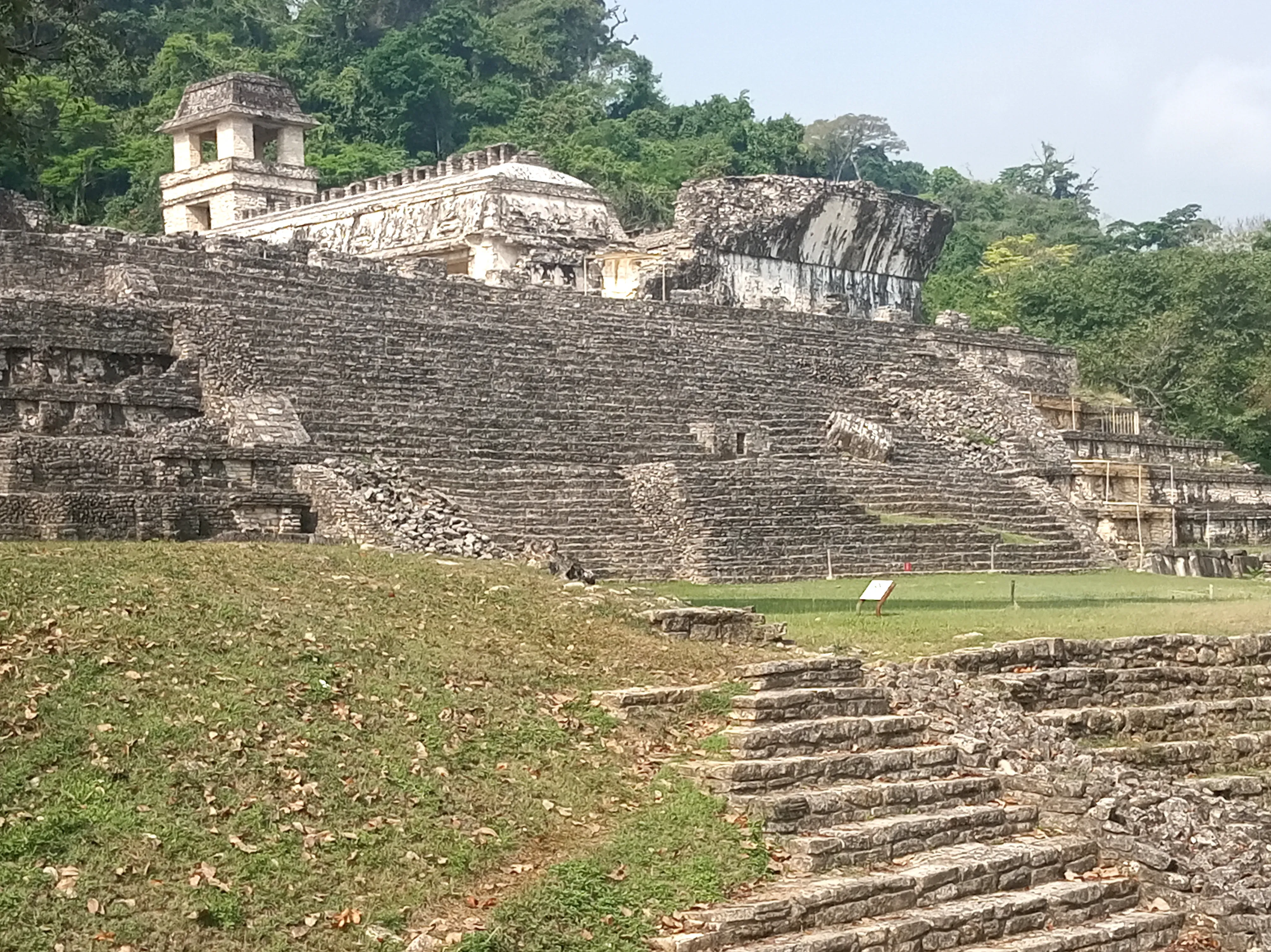
We decided to risk it and take a taxi, to save the long distance, and thank goodness! Our driver passed through many villages of the indigenous cultures, not touristy at all, set amid lush green landscapes with huge banana trees. Indeed, in one village the locals had put nails on the road and so the taxi had to stop. They asked for financial support for their struggle, something like makeshift tolls. He gave them a few pesos so they'd let us pass. In another village further along some kids had put up ribbons to block our way and also ask for money, but the driver sped through, cutting the ribbon and laughing with them. In general he drove like crazy on the bends! We didn't know if it was out of fear, so they wouldn't have time to stop us; in any case, we were a bit shaken by the dizziness and the adrenaline. We took a break so Christos wouldn't throw up in the car!


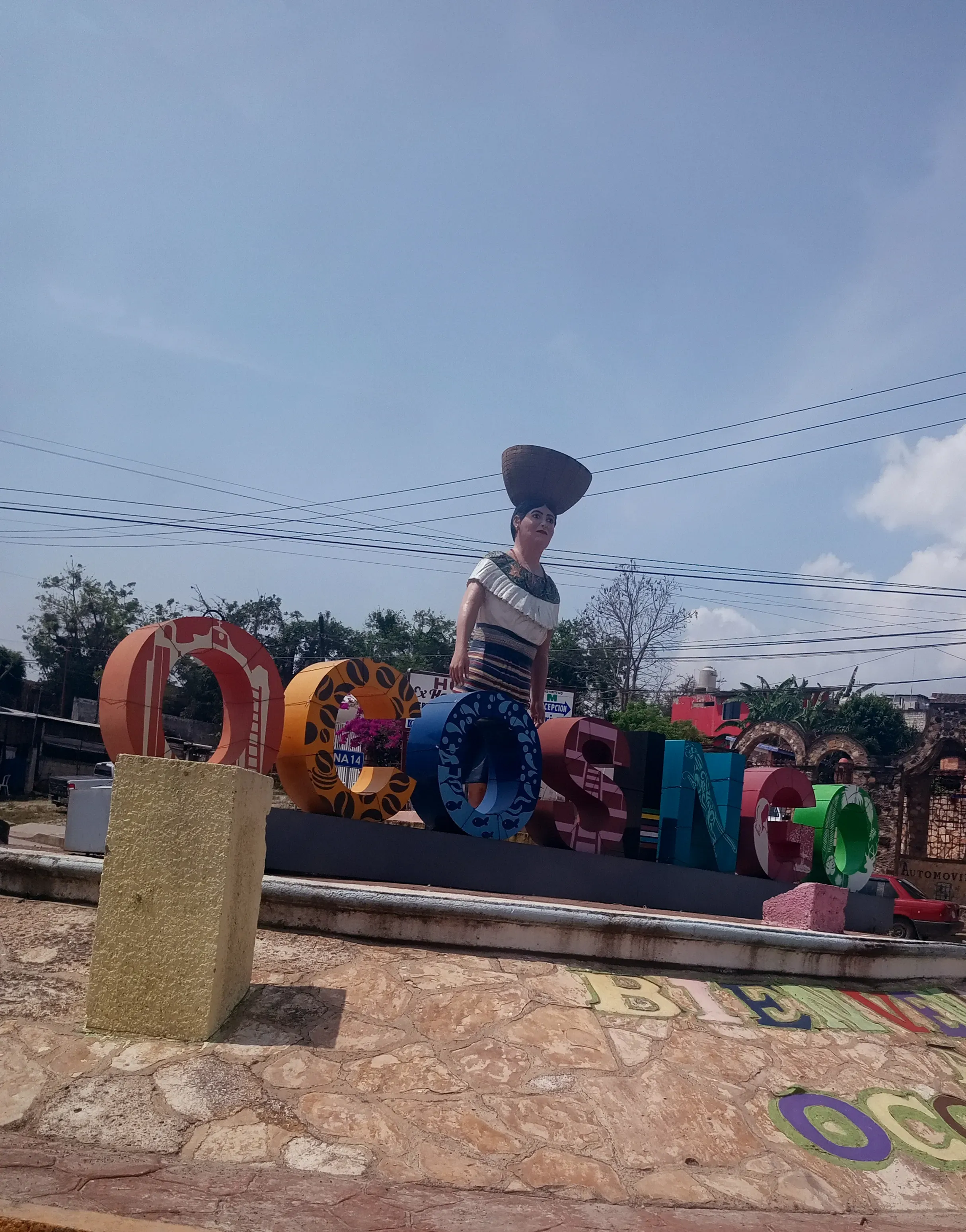
In a bigger town, Οcocinco, they'd closed the road and let us pass after two and a half hours... With all these adventures and delays, sadly we didn't make it to the archaeological site, which closed at 3 for the last visitors. So we'd necessarily go the next day, missing an excursion we'd planned to Yaxchilan right on the border with Guatemala!
Anyway, this gave us the chance to relax for a whole day at our lodging, which we'll never forget. Just a few minutes' walk from the archaeological site, in an endless jungle with many unusual plants, our stay was in huts with thatched roofs. Tucked somewhere in between was a pool with warm water, where we soaked for hours after our tiring journey. In the afternoon, as we were relaxing in the cabin, a heavy tropical downpour broke out that made the landscape magical and, just a few minutes after it stopped, everything had dried, as it was very hot. In the evening we sat in the restaurant to listen to a very interesting live show by local musicians.
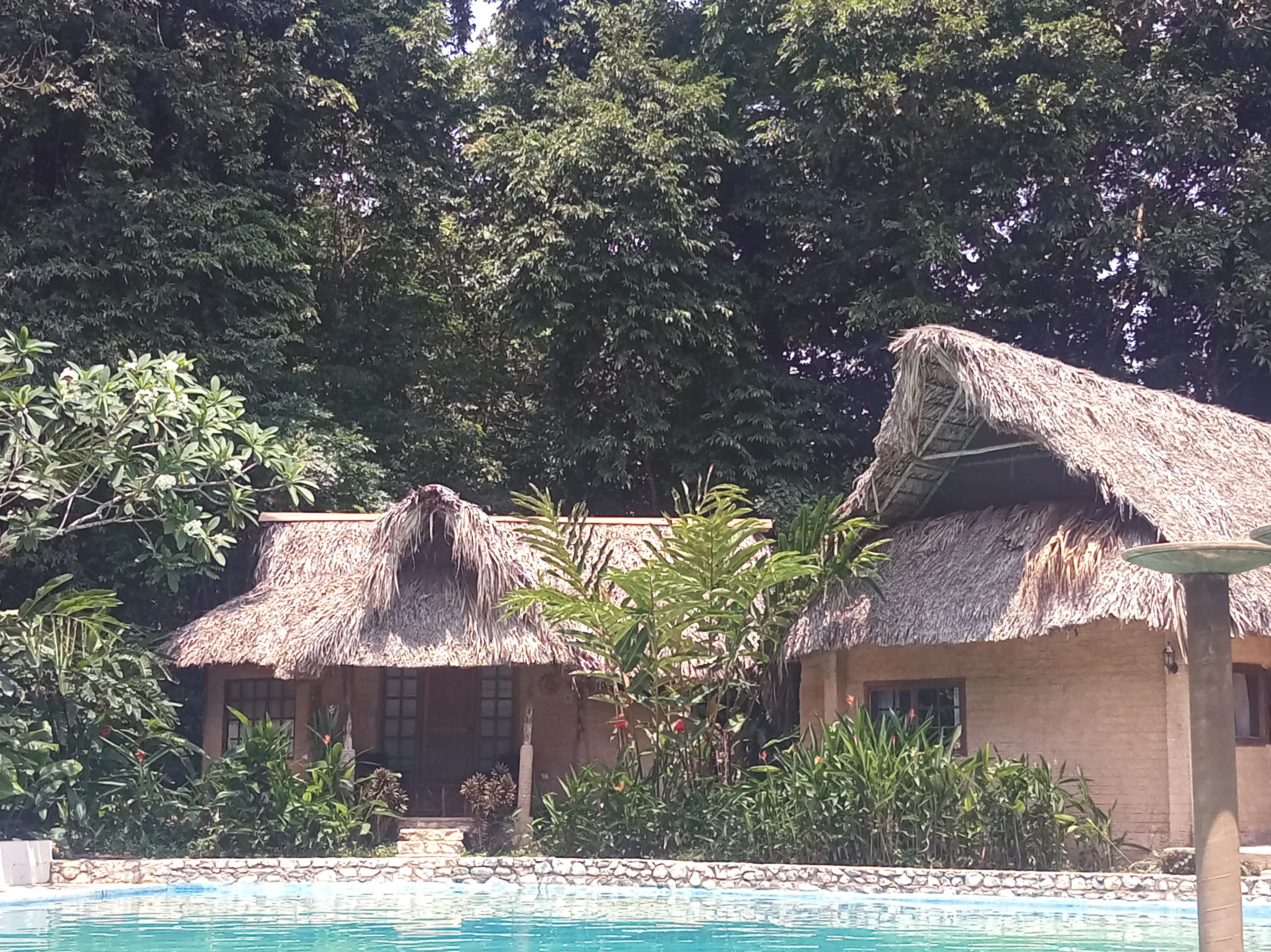
The next day we'd go deeper into the jungle to explore the ancient city of Palenque with the Maya's impressive pyramids! After all, the lodging was called Maya Bell, the Maya bell, meaning the call to discover the secrets of the ancient civilization in the heart of nature. Quite mystical!
Palenque is built in the heart of the tropical jungle and contains some of the finest examples of architecture and reliefs. The archaeological site is about 2.5 sq. km., and only 10% has been excavated, while thousands of buildings remain covered by jungle. The beauty of the landscape can't be described just like that, it's like uncovering buried secrets, like being Indiana Jones or something! We stayed in this fantastic place for quite a while, before leaving for the city of Campeche by local bus.
Yucatan
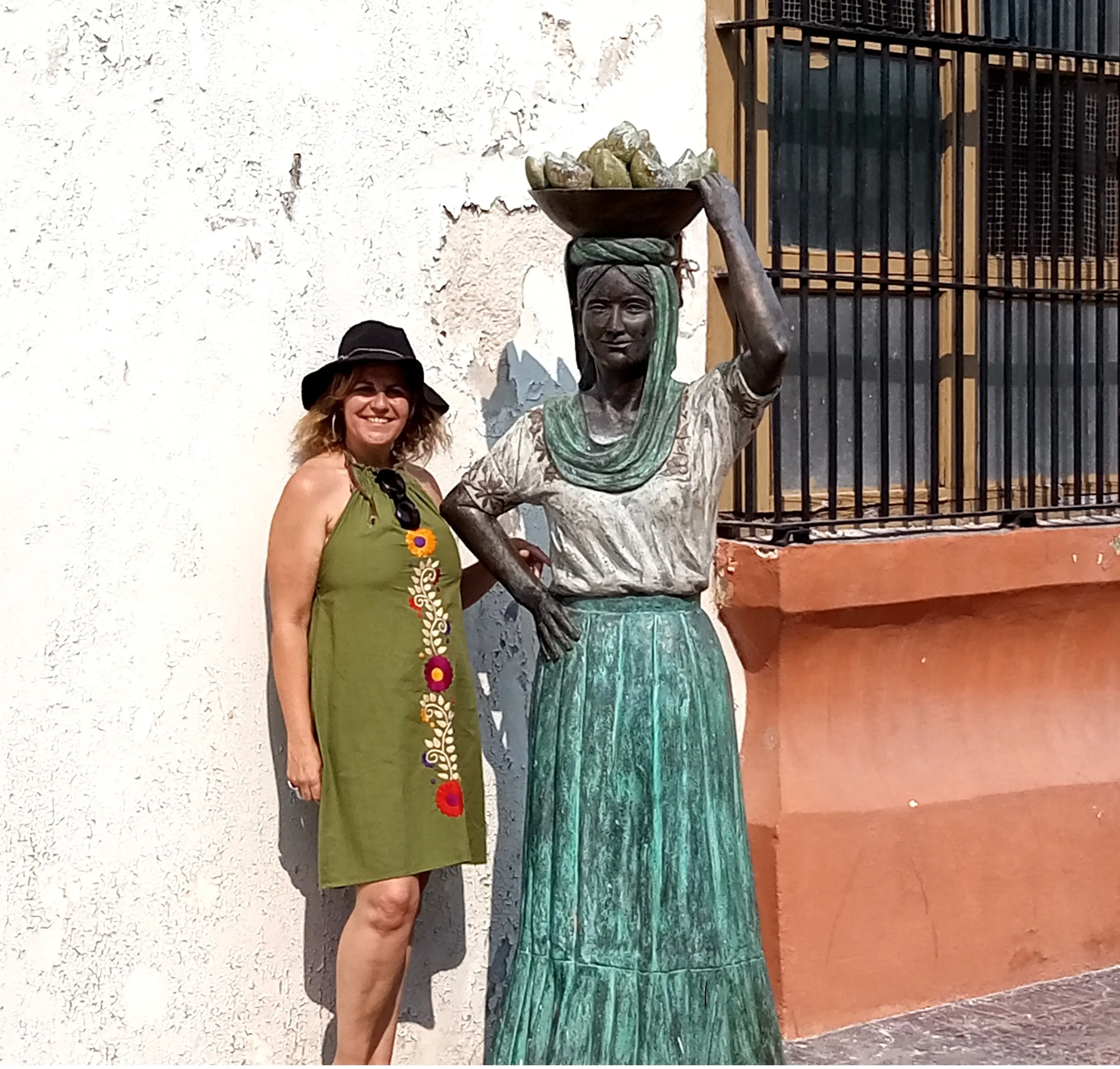
After another long overland journey we were now on the Yucatan Peninsula. The city of San Francisco de Campeche is seaside with colorful colonial buildings in pastel hues. It's a UNESCO World Heritage site and lies on the Gulf of Mexico. On its site there once stood a Maya settlement which, due to frequent attacks by pirates and corsairs, was fortified in the 17th to 18th centuries, and its walls survive to this day. Beneath our hotel, Don Gustavo, we were greeted, sitting on a bench, by the huge, painted metal statue of the pirate of the same name.
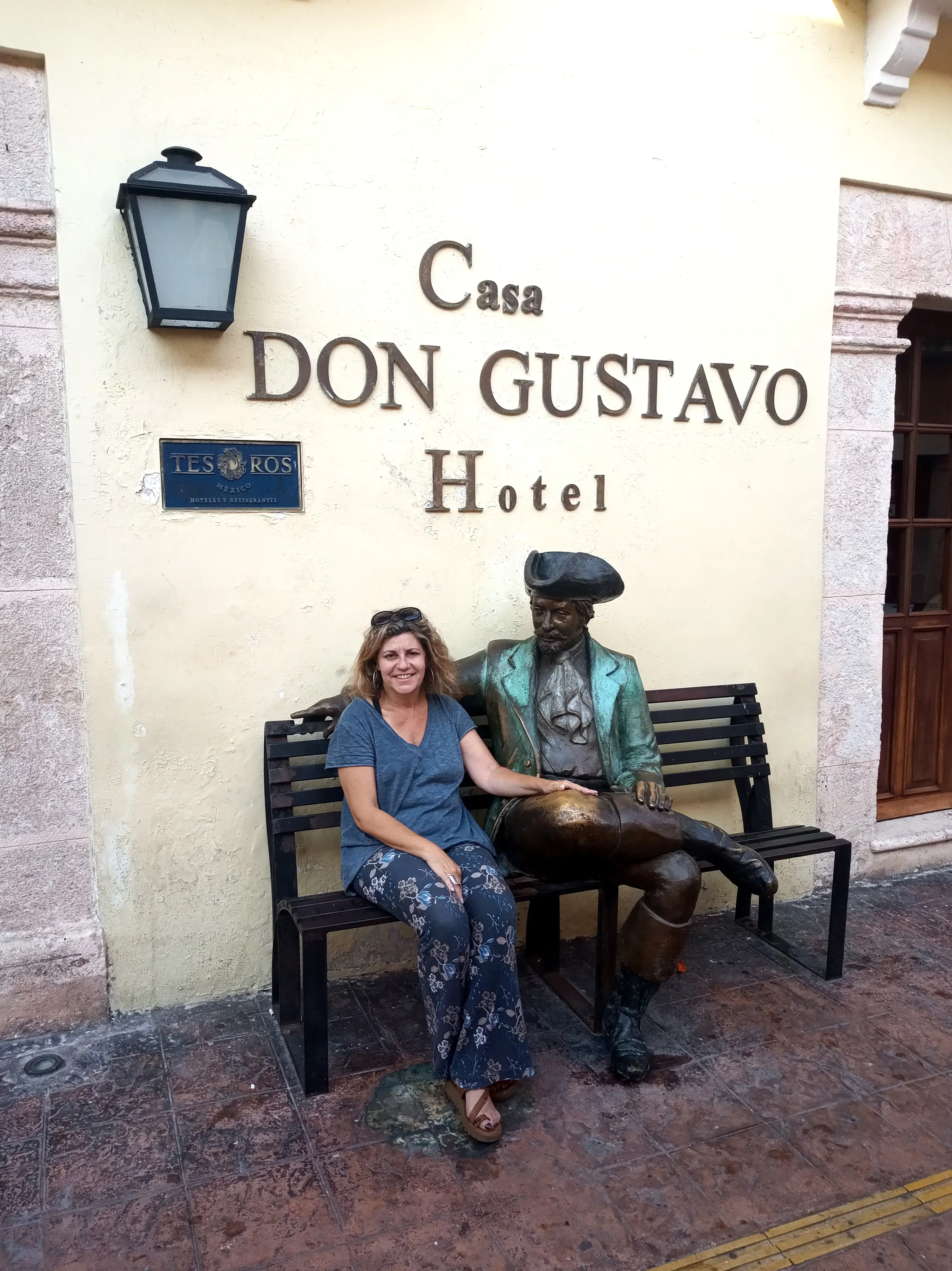
We dropped our things and rushed out to walk the city. After plenty of wandering through the colorful alleys, we discovered the most beautiful and oldest historic Cantina Salón Rincón Colonial with saloon-style wooden doors. As soon as we pushed through the doors we found ourselves in an atmosphere straight out of a movie. It's an authentic local hangout; we sat at the bar with the regulars. With every tequila shot they brought us some delicious empanadas (small stuffed pies) in various flavors; it was the finest bar we saw in Mexico, with huge arches and old ceiling fans. A TV hanging high up played soap operas and the Mexicans around the bar were knocking back drinks in a very lively atmosphere. That place alone was worth the overnight in Campeche.


The next day we headed toward Merida, the largest city and capital of the Yucatan region, also known as Ciudad Blanca (White City). Built on the ruins of the ancient city of T'ho. The city has the highest percentage of indigenous people. Here the Maya make up about 60%.


On the central Plaza Grande stands the oldest cathedral in mainland America, San Ildefonso. The main boulevard has wonderful Art Deco buildings with Spanish, French, Italian and English influences. Because of the Maya it has particular cultural significance. Most importantly, though, it's close to Chichén Itzá, the most famous archaeological site, one of the 7 New Wonders of the World, which we visited the next day.
Chichen Itza
It's a large pre-Columbian Maya city that flourished from 600 to 1200 AD and was colorful, something you can't see today. The most important thing we saw was the Pyramid of Kukulcan, 30 meters high. We visited the site with a guide because there was truly a lot that was important to tell us and show us. The Temple of the Warriors, the Maya calendar, the astronomical observatory, the largest ancient ball court, the Sacred Cenote, etc.
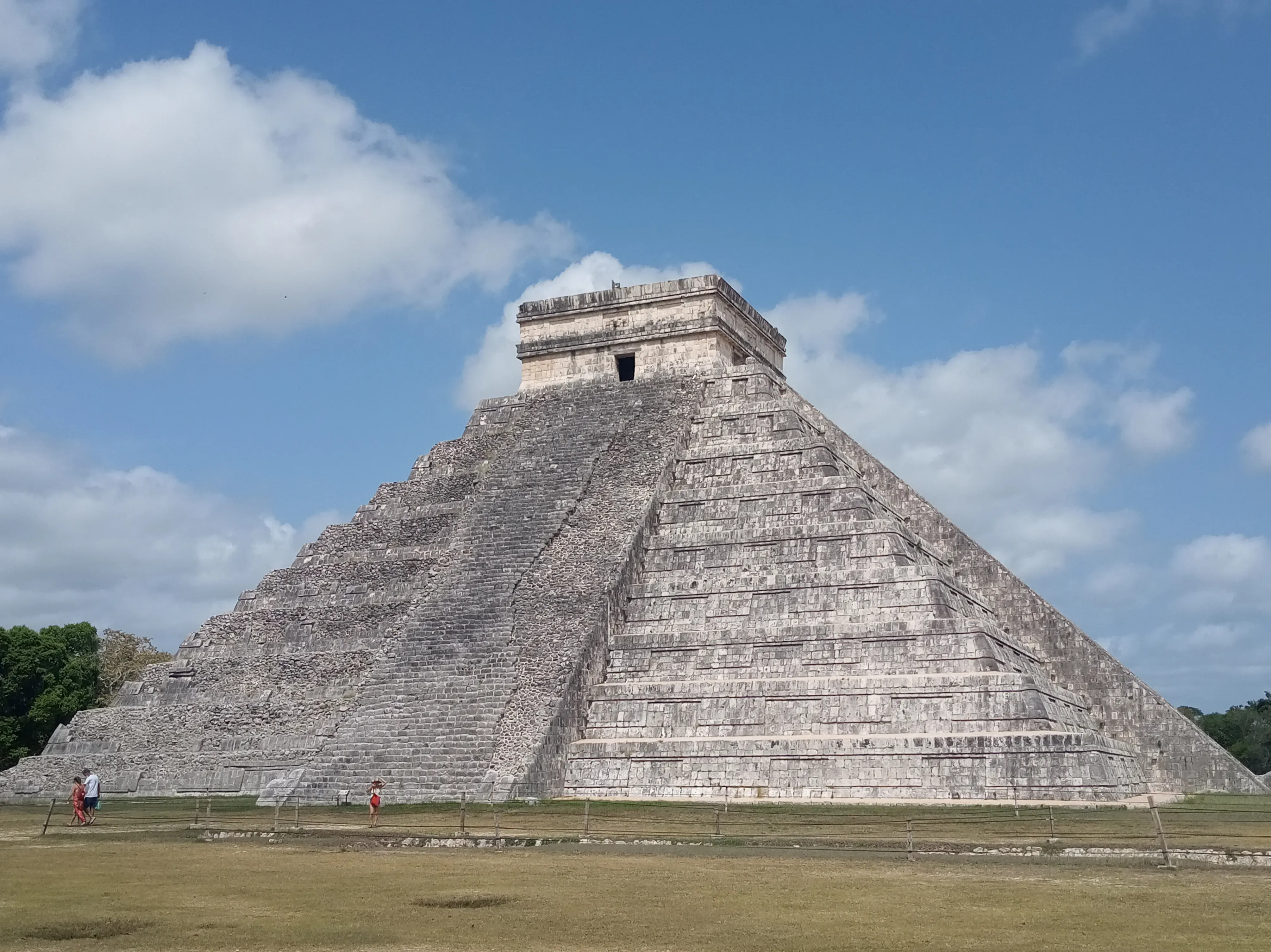
After this deep dive into Maya history, we decided to go dive into the cenotes to cool off from the heat. These are natural underground lakes that for the Maya were sacred places. They believed they were the gateways to the underworld, Xibalba. On the Yucatan Peninsula there are thousands of cenotes of incredible beauty and they're now popular for swimming and diving in spectacular crystalline waters. They look like open pools in underground caves and to swim you have to descend many meters below the earth.
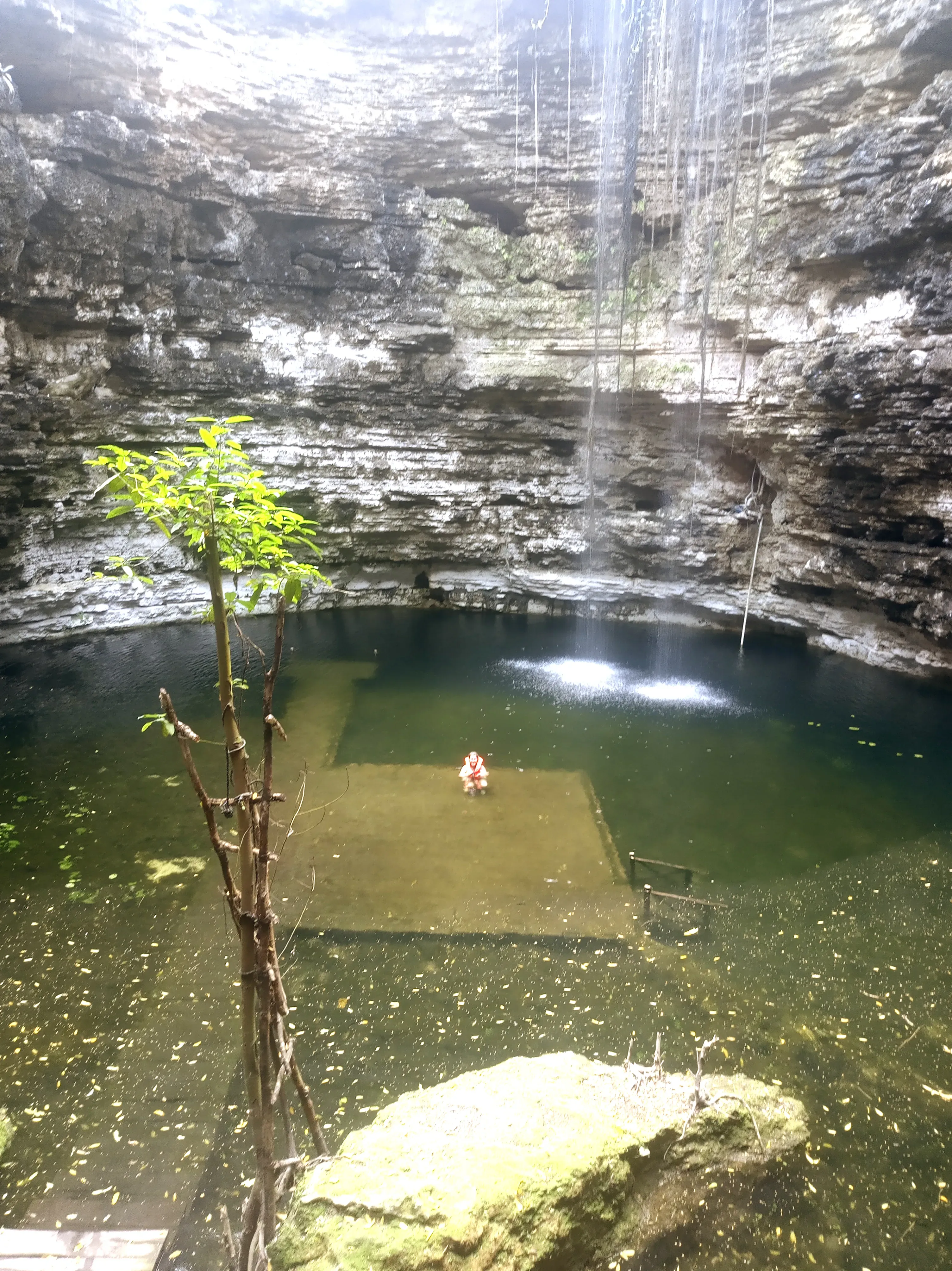
We visited only one, because we didn't have more time, Ik Kil. It's a huge open sinkhole, circular, with water depth of 40-50 meters. From its rim hang exotic plants and tree roots that reach down to the water. It's just 10 minutes from the archaeological site. After this experience we returned to the city for food, where we tried Cochinita Pibil, marinated, slow-roasted pork. The perfect way to wrap up our visit to Merida.
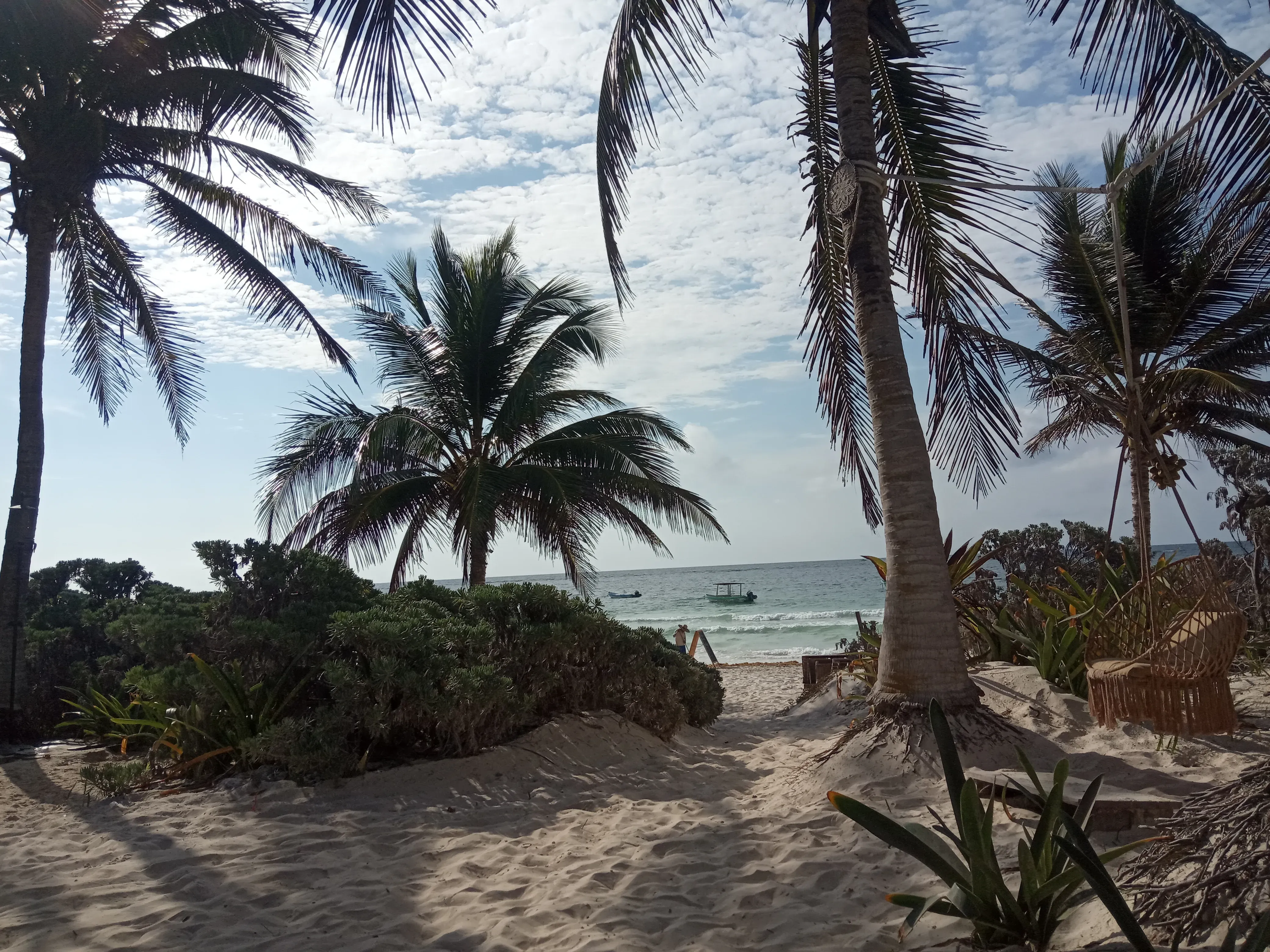
From there we continued our journey to the last and most laid-back destination, the famous seaside resort of Tulum, also known as the Riviera of the Maya. It's the most popular destination on the peninsula. It's also very well known for the ancient ruins perched on a 12-meter cliff beside the Caribbean beach, where we chose to end our trip.
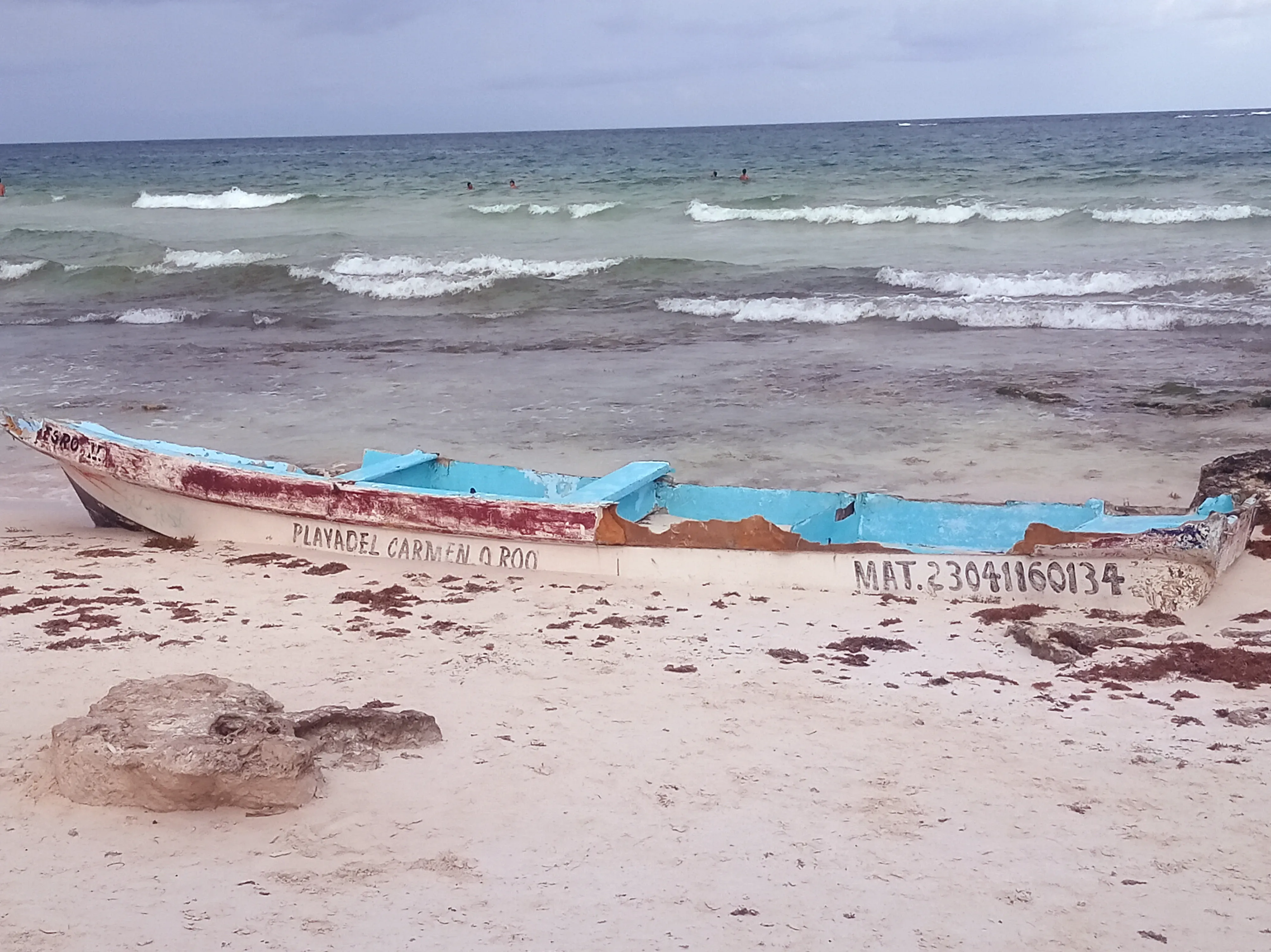
For two nights we slept at a camping right on the sea. Best of all was a bar a few meters from our tent, where we could go barefoot, as it was literally on the sand. On our first night there there was a live reggae show. It was of course full of Americans, as if straight out of a photoshoot, with a relaxed yet very curated look. We enjoyed the live show, soaking up the atmosphere and sipping margaritas seated at low tables on the sand. The laid-back vibe stood in sharp contrast to the soldiers patrolling the beach with guns and camouflage uniforms for the protection of the tourists! You could call it scary!
Anyway after two lovely days and nights we flew from Cancun Airport to Athens, where bars and restaurants were still hermetically closed due to the pandemic. Luckily we had a little of the taste of the Mexican margarita left to help us endure the abrupt landing back in reality...