


A journey to chaotic Cairo of extreme contrasts and surprises.
Our flight from Athens was arriving very late at night. So we were grateful when we found a kind old man waiting for us at the entrance of the building that housed the hotel. We'd made the mistake of booking a cheap, very central yet retro hotel. The first surprise came from the building. Although its architecture had a certain charm, inside it was neglected and dirty. I knew that Cairo is dirty but this we weren't expecting...
The second surprise came from the elevator! We probably didn't notice it as we rode up with the staff member who welcomed us at the entrance. Only on the way down did we really get scared. It was an old external elevator in a large interior courtyard. So three of its sides didn't touch anything; they were, essentially, in midair.
You might say that's logical—yes—but one of its sides was empty, meaning nothing there. It was missing! Not by design, but because it was a ruin and had collapsed. And it was the one opposite the door, so the moment you stepped in, you felt like taking two more steps, since this little booth didn't end anywhere. Christos barely escaped it; rushing in first, he stopped short, horrified to realize that one more step and he'd have plunged into the void! Meanwhile, as the elevator wheezed its way down, the trash was having a field day on the stairs between floors!
The two elderly night-shift employees at reception were like they'd stepped out of a movie—something between Mel Brooks and Monty Python. One was hard of hearing, while with the other, although he wanted to help, a speech difficulty and another with movement made communication almost impossible.
The hotel, of course, was very picturesque. You could shoot a film there—with the kind of genteel decay that suits period pieces. But it hadn't been cleaned since then! The room had high ceilings, period wallpaper with the corresponding layers of grime on it. The bathrooms were shared (we're talking about a very old building) and even dirtier! The baby wipes we were lucky to have with us were needed even for the door handle! Others would have left; we decided to tough it out. Where would we run in the middle of the night anyway.
After we laid two sarongs over the sheets and closed our eyes for a bit, lulled by the car horns that never stop, around five we jolted awake at the muezzin's call summoning faithful Muslims to dawn prayer. Good luck getting back to sleep!
The kicker was that breakfast was the most basic we've ever been served. Two toasts with a portion of jam and one of butter, plus a filter coffee that was undrinkable. You'd think that once we stepped outside the hotel we'd relax. But first we had to cross the street!
Other travelers who'd gone before us had told me, but I didn't believe it, that drivers on the bustling boulevards not only drive like crazy but don't stop at red lights—ever. So you're forced to cross the road between the cars, which merely slow the tiniest bit when you dart out in front of them. Ever since, when we try to cross avenues—say, Pireos—we joke, «let's go Cairo». Luckily, the hotel was close to the historic Tahrir Square, the vast square from which the Arab world's great 2011 revolution (the Arab Spring) began.
Pyramids of Giza
After a stroll admiring the beautiful pink art nouveau building where, back then (in 2019), the Egyptian Museum was still housed - one of the loveliest buildings we've seen on our travels - we looked for a taxi to take us to the famed Pyramids of Giza.
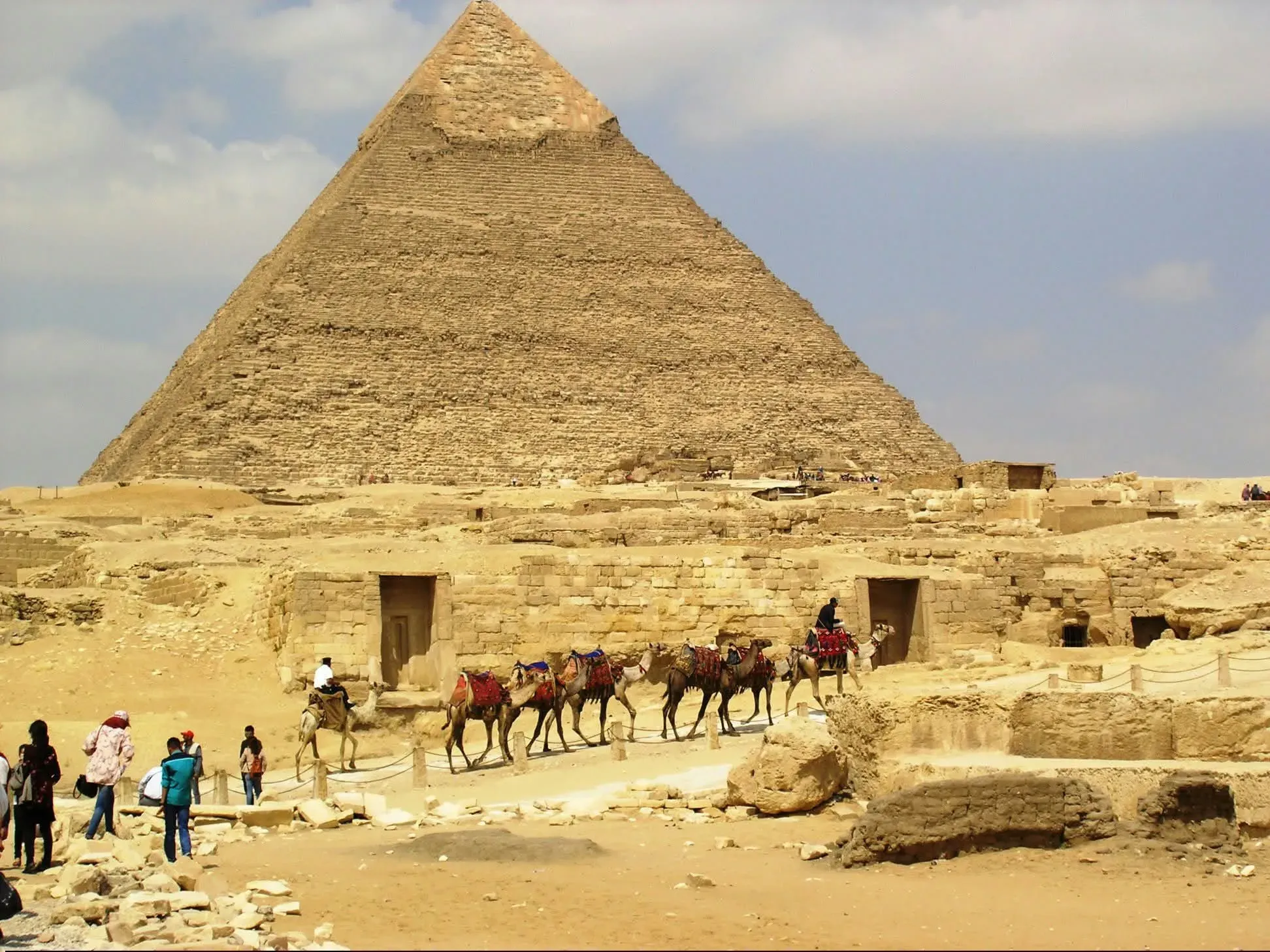
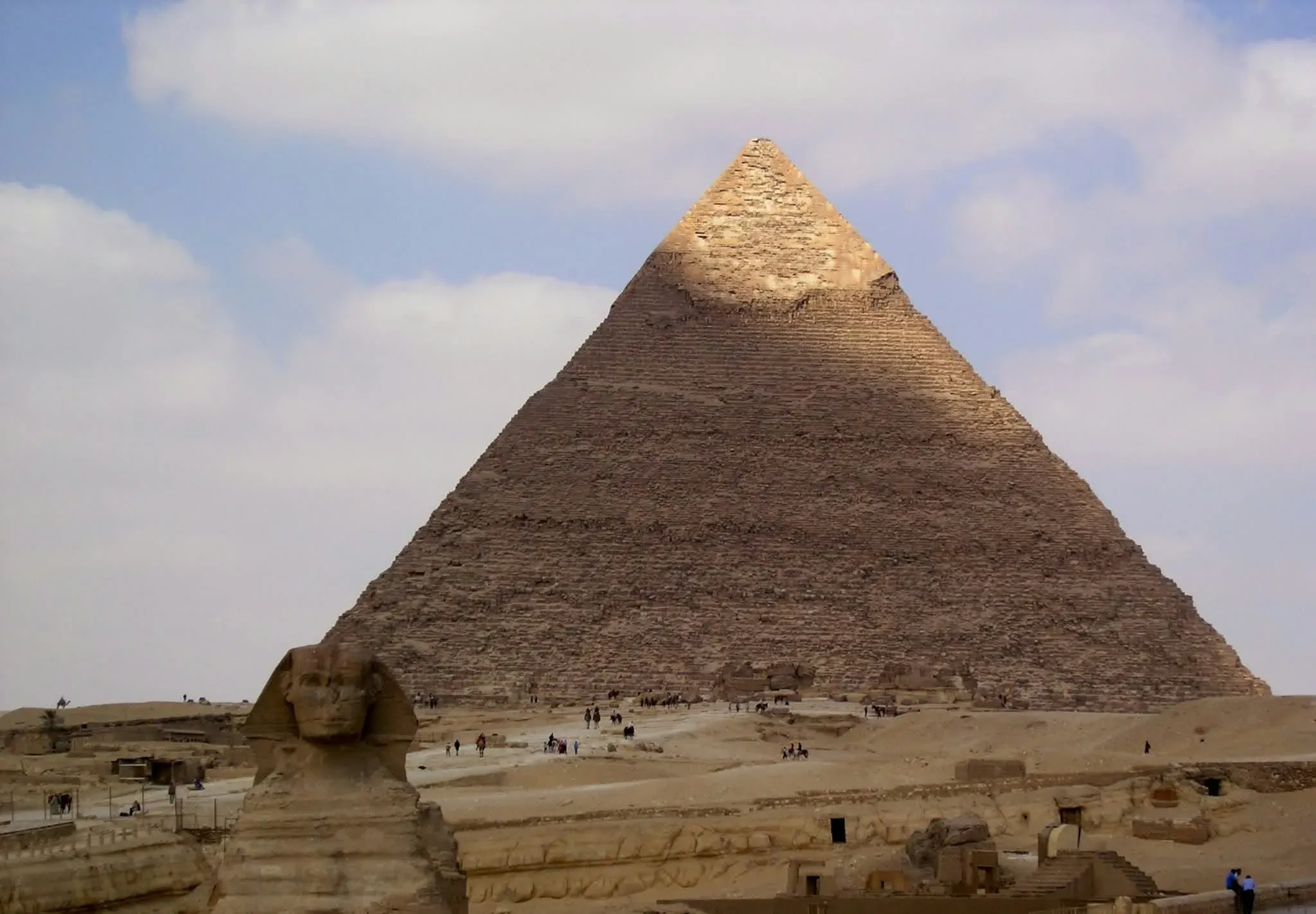
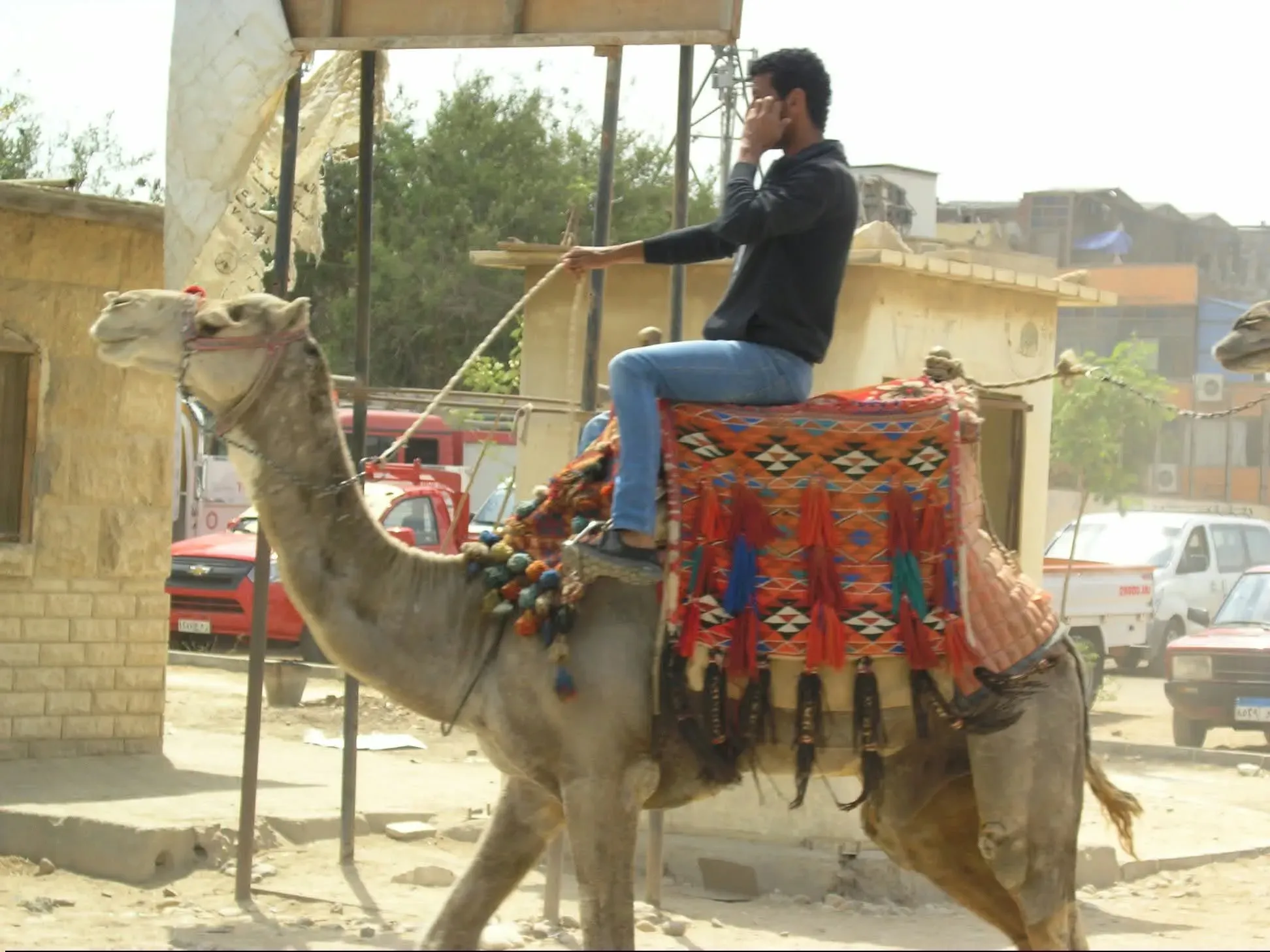
Cairo has sprawled so much that after a while, and while we still hadn't really escaped the traffic and noise, our taxi driver said we'd arrived—but we couldn't see the pyramids. Meanwhile, alongside the cars and in the road were riders on camels offering to take you there for a few dollars. If you make the mistake of getting on, to let you get off they double the amount! We didn't get on and, luckily for us, as soon as we turned the corner, we were face to face with the Great Pyramid of Cheops and the Ancient Sphinx looming over the landscape a few meters away.
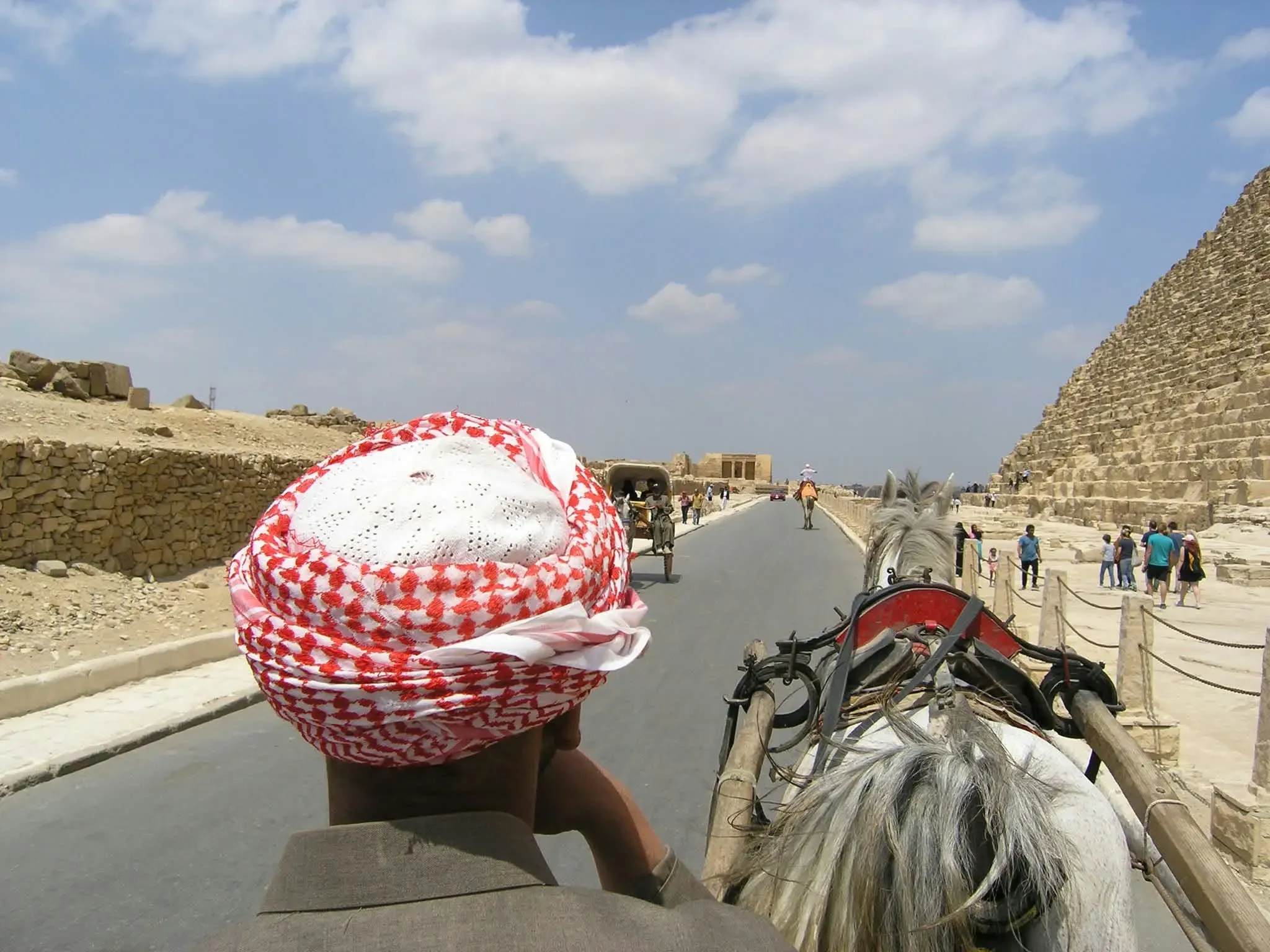
What we'd seen so many times in pictures now stood impressive and majestic before us. We wandered for quite a while, took photos, and soaked up scenes straight out of a movie (with the persistent camel handler forever on our heels for a ride on his camel). At some point we had the bright idea to buy a ticket to go inside a pyramid. A dreadful experience. Once you enter, you spend most of the time hunched over, almost on your knees, in a narrow corridor, one behind the other. If you change your mind halfway, there's no way to turn back, since those returning to the exit are squeezing past you also hunched over, and there's no room at all to turn around.
The confinement gave me a pounding headache. Maybe the energy of the place had something to do with it too. It all felt endless. Worst of all, when we finally reached the pyramid's central chamber, there was absolutely nothing to see! An empty, dark, conical room. The treasures that were once there are now all in the museum. My personal view: if you find yourselves there, don't go inside. The exterior landscape is more interesting.
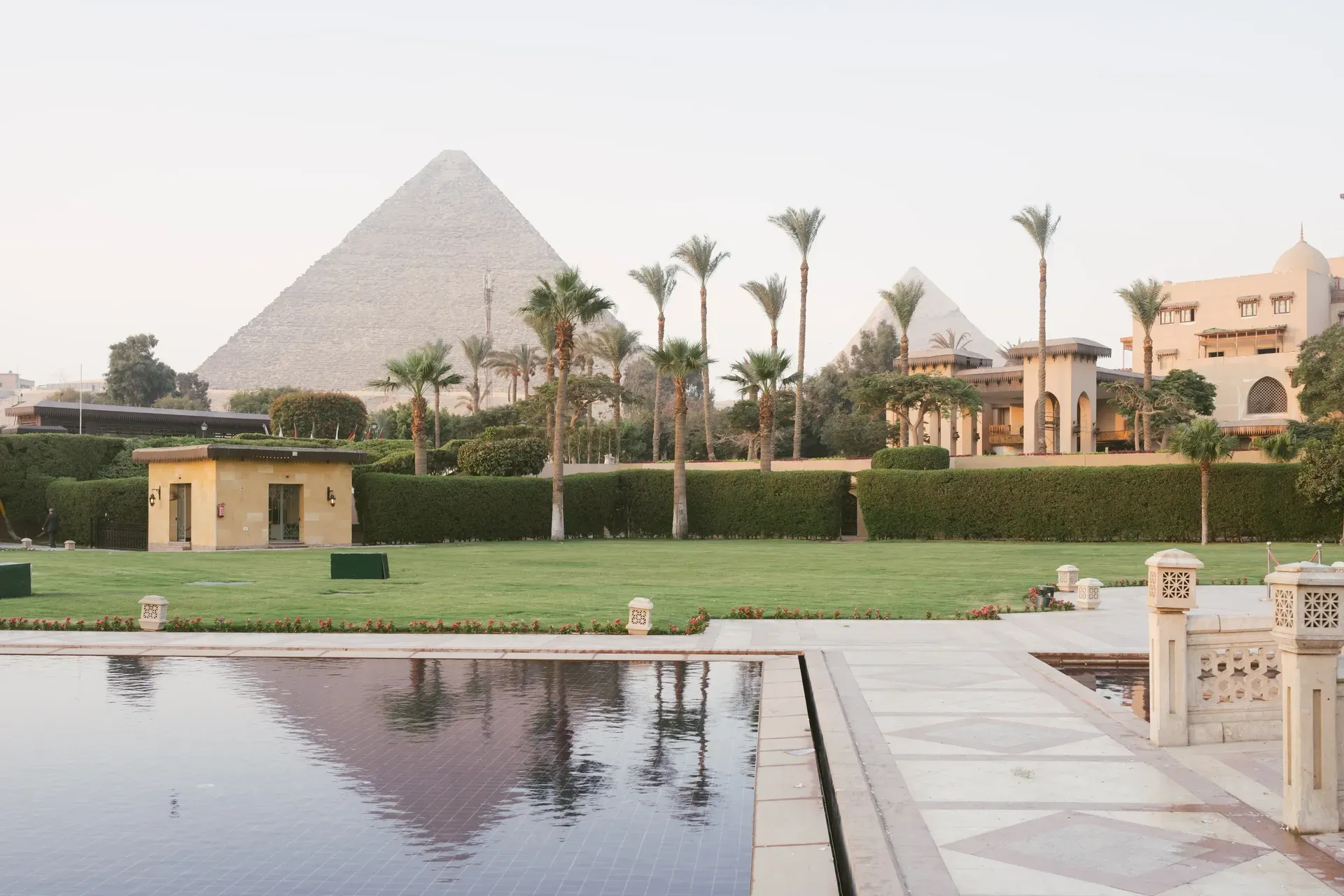
When we finally emerged back into the light, we decided to take a carriage to the nearby historic Mena House hotel, 700 meters away, which offers views of the Great Pyramid of Cheops from its rooms and gardens. It had even hosted, among others, Winston Churchill during World War II. That's where my headache vanished! After savoring the view and our coffee, we made our way back to visit the famed Khan el-Khalili market.
Khan el-Khalili Market
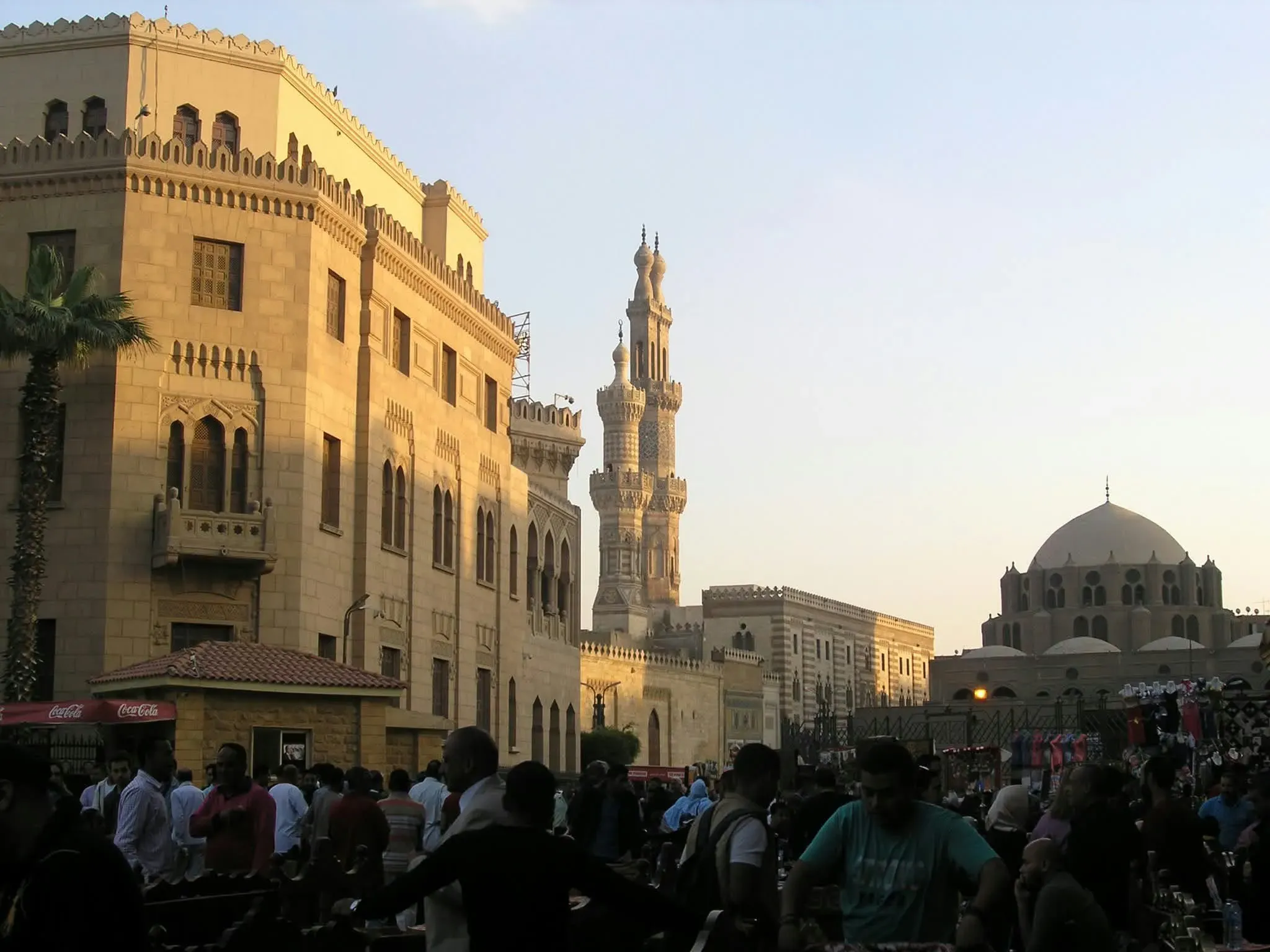
It's a vast bazaar where, as you wander, you feel like you're on the set of One Thousand and One Nights. Endless little shops mingle with street vendors offering everything from brassware and artworks to carpets and kilims. It's in the heart of Islamic Cairo, and you can spend ages roaming without even realizing it, as the atmosphere is intoxicating.
We, however, went with a single goal: to sip cardamom coffee and mint tea at El-Fishawy, the famous traditional coffeehouse tucked into a narrow lane in the heart of the bazaar. It may be one of the most beautiful and oldest in the East. It's been there since 1797 and the same family has run it from generation to generation for more than 200 years!


Inside it's filled with antiques and old mirrors, Arabic furniture in dark ebony, and vintage fans. In the middle of the hall there's an ornate arch that, with the mirrors, gives greater depth to the small coffeehouse. Many famous visitors have passed through. Now, ours truly. As we drank our mint tea, we listened to the voices from the bustling market and felt as if time had stopped. We reluctantly tore ourselves away after a while and wandered a bit more through the bazaar's chaos.
Leaving there, we went to try the most famous and curious dish, Koshari, Egypt's so-called national street food. You can find it in many small eateries, but we'd read that the best is served at Abou Tarek, so we went straight there.
We hadn't imagined what we'd find on arrival. An entire three-story building packed with locals, and a few tourists, serving that dish exclusively! At first, the look of it puts you off tasting it. It's a medley of seemingly mismatched ingredients—pasta with chickpeas, lentils, rice, even vermicelli—all mixed together and blanketed with a thick tomato sauce with cumin, fried onions, and plenty of garlic. But I think it's the sauce that gives the dish all its flavor and brings everything together into a feast for the palate!
Cairo Archaeological Museum
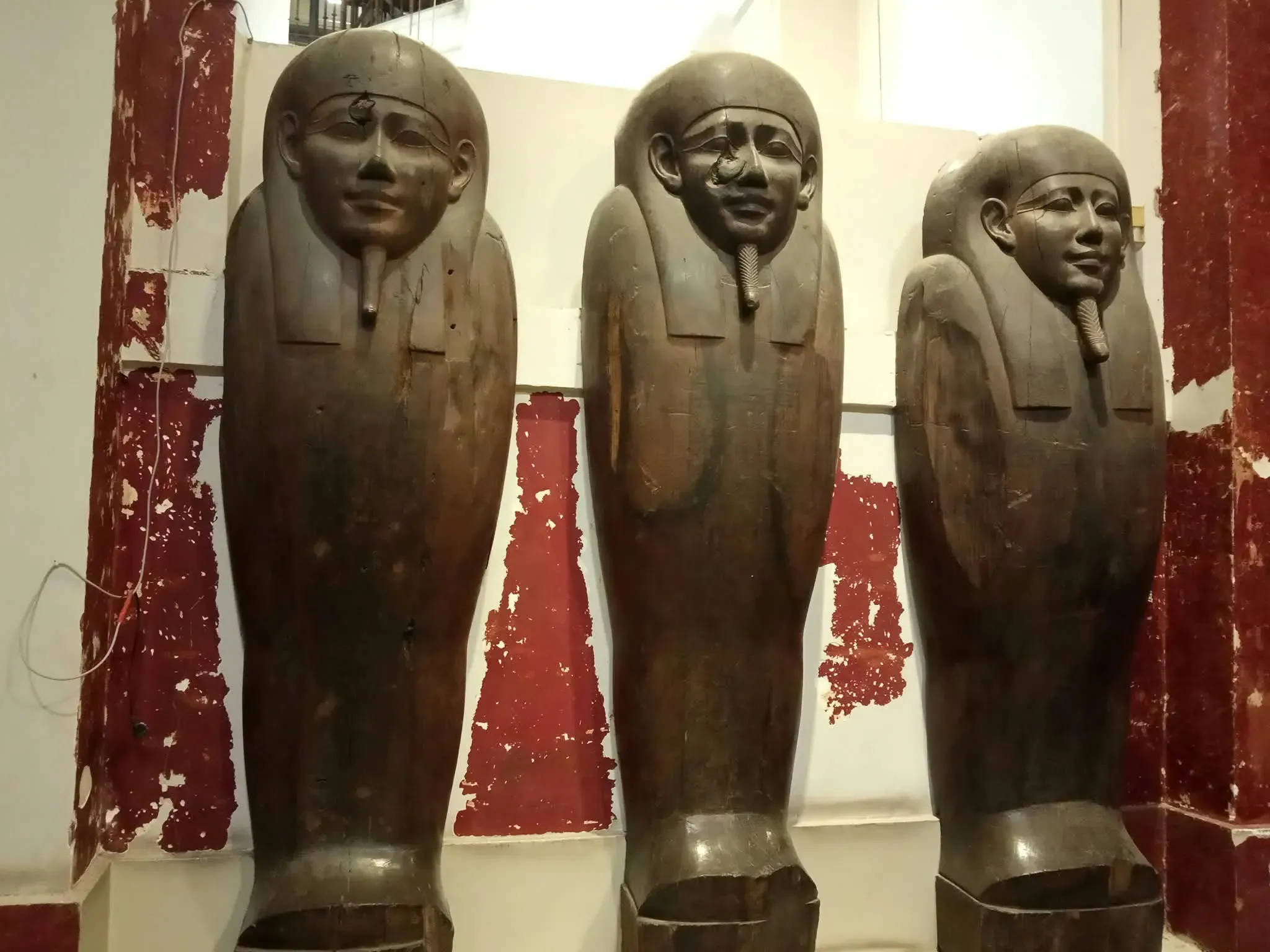
So, with our stomachs full and wanting to avoid going back to the hotel, we went to visit the Museum of Egyptian Antiquities. It was the only day of the week it also opened in the afternoon. Here we got lucky, because that apparently wasn't widely known among tourists, and so walking into the particularly beautiful pink building there were very few people—we were almost alone. It felt like filming Night at the Museum.
We wandered in absolute quiet among the major exhibits that seemed to be in every corner and corridor, as if they'd just been brought in and no one had found where to put them—plus there were so many they couldn't all fit! From Tutankhamun's treasures to gigantic statues, sarcophagi, the Pharaohs' jewelry they took with them to their tombs, and more.


Because the ticket for the Mummies was pricey and in addition to the main entrance, we'd bought only one to first check if it was worth it. When we realized there were two rooms with mummies, far from each other, we thought we'd split it—go in separately with the same ticket, one of us first into one and then the other into the second room! We got caught out, though, because yes, we went in, but we were completely alone and the sight was quite frightening. Hatshepsut, for example—my favorite queen—looked very strange, like a relic with orange hair. So I couldn't handle it on my own and dashed out of the room in a panic! The same then happened to Christos when he came face to face with the first mummy.
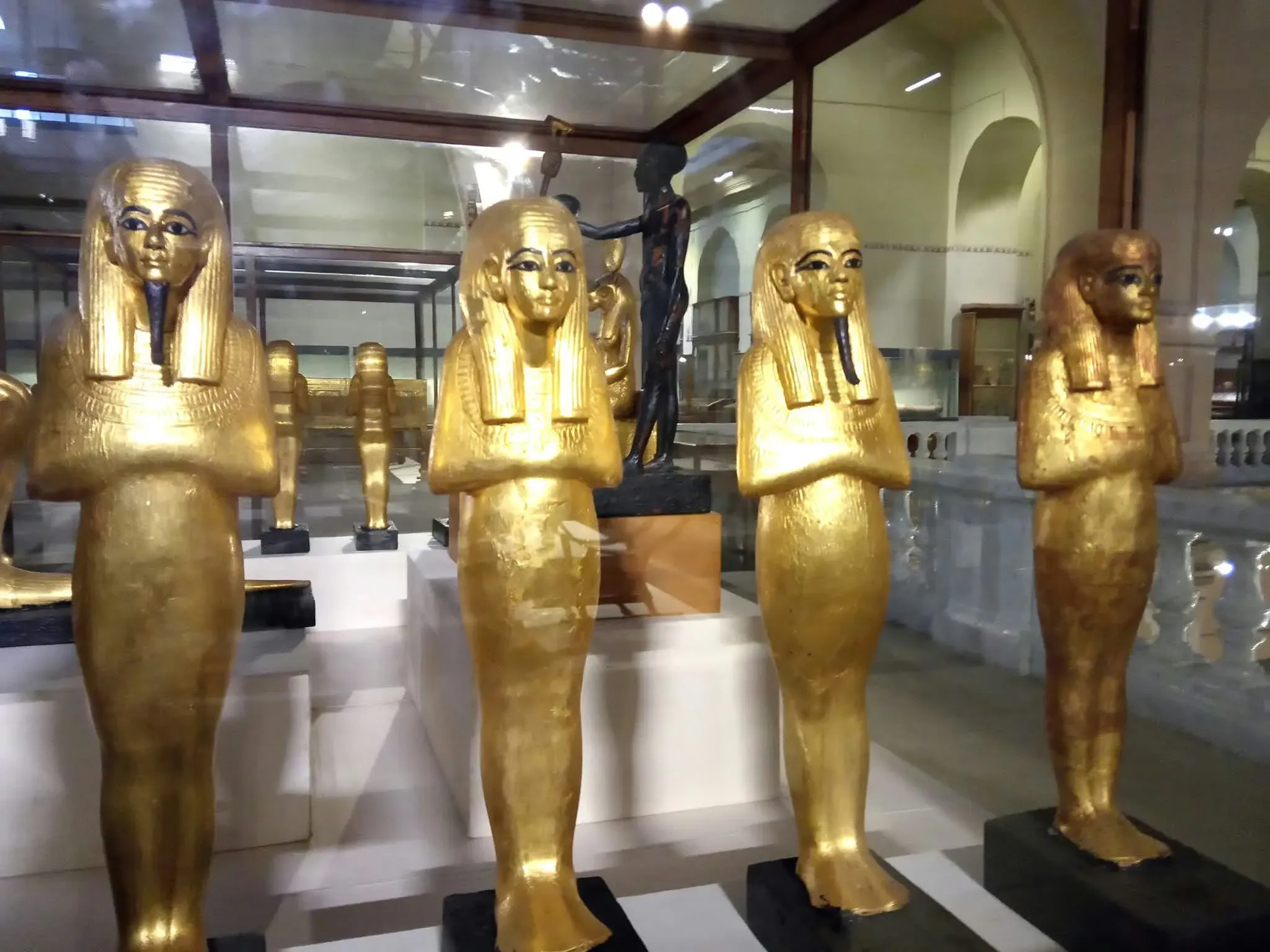
The museum, of course, left us ecstatic with so many scattered exhibits, and I consider us lucky to have seen them in that atmospheric building. I'm very curious to compare it with the new Grand Museum in Giza when I'm back in Egypt. After this experience and a mandatory stop at the hotel for a quick rest and freshen-up, we were back on the road headed for the aristocratic Zamalek.
Zamalek District
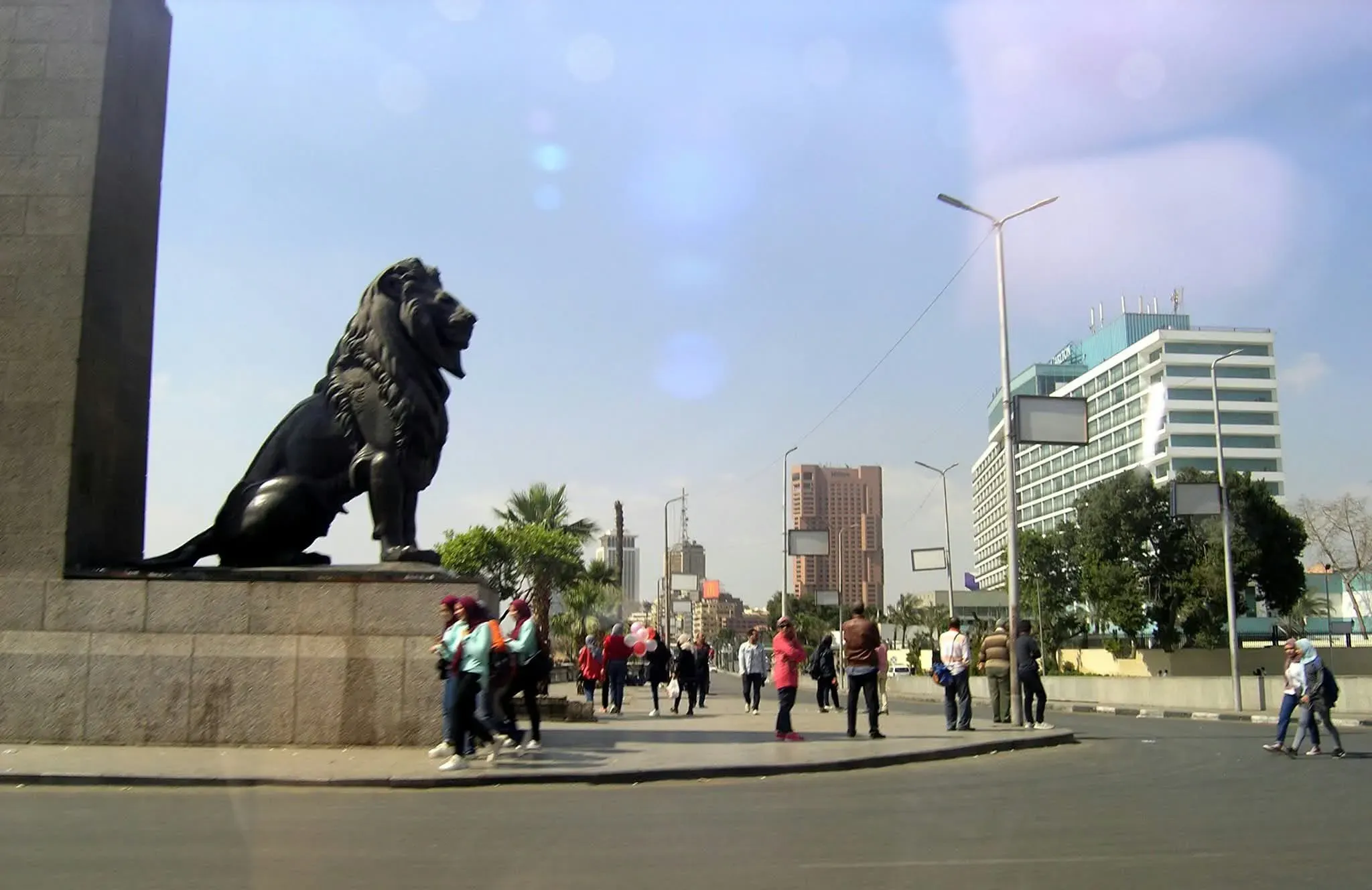
After we walked across the big bridge over the Nile, with its signature lions at the entrance, which links Tahrir Square with the little island of Gezira, and admired the boats that take you on Nile cruises with lights blinking like a disco, we arrived at a lovely oasis! Zamalek is an aristocratic neighborhood full of galleries, charming cafes, and bookstores. The streets are relatively quiet, with huge trees - the exact opposite of the rest of bustling Cairo.
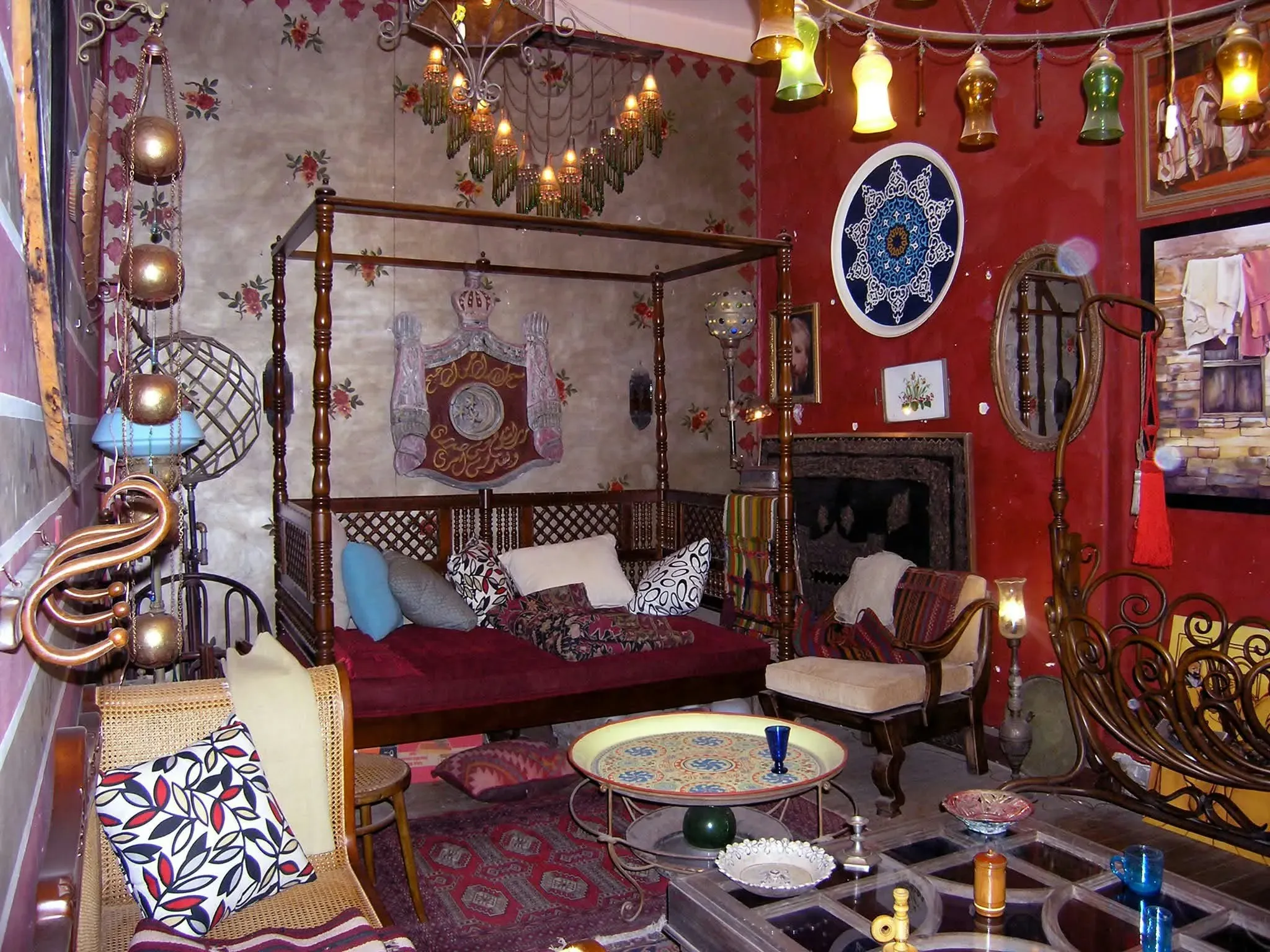
After browsing the beautiful galleries, we continued to the famous Abou el Sid, an authentic, atmospheric restaurant with traditional Egyptian cuisine. The patrons here were mixed; you could spot prominent Egyptians alongside European or American tourists. The food was excellent, and the decor with the music transported you to another era. It's definitely worth a stop when you visit the city. Our evening ended with one last stroll on the Qasr El Nil Bridge, admiring its lions once again.
Saladin Citadel
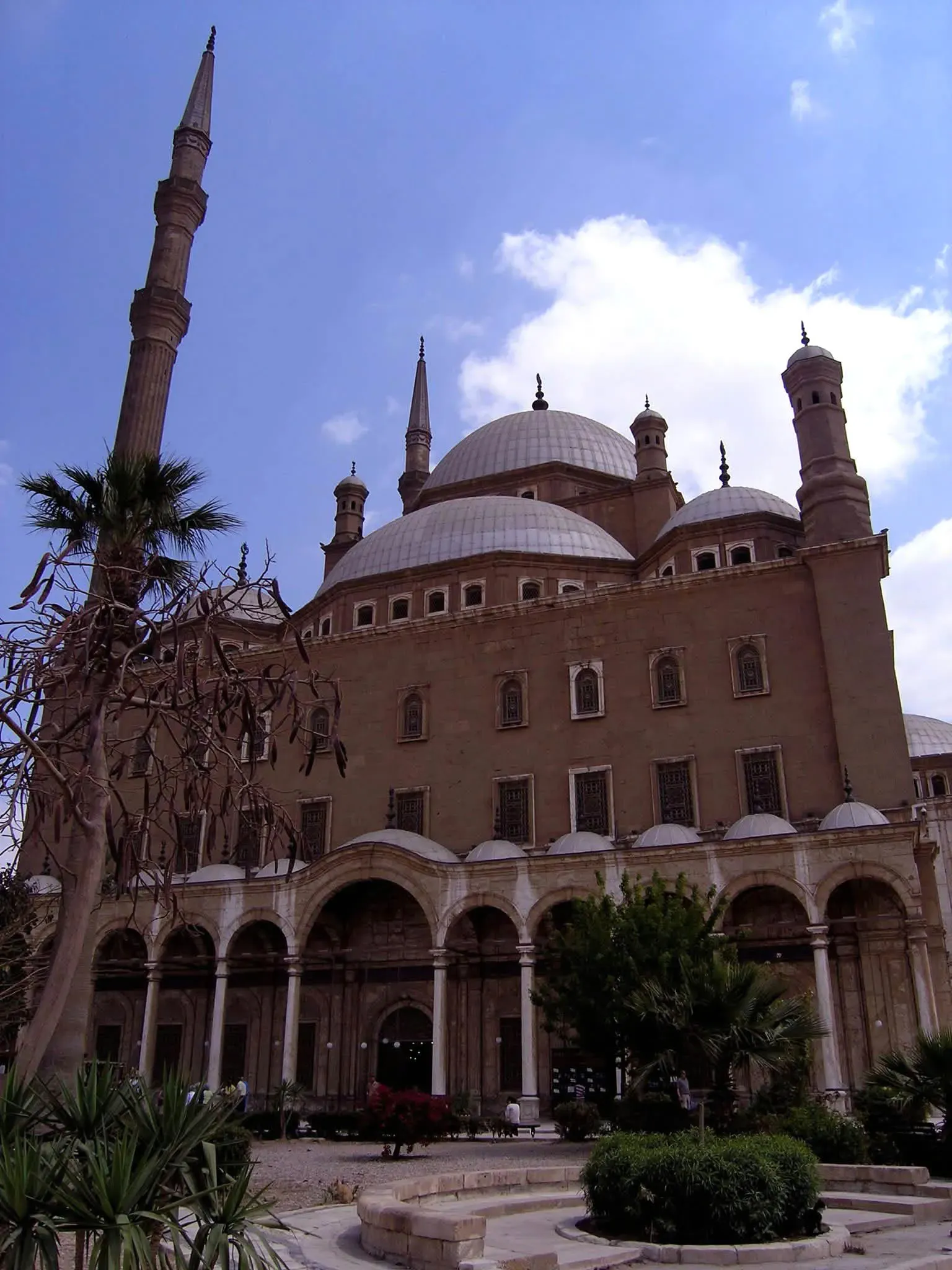
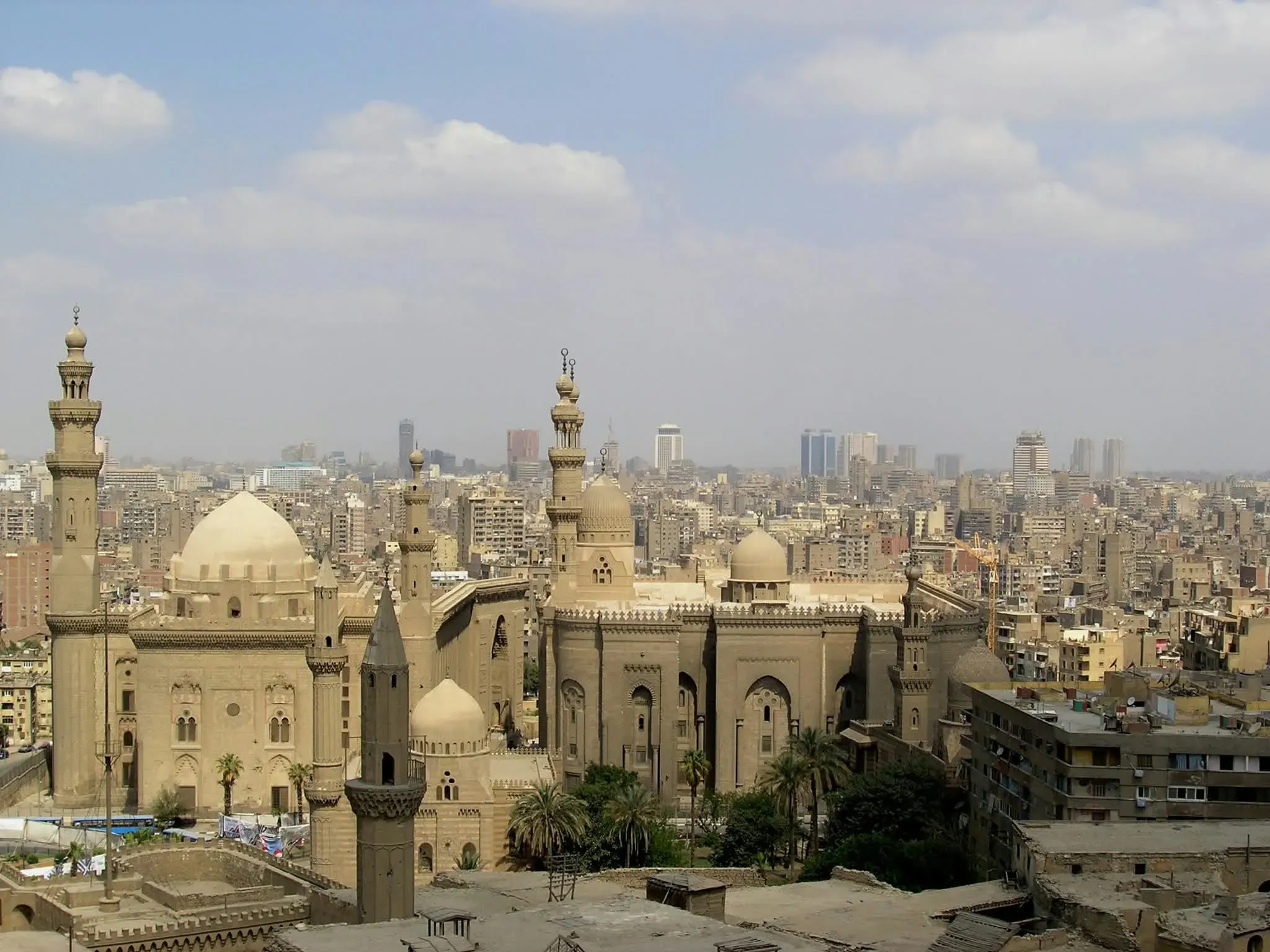
The next day we decided to head up to the Citadel hill, the Citadel of Salah al-Din. It's an imposing medieval fortress that served as a seat of power for more than 700 years and has impressive views of almost all of Cairo's mosques. Within its walls it hosts the Mosque of Muhammad Ali Pasha, one of the most famous historic monuments, completed in 1848 by the founder of modern Egypt, and it was the first we visited. It features impressive domes and twin soaring minarets, the tallest in Egypt. They say it's inspired by Istanbul's Blue Mosque. From its courtyard you can see as far as the Pyramids of Giza. In general, the area is a journey through time.
Necropolis
As we started descending from the hill, we came upon a taxi driver who'd practically set up shop at the entrance to the Citadel. He suggested taking us to the area with the tombs among the houses, otherwise known as the Necropolis. It's a very quiet, almost magical area, but very large and a bit intimidating to walk. It's possible to get lost, so we gave in and, with almost no haggling, got in the taxi.
The ride was truly very interesting. The tombs look like regular houses, but inside their courtyards they host small "graveyards". Due to the housing crisis and poverty since the last century, thousands of poor Egyptians live there alongside the dead, turning funerary monuments into homes! The strangest and most impressive at the same time were the Mamluk tombs. Imposing, colorful, and spectacular, they're set in halls with tall stained-glass windows that let light pass through the colored panes, creating a haunting atmosphere over the tombs.


After this unusual visit and the half-guided tour by the taxi driver who accompanied us everywhere whether we liked it or not, it was time to fall into the trap. He took us almost by force to the famed perfume shops, where they treated us as if we were maharajahs walking into an expensive jewelry store. They sat us on a little sofa, offered us tea and dates, and lined up about a dozen bottles of supposedly rare fragrances.
When they realized we didn't intend to buy anything, they left us in peace, and we finally managed to shake off the taxi driver too, who'd become a tight corset, hoping to get something extra from the commission he claimed from the shops if we bought anything. That's part of the trip, you see. Especially in Egypt, bargaining is endless and taxi-driver-guides are relentless until they manage to get you where they want.
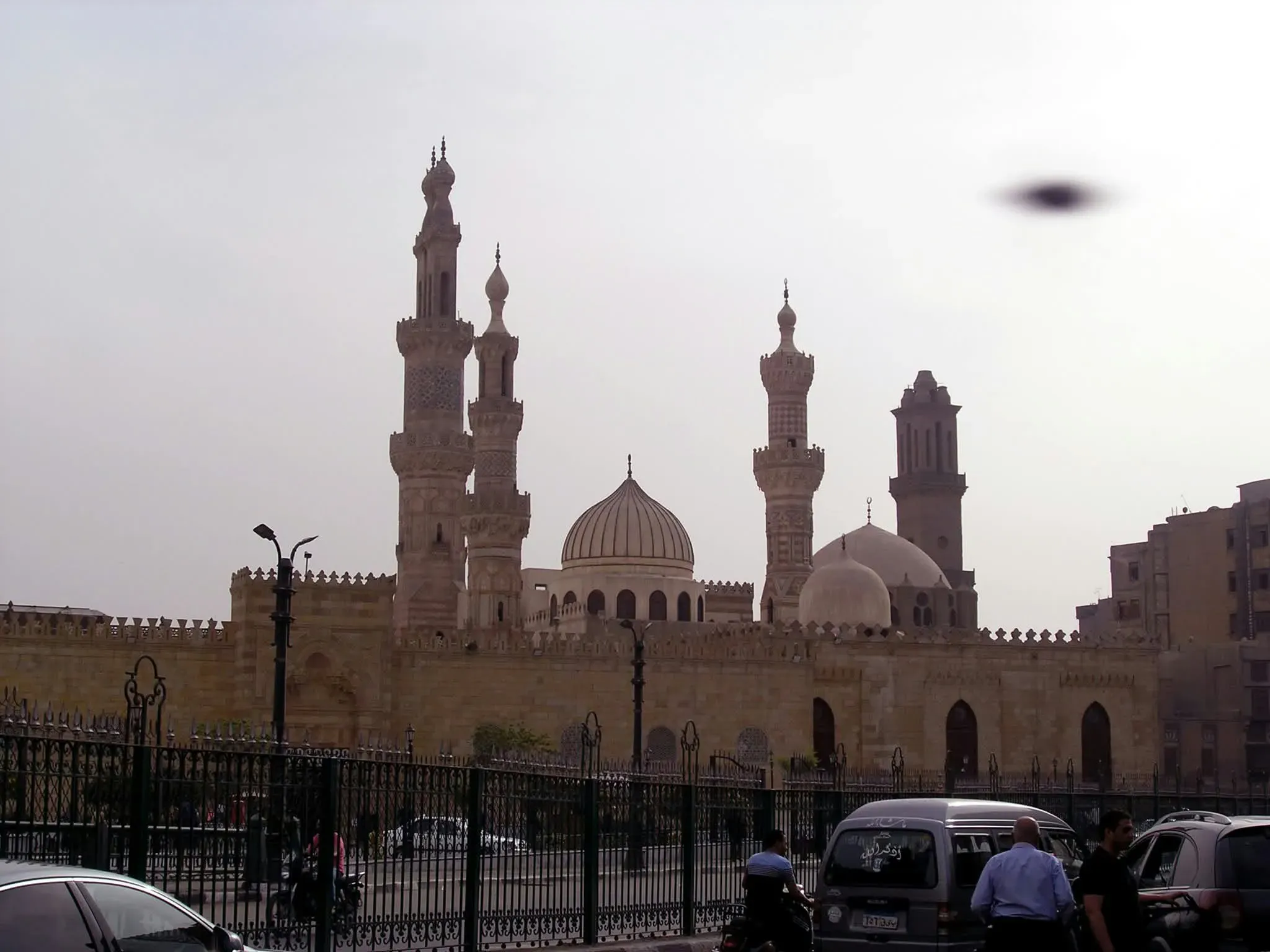
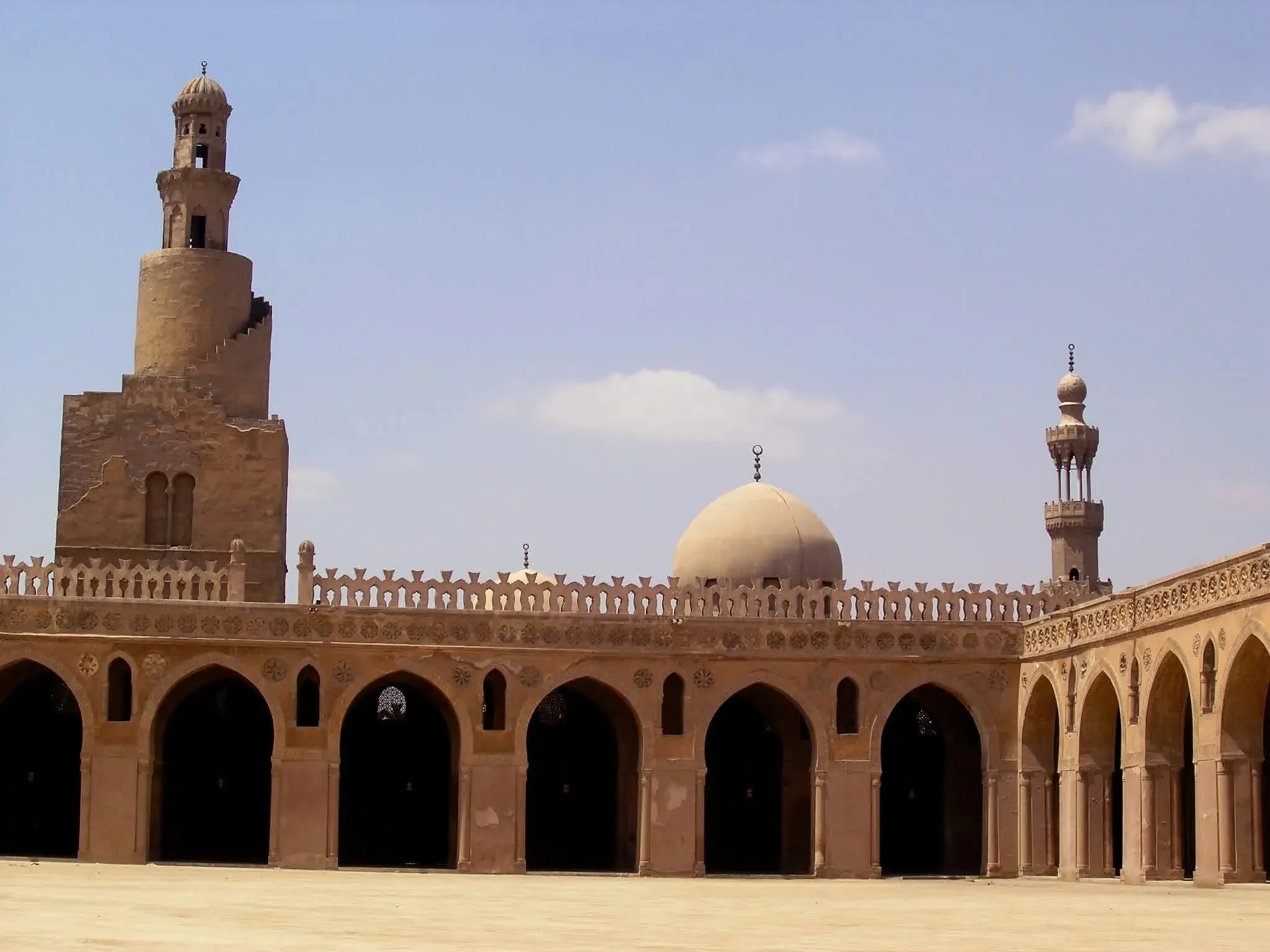
After we finally convinced him to drop us somewhere central, we started walking through chaotic Islamic Cairo, heading toward the Al-Hussein Mosque, and we wrapped up our stroll with a coffee at the Al Azhar Park, at the hilltop, a beautiful building of Islamic architecture located at the park's highest point and famed for its staggering sunset views.
Although the day was quite full, our plan couldn't miss a final visit to the Nile. This time, though, we'd see it from above. So we swung by the hotel, to put on something a little dressier, since we'd booked a table at the Revolving Restaurant, a very elegant venue on the 40th floor of the Hilton hotel that offers 360-degree panoramic views of the river, the Pyramids of Giza, and the entire city. There's even a mechanism that rotates it slowly, returning roughly every 100 minutes to the starting point, offering a constantly changing, magical perspective of the city and the Nile.
It was truly the highlight of our visit to Cairo, as the next day would find us in Aswan, where we'd continue our journey from there aboard a dahabiya on the Nile and into the south of Egypt. But that's almost another trip! So stay tuned…


