


Picturesque villages beneath the Alps, lush nature and villas mirrored in the waters of Lake Como, create a magical setting straight out of a movie.
At the foot of the Alps, in a lush green landscape, Lake Como is one of the most cinematic destinations in Italy. Surrounded by mountain peaks, spectacular gardens and picturesque villages, it's one of the most enchanting destinations in all of Europe. Once known as Lario, Lake Como (Lago di Como) is in the Lombardy region, in northern Italy, near the border with Switzerland. It's the country's third-largest lake and one of Europe's deepest, with a distinctive shape that recalls an inverted letter Y.
Around its shores lie dozens of towns and villages, each with a different personality. Beyond that, Lake Como is also famed for its own monster, a Lariosaurus that disappeared millions of years ago and, according to legend, is called «Lari». In fact, it's often compared with Scotland's famous «Nessie», in legendary Loch Ness. In less than an hour from Milan, you'll reach a destination that combines Italian finesse with natural beauty, relaxed life by the water and the Dolce Vita.
The villages and towns of Lake Como
Picturesque villages and towns are strung around the lake, built beside the water. It's worth visiting as many as you can.
Como
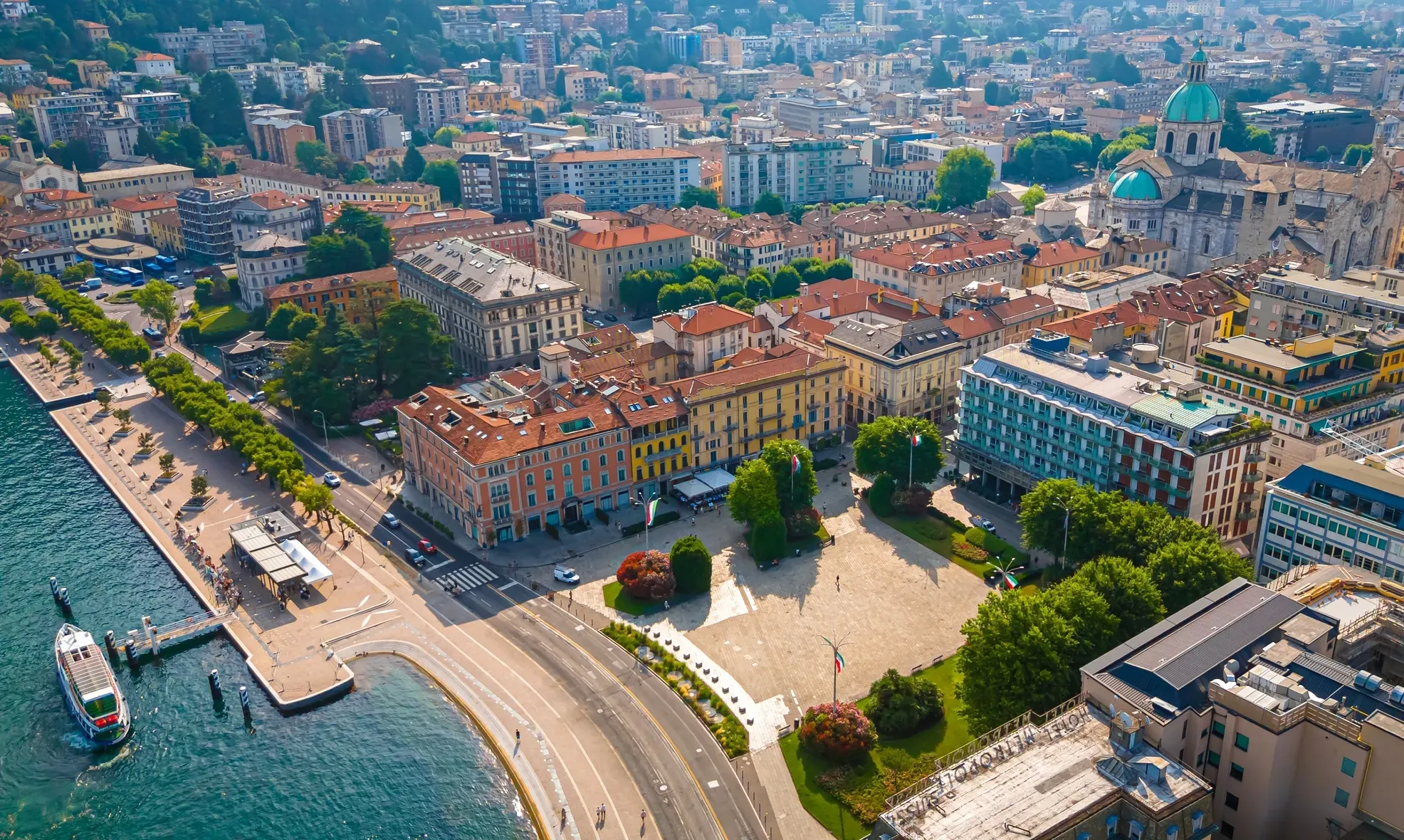
At the southwestern tip of the lake lies the city of Como, which is usually the starting point for exploring the area. Built beside the lake, the city has a large historic center with beautiful squares, shopping streets and significant architectural monuments. Standouts include the Duomo di Como, the impressive cathedral with Gothic and Renaissance elements, as well as Piazza San Fedele. In the heart of the city, you'll see the 19th-century Teatro Sociale di Como, considered the 'little La Scala of Milan' thanks to its striking Neoclassical architecture. It hosts opera performances and concerts, a living jewel of the region's culture. Right next to the lake is the city's historic stadium, Stadio Giuseppe Sinigaglia, built in 1927. It's one of the most impressive in Italy thanks to its views, which combine the stands with the lake's calm waters. An experience worth trying is the funicular ride to Brunate, from where the views over the city and lake are unique.
Bellagio
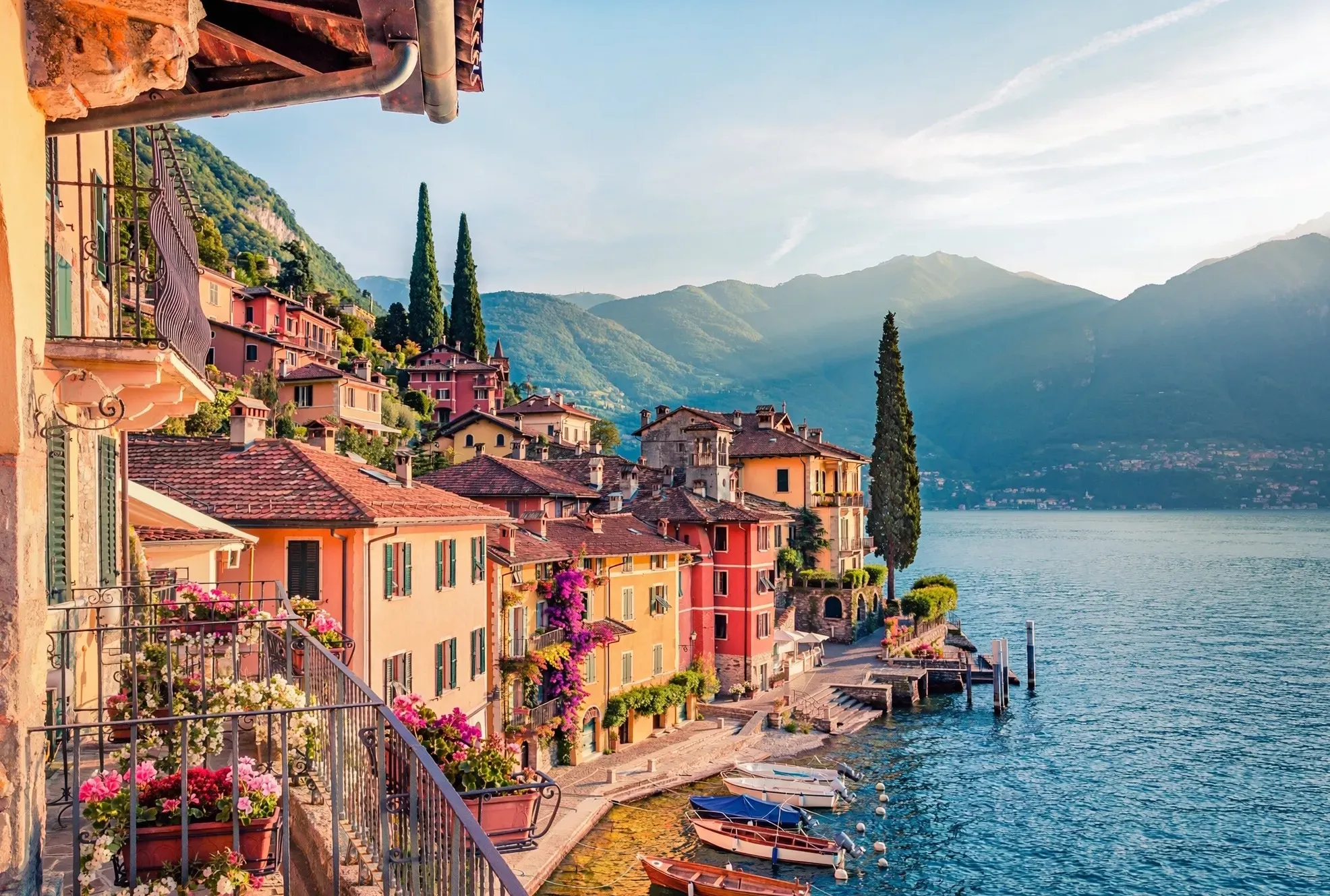
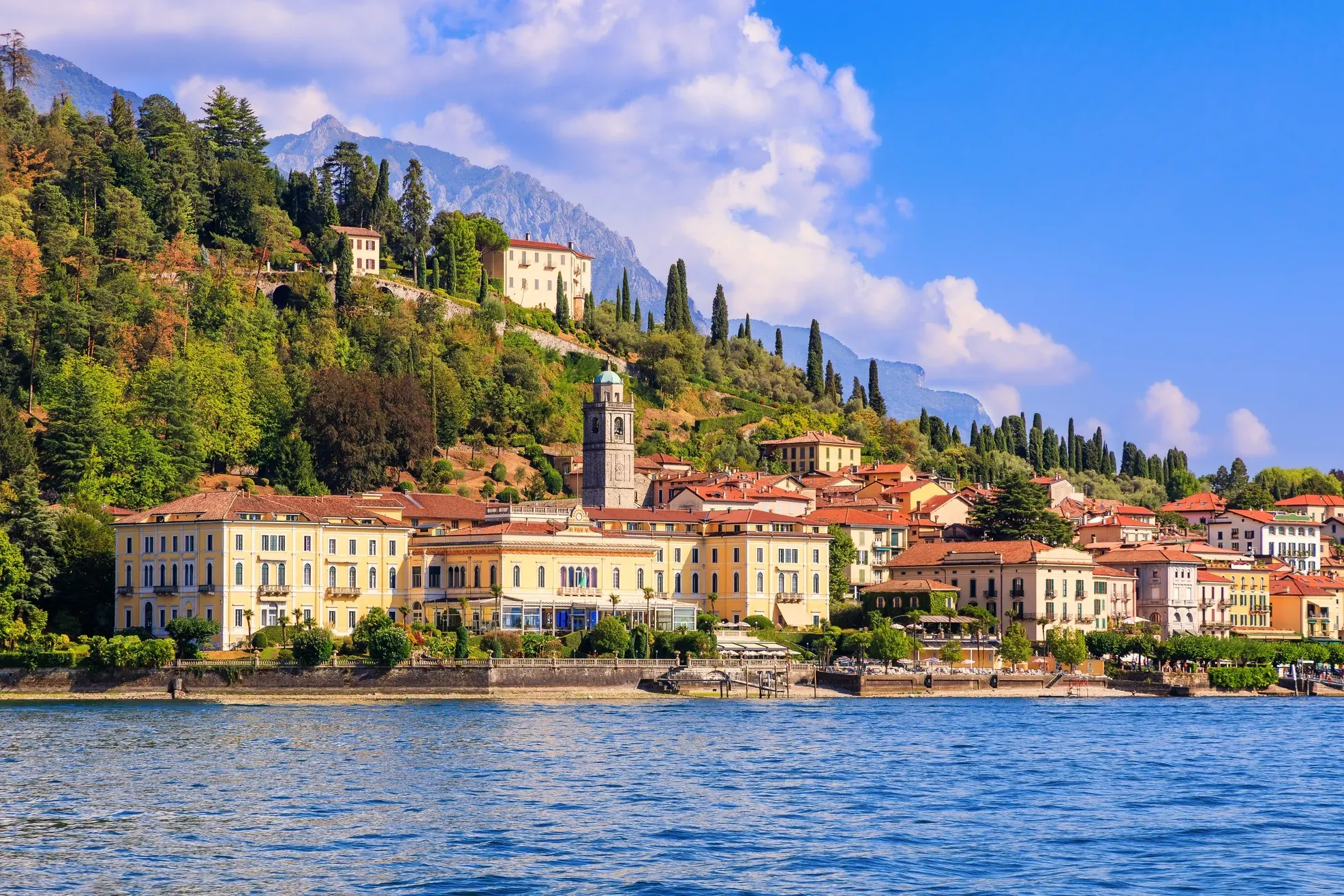
At the point where the lake's three arms meet lies Bellagio, the most famous and most photographed village in the area. The cobbled streets, stairways and restaurants above the water create an unforgettable setting. Start your walk at Piazza della Chiesa with the Basilica di San Giacomo, a 12th-century church, continue along Salita Serbelloni, one of the village's most characteristic streets where you'll see people taking photos, and end at Punta Spartivento, where you'll enjoy panoramic views of the lake. It's also worth visiting the gardens of Villa Melzi d'Eril, with statues, exotic plants and paths beside the water.
Varenna
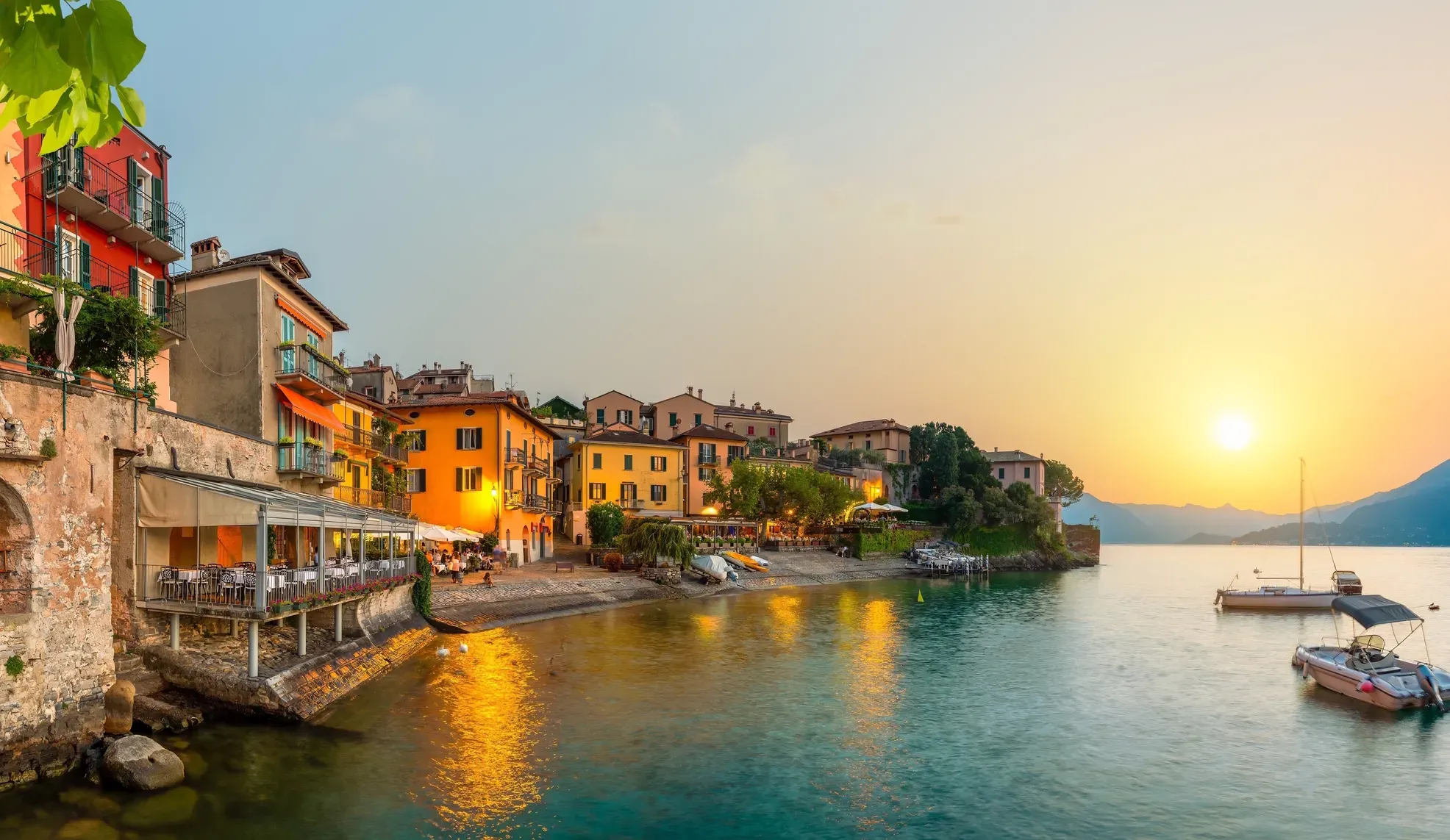
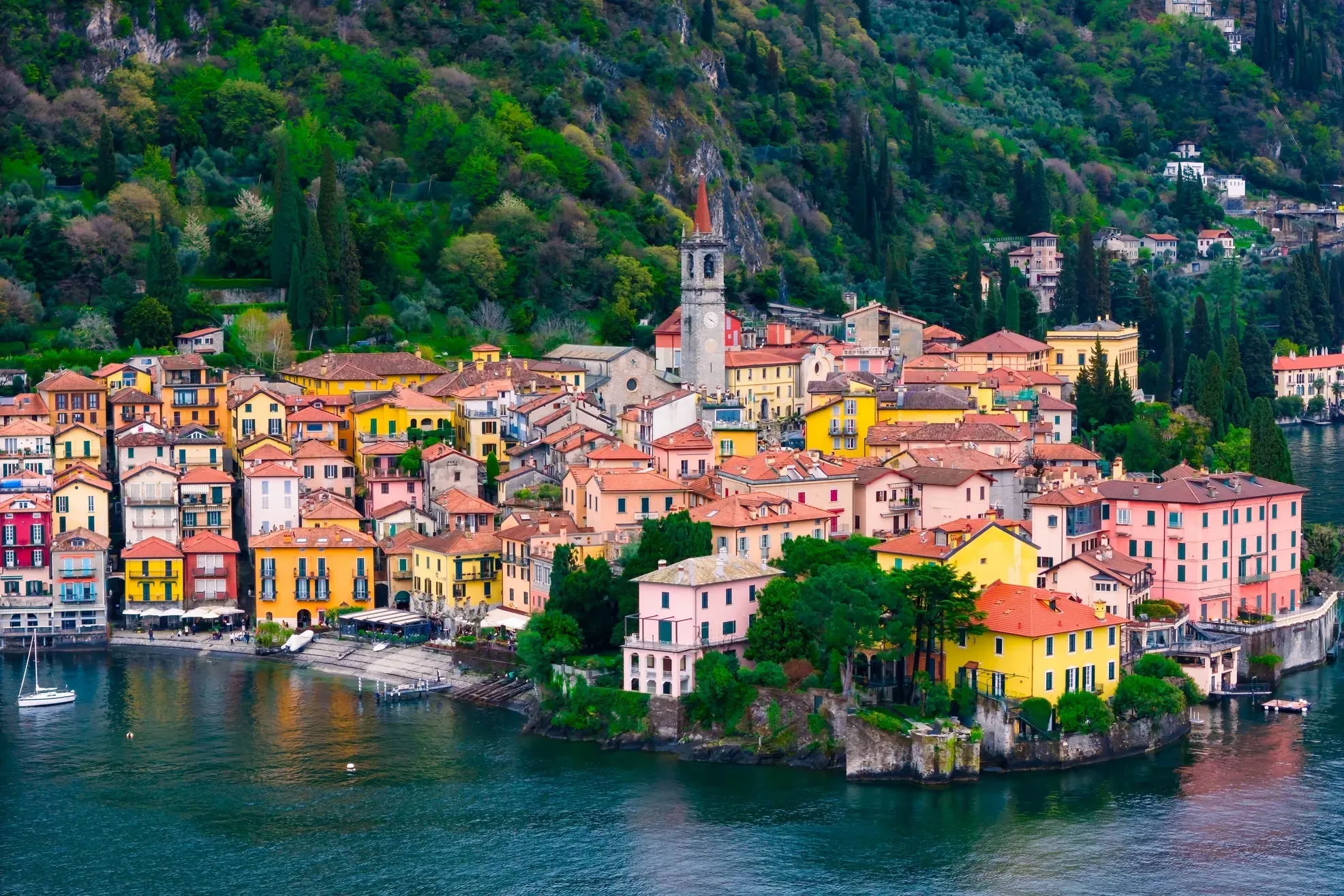
On the opposite shore from Bellagio, to the east, lies Varenna, a village with a romantic character. It's quite popular with travelers and stands out for its colorful houses, narrow lanes and picturesque little harbor. One of its most beautiful spots is the Passeggiata degli Innamorati (the lovers' walk), a red pedestrian walkway over the water that connects the harbor with the historic center. Sit by the water to enjoy the view, stroll through Piazza San Giorgio and visit Villa Monastero, a former monastery that became an aristocratic residence with an impressive botanical garden. For even better views, climb to the medieval Castello di Vezio above the village.
Menaggio
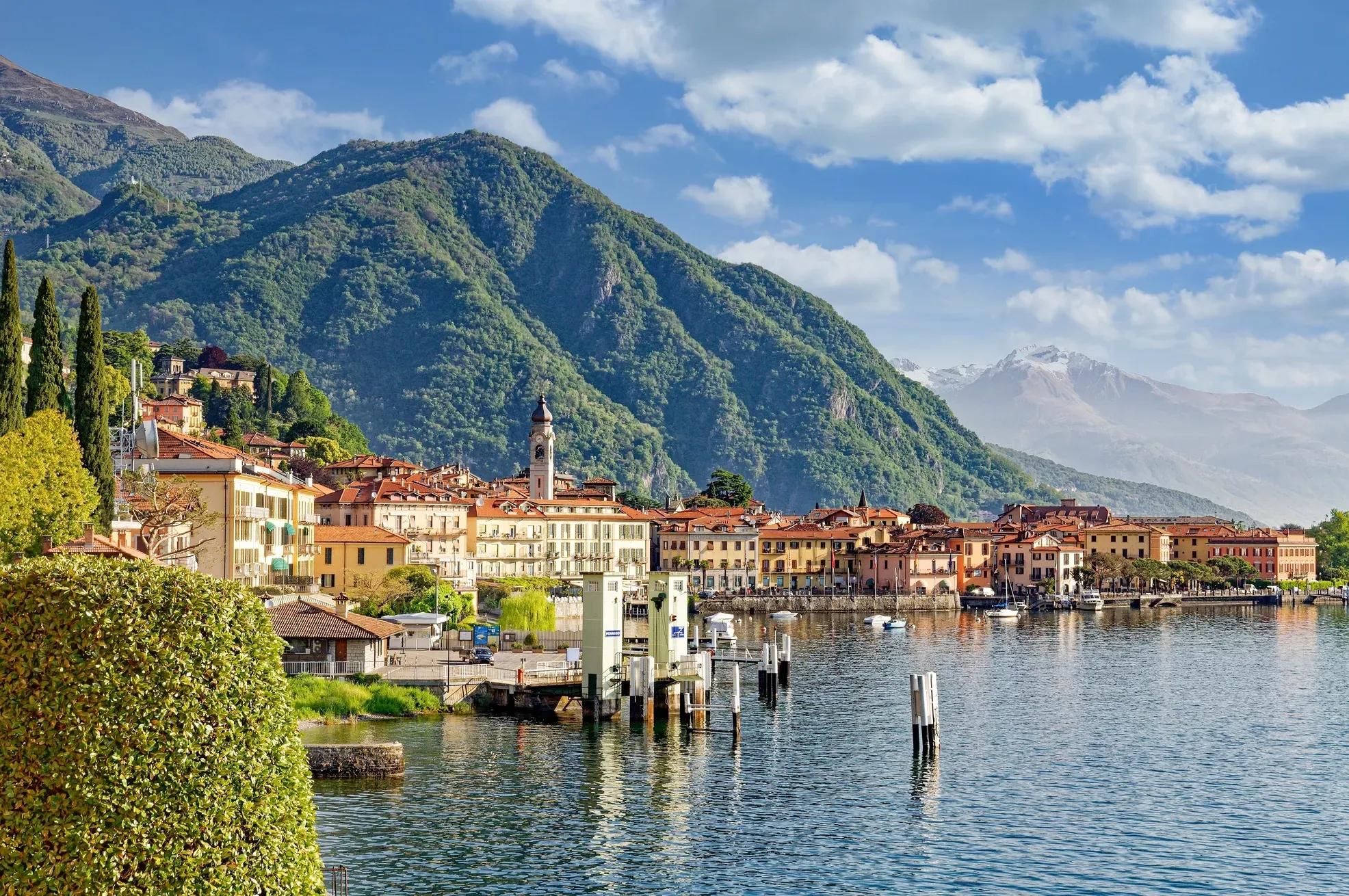
On the western shore, Menaggio keeps a calmer character and is an excellent choice for those who want to enjoy everyday life in the area. Piazza Garibaldi, with its cafes and restaurants, is the ideal spot for a pause, while the lakeside promenade lends itself to relaxed walks with views of the villages and mountains across the water. Thanks to its position, it's also a good base for exploring the lake's central section.
Tremezzina
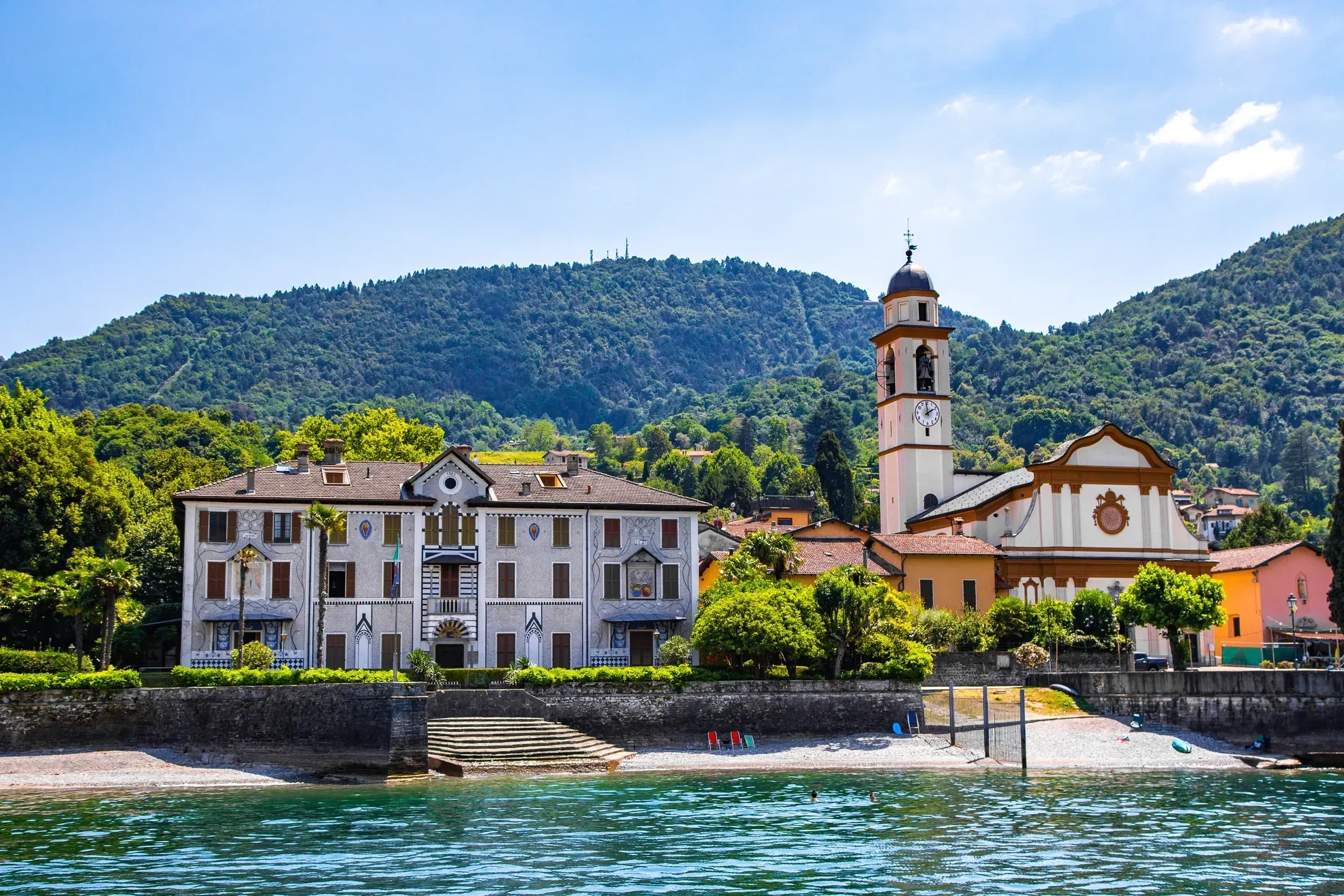
The area of Tremezzina is the lake's most aristocratic side and includes settlements such as Tremezzo, Lenno and Ossuccio. It's known for its historic villas and spectacular gardens. The best known is Villa Carlotta, an 18th-century mansion with important art collections and a wonderful botanical garden, particularly impressive in spring. In Lenno you'll also come across Villa del Balbianello, one of the lake's most recognizable residences, which has hosted many film shoots.
Bellano and Nesso
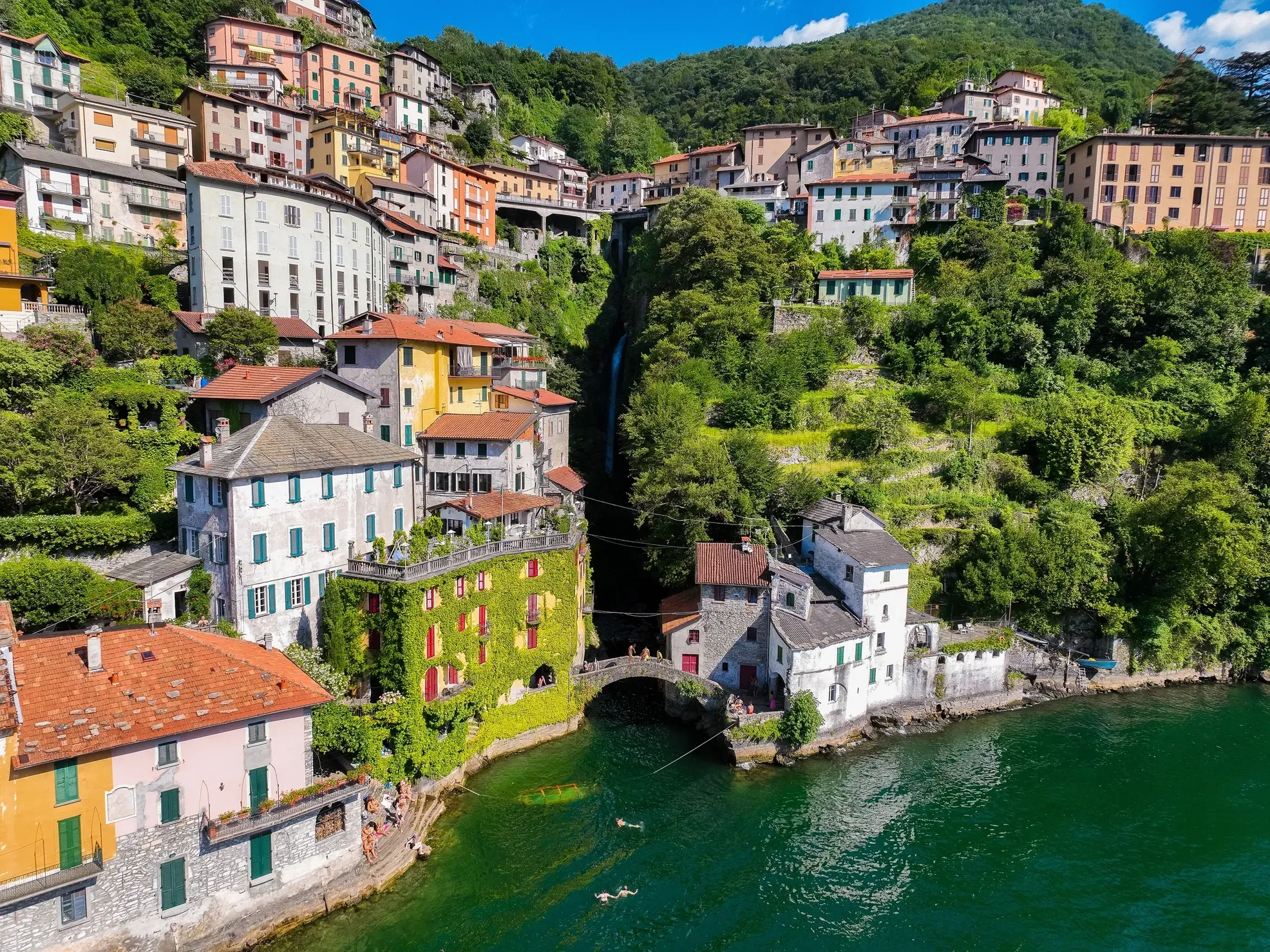
For a quieter experience in nature, visit Bellano on the eastern shore, known for the Orrido di Bellano. It's an impressive natural gorge with waterfalls and narrow passages between sheer rock walls. Nesso, a small village on the eastern side of the western branch, impresses with the natural gorge Orrido di Nesso and the stone medieval bridge Ponte della Civera, beneath which a waterfall empties into the lake. These are two stops that reveal Como's most authentic and natural side.
Sights worth visiting
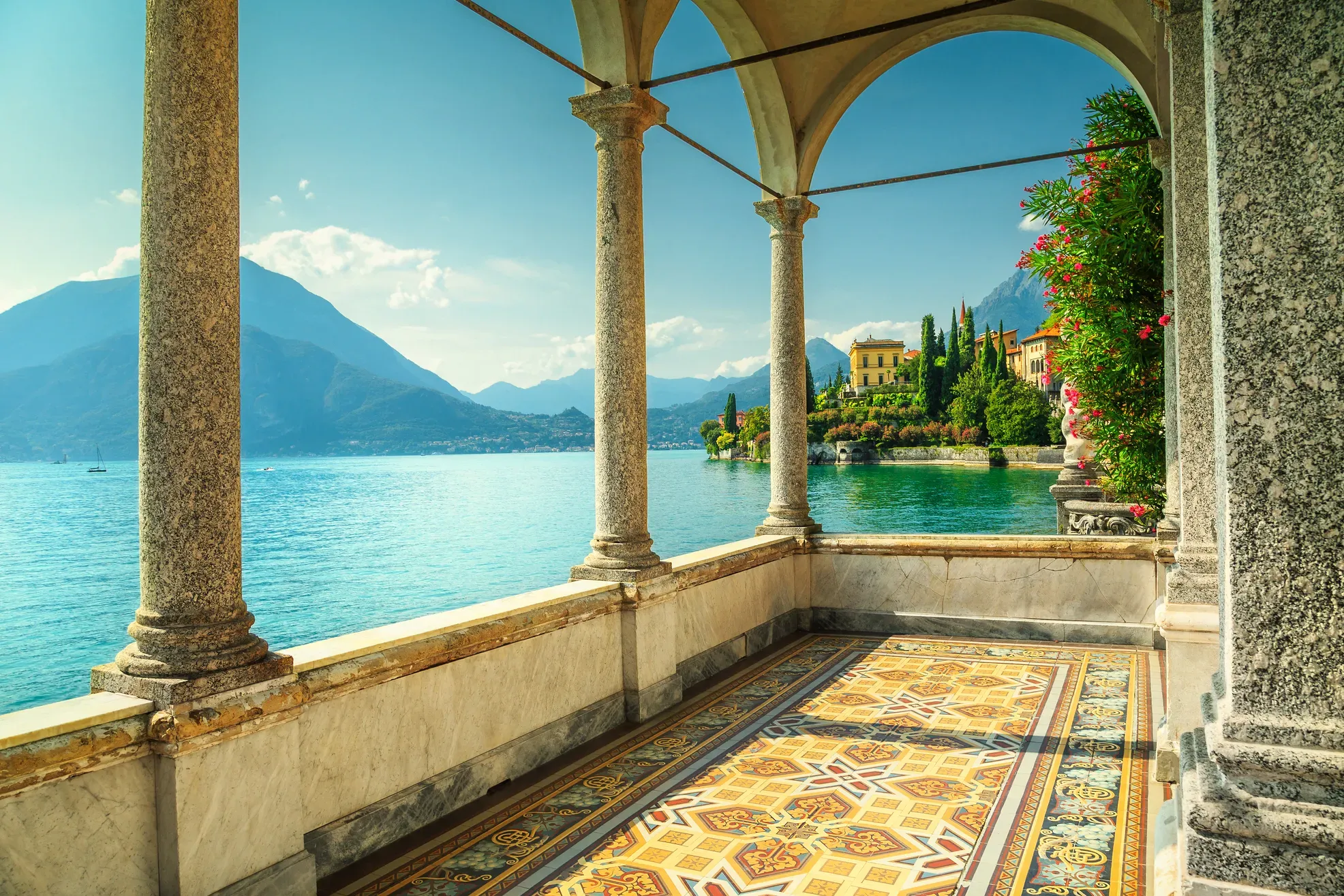
Beyond the villages, Lake Como has historic residences and monuments that are an important part of its identity. The villas mentioned above are in the most popular villages and draw daily visitors who want to admire the history, architecture and gardens and travel back to other eras. In addition to the emblematic architecture, the villas have manicured gardens that look like works of art.
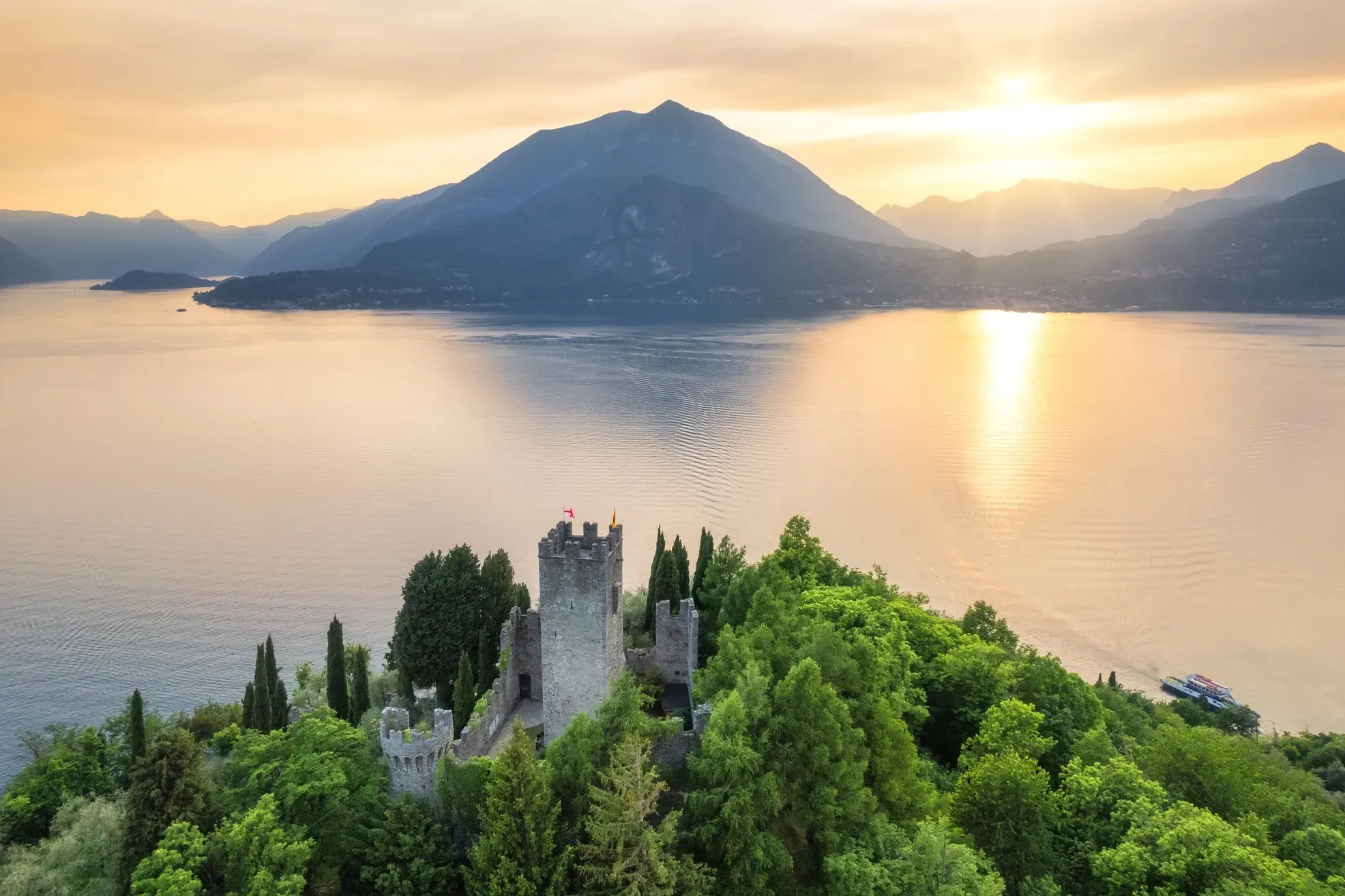
Among the area's must-see attractions are Castello di Vezio, with its panoramic views, and Isola Comacina, the lake's only island near Ossuccio, which you can reach by boat. Don't miss Sacro Monte di Ossuccio, a complex of 14 chapels that lead to the sanctuary of the Madonna del Soccorso. It stands above Lake Como at an elevation of 400 meters and belongs to the Sacred Mountains of Piedmont and Lombardy, a series of nine Christian pilgrimage sites and groups of chapels created in northern Italy in the late 16th and 17th centuries.
What to do in Lake Como
One of the most beautiful experiences you can have on the lake is a boat ride. The public boats operate like transport, connecting the most important villages and letting you enjoy the villas and landscapes from the water. In summer they're in high demand and you may wait quite a while. If you want a private experience, you can rent a private boat or book a guided cruise.
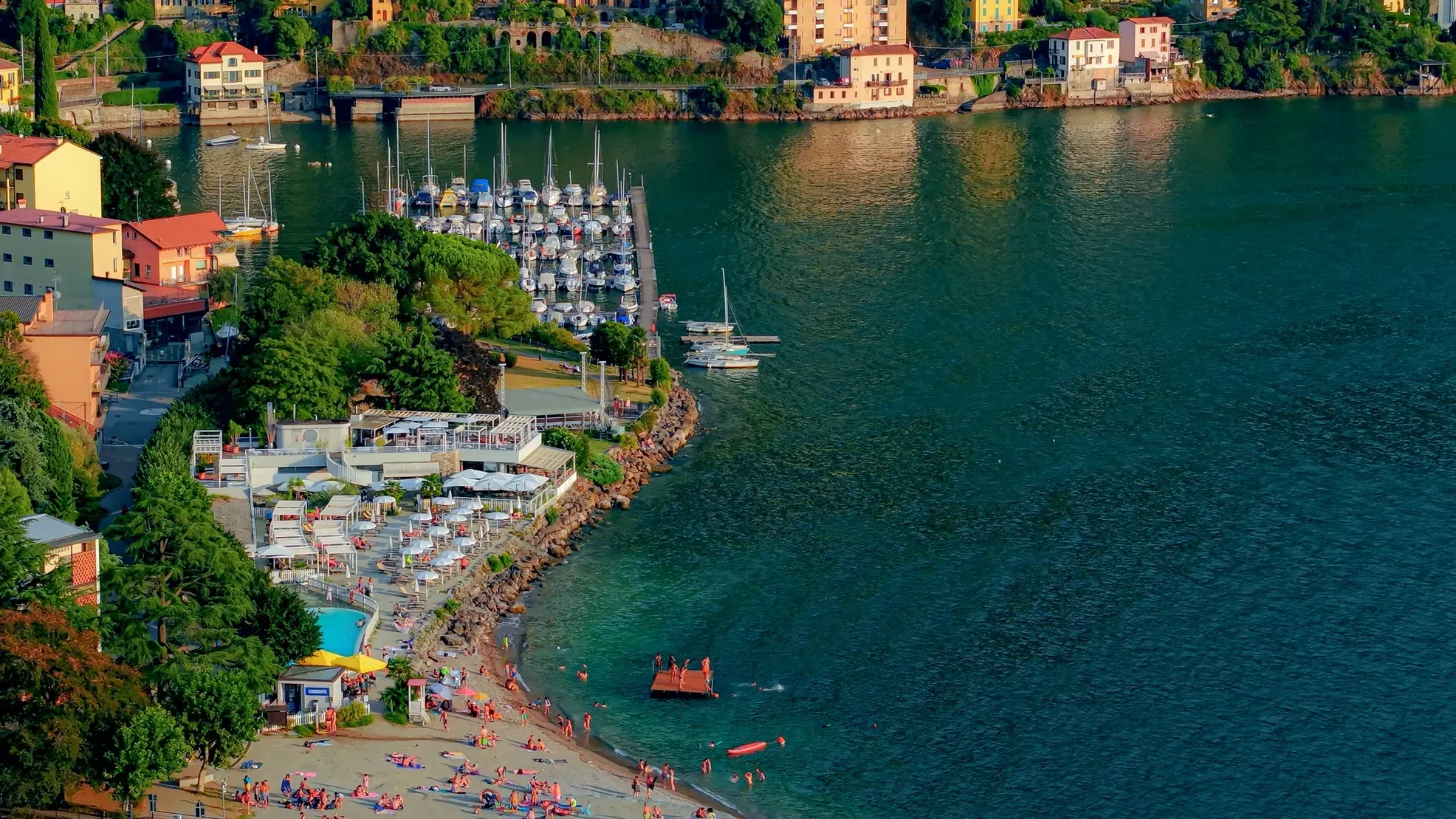
In the warmer months you can try kayaking and in summer you can swim at the lake's beaches, public and private. Among others you'll take a dip in Menaggio, at Careno beach in Nesso at Lido Villa Olmo in Como, at Lido Di Faggeto and at Lido Di Cernobbio. If you want to avoid the tourist crowds, prefer the shores toward Lierna, Bellano and Mandello del Lario. For those who love hiking, the Greenway del Lago di Como is an excellent choice. The route, about 10 kilometers long, passes through villages on the western shore, such as Colonno, Sala Comacina, Lenno and Tremezzo, offering beautiful scenes amid nature and the villages.
What to try
The region's cuisine, Cucina Lariana, differs from the classic cuisine of the rest of Lombardy, as it combines fresh freshwater fish with the hearty mountain dishes of the Alps. The most famous dish is Risotto al pesce persico, a creamy risotto with butter and sage, topped with sautéed fillets of lake perch. Also look for Missoltini, made with dried and salted lake fish, grilled and served with roasted polenta, as well as the cold-weather favorite Polenta Unscia, warm polenta with local cheese, fresh butter, garlic and sage. Pizzoccheri, traditional handmade buckwheat pasta with potatoes, cabbage, butter and cheese, are a beloved taste of the area, as are Sciatt, deep-fried buckwheat batter balls filled with melted cheese.
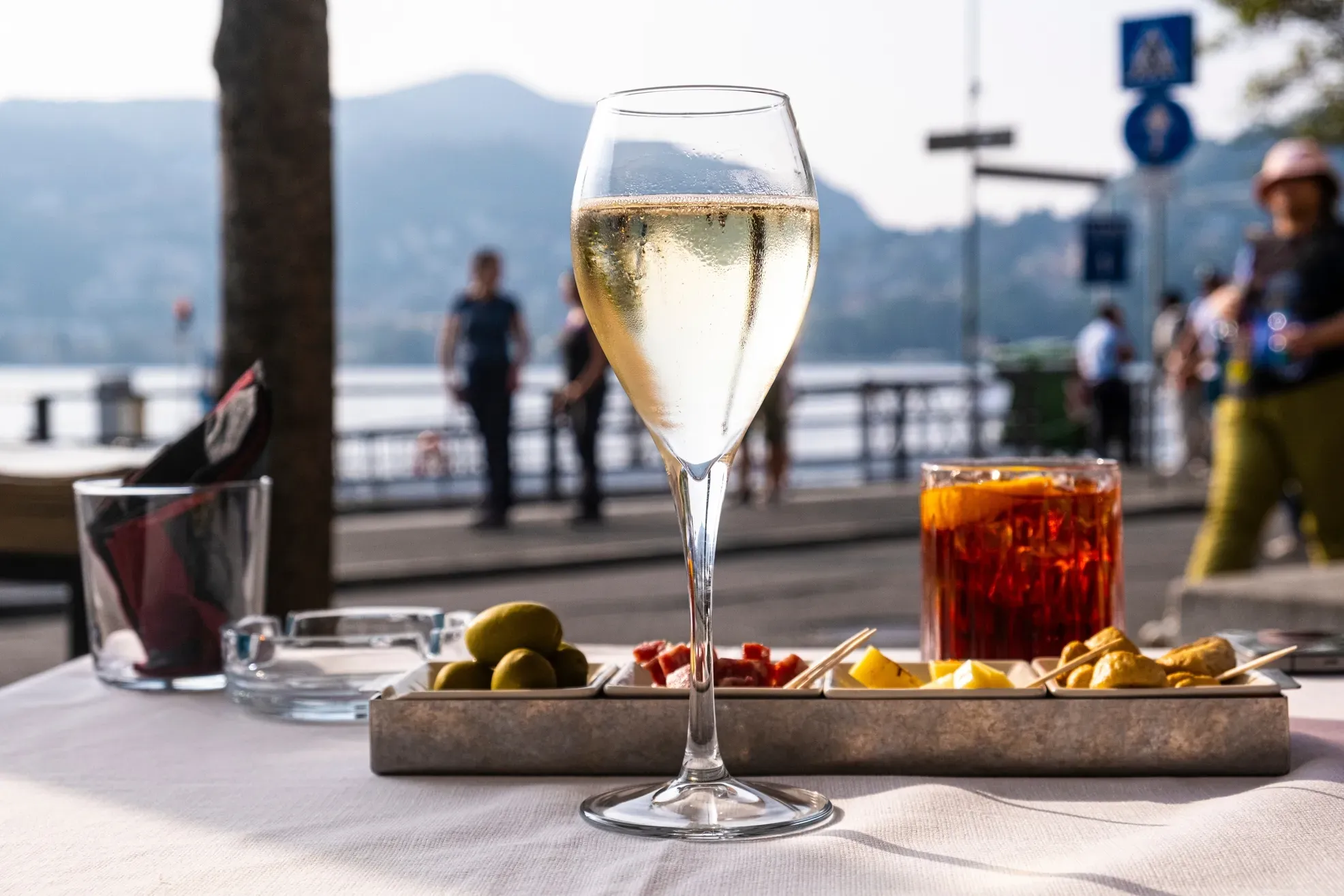
For dessert, try the traditional Resta di Como, a sweet bread with dried fruit, raisins, citrus zest and a small olive branch in the center, a symbol of good luck. The lake's most characteristic dessert is Miascia (Torta di Pane), made from stale bread soaked in milk, almonds, raisins, apples, pears and cocoa. Also notable is Torta de Eme, a tart with almonds, jam or forest fruits. Don't forget to enjoy a traditional Italian aperitivo, or a glass of some local wine, at lakeside cafes or wine bars and in the squares. The view as the sun sets behind the mountains is one of the trip's most beautiful experiences.
How to get there and how to get around
The ideal starting point to reach Lake Como is Milan. From the main train station, Centrale FS, you'll arrive directly in the city of Como in just 40 minutes or in Varenna in about an hour. By car and bus the journey takes 50–60 minutes from Milan, depending on where you start and which village you want to reach. There are several options for getting around the lake and going from village to village. Navigazione Laghi boats depart from the Como waterfront and connect the popular villages, while the Bellagio – Varenna – Menaggio – Cadenabbia link is especially useful.
Check the schedules before your visit, as they vary by season. An easy way to explore with freedom is by car, which lets you reach small villages more easily. However, most roads are very narrow and parking at popular spots is difficult. An alternative is the buses, which connect the villages along each shoreline, as well as the train, which, however, doesn't reach many places.
Where to stay and when to go
Lake Como is easily doable as a day trip from Milan, as the train connection is very straightforward. However, if you want to explore, three days are enough to see all the important spots. Your choice of accommodation depends on your budget and the program you want to follow. The city of Como is the ideal base for easy train access and for more hotel and restaurant options. Bellagio and Varenna offer a more romantic atmosphere, while Menaggio is a good base for exploring the central section. Tremezzina is ideal for those who want to be close to the luxurious historic villas.
It's a destination for all seasons. However, a very good time to visit the lake is spring and early autumn, as from April to June the gardens are in full bloom and the weather is pleasant, while in September and October you can enjoy calmer strolls without big crowds. Summer is ideal for swimming and activities in nature, but it attracts the most people. In winter the area is beautiful and peaceful, but many villas and businesses operate with limited hours. Winter is the ideal period to enjoy the quiet and local life, far from the tourist crowds.


