





A city full of contrasts that deserves a place on your travel list.
Neoclassical buildings and French-inspired boulevards coexist with architectural works from the communist era, and large parks sit beside lively neighborhoods filled with cafés and restaurants. Bucharest is a city full of contrasts, with a long history and a vibrant nightlife. The capital and largest city of Romania stretches along the banks of the Dâmbovița River and carries a past that begins many centuries ago.
Its architecture is a mosaic of elements from different periods, yet it still reminds us of the time when the city was known as the "Little Paris" of the Balkans. Today, Bucharest is in constant renewal and is an ideal, affordable destination for a city break at a short distance from our country. The city is easy to explore on foot, and 48 hours are enough to get to know it and get a taste of its culture.
The Old Town
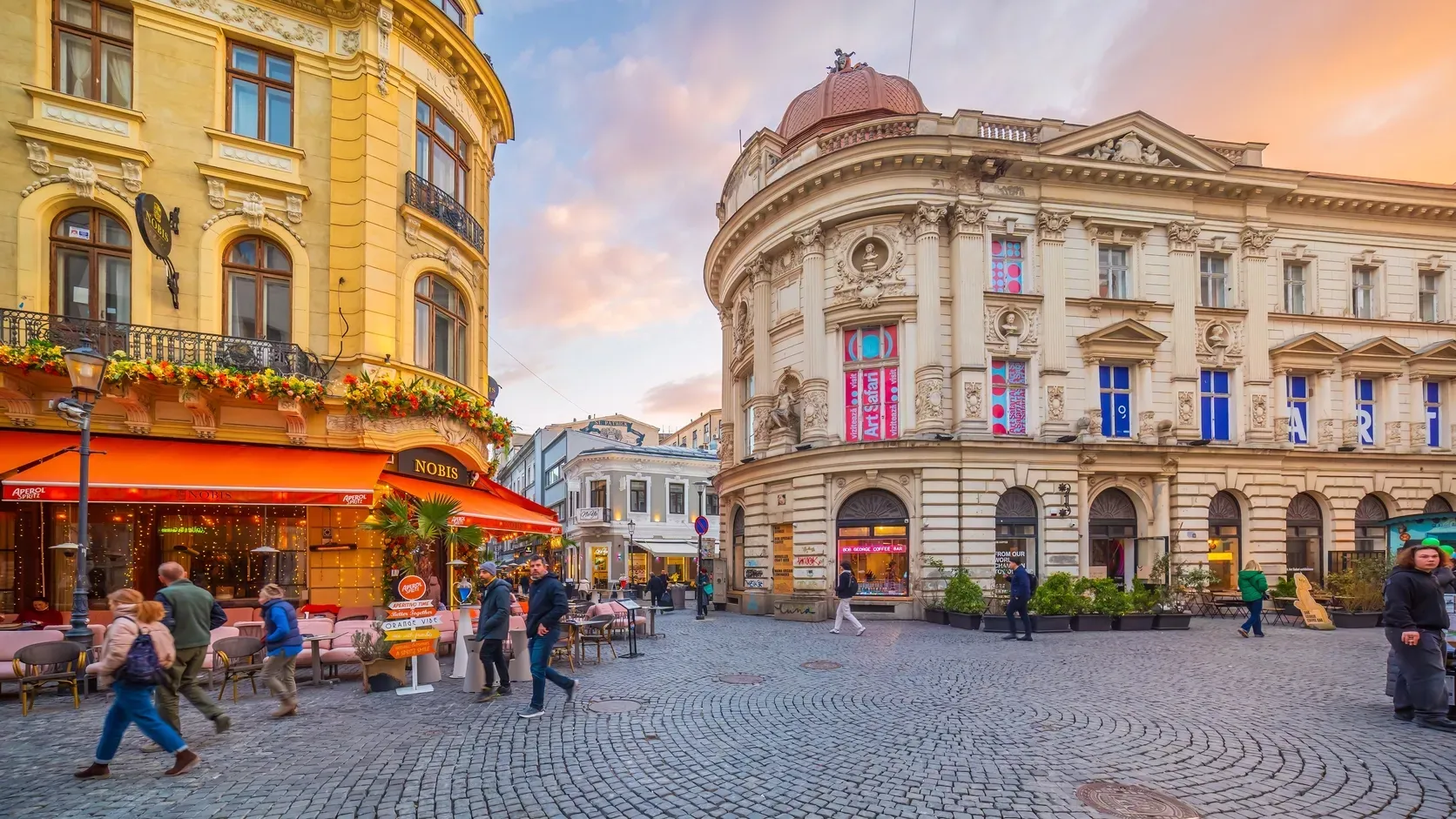
Your introduction to Bucharest begins in the picturesque Old Town, the heart of nightlife and commerce. Stroll the cobbled streets of the Lipscani area, a lively neighborhood where youll come across renovated 19th-century buildings, small shops, cafés, and bars.
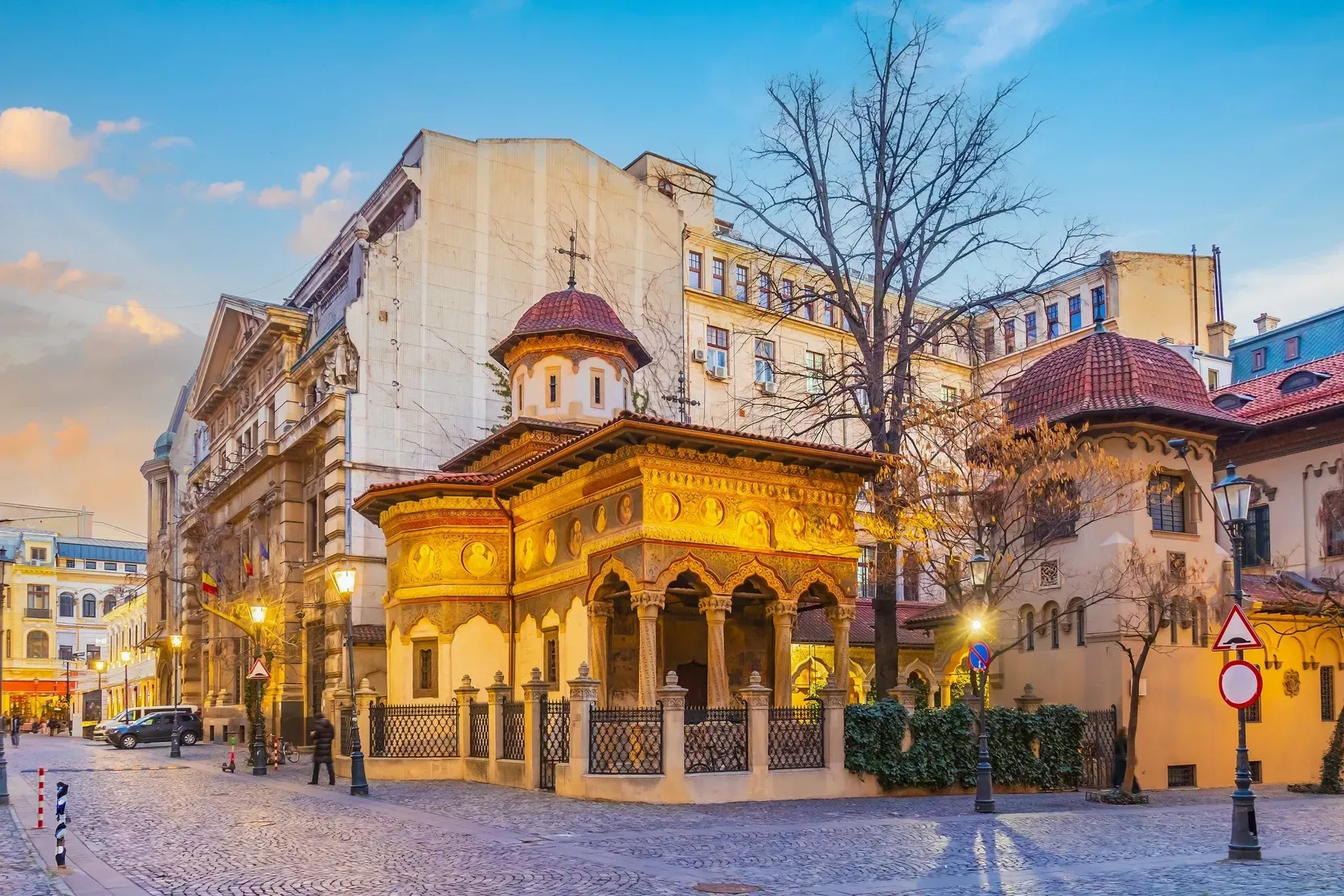
In the Old Town youll walk through the large University Square with its historic buildings, and youll encounter the Stavropoleos Monastery, an Orthodox monastery with a church from 1724 that was partially reconstructed in the early 20th century after earthquake damage.
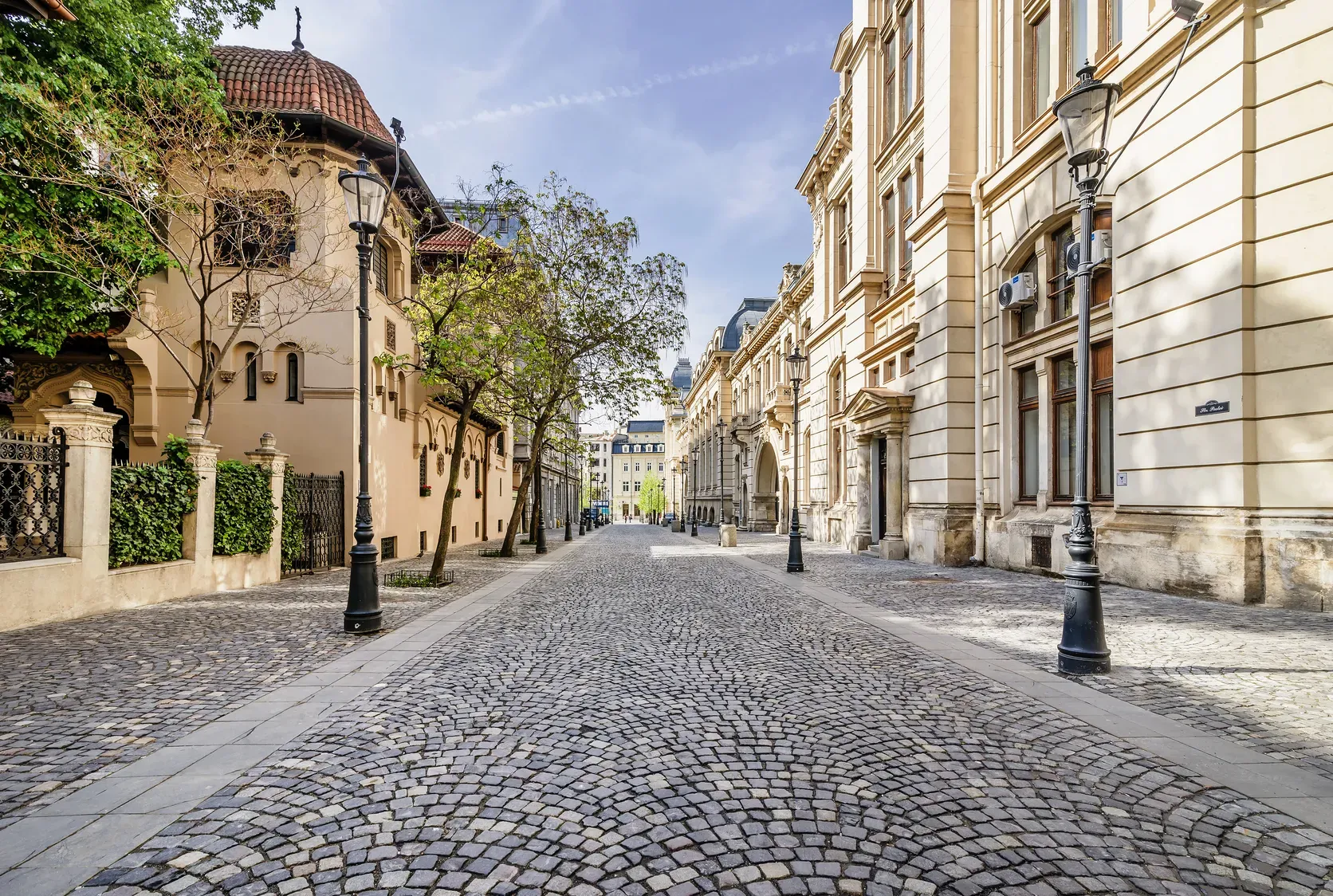
Settle in for coffee and a meal at Macca - Vilacrosse, an impressive passage with a glass roof, an arcade packed with cafés and restaurants. The area is also home to Palatul Voievodal Curtea Veche, the Old Princely Court, one of the citys most historic sites, associated with Vlad Țepeș, the figure who inspired the legend of Dracula.
The National Museum of History and Calea Victoriei
The National Museum of Romanian History is ideal for a concise introduction to the countrys past. Located on Calea Victoriei, it is one of the most important cultural stops in Bucharest. Housed in an imposing neoclassical building, it presents the countrys history from prehistoric times to the modern era. Among the most impressive exhibits stand out the archaeological finds, the royal treasures, and replicas of Trajans Column.
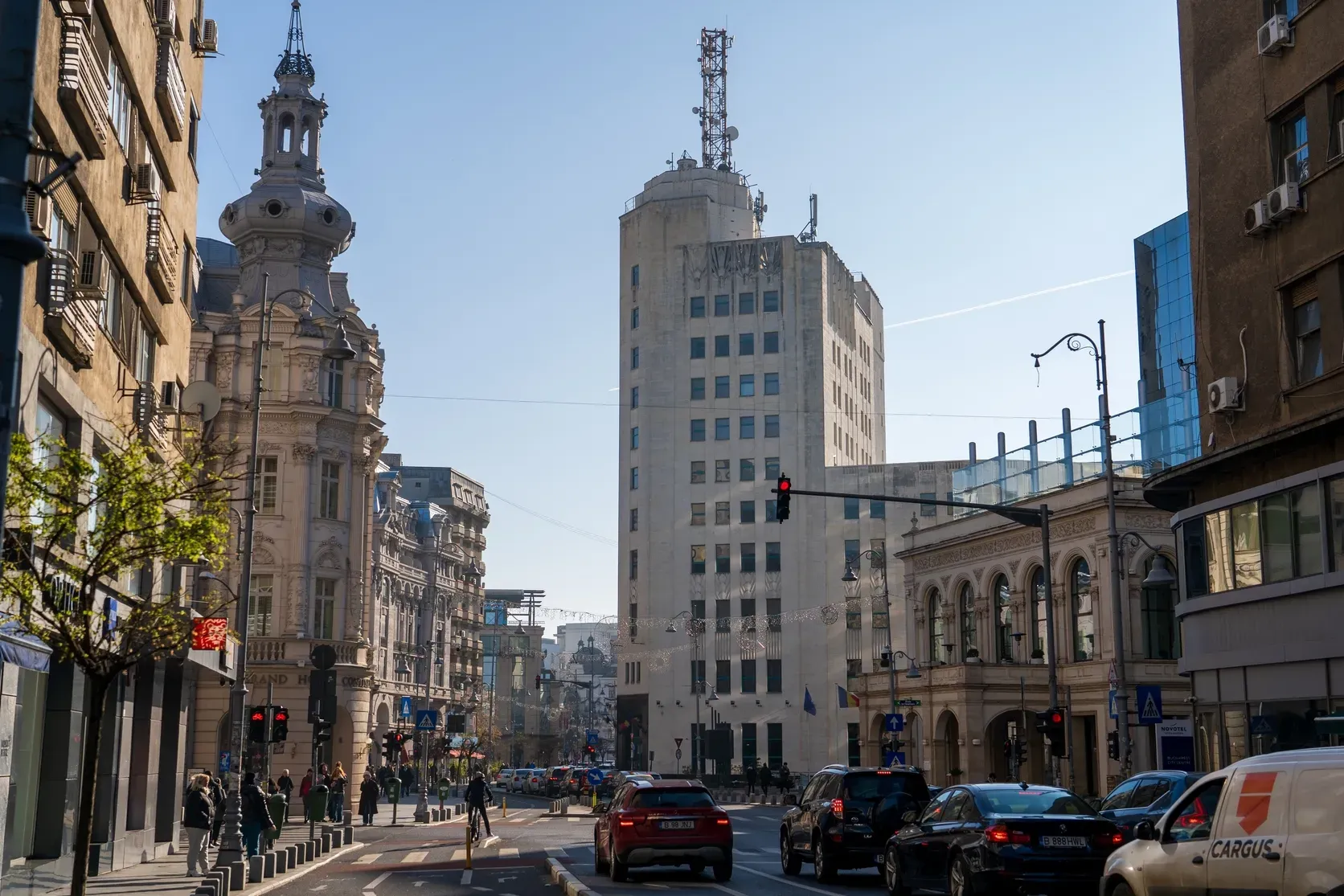
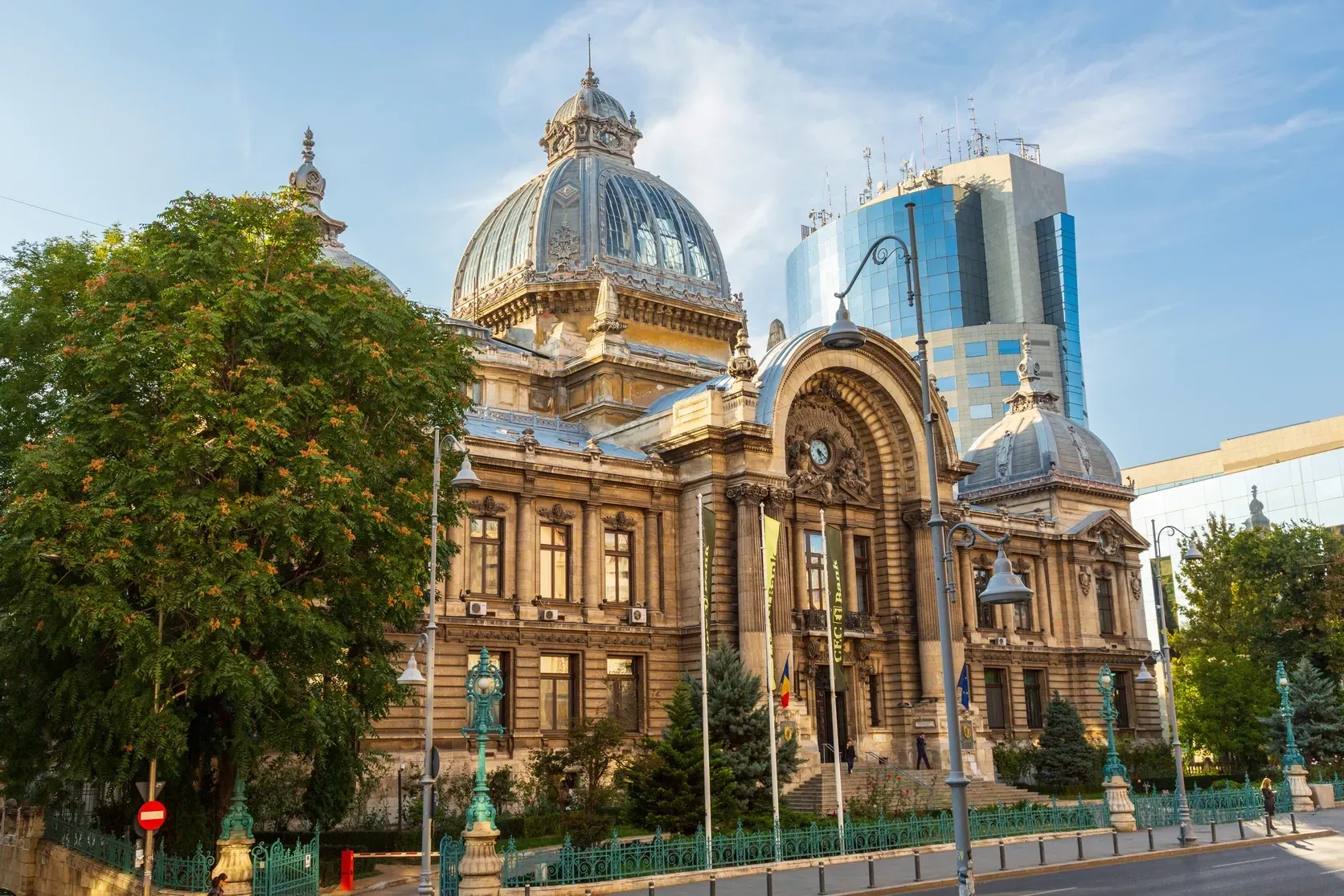
After your visit to the museum, stroll along Calea Victoriei, the citys most elegant boulevard. The avenue reminds us of the reasons Bucharest has been dubbed the "Little Paris" of the Balkans. Along it stand some of the citys most important buildings, such as the CEC Palace, an impressive palace that serves as the headquarters of the CEC Bank and the National Museum of Art, which hosts significant collections of Romanian and European art. Its galleries cover different periods, from medieval icons to contemporary works.
Revolution Square

Revolution Square (Piața Revoluției) is one of Bucharests most historic places. This is where the defining events of the 1989 Romanian Revolution unfolded, leading to the fall of the Ceaușescu regime. Around and near the square stand important buildings such as the former Royal Palace, the Romanian Athenaeum, and the Memorial of Rebirth.
The Romanian Athenaeum
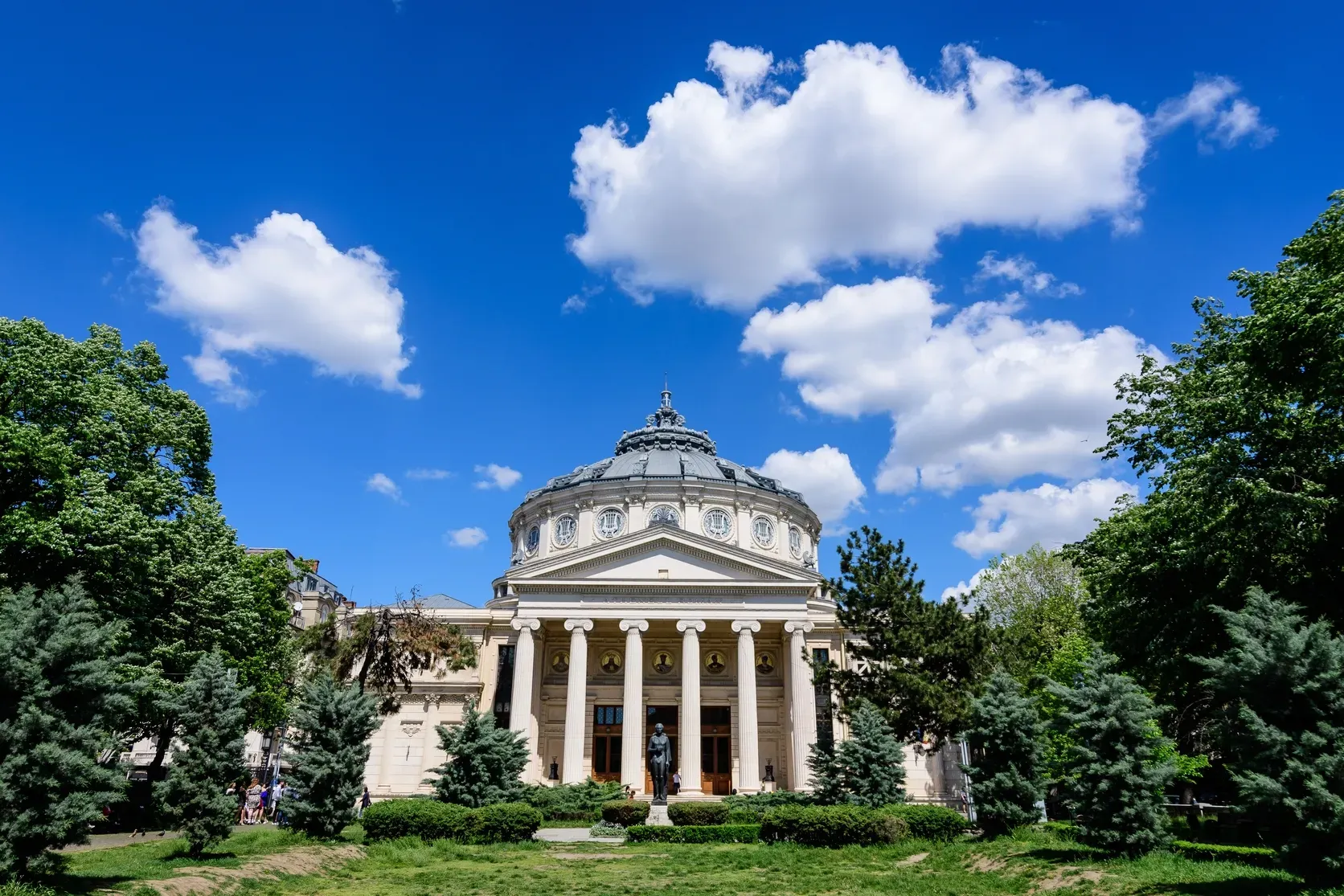
The Romanian Athenaeum (Romanian Athenaeum), also on Calea Victoriei, is one of the citys symbols. A masterpiece of neoclassical architecture, this concert hall opened its doors in 1888 and houses the George Enescu Philharmonic Orchestra.
The Palace of the Parliament
The Palace of the Parliament, once known as the "House of the People" (Casa Poporului), is Bucharests most imposing and recognizable building. Built under the Ceaușescu regime, it is said to be the second-largest administrative building in the world after the Pentagon, and it impresses with its colossal size and architecture.
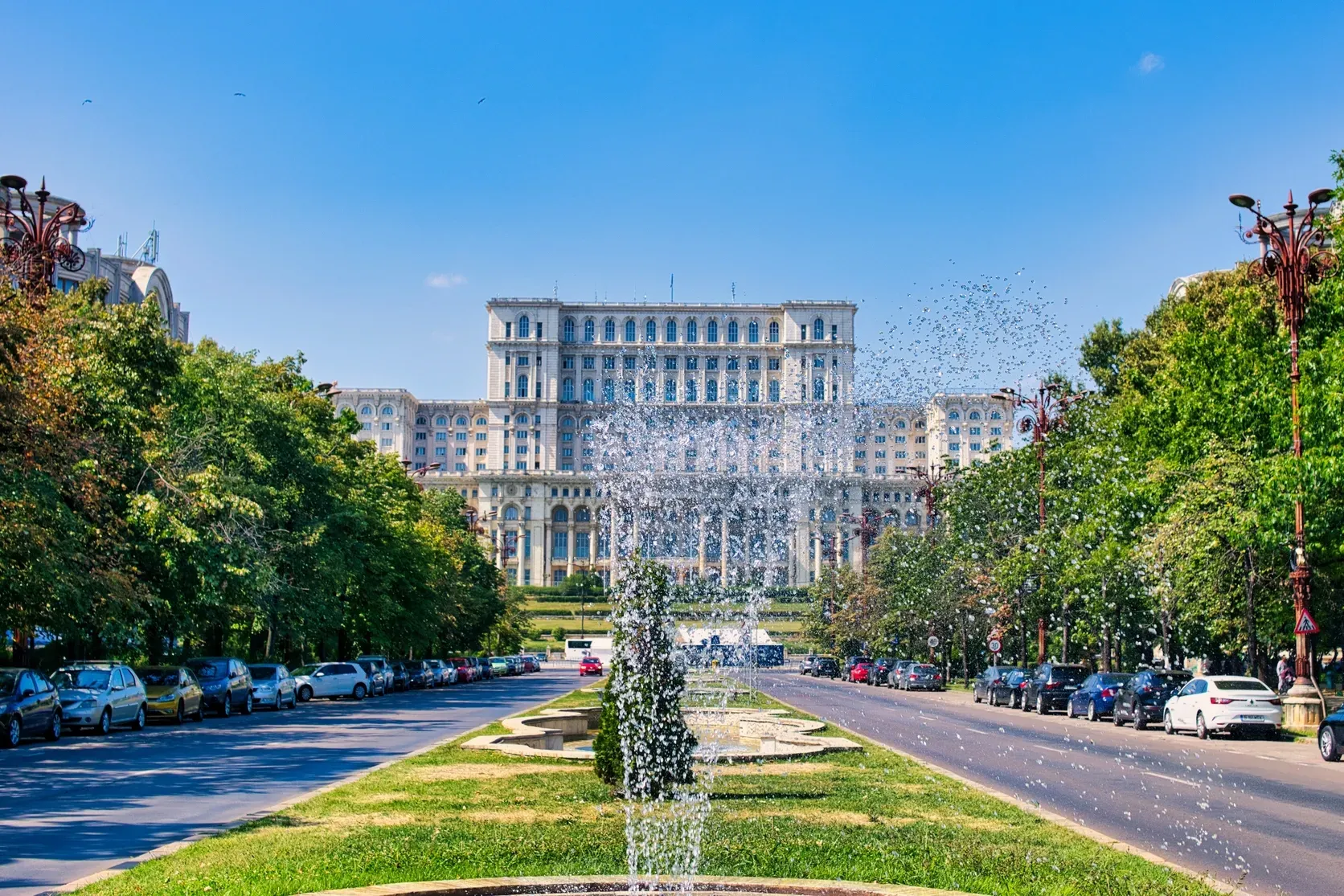
Its interior reveals halls with marble, chandeliers, and lavish decor that reflect the excesses of that era. The visit will impress you and help you better understand an important piece of Bucharests modern history. To visit, dont forget to have your ID card or passport with you.
The Triumphal Arch
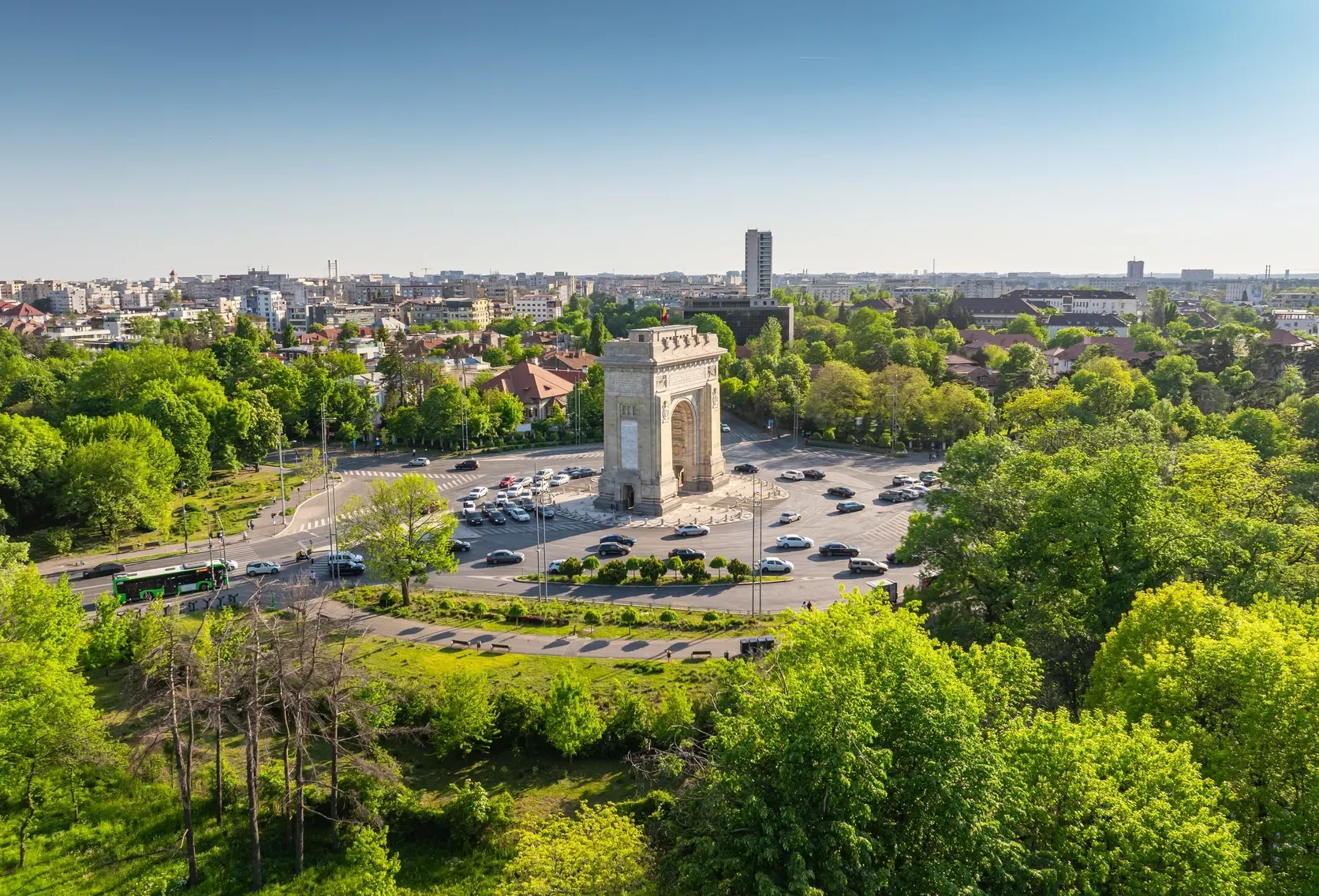
One of Bucharests best-known monuments is the famous Triumphal Arch (Arcul de Triumf), located in the northern part of the city. It was built to honor Romanias participation in World War I, and its architecture is clearly inspired by the arch in Paris. This imposing monument is a focal point for national celebrations, while from its top there are panoramic views over the city. In fact, it is one of the most photographed spots in Bucharest.
The Primăverii area

The Primăverii area lies beside Lake Floreasca and is one of Bucharests most elegant and tranquil neighborhoods, known for its tree-lined streets and impressive mansions. It once housed the political and social elite, something reflected in its architecture and the aura of luxury it exudes. The area is also home to the House of Ceaușescu, one of the most intriguing sights for those who want to discover facets of Romanias modern history. Primăverii is perfect for leisurely walks away from the bustle of the center, for dining and boutique shopping, revealing a different, more refined side of the city.
The impressive gardens and parks
Herăstrău Park and the Village Museum
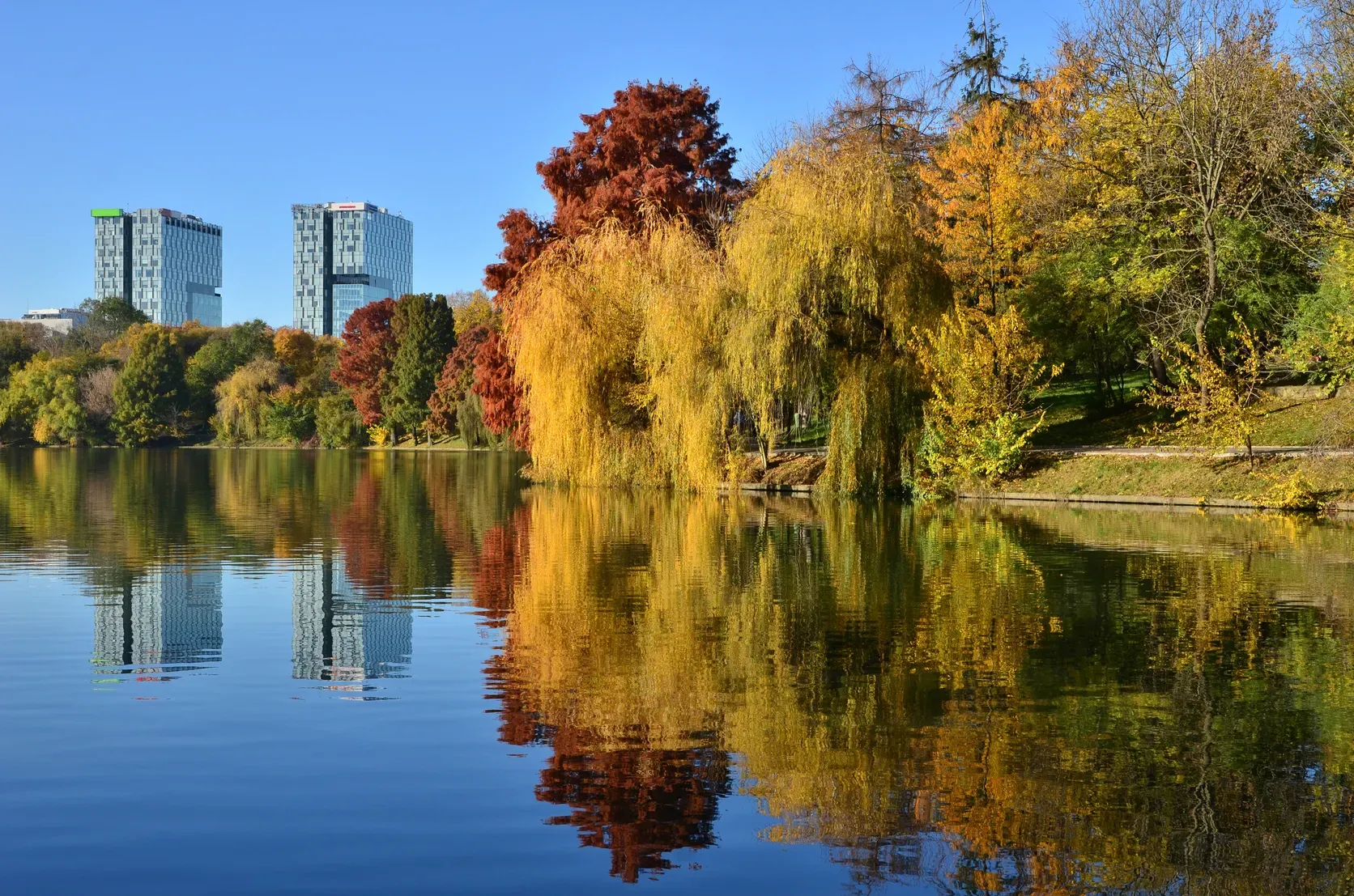
Herăstrău Park is one of Bucharests largest green lungs. It spreads around the lake of the same name and impresses with its size and diversity of plants. Here youll see locals walking and sipping their coffee every day, especially on sunny days.
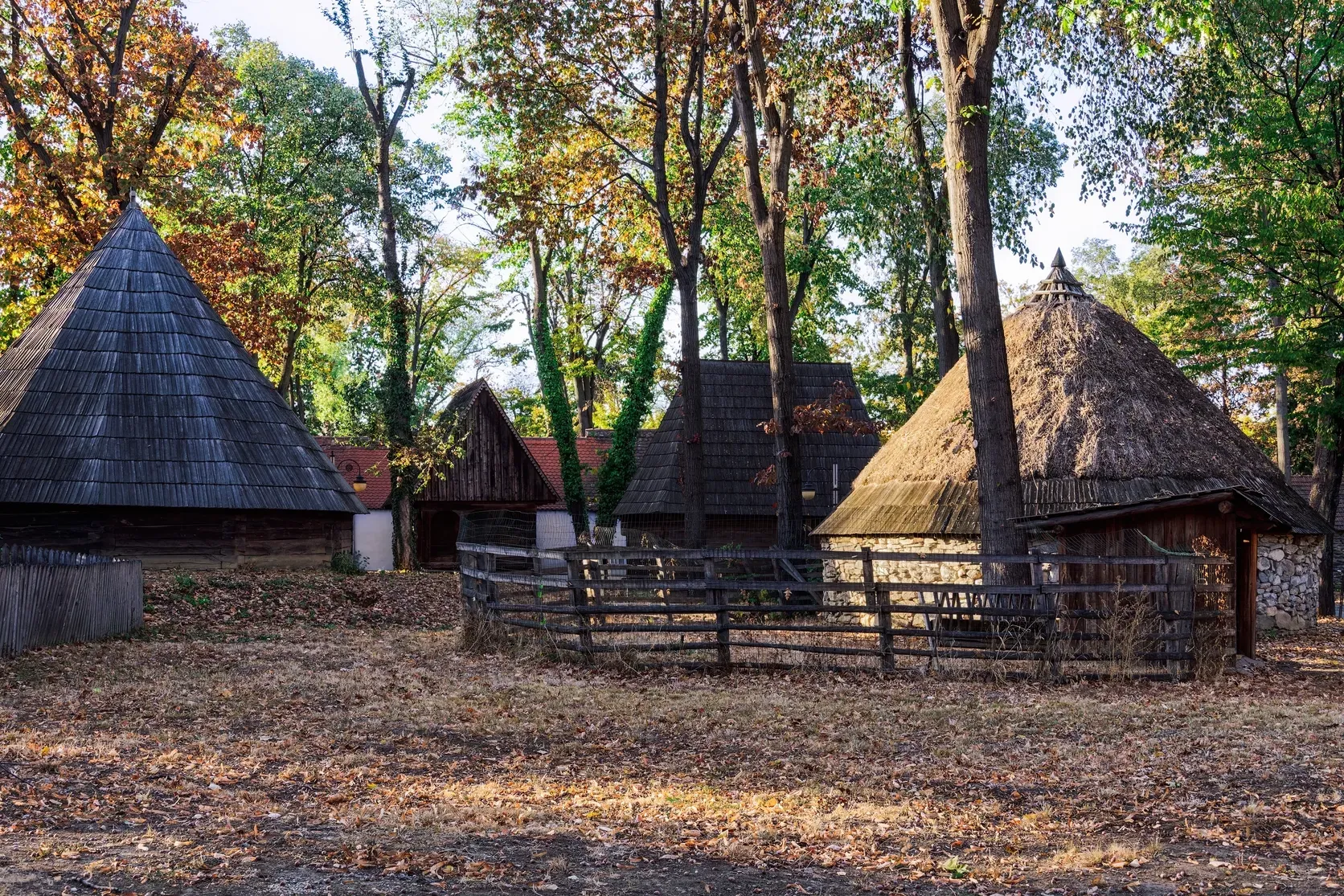
Within the park youll also find the Village Museum (Dimitrie Gusti National Village Museum), an open-air museum that showcases Romanias traditional life. Houses, churches, and windmills from various regions of the country have been relocated here, creating a living scene that recalls a village from another era. It is one of the citys most fascinating stops.
The Cişmigiu Gardens
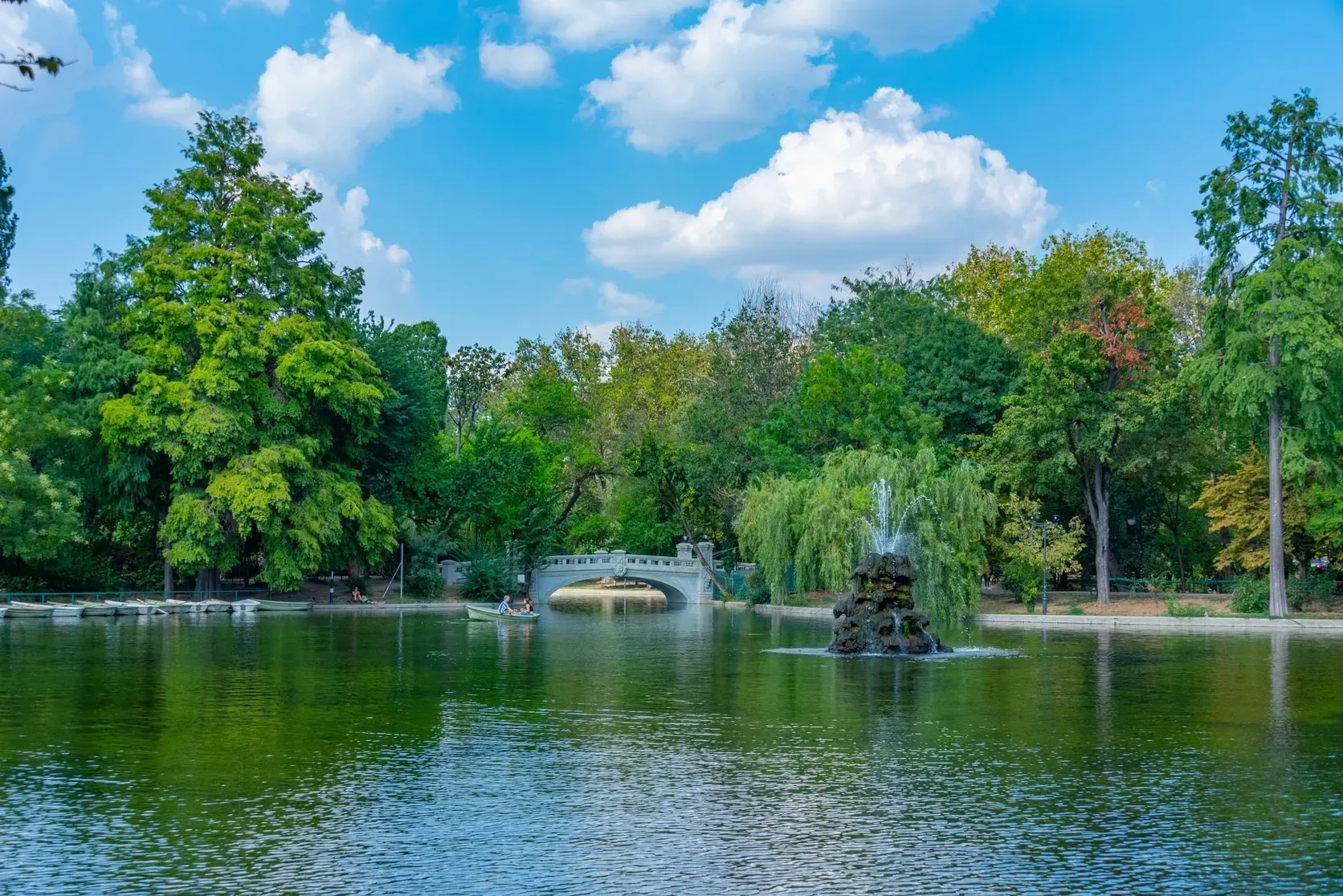
The Cişmigiu Gardens are Bucharests oldest park and one of the most beloved relaxation spots in the city center. Admire the lake, the little bridges, and explore the paths, taking a short break from the citys sights.
Izvor Park
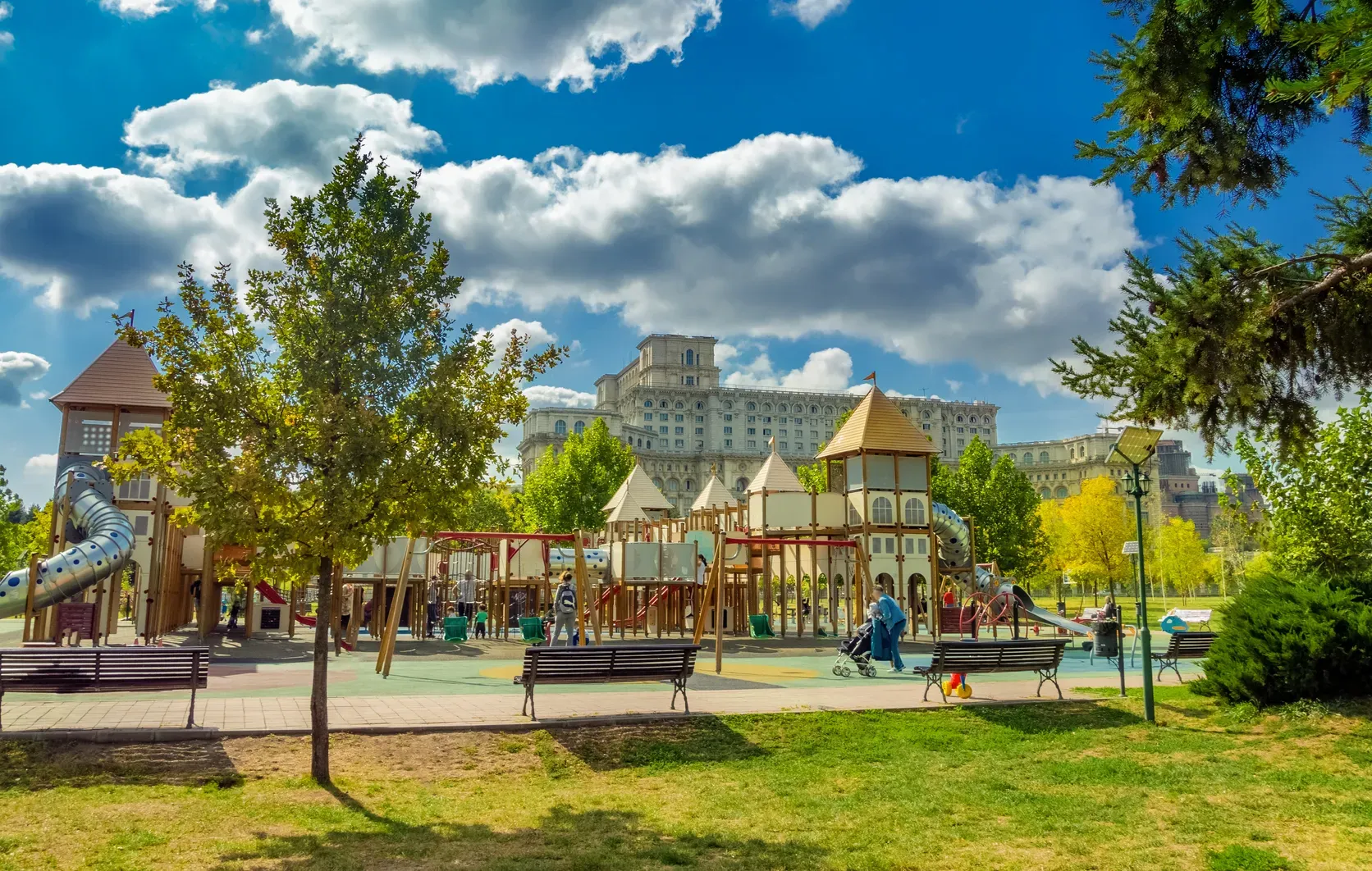
Almost opposite the Cişmigiu Gardens, youll find Izvor Park, which you can reach in just a few minutes on foot. The park sits in front of the Palace of the Parliament and offers an open, green space ideal for leisurely strolls in the heart of Bucharest. It is a popular spot for walking and relaxing for both residents and visitors.
The thermal baths of Bucharest
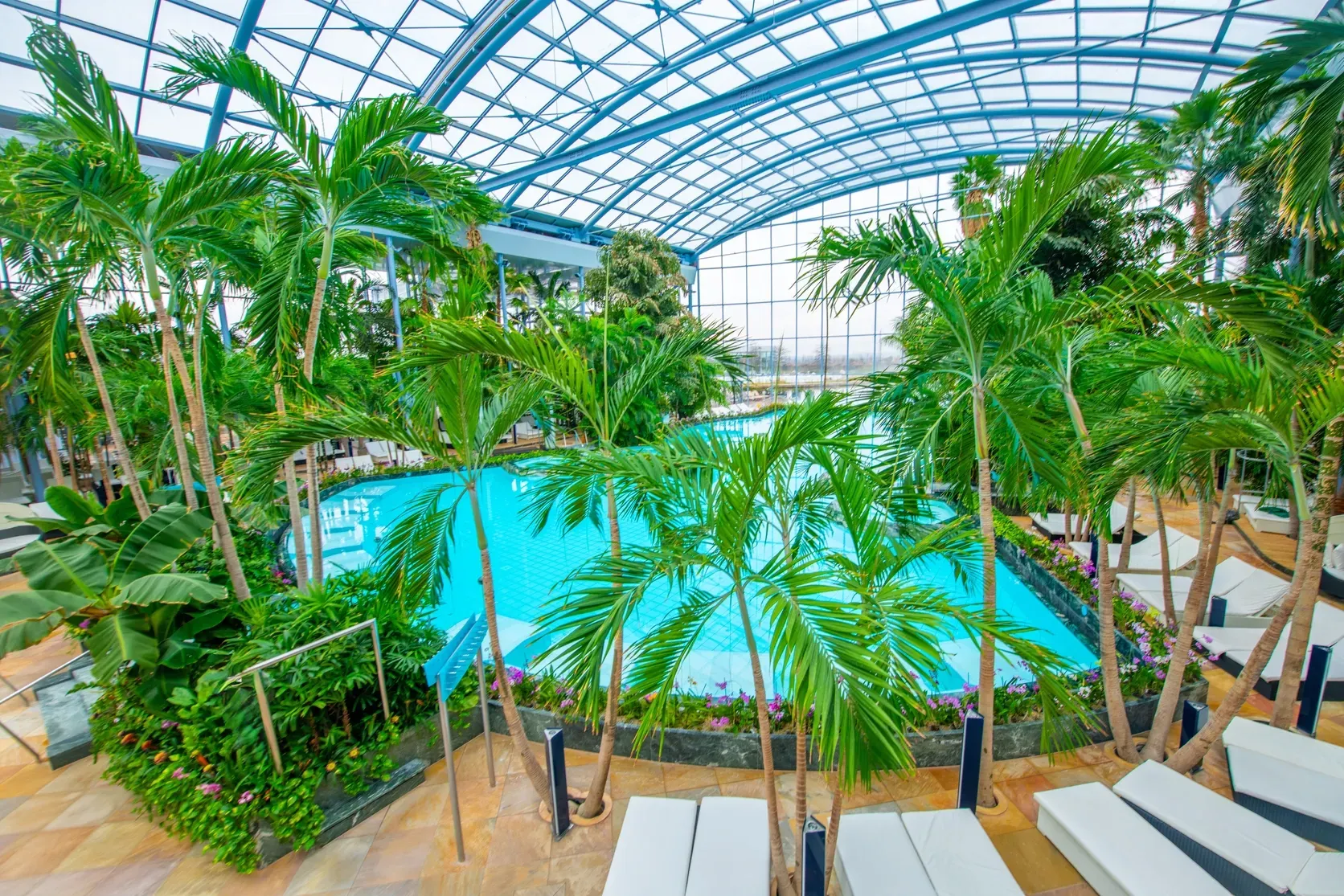
One of the main reasons thousands of people visit Bucharest is its thermal baths. The hot baths are located just outside the city center and are ideal for spending a relaxing afternoon in every season, with the outdoor pools remaining open even in winter. At the baths youll take a break from walking and exploration and unwind in a tropical setting with many wellness areas.