





The castles and cities of Transylvania offer visitors a unique journey back in time.
In the heart of Romania lies a place both alluring and mysterious thatstirs the imagination. With the Carpathian mountain range as its naturalborder to the south and east, Transylvaniaisrenowned for the unrivalled beauty of its landscapes and its rich history. Dense forests, medieval towns, imposing castles, and the legend of Count Dracula captivate visitors to this side of Romania.
The legend of Count Dracula
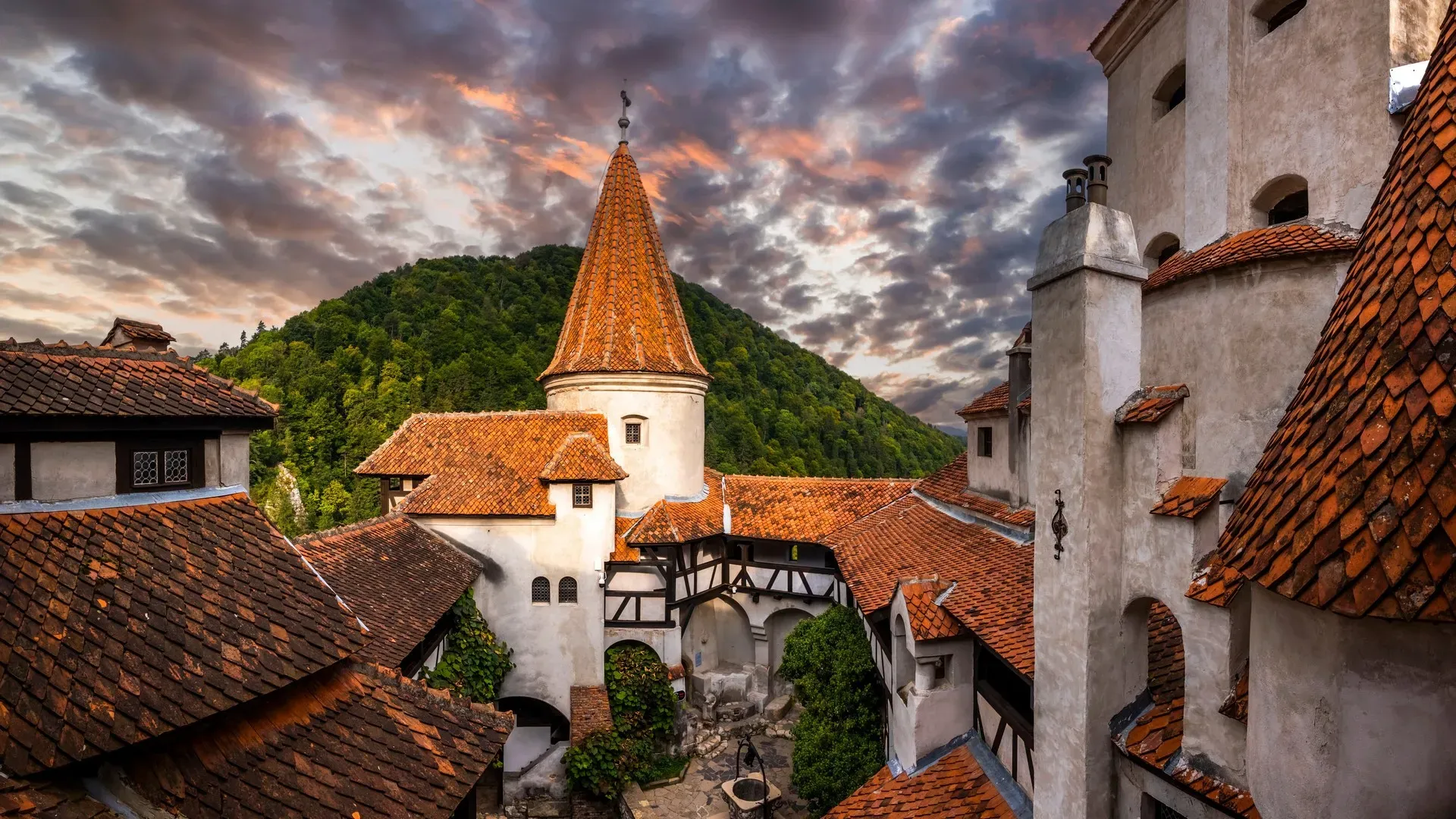
Since 1897, when the Irish author Bram Stoker wrote his famous novel «Dracula», millions have sought the bloodthirsty count’s traces in Transylvania. His famed hero is based on a historical figure, Count Vlad Dracula or Tepes, who lived from 1431 to 1476. He became ruler of Wallachia and went down in history for the ruthlessness with which he treated his enemies. «Dracula» in Romanian means «the son of Dracul», that is, «the dragon»- or «the devil», in another reading of the Romanian language.
The iconic Bran Castle
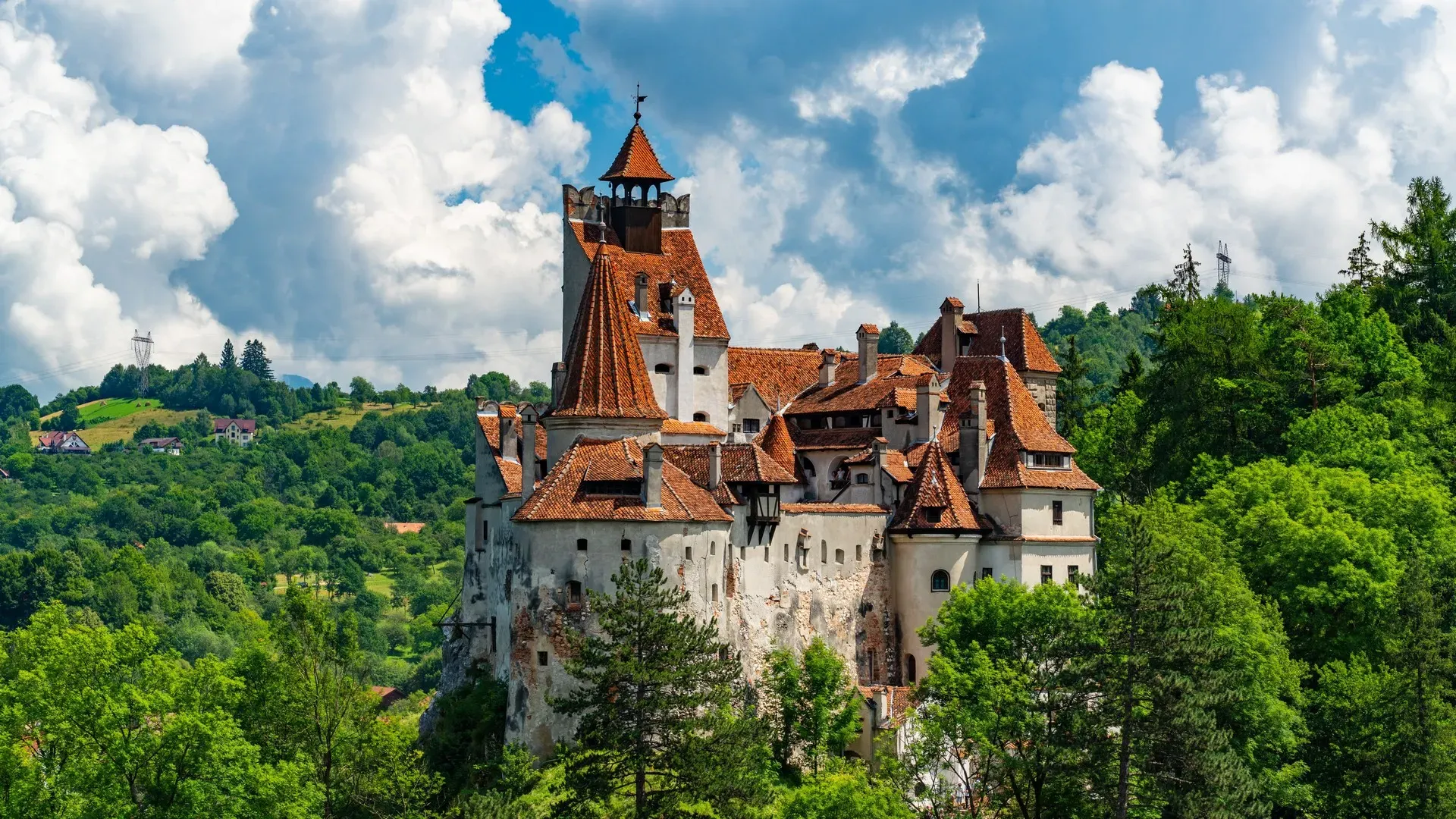
The imposing Bran Castle, which earned the reputation of the «Castle of Count Dracula», is one of Romania’s most important attractions. It is estimated that over half a million visitors pass through here each year(be prepared for queues and crowds). It stands on the border between Transylvania and Wallachia, near the village of Bran, 175 km. from Bucharest and 30 km. from Brasov. The castle was built in the 13th century by Teutonic Knights and today functions as a museum.
Set within an idyllic, leafy landscape, it features many rooms filled with antiques, an inner courtyard, and lookout points with impressive views. It’s worth noting that in reality Vlad Tepes never stayed at Bran- he likely used it as a base for his military campaigns.
It is believed that his true residence was the secluded Poenari Castle in a mountainous region of Wallachia. Legend says that Vlad captured the inhabitants of a neighboring enemy city and forced them to build this castle.After his death, the castle was abandoned, and in 1888 a landslide sent part of it into the Arges River. Today, it still stands, half-ruined, atop a hill, near the town of Targoviste. To visit it, youneed to climb 1462 steps. It’s worth the effort though, because the view from the top is one of a kind.
Brasov
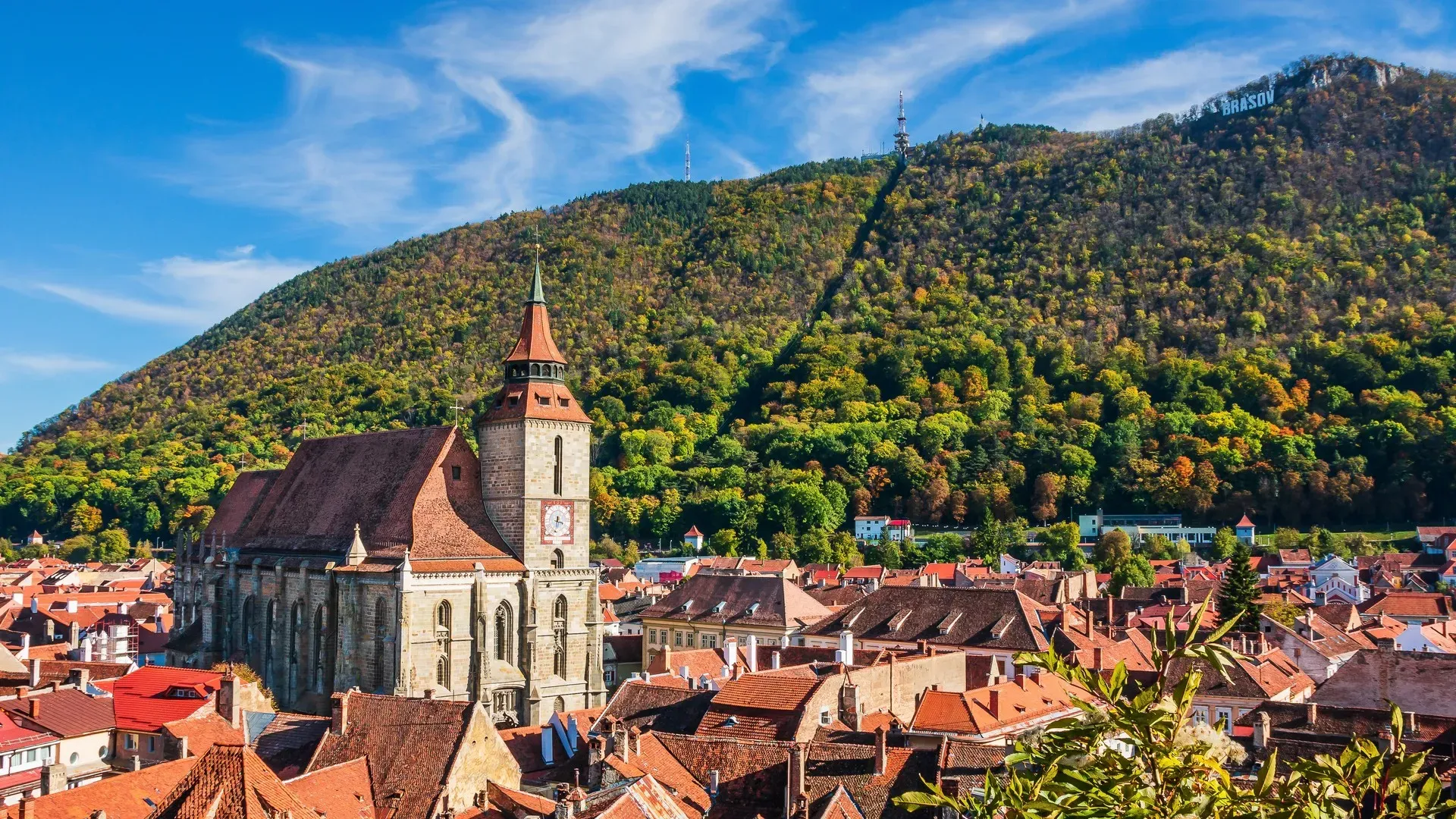
A short distance from the imposing Bran Castle lies Brasov, Romania’s seventh-largest city. It’s a city that buzzes with life and draws thousands of visitors. In the central Piata Sfatului square, the old Town Hall dominates, while an open-air market has operated here since 1364. Around it you’ll find the famed Black Church (the largest Catholic church in Romania in Gothic style), the Merchants’ House, and the Muresan family’s house-museum.
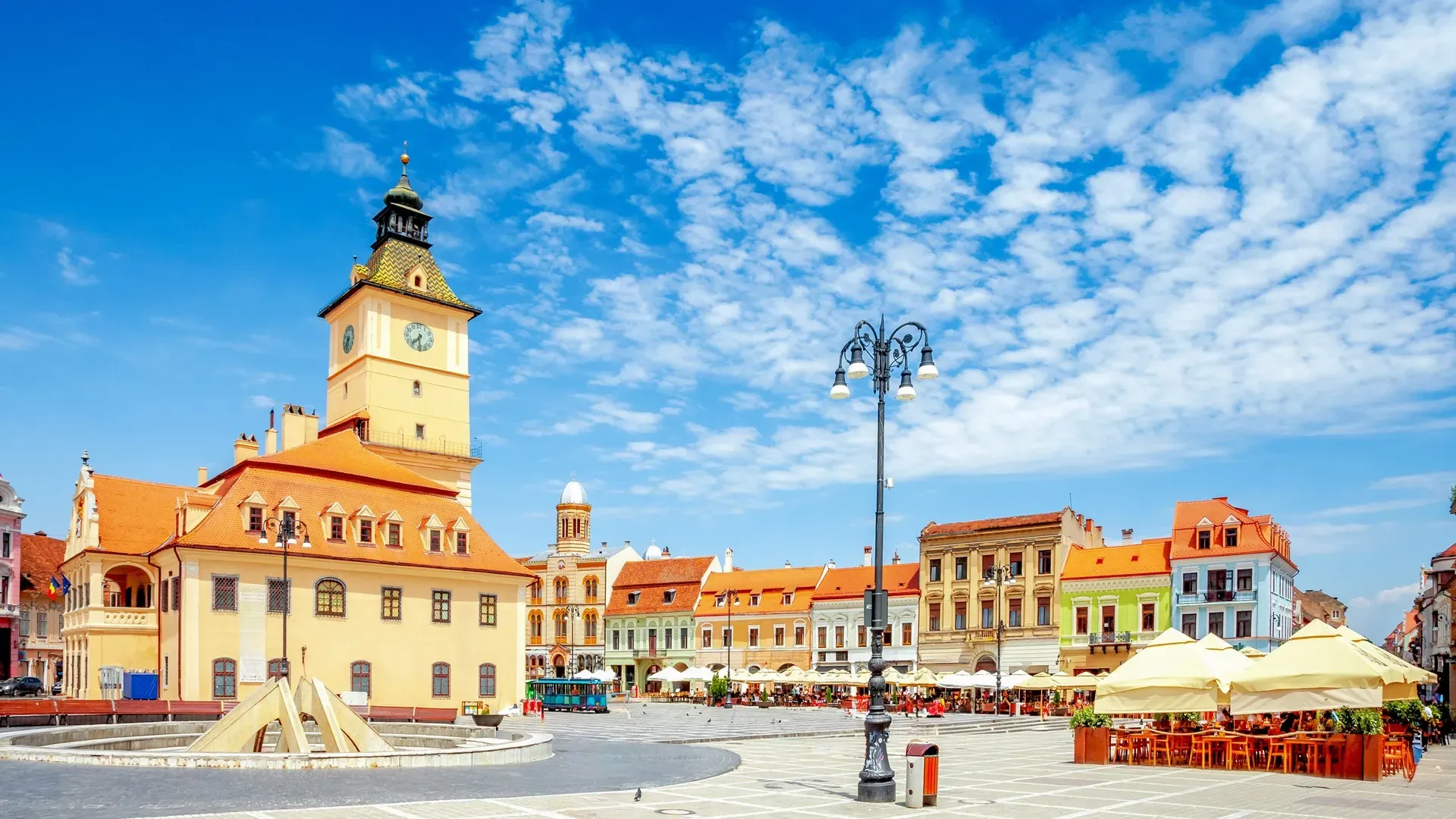
Charming cafés, modern restaurants, open-air markets with local products, museums and parks complete the scene. Want another reason to visit? The city lies very close to one of the region’s best-known ski resorts, Poiana Brasov.
Sighisoara
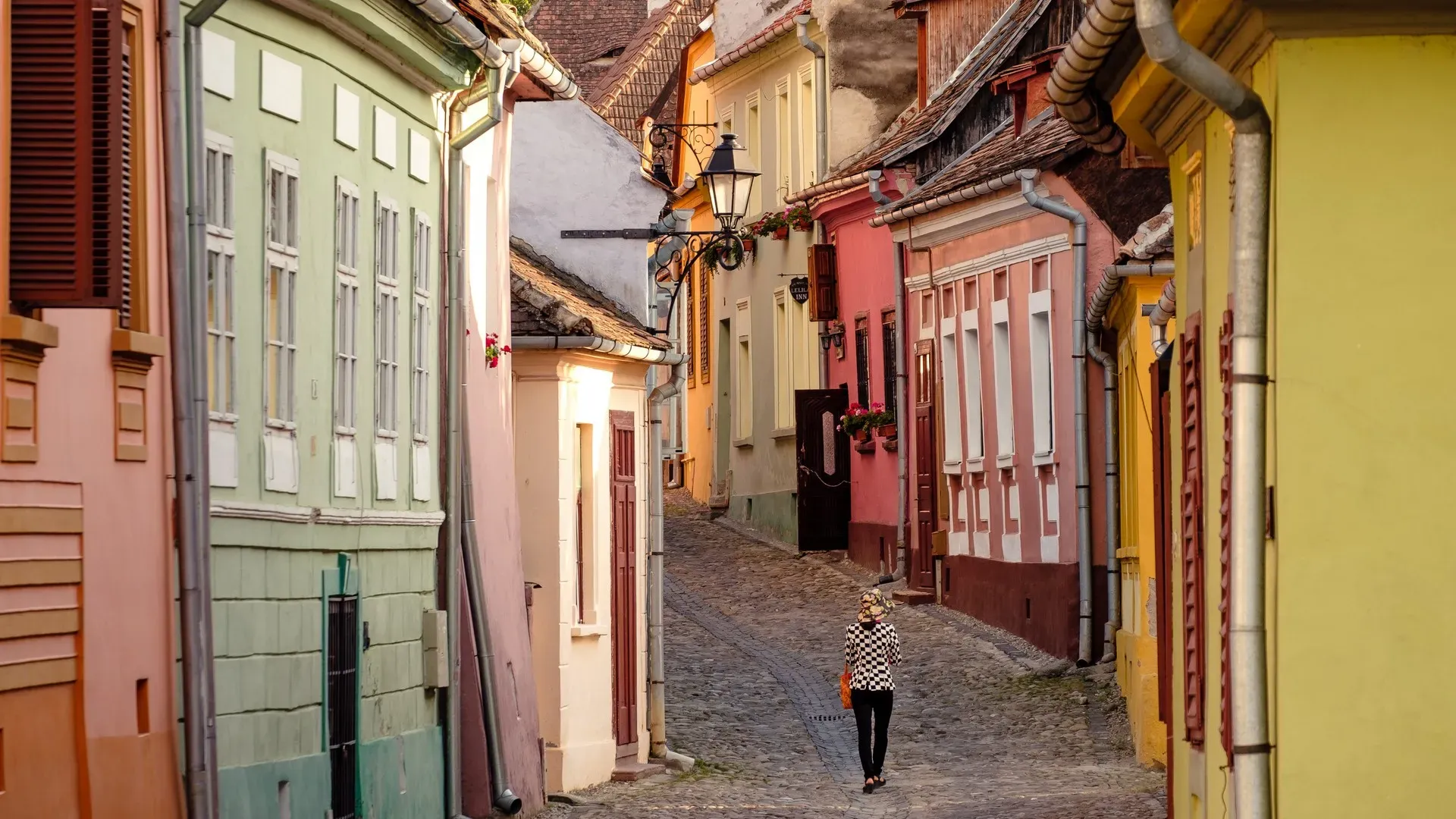
Sighisoara, a medieval town on the Tirnava Mare River in Mures County, is the birthplace of Vlad Tepes, the real Count Dracula (according to most sources). It is a popular tourist destination and stands out for its well-preserved walled old town, a UNESCO World Heritage Site. Cobbled lanes, colorful houses, towers, and ornate churches feel frozen in time. The house where Vlad was born and lived for a few years stands on Citadel Square, next to the Clock Tower. Today, the ground floor of the house is a restaurant, while the first floor houses the Weapons Museum.