





Andalusian spirit, Moorish palaces and rich flavors create the unique setting of Seville.
A journey through time, to the soundtrack of flamenco, a vibrant city of Spain bursting with color and history, Seville feels like it was lifted from a movie set. The capital of Andalusia and the Spanish south has its own character, a unique atmosphere, and architectural gems. The citys energy will sweep you away, and its landmarks, parks, squares, and local gastronomy wont leave you indifferent.
The iconic Plaza de España and Parque de María Luisa
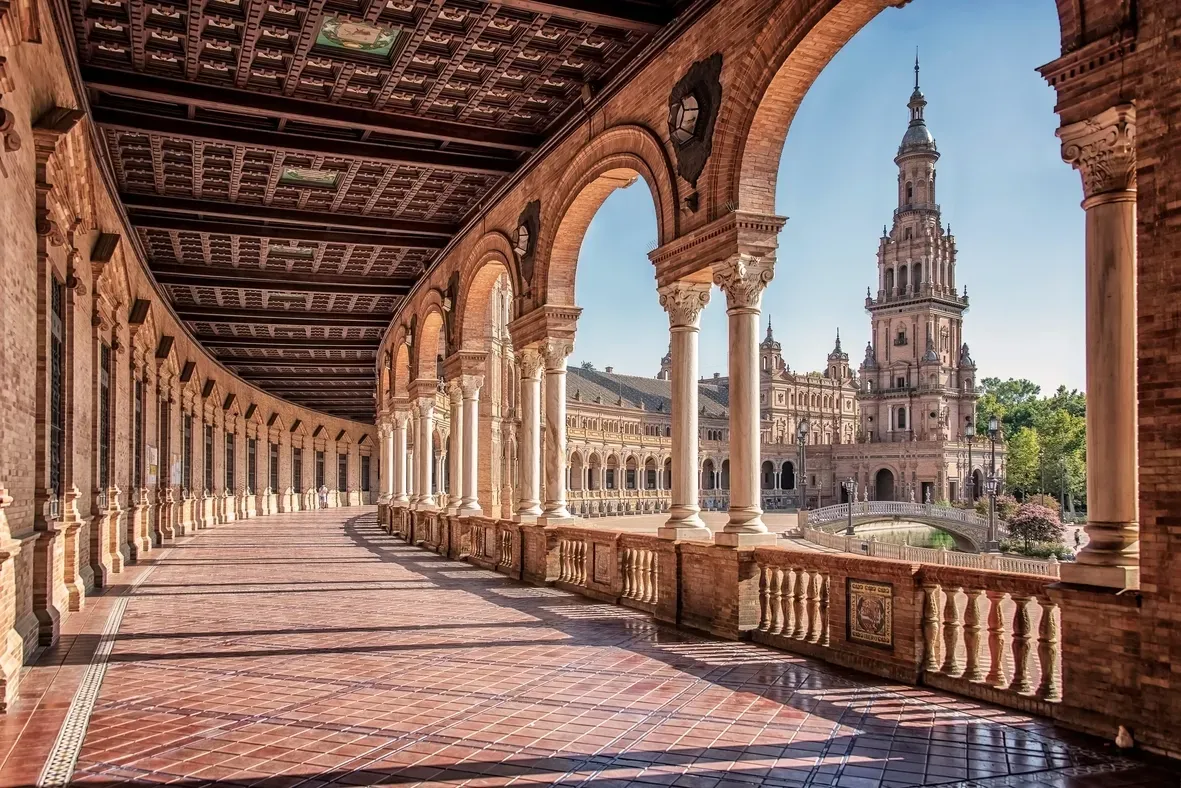
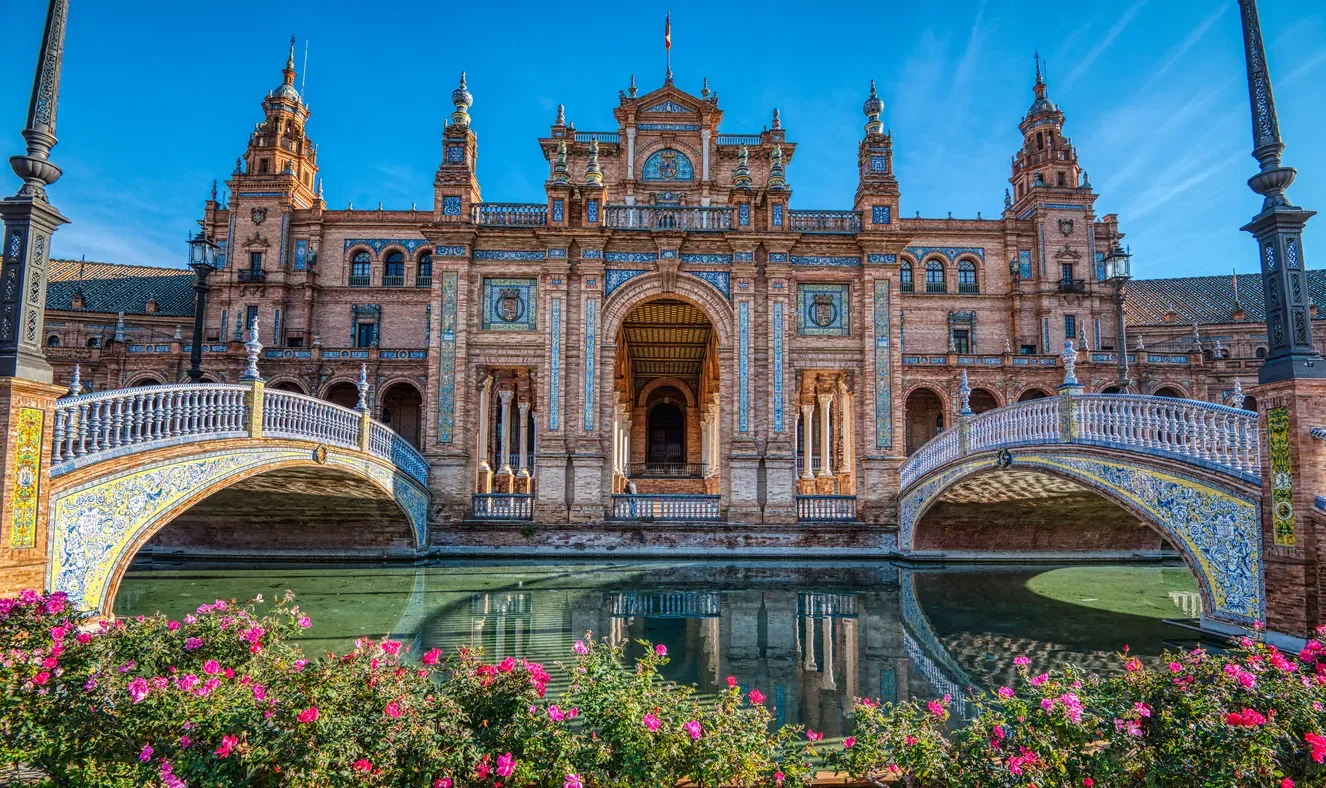
Sevilles jewel and one of Spains most imposing squares, Plaza de España is among the citys most iconic spots. Designed for the Ibero-American Exposition of 1929, it symbolizes Spains embrace with its semicircular form and the recessed benches that represent the countrys provinces. Its Renaissance architecture, bridges, and canals will enchant you, as will the striking ceramics crafted with the famed azulejo technique, traditional in Andalusia. Visit the square at sunset, when the buildings and tiles look even more spectacular in those hues.
Beside Plaza de España stretches the verdant Parque de María Luisa,Sevilles loveliest garden, a cool oasis in the heart of the city. Once the royal park of Duchess María Luisa, it was designed in 1893, with influences from Moorish and Renaissance gardens. Stroll along its paths among lily-topped ponds, exotic plants, and peacocks.
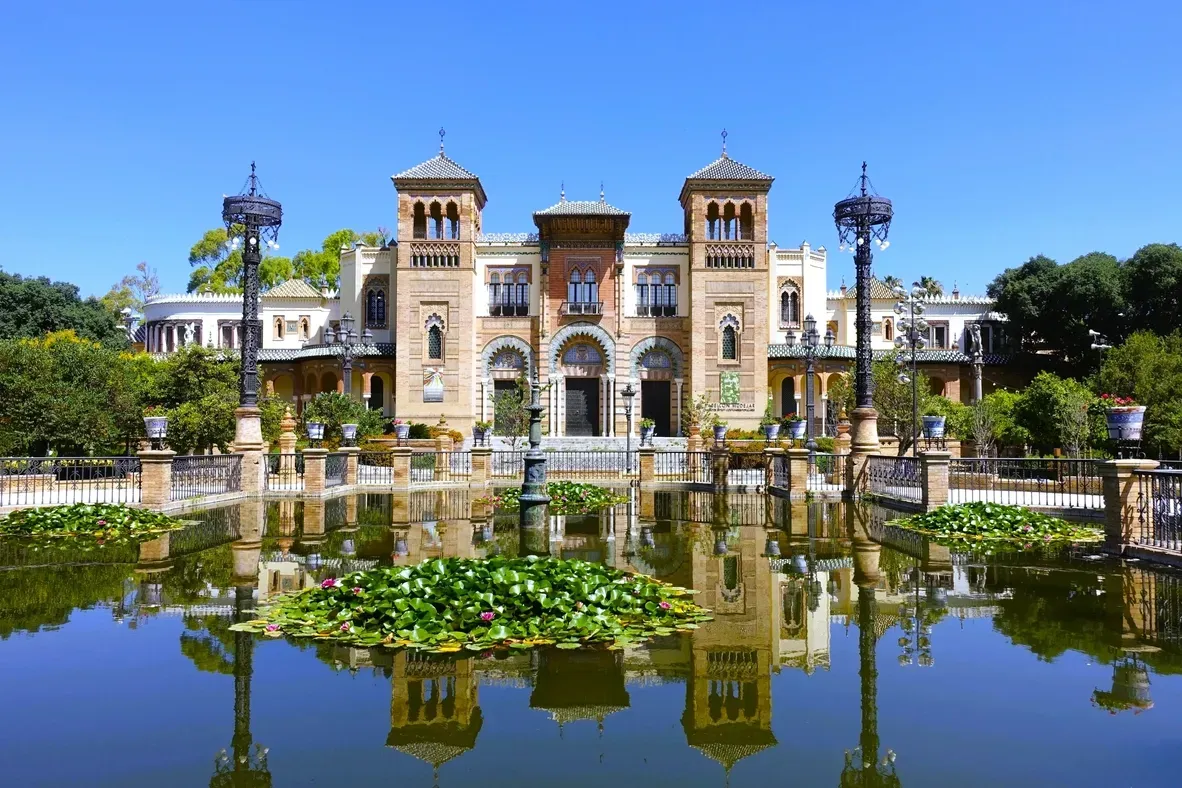
Within the park lies the aristocratic Plaza de América, a square distinguished for its architecture. It is flanked by three impressive buildings: the Archaeological Museum, the Museum of Popular Arts and Traditions, and the Royal Pavilion (Pabellón real). The buildings blend Neo-Moorish, Neo-Renaissance, and Neo-Gothic styles, creating a spellbinding setting.
Seville Cathedral and the Giralda Tower
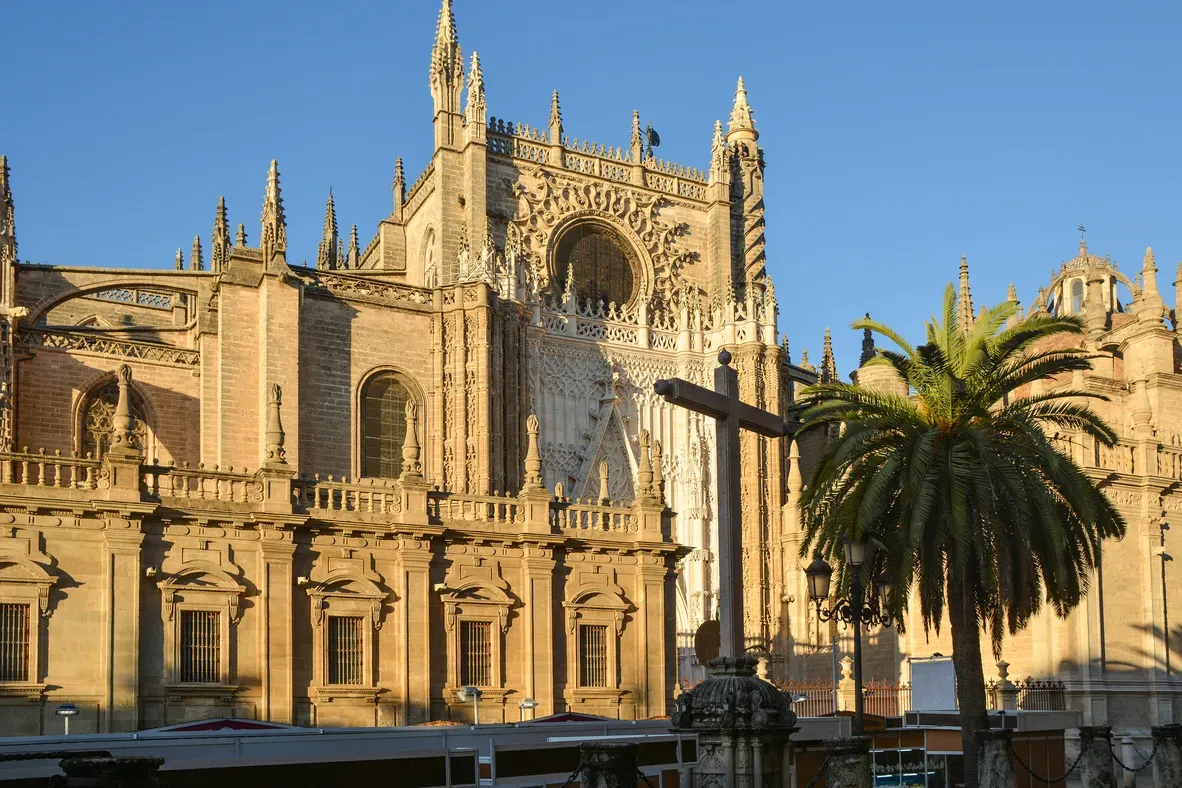
One of the citys most important sights is Seville Cathedral, or the Cathedral of Saint Mary of the See (Catedral de Santa María de la Sede), the largest Gothic church in the world. Built between the 15th and 16th centuries atop the remains of an old Muslim mosque, it impresses with its monumental altarpiece and opulent chapels. Here youll also find Christopher Columbuss mausoleum, where his remains are kept.
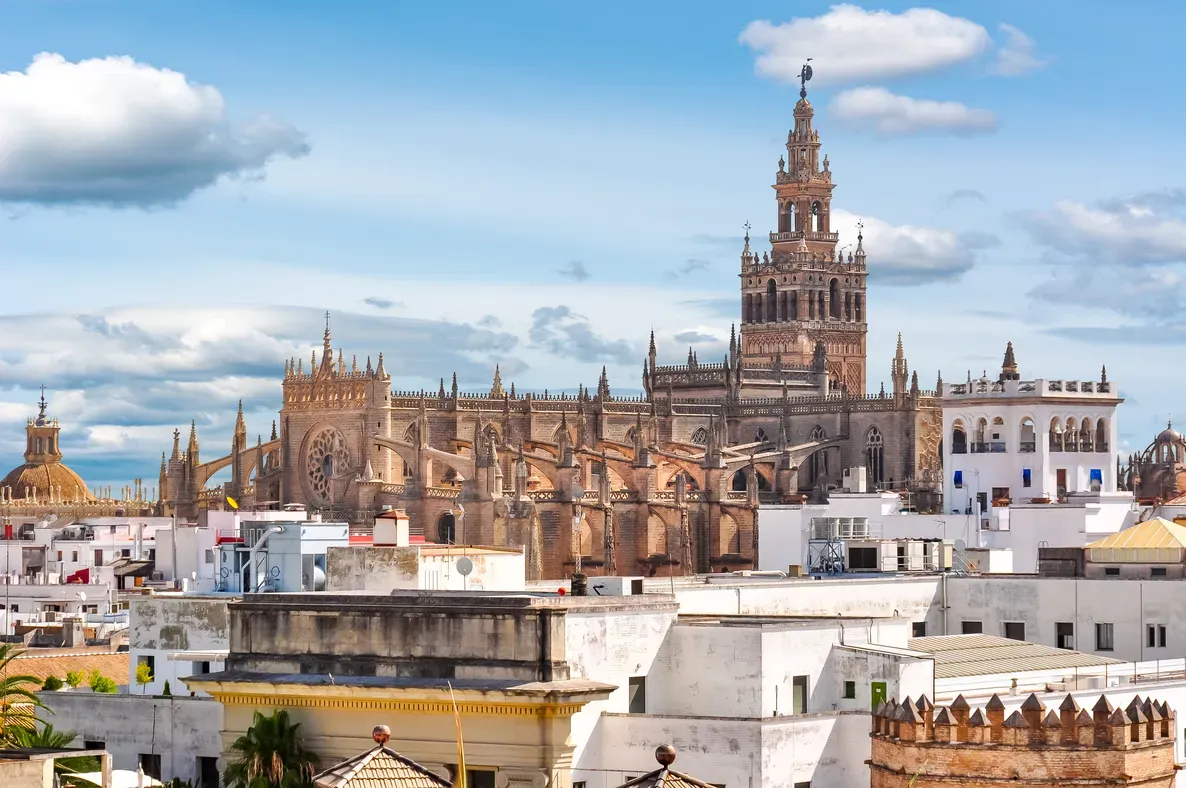
One of Sevilles defining landmarks is the Giralda Tower, beside the cathedral, which was originally the mosques minaret and since the 16th century has served as a bell tower. Rising 104 meters, it offers breathtaking panoramic views.
The Alcázar Palace
A true architectural jewel of Seville, the Alcázar Palace (Real Alcázar) is among the oldest royal palaces in Europe still in use. It began as a 10th-century Muslim fortress. Over the centuries it evolved into an impressive complex of royal buildings with Moorish, Gothic, Renaissance, and Baroque influences. The heart of the ensemble is the Palacio de Pedro I, with intricately decorated rooms, courtyards with fountains, and elaborate geometric motifs.
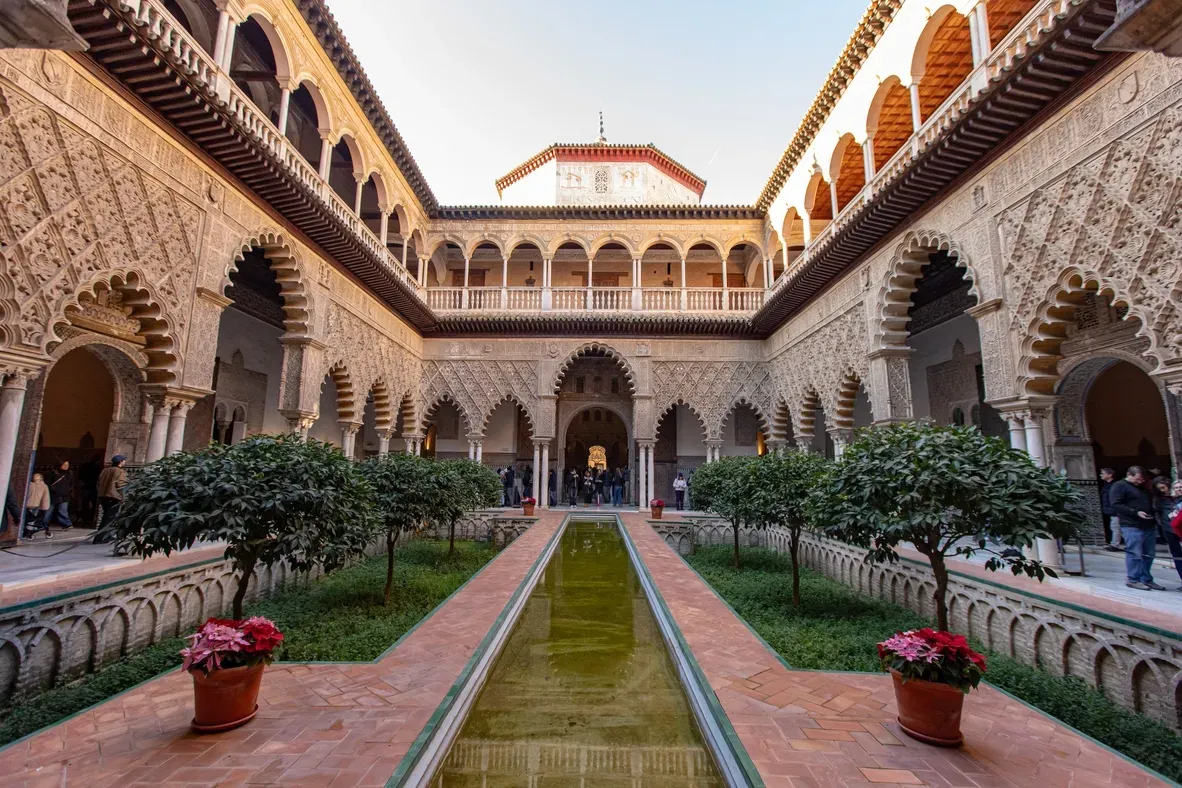
The gardens of the Alcázar create a serene backdrop with trees, diverse plant species, fountains, and pathways that will transport you to another era. If it already looks familiar, youll immediately realize it also became famous from the series Game of Thrones, where it was used as the palace of Dorne.
The charming Santa Cruz quarter
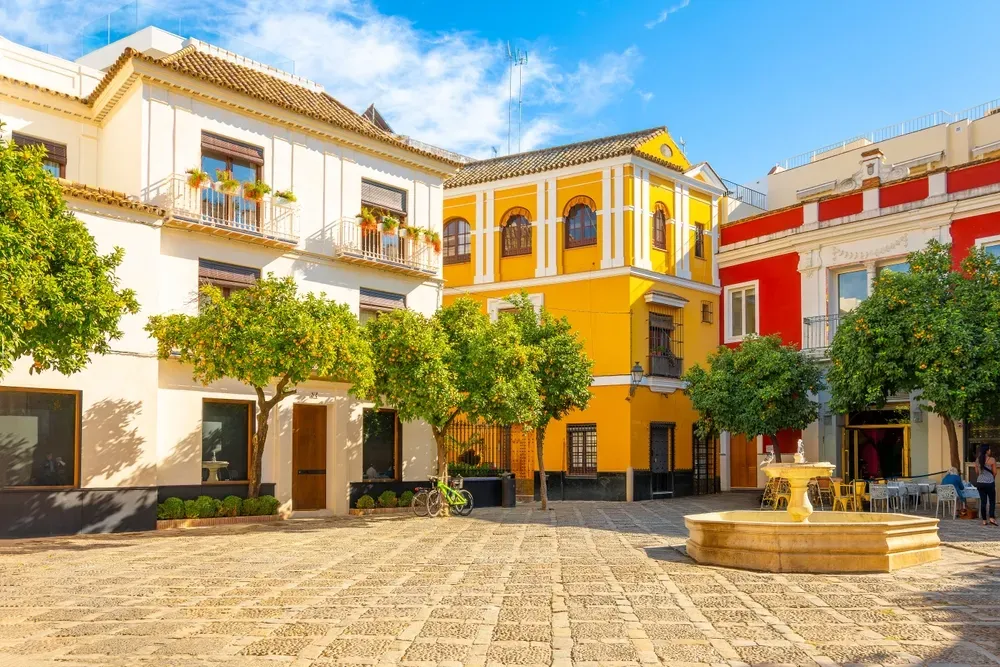
Next to the cathedral and the Alcázar, youll get lost in the narrow lanes of Santa Cruz, Sevilles old Jewish quarter. The pulse of the old town beats here, with whitewashed houses, tapas restaurants, and pretty squares such as Plaza de Doña Elvira with its orange trees. In the heart of Santa Cruz before the cathedral, Plaza Virgen de los Reyes impresses. At the center of the square stands an elegant Baroque fountain, ideal for starting your exploration of the city.
The contemporary Metropol Parasol
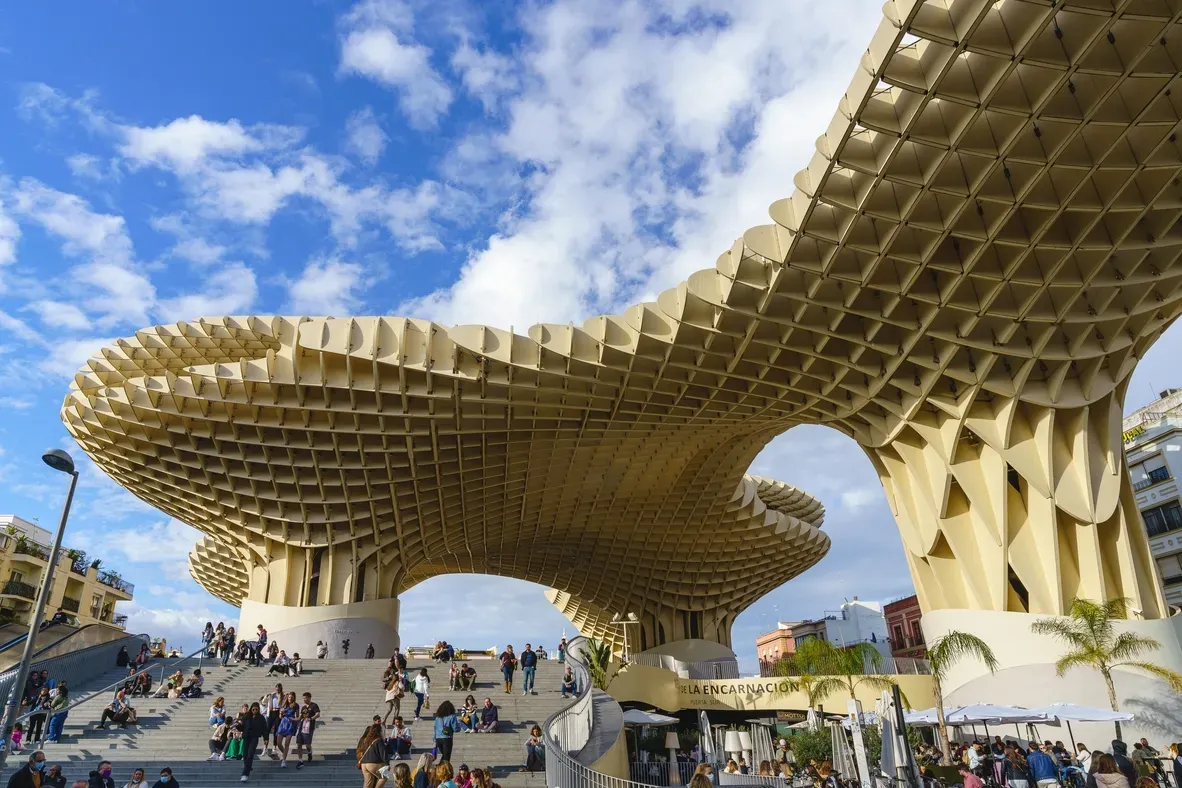
Lovers of contemporary architecture will admire Metropol Parasol, which dominates Plaza de la Encarnación, also known as Las Setas (the Mushrooms). This striking structure was designed by German architect Jürgen Mayer and completed in 2011. In perfect harmony with the citys old buildings, it is inspired by the vaulted forms of churches and functions as a shade structure and cultural space. In the basement youll find the Antiquarium, a museum with Roman and Arab finds discovered during its construction, while from the top youll enjoy panoramic views of the city.
The Golden Tower and the river
One of Sevilles most recognizable symbols along the Guadalquivir River is the Torre del Oro (Golden Tower). Built by the Moors in the 13th century with an original height of 36 meters, it formed part of the wall that protected the city from invasions via the river. Its name seems to come from the suns reflection upon it or, according to another interpretation, from its use for storing treasures from the Americas. Today, inside it operates the Naval Museum (Museo Naval), with exhibits related to Sevilles maritime history, while from its top the view stretches from the river toward the Triana neighborhood.
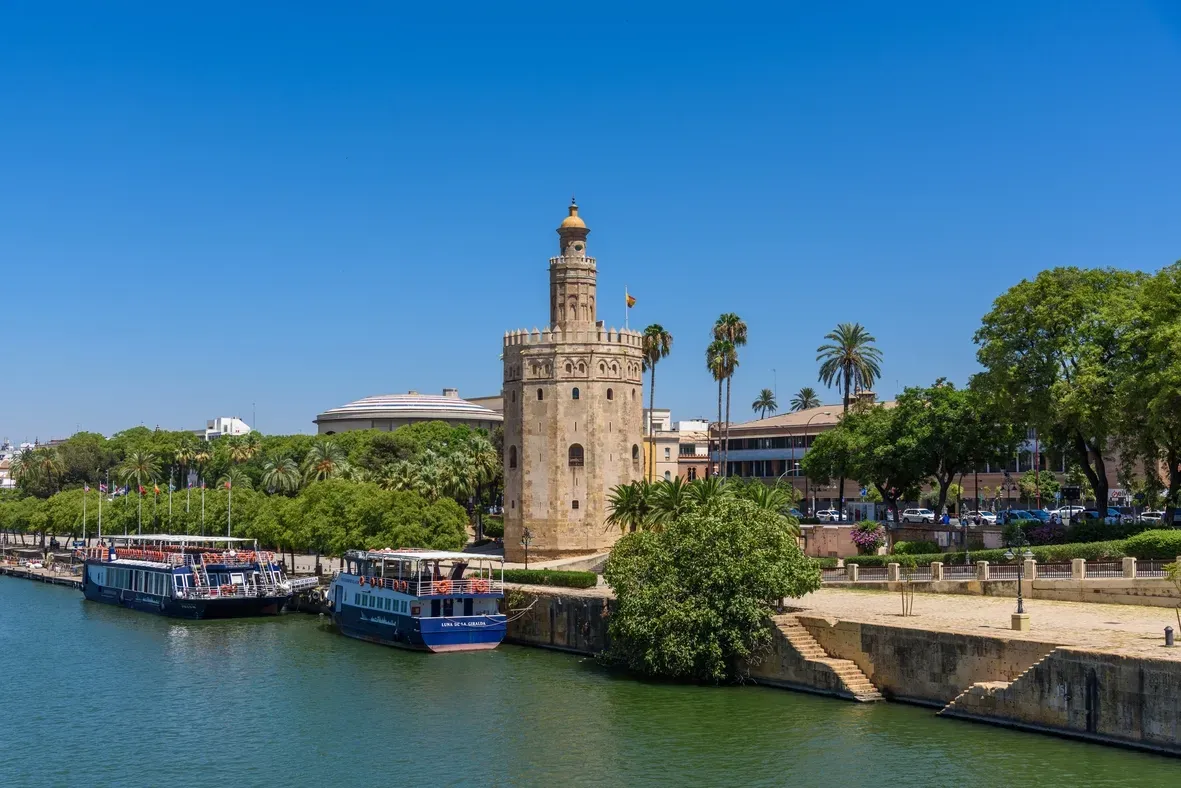
On the Guadalquivir River you can take a short cruise and see the city while sailing along it. Around the tower stretches Parque del Río, one of the most beautiful spots for a stroll in the city, with trees, a bike path, and cafés to relax.
The Monastery of the Holy Trinity
Another important monument, although relatively unknown to many travelers, is the Monastery of the Holy Trinity (Monasterio de la Santísima Trinidad). Its history begins in the 13th century, in the era of King Ferdinand III the Saint. The monastery is a representative example of Gothic and Mudéjar architecture, and inside it are preserved works of art and religious relics.
Authentic flamenco performances
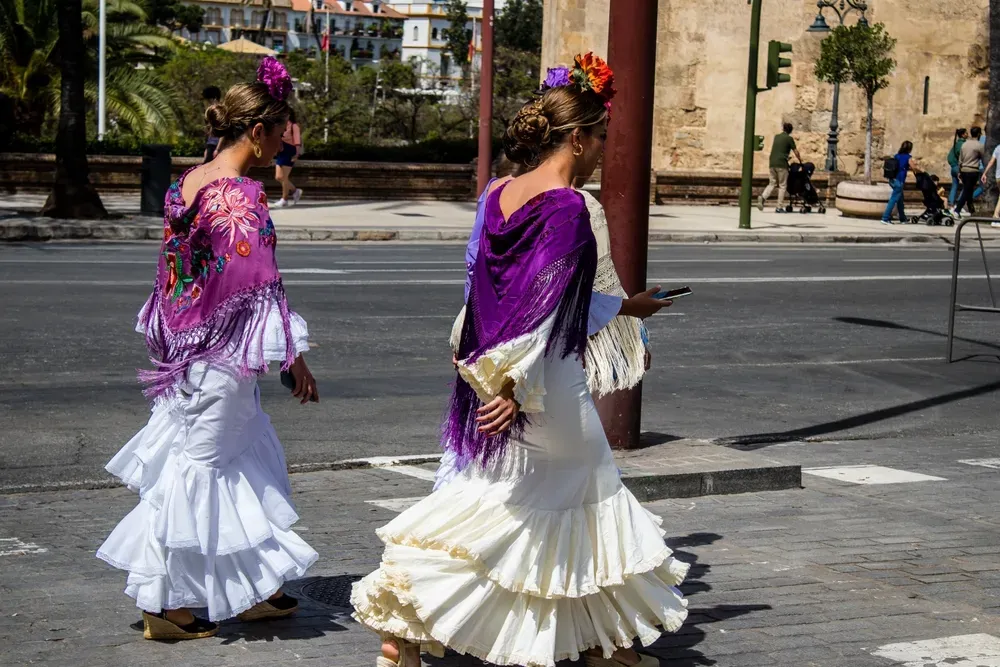
The best place in Spain to enjoy a flamenco show is Seville, its birthplace. Visit one of the traditional tablaos such as Casa de la Memoria and La Carbonería for a thrilling experience filled with music and dance. For dance lovers there is also the Seville Flamenco Museum (Museo del Baile Flamenco), a venue dedicated to the art of this historic dance, with performances and exhibits that present its history and evolution.
The spring celebration
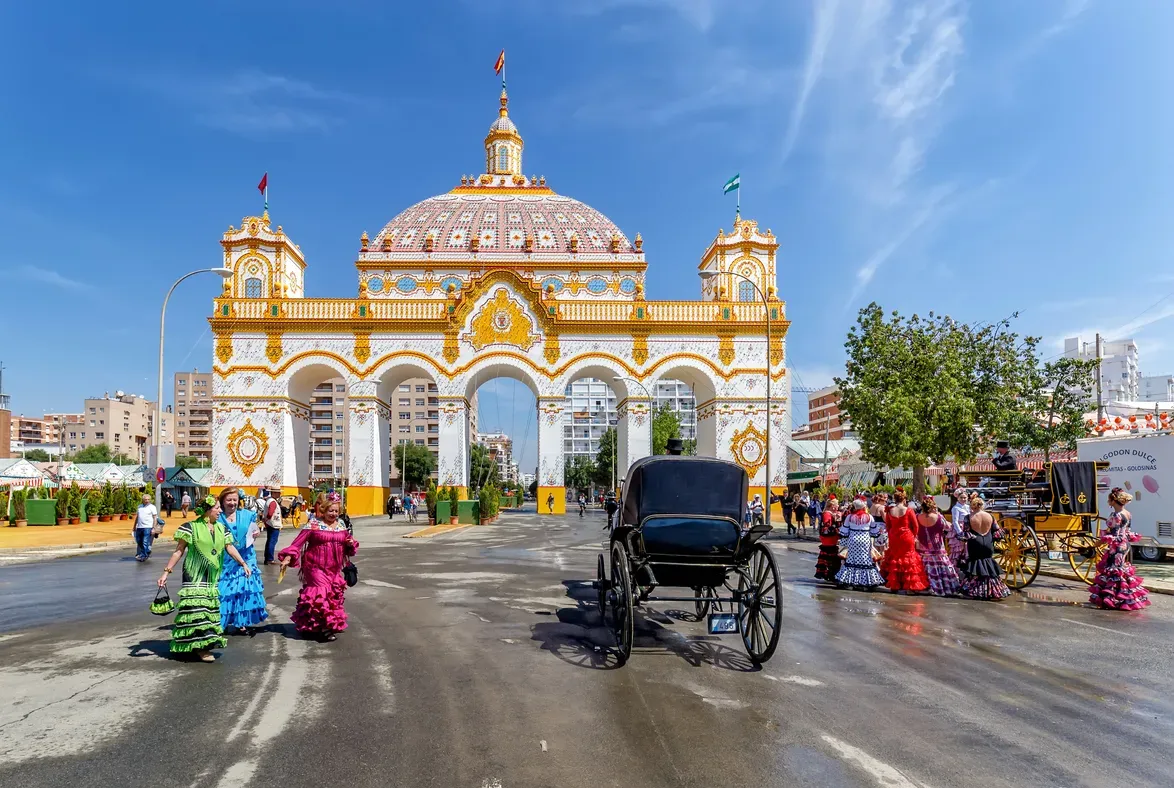
Spring is special in the city, as one of Spains most impressive festivals takes place there every year. The Feria de Abril is held on the riverbanks two weeks after Easter and lasts a week, transforming Seville into a colorful stage full of music and dance. Locals dressed in traditional Andalusian attire, carriages, and a festive atmosphere draw crowds of visitors annually to experience it.
The flavors of Andalusia
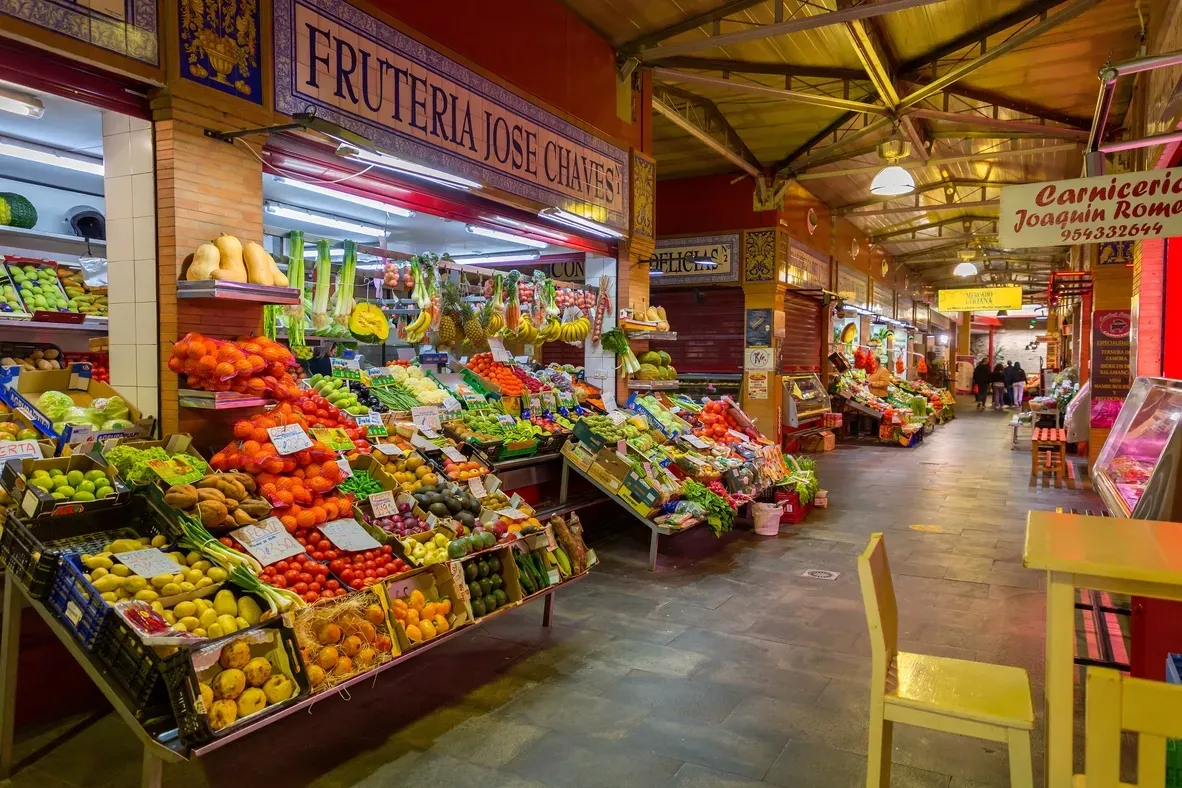
Sevilles gastronomy is influenced by Andalusias Arab and Mediterranean tradition, with tapas as a way of life. El Rinconcillo, the citys oldest tapas bar, has been operating since 1670 and serves beloved bites. La Azotea, La Tienda Tapas also serves authentic flavors such as jamón ibérico. At the open-air market Mercado de Triana youll find everything and can sit at the little tables to eat and sip your wine, as in the former fish market Mercado Lonja del Barranco, where youll find flavors from the country and all over the world.