





With history, sights and impressive architecture, Maltas capital, Valletta, is the ideal escape for 48 hours.
Sun-drenched and cinematic, Valletta is a destination that will surprise you. The capital of Malta, known as Il-Belt in Maltese, blends culture, history and nights out in a unique way. The endless sea views and strolls through the alleys, tasting tours and musical evenings, are just a few of the things you can do in 48 hours in Valletta.
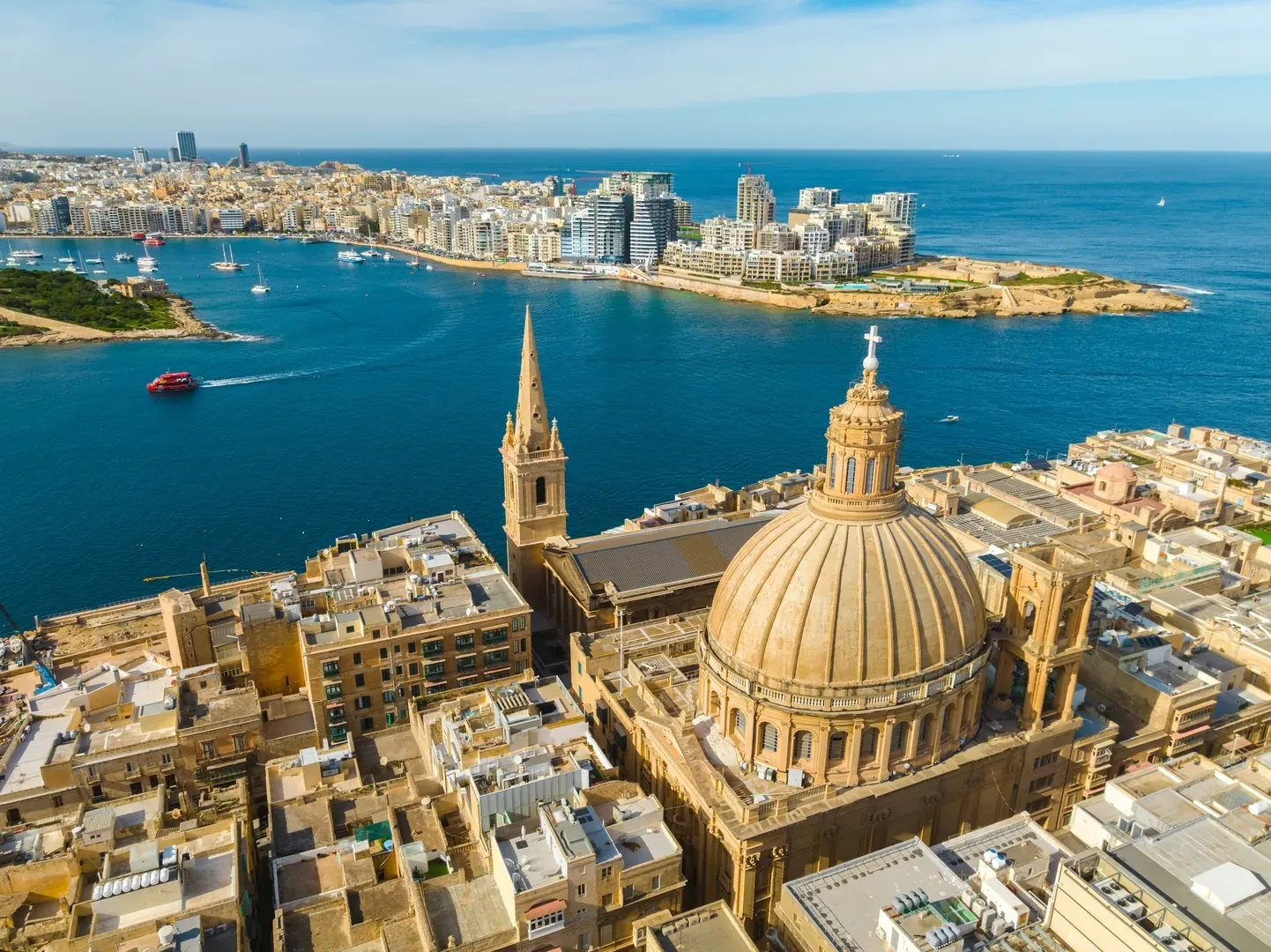
Explore the sights of the medieval city, walk the cobbled lanes and admire Maltese architecture with Venetian influences and colorful windows. The city took its name from Grand Master Jean Parisot de La Valette and has been officially recognized as a UNESCO World Heritage Site.
Valletta City Gate
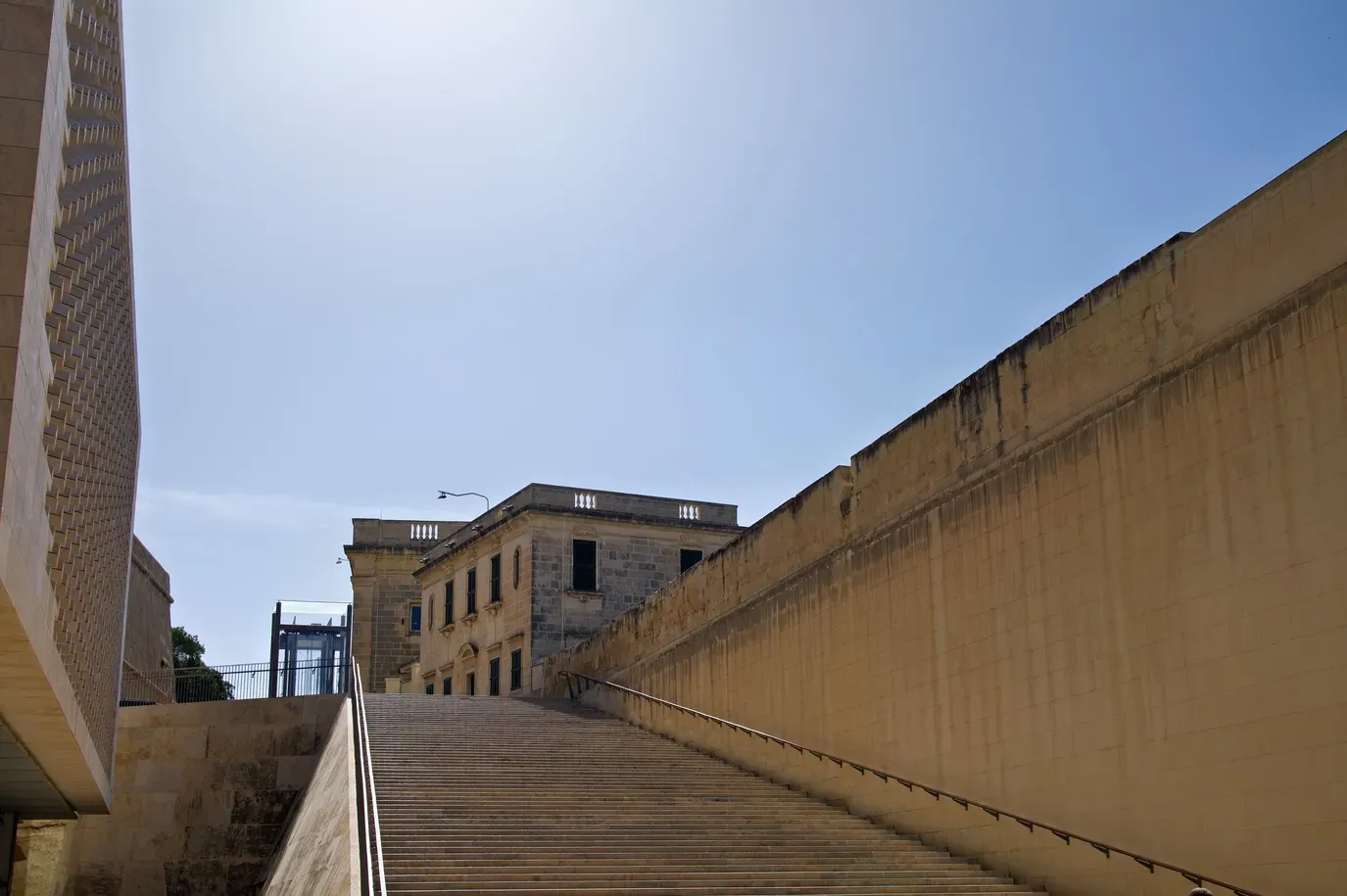
At the entrance to the city stands the imposing Valletta City Gate. It is the fifth to stand at this spot since 2014, designed by the famous Italian architect Renzo Piano. Nearby you will come across the Triton Fountain, one of the citys landmarks.
The Cathedral and the Grand Masters Palace
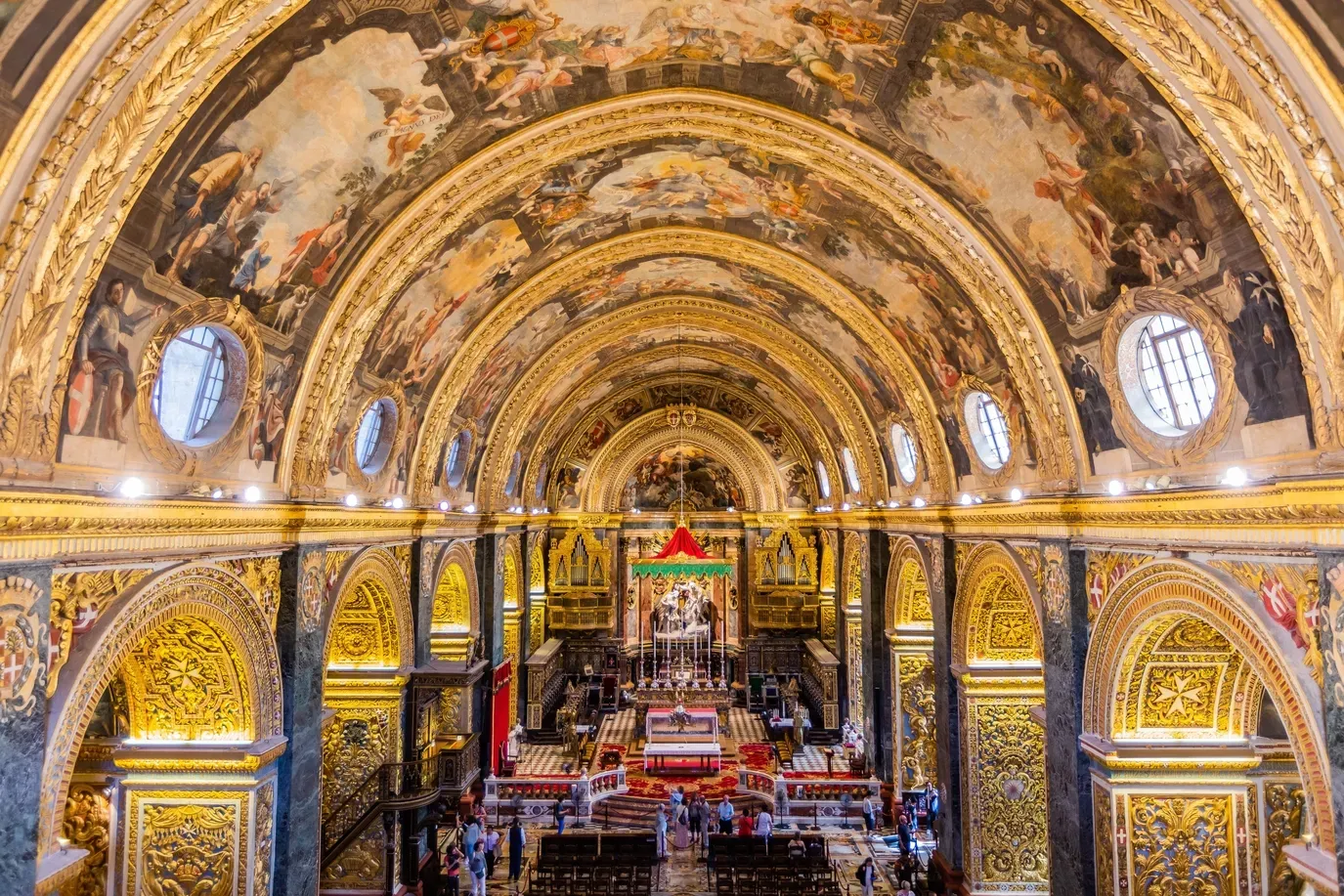
Walking along Republic Street you will reach St Johns Co-Cathedral, a Baroque masterpiece from 1578. Admire works by European artists such as Caravaggios famous painting The Beheading of Saint John the Baptist.
Close to the cathedral is the Grand Masters Palace with its courtyard, one of Vallettas most impressive buildings. In the 16th century it was the residence of the Grand Masters of the Order of St John, and today it houses the Presidential Palace and the Parliament of Malta. The collection inside includes original armor and weapons of the Knights.
The Museums
National Museum of Archaeology
The National Museum of Archaeology is housed in a 1571 building, the former historic residence of the Knights from Provence, Auberge de Provence. It is renowned for its prehistoric collection, as well as later exhibits from ancient Roman times and the Middle Ages. Learn all about the countrys history and dont miss the iconic work The Sleeping Lady, considered a masterpiece of prehistoric art.
MUŻA Museum of Fine Arts
A knights palazzo from 1760 has been transformed into a Museum of Fine Arts. It presents a wide variety of Maltese and European art, with works from the Renaissance to the 20th century.
Casa Rocca Piccola
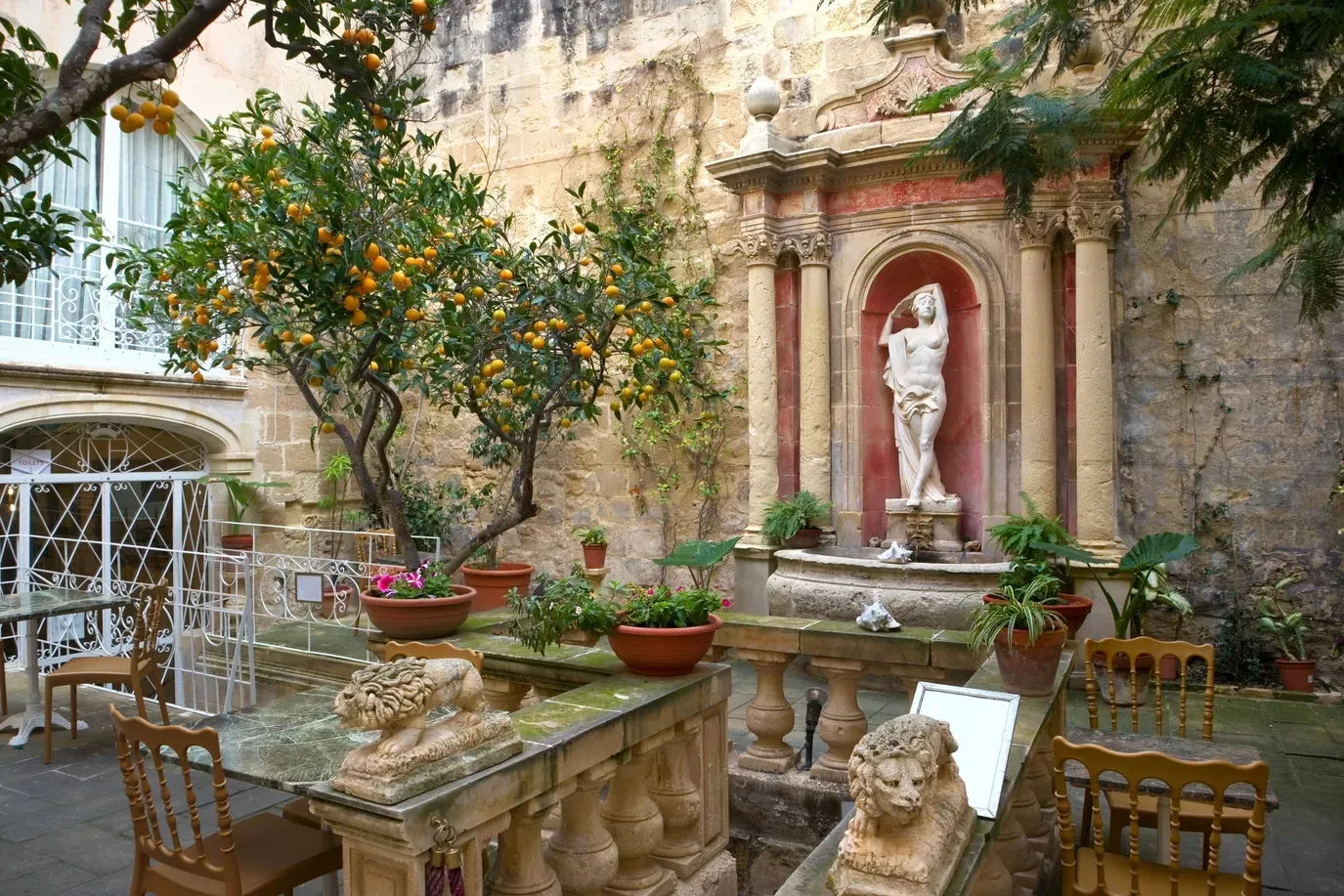
Among Vallettas palaces, Casa Rocca Piccola stands out. In the 16th century it was the residence of a Maltese noble family with over 50 luxurious rooms, and this is reflected in its present-day appearance, with the objects and décor of that era. Its impressive garden, with statues, also stands out.
Strolls in Valletta
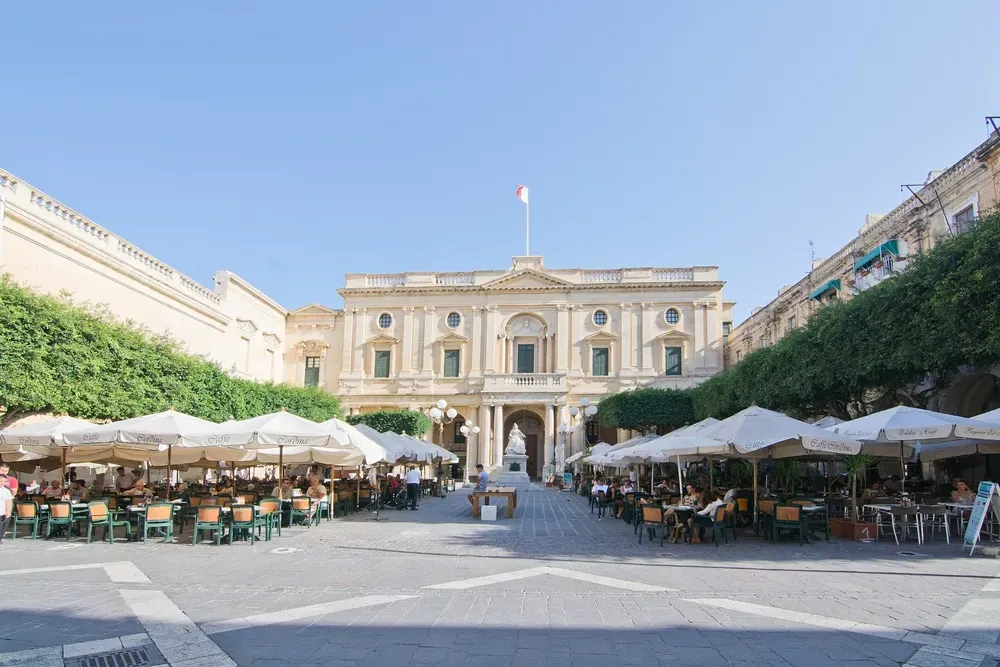
Feel the citys pulse by walking its narrow alleys and discovering its little secrets. Strait Street is the liveliest and most historic road, known as "The Gut”, which was once full of clubs. Today youll find bars and restaurants where you can sit outside at their tables. Shop from the small stores all around for handmade products and souvenirs, and take photos by the red London telephone boxes and in lanes with views of the colorful traditional enclosed balconies. One of the citys most beautiful buildings is the National Library on central Repubblika Square. You can visit it and see up close the vast collection of books it houses.
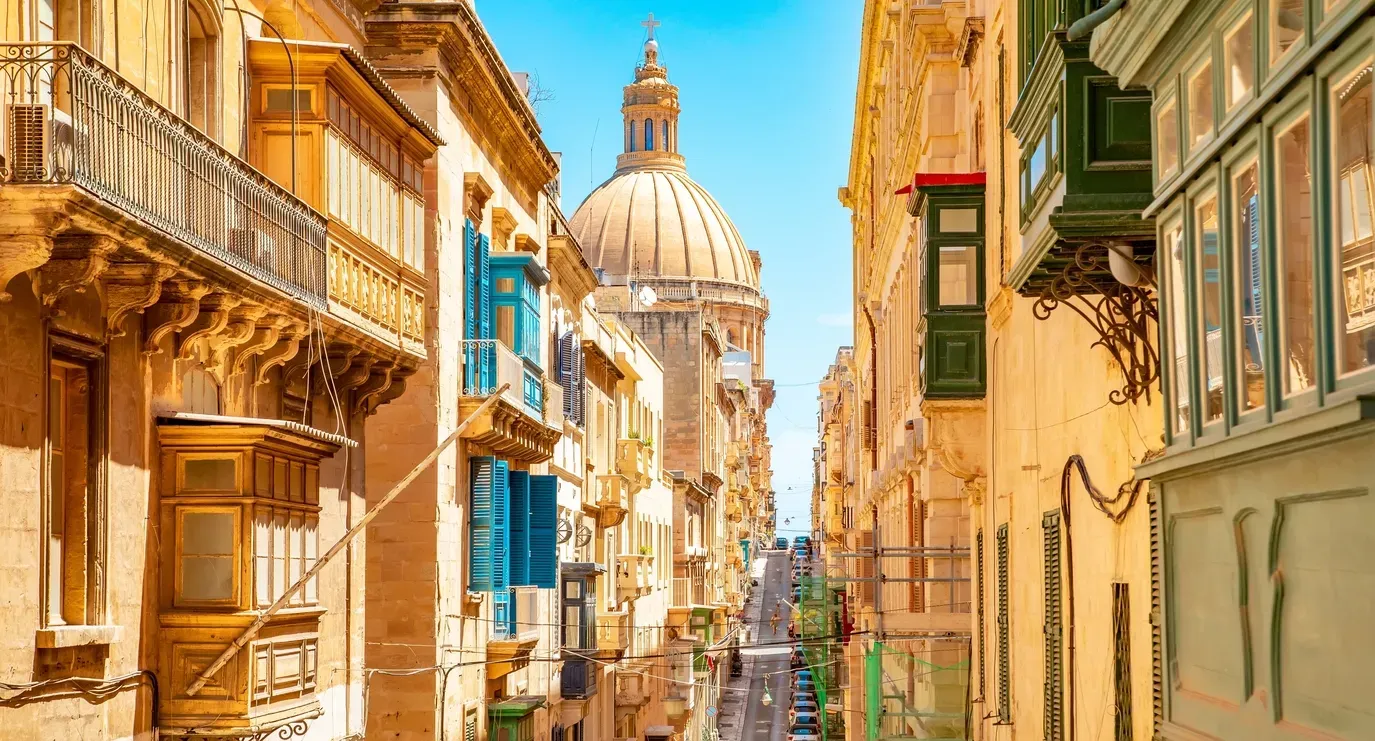
Basilica of Our Lady of Mount Carmel
The Basilica of Our Lady of Mount Carmel, a Roman Catholic minor basilica dedicated to Our Lady of Mount Carmel, is a hallmark of the city, its dome visible from the lanes. It was rebuilt after World War II, preserving the marble floors and the icon of the Virgin.
The Upper and Lower Barrakka Gardens
With panoramic views of the Grand Harbour and the Three Cities, wonderful plants and flowers, the Upper Barrakka Gardens are among the most beautiful spots for a stroll, especially before sunset. The Monument to Sir Alexander Ball, with a classical Greek character, dominates a central point of the Lower Barrakka Gardens, dedicated to the British admiral, Maltas first Civil Commissioner.
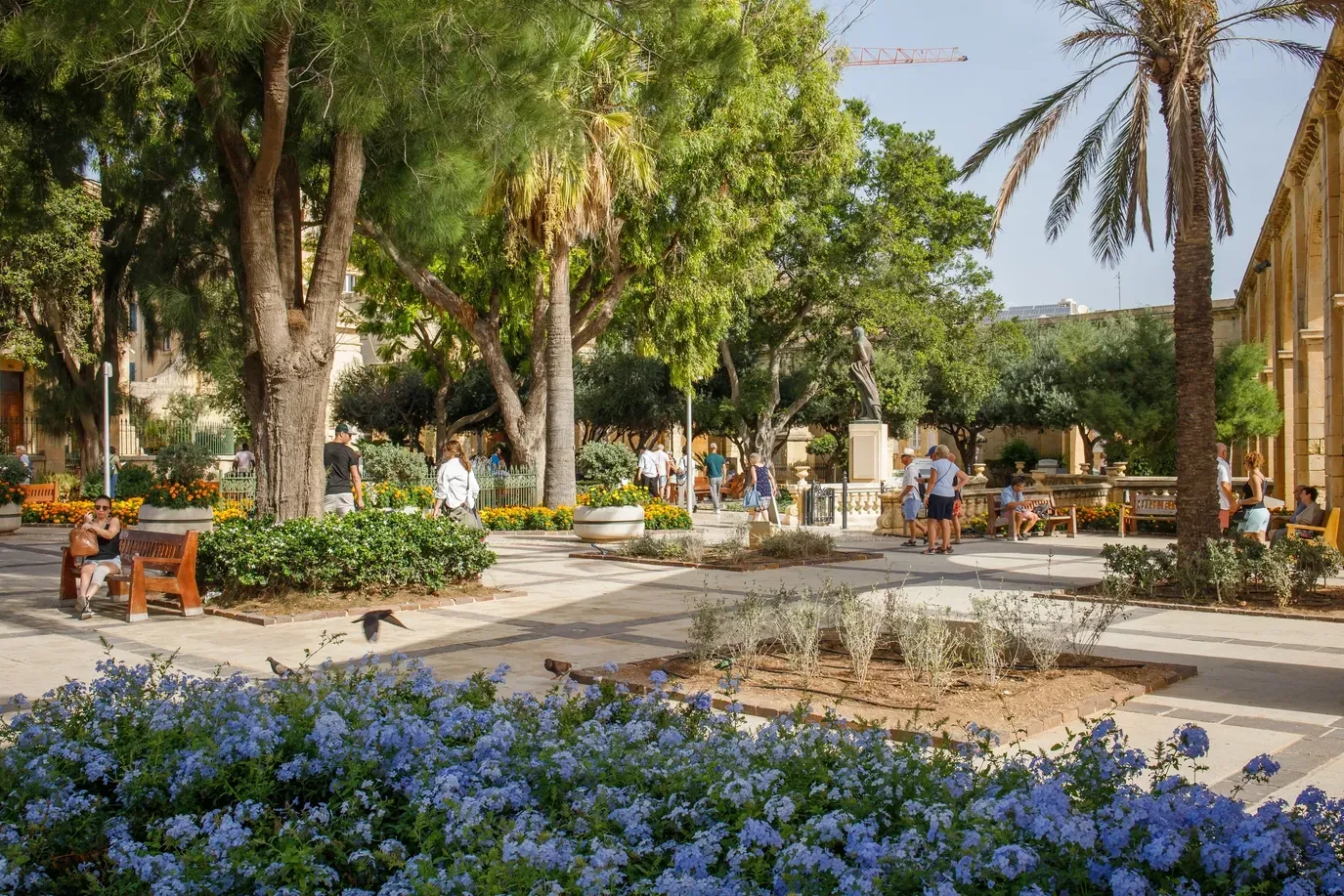
In the gardens every day at 12:00 and 16:00 there is a cannon salute re-enactment by the Saluting Battery. A little further down is the Siege of Malta Memorial during World War II (Siege Bell War Memorial) with colonnades, a huge belfry and views of the Grand Harbour.
The Grand Harbour and the Fortress
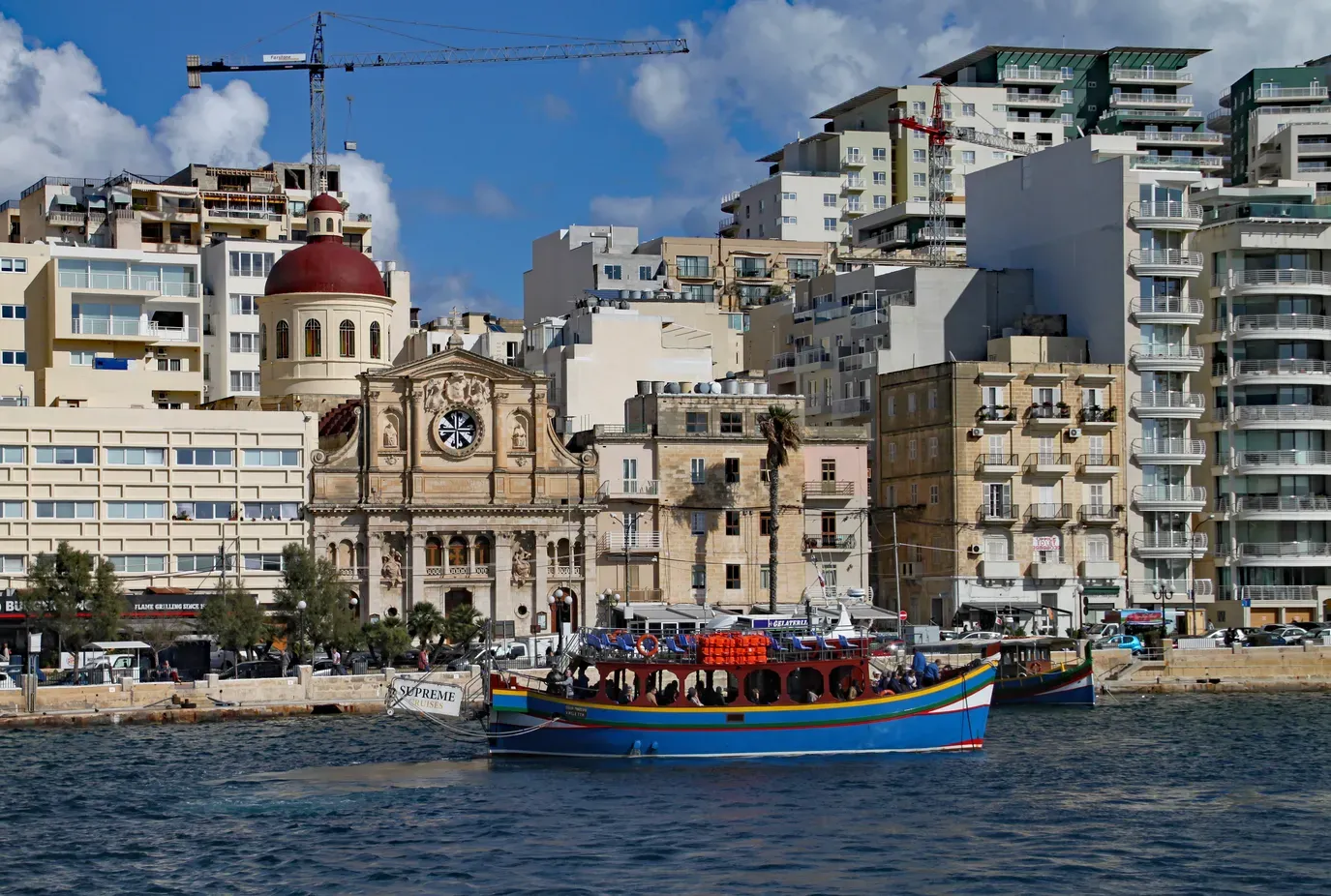
The Grand Harbour has been in use for over 2,000 years. The fortified harbor is Maltas main maritime gateway and buzzes with life throughout the day. Take a cruise that will let you see from afar the city walls and historic buildings, such as the Prixkerija, the old fish market that reveals life in the city many years ago.
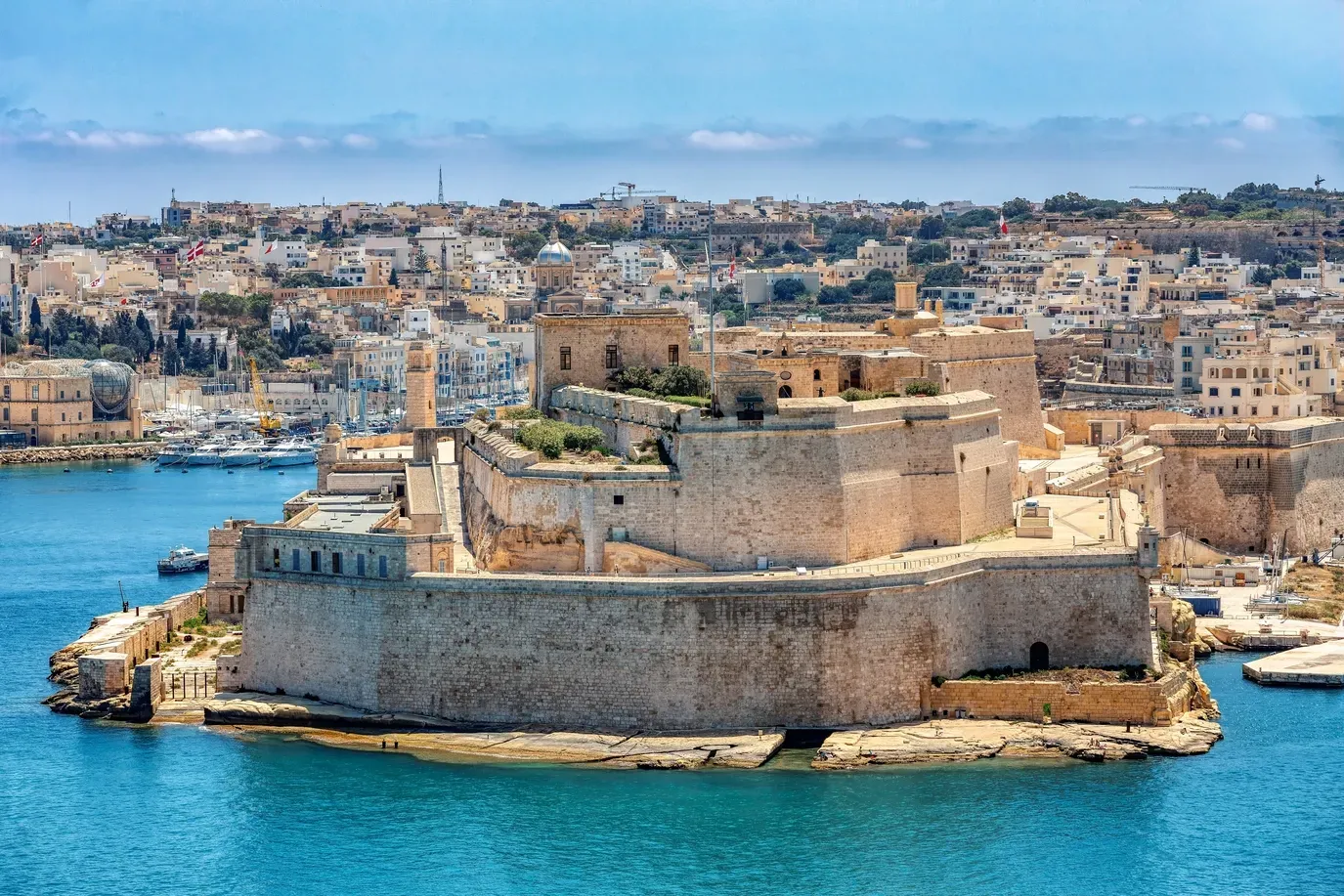
At the edge of the city towers Fort St. Elmo, the stronghold that guards the entrance to the Grand Harbour. It played a decisive role in the 1565 siege and today houses the National War Museum, with significant exhibits from World War II and the Great Siege.
The Three Cities
Your urge to explore will lead you to sea excursions. Right across from Valletta, like a postcard, the Three Cities come into view: Birgu (Vittoriosa), Senglea (Isla) and Cospicua (Bormla), offering an authentic glimpse of Maltese life.
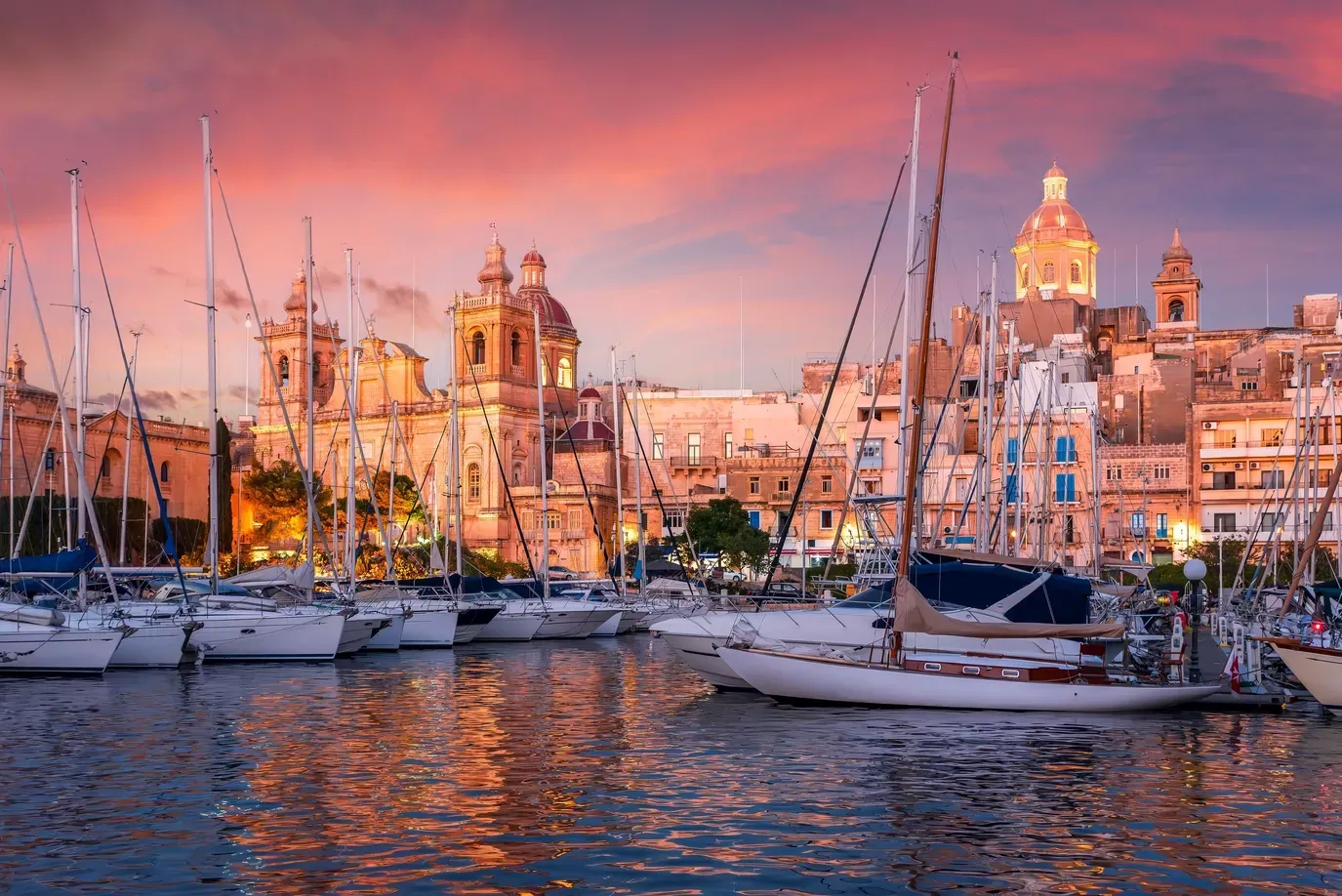
Hop aboard a traditional Dgħajsa Ferry, the little boat that will take you across in a few minutes. Devote at least one day to exploring the Three Cities so you can see the main sights and truly get to know each of the three.
Going out in Valletta
In Valletta you wont be short of restaurants, cafés and bars. One of the citys oldest spots is Caffe Cordina. Try pastizzi, the traditional pastries filled with ricotta or mashed peas, and sweet cannoli. At Rubino, the historic restaurant with Maltese cuisine, taste the famed local rabbit stew, while at The Harbour Club you can enjoy aljotta, the areas fish soup.
Maltese cuisine shows strong influences from Italy, so pizzas and pasta abound. Try the authentic pinsa with Maltese sausage at Sotto Pinsa Romana Valletta and the pasta at Zero Sei Trattoria Romana.