





Hiking the trail theIncasfollowed to reach Machu Picchu is a once-in-a-lifetime experience.
Inca Trail, the most famous and celebrated trek in Latin America in Peru, in the Andes mountain range. It is a hiking path that theIncasfollowed in the 15th century to reach the sacred acropolis of Machu Picchu.The views of the Andes’ snow-capped peaks, the cloud forests, and walking through the ruins of Inca settlements create a mystical, unforgettable experience. Every year, thousands dare to climb the steep paths, defying danger and fatigue.
To reach Machu Picchu you must climb to 4,200 m from the starting point, which is at 2,700 m, and then descend to Machu Picchu at 2,700 m, covering a total of about 54 kilometers. Since most of the trail is at high altitude, those interested in following the Inca Trail would do well to arrive in Cusco two days before the ascent to give themselves time to acclimatize. Besides, Cusco is a fantastic city to explore. Altitude sickness is at best unpleasant and at worst can be fatal.
First day
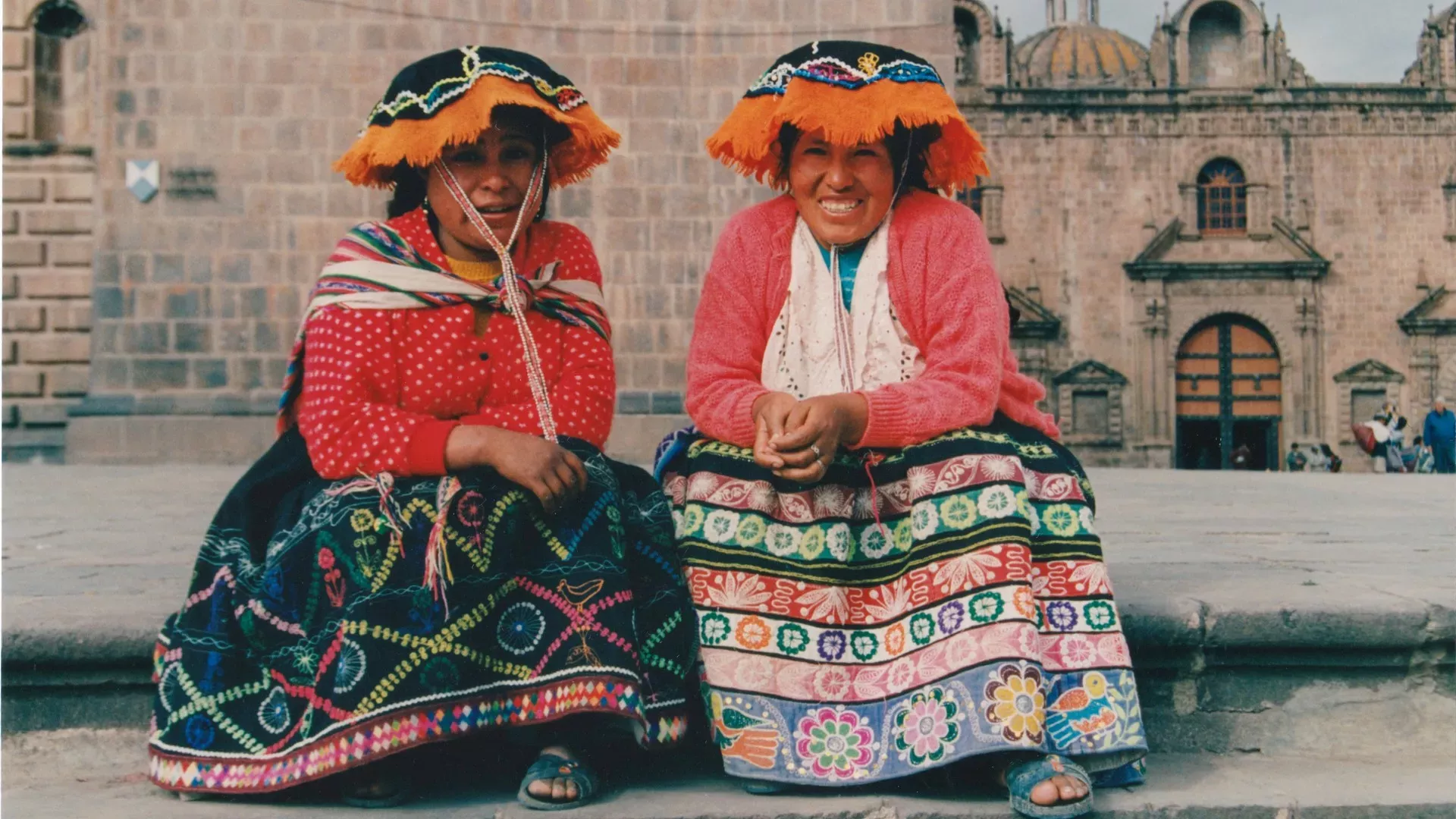
Its 6 in the morning. I step out onto Plaza des Armas, in the ancient Inca capital, Cusco, to wait for the mini bus from the agency I booked for the Inca Trail. Dawn has already broken and a rosy hue has spread across the small city end to end. The square, apart from a few Peruvian women with babies on their backs, is almost empty. In a little while a van arrives. Our group is 10 people from different countries. We head to the village of Chilka. We stop for supplies. Water, cereal bars, coca leaves, and anything else essential. We continue to KM82 (82 kilometers from Cusco), which is the starting point for the Inca trail. After passports are checked by government officials, we’re ready to set off. We take our places and vamos to Machu Picchu.
At the start of the route we cross the Urubamba River via a suspension bridge and continue along an easy three-hour section with views of the surrounding mountains, including the snow-covered Veronica, and many Inca ruins, such as the large settlement of Qoriwayrachina in the Ulabamba valley. This settlement functioned as an administrative center and checkpoint for those passing along the path to Machu Picchu.
We take a short break after three hours of walking to wander the settlement’s stone paths and admire above all the circular enclosures where religious ceremonies were held. We rest for a while with a cup of tea and then begin the ascent until we reach the area of Waylabamba at 3,000 m.
On our way we come across, on a steep mountainside, the ruins of Llactapata with impressive level terraces used for cultivation. We reach Waylabamba after three hours of difficult ascent. We could have camped here, but since the area is considered dangerous due to robberies, we continue for another two hours of climbing until we reach camp Tres Piedras Blancas. By the time we reached the tents it was already dark. A big fire and a huge teapot were enough to relax us.
Second day
Todays climb to the highest point of the Inca trail, the Warmi Wanusqa pass (4,200 m), is considered the most difficult part of the route, not only because of the steep gradient but also because of hypoxia due to altitude. It’s no coincidence, our expedition leader tells us, that “Warmi Wanusqa” in the language of the Incas (Quechua) means “dead woman.” We scramble up the mountain through a dense cloud forest. The ascent is so steep it takes your breath away. We’re forced to make many stops, drinking water and chewing coca leaves to combat the fatigue.
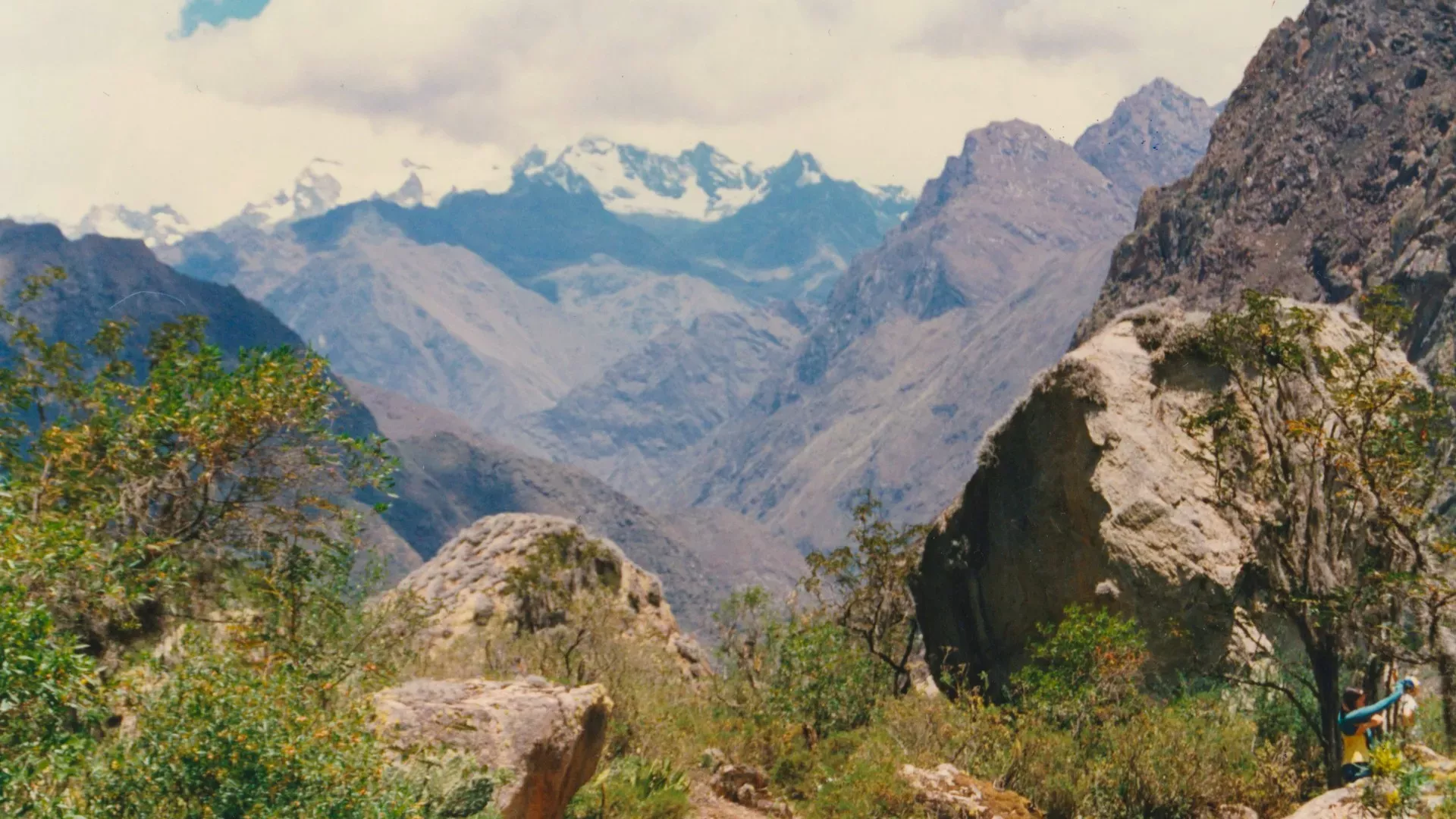
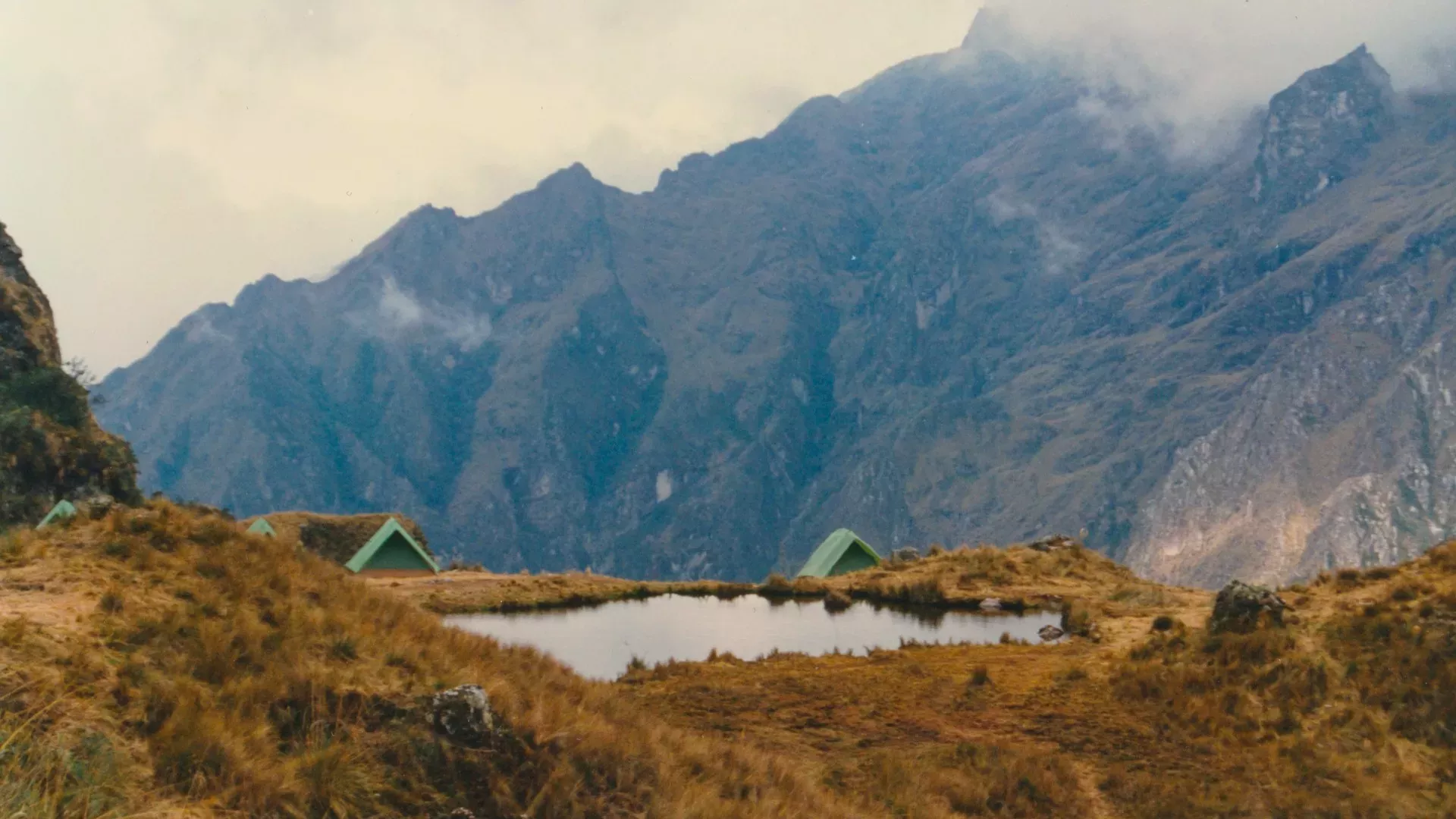
After five hours of climbing we reach the top. The sight before us makes it all worthwhile. The atmosphere is crystal clear. We’re on a flat area with two small lakes. In the distance we see the snow-clad peaks of the Vilcambaba Cordillera of the Andes, while far below a gorge opens, crossed by the Racamayo River. On the opposite side, a few meters above the river, we can make out the ruins of the Runcaracay settlement, our next target. We take a deep breath and begin the descent along a narrow path leading to the Racamayo River.
We cross a wooden bridge and begin to climb, reaching the ruins of the Runcaracay settlement at 4,000 m. An archaeological site that was a rest and resupply station for the messengers who went to Machu Picchu. Resupply stations were vital throughout the Inca Empire, as they carried important messages. We continue to the next settlement, Sayamarca, at 3,580 m. We arrive after two hours.
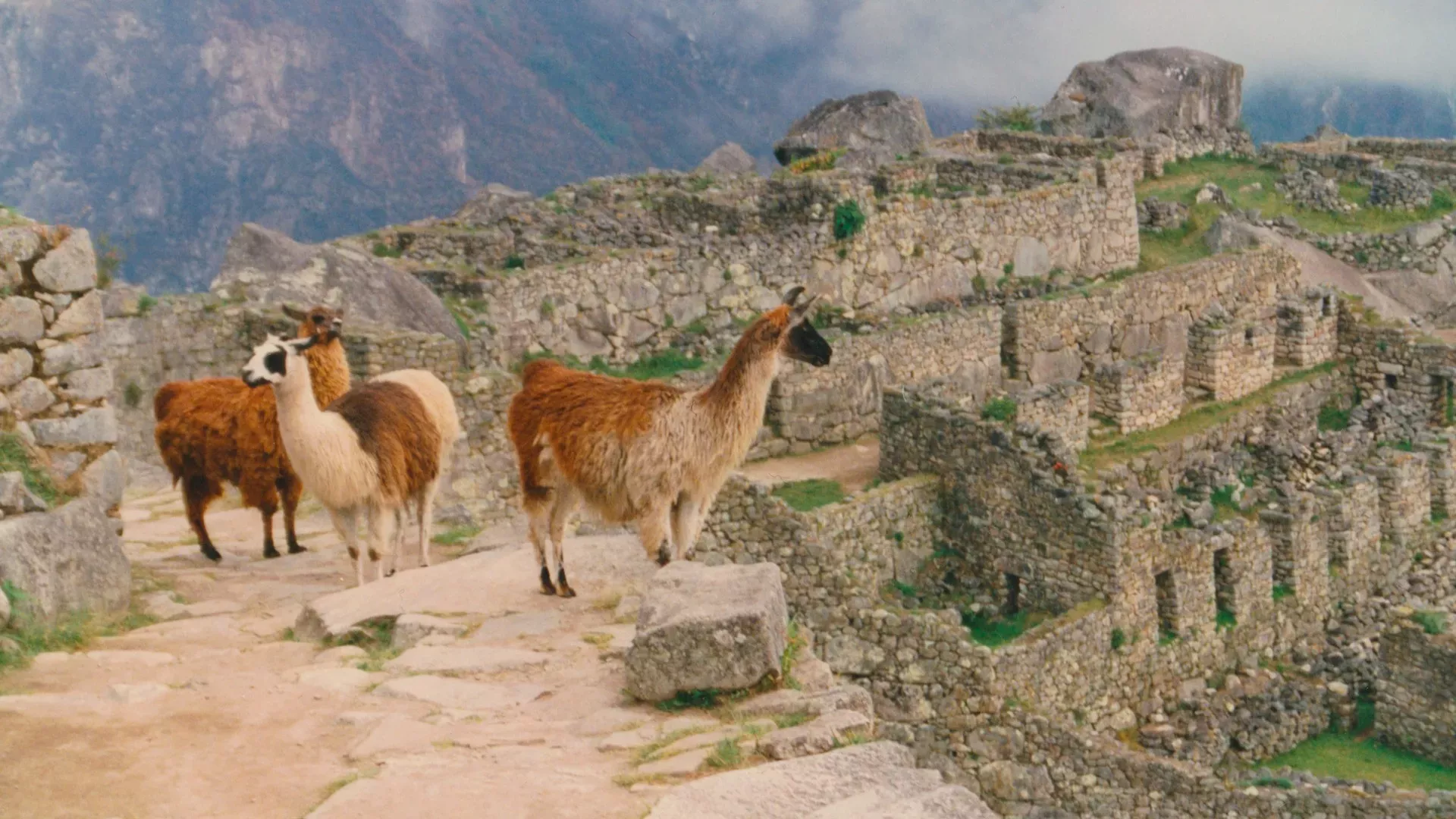
To enter the ruins we must climb 98 stone steps. The complex is divided into two parts: the Temple of the Sun and the residential section, a labyrinth of narrow corridors. We admire the ruins and the mountain views and then follow the trail until we meet the Aobamba River. We camp here. We’re so tired that no one speaks at dinner. We eat quickly and go straight to sleep.
Third day
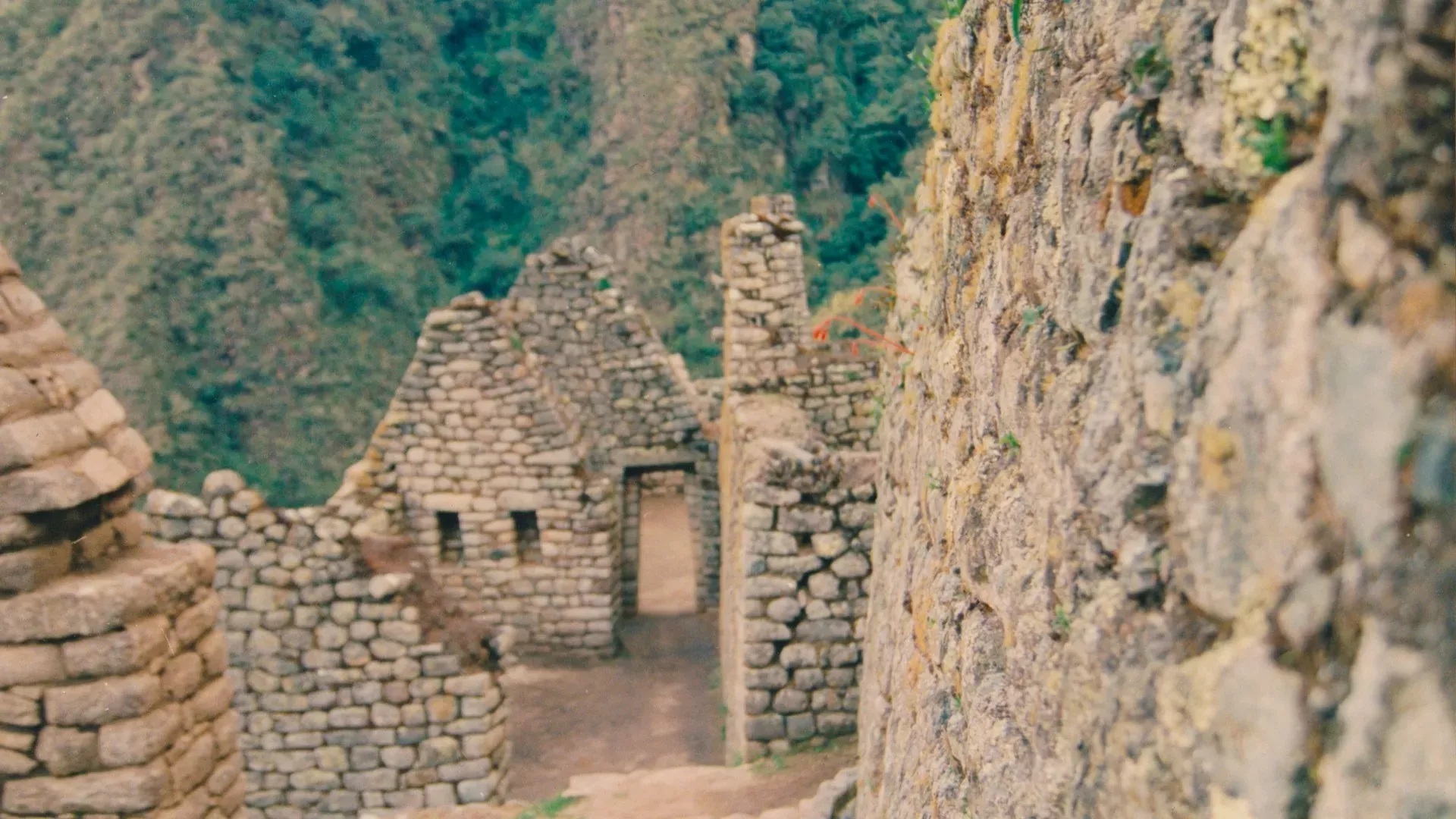
Today’s route is easy and very pleasant. I move ahead of the rest of the group to more deeply feel the blend of the enchanting landscape with the trail’s rich cultural heritage. The peaks of the Andes are wrapped in clouds. I make several stops to take in the scenery. I pass through a tunnel and then descend countless stone steps from the Inca era. After a little while I reach the ruins of Phuyupatamarca, which in the Incas’ language means “City above the clouds.” This is an archaeological site that includes six ceremonial stone baths for the priests who lived here. The area is closely connected with the worship of water, as water played a vital role for the Incas, whose economy was based on agriculture.
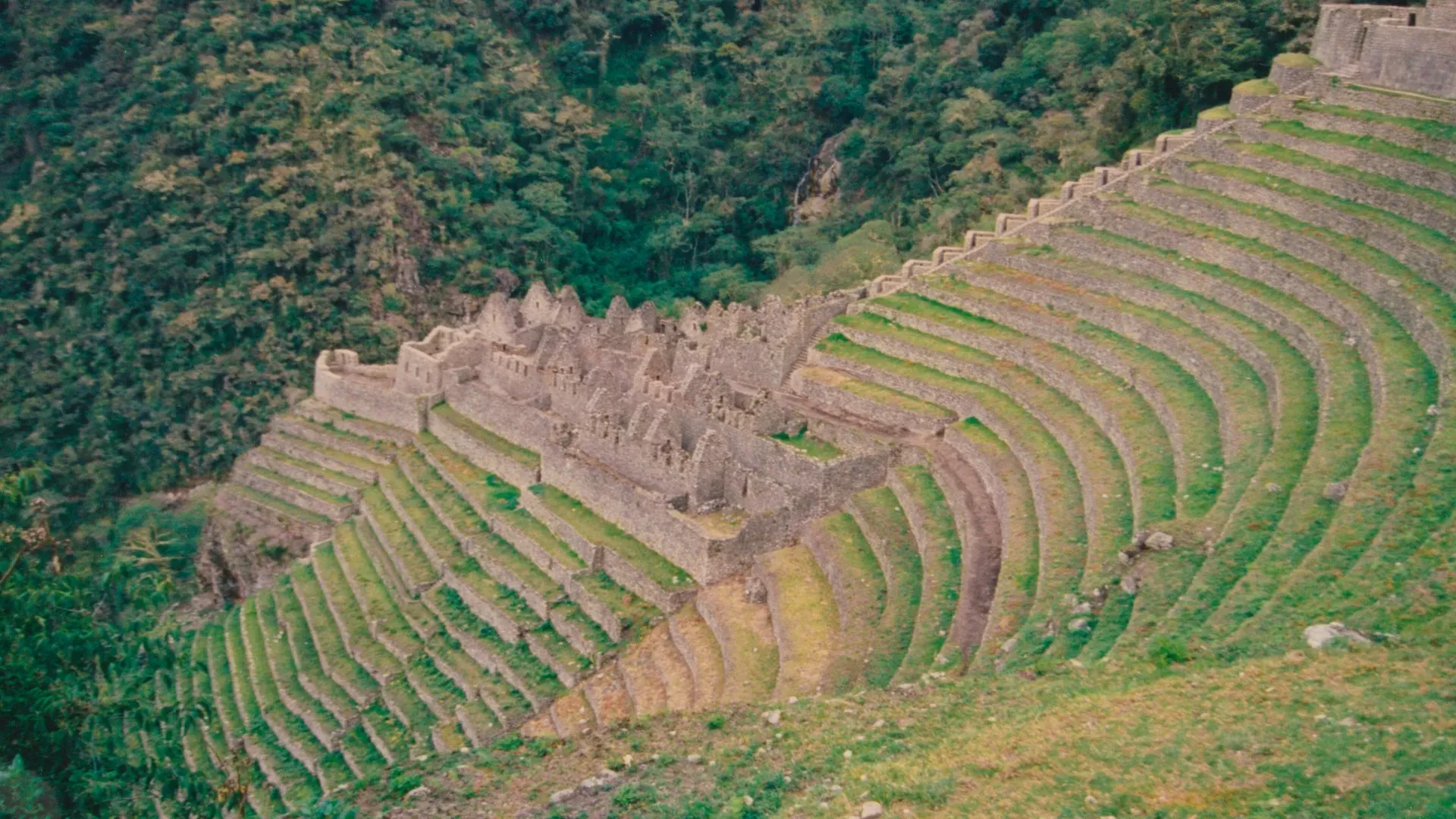
I sit for about half an hour and continue descending the countless stone steps until I reach the dam of the Urabamba River. A few meters farther on is the camp where we’ll spend the night. Before that, however, we pass the Wanay Wayna ruins. A settlement built on a steep hill overlooking the Urubamba River. We admire the Inca architecture and the landscape that surrounds it for a while and then head to camp.
In a little while the rest of the group arrive. We light a huge fire and sit around it with a cup of tea. Soon the food arrives, consisting of pachamanca, a typical Peruvian dish with ancestral Andean roots. It consists of meat previously seasoned with Andean herbs and cooked with the help of hot stones. It is served with corn and potatoes. A truly delicious dish. Conversations flow back and forth until we’re exhausted. The whole planet in one group of friends.
Fourth day
Today is the last day of the Inca trail. We wake at 4:30 in the morning to walk the final section of the trail toward Intipunku (Gate of the Sun), which is the main entrance to Machu Picchu. The distance is about two hours of ascent. The goal is to arrive before sunrise, as the spectacle is said to be unique at that time. Throughout the route we walk bent over. No one speaks. From time to time we stop to catch our breath. We look up at the stars, draw strength, and continue along the narrow path until we reach the massive stone entrance. Here we wait until dawn.
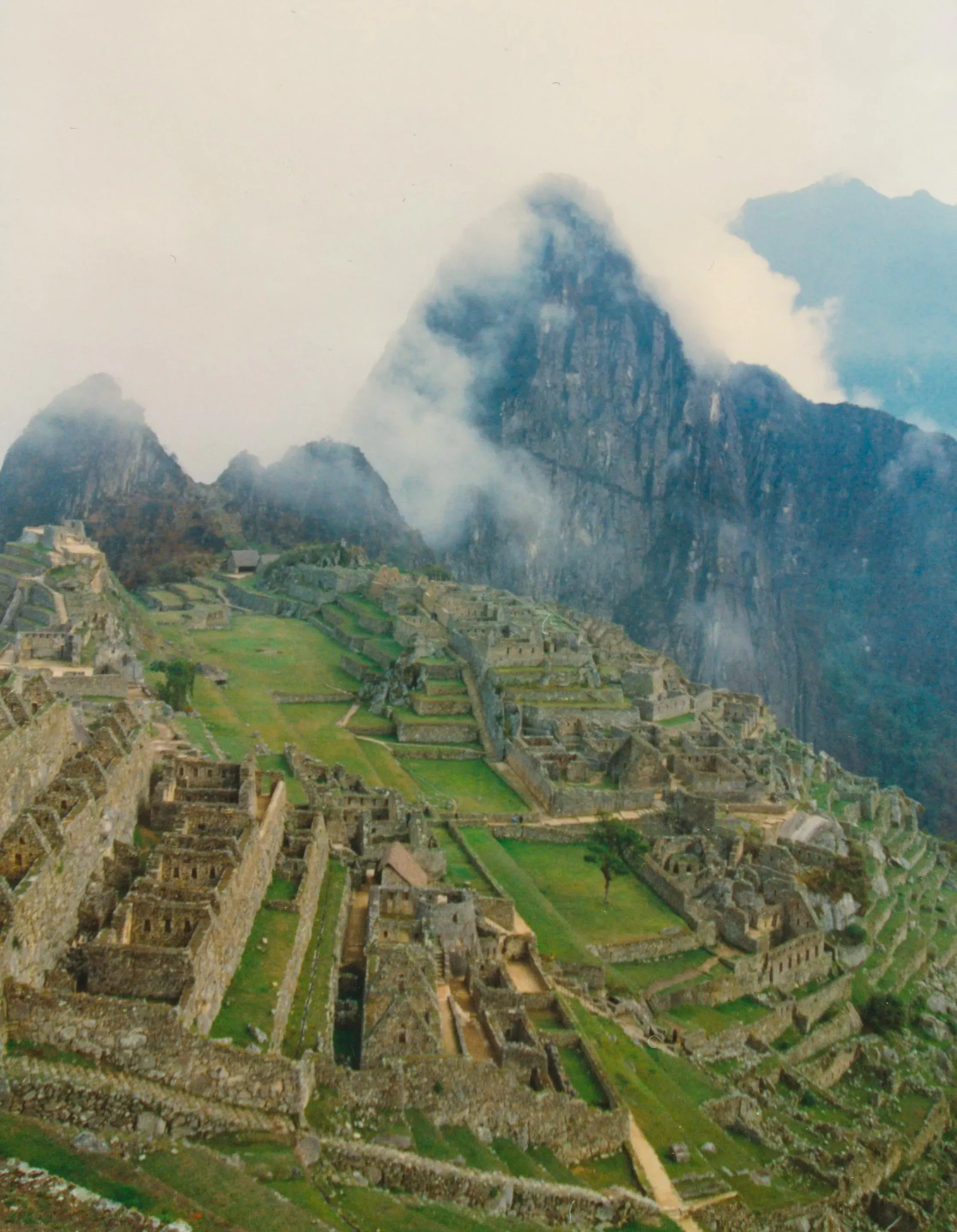
Suddenly, as we chat and joke with one another, we watch the fog spread over the Acropolis vanish and the summit of Huayna Picchu emerge. Soon, like a theater set, an entire city appears that for many centuries remained unknown even to the conquistadors, the Spanish conquerors. Machu Picchu, with more than 150 structures including baths, houses, temples, and altars, is undoubtedly the premier archaeological site of South America. The unique combination of the area’s exceptional topography, luxuriant vegetation, and imposing architecture creates an incomparable whole. We wander among the ruins until midday.
At the exit on the opposite side a van is waiting to take us down to the village of Aquas calientes. The whole group goes for food at a local restaurant. After the meal and the many beers we’ve consumed, a wild party kicks off until late afternoon. We take the train to Cusco, which is packed with tourists. A little Peruvian girl taps the shells she holds in her hands in rhythm, producing a wonderful musical sound. Two young tourists from Israel follow the same rhythm. Still under the influence of the alcohol we consumed at the restaurant, we lose ourselves in the sounds of the music. Around 12 midnight we arrive in Cusco.
And so, the four-day hike on the Inca Trail comes to an end. I feel sad to part from my fellow travelers, because with them I experienced one of the most unforgettable and incredible adventures of my life.