





The labyrinth of the Medina, the colorful souks, the flavors, the riads and all the reasons to fall in love with Moroccos «Red City».
An exotic blend of colors, aromas and flavors. A city straight out of the «One Thousand and One Nights», which has always exerted an irresistible pull on free spirits, artists and aristocratic travelers. Welcoming and cosmopolitan. This is Marrakesh. The second largest city in Morocco, after Casablanca, lies in the southwest of the country, in the shadow of the Atlas Mountains. It isalso known as the «Red City» thanks to the color that dominates itsbuildings and walls.
The riads (renovated old mansions with intricate decoration), the beautiful gardens, the labyrinth of the Medina and the bazaars set an exotic stage - a challenge for all the senses. And if you want to discover the citys contemporary side, just visit the vibrant Gueliz district, which is full of shops, modern restaurants and bars with a youthful vibe.
What to see in Marrakesh
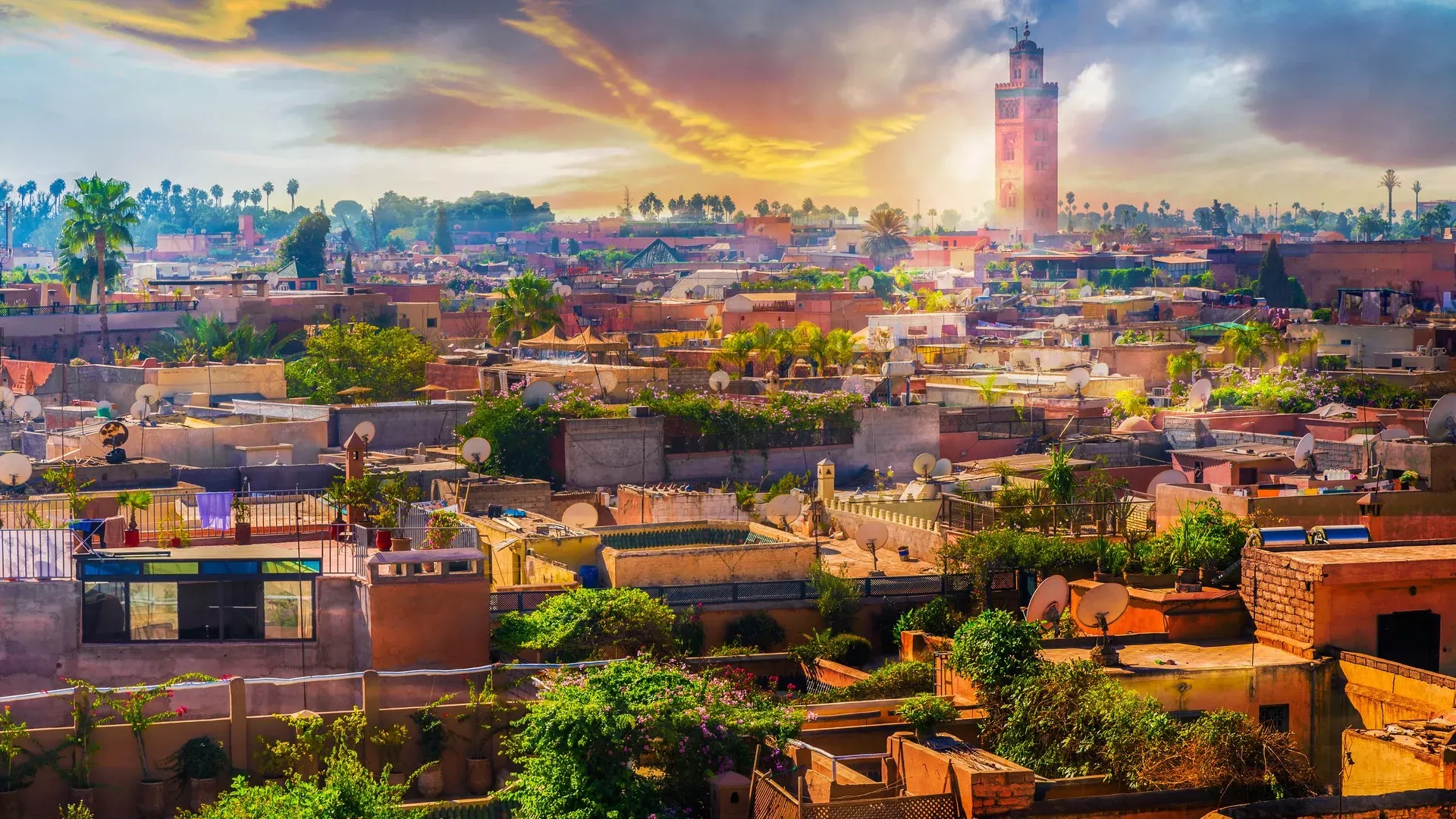
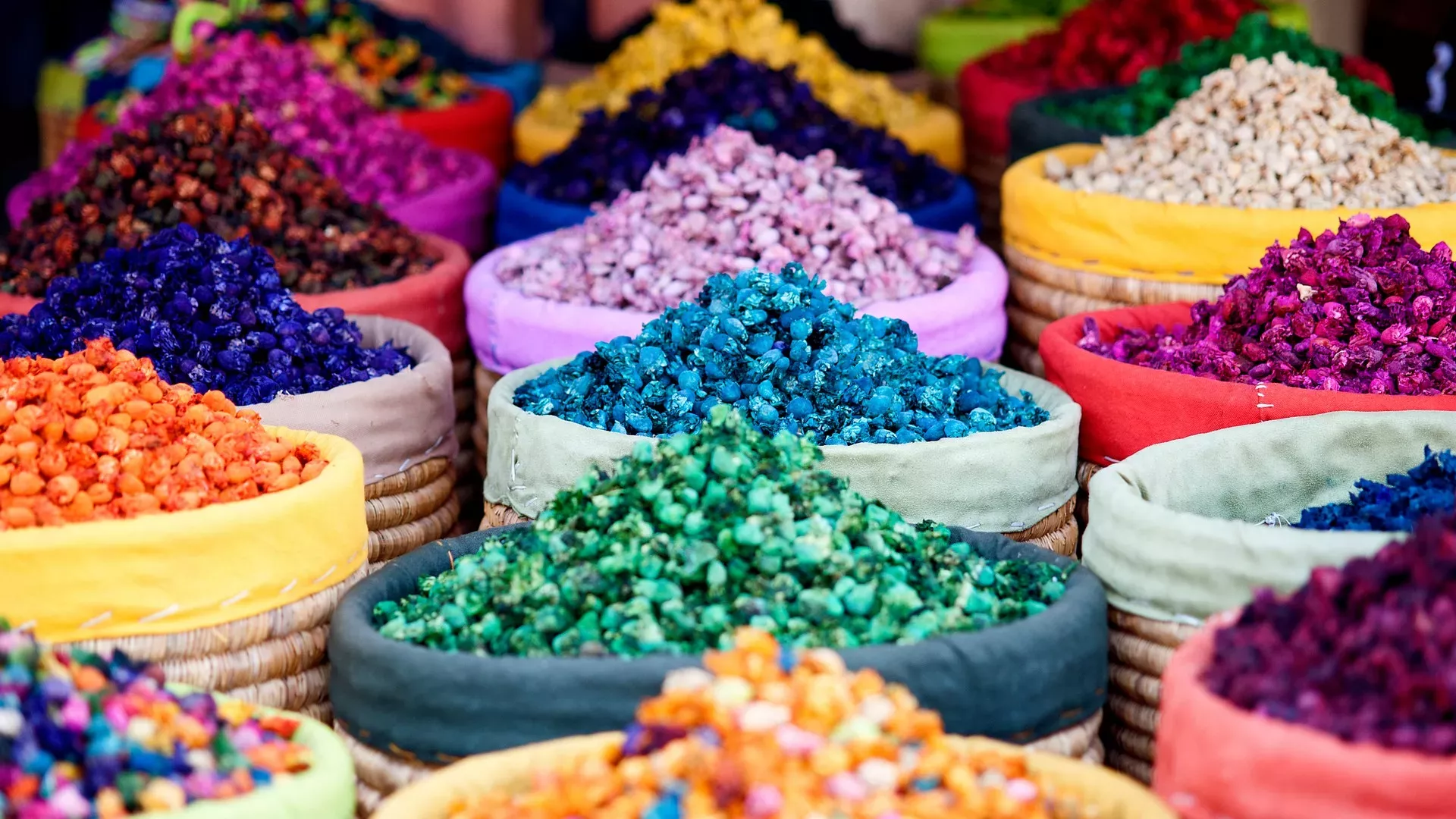
Medina: The most authentic part of the city. The Medina is the historic center of Marrakesh and since 1985 it has been listed among the Unesco World Heritage Sites. Its walls, with a circumference reaching 19 kilometers, enclose a spellbinding labyrinth of colors and scents. Over 10,000 little shops, organized by category, make you passionately crave things you had never thought to buy. In the covered alleys of the souks you will find anything you can imagine - from Berber rugs, traditional ceramics, handcrafted lanterns and eye-catching babouches to spices and dates. Haggling is the only rule that prevails here.
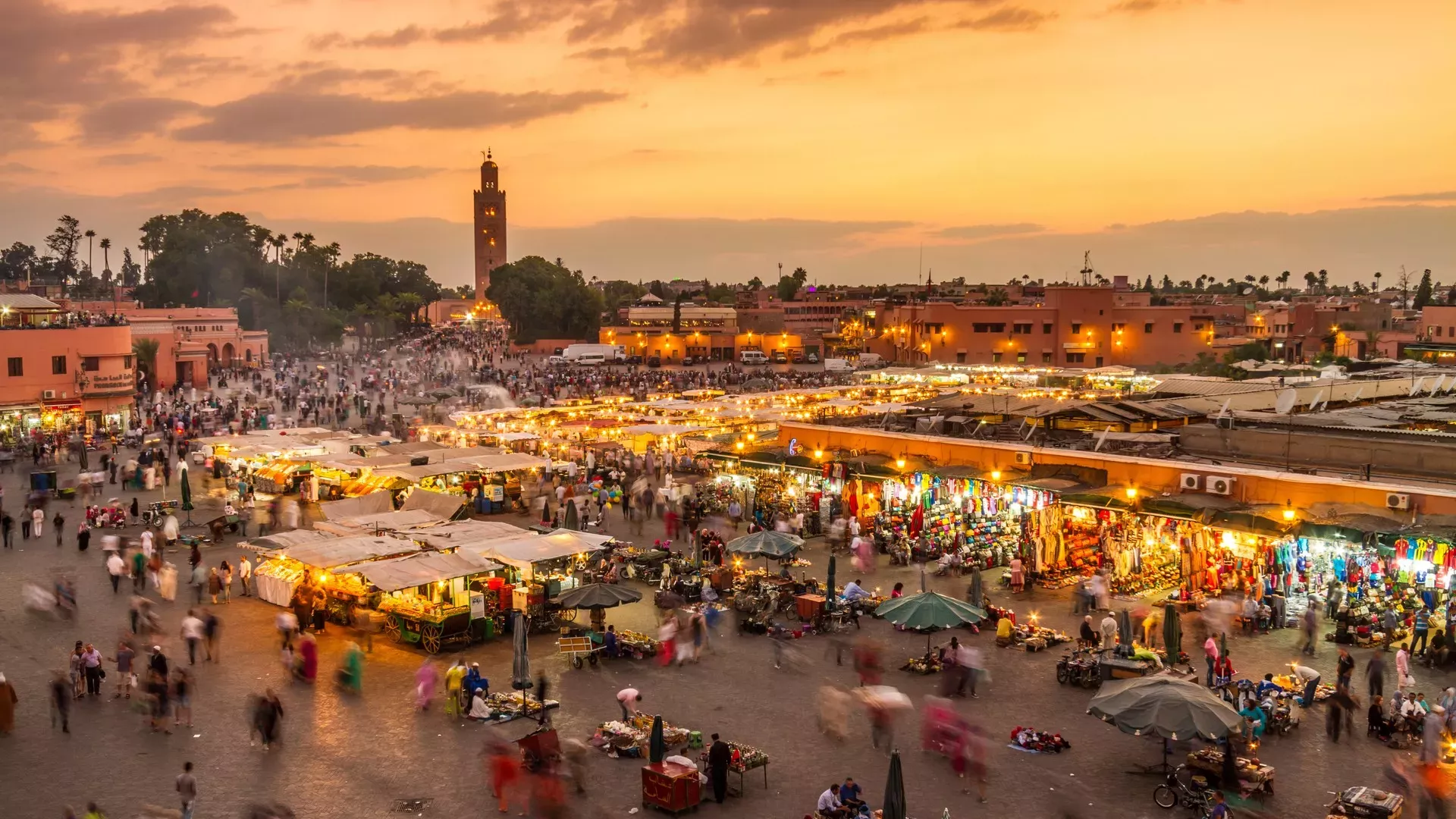
Jemaa el-Fnaa: In the heart of the Medina you will encounter the square that is the symbol of the city, the vast Jemaa el-Fnaa. When night falls it is atmospherically lit and turns into a chaotic carnival of entertainment and food, unlike anything else anywhere. Every day hundreds of locals and visitors meet here, in a curious microcosm of musicians, snake charmers, dancing monkeys, storytellers, fortune tellers, belly dancers and dozens of stalls serving everything from dried fruit to grilled fish, lamb heads and snails.
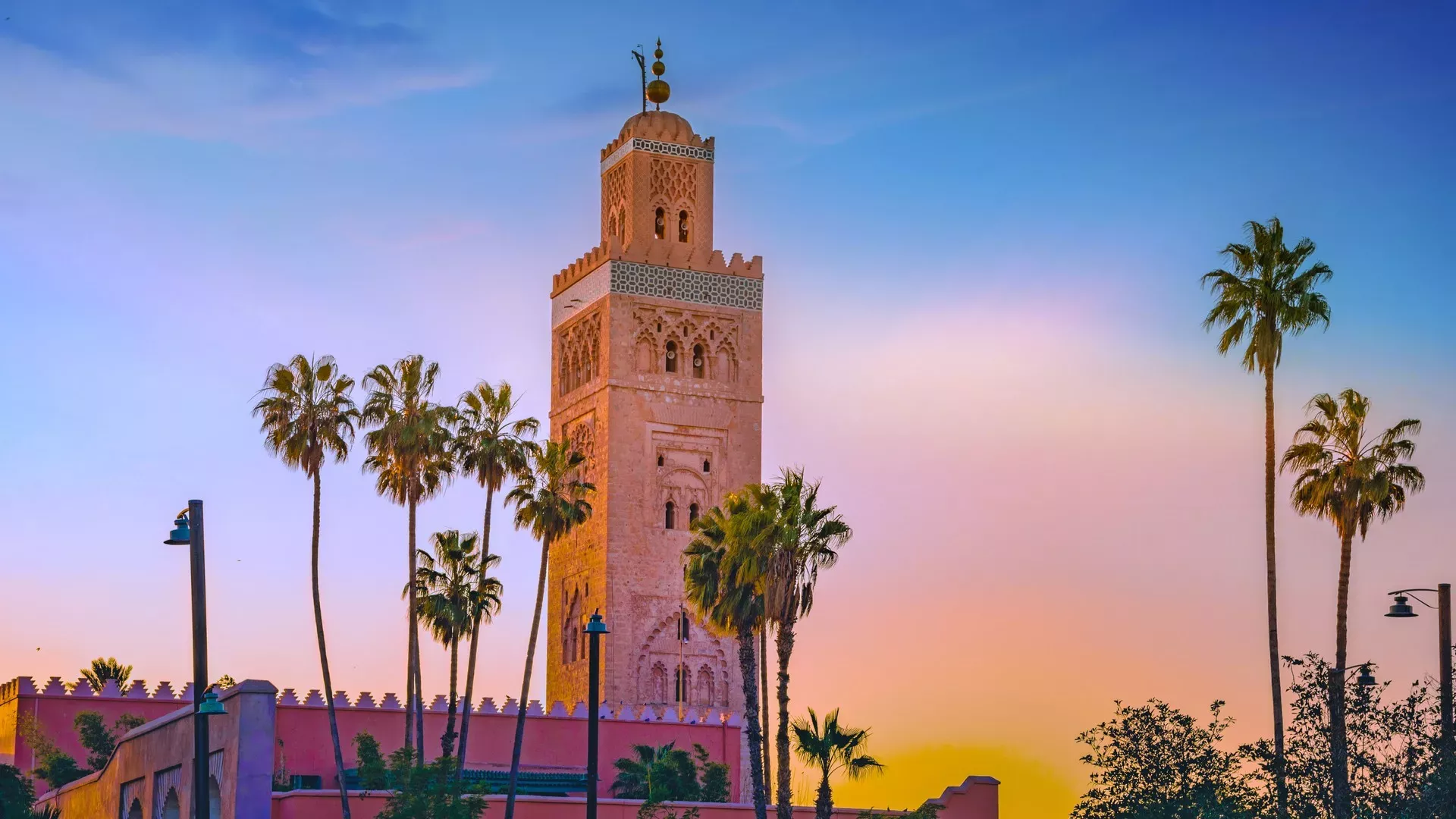
Koutoubia Mosque: A symbol of Marrakesh, the Koutoubia Mosque is a mosque dating from the 12th century, and its imposing minaret (77 m high) makes it visible from almost all over the city. Entry for non-Muslims is not permitted, but the imams voice at dusk will stay with you.
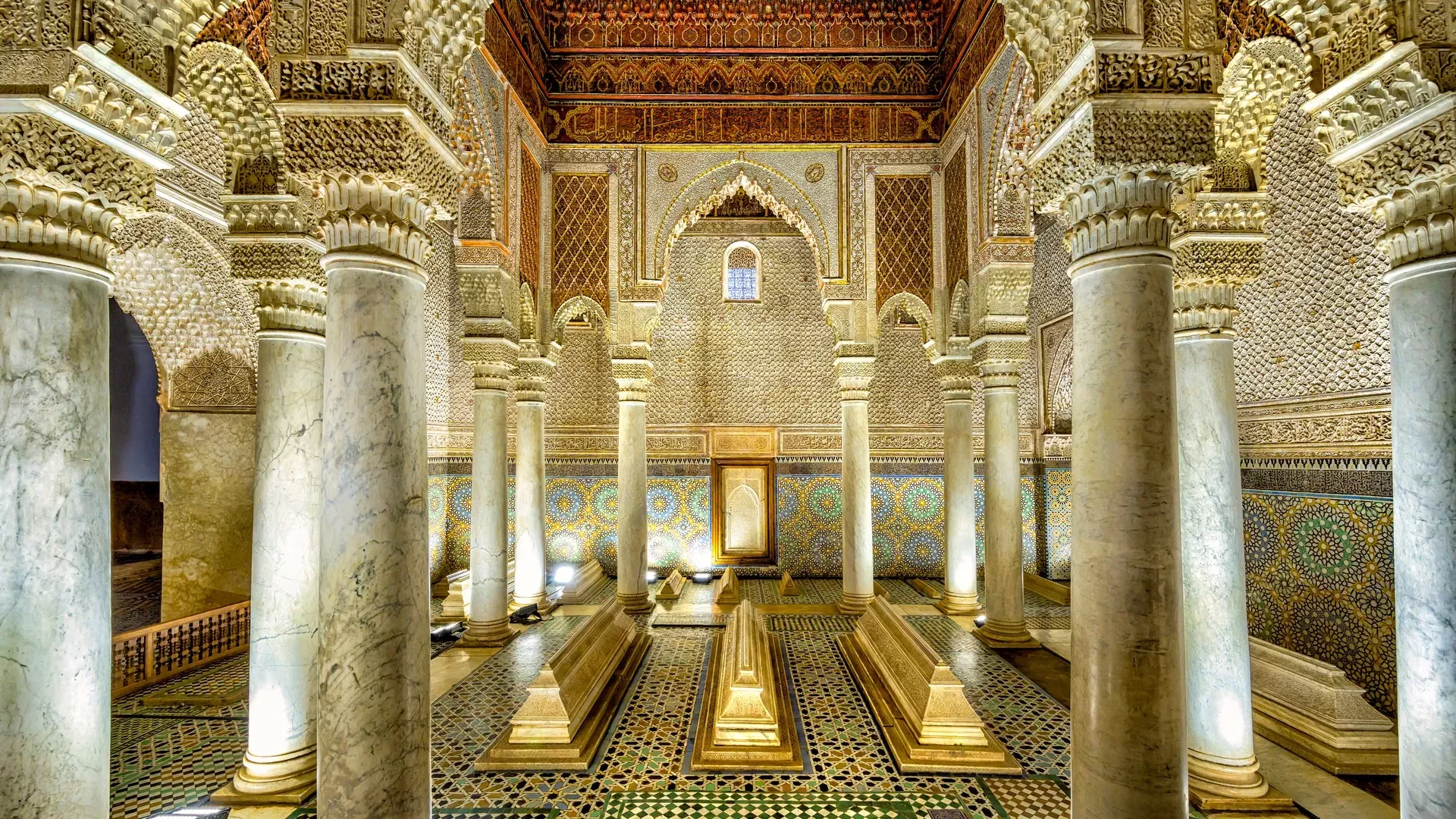
Saadian Tombs: The mausoleum of the Saadian dynasty, built in the late 16th century, was discovered by chance in 1917 and a passageway was created to facilitate access to the site.
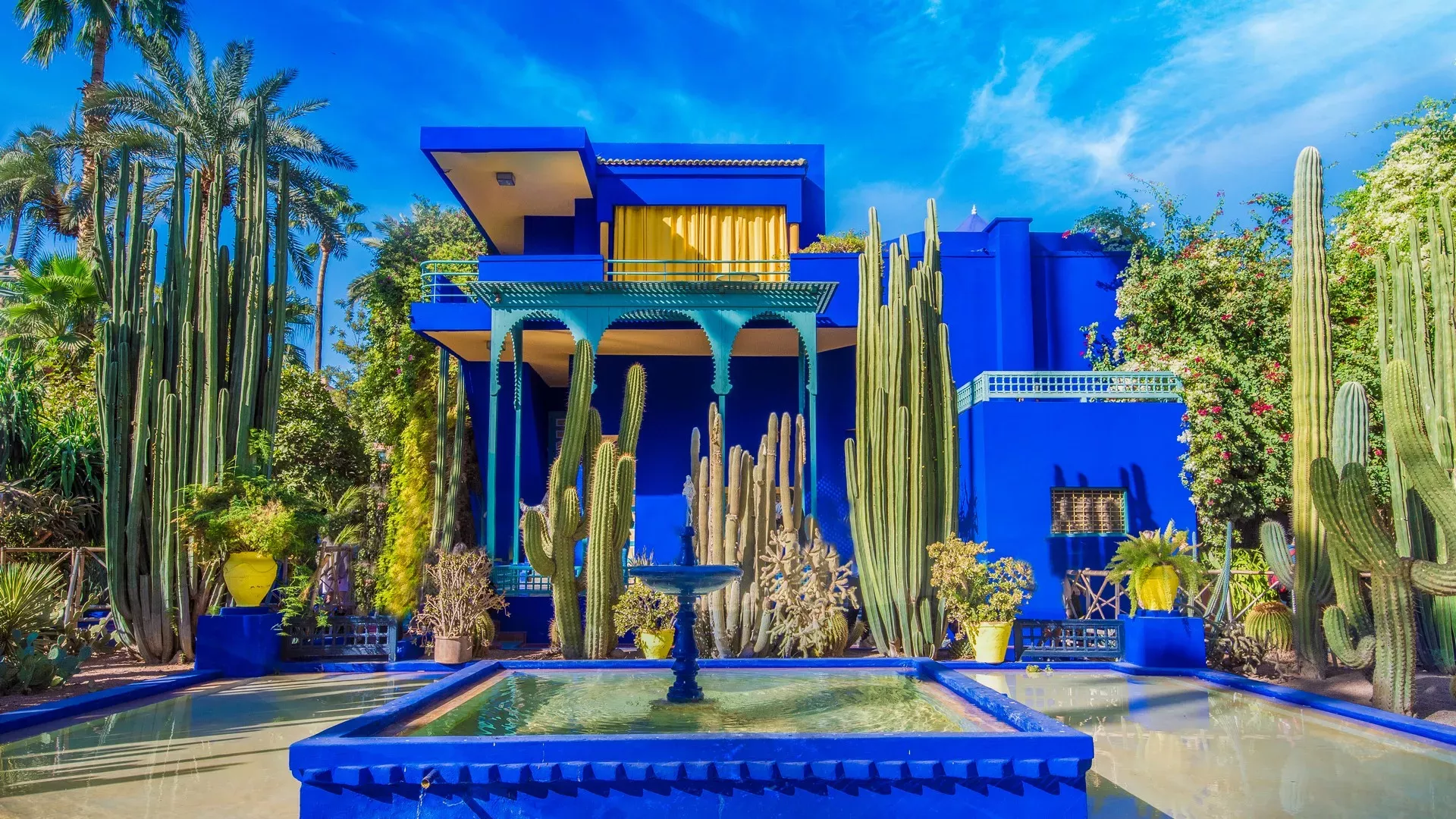
Majorelle Gardens: Created by the French painter Louis Majorelle, they later passed into the hands of Yves Saint Laurent. An oasis of palm trees, cacti, bougainvillea, ponds and fountains - perfect for a stroll while savoring the feast of colors and plants. Next door stands theYves Saint Laurent Museum in a building of stunning architecture.
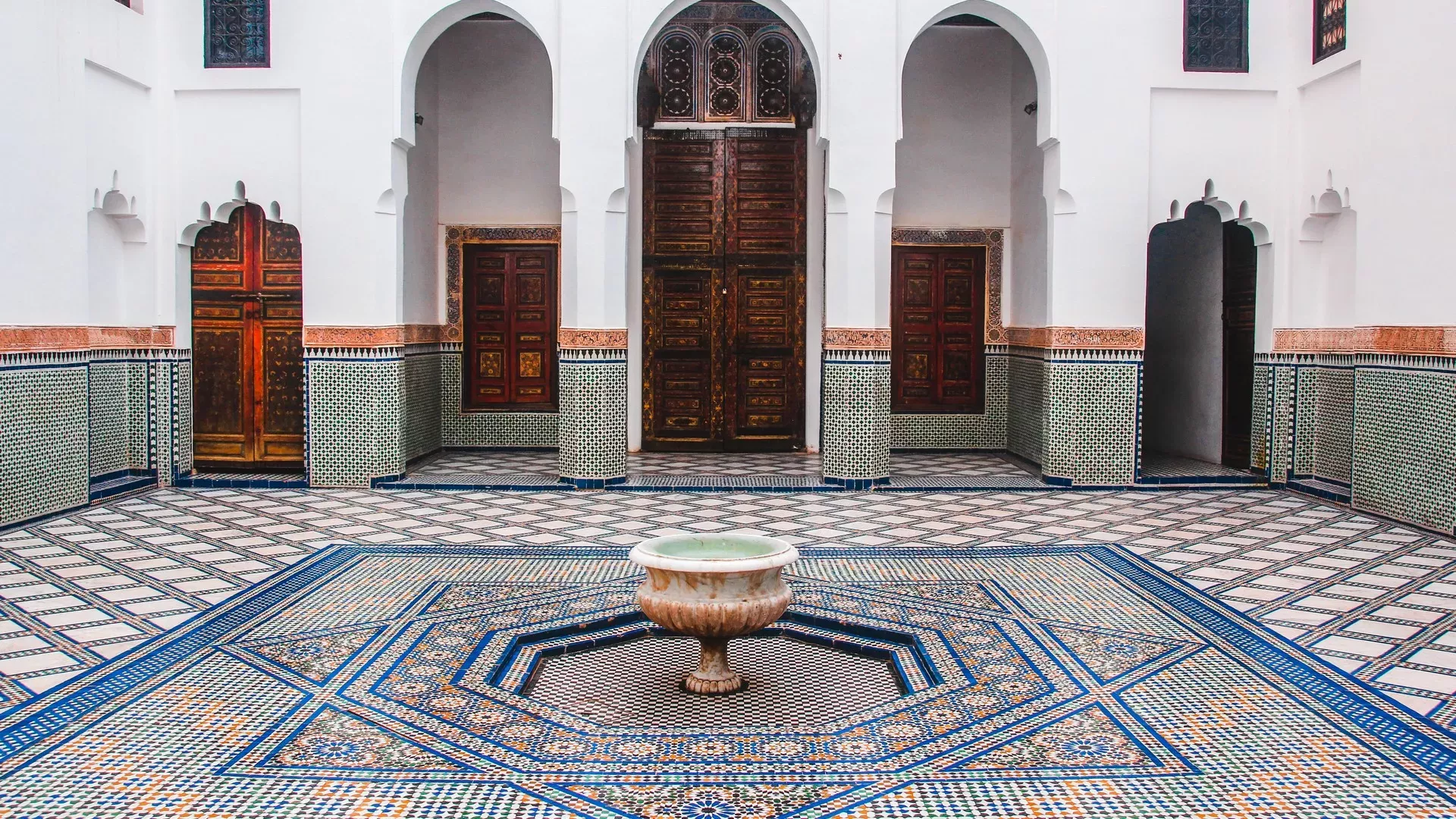
Palais Dar Si Said: A 19th-century palace that has been converted into a museum, with a wonderful collection of Moroccan folk art and one of the loveliest inner courtyards.
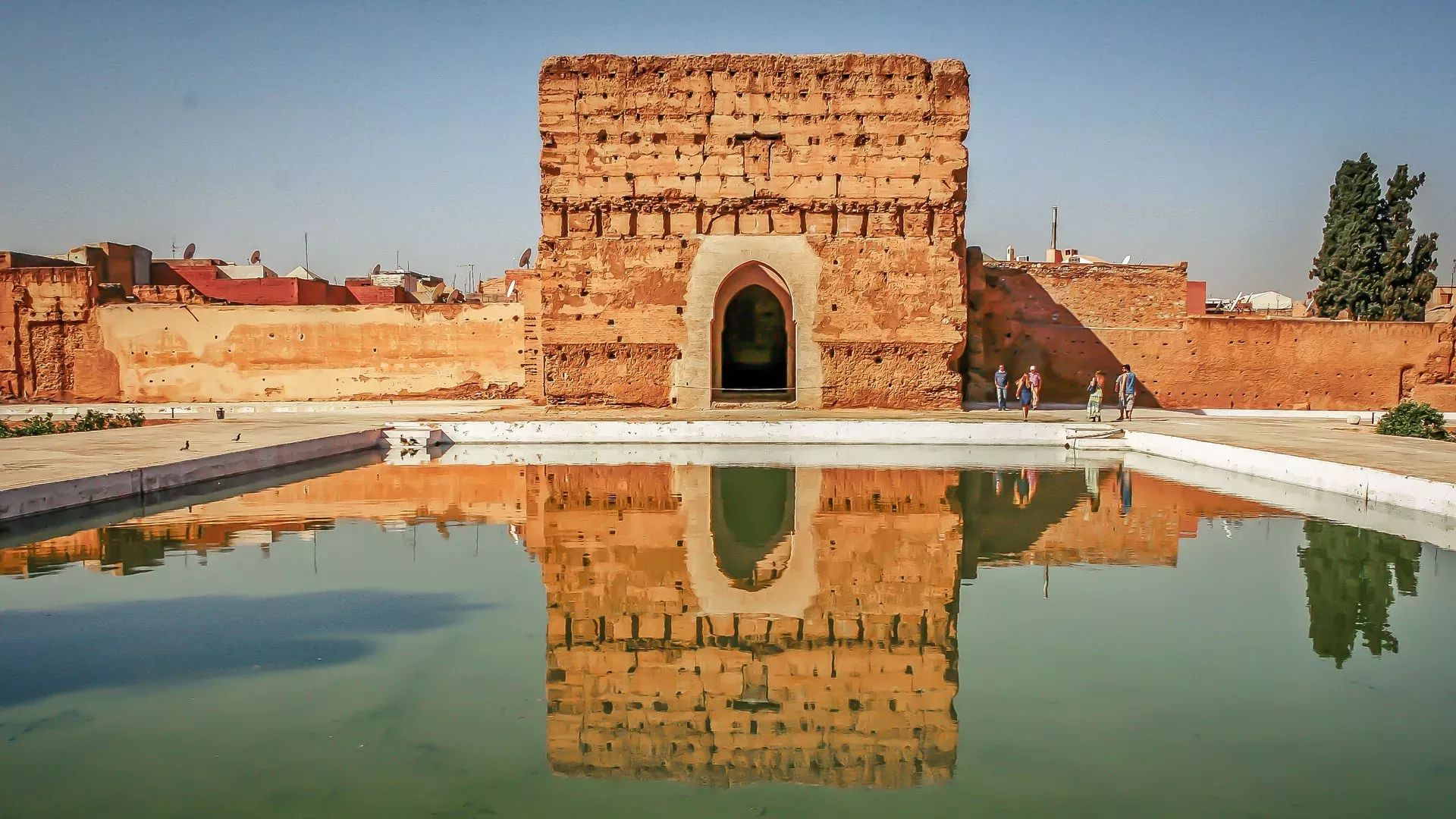
El Badi Palace: «Miracle» is what the name of this 16th-century palace means, which was built based on the Alhambra palaces in Granada, Spain. Today only high walls survive.
Musée de Marrakech: Visit the Marrakesh Museum to get a good taste of the areas art and history.
Flavors
Moroccan cuisine is a gastronomic journey of aromas and colors. The flagship traditional Moroccan dish is tagine – meat (beef, lamb or chicken) cooked for up to six hours sealed in a conical ceramic pot, until it becomes meltingly tender.
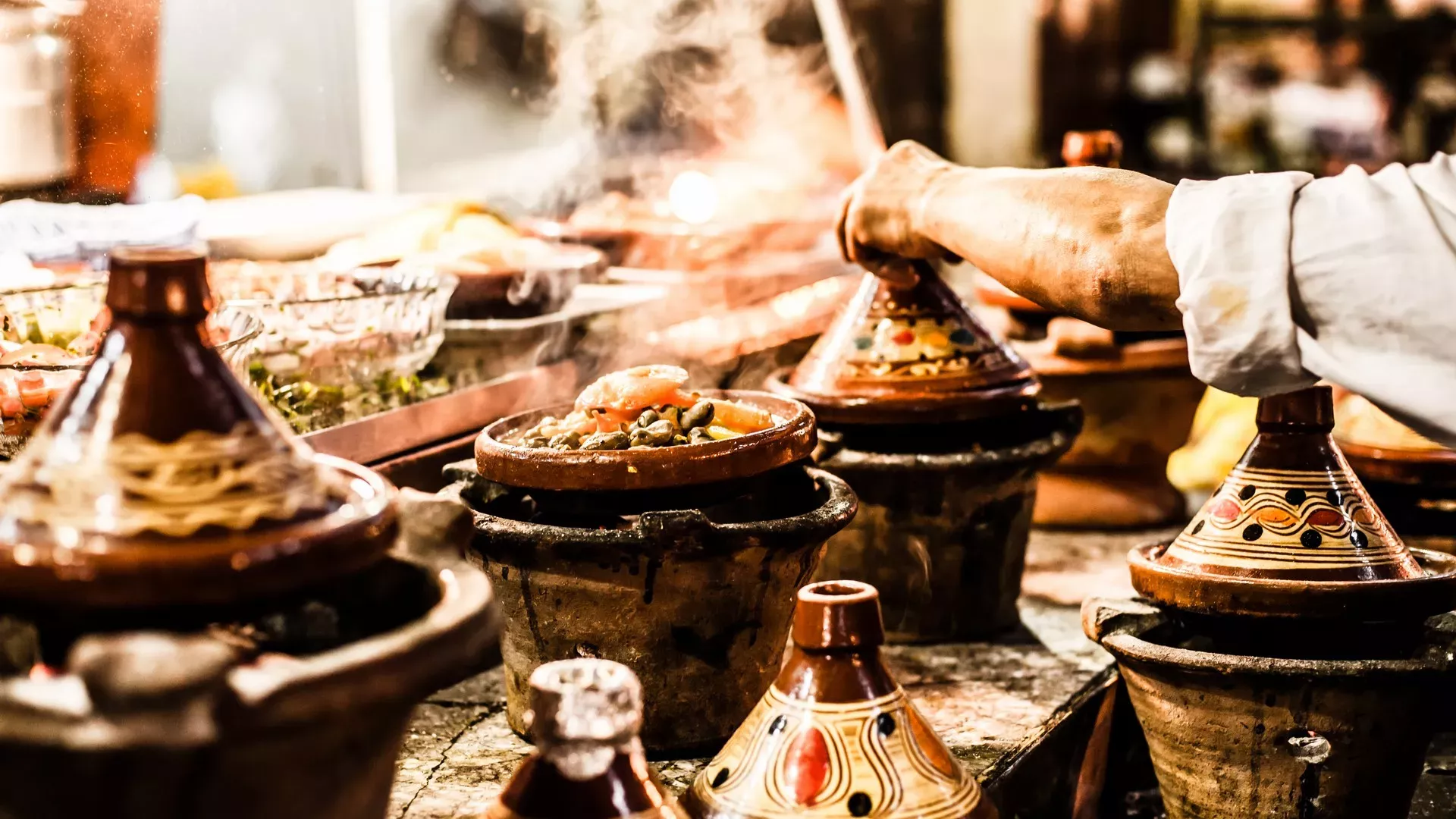
Also try briouat (little pastries mostly filled with chicken), merguez (spicy sausages) and harira (meat soup with red lentils). Among the sweets, M’hannchaotherwise known as the «snake of Morocco», stands out, a syrupy dessert with almond paste.
For authentic Moroccan cuisine we recommend the restaurants Al Fassia, Le Jardin and Chez Chegrouni, while for more creative flavors note Nomad, Terrasse des Epices and Plus 61.
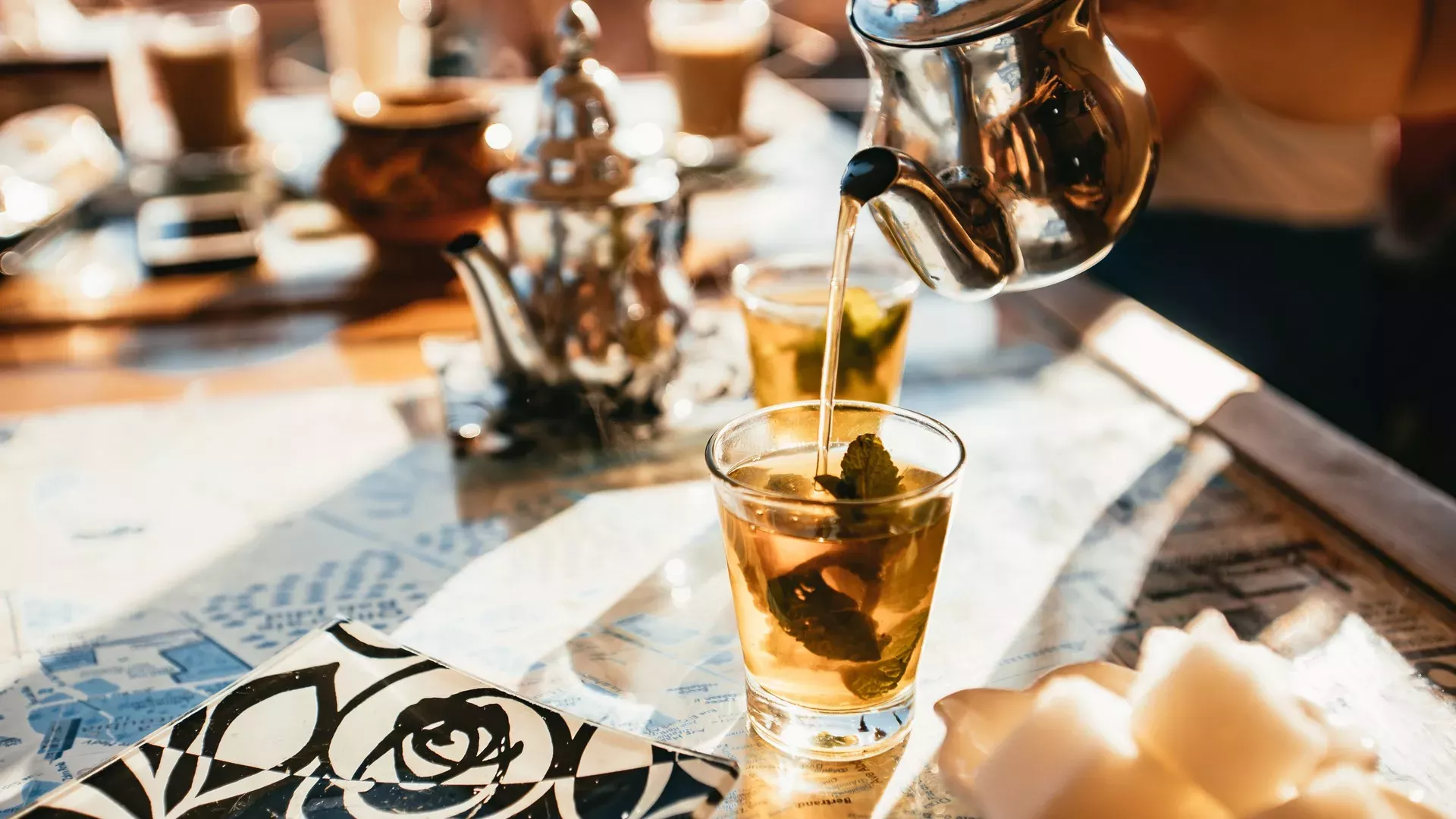
A must is trying the famous Moroccan mint tea, which is the most traditional drink of the country.