


A journey to Istanbul is brimming with colors, aromas, flavors and emotions. We discover the iconic sights and wander through its captivating neighborhoods, which are worth getting to know even if you have just three days.
From the imposing domes of Hagia Sophia and the bustling bazaars to the colorful neighborhoods and views of the Bosphorus, Istanbul is a city that blends cultures, stories, and images you won't easily forget. A city that stretches between Europe and Asia, with striking contrasts, spectacular monuments, flavors that linger in memory, and neighborhoods that reveal different facets of its character.
Istanbul is a city that's hard to get to know in just three days. Still, with a balance between major historic landmarks, neighborhoods, and strolls by the water, you can get a meaningful first taste of its character. The secret is not to try to see everything and to leave a little room for spontaneous stops, so you can feel the city's pulse.
The sights of the historic center
The city's historic heart lies in the Sultanahmet (Sultanahmet) district, where some of Istanbul's most important monuments are clustered. However, getting to know the city doesn't stop here. From the commercial bustle of the Grand Bazaar to the elegant neighborhoods along the Bosphorus, each area has its own identity.
Hagia Sophia
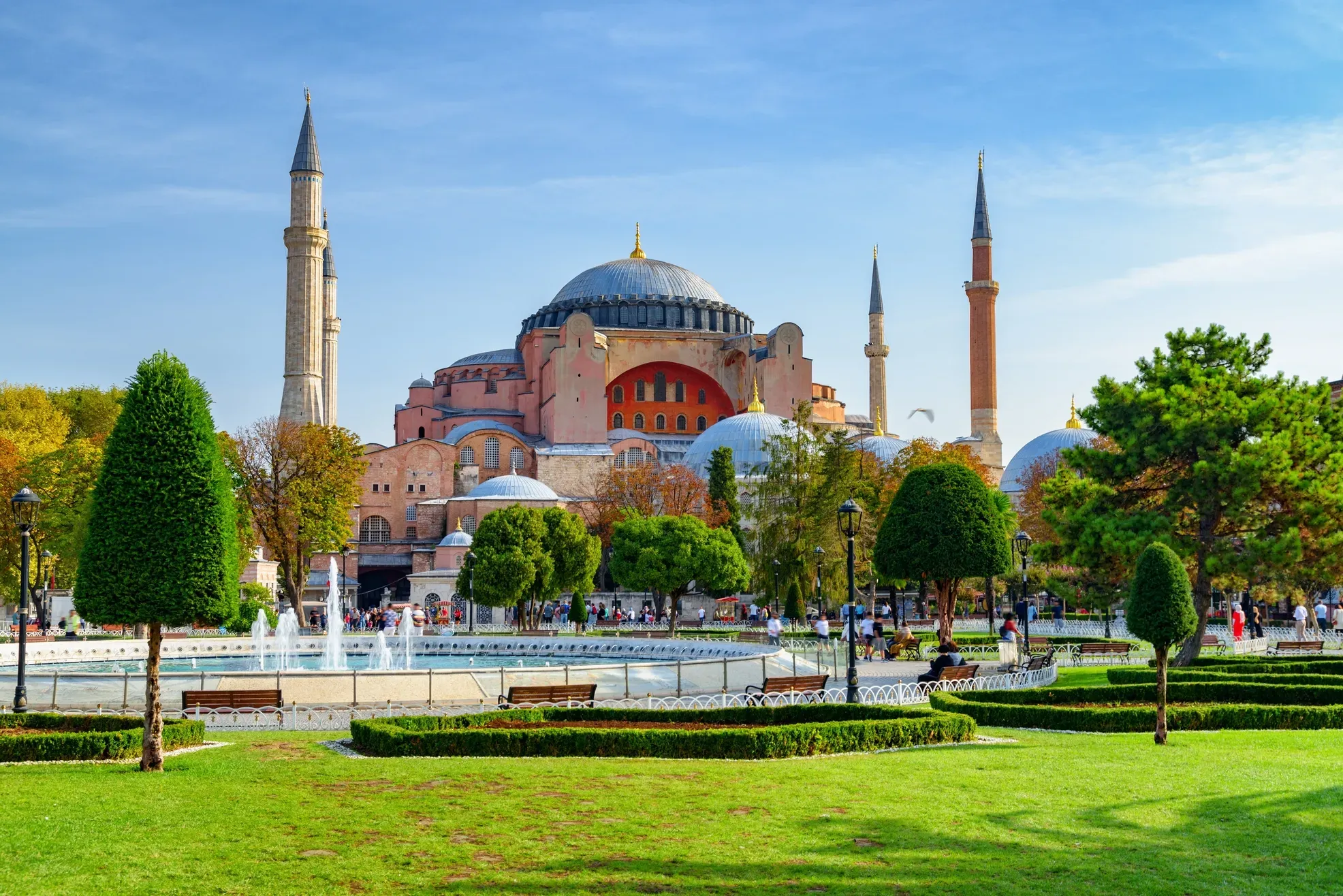
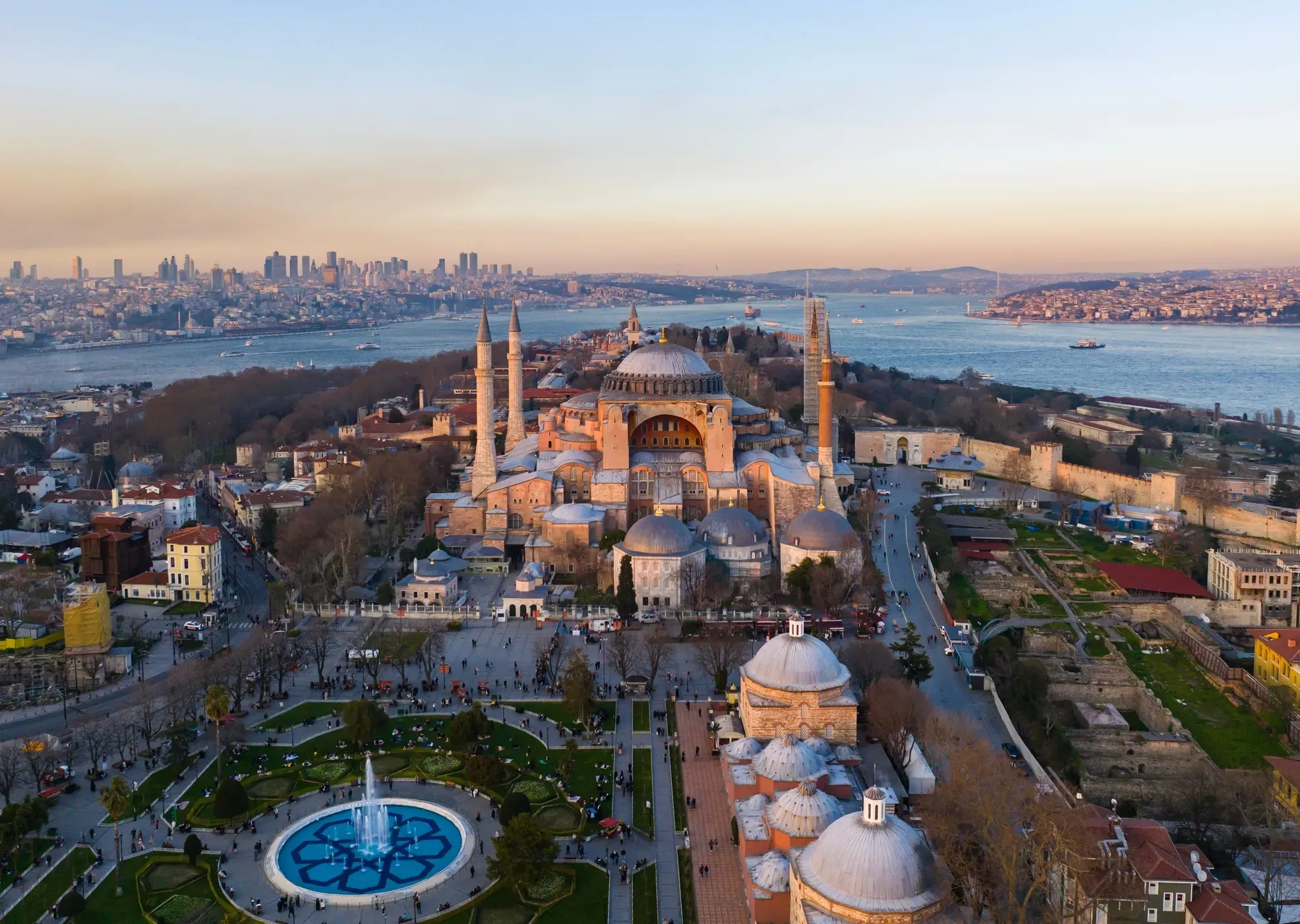
One of the world's most significant architectural monuments and among Istanbul's most iconic sights, Hagia Sophia impresses with its commanding dome, centuries of history, and distinctive design. Built in the 6th century under Emperor Justinian I, it stands out for its majestic central dome, which seems to float above the nave, supported by a pioneering system of arches and semi-domes for its time. Inside, marble surfaces, golden mosaic scenes, and light streaming through the windows amplify the sense of grandeur and harmony. Its story mirrors the city's successive eras, as different cultural and religious traditions coexist in the same space. It has been a Byzantine Christian church, a mosque, and today functions once again as a mosque.
Blue Mosque
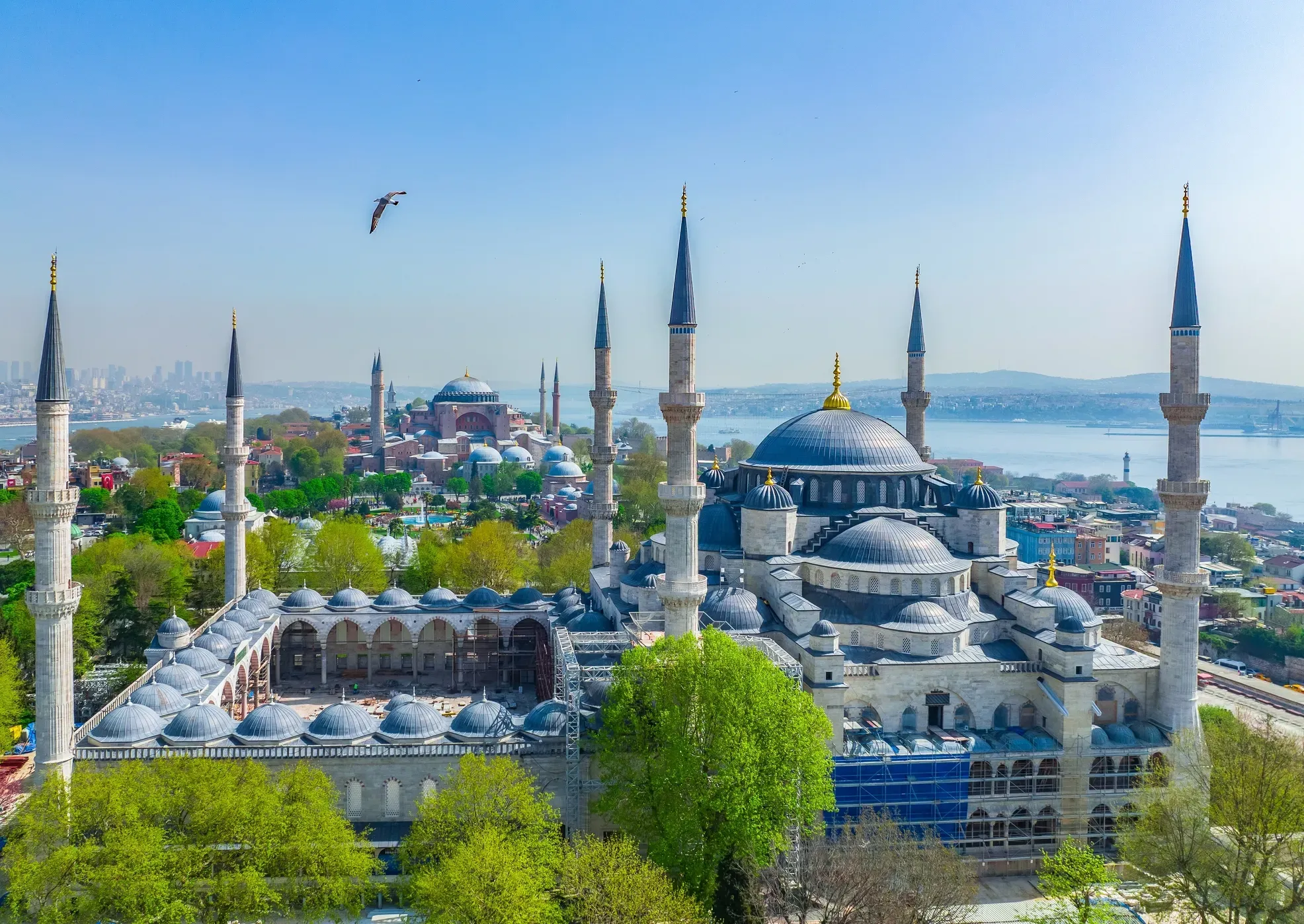
Directly opposite Hagia Sophia stands the famed Blue Mosque (Sultan Ahmed Mosque or Sultanahmet Camii). Completed in 1617, it's renowned for its six minarets, striking domes, and the ceramic tiles that adorn its interiors. Its architecture is a hallmark of the Ottoman period, and a visit is worthwhile for both its historical significance and its atmosphere. Entry is free except in special cases, and visitor access adjusts to prayer times. You should also check the dress code before you go.
Basilica Cistern
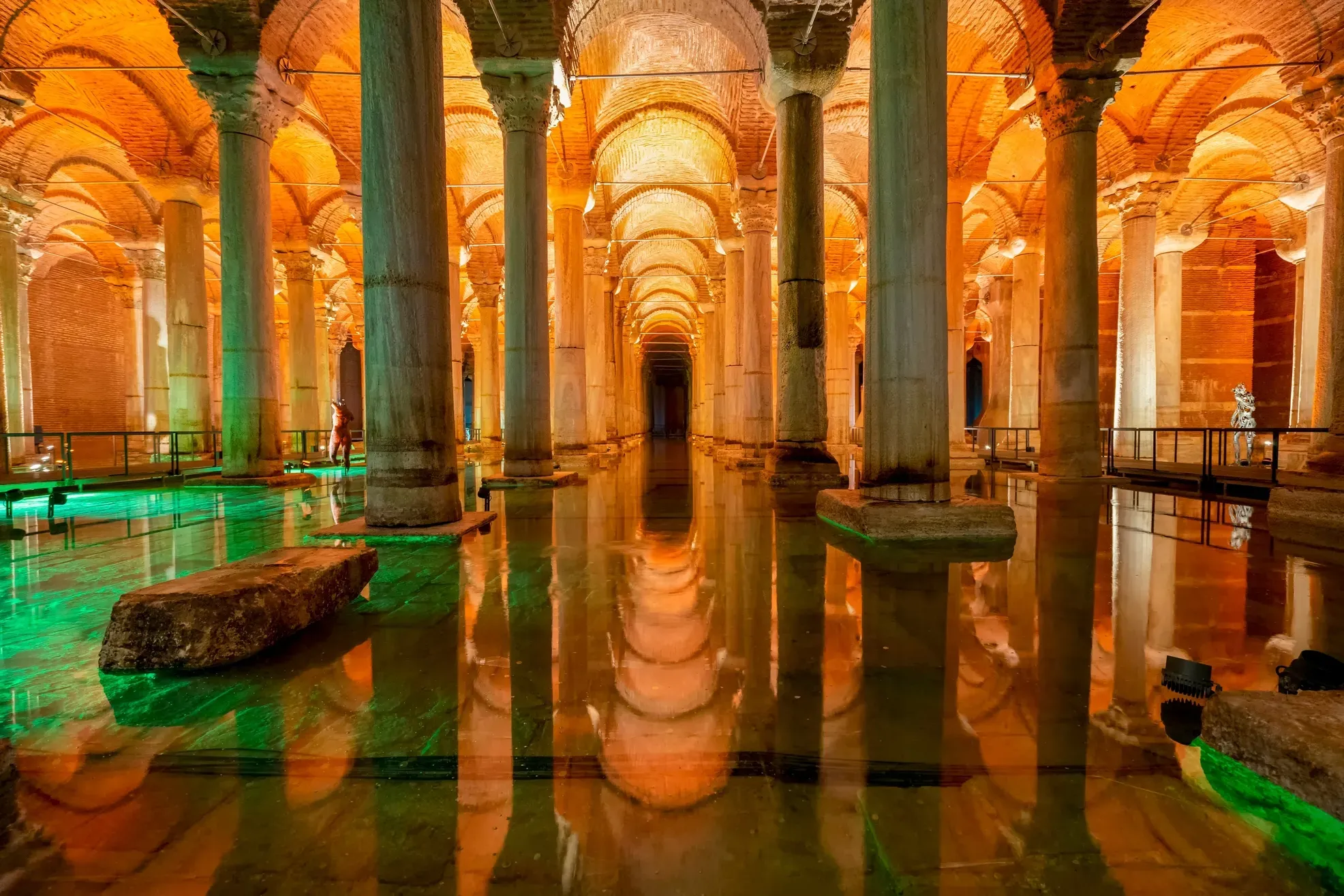
Just a few steps from Hagia Sophia, the Basilica Cistern (Yerebatan Saray or Yerebatan Sarnıcı) is one of Istanbul's most striking sights. This Byzantine-era underground water reservoir is the city's largest, with 336 columns crowned by intricately carved capitals. Low lighting and reflections on the water create a cinematic setting. Notable are the two column bases featuring Medusa heads, which have been linked to many myths and stories.
Topkapi Palace
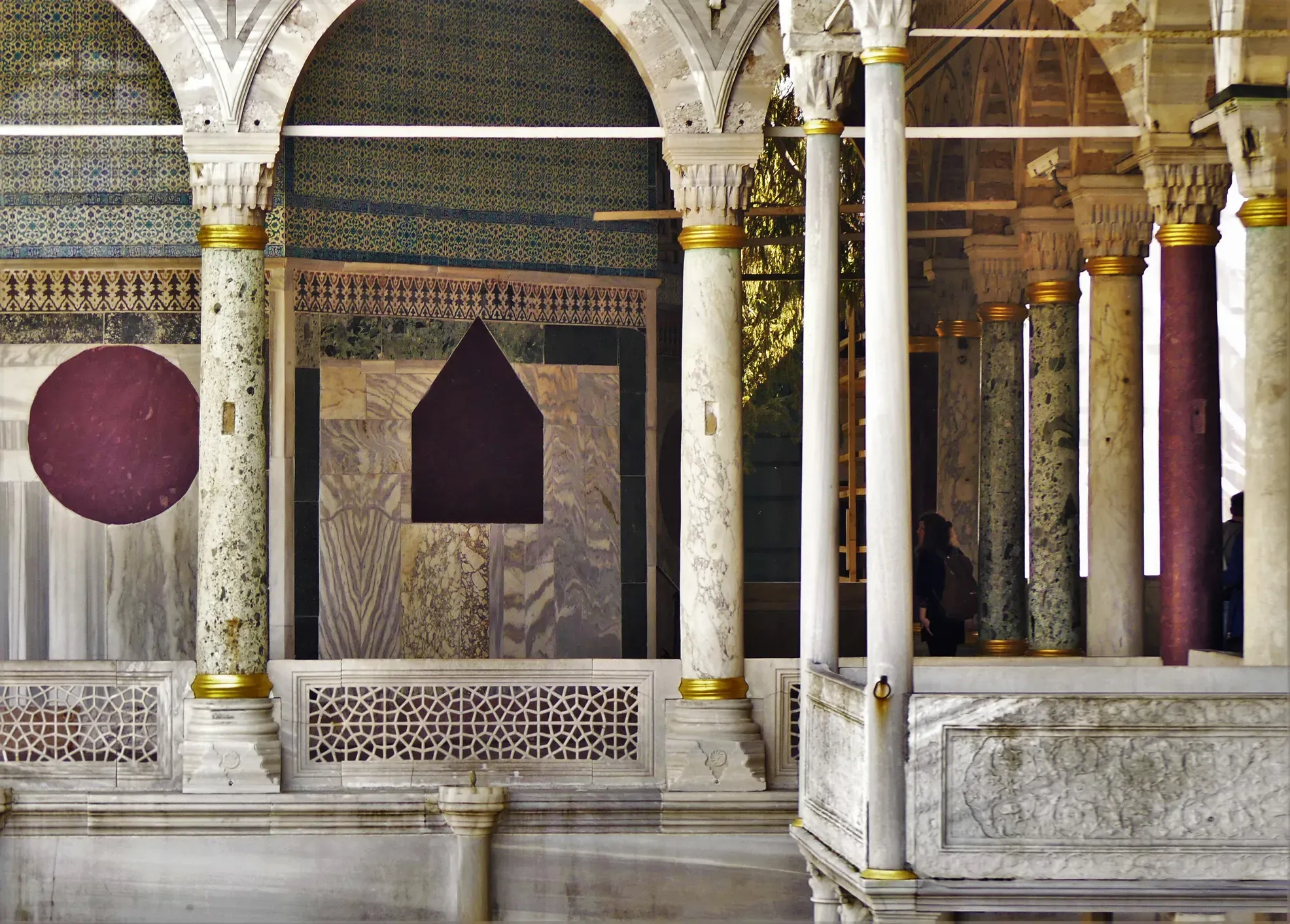
For a glimpse into the lives of the Ottoman sultans, it's worth setting aside time for Topkapi. The magnificent Topkapı Sarayı palace complex is built atop Istanbul's first hill and enjoys wonderful views of the Bosphorus. For centuries it was the center of imperial power, and today it impresses with its courtyards, halls, ceramics and calligraphy, manuscripts, textiles, the sultans' treasures, as well as Islamic relics of great value. Next to Topkapi stands the Christian church of Hagia Irene, which in the past was damaged by earthquakes and fires and has been rebuilt.
Grand Bazaar and Egyptian Bazaar
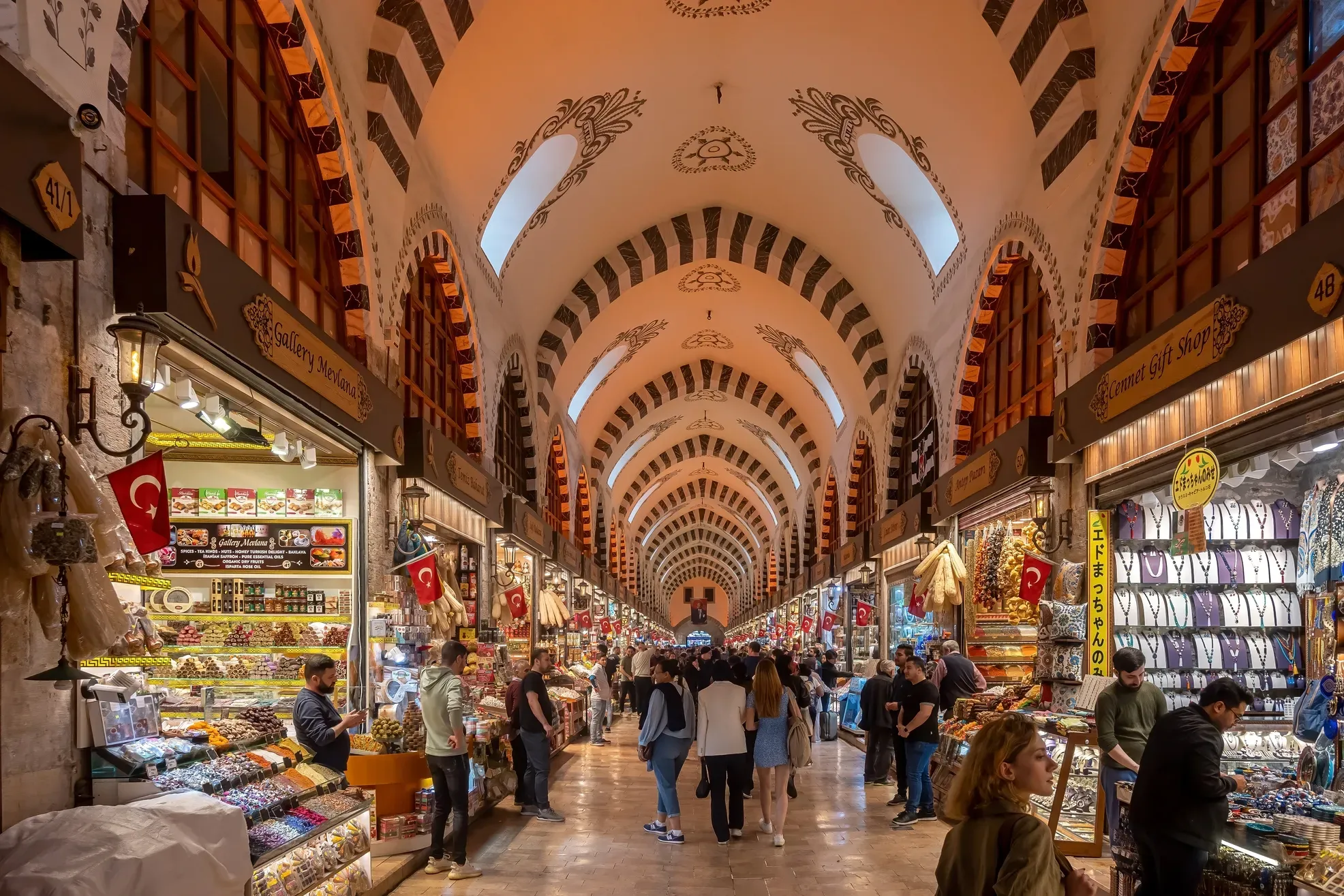
Istanbul is famed for its bazaars and its mercantile spirit. To embrace this experience, make sure you visit at least one of its historic markets, even if you don't plan to shop. The Grand Bazaar (Kapalıçarşı) is the most famous. It houses more than 4,000 shops and feels like a labyrinth of covered lanes, with stores selling jewelry, ceramics, textiles, carpets, and souvenirs.
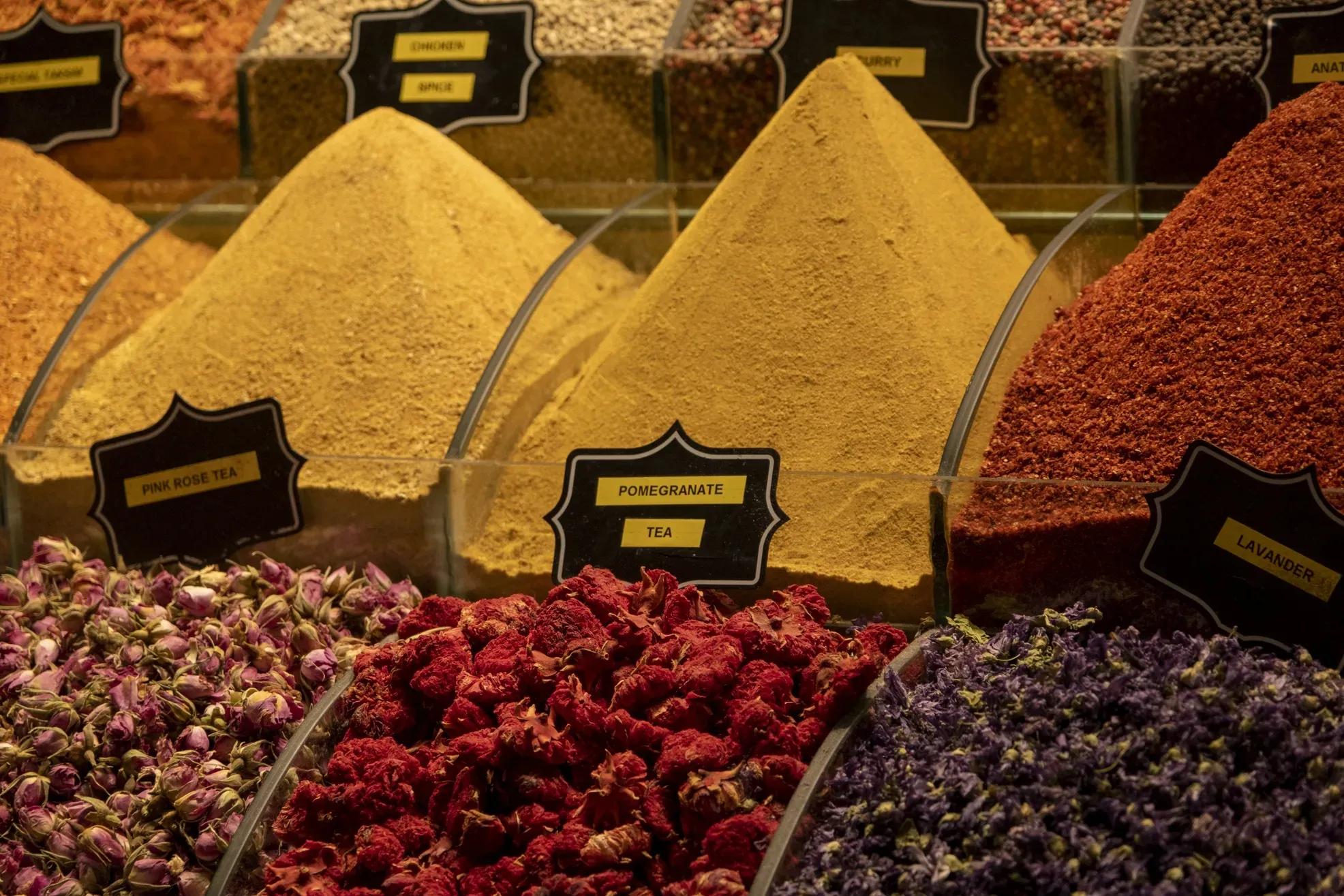
Near the waterfront in the Eminönü area lies the Egyptian Bazaar (Mısır Çarşısı), the perfect stop for lovers of culinary discovery. Spices, nuts, dried fruits, Turkish delight, and baklava fill the stalls with color and aroma. It's also a good opportunity to pick up small gifts for the trip home. A few steps outside the market, you'll find the traditional confectionery Ali Muhiddin Hacı Bekir, said to have created the famous Turkish delight.
Neighborhoods worth exploring
Balat and Fener: The city's colorful side
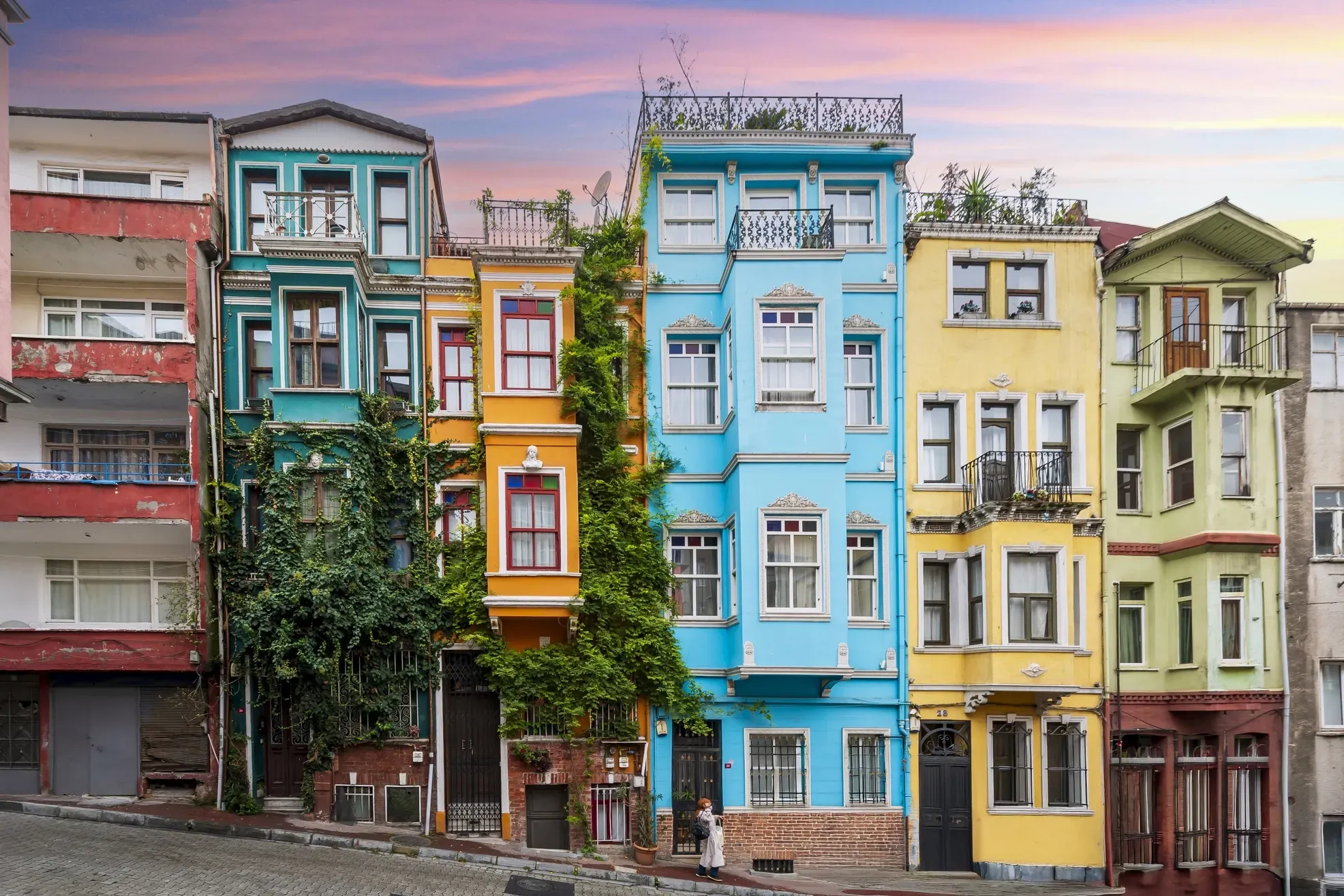
Balat (Balat) is one of Istanbul's most photogenic neighborhoods. Colorful houses, uphill alleys, little cafés, vintage shops, and workshops create an atmosphere that feels distinctly different from the historic center. The area is tied to the city's multicultural past, as Jewish, Greek, and Armenian communities lived here for centuries.
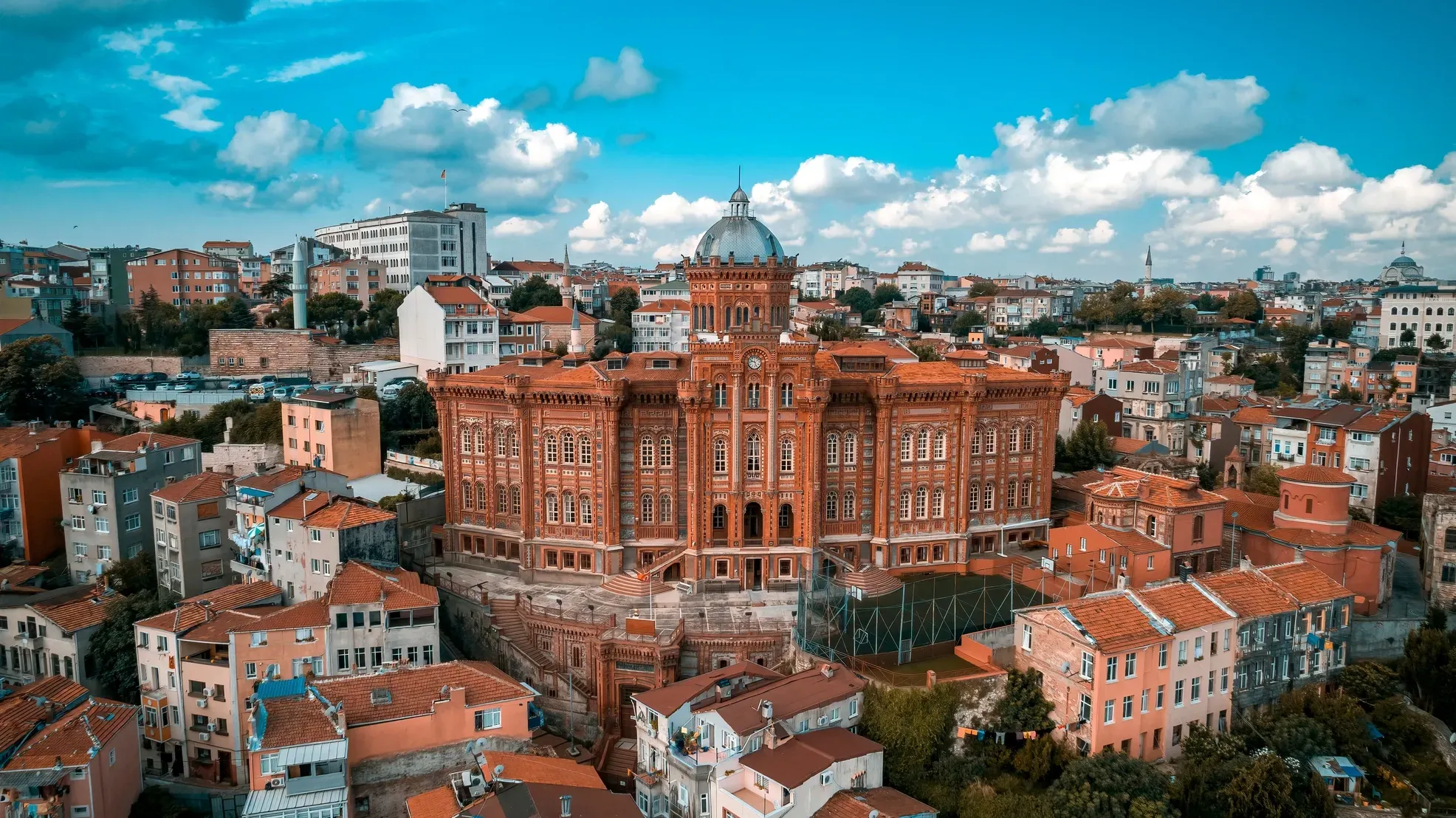
Right next door is Fener (Fener), where the imposing building of the Ecumenical Patriarchate and the Church of St. George stand out. Inside the church you can admire the ornate iconostasis, icons, the patriarchal throne, and other important relics. It's also worth seeking out the striking red building of the Great School of the Nation, which dominates the neighborhood skyline. Set aside a few hours to wander unhurriedly, pause for coffee, and discover small shops away from the busiest tourist routes.
Pera: The city's historic and cosmopolitan side
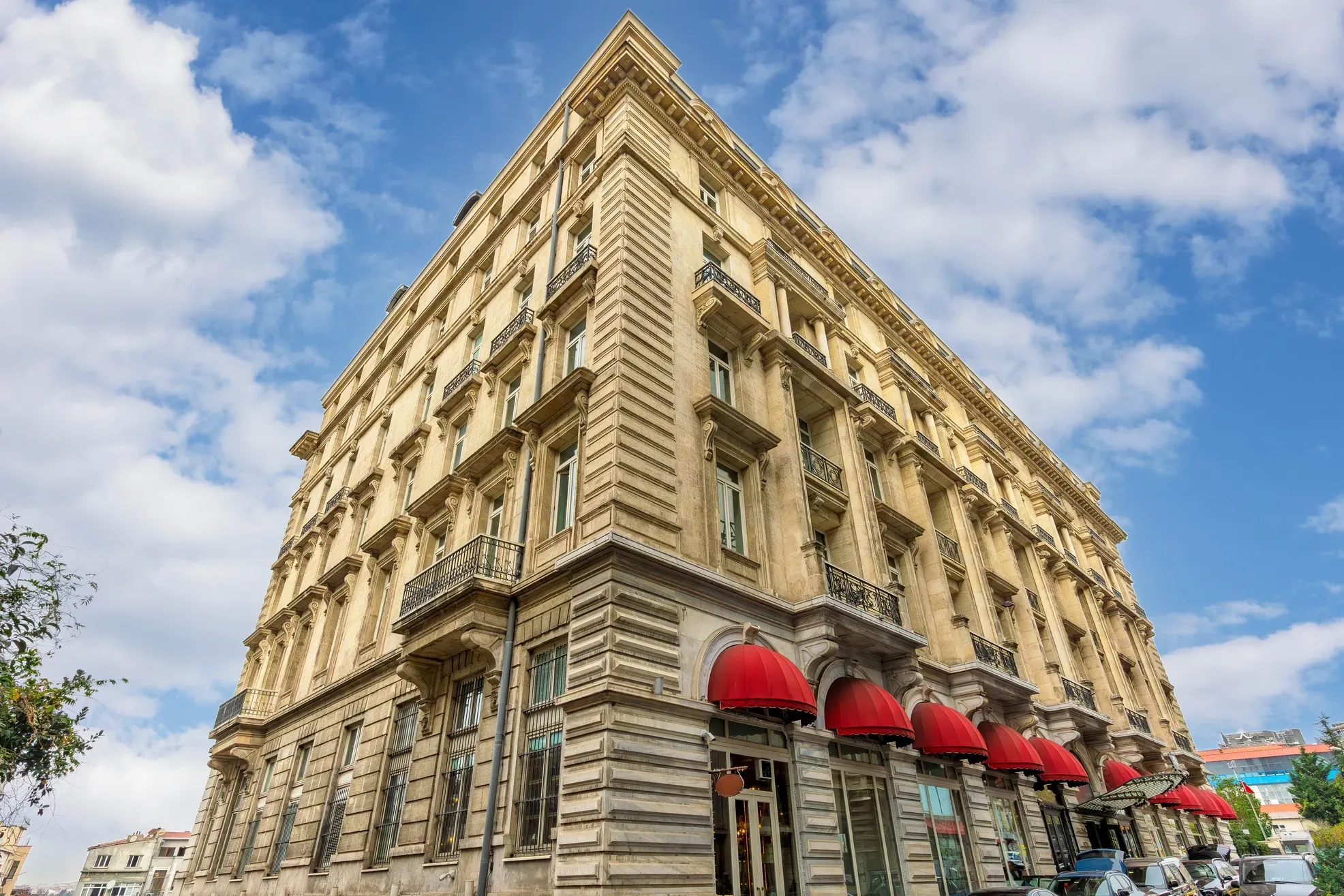
The Beyoğlu (Beyoğlu) district forms the heart of the city's cultural and commercial life and was historically known as Pera. Today, Pera is associated mainly with the area's cosmopolitan quarter above Galata and around Istiklal, where the city's European social life flourished in the 19th and early 20th centuries. For a taste of that era, seek out the historic Pera Palace Hotel and the old arcades in the area.
Galata and Karaköy: The contemporary side of Istanbul
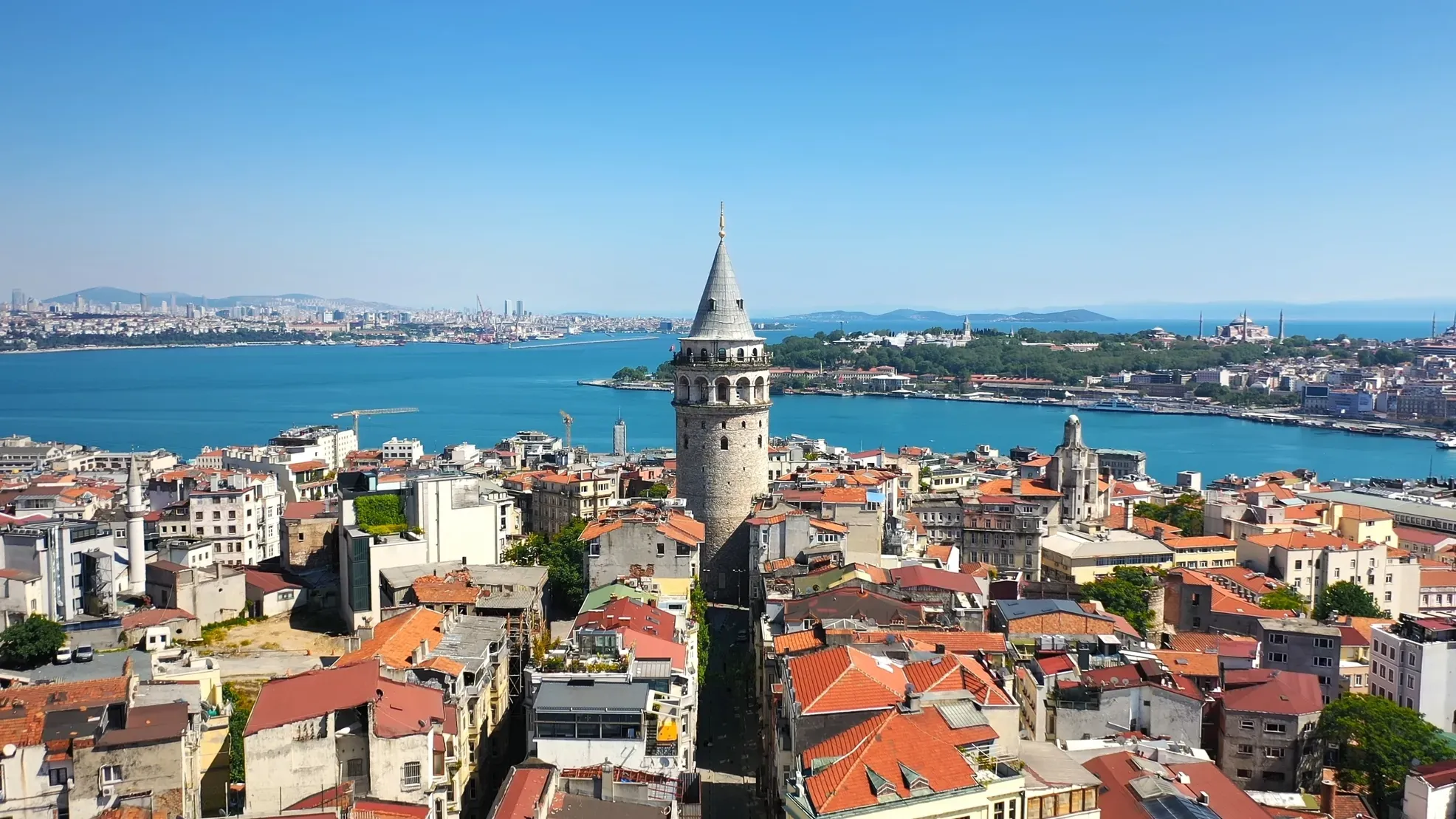
These neighborhoods are essentially part of the broader Beyoğlu area. The streets around the Galata Tower and Karaköy are ideal for discovering a different face of Istanbul, where history meets contemporary life. The emblematic Galata Tower rises above the lanes of the historic quarter, with old buildings, small shops, and cafés setting the scene for leisurely strolls.
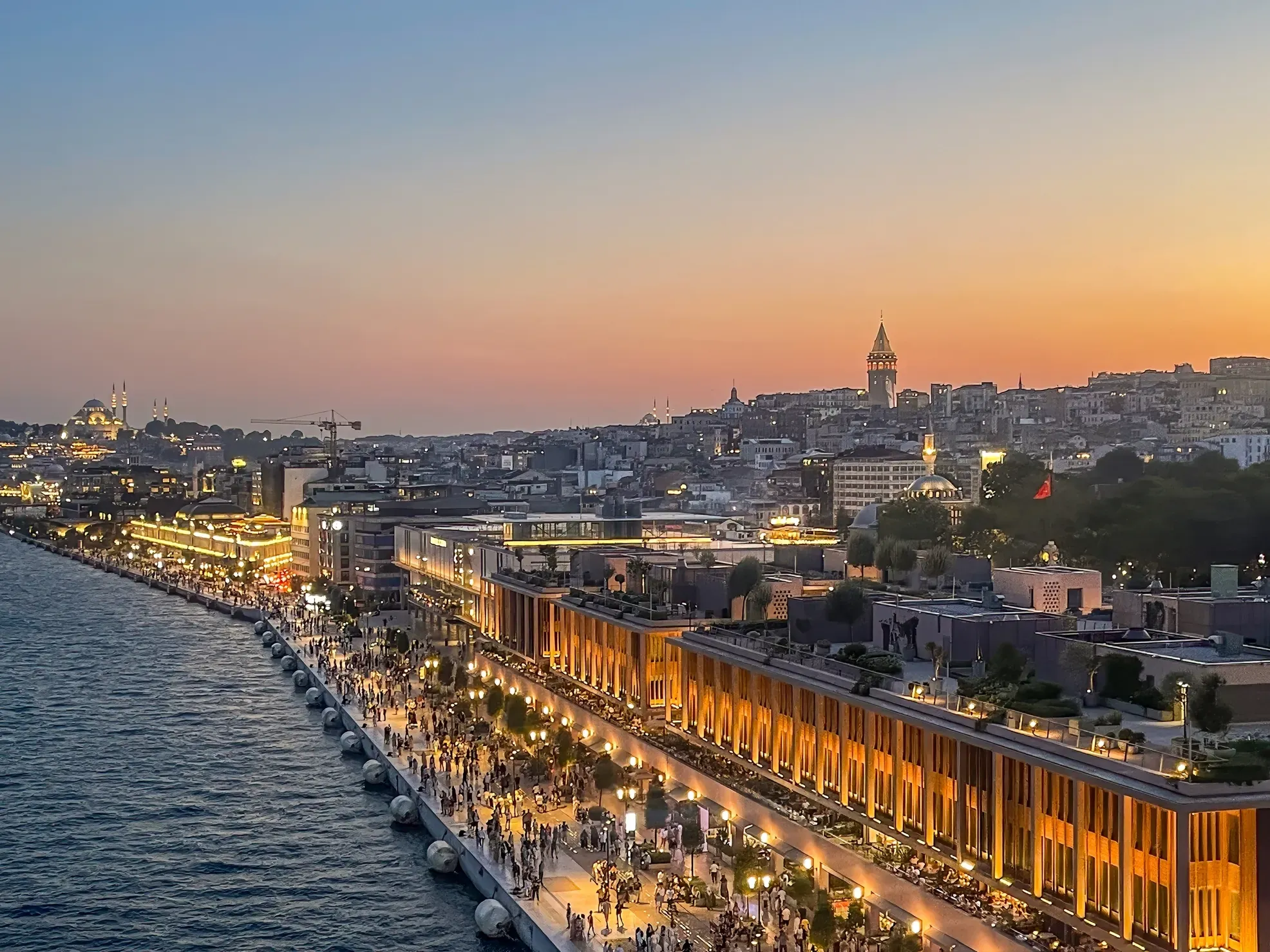
Heading downhill toward Karaköy (old Galata), you'll come across a more contemporary neighborhood, with creative hangouts, galleries, restaurants, bakeries, and modern cafés. It's worth walking to the Galata Bridge and the Galataport promenade, from where you can enjoy views of the Golden Horn and the ships crisscrossing the city's waters. This is also where you'll find the popular Istanbul Museum of Modern Art, housed in a building designed by Italian architect Renzo Piano.
Taksim and Istiklal: The city's vibrant heart
The city's most famous pedestrian avenue lies in Beyoğlu and stretches from Taksim Square (Taksim Meydanı) to Tünel station. It's said that three million people walk along Istiklal every day. Together with Taksim Square, they form two of modern Istanbul's busiest spots. Along the grand shopping boulevard you'll find stores, cafés, and restaurants, while the distinctive red nostalgic tram that runs its length is one of the city's most recognizable symbols.
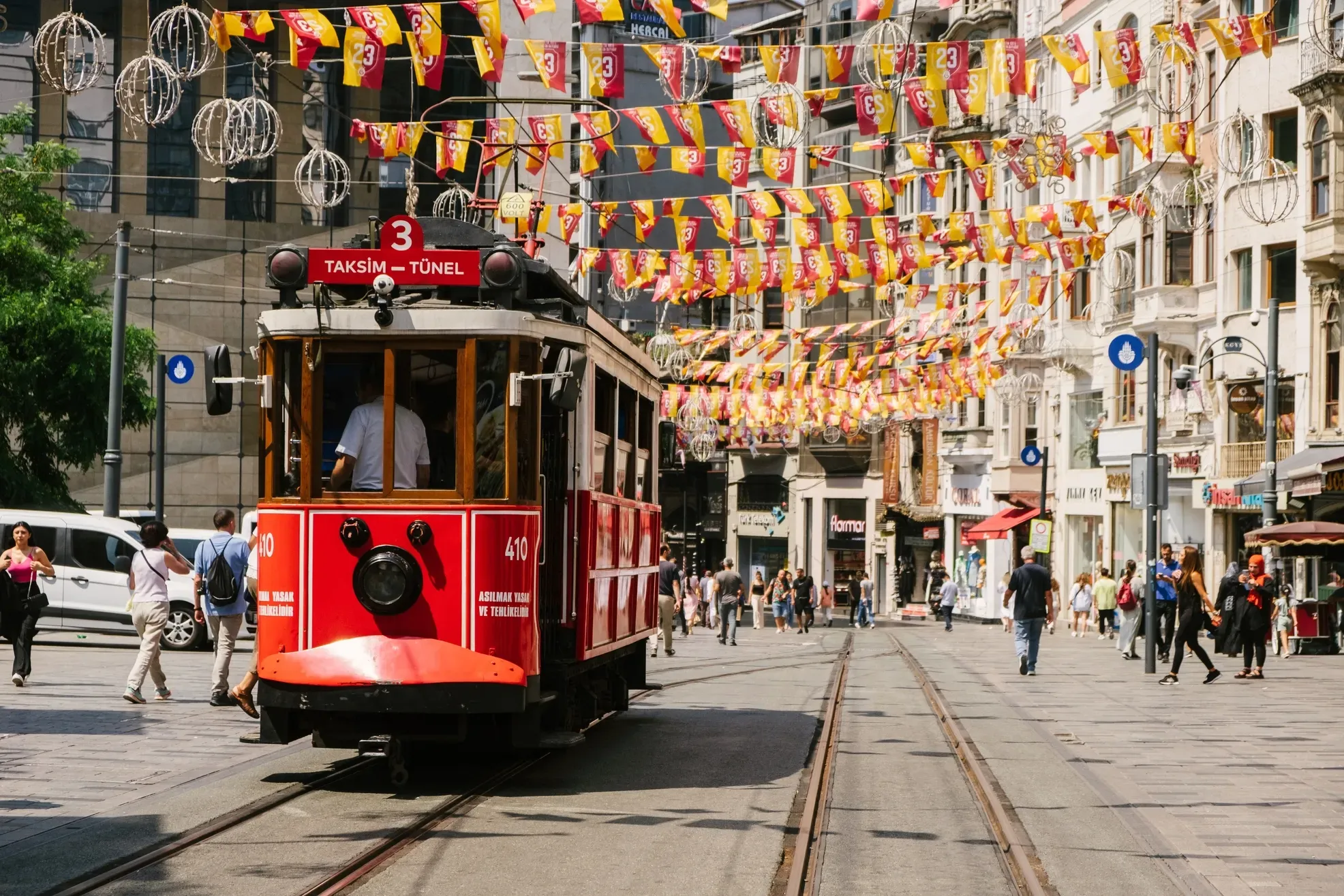
This is also where you'll find the Cinema Museum (Sinema Müzesi), housed in an 1870 building and a favorite destination for cinephiles. The walk ends at Taksim Square, a meeting point for locals and visitors, with the Republic Monument at its center. The area buzzes from morning until late at night and is ideal for shopping, dining, and getting a feel for the city's contemporary rhythm.
Ortaköy: On the banks of the Bosphorus
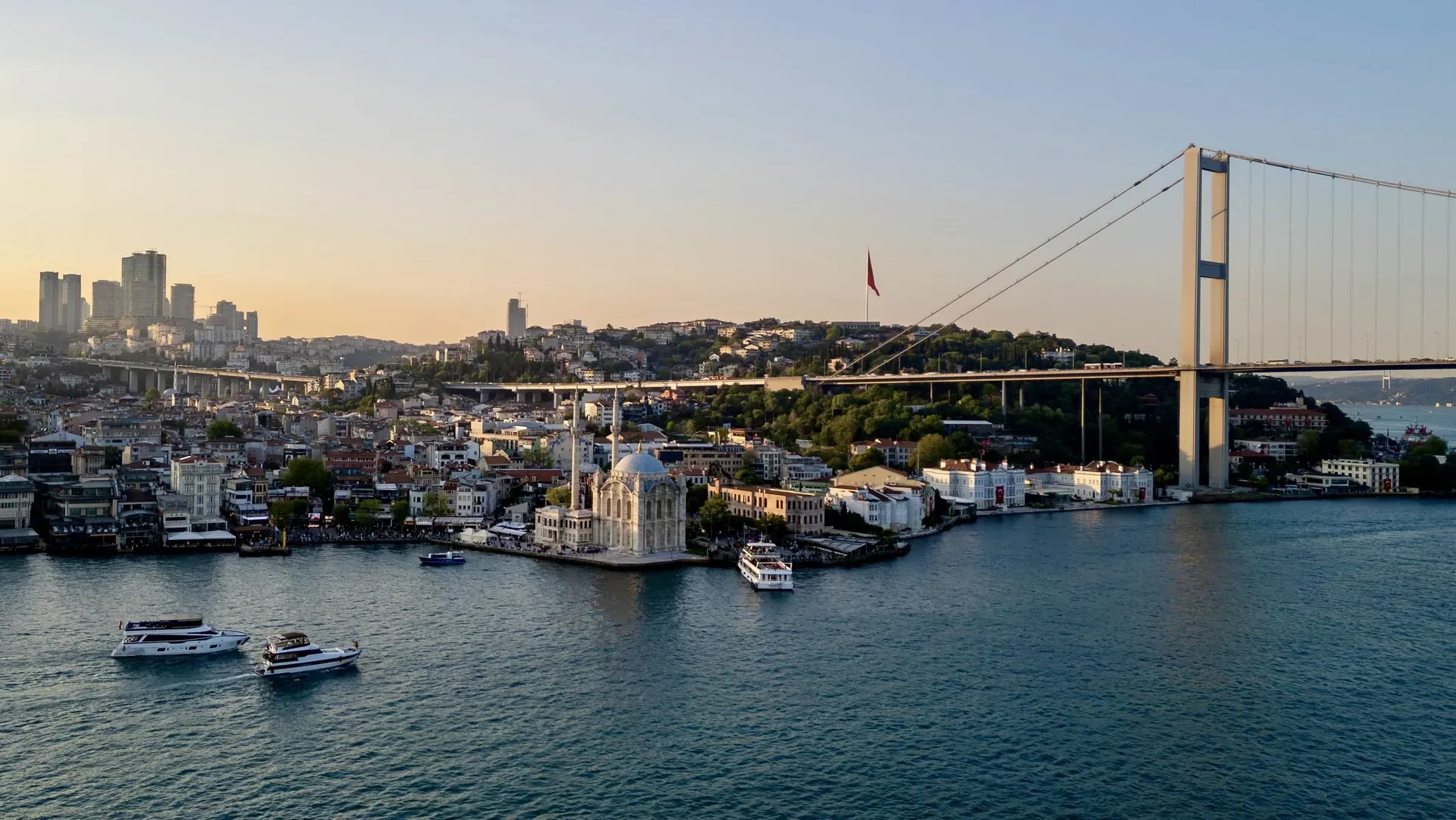
A stroll along the Bosphorus is an experience that shouldn't be missing from a first trip to Istanbul. Ortaköy (Ortaköy) is one of the most characteristic stops, thanks to the striking mosque that sits right by the water, with the Bosphorus Bridge framing one of the city's most recognizable vistas. The area is especially lively in the afternoons and on weekends, with small stalls, cafés, and restaurants. Even if you don't have time for a full cruise to watch the sunset, it's worth boarding one of the boats that link the city's two shores. Cruising the Bosphorus offers a different perspective on Istanbul, with palaces, waterfront mansions, minarets, and bridges unfolding before you.
Süleymaniye: A quieter stroll
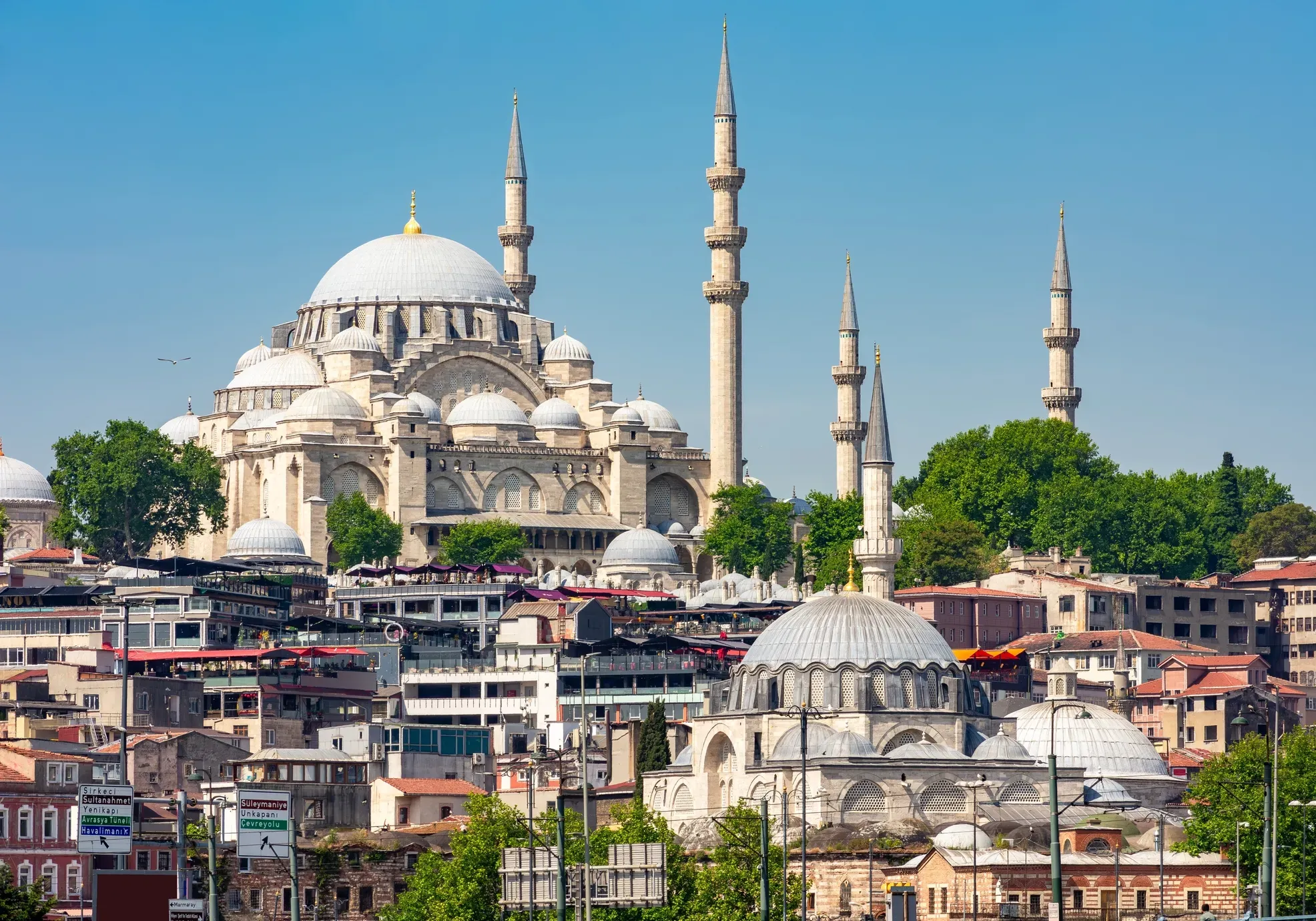
For a different view of the city, head up the hilltop district where the famed Süleymaniye Mosque stands, one of architect Mimar Sinan's masterpieces. Considered one of the most important monuments of 16th-century Ottoman architecture, it stands out for its design and its dramatic perch above the Golden Horn. In the wider area you'll find old buildings, small shops, and traditional eateries, and from certain points you can admire sweeping views over the city's rooftops.
What to try in Istanbul
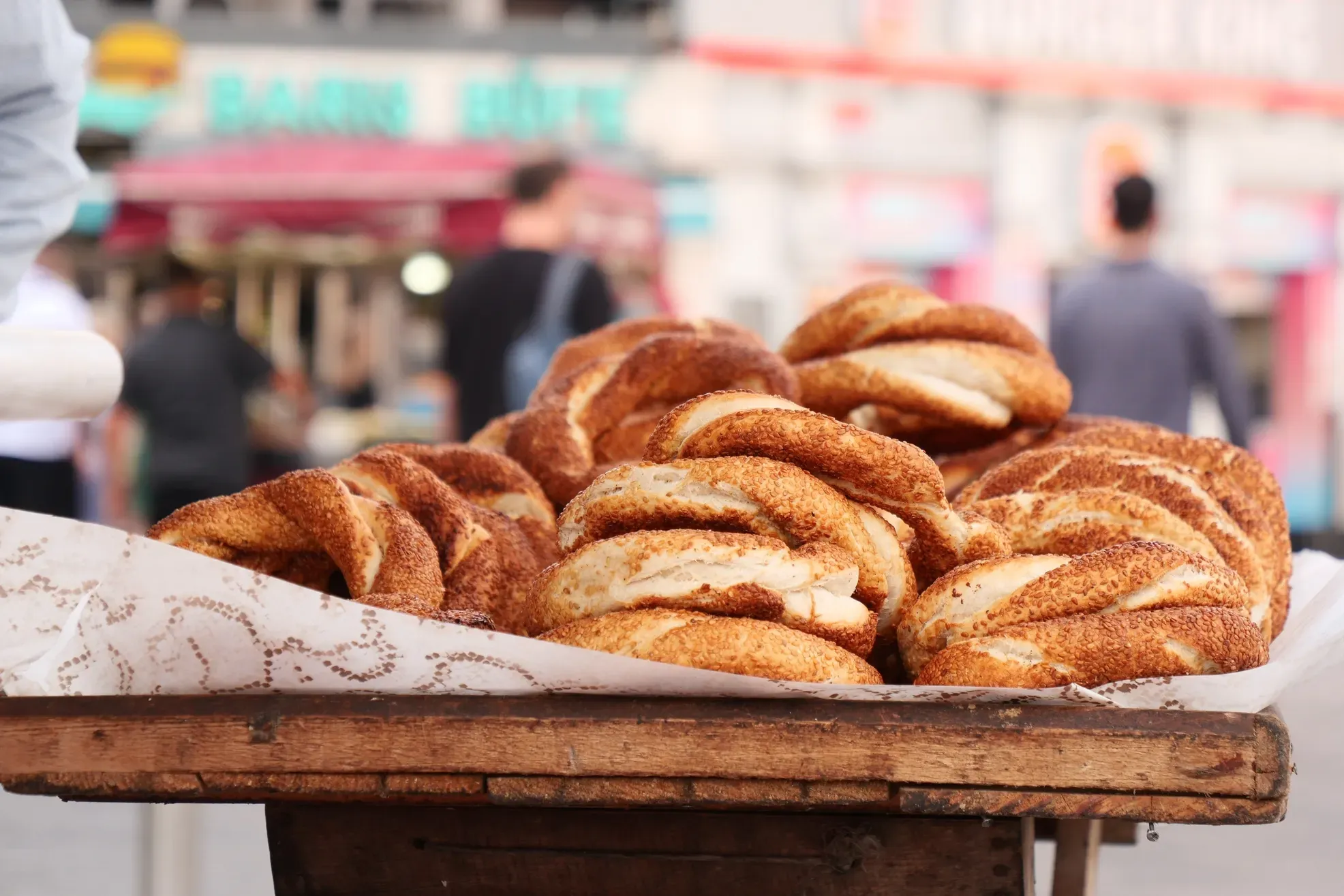
Gastronomy is an integral part of the journey. Istanbul is famous for its street food and its flavors. Start your day with a traditional Turkish breakfast, the well-known kahvaltı, with cheeses, olives, eggs, tomatoes, bread, jams, and of course tea. For something quick on the go, try simit, the signature sesame-crusted ring bread, or a fish sandwich near the Galata Bridge. Try kumpir, the oversized baked potato stuffed with toppings of your choice, and enjoy a waterfront stroll.
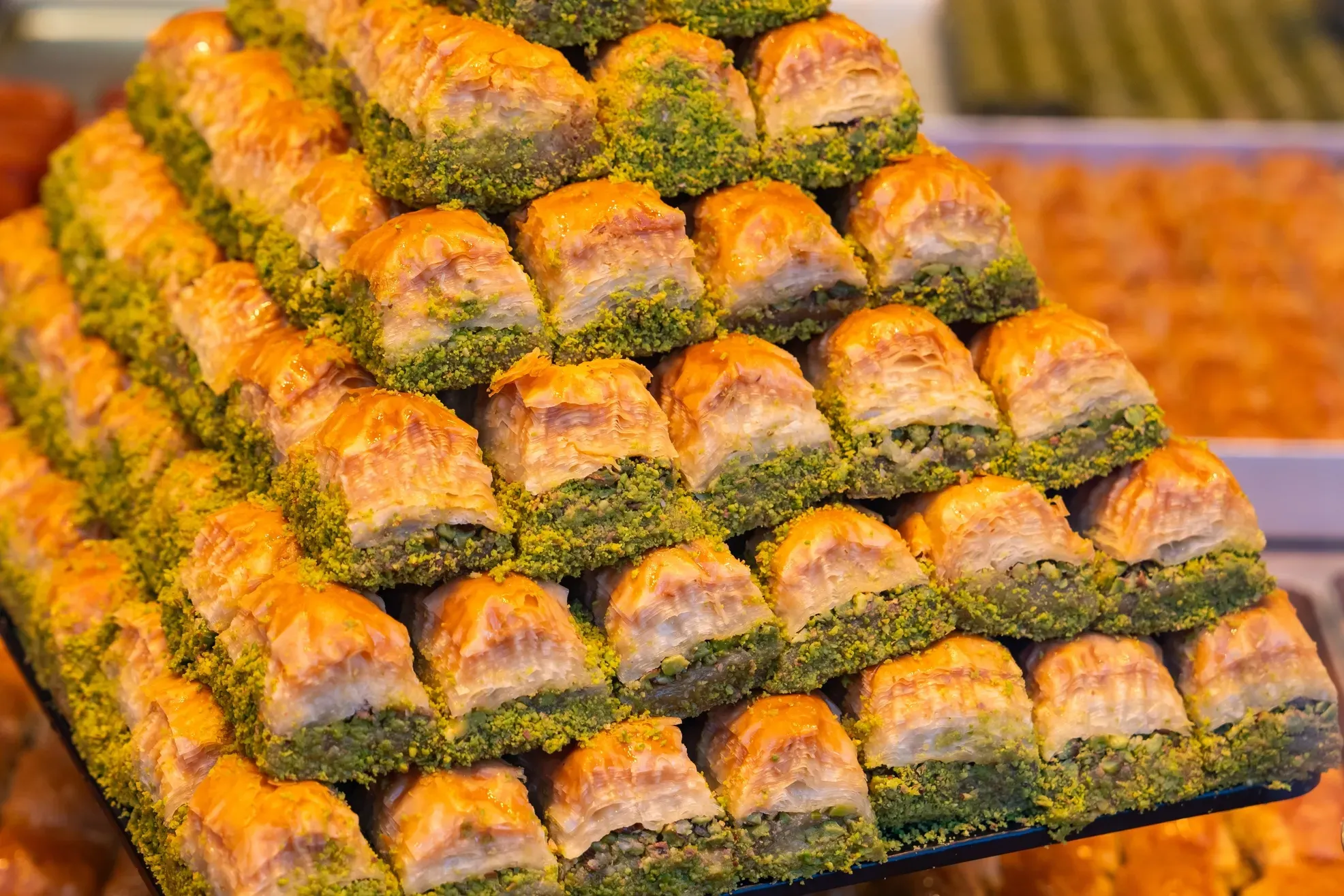
In markets and patisseries you'll find countless options for Turkish delight, baklava, and other syrup-drenched sweets. Don't miss an authentic Turkish coffee or a glass of tea in a small traditional café. Look for restaurants serving meze, kebab, and local recipes, while in more contemporary neighborhoods, like Karaköy, you'll also find creative takes that blend Turkish cuisine with modern techniques.
Where to stay
Choosing the right area to stay can make your trip easier. Sultanahmet is ideal for a first visit, as it's close to the most important historic sights and lets you get around a lot on foot. Karaköy and Galata suit those who prefer a more contemporary vibe with cafés, restaurants, and easy access to many parts of the city. For a more intense urban scene, shopping, and nightlife, you can choose the area around Taksim and Istiklal. If you'd like to experience local daily life and explore the Asian side, Kadıköy is an interesting alternative. In any case, choose accommodation near a tram, metro, or ferry stop to minimize taxi rides, because traffic is very heavy in the city.


