





Perched on the edge of the cliff at the southernmost point of Tuscany, medieval Pitigliano is one of the wonderful secrets of Italy. The village is also known as «Little Jerusalem» due to the Jewish community that flourished there.
Even from afar, its impossible not to be enchanted by the sight of the village, poised on the edge of a long narrow rock, with the medieval buildings seeming to hover above the valley. Known as «Little Jerusalem» (La Piccola Gerusalemme) due to the Jewish community that flourished there, the picturesque Pitigliano (Pitigliano), located in the province ofGrosseto,is one of the loveliest corners of Tuscany and one of Italys wonderful little secrets.
Youll need to cover about 155 km. from Romeor 90 km. from Florence to reach the villagethat is built atop a volcanic tuff rock. The impressive rock is surroundedby lush green valleys crossed by the Lente and Meleta rivers.
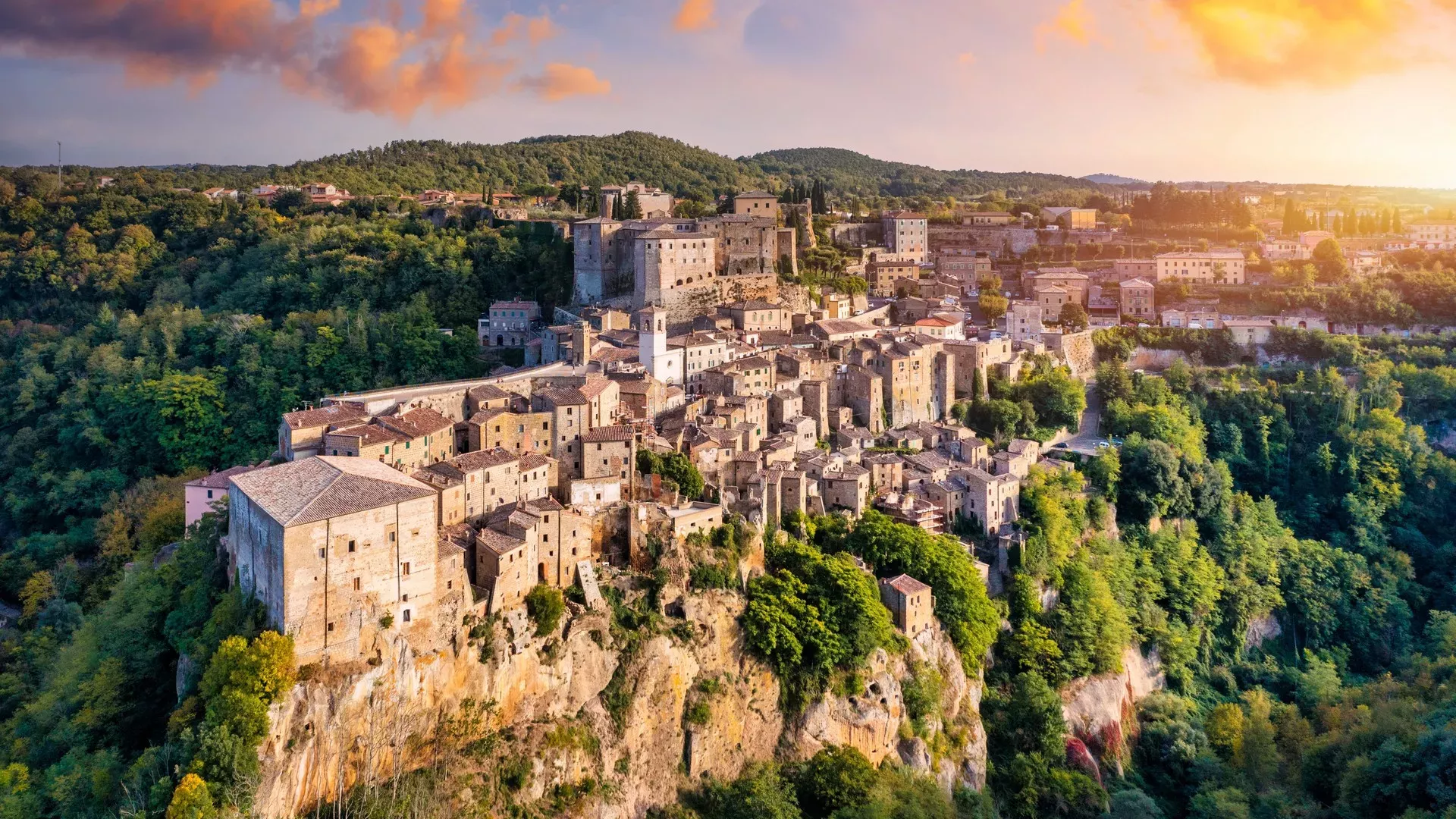
On the site where the village stands today, an Etruscan settlement was established in the 8th century. According to an old myth, the town was founded by two Romans, Petilio and Celiano. The name Pitigliano derives from the combination of their names. From the early 16th century, Pitigliano hosted a thriving Jewish community, which found refuge here after being persecuted by the papal regime. Many Jewish families came to settle in this area, where they were allowed to live in a ghetto and develop various commercial activities. The Jewish community of Pitigliano grew to such an extent that in 1598 it built a synagogue, which survives to this day.
What to see in Pitigliano
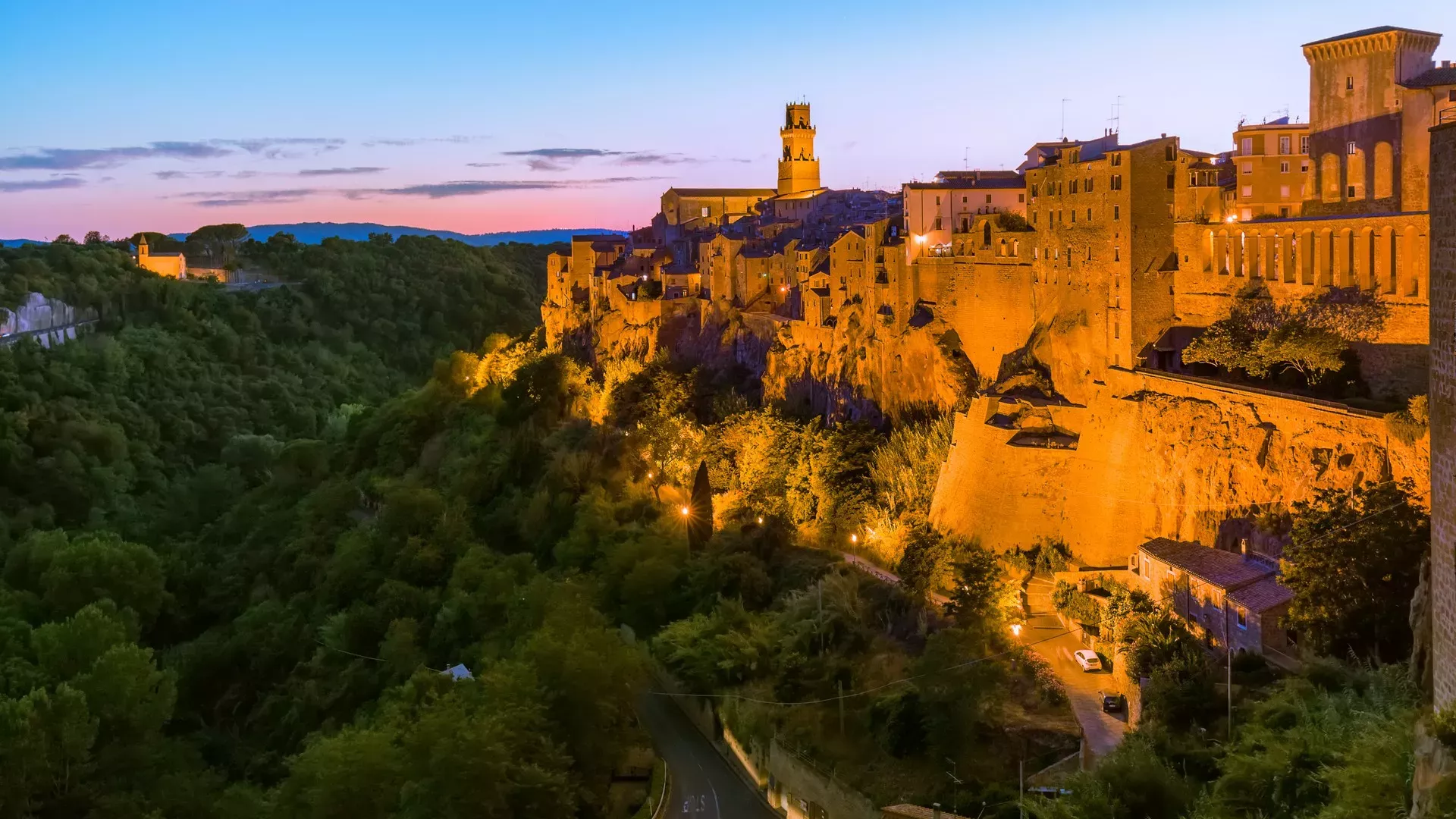
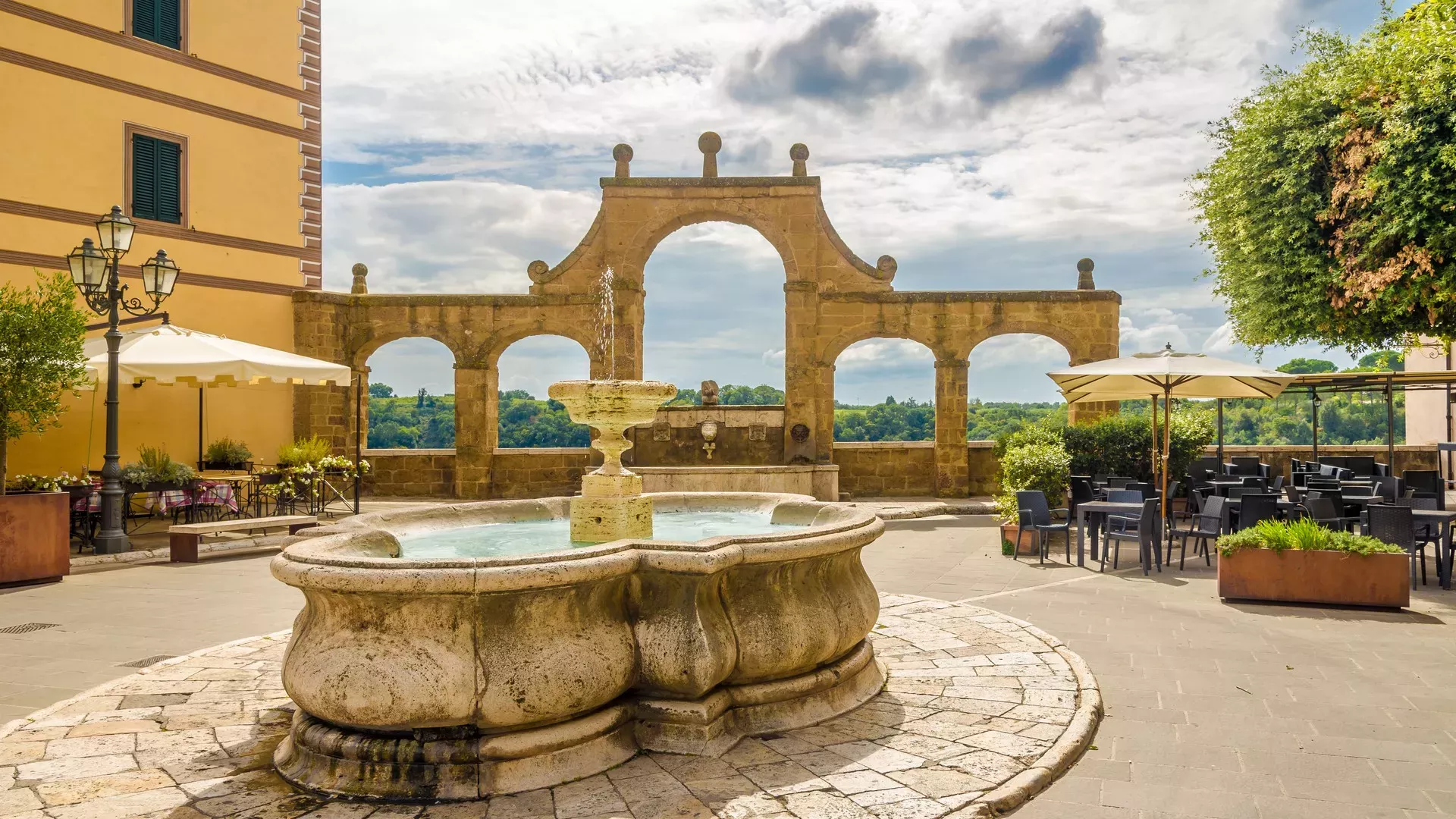
Entering the town, the road follows the walls of the Orsini castle with the imposing 13th-century Palazzo Orsini, which houses two museums: the Civic Archaeological Museum and the Palazzo Orsini Museum. A little further on, Piazza della Repubblica, with its two striking fountains, offers wonderful views of the areas hills. The Via Zuccarelli, which starts here, was the main street of the towns Jewish ghetto. The Synagogue of 1598 has been restored to its former glory and hosts various cultural events. It is worth visiting the Museo della Cultura Ebraica, which brings visitors into contact with this rich heritage that has been preserved.
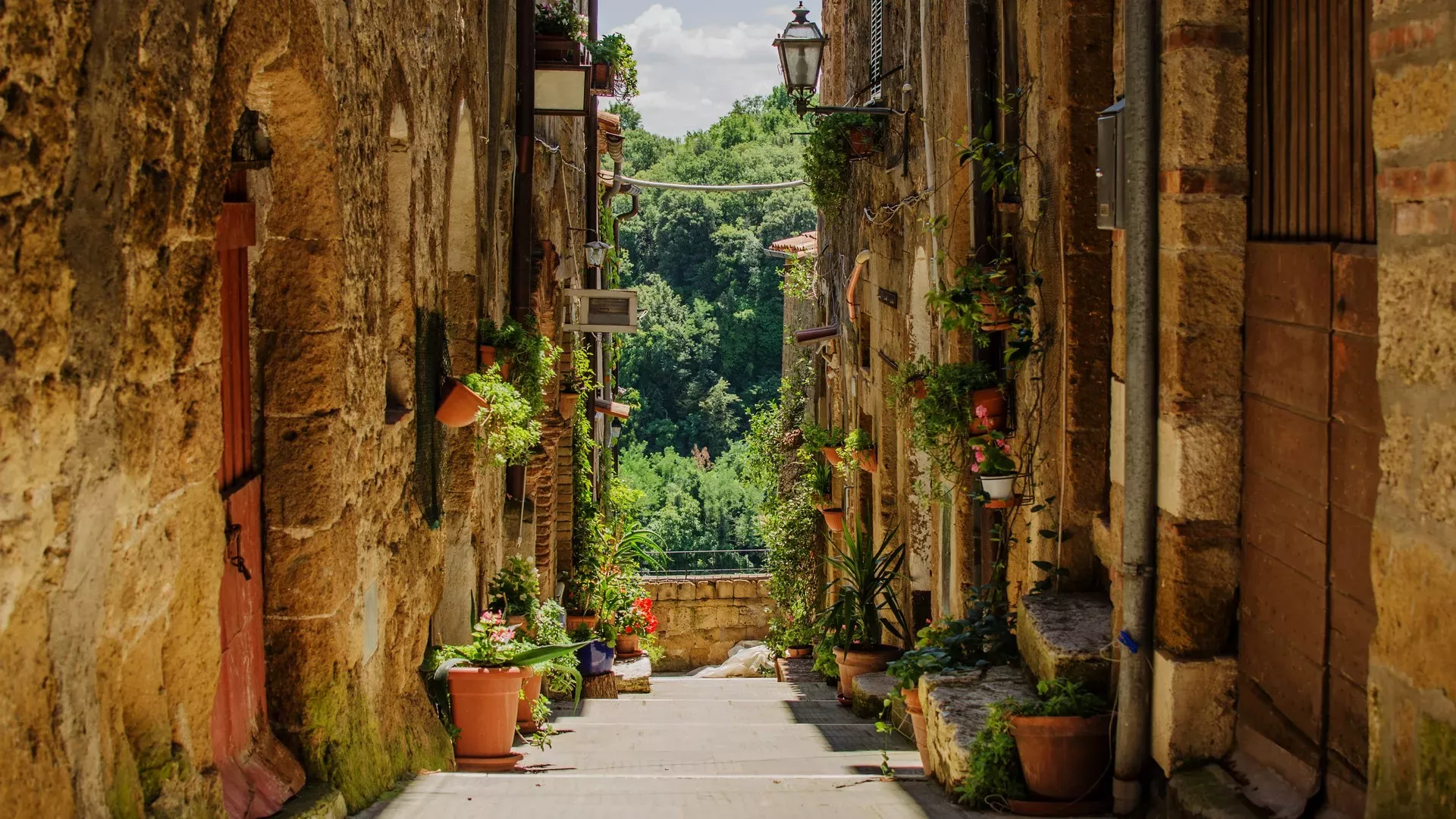
The historic center of Pitigliano seems to have remained unchanged since the Middle Ages. A stroll through its well-preserved alleys is a journey back in time. Here youll lose yourself in alabyrinth of narrow lanes, tower-houses, spiral staircases, squares and little shops. Most houses in the historic center have cellars carved into the tuff rock, for storing wine (the areas white wine is renowned). Many alleys end at spots with breathtaking views of the rolling hills, dotted with olive groves, chestnut trees, oaks and pines.


One of the best-known events in Pitigliano is Settembre di Vino, which takes place every year alongside the harvest. For four days, the cellars of the historic center open and serve local wines, dishesand traditional products - an event brimming with flavor, music and fun. Also famous is the Torciata di San Giuseppe, a cultural festival held every year on March 19.
What to try
In Pitigliano there are traditional trattorias where you can savor delicious local dishes such as pappardelle with ragù and traditional bread-and-egg soups. In the areas impressive cellars, carved into the volcanic rock (tuff stone), renowned wines such as Bianco di Pitigliano are still produced today. A local delicacy youll find in bakeries and one thats worth trying is Sfratto dei Goym, a Jewish sweet with walnuts and honey.
What to see in the surrounding area
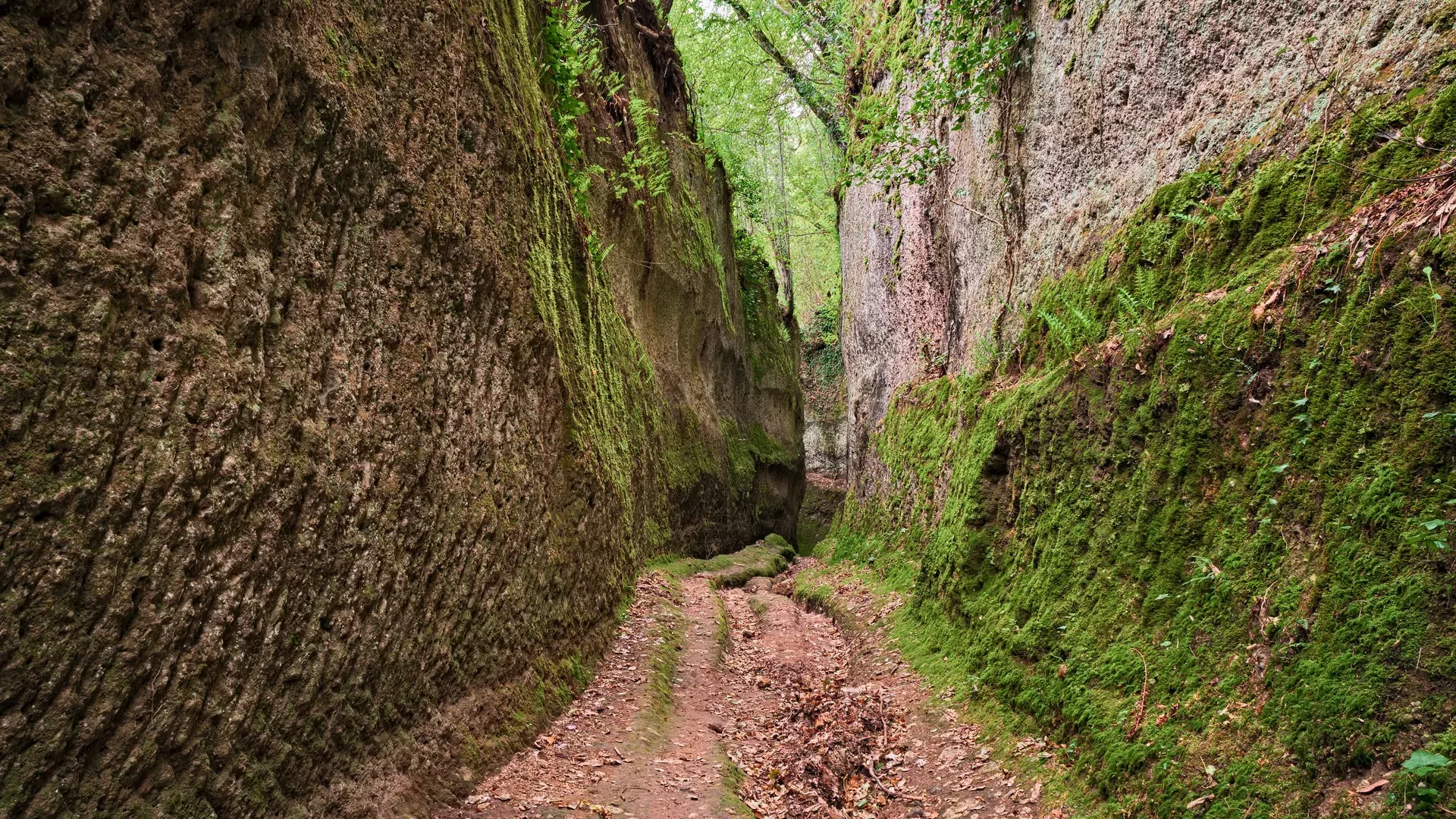
Around Pitigliano lies theVie Cave. These are roads carved into the rock, dating back to the Etruscan era. Some are over a kilometer long and have walls 20 meters high. In general, the area is full of caves, Etruscan ruins andmany trails for hiking enthusiasts. Next to Pitigliano is the charming medieval village of Sovana, while about 25 km. away youll encounter the town ofSaturnia with its famous thermal springs.