





The capital of Portugal has everything you need from a European getaway: culture, unique sights, interesting architecture and good food. Weve put together a short guide with everything you need to see and do on a trip to Lisbon.
Spread across seven lush green hills, where the river Tagus meets the Atlantic, with its atmospheric neighborhoods, retro trams that climb the slopes and its historic monuments, the capital of Portugal uniquely blends Mediterranean temperament, the romantic aura of a bygone era, and the cosmopolitan energy of a modern metropolis. Lisbon has its own distinctive personality and its own way to charm you.
There are outstanding museums, splendid palaces, and UNESCO World Heritage Sites to visit, but whatever you choose to do, the real showstopper is the city itself: its sights and scents, the alleys of Alfama with laundry strung across, the views from the miradouros, the melodies of the fados, the hum of the traditional tram, the exotic azulejo tiles, the delicious Portuguese tarts pasteis de Belem. The city of the great seafarers is a delightful surprise from the first to the last minute of exploration. Here are the experiences you shouldnt miss in Lisbon.
Stroll through the neighborhoods
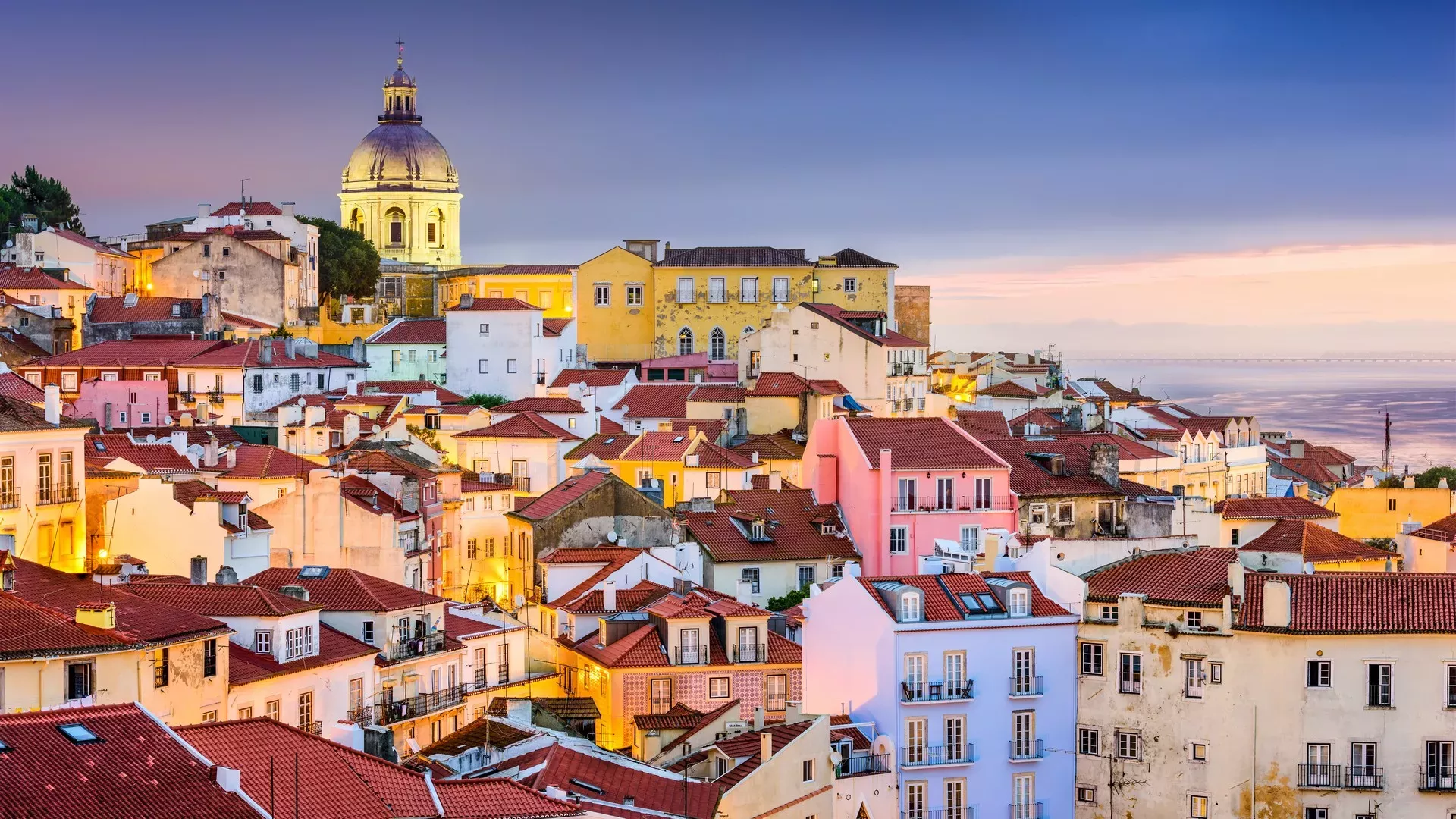
The Alfama is the oldest and most picturesque neighborhood in Lisbon. It is the only area that remained unaffected by the devastating 1755 earthquake. A walk through its labyrinthine, colorful lanes is a plunge back in time. Thefacades of many buildings are clad inbeautiful hand-painted tiles (azulejos) and the streets are filled with shops selling traditional handicrafts, small cafes and tavernas serving cod and Portuguese wine. In the evening, the melancholic fado music is heard inold restaurants.
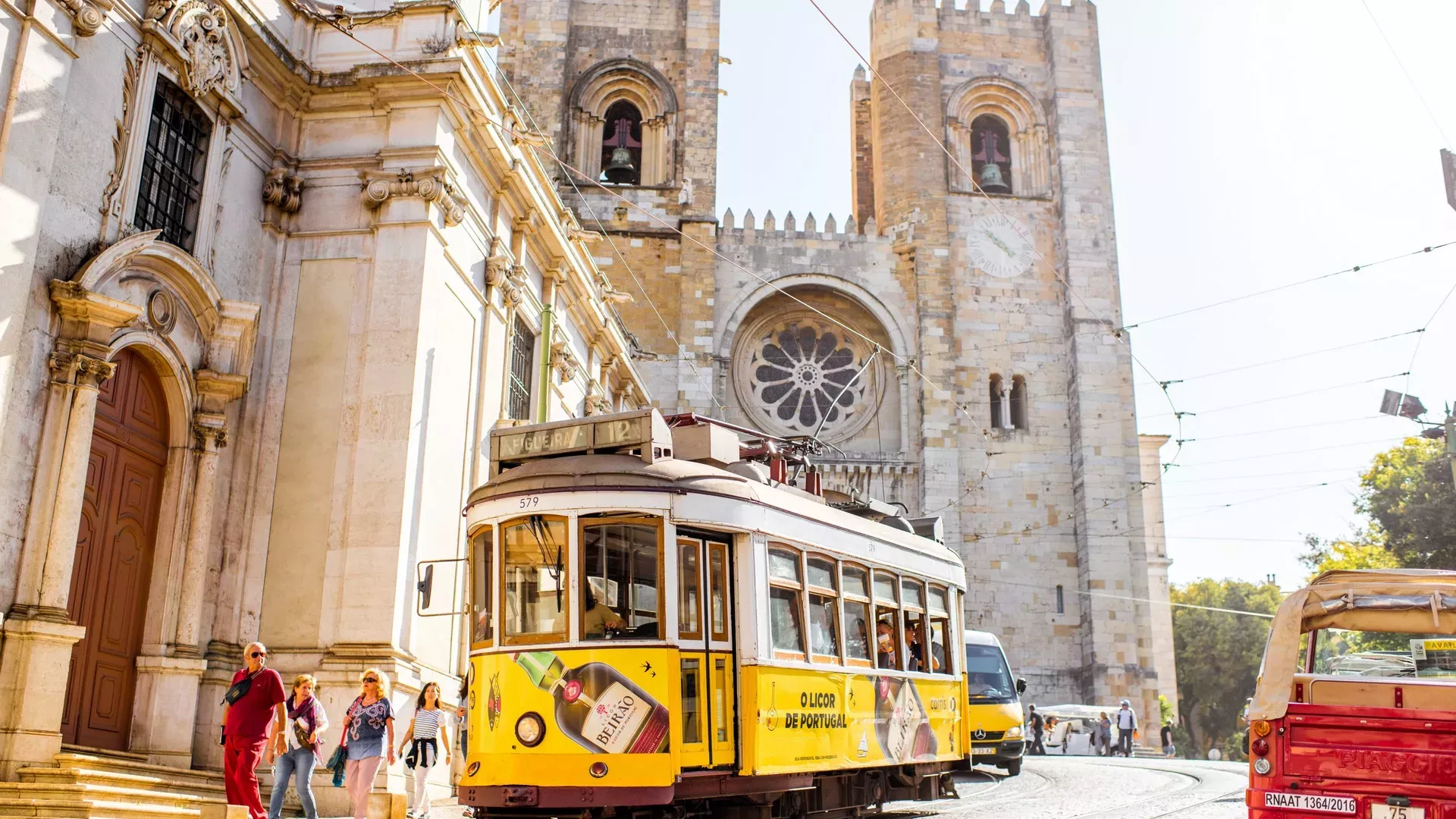
The Se Cathedral with its two towers and the Castle of St. George (Castelo de Sao Jorge), which isset on the highest of Lisbons seven hills, offeringbreathtaking panoramic views, are the top sights of the area. You will also enjoy wonderful views of the city and the Tagus River from Miradouro da Graça, near Castelo de Sao Jorge.
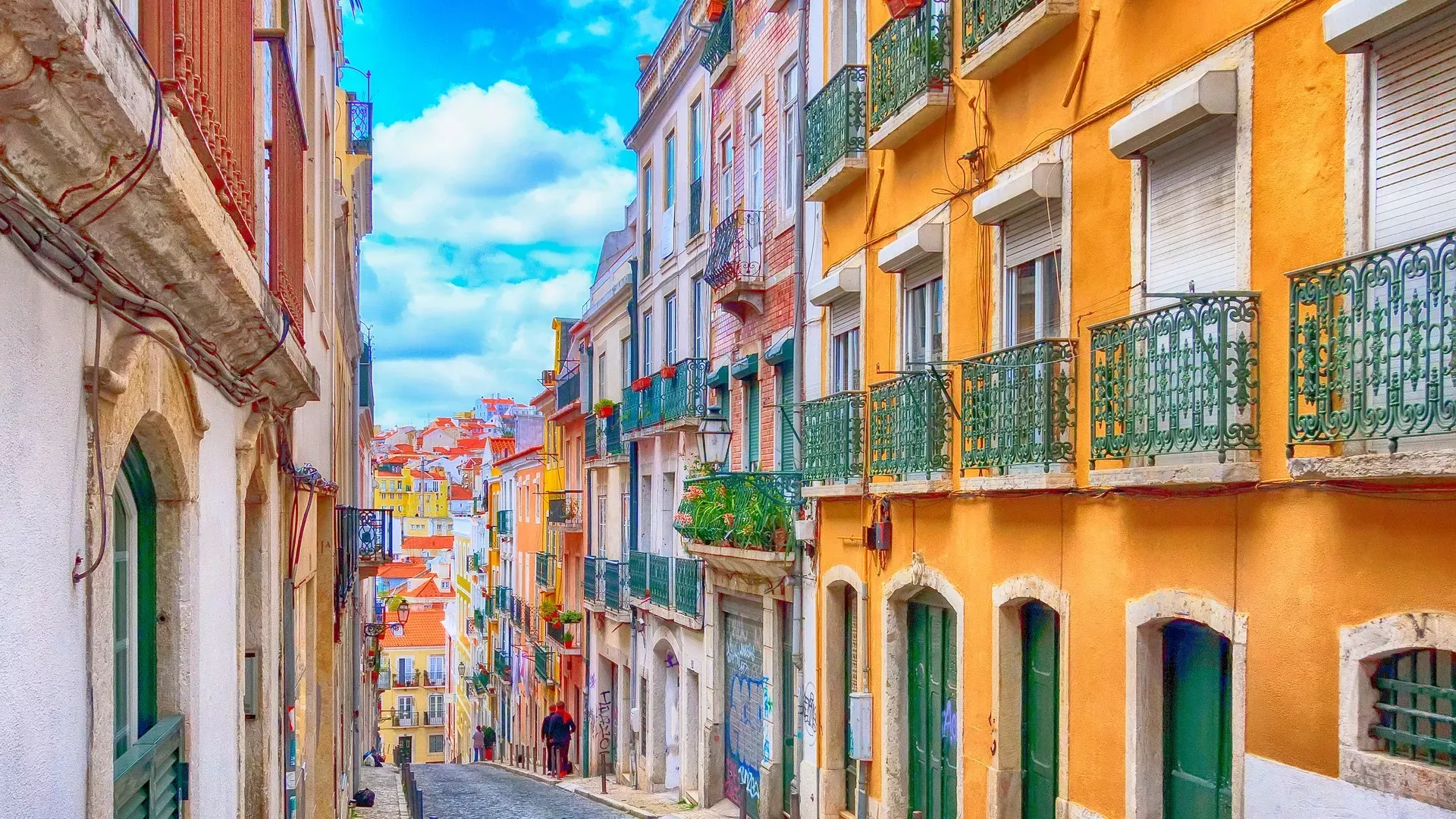
The Bairro Alto is the citys liveliest district, with great little bars, trendy restaurantsand a youthful vibe. In the Baixa area you will stroll along the famous Da Liberdade Avenue, along which you will find major stores for shopping.Right next door is theneighborhood of Chiado, packed with cafes, theaters, bookshops and intriguing stores. A stop for a bica (Portugueseespresso) at «Cafe a Brasileira»,a favorite haunt of Fernando Pessoa, is a must, with a bronze statue of him seated at the table he always preferred.
The retro tram
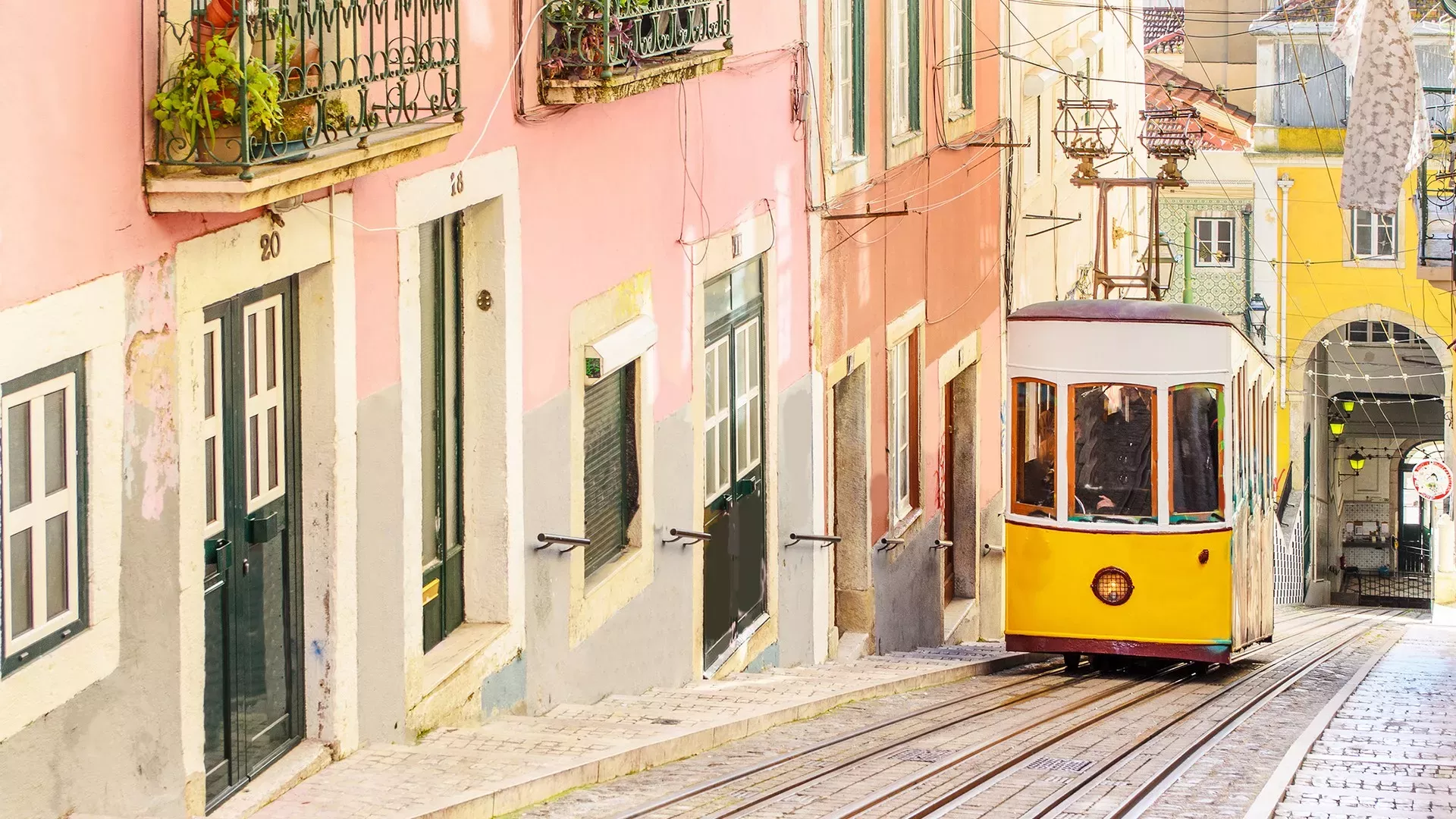
Rideson the traditional trams, which glide past homes and shops and reveal many beautiful corners of the city, are an experience not to miss. Especiallytram 28 is a sight in its own right. It starts from Praça do Martim Moniz, passes through many areas of the center and climbs up to Alfama, offering wonderful views over the city.
The historic Belem
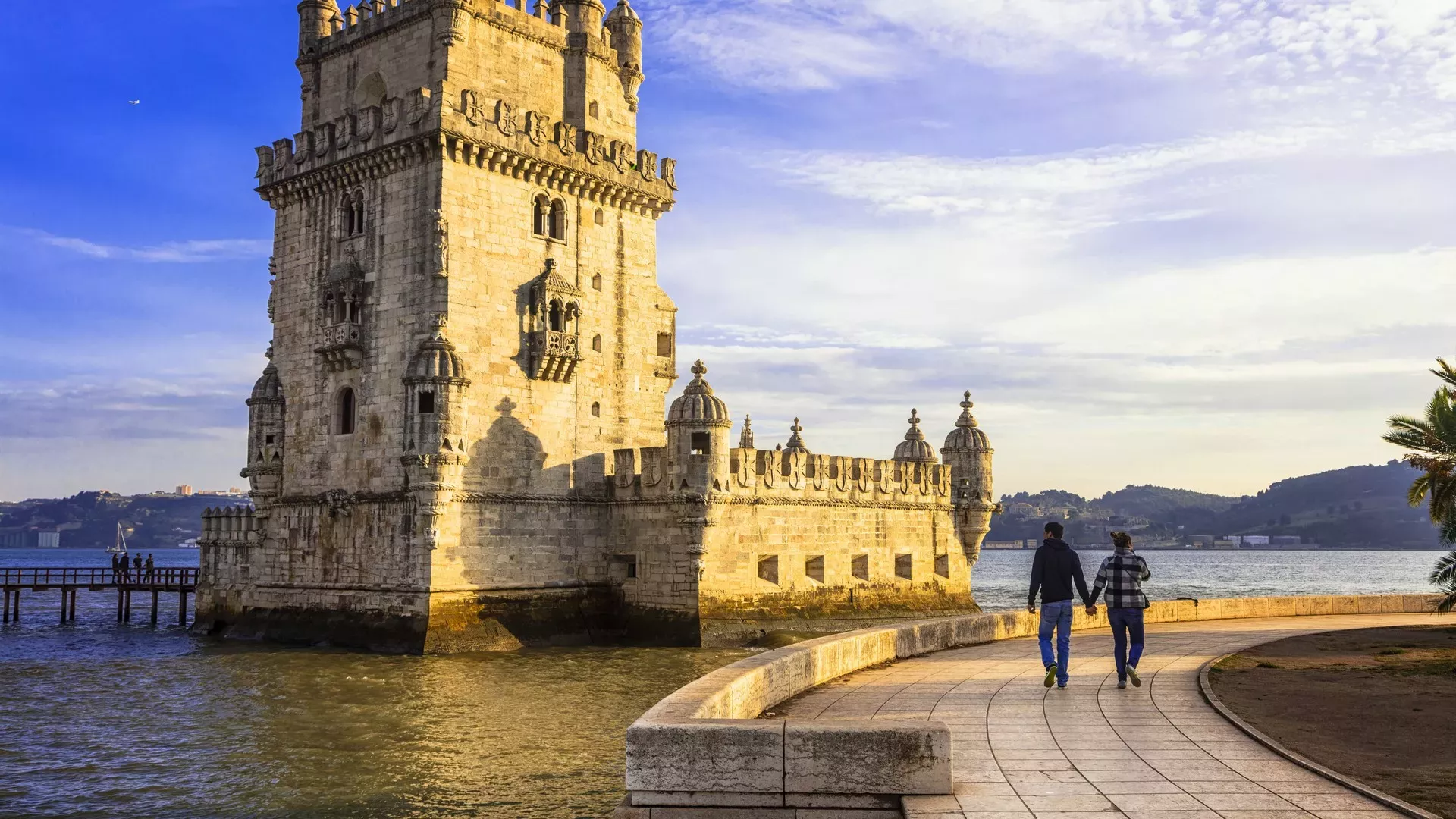
The historic district of Belemboasts unique sights, UNESCO World Heritage monuments. It is the pointwhere the Tagus meets the Atlantic, the place from whichthe seafarers once set off on their adventurous discoveries. Here you will see the Torre de Belém, an imposing white tower that blends Moorish, Gothic and Renaissance elements, as well as the Monastery of St. Jerome (Mosteiro dos Jeronimos), where the tombs of Vasco da Gama and Fernando Pessoa are located.
The fados

The fados are the Portuguese peoples melancholic folk songs that narrate wounded loves, twists of fate and powerful emotions. The signature music of Lisbon. You will hear them in many restaurants and bars, in the neighborhoods of Alfama, Mouraria and Lapa. In Alfama you can also visit the Fado Museum that reveals the roots of the traditional music.
The flavors

In Lisbon you will try cod in every version you can imagine. In general, you will relish fresh fish and seafood, with meat dishes also making an appearance. Picturesquetaverns (tascas)with good foodas well as restaurants with more creative cuisine and international flavorscan be found in the Bairro Altο area. Do not miss the delicious pastéis de belém, small nests of crisp pastry filled with custard - just the thing to sweeten your strolls around the city. It is worth tasting them at the historic pastry shop of the same name, which has been making them to a secret recipe since 1837.
The Parque das Nacoes

Built in the area developed for Lisbons international exhibition Expo ‘98, next to the Tagus River, the Park of Nations (Parque das Nacoes) isa futuristic urban landscape that reveals to visitors the modern face of the Portuguese capital. An ideal destination for the whole family,it includesthe vast Vasco da Gama shopping mall and the Oceanario de Lisboa - one of the largest and most impressiveaquariums inEurope. There are alsorestaurants, leisure complexes, a casino and parks perfect for picnics, while you can take rides by bicycleand cable car.
Excursion to fairytale Sintra
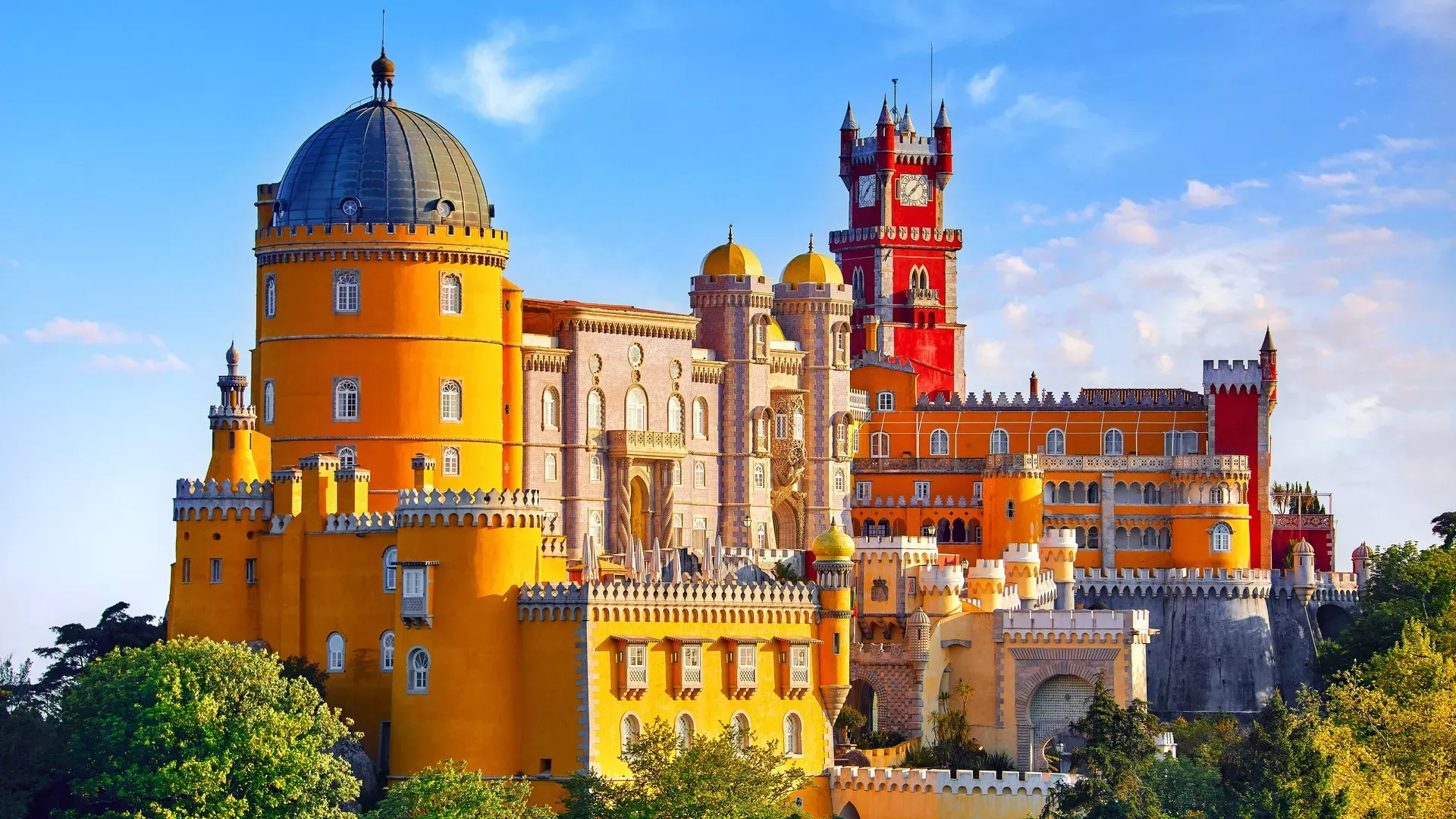
If you have time, it is worth visiting the nearby town of Sintra, which is 40 minutes by train from Lisbon. A UNESCO World Heritage Site, this fairytale town is full of palaces, gardens and mansions. The imposing Palacio Nacional de Sintra, the colorful Palacio Nacional da Pena, perched on the top of a craggy rock, the Castelo dos Mouros and the Palácio de Monserrate with its beautiful botanical garden, are the sights you will photograph.