





A journey of a lifetime that many dream of. Japan is a country worth visiting at least once in your life.
Japan is a destination that captivates every traveler from the very first moment. It is a place with so much to offer, where centuries-old tradition meets cutting-edge technology and the graciousness of its people is unmatched. From awe-inspiring temples and fast trains to the customs of the geisha and the colorful worlds of video games and manga, the Land of the Rising Sun hides countless surprises that will move you.
Japan is one of those countries with the magical ability to so enchant travelers that, before they’ve even left, they’re already checking tickets to return. This Asian country is a top spot on many Greeks’ bucket lists for 2026. We were fortunate to visit just before the year drew to a close and, if you’ve already booked tickets or are thinking of planning it, we’ve gathered a few tips that will make your trip much smoother.
Entry into the country
To travel to Japan with a Greek passport, you do not need to obtain a visa. All you need is a return ticket and to complete a questionnaire with your details and the purpose of your visit. You can do this upon arrival, however, to save time at the airport it’s best to fill it out one to two days before you travel by visiting the official site.
Once you complete the questionnaire, it immediately generates a QR code; take a screenshot so you have it on your phone to show at arrival control. At immigration you’ll need a little patience, as you’ll wait in line with the other arrivals.
Payments in shops
Although Japan is advanced in technology, not all shops accept card payments. It may surprise you, but in many restaurants and stores you’ll see signs reading cash only. In fact, you even need cash to issue a Suica card for your metro and train rides. Plan to exchange money in Greece, or upon arrival, so you have enough cash on hand.
For card payments, it’s recommended to use an international bank card that doesn’t charge extra foreign transaction fees per use. With such a card you can also withdraw cash at participating ATMs up to a certain amount (in each country the cash is in the local currency). At checkout you’ll notice machines where you insert the cash yourself, or you can place money on the counter rather than hand it over, as this is considered polite.
Cleanliness matters
Especially in a city of around fourteen million like Tokyo, it’s remarkable how there’s virtually no litter on the streets. Cleanliness is one of the most cherished virtues for the Japanese and it shows in every facet of daily life. Streets are spotless, as are metro stations, carriages, buses, and shops. In malls you’ll notice staff continually sweeping and dusting the stores.
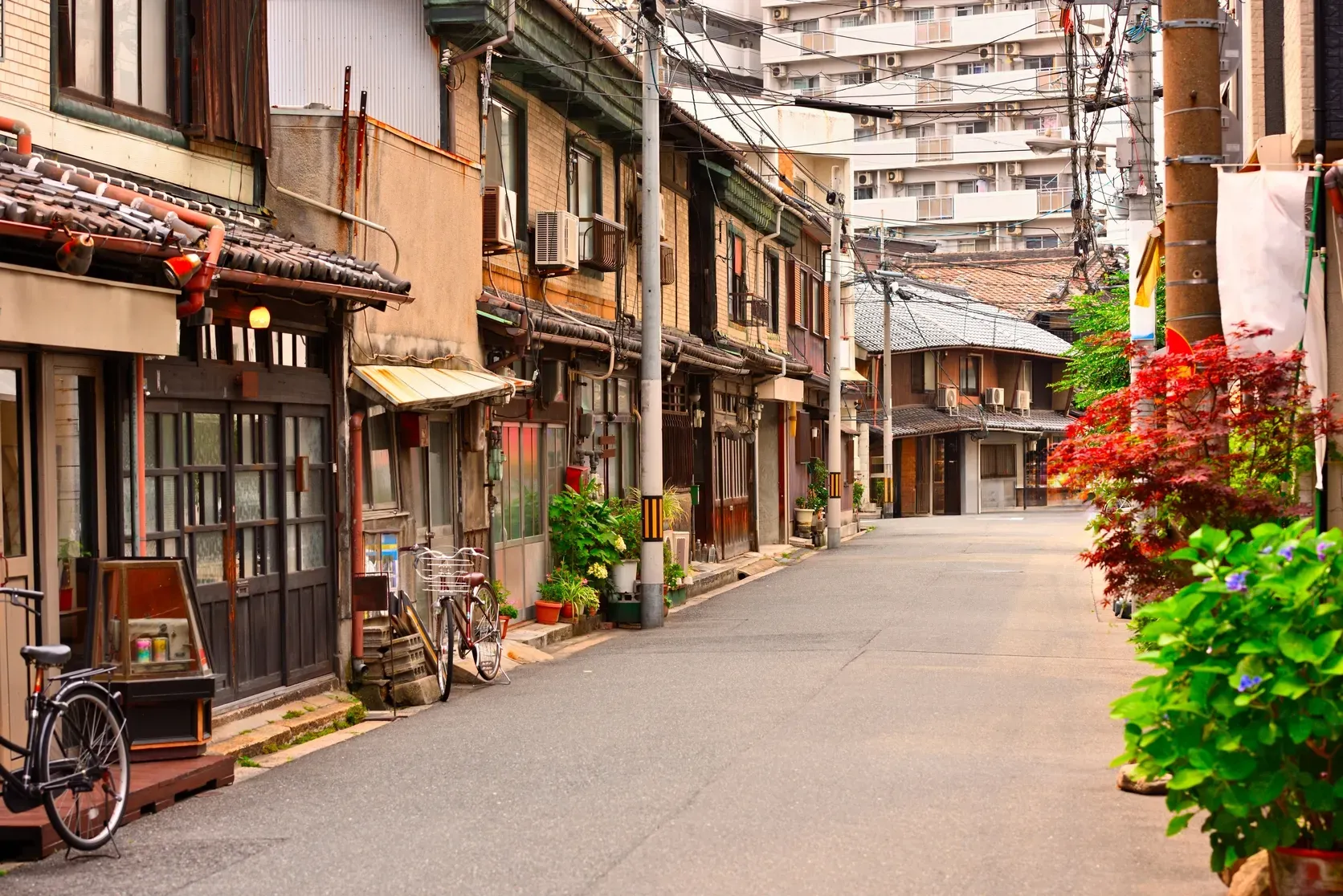
To respect these pristine cities, be mindful with your trash. What may surprise you most is that there are virtually no public trash bins outdoors, except near some street-food spots. A handy tip is to always carry a small bag and keep your rubbish with you until you return to your hotel, or step into a konbini (the chains on every block that resemble small super markets), where you may find a bin.
Respect and courtesy in the streets
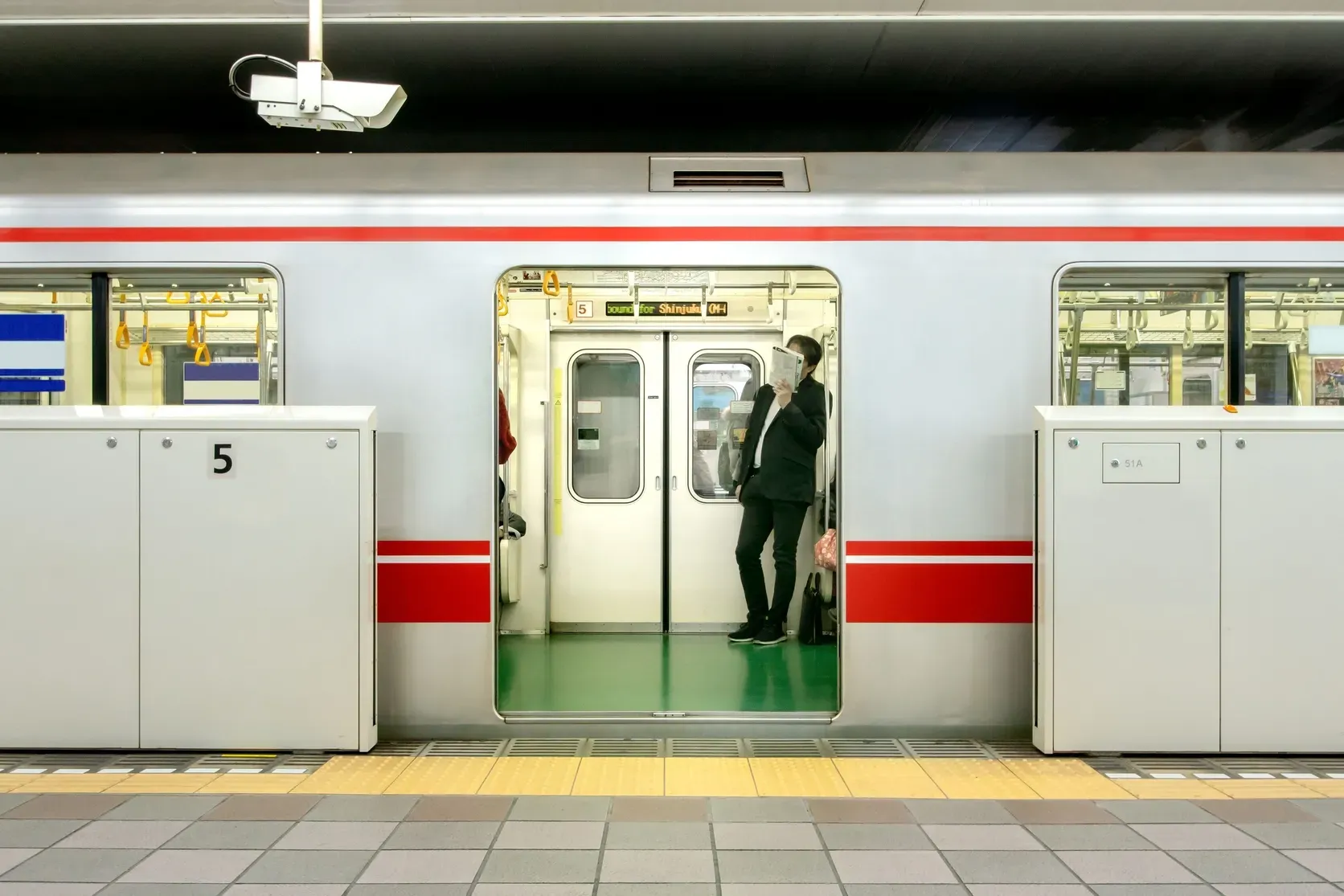
In Japan you’ll immediately notice the quiet on the streets and in public transport, even among the thousands of people moving about each day. Car horns are rare and conversations are hushed. In the metro you’ll see signs advising you to keep your phone on silent and avoid talking on the phone. To be respectful, avoid speaking loudly on public transport and be mindful in case the seat you’re in is reserved for someone in need. Also, the Japanese keep order and form queues before boarding the metro, lining up outside the carriages, and they don’t cross at lights until the signal turns green.
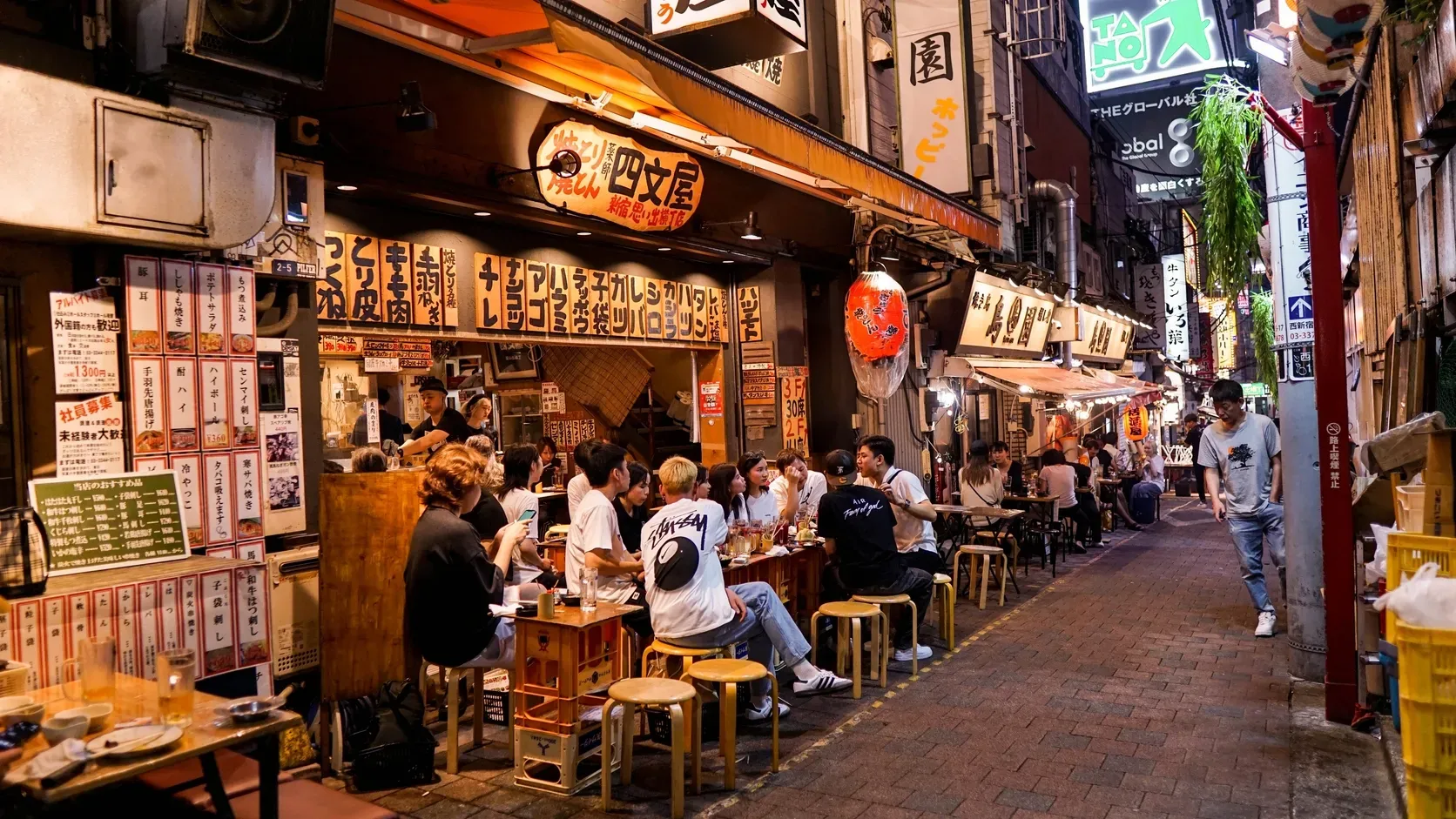
Something considered impolite in the country is eating while walking in the street. For this reason, you’ll see people stop and eat right outside street-food eateries and market stalls before continuing their stroll. Additionally, smoking isn’t allowed just anywhere, but there are designated areas in hotels, shopping centers, and on certain streets with clear signage. Another common practice across many Asian countries is that in several places you’ll be asked to remove your shoes, from fitting rooms to certain attractions.
Restaurant reservations
Japanese cuisine is among the finest and most popular in the world. For many chefs, a bowl of ramen can be more rewarding than a meal at a Michelin-starred restaurant. Restaurants stand out for their simplicity and open kitchens, bringing you face-to-face with the chefs and the craft of preparation. In Japan, on google maps, beyond a general search for restaurants you’ll also find a dedicated ramen category, which is genuinely useful.
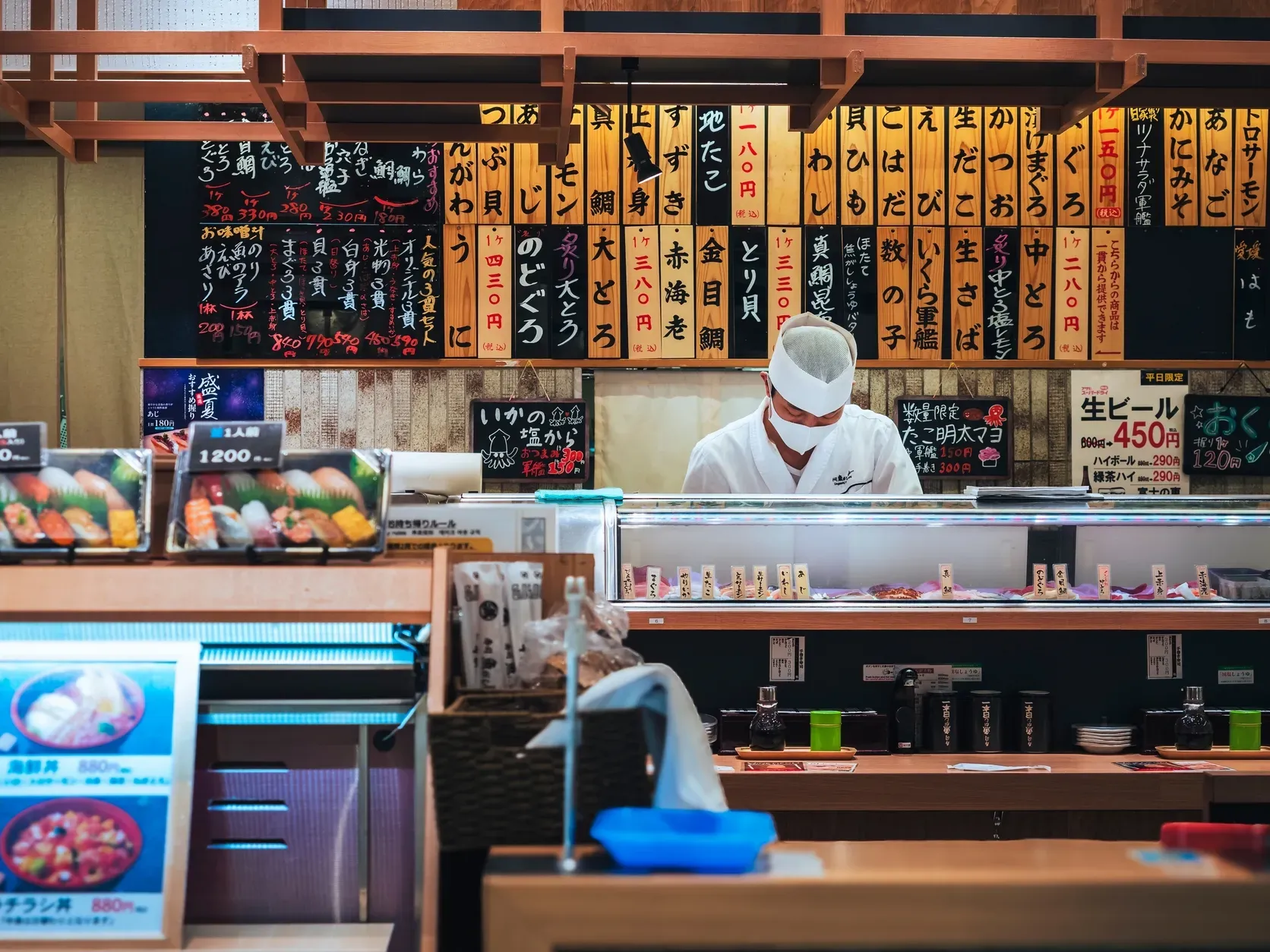
You may notice that reviews are strict, but beyond being tough critics, Japanese users rely less on google maps and more on the Tabelog app, through which you can also make reservations. If there’s a place you absolutely want to try, be sure to book in advance. Read each restaurant’s house rules carefully so you’re prepared. For example, some specify they won’t accept guests who don’t keep quiet, or who wear strong fragrances.
The Onsen culture
After a long day when you’ve walked 20.000 steps, what could be better than a soothing hot bath? In Japanese culture, hot-spring bathing, known as Onsen, is an everyday ritual. Many towns and rural villages are built around hot springs, with hotels offering guests complimentary access to their baths.
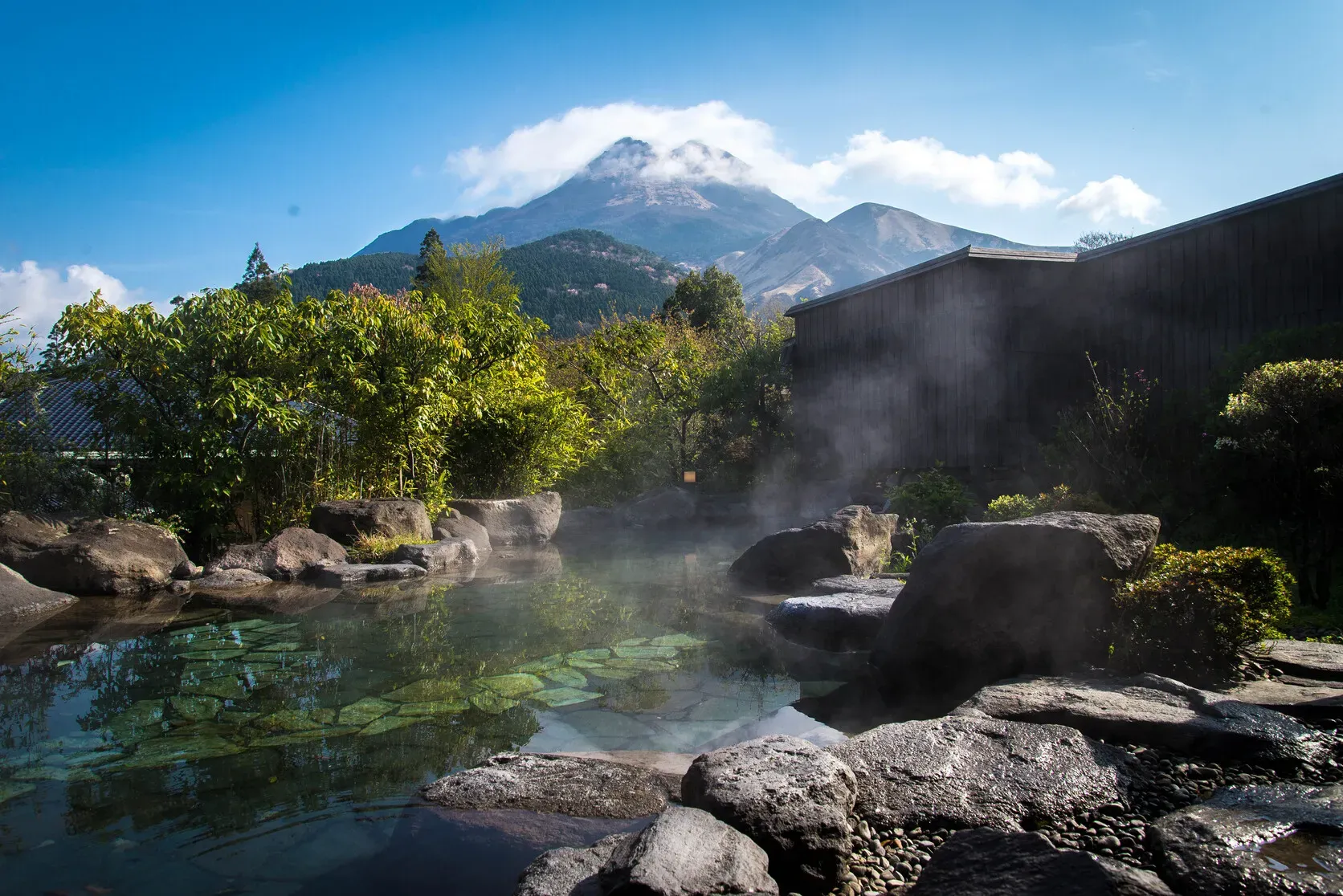
In major cities like Tokyo, Kyoto, and Osaka, you’ll also find bath facilities even in shopping centers, where you can unwind for a modest fee. First, find an option that suits you and read the rules. At Onsen, men and women bathe in separate pools, and swimwear is rarely permitted. Also, most public baths do not allow tattoos. If you have tattoos or prefer privacy, you can book a private onsen for a few hours.
Trust google maps and google translate
Especially in Tokyo, google maps will become your best friend. Don’t underestimate how helpful it is and you won’t feel disoriented for long. On google maps you can even see the floor a shop is on inside a mall, the correct exit to take from a metro station, and the number of the stop where you should get off (metro stations have both names and numbers). In larger hubs like Shibuya and Shinjuku, don’t despair, it’s normal to spend a bit more time finding your way out.
Make sure you have google translate on your phone so you don’t feel lost in translation. Not everyone in Japan speaks English, so if you need to understand someone you can use the voice recording and translation feature, or type something and translate it into Japanese. In shops, the google translate images tool is handy, you can photograph a product label and get an instant translation.
Make your purchases Tax Free
In major stores and many smaller ones, with a Greek passport you can shop Tax Free, meaning with a tax discount. For tourists the discount is 10% on purchases over 5000 yen, which is about 30 euros. All you need is to carry and present your passport, so they can scan your entry sticker to the country.
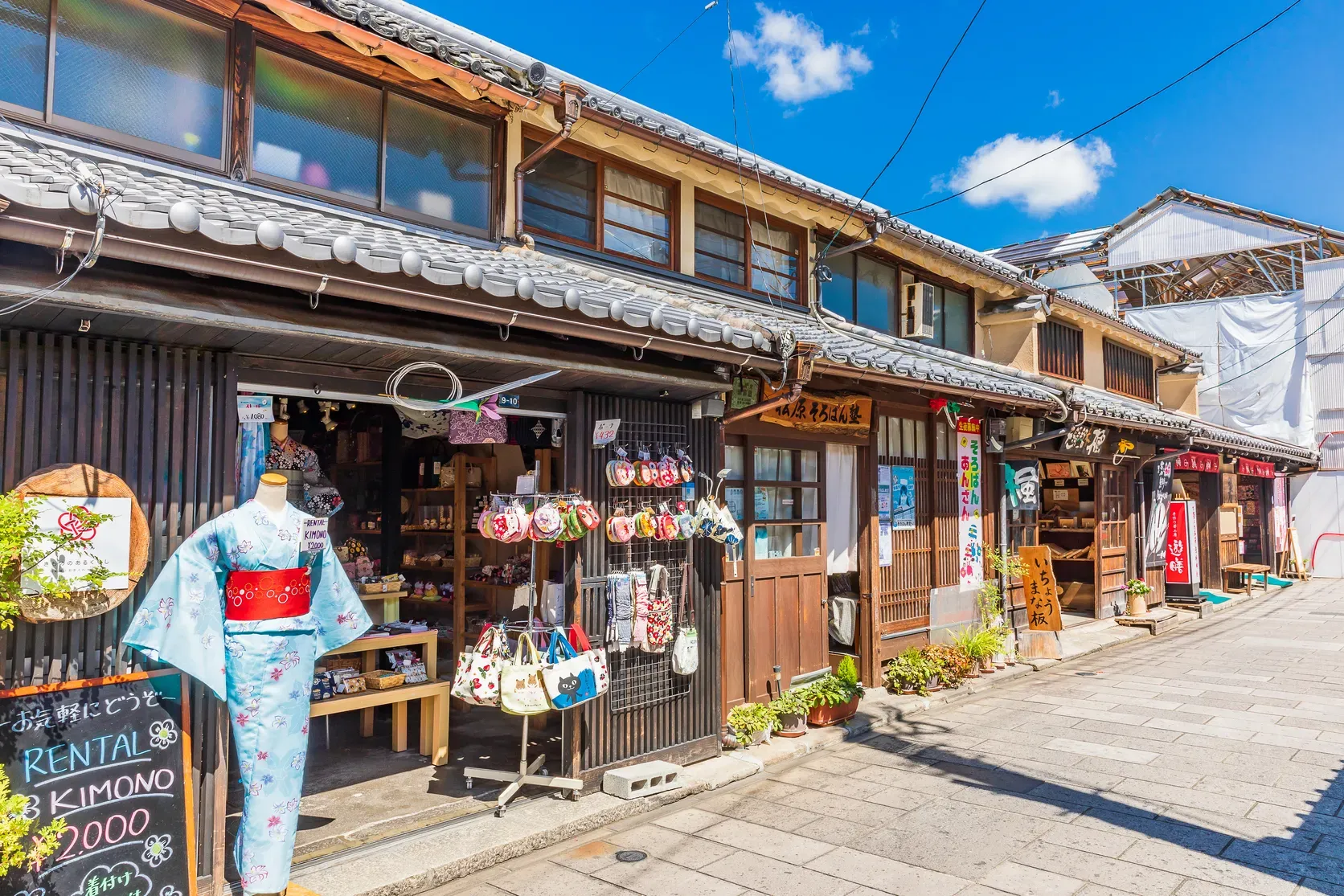
Always ask at checkout about the tax discount, because in some department stores Tax Free purchases are processed on a different floor. For now, the discount is applied directly at the register and you pay the amount without the tax, but this appears to be changing soon and you will need to buy as normal and receive the total refund at the airport. Cosmetics and food are sealed in a bag with a sticker, so be careful not to open them before you leave the country and declare them at the airport counter upon departure.
Travel without luggage
How would it feel to travel without carrying any weight at all? Our favorite discovery in Japan was the luggage transfer service. You can hand over your bags (the big ones or all of them) to services that move them from one city to another, or from the airport to the hotel and back. This service streamlines your journey, especially if you’re planning stops in multiple cities. That way you can move freely and find your luggage at the hotel when you arrive without getting tired.
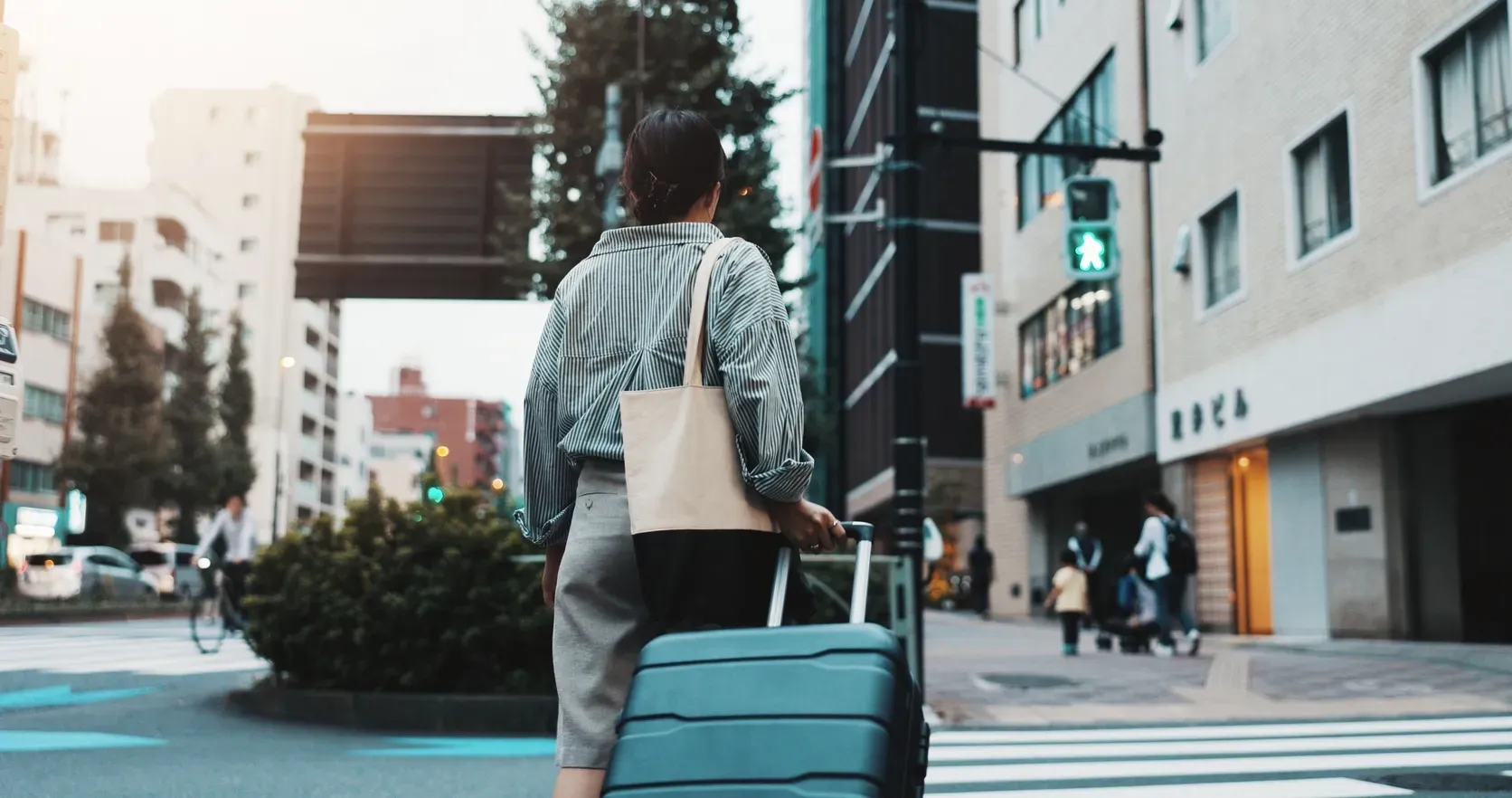
If you’d like to book the transfer yourself, simply visit the companies’ sites (some of the best-known are Yamato, Airporter, and LuggAgent) and enter your current location and the destination for your suitcase. An even easier way is to arrange it through the hotel where you’re staying and tell them where you want to send your bags so they can set it up. You’ll only need to hand them over when asked, usually a day in advance so they reach the next stop of your trip on time.
See the forecasts for Mount Fuji
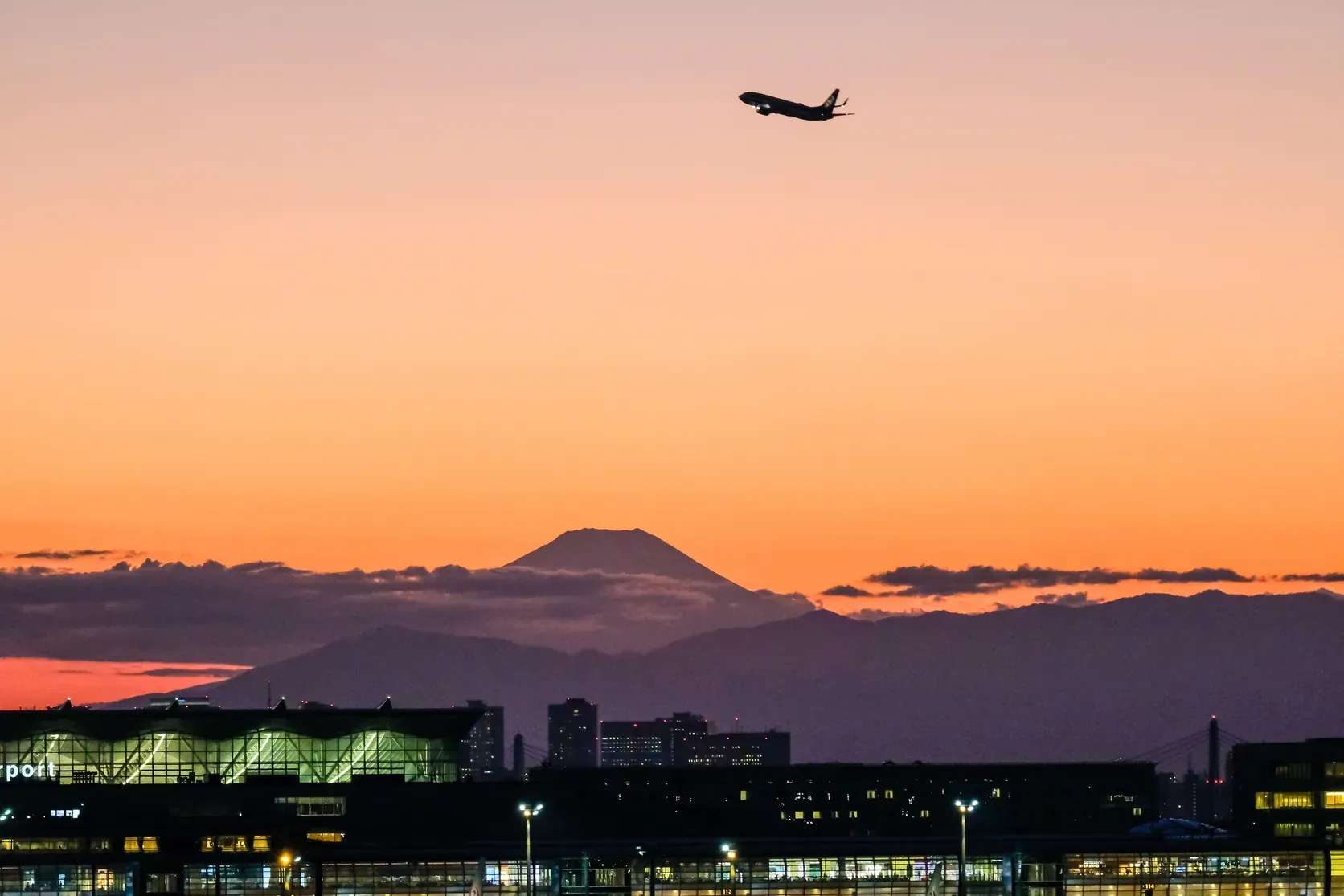
A bucket-list experience for thousands of travelers arriving in Japan is to see Mount Fuji up close. Fuji-san, or Fuji-yama, is the tallest mountain in Japan, with its summit at 3.776 meters above sea level, and it is an active volcano. What many may not know is that it’s actually visible on about 80 days of the year. Therefore, if you have the chance to see it during your trip, you’ll be truly lucky.
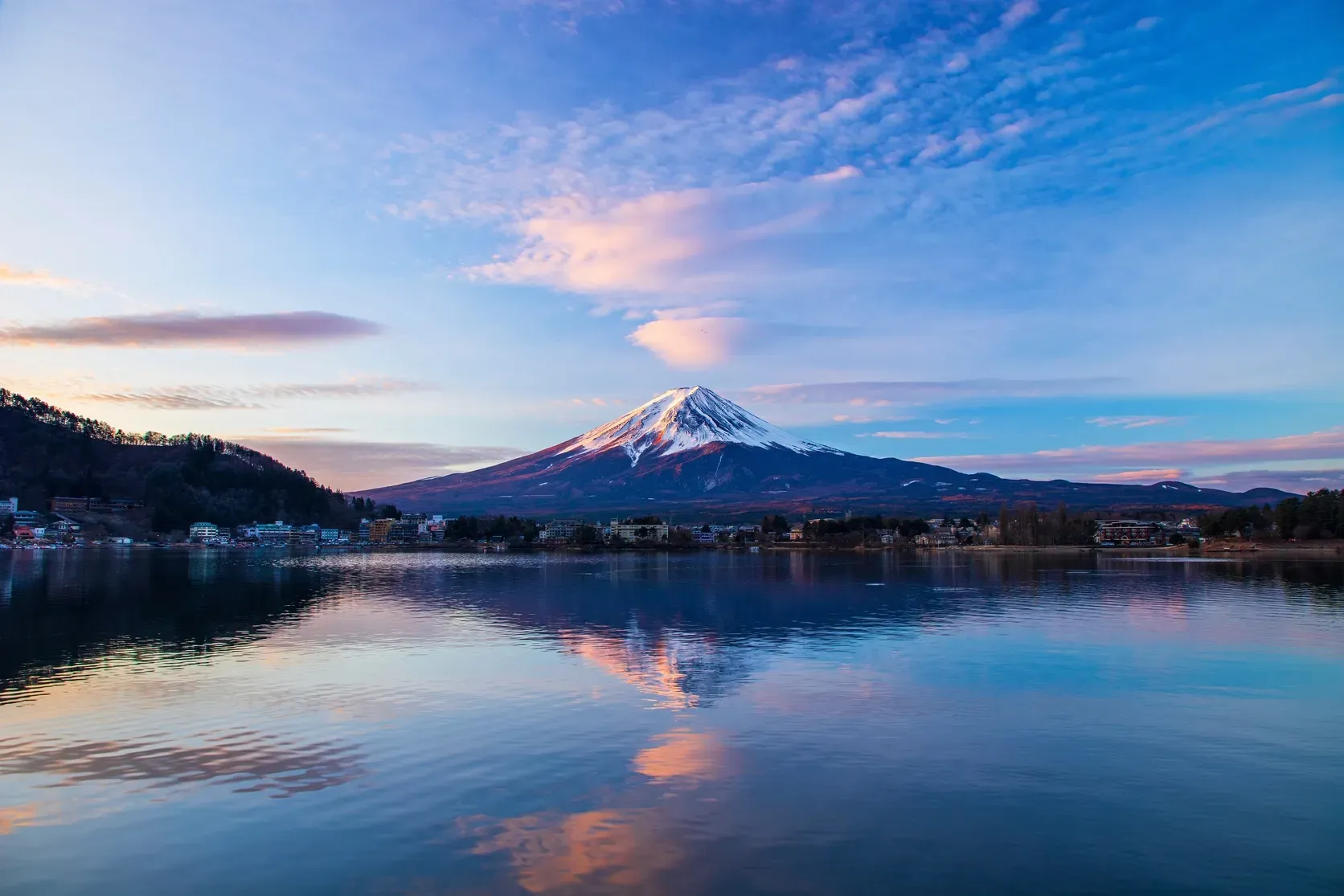
If it’s very important for you to see Fuji, then plan your trip between November and February, while the least likely time is June to September. Don’t forget to book train seats on the correct side if you’re traveling from Tokyo to Kyoto, as there is a point along the route where it is visible. If you’ve planned to go to places with good visibility of the mountain such as Hakone or Kawaguchiko, you can check the website that forecasts the mountain’s visibility daily.