





A trip to Europe with the kids becomes an even better experience with thoughtful planning, so you can avoid quite a few unwelcome surprises.
The trip to Europe with the kids may seem like a big challenge, but with the right preparation it can turn into an unforgettable family experience. From Italy's picturesque cities to Scandinavia's capitals, Europe offers destinations for every taste and every age. However, traveling with children requires a bit more planning and organization to avoid stress and savor every moment with your family.
Below, we share seven useful tips to ensure your trip to Europe will be enjoyable and safe whether it's your first getaway abroad with the kids or your next family adventure.
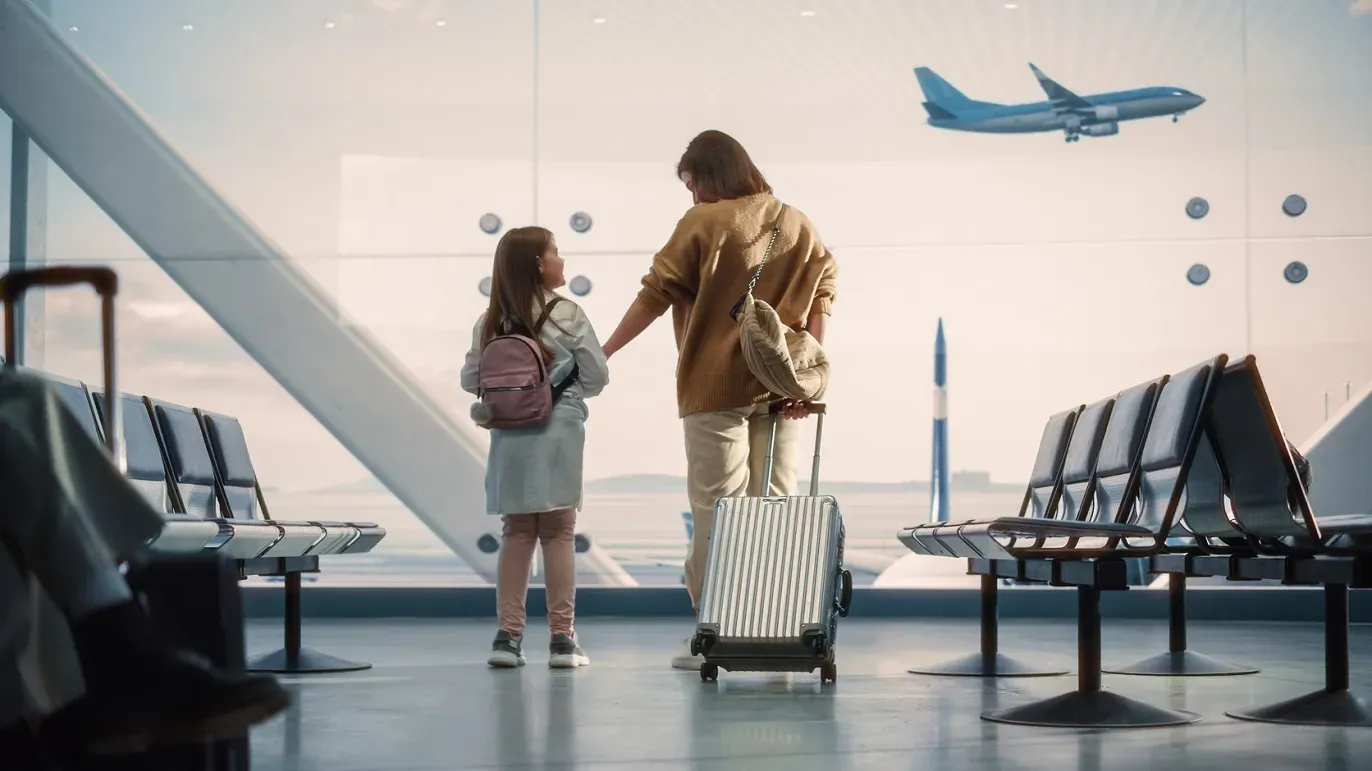
Choose kid-friendly destinations
The best way to make your first family trip a success is to choose the right destination. In practice, this means picking a city that's child-friendly, depending on their age. Especially if you're traveling with young children or a stroller, you should consider whether there are wide sidewalks that will make things easier or hills and lots of stairs that will make things harder.
Also, look into the activities available there, such as children's museums or parks and playgrounds, as well as restaurants ideal for the whole family, so you can be sure they'll have a great time too. Some of Europe's cities that are friendly for kids of all ages are London, Milan, Copenhagen, Madrid, Vienna, Stockholm and Sofia. In all of the above destinations you'll find either good infrastructure and short distances, pedestrian streets for strolling, or activities and museums for children as well as theme parks-amusement parks.
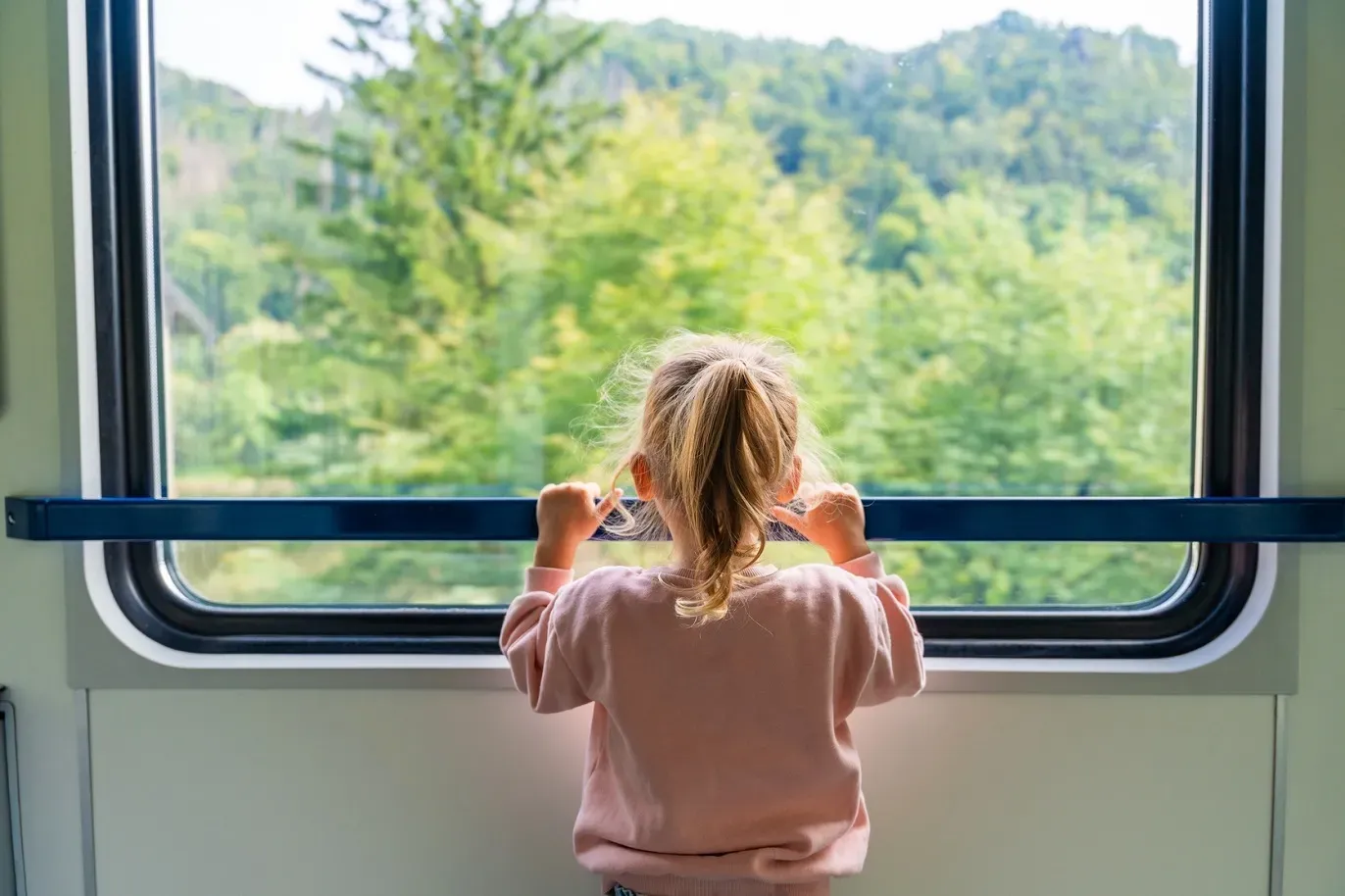
Make fewer stops
A long road trip or day trips by train in Europe may sound like a great idea to discover more cities and villages in a single trip, but kids often can't keep up with such an itinerary. Depending on their age, they start to tire much more easily with lots of transfers and end up complaining. Plus, children usually need more time to get to know and absorb a destination. So it's often better to make fewer stops and spend more time, rather than make more and rush.
Pack with care
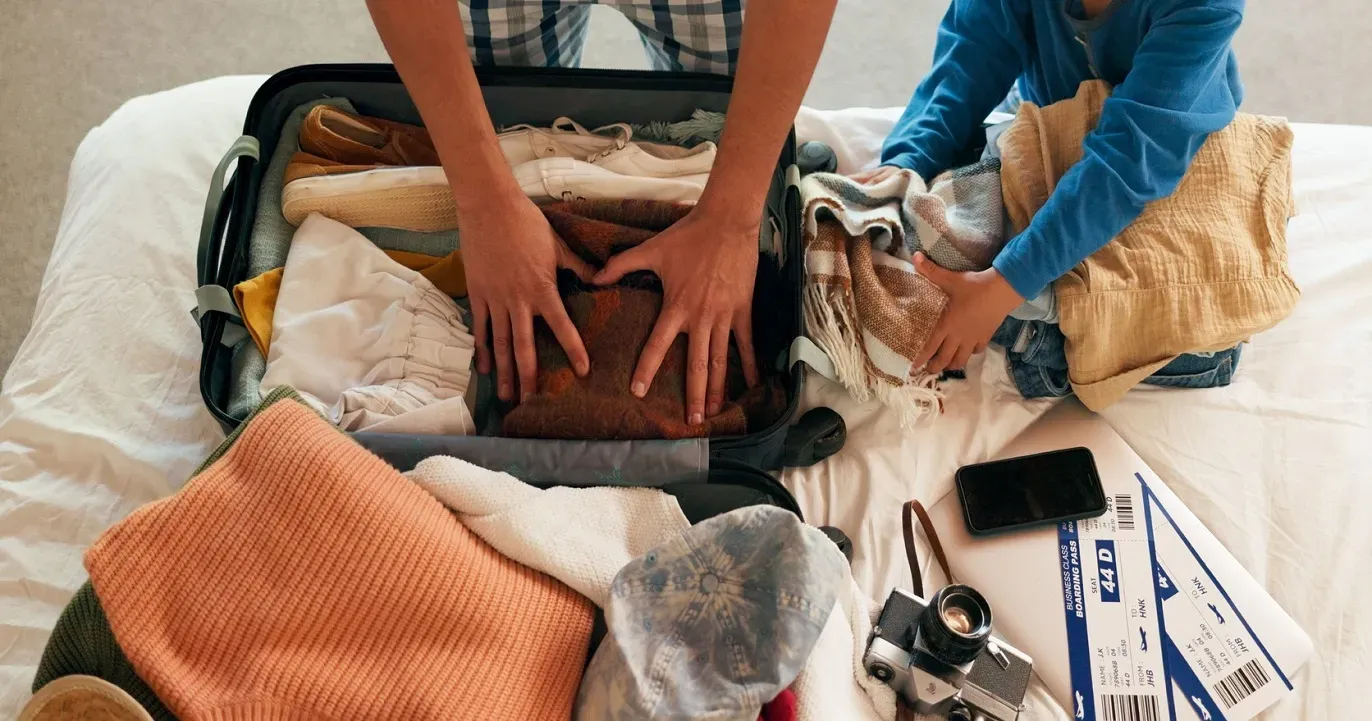
Packing a suitcase for a trip, short or long, is challenging in itself when you consider the airlines' size and weight limits. What's more, packing smart helps in every case to have a smooth, easy trip where carrying your bags from the airport, or on the train, won't exhaust you. Add kids to the equation and things instantly get trickier.
Ideally, pack light and take as few things as possible. That way, you and the kids can get around much more easily and without stress, or walk and climb stairs without getting more tired than you need to. Be sure to bring the essentials, mix-and-match clothing, outerwear and shoes, as well as any medicines you and the kids might need. Don't forget to leave a little room for the souvenirs you'll buy.
Choose accommodation with space and amenities
A small room may be more economical, but it's certainly not suitable for a family. Depending on how many of you there are, and on the children's ages, make sure to book a large room in a hotel or two that connect, or a house that comfortably fits you. That way you'll have more space both to relax and to place your suitcases without constantly tripping over them.
There are other factors you should consider when booking accommodation, such as the presence of basic amenities. For example, you may need a kitchen to prepare meals for the kids. Additionally, you should check whether the property has an elevator so you aren't constantly going up and down stairs, whether there's heating and air conditioning, or ask if a baby cot is available if you need one.
Let the kids help with the itinerary
One way to organize a trip successfully is to involve the kids in the planning process. A family trip can be fun for everyone, especially if you all start the planning together from the earliest stages of organization. Ask your children what they'd like to see at the destination, show them photos, and inform them about possible activities so they can choose and feel part of the journey. That way, they'll know in advance what you'll do there and will look forward to the trip, while feeling that you consider them in the decisions as well.
Especially if it's the first time they're traveling to Europe, explain a few things about the country's culture, the language, and the rules they should follow on a trip by plane. Talk about the unexpected things that might happen and what they should pay attention to, so they don't feel fear and surprise as much as possible.
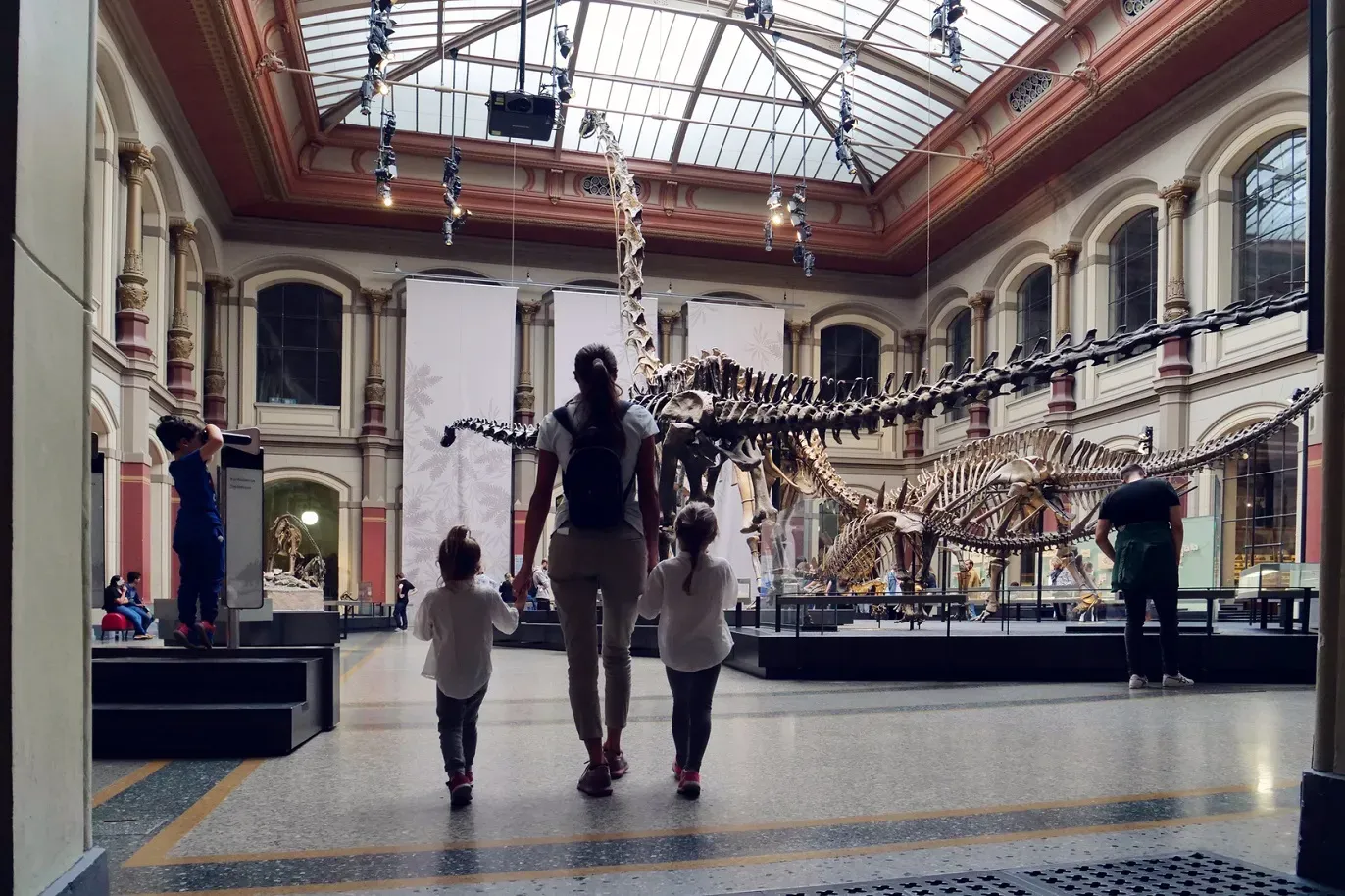
Balance museums with activities
Europe's cities are famed for their many historic landmarks, for museums with rich collections, and for impressive churches. It's important for kids who travel from a young age to get to know a place's culture and historic buildings, however, they may end up getting bored. That's why it's ideal to keep a fine balance between your museum visits and activities that are kid-friendly.
You can choose to combine historical sightseeing with a walk in the park or at a playground, see if there's an activity for children at the museum, or choose more places that will impress them, such as an aquarium or a natural history museum.
Book in advance
If you've planned to visit popular European attractions, planning and booking in advance will save you, especially if you're traveling in a tourist period such as summer or Christmas. Go online early to book tickets for museums, so you avoid waiting in lines with the kids, who will get tired before they even enter.
Also, if you don't book early, tickets may be sold out and you might not manage to get into an attraction at all. An important tip for booking tickets is to reserve directly from the official site. That way they'll cost you less and you'll be sure they're authentic and not a scam.