





The travel habits we think keep our budget down but actually drive it up.
A trip certainly costs money, whether its close or far. When we decide to book tickets to a destination, we keep in mind that well need to spend a specific amount depending on how many days well stay there, the cost of accommodation, as well as the shopping and transportation well do. However, setbacks or unexpected expenses can always arise that make us spend even more.
Trying to save money from the start can sometimes end up derailing our budget. Here are a few common mistakes that seem harmless but end up costing us far more than expected.
We wait to book tickets
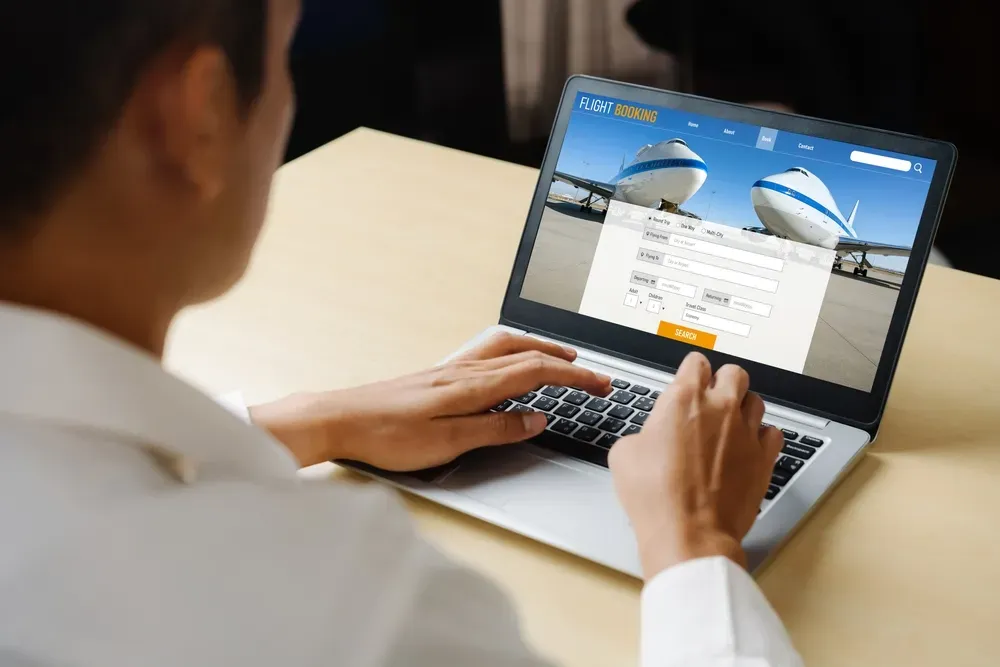
There are various theories about which days of the week are best to book tickets. To a large extent this idea has been debunked, as airfare prices change according to demand and purchasing trends. In addition, waiting to book at the last minute in case prices drop still ends up driving up the cost. The best time depends on when we want to travel and is usually one to two months in advance for domestic trips and two to six months for international travel.
We choose low-cost airlines
Low-cost airlines often entice us with very low fares and promotions. At first glance, the trip may seem truly budget-friendly, but in reality the price includes only a basic fare type and everything else has to be added later at an extra charge. For example, carry-ons, checked bags, seat selection, snacks, even printing the boarding pass are each charged separately. As a result, the final amount may end up even higher than a ticket with a carrier that isnt low-cost. In addition, they often fly to and from smaller airports instead of more central ones, which can force us to pay more for transport to the final destination.
We book non-refundable fares
Non-flexible fares may look genuinely attractive, but they dont truly save money. If something changes in the trip plan or an unforeseen event occurs, were forced to cancel and lose the entire amount. The result is booking new tickets, which ultimately means it will cost us even more. Especially for big-ticket expenses like air travel, the small discount on non-refundable tickets isnt worth the risk and stress. The same goes for hotels.
We overpack
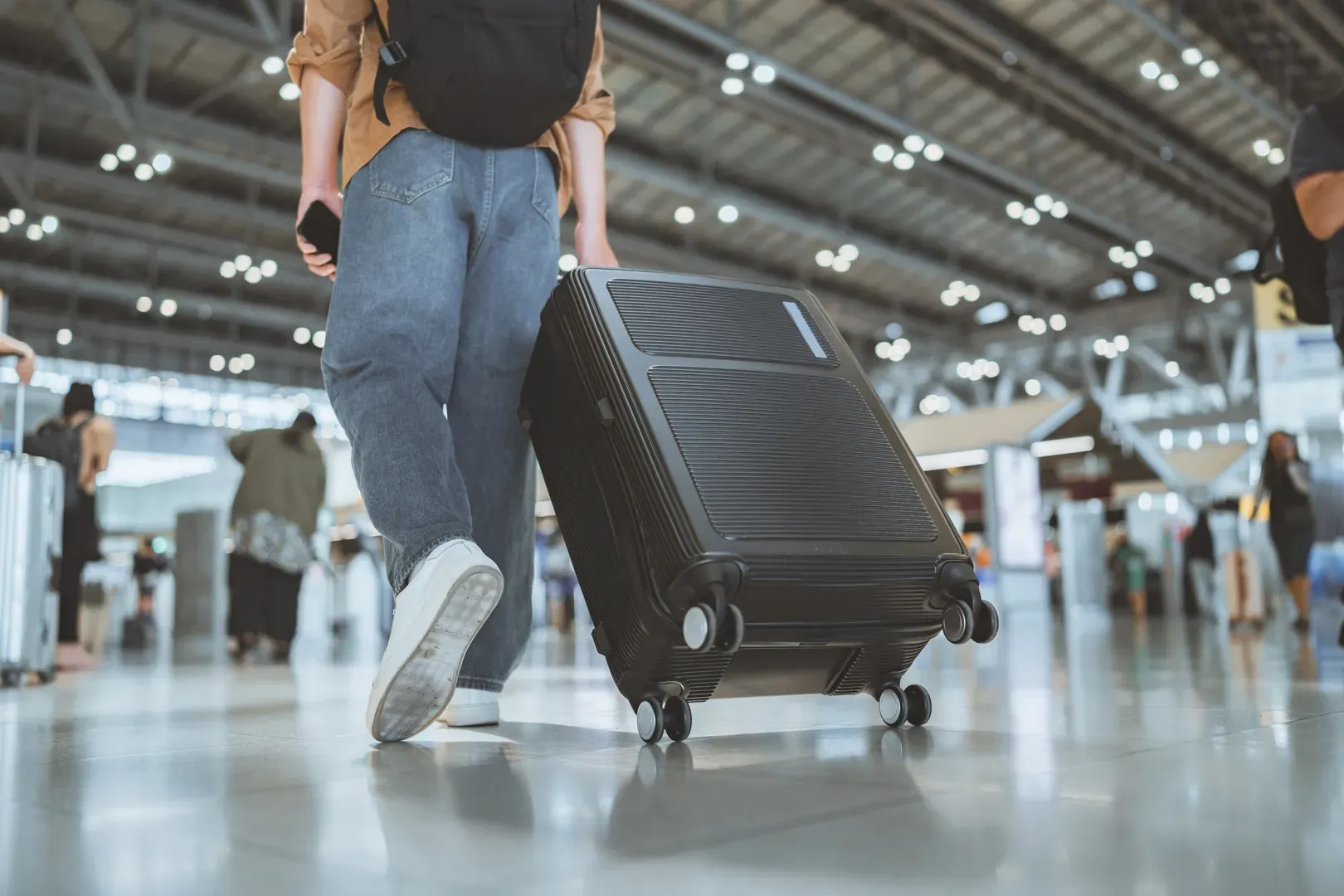
Even if the trip lasts several days, we save money if we manage to fit the essentials into a carry-on. However, its best not to fill it beyond the allowed weight, but a little under, as you may want to do some shopping on your trip. If you pack extra clothes in your suitcase, youre likely to pay an overweight fee at the airport. Many airlines weigh carry-ons as well as checked luggage before boarding. Make sure you dont bring unnecessary items and weigh your carry-on before you leave home, so you dont face unexpected charges.

We dont buy a SIM
Since your phone is one of the most important items for a smooth trip, its essential to have an internet connection. In a new city abroad we need Google Maps, Google Translate - if we dont know the language - and the apps that let us send messages and keep in touch with our loved ones. However, if you find yourself in a country where roaming isnt free - outside Europe or even in some European countries - its wise to get a SIM card. If the trip lasts many days, even your providers travel pass service may cost more than an eSIM or a local SIM in the country youre visiting.
We exchange money at the airport
Its true that changing money at the airport when you arrive at your destination can seem very easy and quick. Airport currency exchange counters not only offer very poor rates, but often impose additional fees as well, meaning you lose at least 10-20% of your money on a single transaction. Its better to exchange a small amount in Greece or find an exchange office with a better rate right at your destination. Another way to have cash immediately is to withdraw from an ATM with an international bank card that often doesnt charge fees for withdrawals abroad.