





Today, supermarket shelves are a window into each place's culture.
We've all popped into a supermarket during a trip to grab some water or something we forgot to pack. But what happens when one of the main reasons -or even the main reason- for choosing a destination is the products we'll find there? grocery store tourism or super market tourism has become an increasingly popular travel trend in recent years.
As of 2025, thousands of videos on TikTok and Instagram go viral every day by influencers and non-influencers alike, whose main focus is their experience in a supermarket in a city abroad. This isn't new, but started even before social media existed. Travelers have always been curious about a place's products, all the more so when they're distinctive and unusual.
However, with the rise of YouTube we began to notice the public's interest in the famed snack hauls, the videos showing all the snacks a YouTuber has bought on a trip. The trend we're already seeing everywhere this year goes a step further, introducing viewers to the shopping experience and to the supermarket itself as a sight. What's more, these stores are the best places to buy souvenirs and gifts at better prices than tourist shops.
A country's culture through the grocery store shelves
According to data from a global survey published in Expedia's Unpack ’25 trends report, 39% of travelers usually visit a grocery store and 44% shop for local products they can't find at home. For many, a supermarket or a grocery store matters even more than a major attraction in a destination.
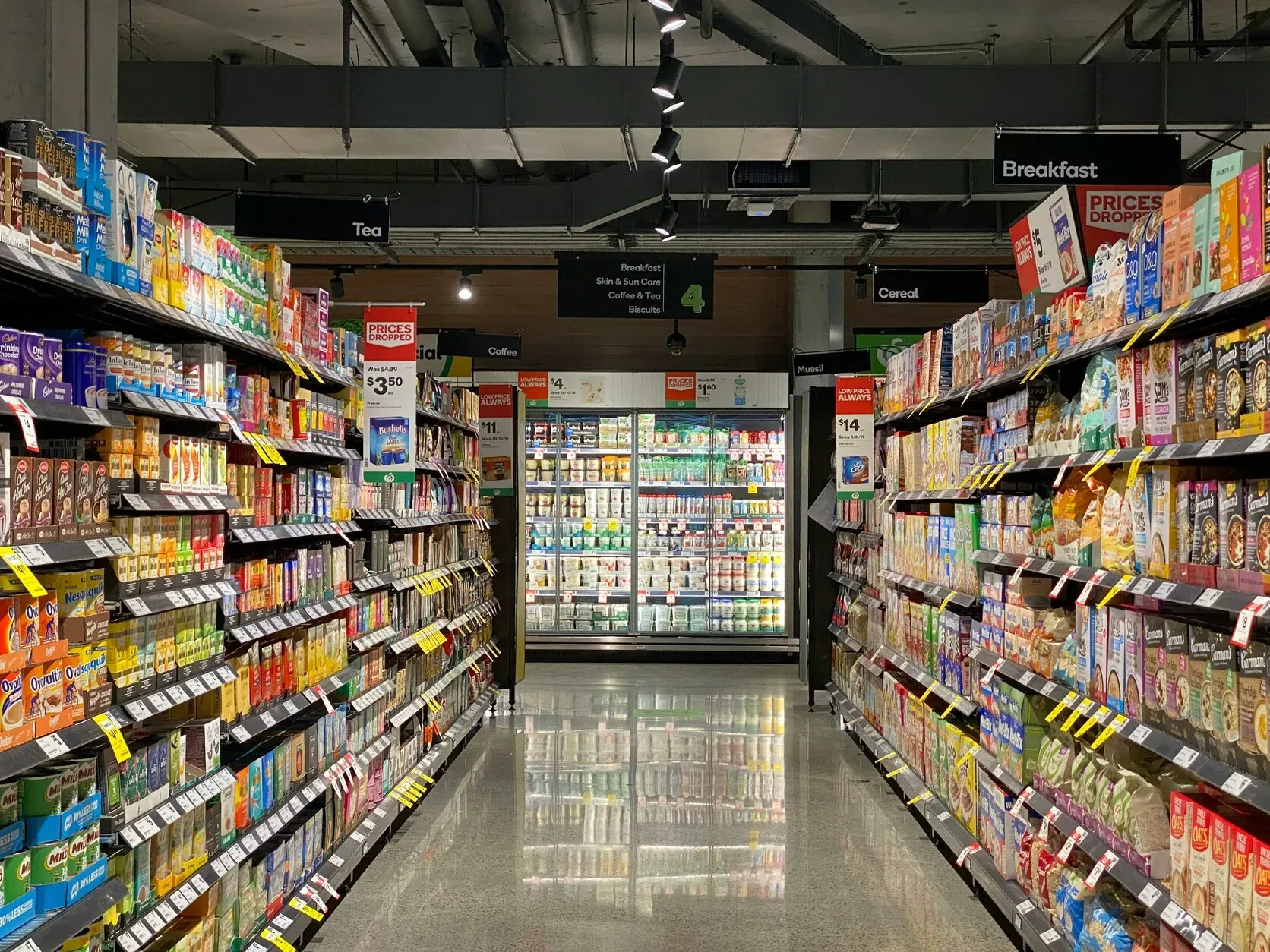
Many believe these stores truly capture a place's authentic culture. Residents' daily habits are mirrored on the grocery shelves. We can learn about a destination's gastronomy and people's eating habits even from the ready meals, the savory and sweet snacks, and the drinks.
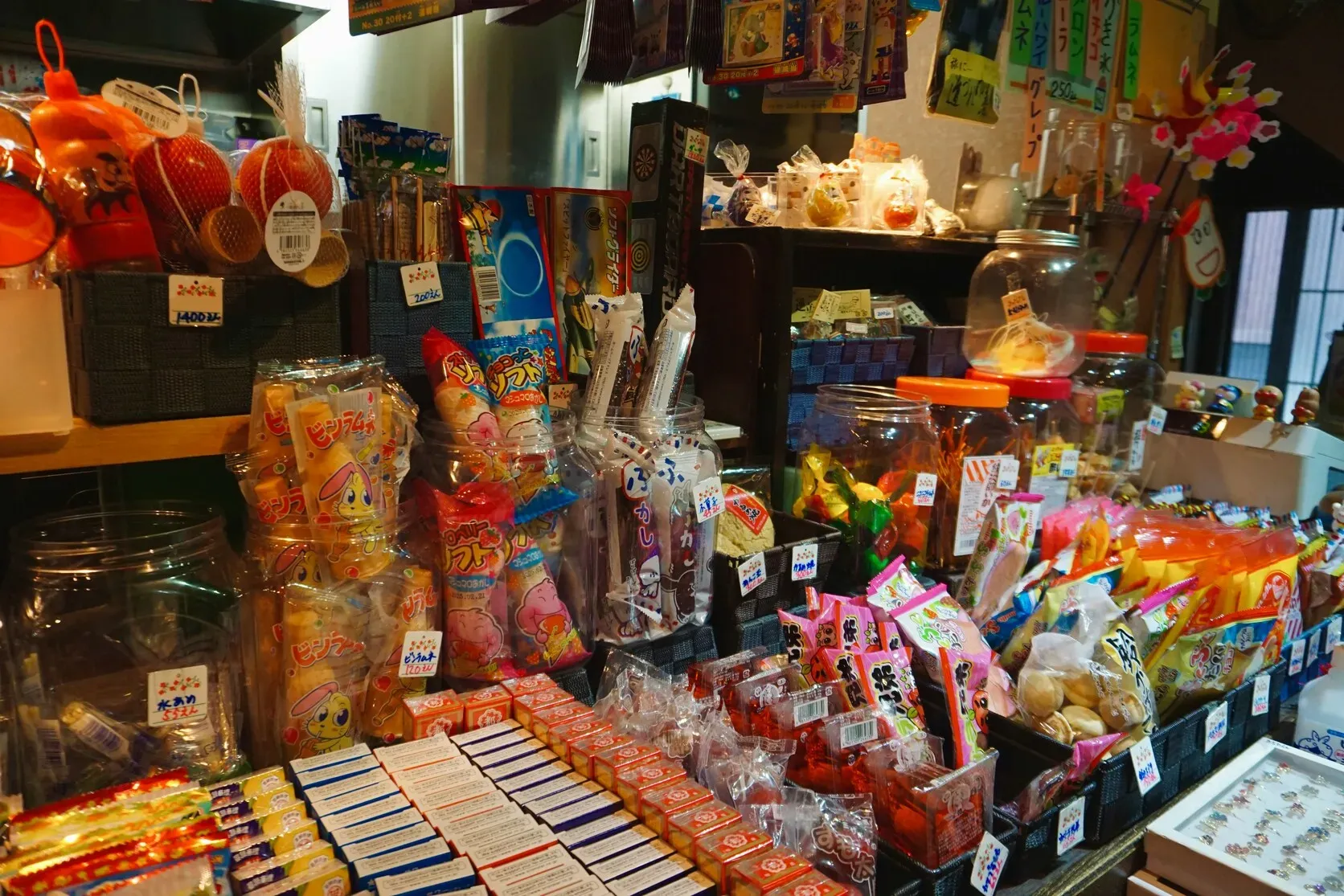
In Greece for example, among supermarket ready meals you'll find gemista and pastitsio, in the fridges there are many different kinds of Greek cheeses and different beers of Greek origin, on the shelves you'll find biscuits and croissants. In traditional grocery stores in the countryside, ideal souvenirs for travelers are local products such as honey, spoon sweets, and handmade pasta.
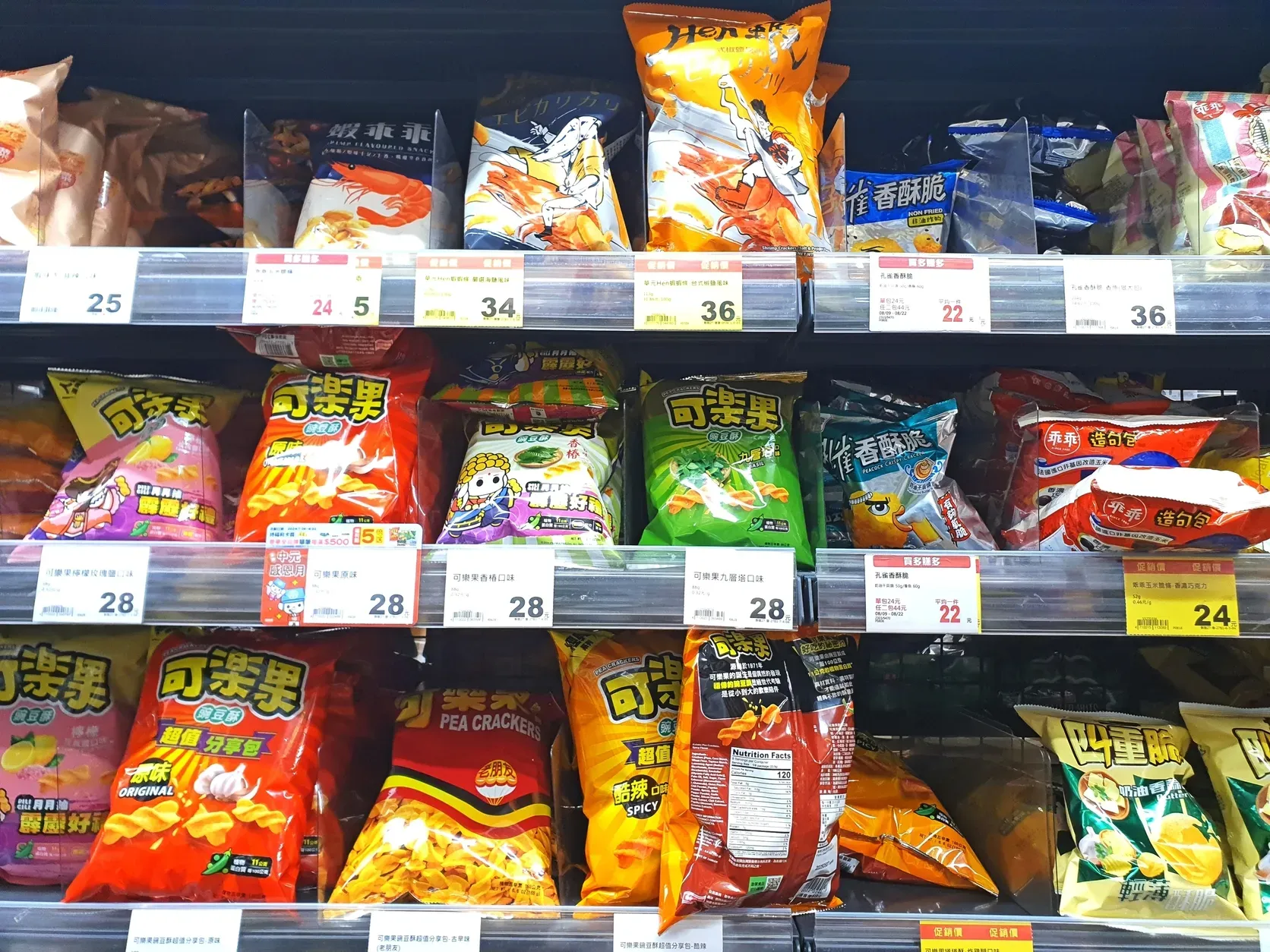
In neighboring Balkan countries such as Bulgaria, Serbia, or Albania, we see dairy products like kefir and ayran take center stage in stores, which says a lot about residents' dietary habits. In America things are different. All the packages are large, there are lots of chocolates, chips, big cups for coffee. In Asian countries we find chips with unusual flavors, as well as soft drinks we don't find anywhere else.
Japan as the trend's protagonist
However, the country that's been taking center stage in this trend for a year now is none other than Japan. Even before I started searching on social media for the trip I was planning to Japan, I realized that the famous konbini (the convenience stores that feel like something between a supermarket and a mini market) are genuine attractions of the country. The konbini experience unfolded on my phone screen again and again, through thousands of reels and TikTok videos that showed all the 'must' snacks, the smoothies, and the ready meals lining the shelves.
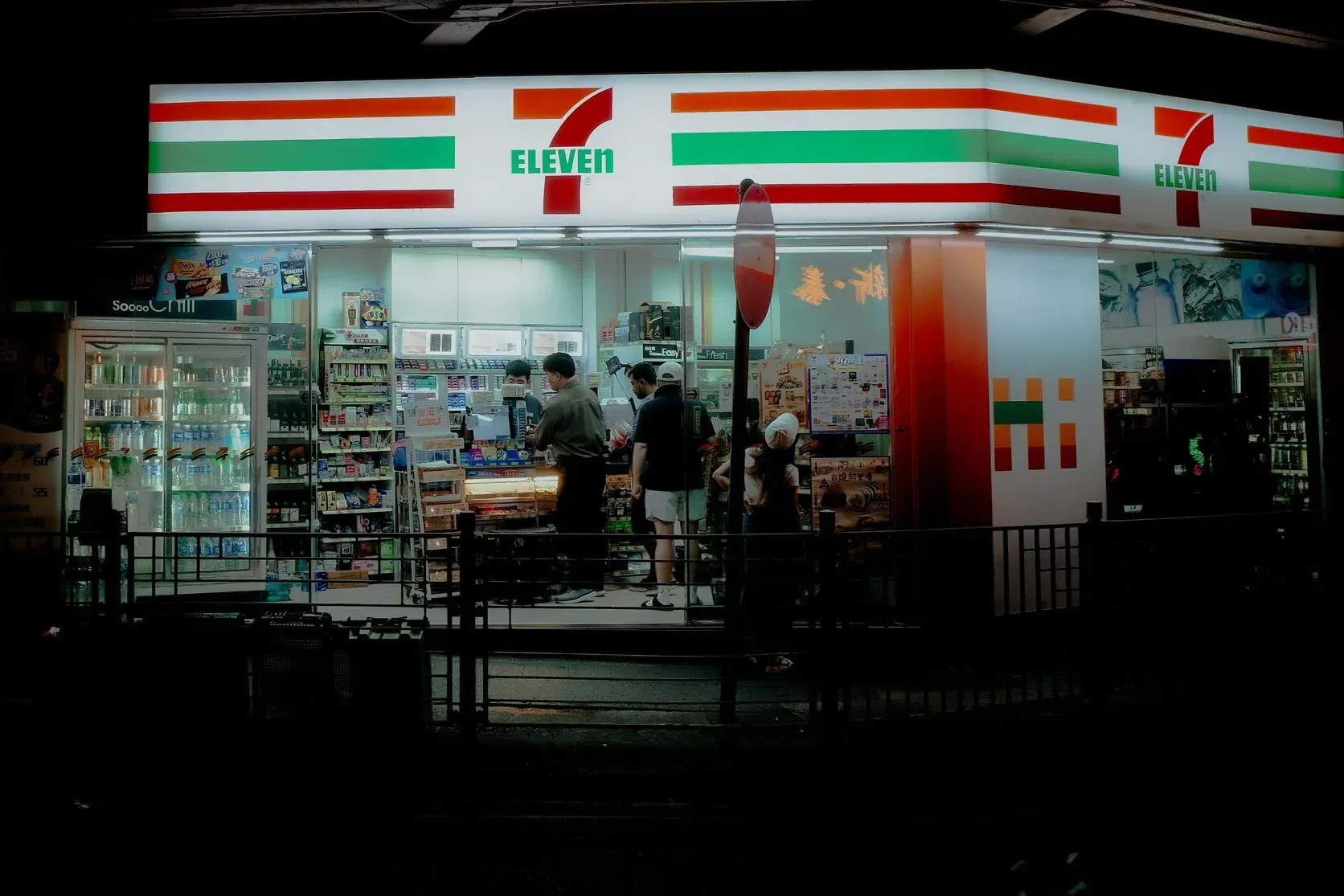
Among them, the tuna onigiri, egg sandwiches, sweet melonpan buns, and smoothies with frozen fruit you make yourself started to sell out daily because of this huge exposure. In many of these stores, in fact, you can sit and eat whatever you buy there. Many people create lists of the best snacks we can find at each different store, such as 7-Eleven -the country's most famous konbini-, 7, FamilyMart and Lawson.
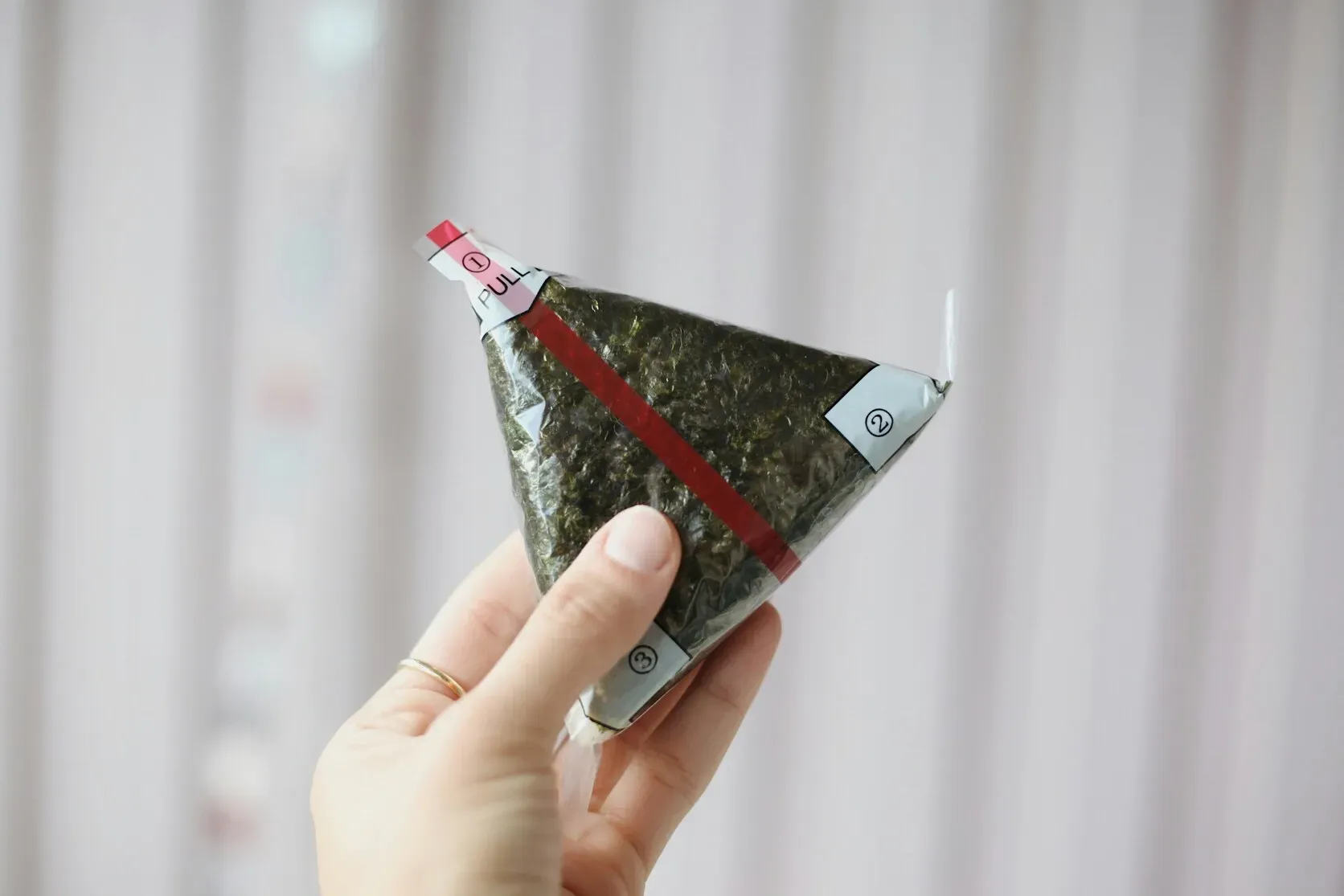
Under the hashtag 7eleven we find thousands of videos, which are increasing rapidly. In fact, quite a few influencers have admitted that an important reason they wanted to book this trip was to try all these Japanese treats. Another megastore that has sparked frenzy is Don Quijote, which is something between a supermarket and a cosmetics store. Besides chocolates with unusual flavors like matcha, beauty masks and creams are bought in quantity.
The supermarket as a real attraction
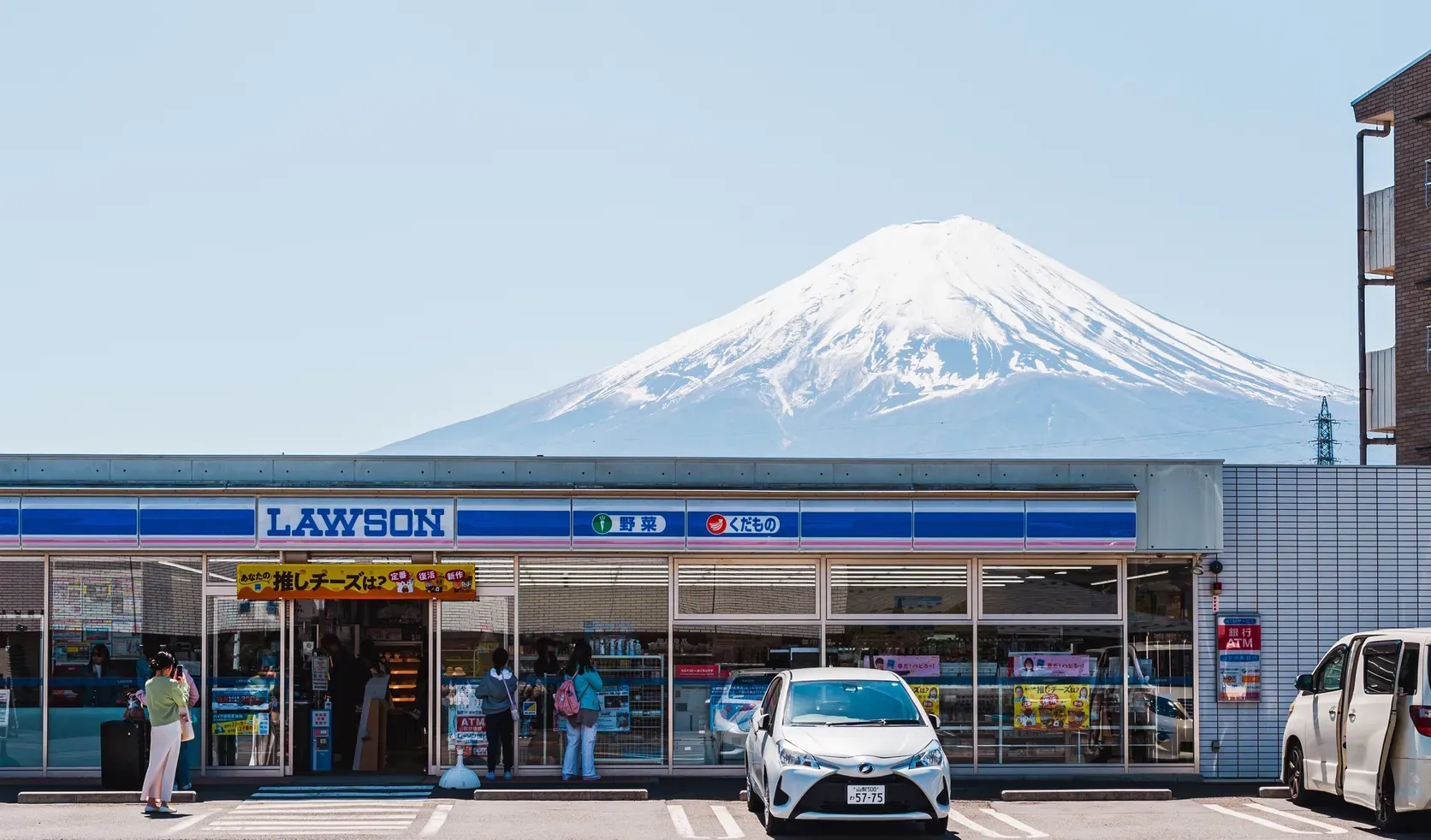
In some cases, grocery stores and supermarkets become attractions because of the buildings that house them, their views, or their "Instagrammable" appearance. Parisian groceries are the ideal backdrop for photos, while some Japanese konbini have flooded social media thanks to their location next to Tokyo Tower or beneath Mount Fuji.

Another example of architectural interest for tourists is Sofia's Central Market. It is a large covered market in the center of Bulgaria's capital, inaugurated in 1911. Today it doesn't operate as a traditional market like it used to, but houses a supermarket and a few stalls with small shops. Therefore, the only way to see the building's well-preserved interior is to step inside the supermarket.