





A stroll through the picturesque Doltso quarter of Kastoria transports the visitor back in time, as the cobbled alleys and famed mansions reveal the citys history and rich tradition.
Built on the western shore of Lake Orestiada, the city of Kastoria is one of the most beautiful in mainland Greece. The first thing you will want to do in Kastoria is stroll beside its famous lake, the jewel of the city, which will draw you like a magnet with its serene aura.
Beyond its lake, Kastoria also prides itself on its uniquely beautiful Byzantine churches and its imposing mansions, which were built during the period when the area experienced economic prosperity thanks to the activities developed by local merchants beyond the countrys borders. In the historic quarter of Doltso and in Apozari, the neighborhoods where the citys glorious past is reflected, you will see the most characteristic Kastorian mansions with impressive architecture and splendid interior decoration.
Doltso: Kastorias historic neighborhood with its famed mansions
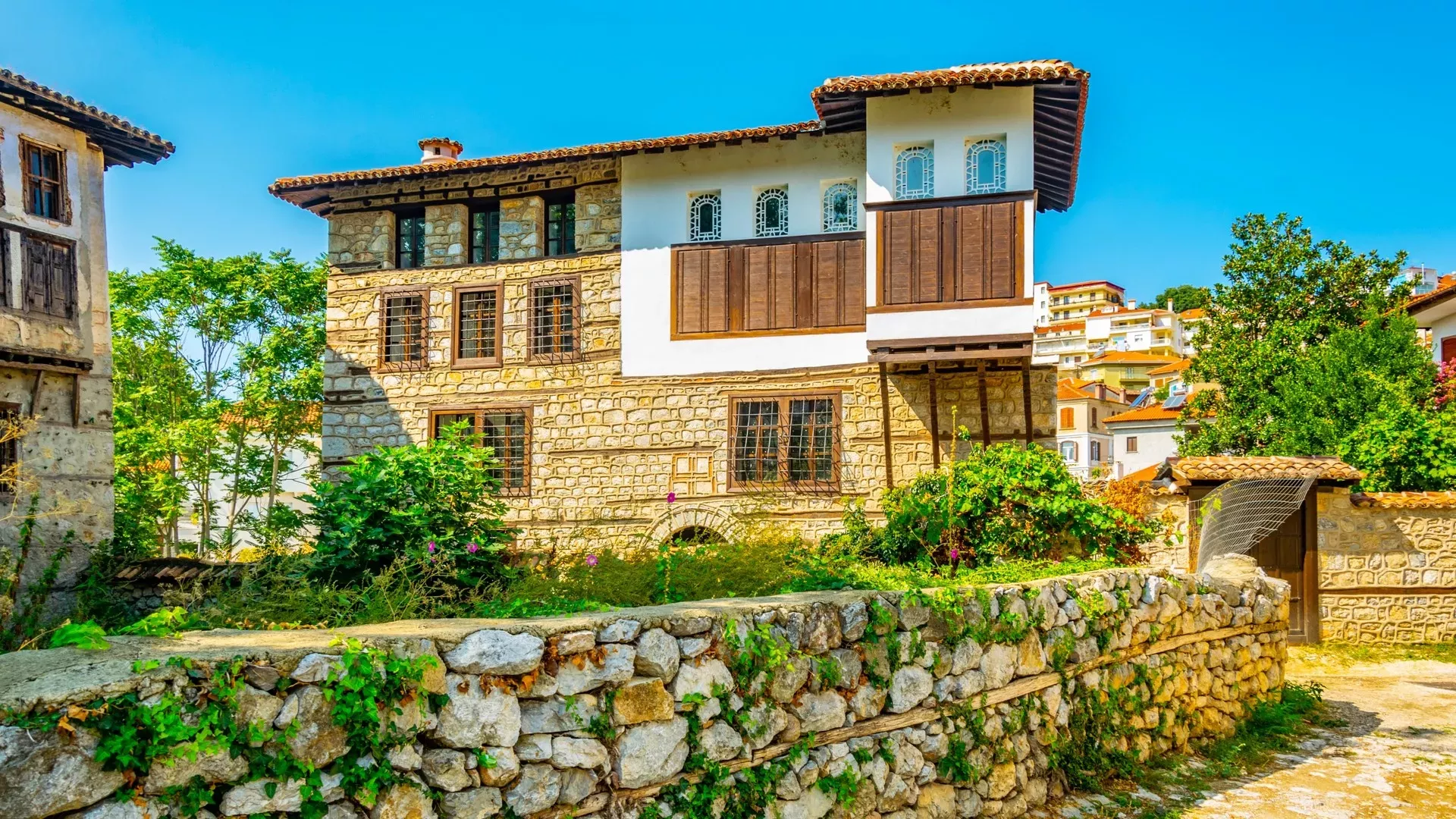
A stroll in Doltso, the old town of Kastoria, on the south shore, is one of the experiences you should not miss if you find yourself in the beautiful city of Western Macedonia. Starting from the central square, just a few meters from the lake, wandering the neighborhoods atmospheric cobbled streets will carry you to another era. The imposing and majestic mansions, the two- and three-storey buildings of the 18th and 19th centuries, stand as undeniable witnesses to an economy that flourished thanks to the intense commercial and artisanal activity of Kastorian furriers.
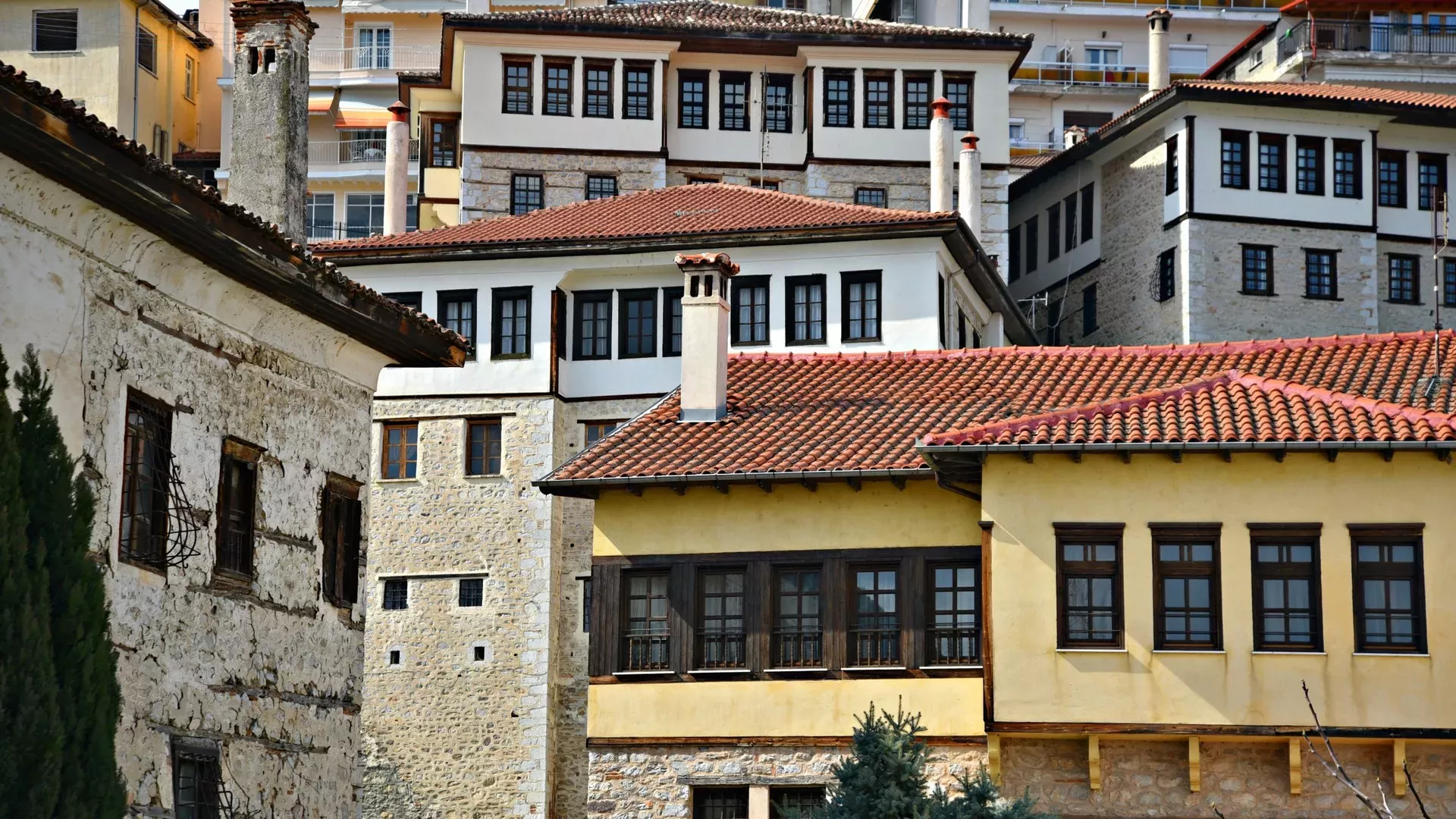
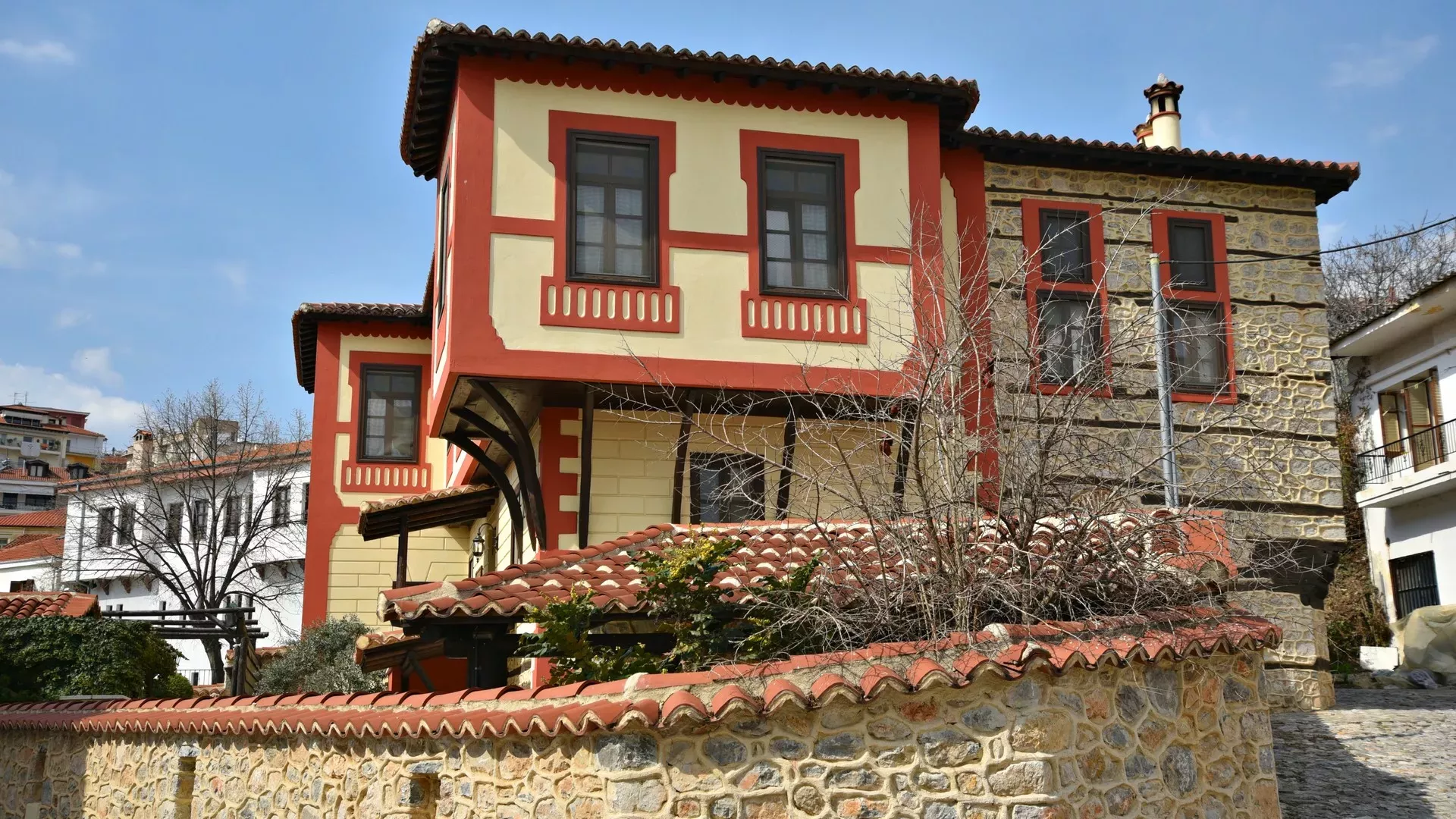
Some in ruins and others impressively restored, the mansions of Kastoria are of great interest for their masonry, architecture and painting. The ground floor and the upper storey are stone-built with minimal air vents on the ground floor and a few small windows on the mezzanine and the upper storey. The second floor is built with lighter materials, especially the section facing the inner courtyard or the lake, as well as all the oriels that are lit by a double row of windows.
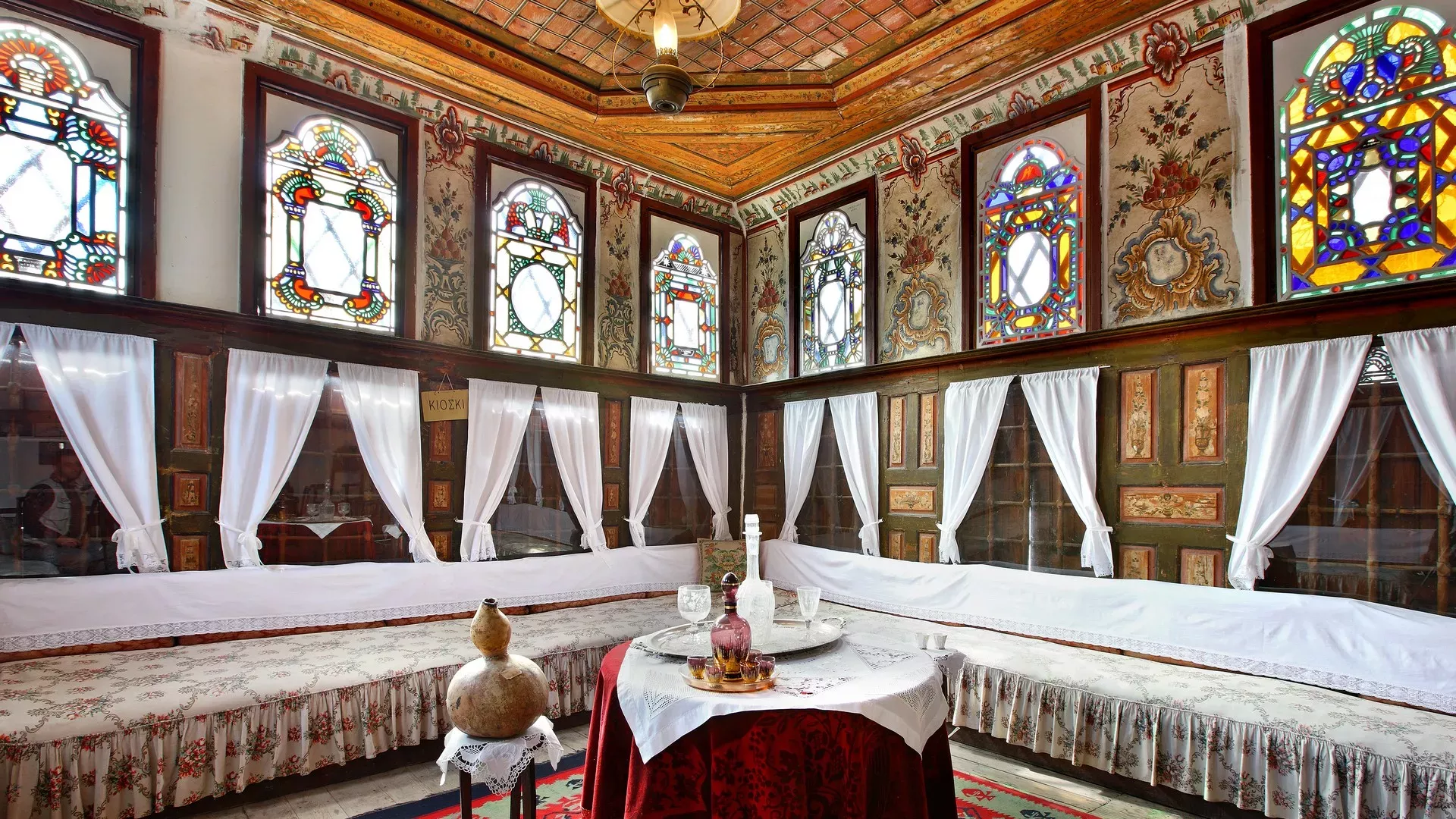
Inside, these houses are decorated with paintings on the walls, exquisite examples of folk painting of the Post-Byzantine period, as well as with woodcarvings on the ceilings, cupboards, fireplaces and balustrades.
Some mansions, after their renovation, operate today as hotels (Orologopoulos Mansion, Doltso etc.), while others have been converted into museums, such as the Nerantzis Aivazis mansion that houses the Folklore Museum and the Emmanouil mansion that houses the Costume Museum.