





A stroll into the captivating history of Ioannina, through its Castle Town that is home to the citys most important sights.
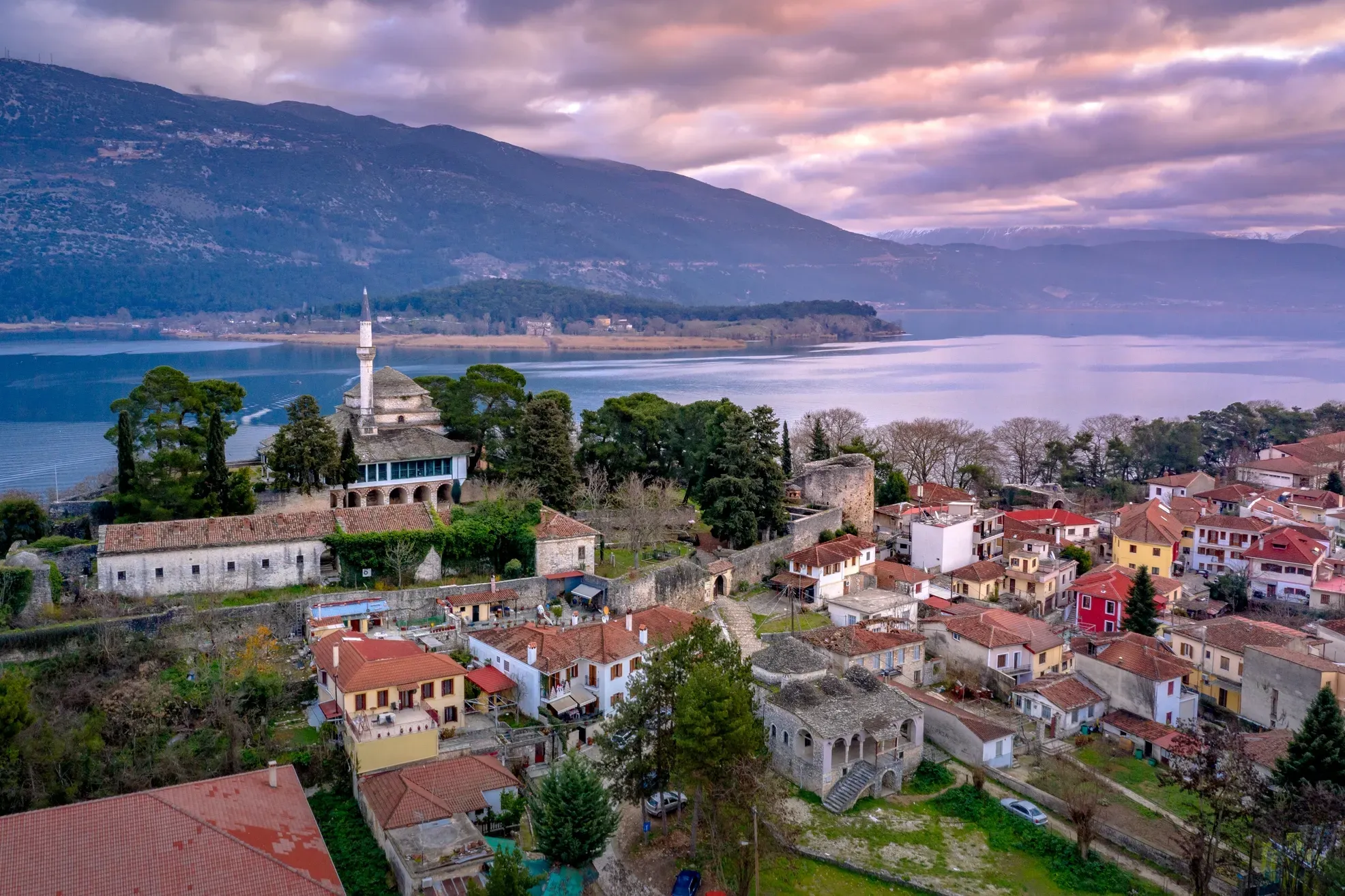
A small city within the city, the Castle of Ioannina reflects centuries of history. The cobbled lanes, the narrow streets with old houses, and the historic monuments carry you back in time, while the atmosphere attests to the citys Byzantine and Ottoman past, blended with its more recent history. The Castle-Town of Ioannina, built at the southeastern tip of the city on the rocky peninsula in Lake Pamvotida, is one of the oldest and most important castles in Greece. Part of it has been continuously inhabited to this day. The history of the castle is linked to the tradition and identity of the city of Ioannina, together with the lake and the famed Islet that lies opposite.
Strolls inside the Castle of Ioannina
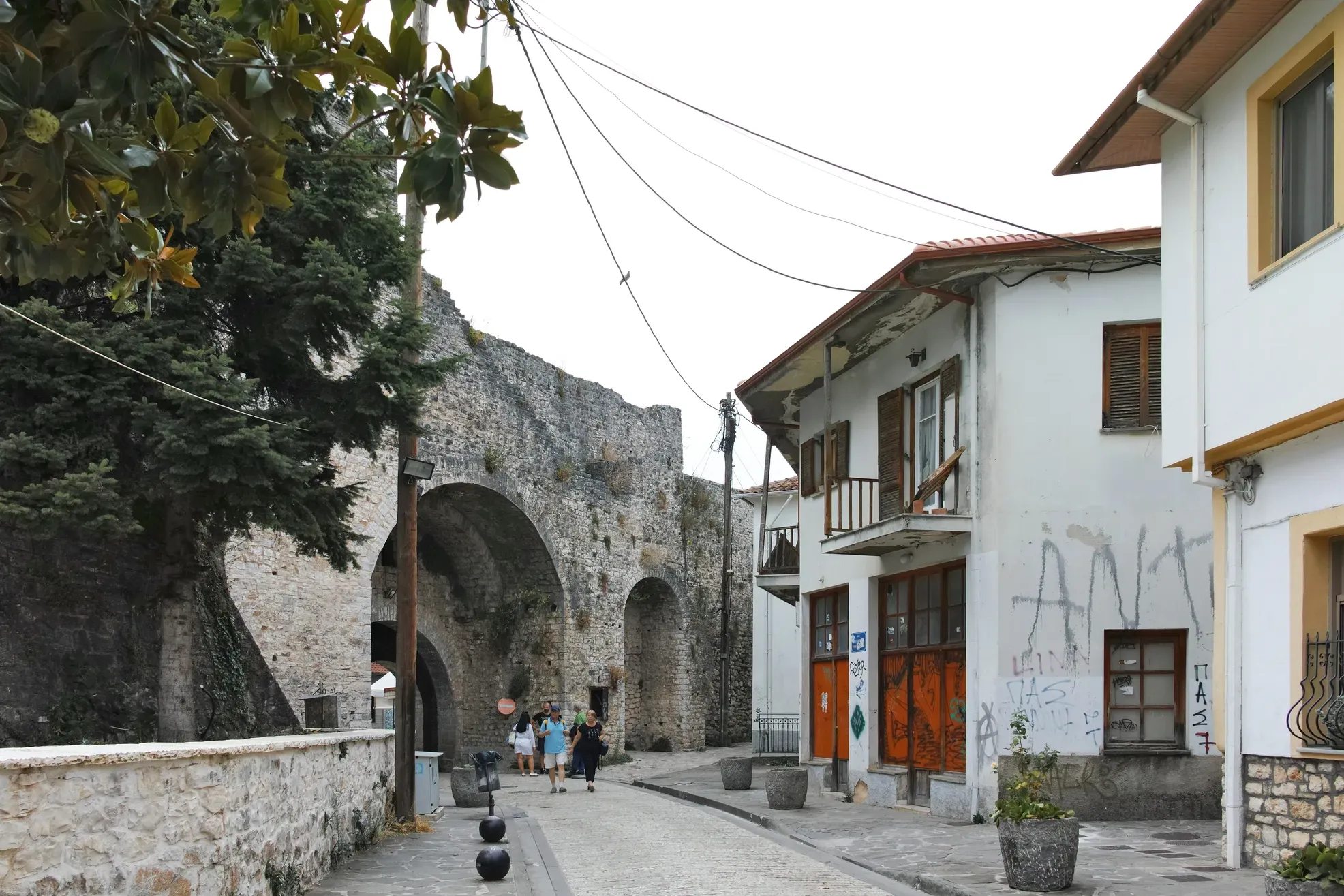
Whichever gate you enter, you will discover a different route. The only certainty is that behind the Byzantine walls you will encounter everything from traditional stone-built houses representative of Epirote architecture, with enclosed courtyards and sachnisia (the projecting windows and enclosed balconies), to major historic and religious monuments. The northeastern Acropolis is known as that of Aslan Pasha, while the southeastern as Its Kale.
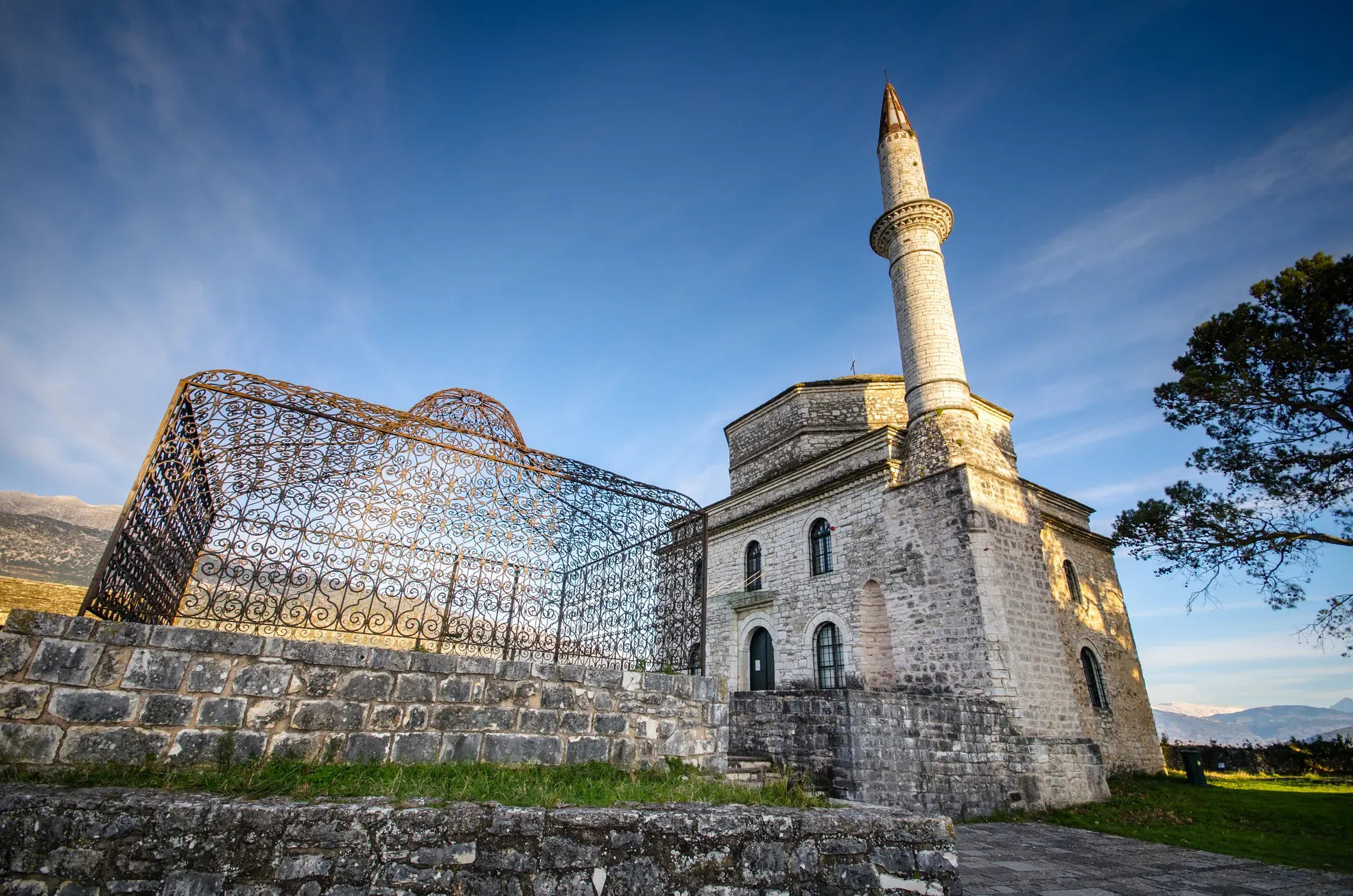
The Acropolis of Its Kale
Entering through the Its Kale gate, you will encounter the acropolis of the same name, which in Turkish means «inner castle». For many, it is the jewel of the area, with unique views of the lake and a spectacular sunset. Here are ruins from the palace of Ali Pasha, as well as his tomb beside the Fethiye Mosque, which he built in the 18th century on the site of an earlier mosque. Today it hosts an exhibition on the history of the castle and the city. Nearby you will also find a Christian monument, the Church of the Holy Anargyroi, an important religious monument of the area.
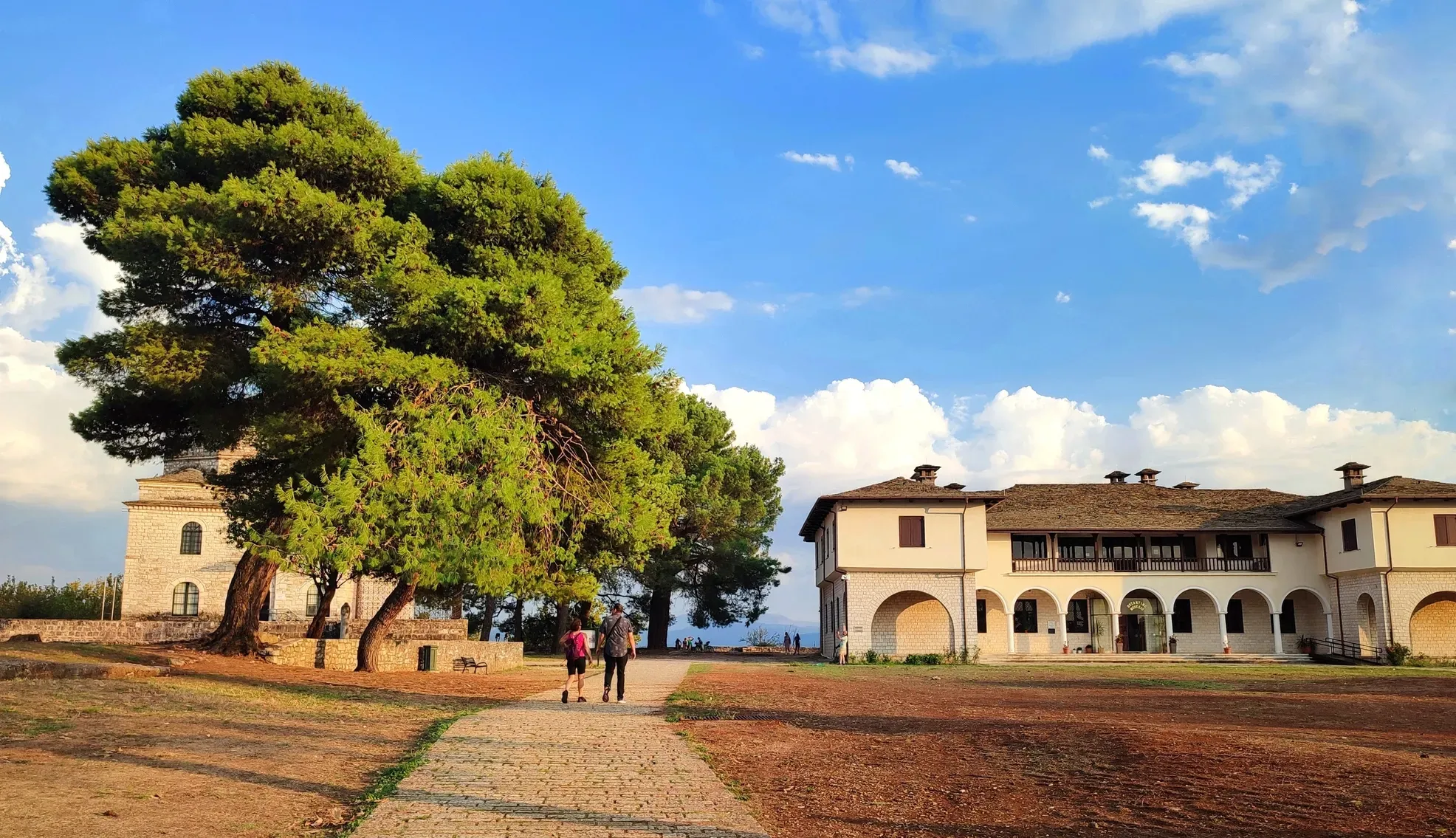
Next to it you will encounter one of the citys most important museums, the Byzantine Museum of Ioannina. Wander among the rich collection of Byzantine and post-Byzantine exhibits, such as coins, rare icons, manuscripts, and ecclesiastical relics, which highlight the regions religious and artistic development.
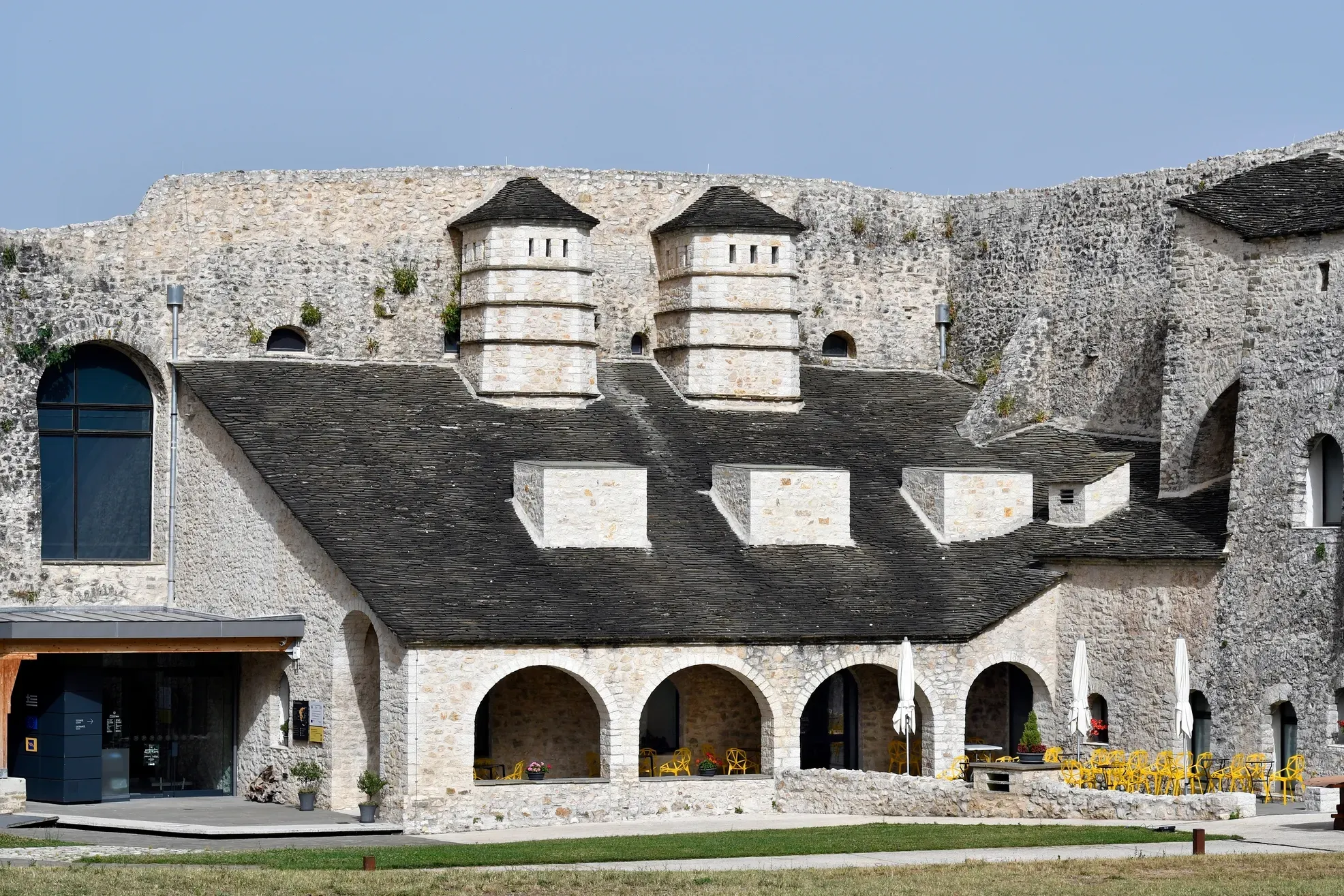
The Ioannina Silversmithing Museum, housed in a restored building of the castle, was inaugurated in 2016. It is a unique space dedicated to the art of silversmithing, which has deep roots in the region of Epirus. There you will learn everything about the history and techniques of silversmithing, which flourished particularly from the 18th to the 20th century, through tools and authentic jewelry, ornaments, and silverware.
The Acropolis of Aslan Pasha
In the Acropolis of Aslan Pasha there are also important monuments such as the Aslan Pasha Mosque, which today houses the Municipal Ethnographic Museum. It was constructed in the early 17th century on the site where, according to tradition, there was the church of Saint John. The museum hosts three collections that represent the castles inhabitants through the centuries, the Christian, the Jewish, and the Muslim. These are objects from the daily life of the residents in those periods.
Pass by the Ottoman Baths, which are among the earliest Ottoman monuments preserved within the Fortress. Visit the Soufari Serai, an emblematic building that once housed Ali Pashas cavalry school and today functions as the Historical Archive of Epirus. One of the most important Jewish monuments in Greece is located within the castle walls. The Jewish Synagogue attests to the rich history of the Jewish community of Ioannina.