


Spain's third largest city, Valencia, uniquely blends the sea, nature and history.
There are cities that win you over with their monuments, others with their gastronomy, and others with the way they blend everyday life with little pleasures. Valencia, on the eastern coast of Spain, manages to offer it all. With more than 2,000 years of history, striking architecture, vast gardens, Mediterranean beaches, and a culinary tradition tied like few others to paella, it's a destination that's ideal for a three-day escape.
Spain's third-largest city has gained international recognition thanks to the City of Arts and Sciences, the futuristic architectural complex that's one of its most distinctive modern landmarks. It's also justifiably considered the city of the sun, as it enjoys more than 300 days of sunshine a year. Its historic center invites exploration on foot, the lush Turia gardens are perfect for cycling, while the urban beaches and the Albufera Natural Park reveal its more relaxed, Mediterranean side. We've gathered what’s worth seeing and doing in Valencia in three days, with suggestions organized by area.
The historic center: Where getting to know Valencia begins
The best starting point to discover the city's character is its historic center, where Roman roots, medieval monuments, Gothic architecture, and Modernist buildings sit within easy reach of one another.
Plaza del Ayuntamiento and Estación del Norte
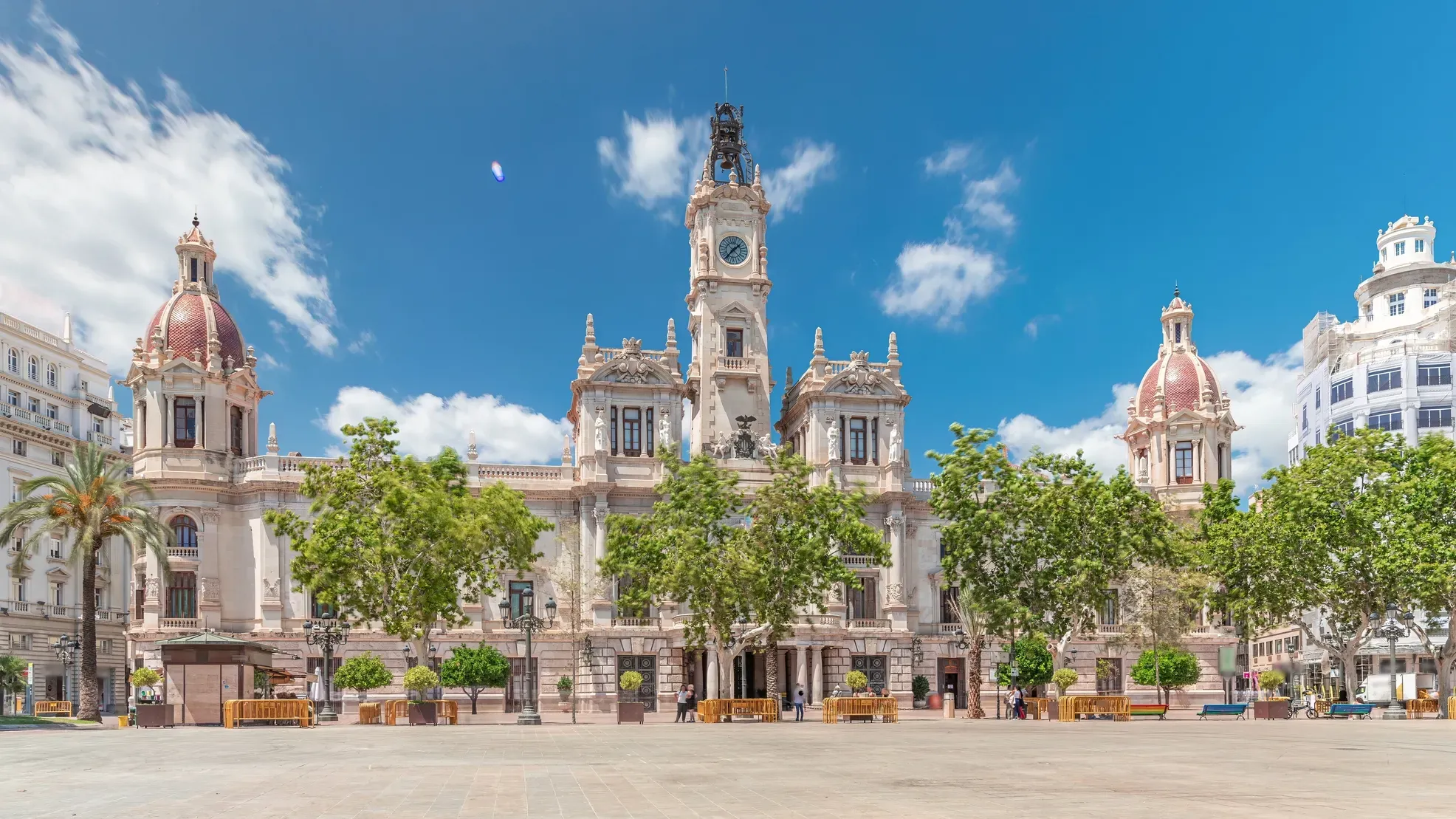
Plaza del Ayuntamiento, the central Town Hall square, is a good spot to start your stroll. It's surrounded by imposing buildings, has an impressive fountain, and bursts with color when it's decorated for the city's big festivities. If you're here in March, you'll see why the square is one of the epicenters of Fallas, the famous festival of giant sculptures, fireworks, and traditional events. A short walk away is Estación del Norte train station, an excellent example of Modernist architecture, with decorative ceramics and motifs inspired by the region's agricultural heritage. Even if you're not traveling by train, it's worth admiring its facade.
Mercado Central de València: A taste of daily life
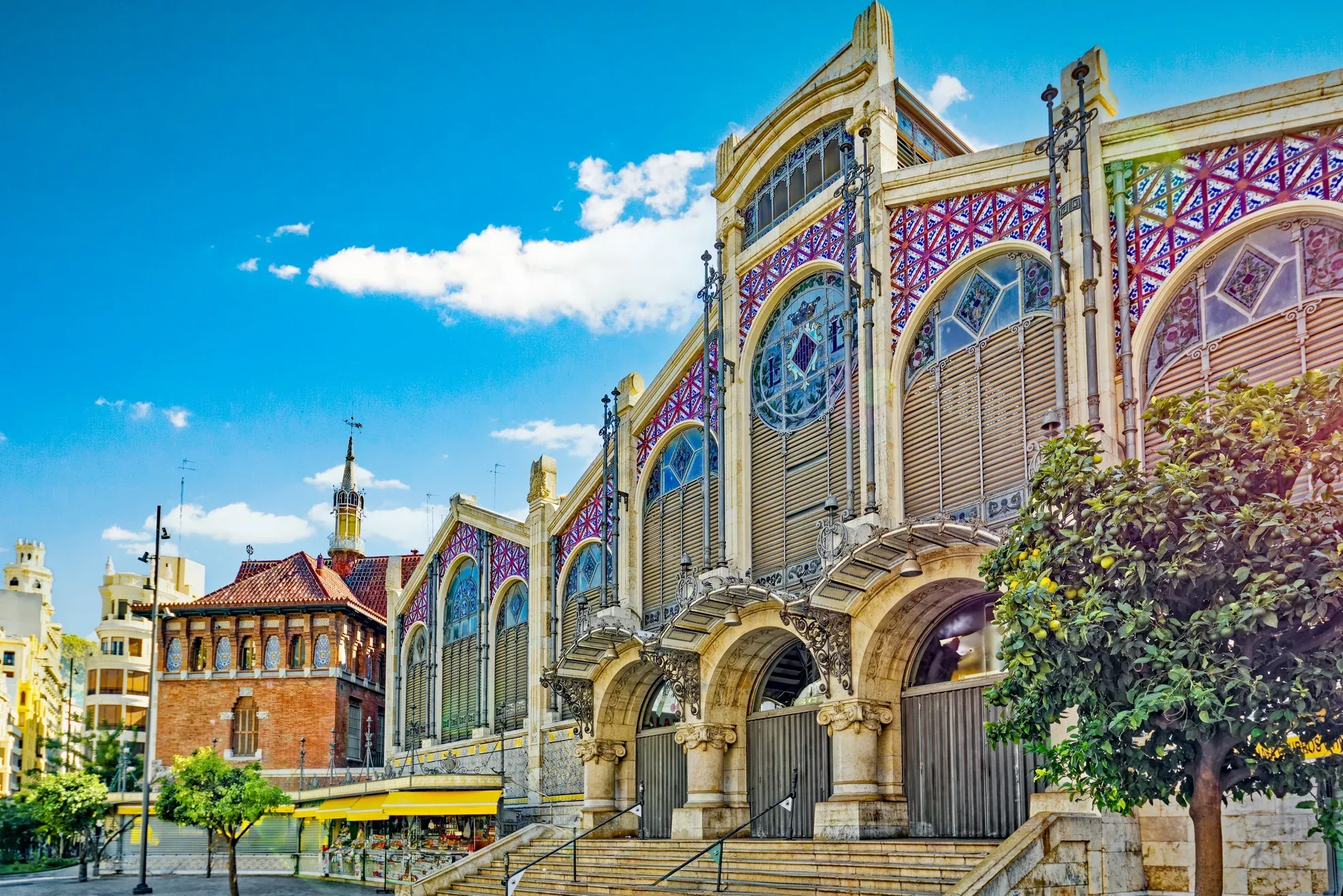
A few minutes on foot are enough to reach Mercado Central de València, Valencia's Central Market. It's housed in an impressive Modernist building of iron, glass, ceramics, and a large central dome. At its stalls you'll find fresh fruit, vegetables from Valencia's fertile plain, cold cuts, cheeses, seafood, and local specialties. The market isn't just a sight; it’s a vibrant part of everyday life. It's best to visit in the morning, as it usually operates Monday to Saturday, 07:30–15:00, and remains closed on Sundays and public holidays.
La Lonja de la Seda: A masterpiece of Gothic architecture
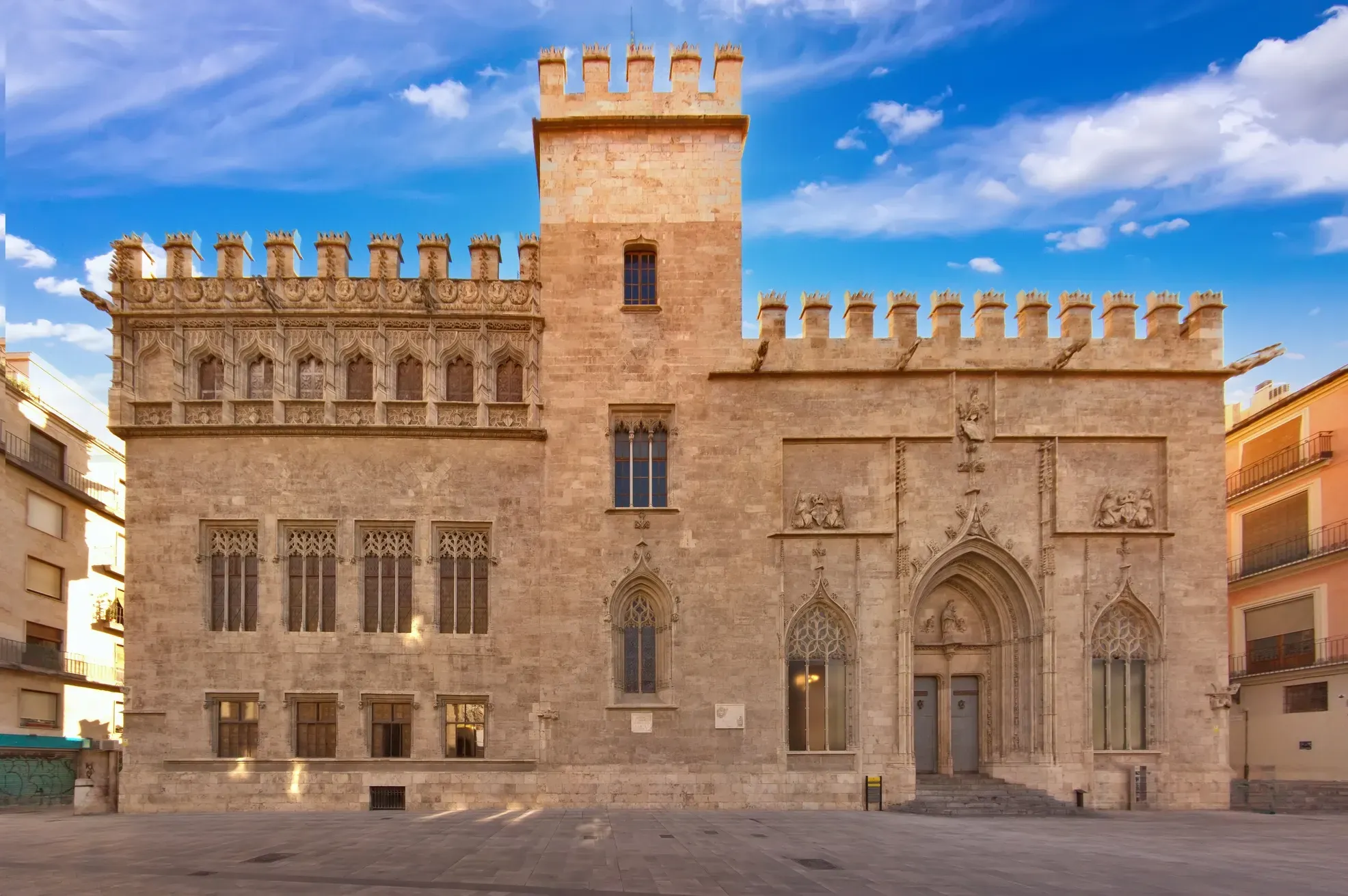
Right across from the Central Market stands La Lonja de la Seda, the old silk exchange and one of the city's most important monuments. Built in the late 15th century, it recalls the era when Valencia was a major commercial hub of the Mediterranean. The Hall of Columns, with its spiraling pillars and lofty vaulted ceilings, is the complex's most striking space. The inner courtyard with orange trees offers a calm counterpoint to the halls' grandeur. The Lonja has been a UNESCO World Heritage Site since 1996.
Plaza Redonda and the historic center's little lanes
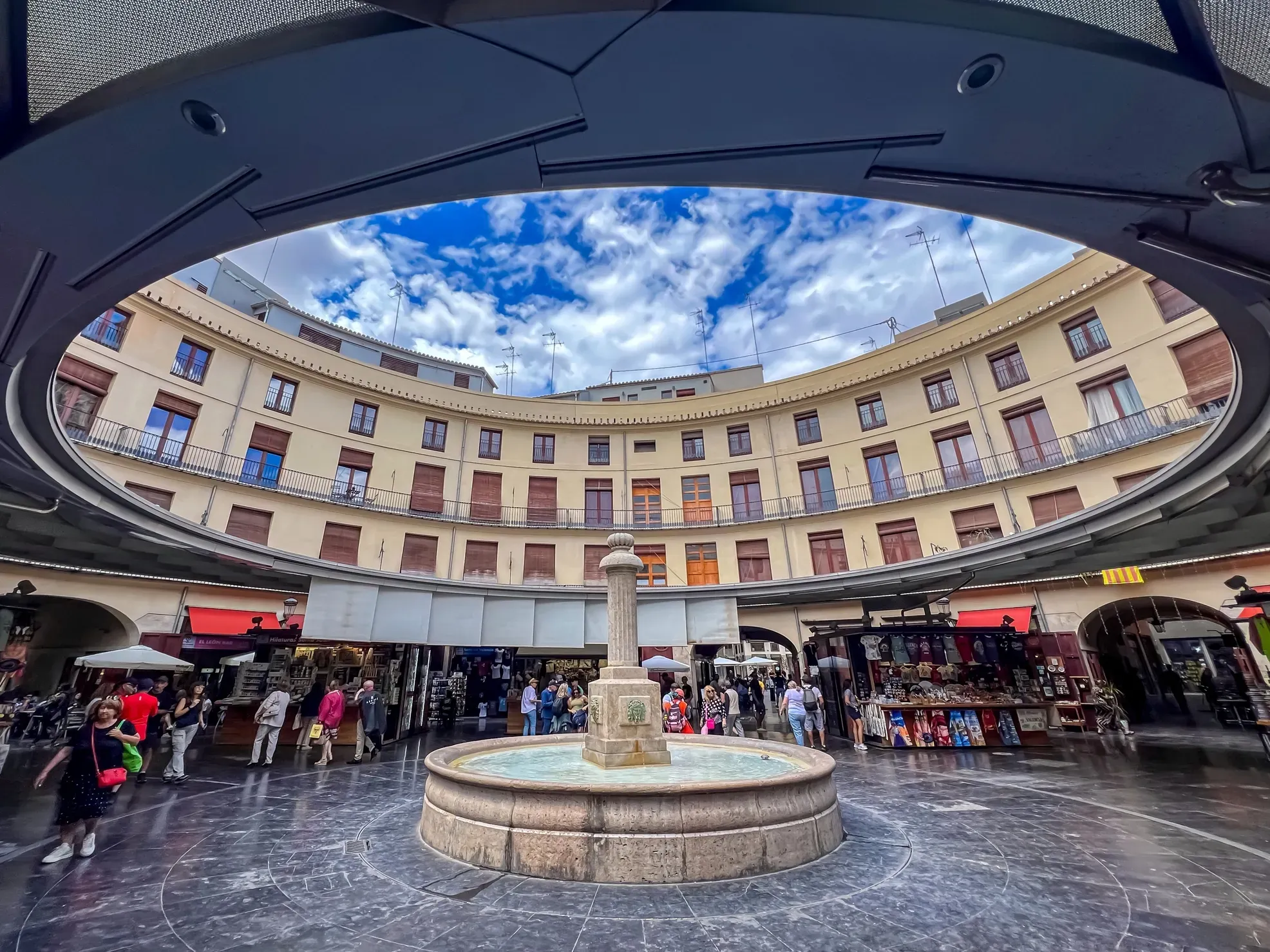
Leaving the market and the Lonja, it's worth getting lost in the surrounding lanes, where you'll find small squares, traditional shops, and cafés. Plaza Redonda, a circular square hidden among the buildings, stands out for its unique architecture and little stores. It's a perfect stop to discover handmade items, souvenirs, and local crafts.
Valencia of cathedrals, towers, and medieval neighborhoods
Catedral de Valencia and Plaza de la Virgen
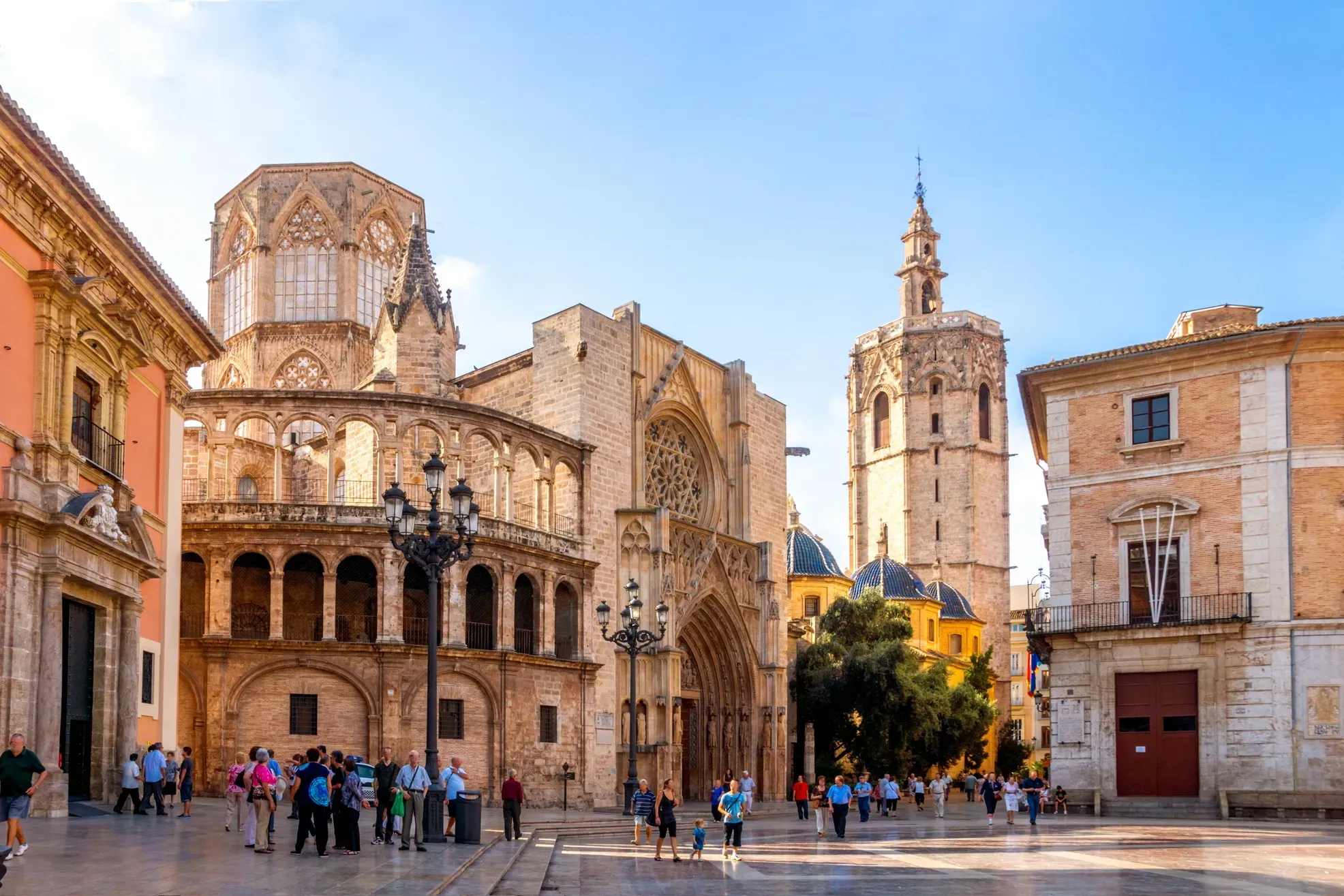
From Plaza Redonda, head to Plaza de la Reina and Valencia Cathedral. The square is one of the city's signature meeting points, with cafés and restaurants spilling around it. The cathedral blends different architectural elements, as its history spans many centuries. Inside it, the Holy Chalice is kept, which ecclesiastical tradition links to the cup of the Last Supper. Next door is the Miguelete, the octagonal bell tower that's one of the city's symbols. The climb to the top rewards you with panoramic views over Valencia's rooftops, domes, and squares.
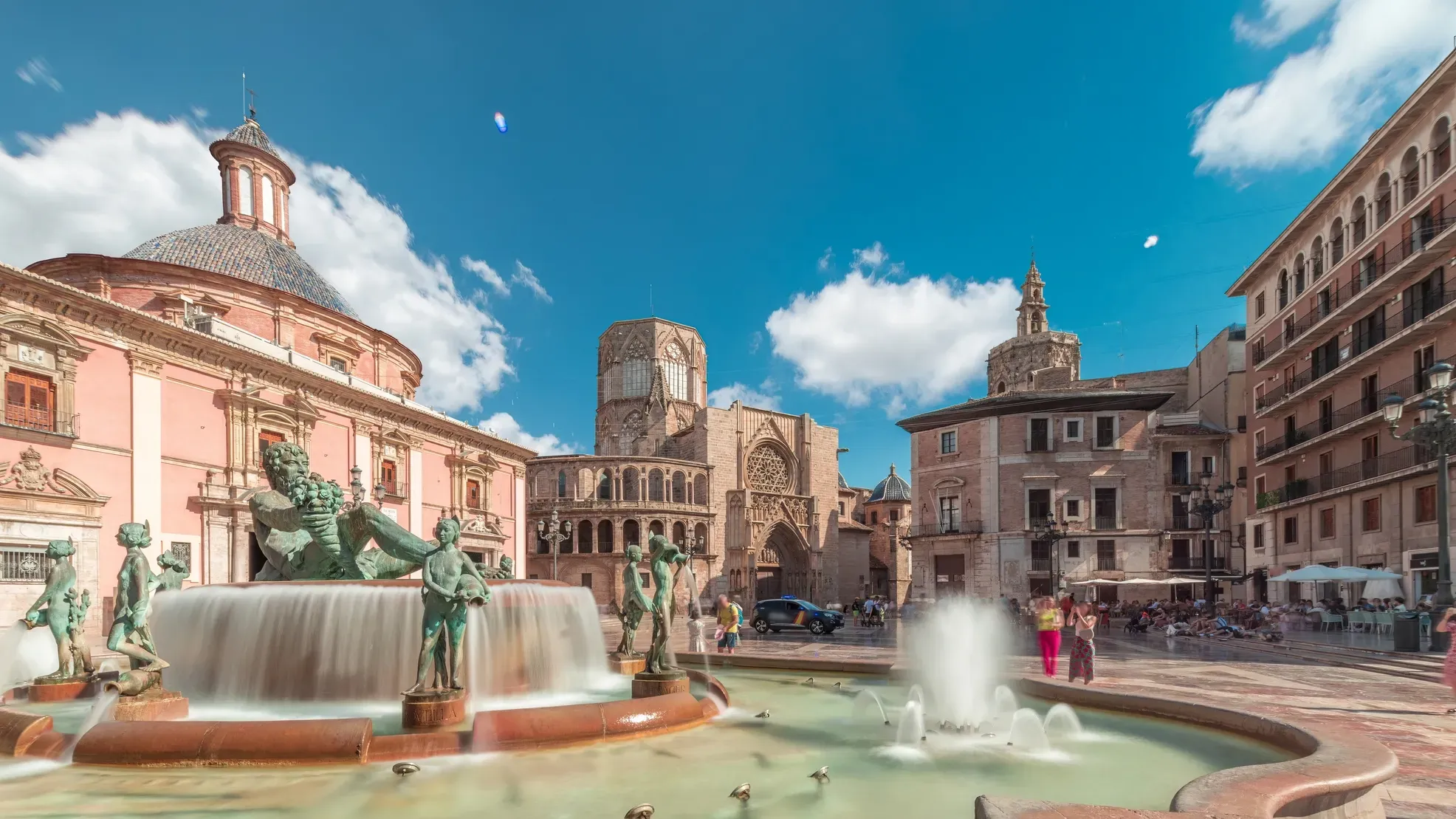
A few steps away, Plaza de la Virgen is one of the old town's most enchanting spots. With the Basilica of Our Lady of the Forsaken, the fountain representing the Turia River, and the façades of historic buildings, it invites an unhurried pause.
Barrio del Carmen: The most atmospheric neighborhood
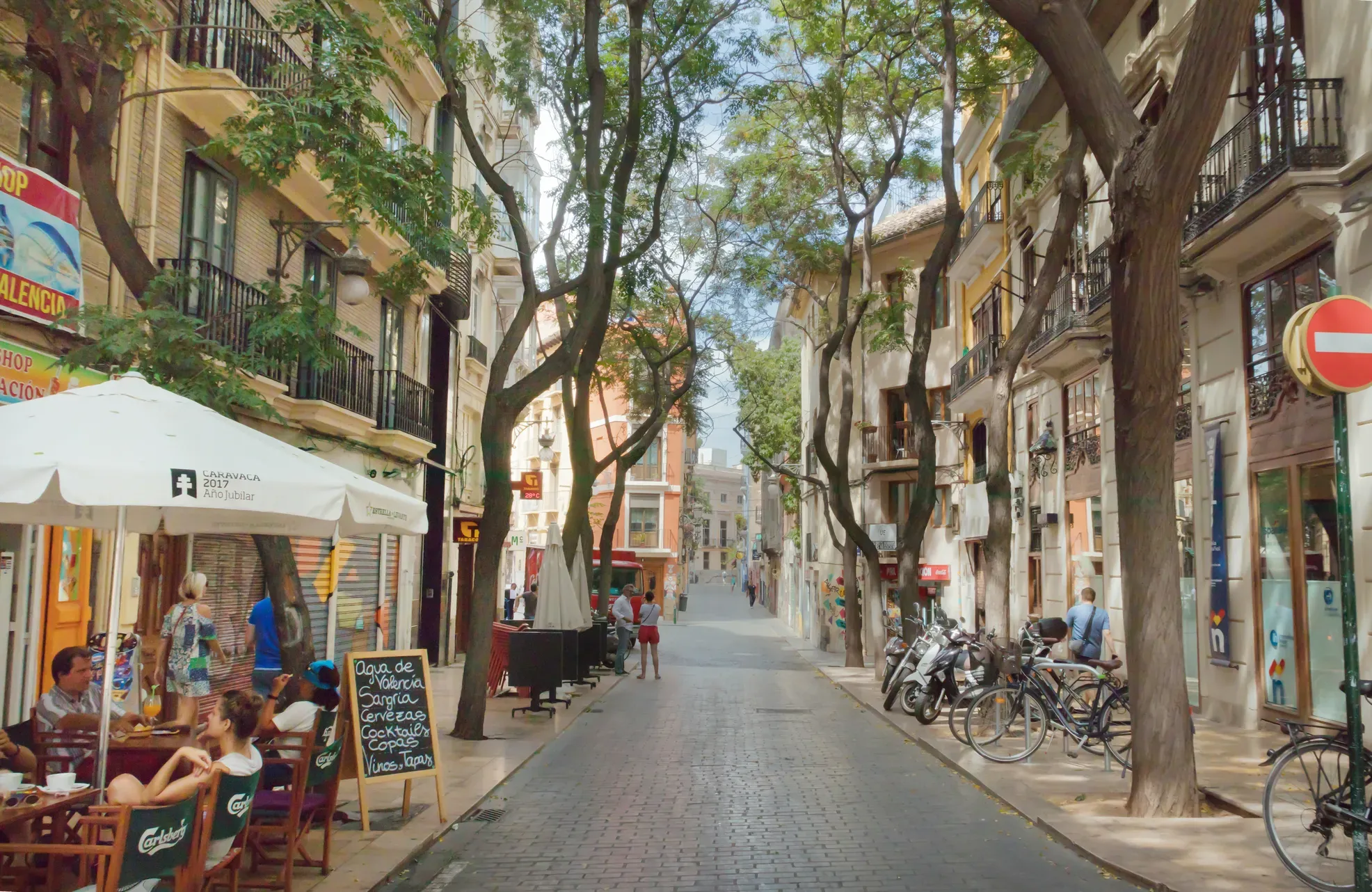
In the northwestern part of the historic center stretches Barrio del Carmen, one of the most intriguing neighborhoods to wander. Narrow lanes, old mansions, little squares, murals, and independent shops create a scene that fuses the medieval past with contemporary urban culture. There's no need to follow a set route here. You can stop for coffee, discover small galleries, and take in the neighborhood's different faces. At night, the area becomes livelier, with bars and spots for a drink.
Torres de Serranos and Torres de Quart
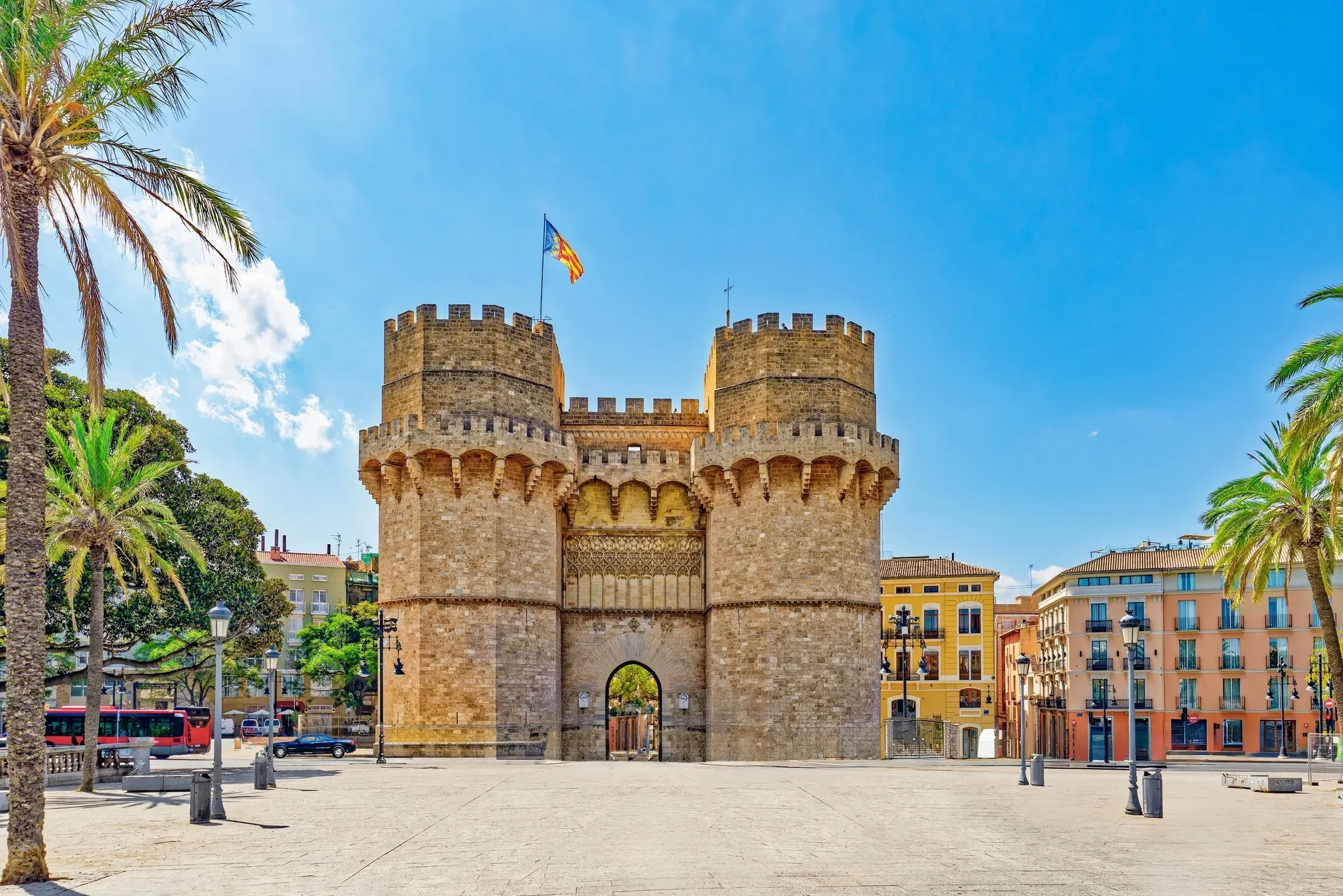
On the edge of the old town, the Torres de Serranos are among the most recognizable remnants of Valencia's medieval fortifications. The imposing towers were built in the 14th century and served as a gate into the city. Climb to the top to look out over Barrio del Carmen and the greenery of the Turia. Walking southwest, you'll come to the Torres de Quart, another historic gate that still bears the marks of old conflicts on its stone walls.
Iglesia de San Nicolás and Palacio del Marqués de Dos Aguas
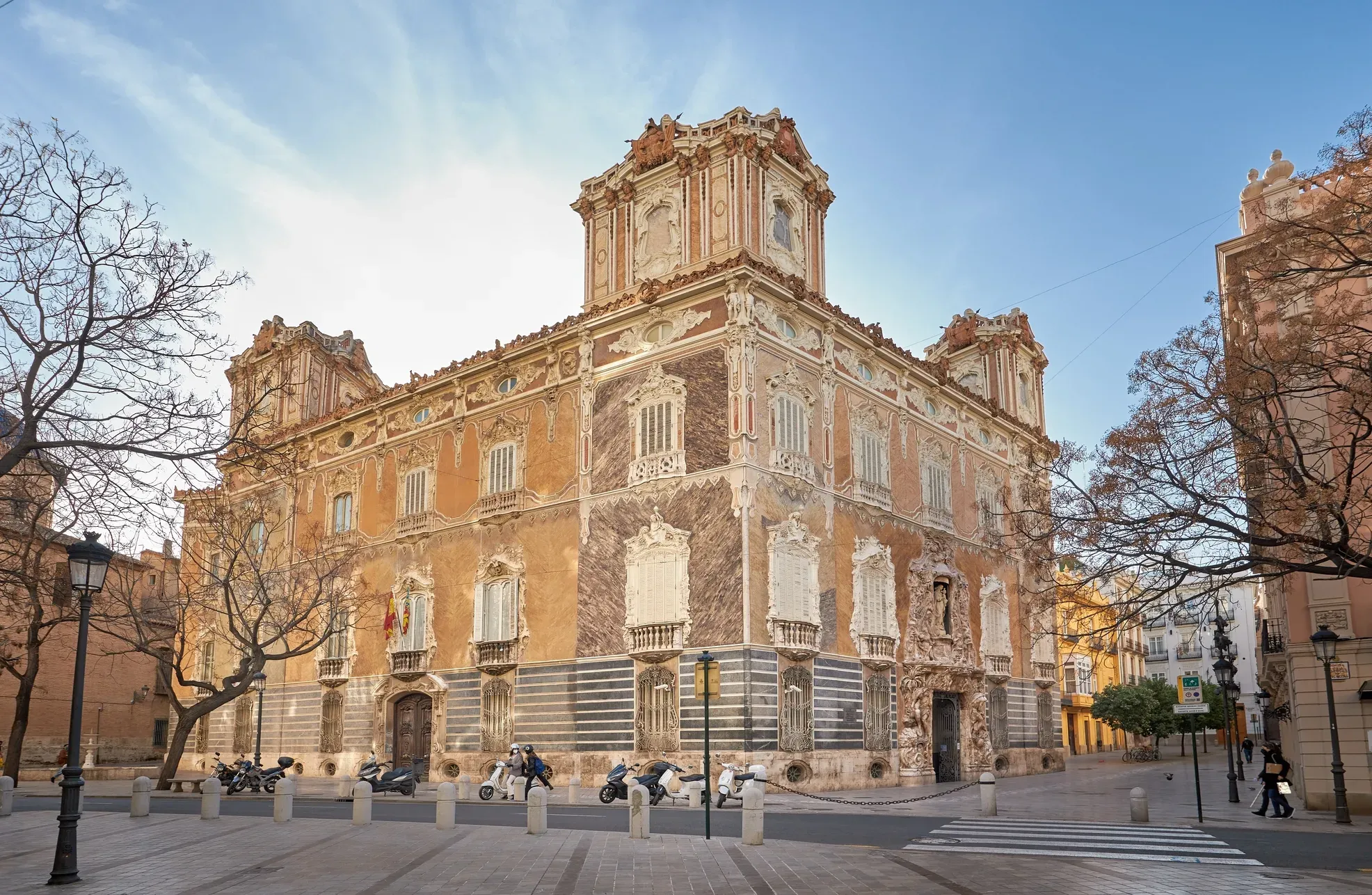
It's also worth visiting the Iglesia de San Nicolás de Bari y San Pedro Mártir, renowned for the stunning frescoes that cover its ceilings and walls. It's often called the "Sistine Chapel of Valencia," a moniker that hints at its breathtaking decoration. Then seek out the Palacio del Marqués de Dos Aguas, a palace whose elaborate Baroque façade is among the city's most photographed. Inside it houses the National Museum of Ceramics and Decorative Arts, ideal for getting to know Spain's ceramic tradition and the art of decoration.
The Turia Gardens: The city's green refuge
One of the features that make Valencia stand out is the Jardín del Turia, the large urban park laid out in the old riverbed of the Turia. After the devastating floods of 1957, the river was diverted and the space was gradually transformed into an extensive green corridor that today runs through the city for about nine kilometers. The park is perfect for walking, cycling, or simply unwinding between sights. You'll come across bridges from different eras, sports facilities, playgrounds, bike lanes, and spots where locals relax under the trees.
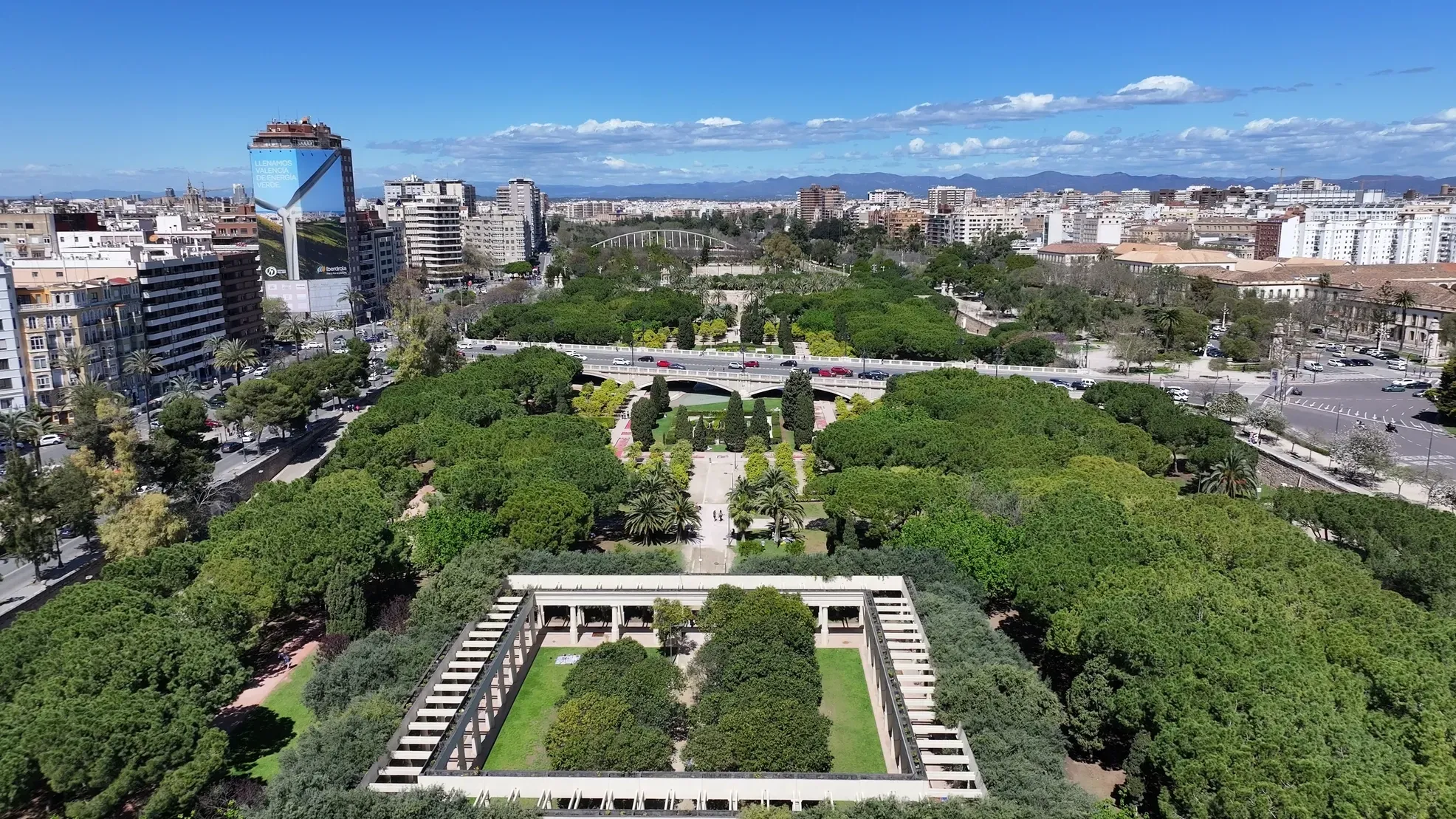
At the eastern part of the green route, near the historic center, you can combine your stroll with the Jardines del Real or Viveros, a large garden with trees, paths, and quiet corners. Nearby is also the Jardín de Monforte, a more symmetrical, historic garden with sculptures, fountains, and careful landscaping. Conversely, toward the western end of the Turia is the Parque de Cabecera, a space with a lake and broad green expanses that's great for a relaxed walk. You can do the route by bike or on foot, choosing only the section that suits your time and energy.
The City of Arts and Sciences: Valencia's futuristic face
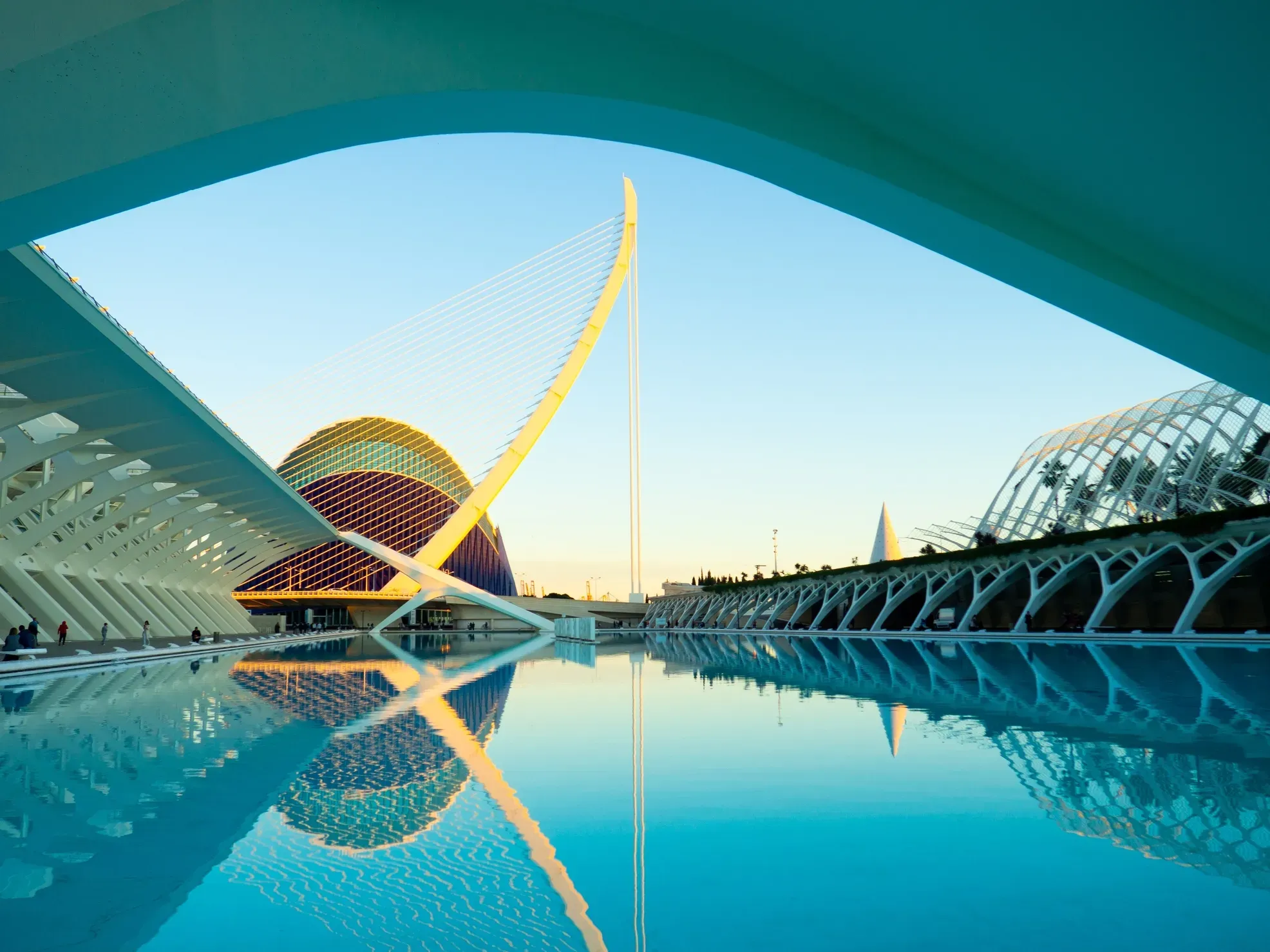
If there's one sight that shouldn't be missing from a first visit to Valencia, it's the Ciutat de les Arts i les Ciències, the City of Arts and Sciences. The striking complex, designed mainly by architect Santiago Calatrava, spreads across the eastern section of the Turia and has become the city's contemporary architectural emblem. Even if you don't plan to go inside the buildings, it's worth strolling around the vast pools, admiring the white curves, and photographing their reflections. The scene is especially impressive in the late afternoon, when the light shifts across the surfaces.
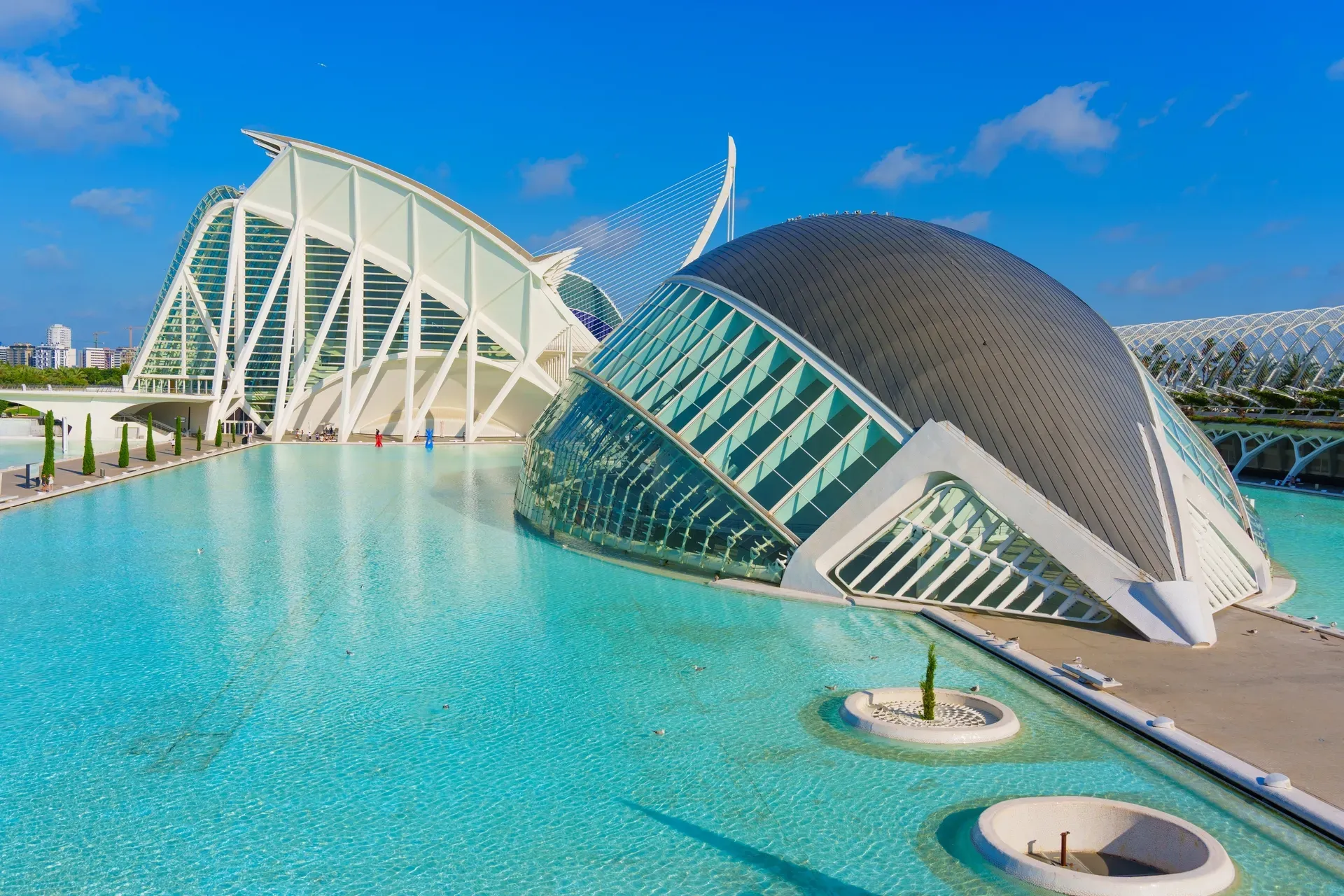
The complex's main highlights are:
- L'Hemisfèric: The building with the distinctive eye shape, hosting screenings on a large domed screen.
- Museu de les Ciències: An interactive science museum, suitable for children and adults who want to explore science through experiments and exhibits.
- Oceanogràfic: One of Europe's largest aquariums, with different marine ecosystems and underwater walkways.
- Palau de les Arts Reina Sofía: An impressive building dedicated to opera and the performing arts.
If you plan to enter the Oceanogràfic and visit other buildings too, allow several hours. To explore the whole complex you might even need a full day. That's why it's best to choose in advance what interests you most and check tickets and opening hours on the official websites.
Beach, marina, and authentic paella
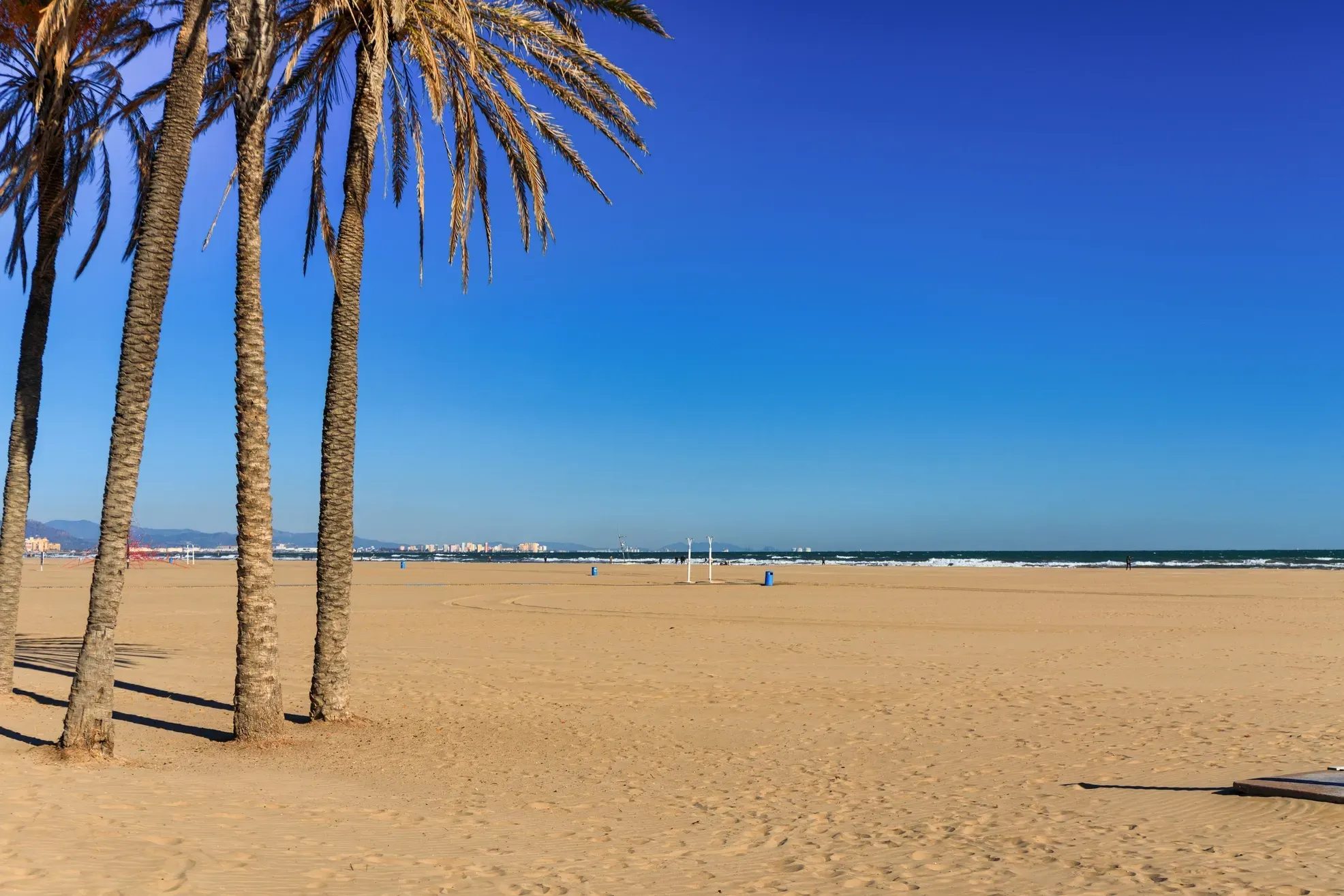
Valencia isn't just a city of great monuments. Its relationship with the Mediterranean is a key part of its identity, and it's worth dedicating time to its seaside side. Playa de las Arenas and Playa de la Malvarrosa are its best-known urban beaches, with wide sands, a seafront promenade, and restaurants. They're ideal for a walk by the sea, a coffee with a view, or a swim, depending on the season. Close by is the Marina de València, the port's revitalized area. The area blends maritime history with contemporary dining spots and relaxed sunset strolls.
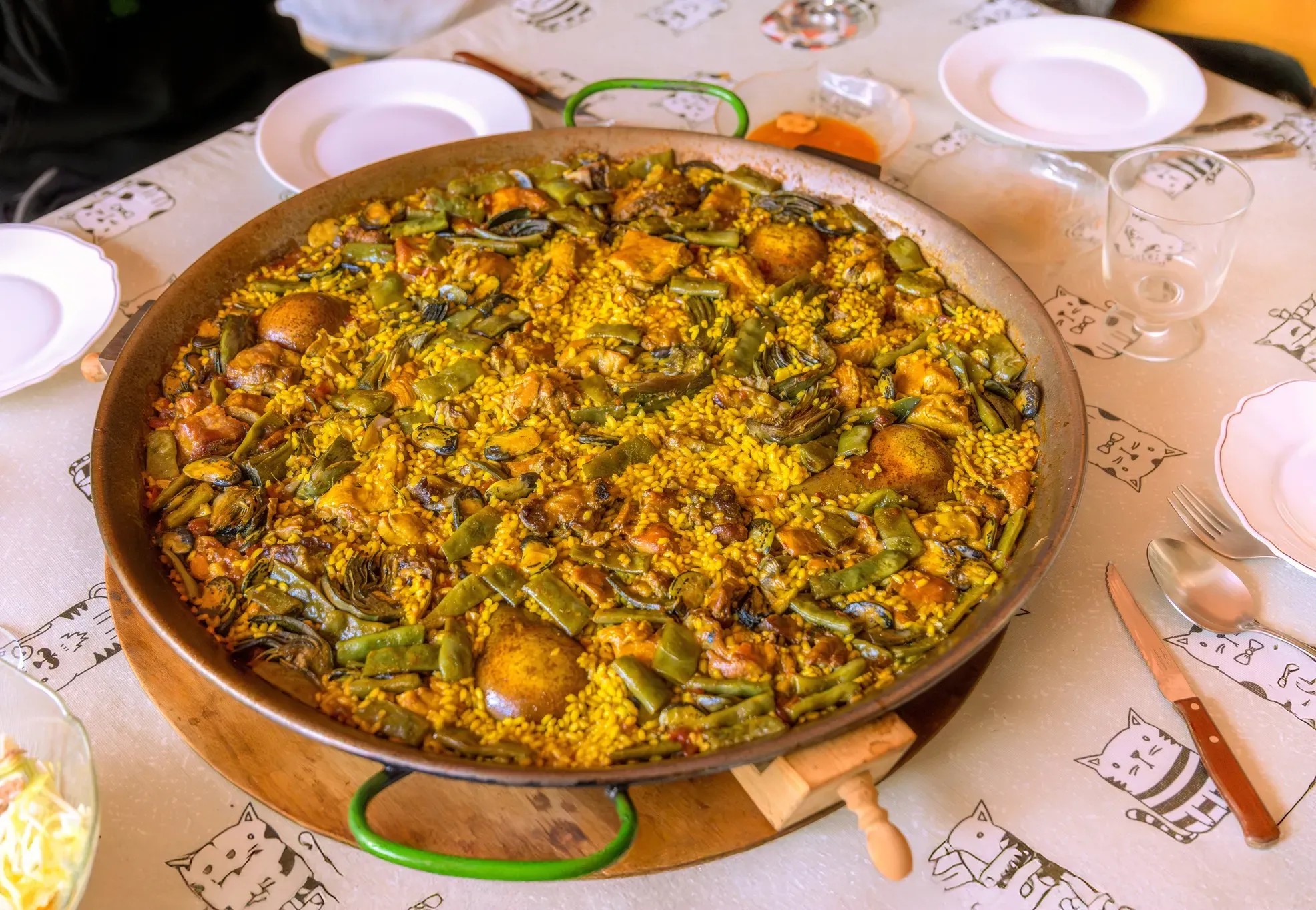
And of course, you can't leave without trying paella in its homeland. The traditional valenciana is usually prepared with rice, chicken, rabbit, beans, and saffron, without the seafood that often dominates the dish's international versions. Along the waterfront you'll find many options for a meal with sea views. If you'd like to seek out a more traditional gastronomic experience, it's also worth looking toward the Albufera, where local cuisine is directly linked to rice cultivation.
L'Albufera: Nature just outside the city

For a different side of the region, the Parc Natural de l'Albufera is one of the best choices. A short distance from the center, the natural park includes a lagoon, wetlands, rice fields, and important bird habitats. The landscape contrasts sharply with urban Valencia and offers a chance to get to know the natural environment that shaped the local gastronomy. One of the loveliest experiences is a boat ride on the lagoon, especially toward the end of the day, when the light paints the sky and water in shades of orange. Sunset is the area's big draw, but Albufera is also worth it for the quiet, the birdlife, and the trails through the ricefield scenery. In the area you can try rice dishes in traditional restaurants and pair nature with the local cuisine.
Ruzafa, horchata, and the flavors worth seeking out
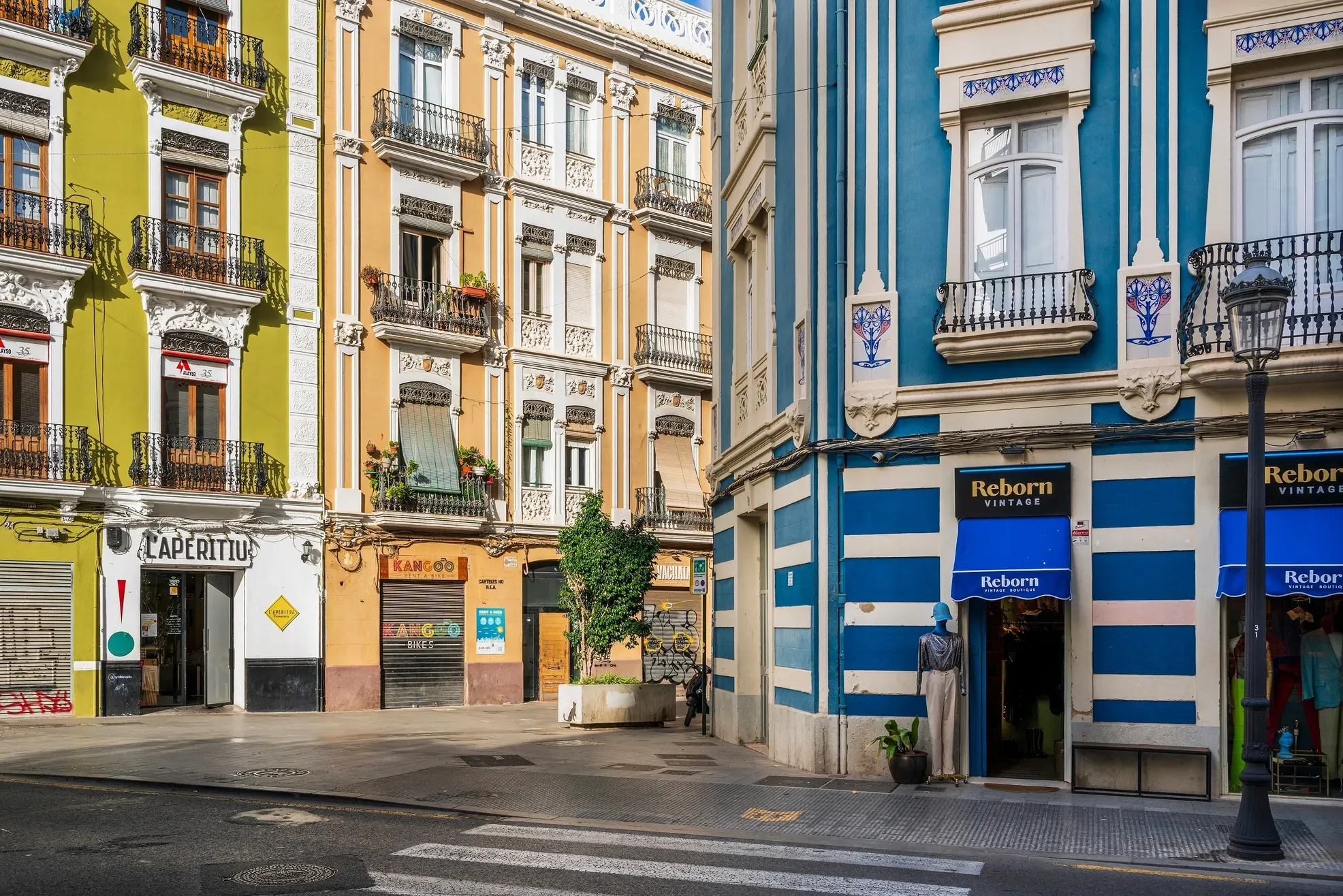
To get to know the city's contemporary, more creative side, seek out Ruzafa (Russafa), a neighborhood of independent shops, cafés, bars, and restaurants. It's ideal for an afternoon stroll, when the streets fill with people and the terraces become meeting points. Here Valencia reveals a younger, more laid-back side, different from the historic center's medieval atmosphere.

In your culinary tastings, beyond paella, make sure to try horchata, the traditional refreshing drink made from water, sugar, and chufa, a small edible tuber also known as tiger nut. Pair it with fartons, the long, fluffy pastries traditionally dipped into the drink. The buñuelos, fried dough fritters closely associated with the Fallas festivities, are also worth seeking out, often served with hot chocolate.


