




The 191st Oktoberfest features 16 days of festivities and is the perfect excuse for an autumn trip to Munich.
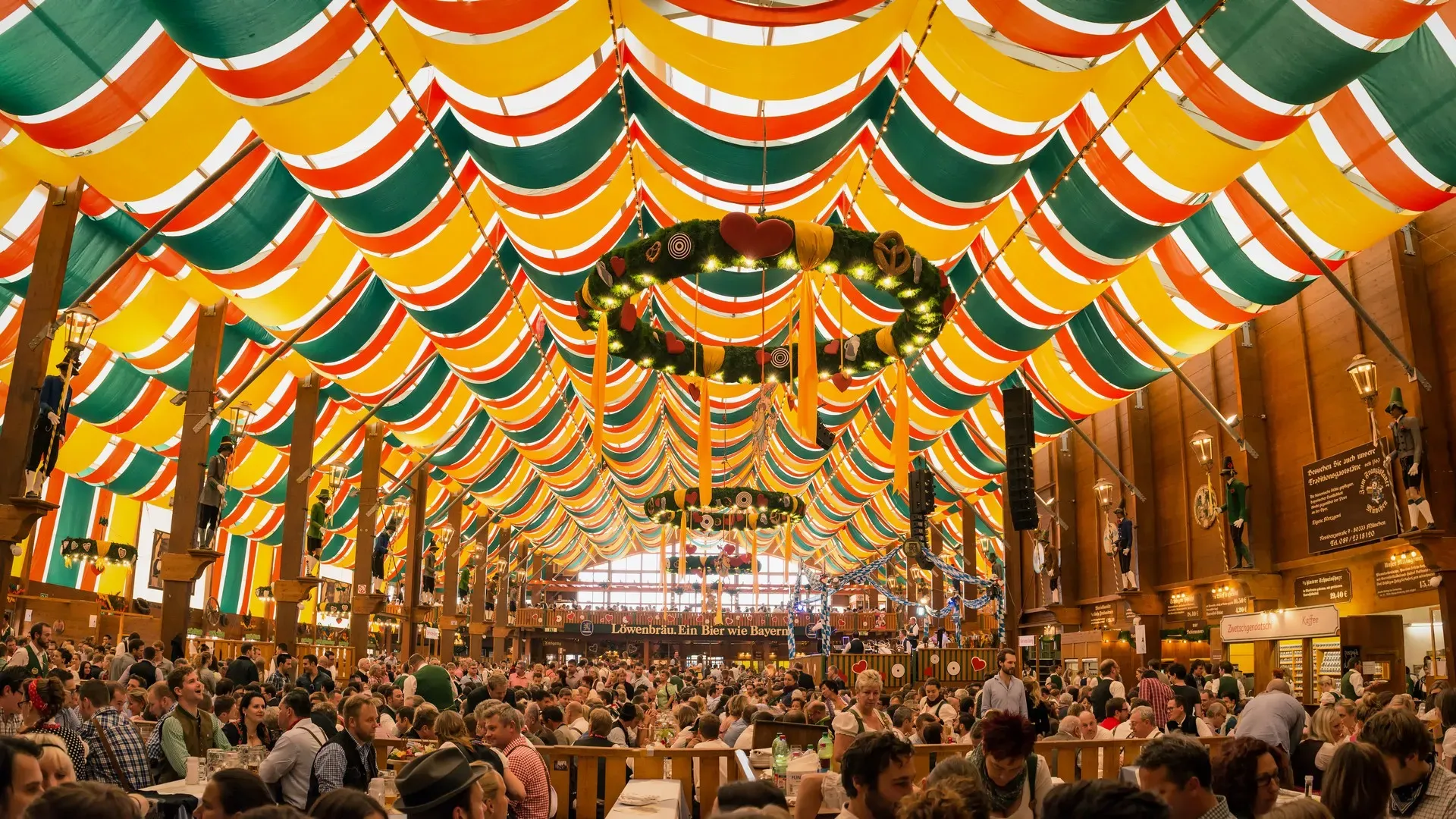
The world's largest beer festival, Oktoberfest in Munich, draws more than 6 million visitors annually. Every year the Theresienwiese area fills with people enjoying the full experience of the famous festival, consuming around 7 million liters of beer brewed by local breweries.
The 191st Oktoberfest will run from 19 September to 4 October, with celebrations kicking off with the traditional tapping of the first keg by Mayor Dominik Krause on the Festhalle Schottenhamel stage. The «world's largest folk festival» is the perfect reason for a getaway to Bavaria's capital, a city that impresses with its distinctive atmosphere.
Oktoberfest: The largest folk festival in the world
Oktoberfest traces its roots to the celebrations held in October 1810 for the wedding of Prince Ludwig I of Bavaria to Therese of Saxe-Hildburghausen, the parents of Otto I, Greece's first king. Munich's citizens were invited to attend the events organized in the fields in front of the city gates to celebrate the royal occasion. The fields were named Theresienwiese («Therese's Meadows») in honor of the princess and have borne that name ever since. The festival's originator is considered to be the courtier Andreas Michael Dall’Armi, who also conceived the wedding festivities. He was honored with the first gold medal ever awarded to a citizen of Munich in 1824 for precisely this contribution.
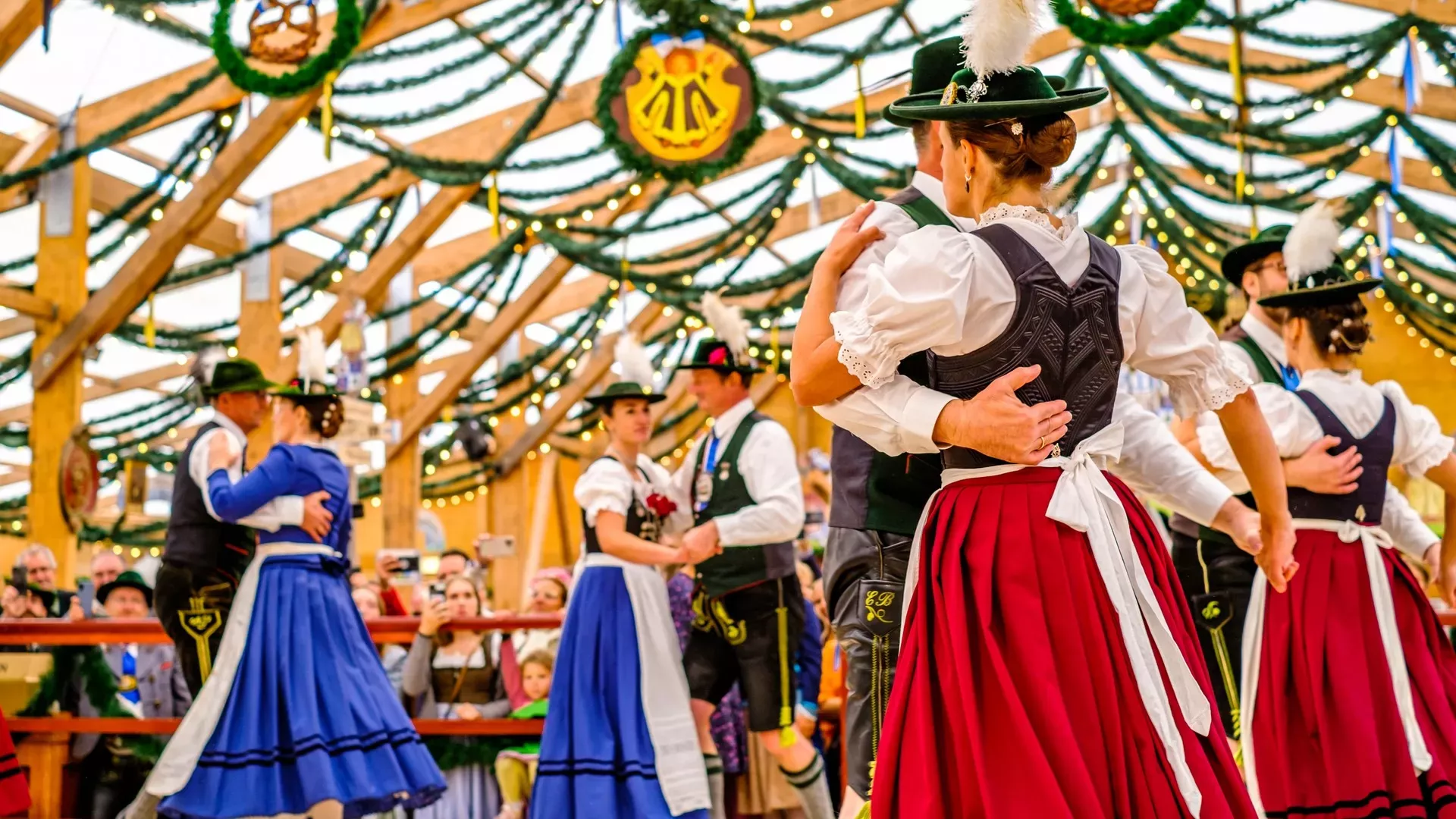
The defining symbols of Oktoberfest are the men's leather shorts with suspenders known as lederhosen, the dirndls—the Bavarian dresses with their aprons—the salty traditional local baked pretzels, and of course the beer. And all of it in shades of blue and white, the official colors of Bavaria's flag.
The beers of Oktoberfest
Only beers from the six famous breweries based within the boundaries of the Municipality of Munich are served at the festival, according to tradition. These are:
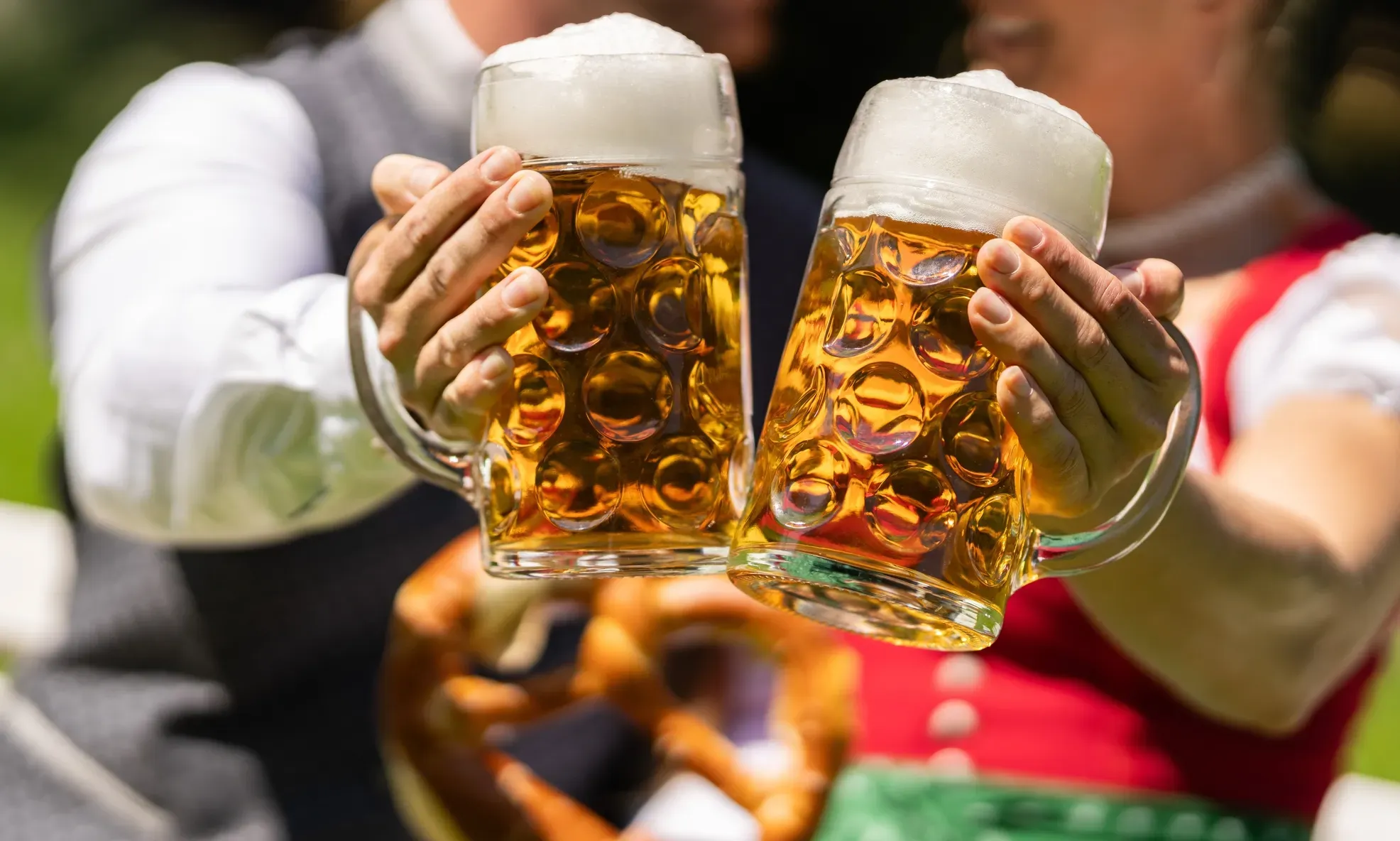
- Augustiner: A product of the monks of the namesake order, who founded the brewery in 1328; it's the oldest brewery within the Municipality of Munich (6.3% alcohol).
- Hacker-Pschorr: Beer at 6% alcohol. The first written reference to this brewery dates back to 1417.
- Hofbräu: The «blue-blooded» beer at 6.2% alcohol. The brewery, founded in 1589, was originally in the city center, where the Hofbräuhaus am Platzl stands today, one of Munich's main tourist attractions.
- Löwenbräu: With official founding year 1746 and 6% alcohol.
- Paulaner: The monks of the Paulaner Order served their first beer in 1634, making Paulaner the youngest of Munich's breweries. Beer at 6% alcohol.
- Spaten: Founded in 1397. Beer at 5.9% alcohol.
Top sights in Munich
Built on the banks of the Isar River, in the shadow of the Bavarian Alps, Germany's third-largest city charms visitors with its history, stunning architecture, culture, and attractions.
Marienplatz
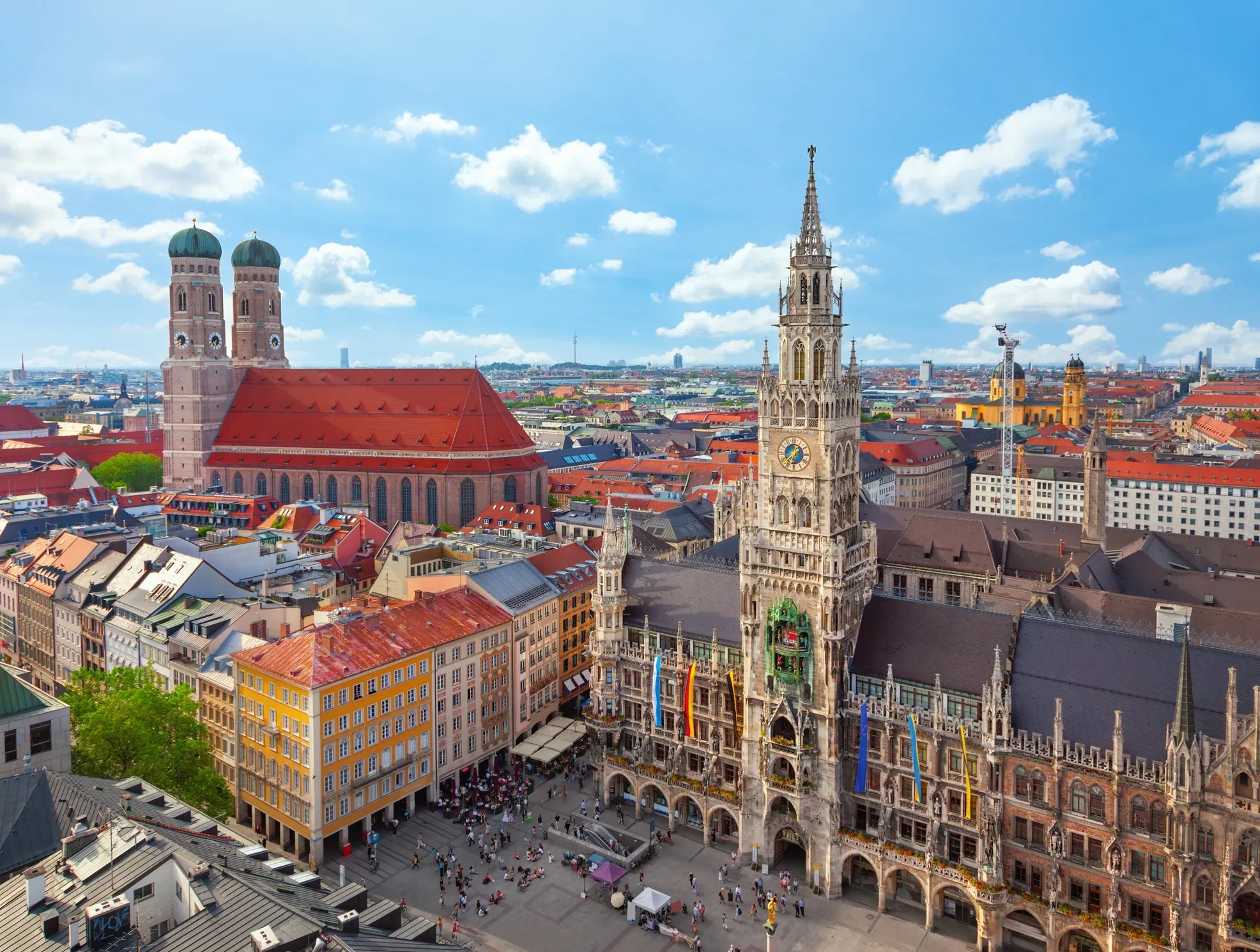
Munich's heart beats strongly in the historic Marienplatz, the ideal place to start exploring the Old Town. Here you'll admire the neo-Gothic New Town Hall (Neues Rathaus) and the famous Glockenspiel clock with the figurines that come to life on the hour.
Frauenkirche Cathedral
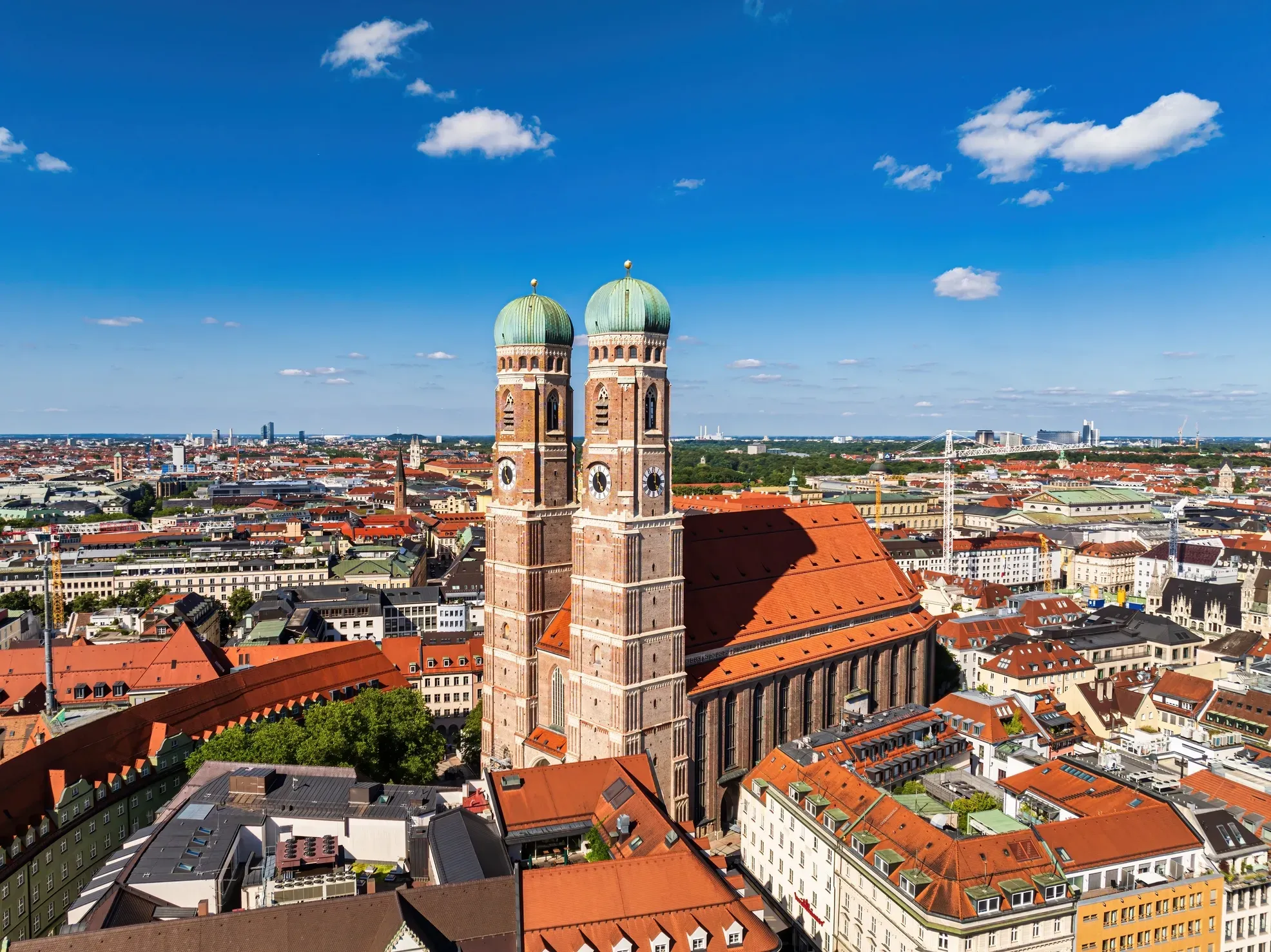
With its distinctive twin towers capped by copper domes, the Cathedral of Our Lady (Frauenkirche) dominates Munich's skyline. Built in the 15th century of red brick, it's the largest Gothic church in southern Germany and one of the most recognizable symbols of the Bavarian capital. Inside, beyond the imposing architecture, you'll also discover the famed «Devil's Footstep» (Teufelstritt), a legend that fascinates visitors.
Kunstareal (The Arts District)
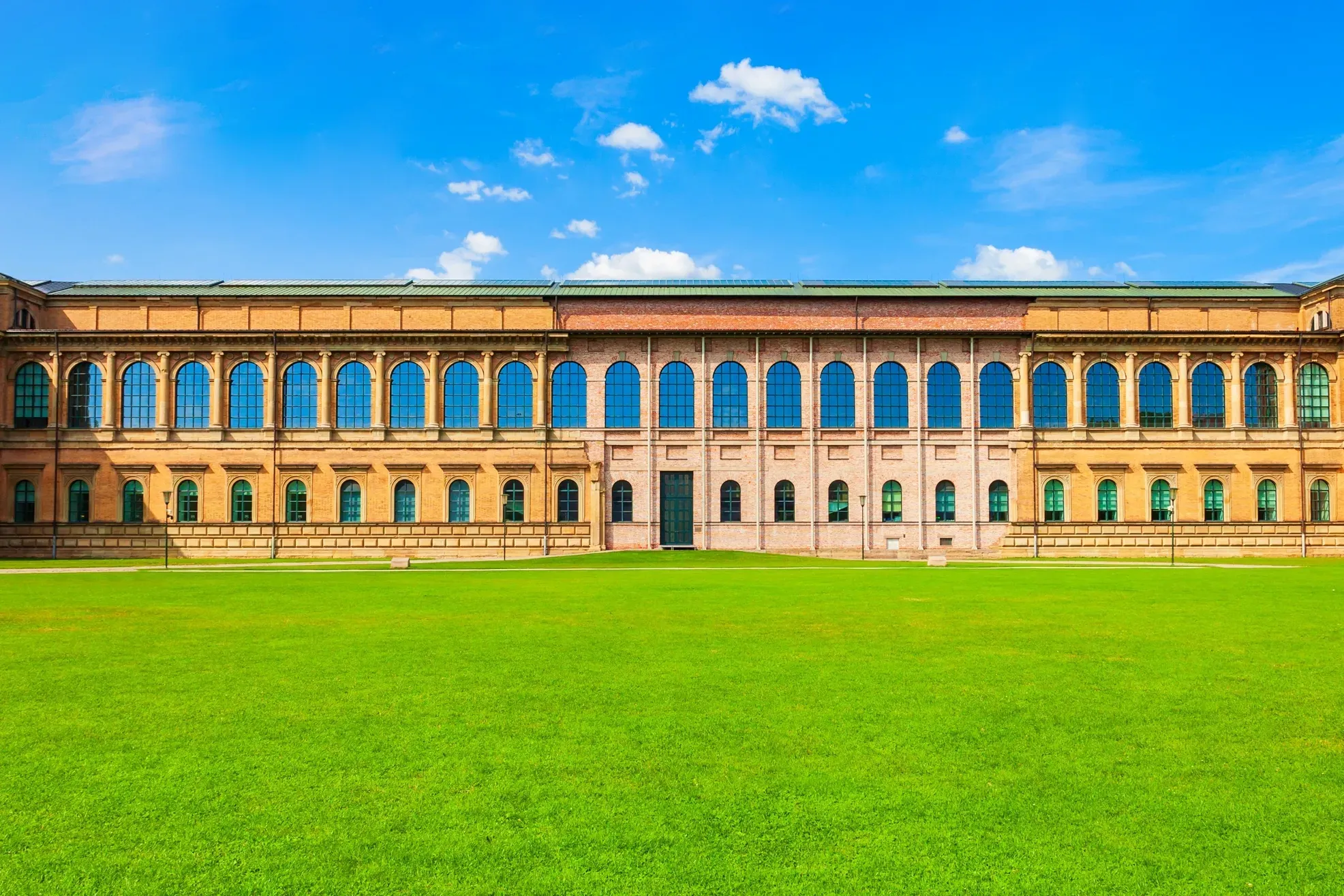
For culture lovers, the Kunstareal area is a true paradise. Known as the "arts district", it's one of Europe's most important museum quarters, where the history of art unfolds across just a few square kilometers. Here you'll find the Alte Pinakothek with masterpieces of European painting from the Middle Ages to the Baroque, the Neue Pinakothek (with 19th-century works), and the Pinakothek der Moderne, an impressive building that houses four different museums. You can also visit the Museum Brandhorst with its distinctive multicolored facade.
Englischer Garten (English Garden)
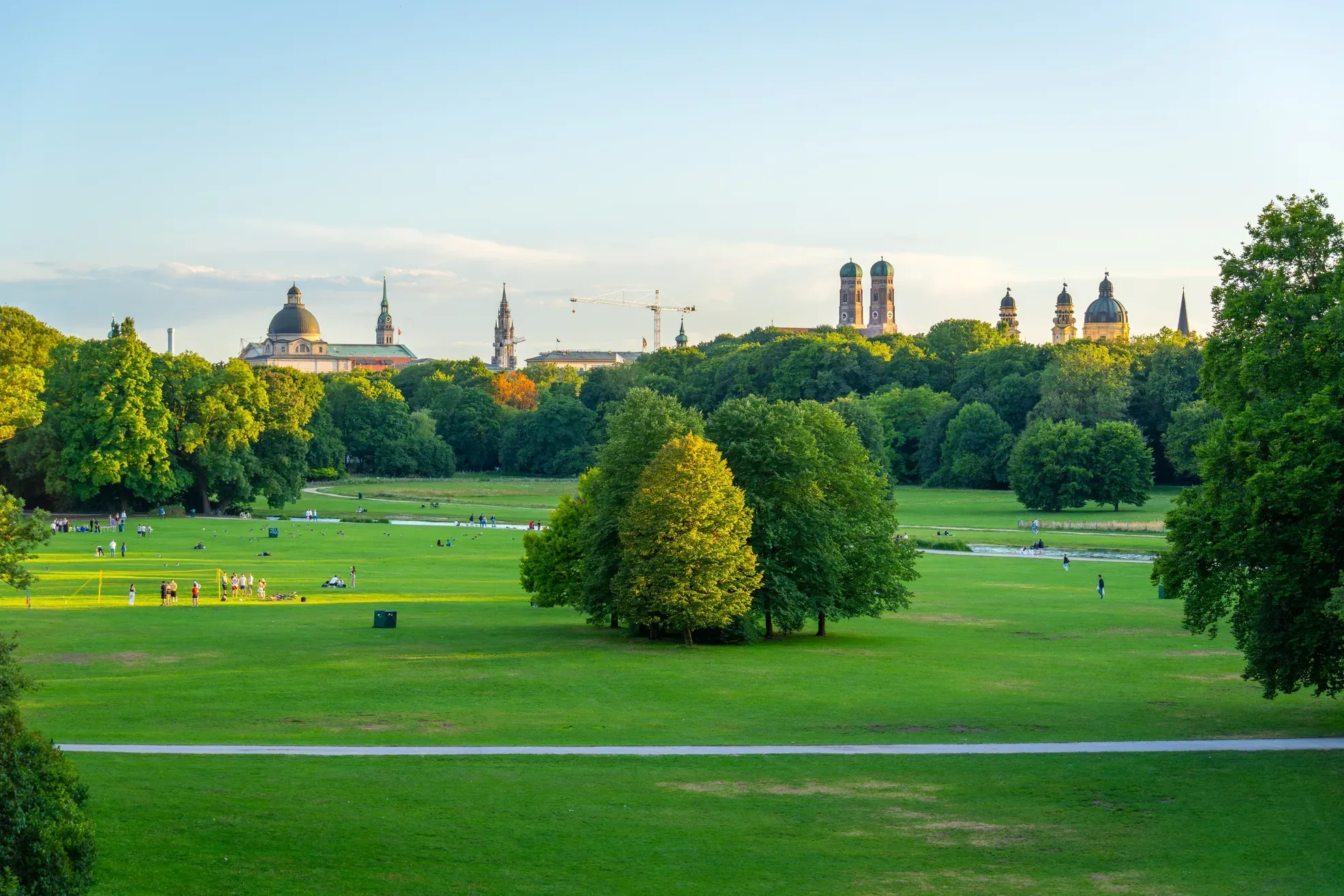
One of the largest urban parks in the world, the Englischer Garten is Munich's green lung. With paths exceeding 78 kilometers, lush meadows, idyllic lakes, and picturesque streams, it's the ultimate haven for relaxation, picnics, or cycling. Inside you'll find the famous Chinese Tower, with one of the city's most popular beer gardens, while at the Eisbach channel you'll see local surfers riding the river's standing waves year-round.
Maximilianstrasse
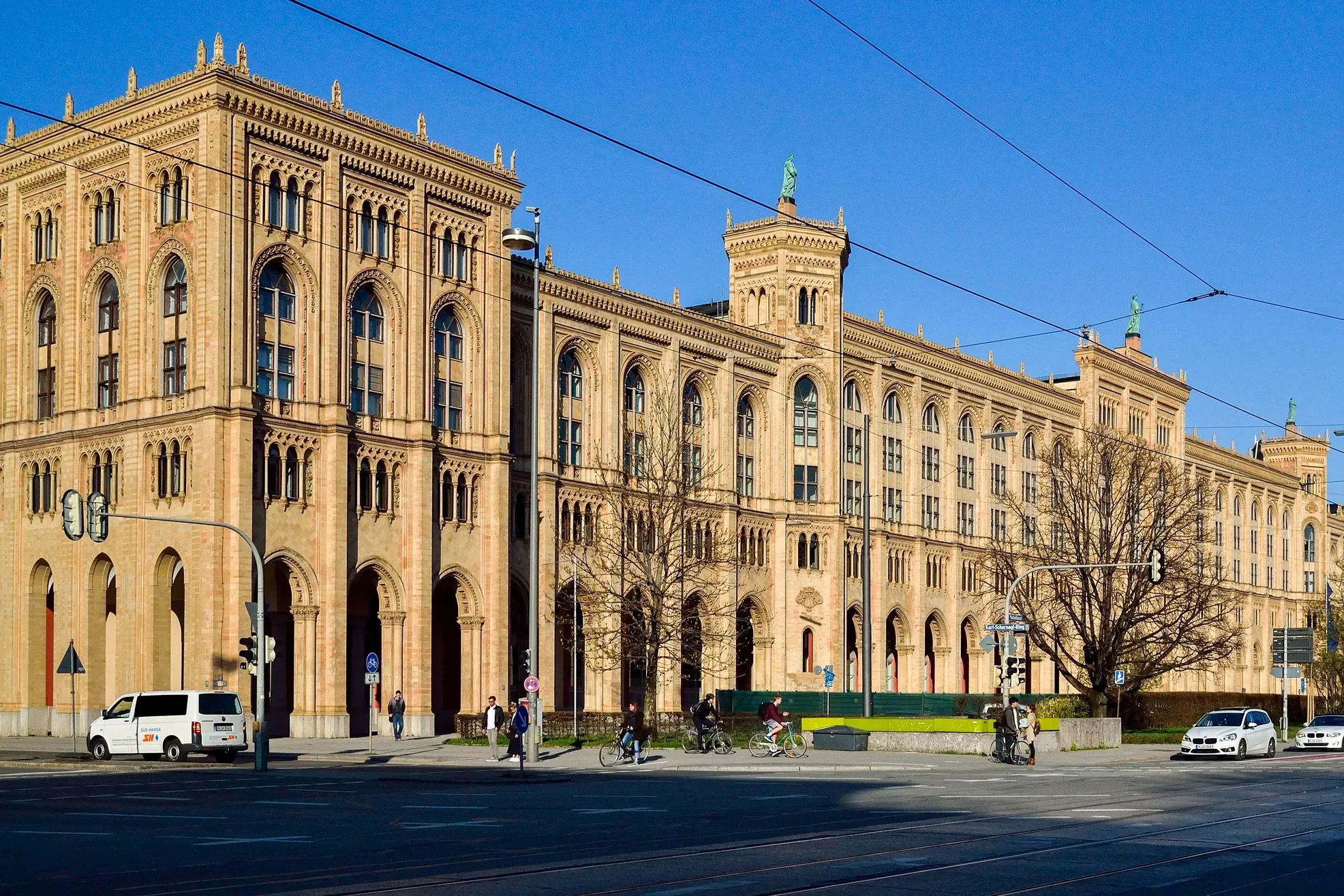
Maximilianstrasse (Maximilian Avenue) is Munich's most aristocratic boulevard, designed in the 19th century by King Maximilian II. Beyond the shop windows of the most famous haute couture houses and international luxury brands, the street is an architectural gem. Along it you'll admire imposing buildings such as the National Theatre and the striking Maximilianeum, a neo-Gothic palace that dominates the end of the road above the Isar River and houses the Bavarian Parliament.
Schloss Nymphenburg
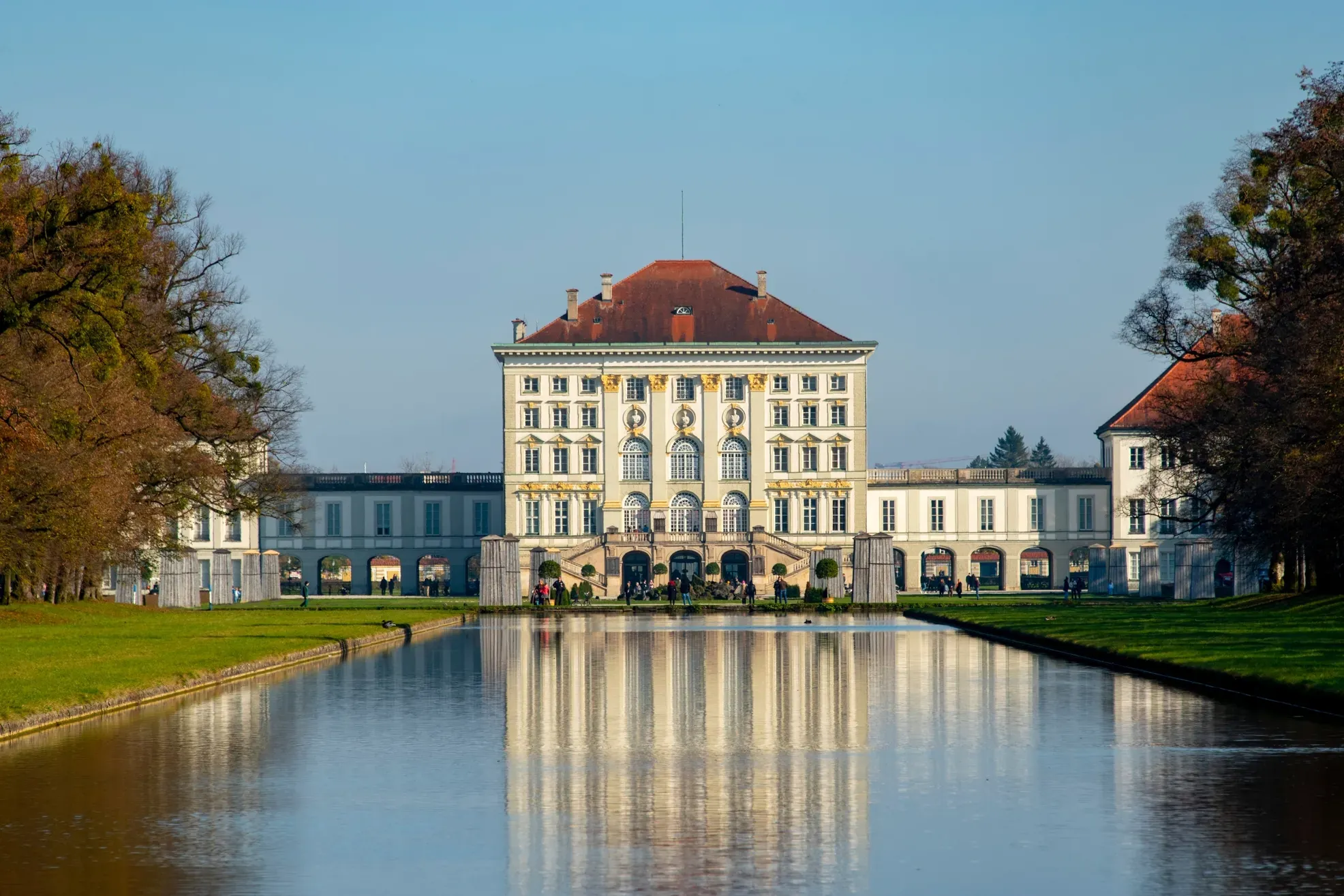
Just 6 kilometers from the city center, Nymphenburg Palace whisks you straight back to the era of the Bavarian kings. This Baroque summer residence of the Wittelsbachs is surrounded by fairytale gardens, canals, and impressive fountains. Inside you can admire the spectacular Stone Hall with its elaborate frescoes, as well as the Mirror Room in rococo style.
Olympic Park
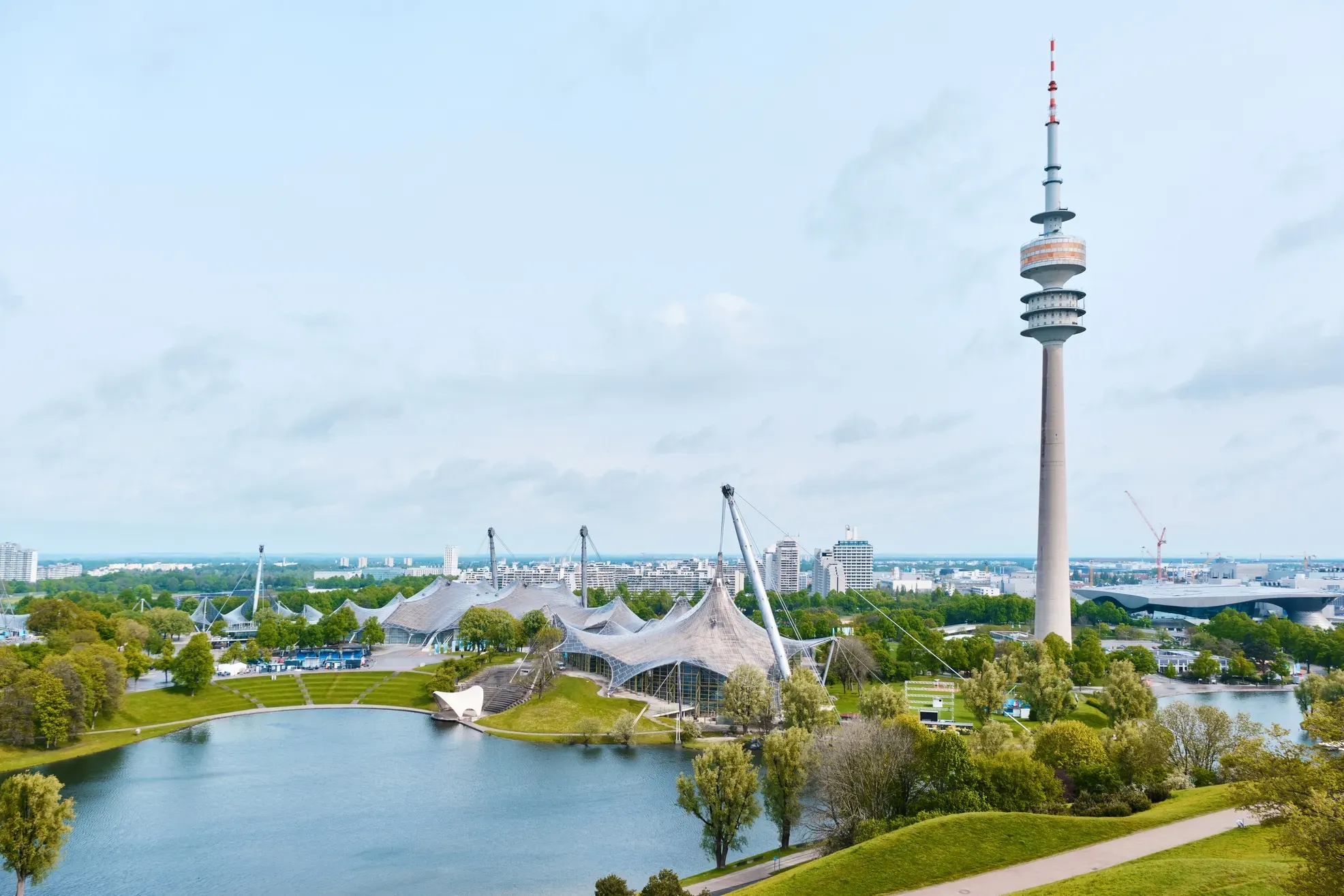
Olympic Park was built to host the 1972 Summer Olympic Games and remains one of Munich's liveliest recreation and culture venues. Its pioneering architecture still impresses today. The vast parkland invites endless strolls, while from the top of the Olympic Tower you can enjoy panoramic views of the city.
BMW Museum
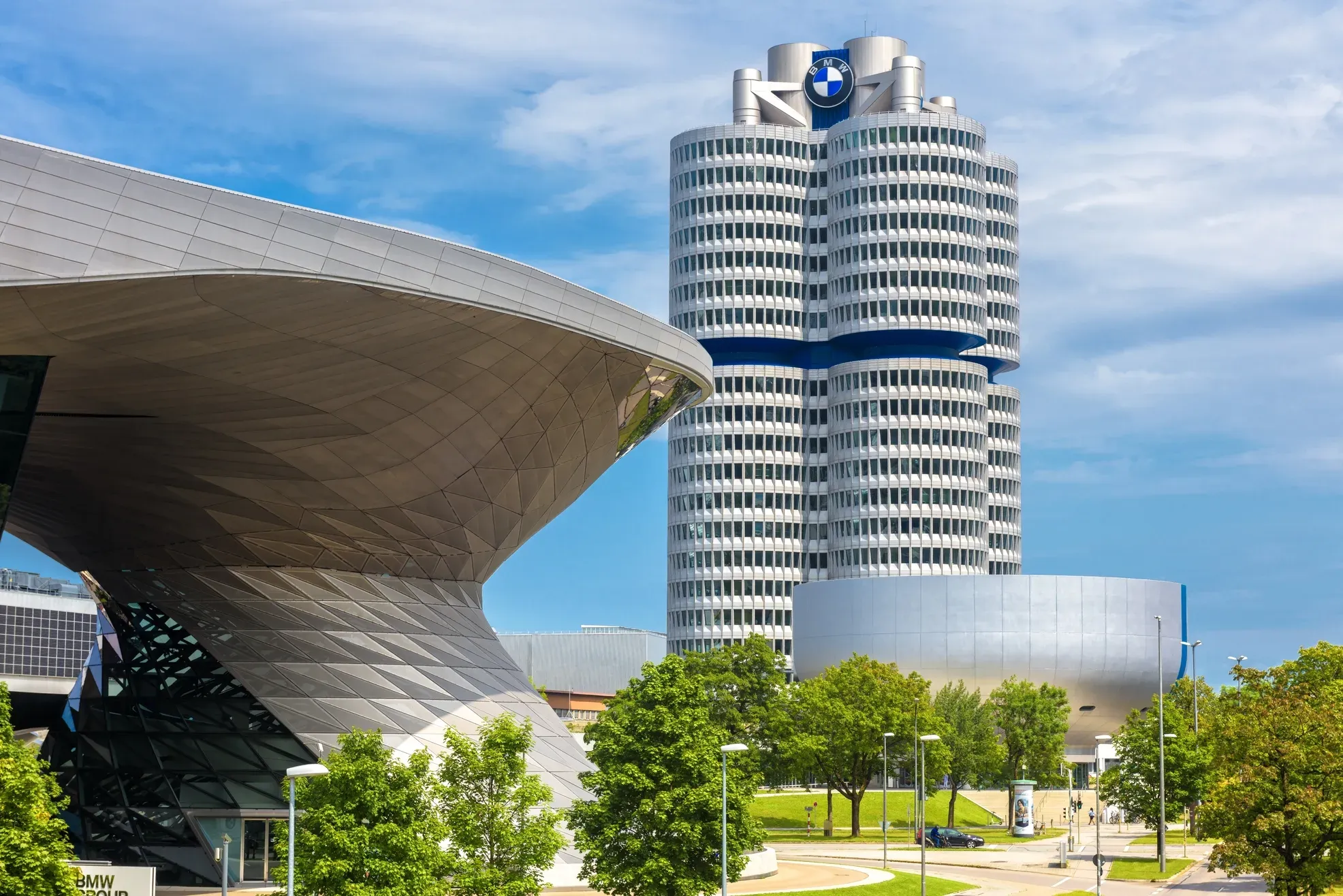
The BMW Museum is on the eastern side of Olympic Park and is a top destination for car lovers and more. The museum showcases the rich history of the legendary brand, exhibiting historic car and motorcycle models as well as racing vehicles.
Deutsches Museum
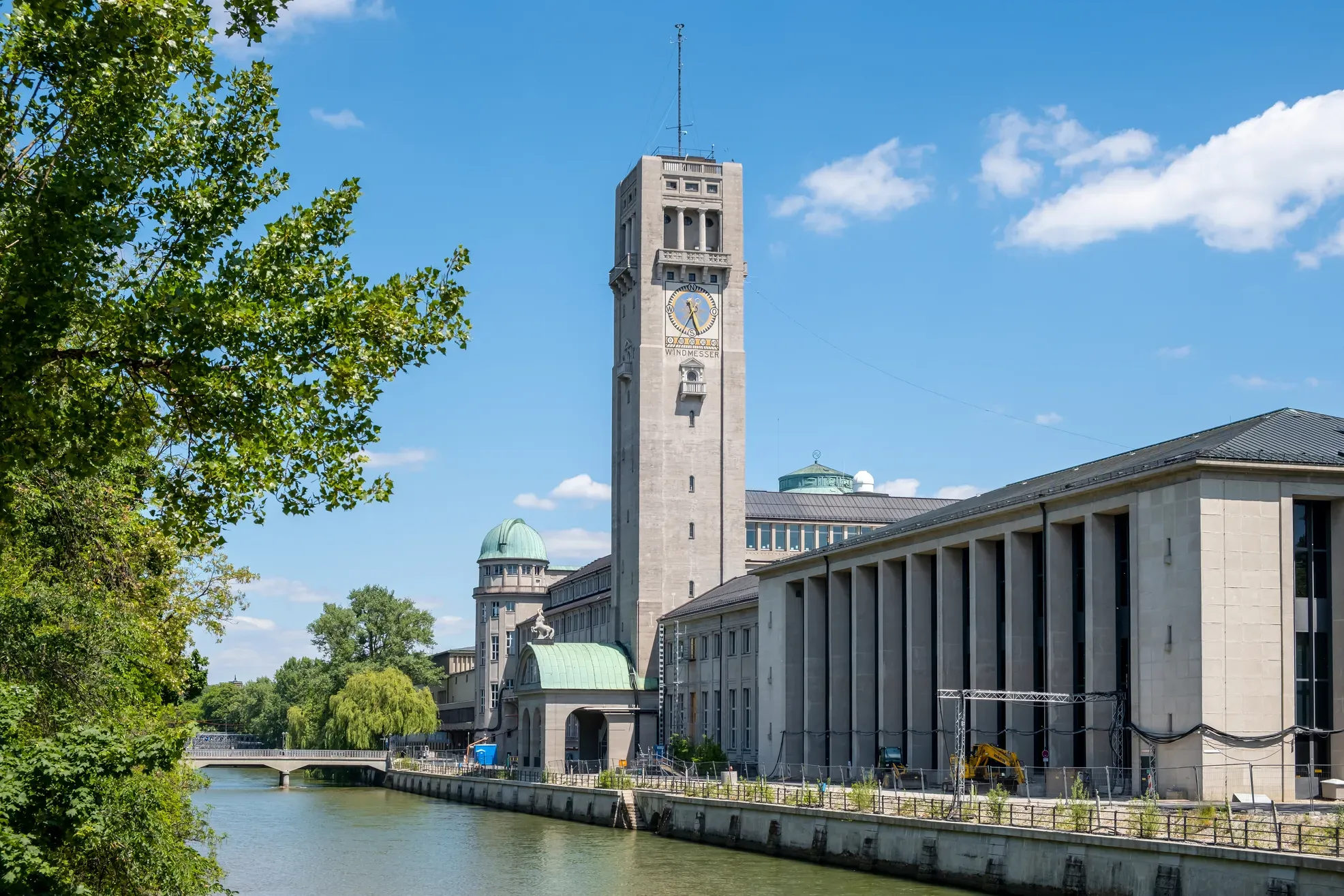
The Deutsches Museum (German Museum) is the largest science and technology museum in the world, built on a small island in the Isar River. It hosts tens of thousands of exhibits covering fields from astronomy, metallurgy, and aeronautics to robotics and nuclear physics. With interactive displays and simulators, it offers a unique hands-on experience for young and old alike.
Viktualienmarkt Open-Air Market
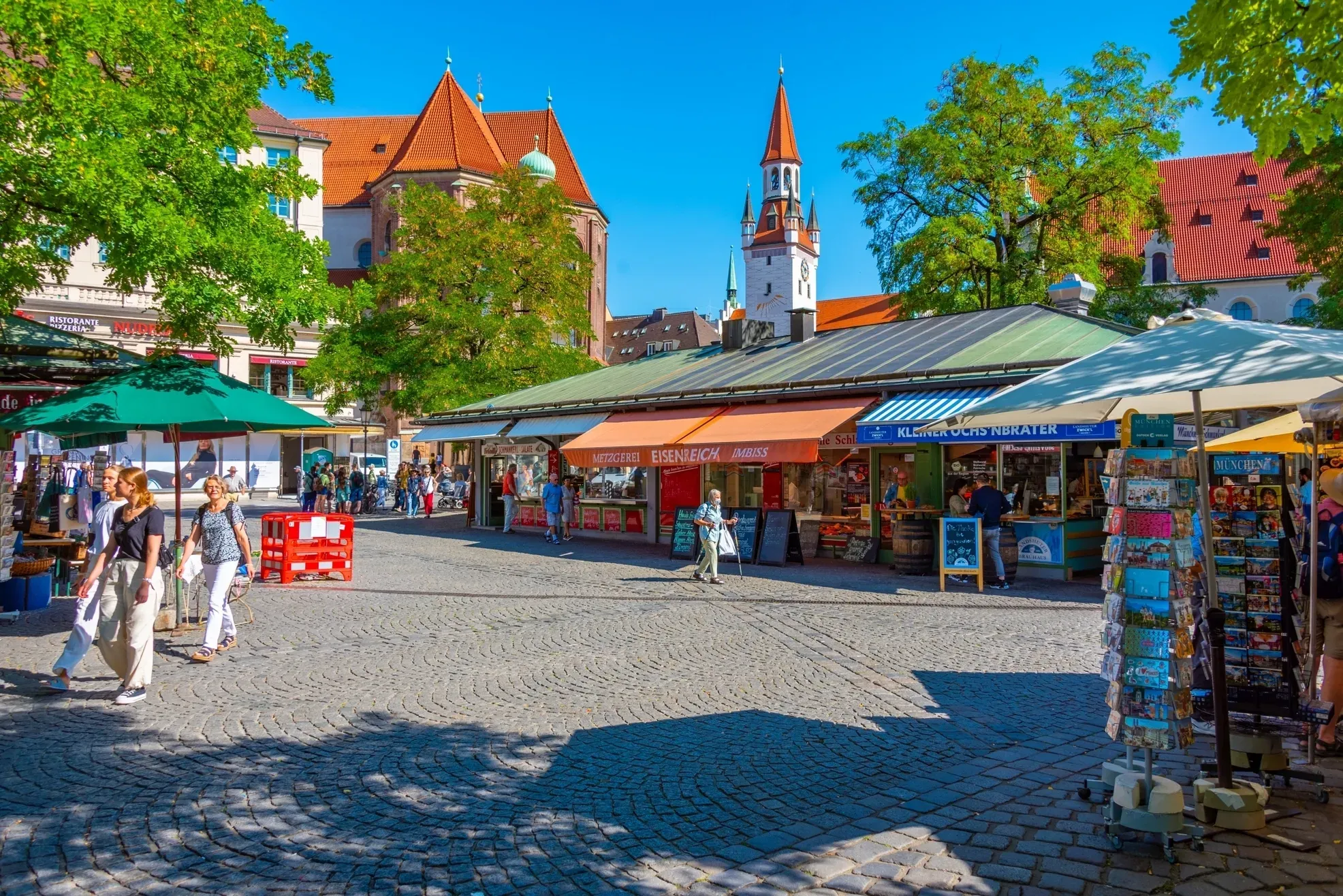
A stone's throw from central Marienplatz, Viktualienmarkt has been Munich's liveliest corner for food lovers for over 200 years. This traditional open-air market is the ultimate gastronomic destination. At its dozens of stalls you'll find fresh local produce, rare cheeses, cold cuts, exotic fruits, and traditional Bavarian pretzels to pair with an ice-cold beer.