





From Brussels, Bruges and Ghent to Antwerp and Liège, we took a four-day train journey through some of Belgium's most beautiful cities.
The train journeys have a unique charm. There's something magical about watching the landscape change outside the window, moving from one city to another without the stress of driving, and arriving almost straight into the heart of your destination. Belgium is a country made for such an experience, as the distances between its most important cities are short and the rail network makes getting around easy.
We traveled to Brussels and didn't miss the chance to visit as many cities as possible in 4 days and nights. Belgium's capital is the ideal base for day trips, as it's in a strategic location. The secret is to stay close to a train station and plan your routes according to the distance from one city to the next. From fairy-tale Bruges and youthful Ghent to cosmopolitan Antwerp, and from atmospheric Mechelen to youthful Leuven, every stop revealed a different side of Belgium. This itinerary perfectly combines historic cities, striking architecture, and Belgian gastronomy.
Day one: Brussels
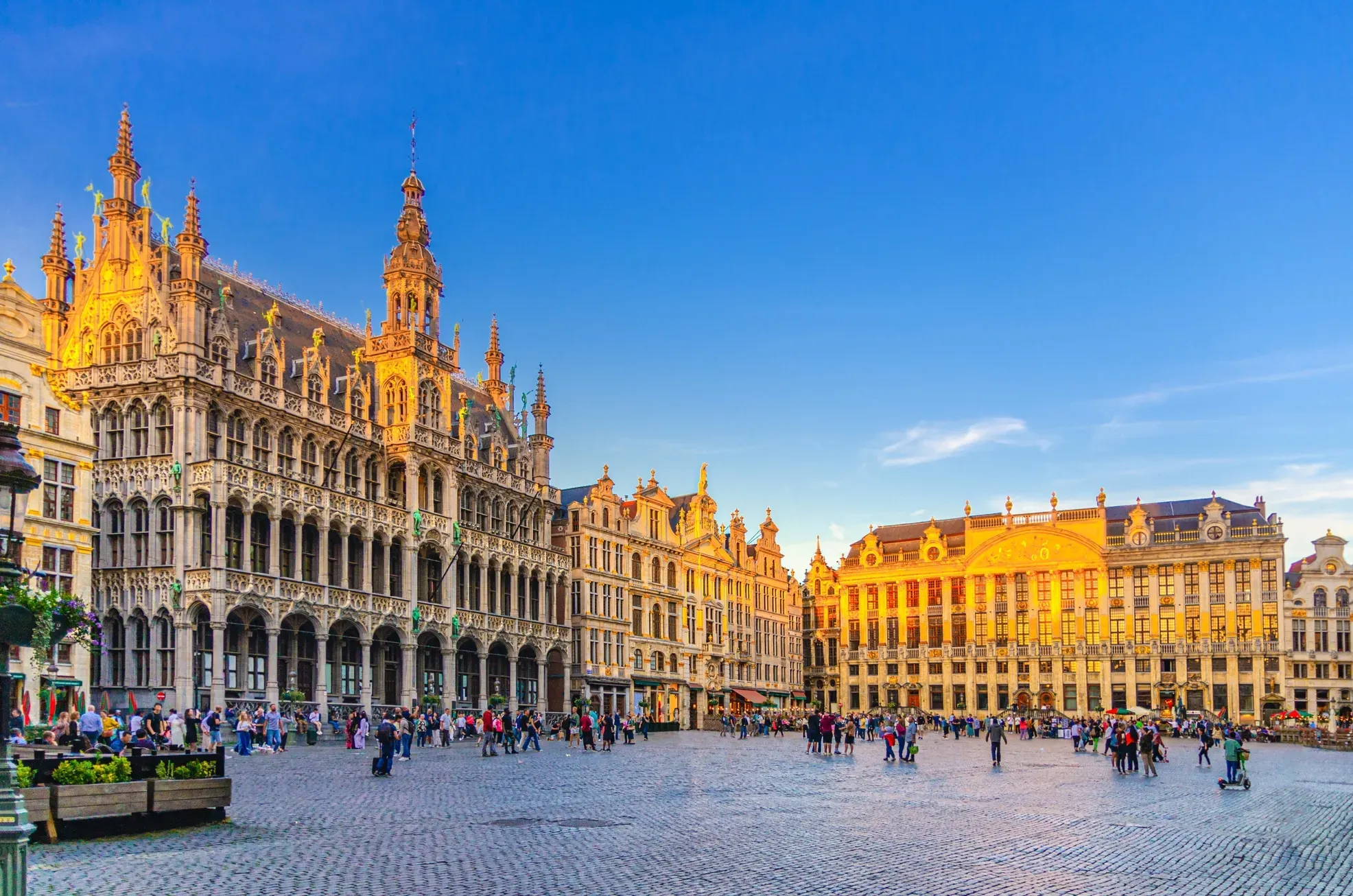
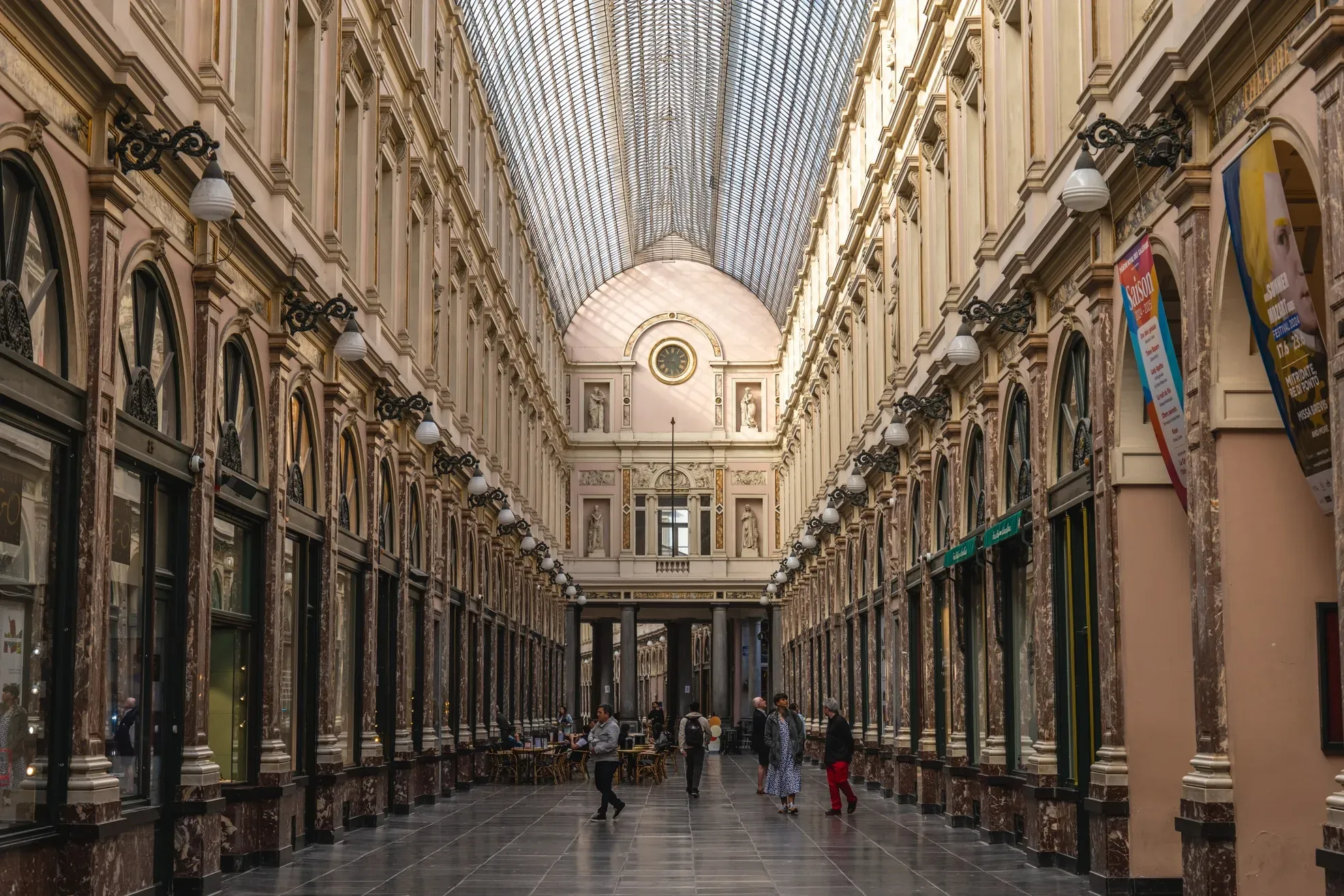
An ideal start to the trip is Brussels, where it's also worth staying. Dedicate your first day in the capital to exploring its historic center on foot. Stroll through the impressive Grand-Place, the central square, a UNESCO World Heritage Site since 1998, surrounded by historic buildings and the Gothic Town Hall. From here you can continue to the historic arcade with the elegant shopfronts, the Galeries Royales Saint-Hubert, and then seek out the famous Manneken Pis statue, a hallmark of Brussels.
In the Mont des Arts area you'll enjoy wonderful views of the historic center, while for a different side of the capital head to the European Quarter, where the European Union's buildings are located. There you can visit the European Parliament with its interactive visitor center, where you'll learn about the history of the European Union. If you have extra time, you can take the metro to see the Atomium up close, the emblematic monument built for the 1958 World's Fair that offers panoramic views of the city. As you explore, make stops for waffles, fries, and local beer, as the city is inextricably linked to Belgian culinary tradition.
Day two: Bruges and Ghent
Bruges
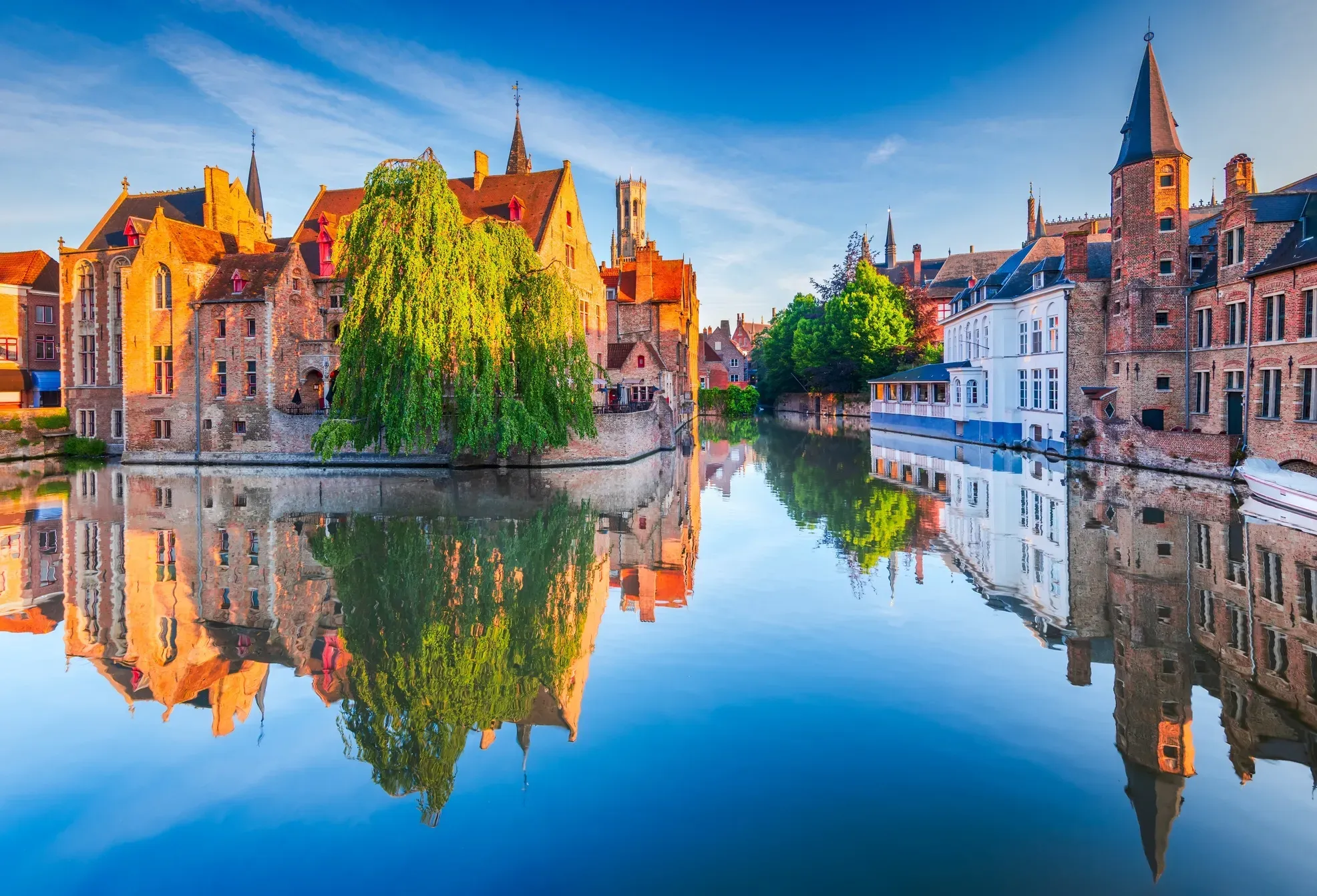
The second day is dedicated to two of Flanders' most atmospheric cities, Bruges and Ghent. They are two of the most popular and most picturesque cities in Belgium and welcome thousands of visitors every day who wander their alleyways. Start early because you'll need plenty of time to explore them on foot. Take a morning train from Brussels to Bruges. The journey is direct and takes about an hour. From the station, you'll walk about fifteen to twenty minutes to reach the heart of the city. Bruges is fairy-tale-like, with cobbled streets, bridges, and canals that will captivate you.
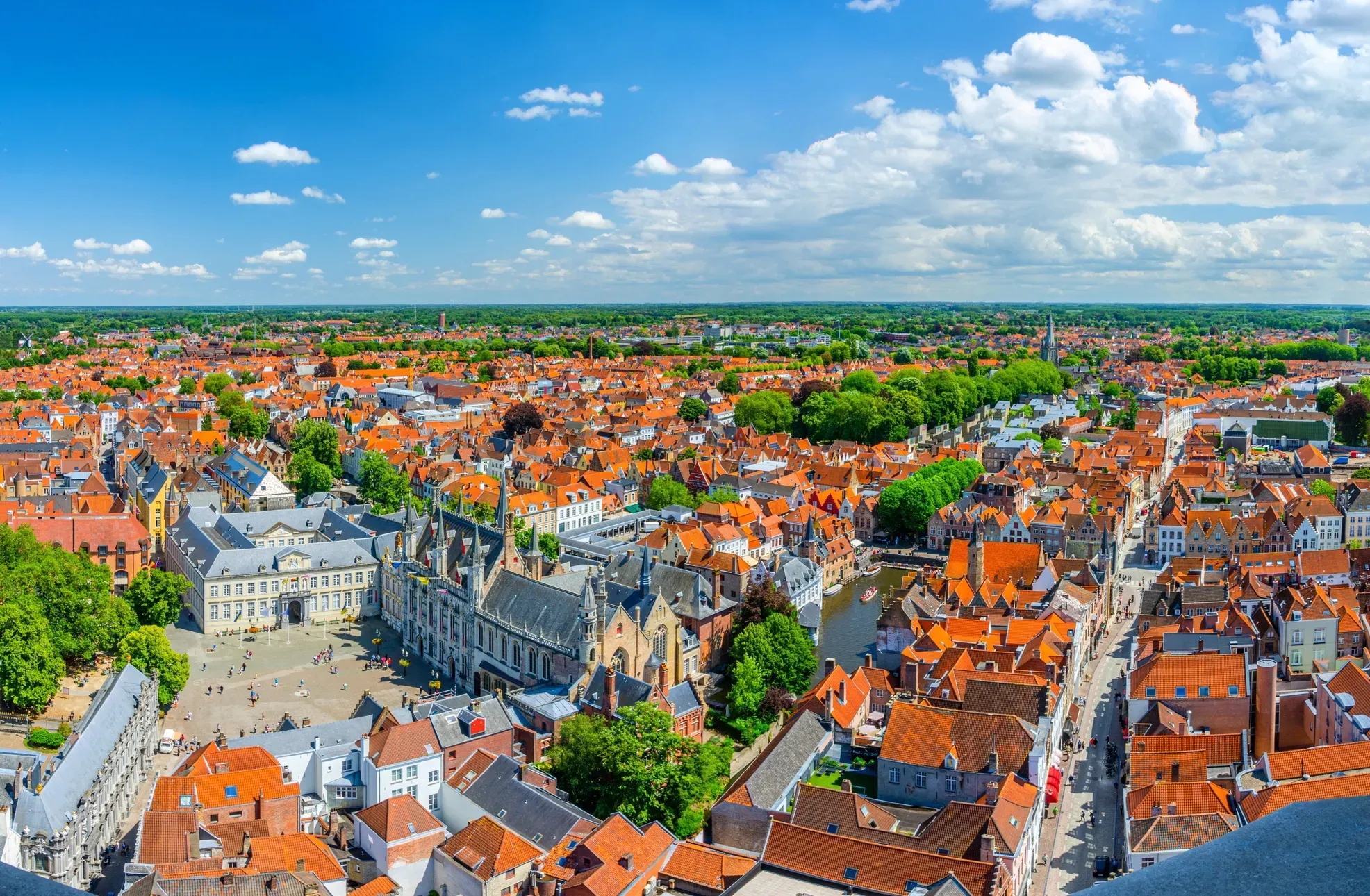
Wander around the Markt, the city's central square, see the impressive Belfry of Bruges, the iconic belfry rising 83 meters, and continue to Burg Square with its striking medieval buildings. If you're a beer lover, it's worth stopping at the Bruges Beer Experience, a museum where you'll learn about the history and ingredients of beer. If the weather is good, a boat ride is one of the best ways to see the city from a different perspective.
Ghent
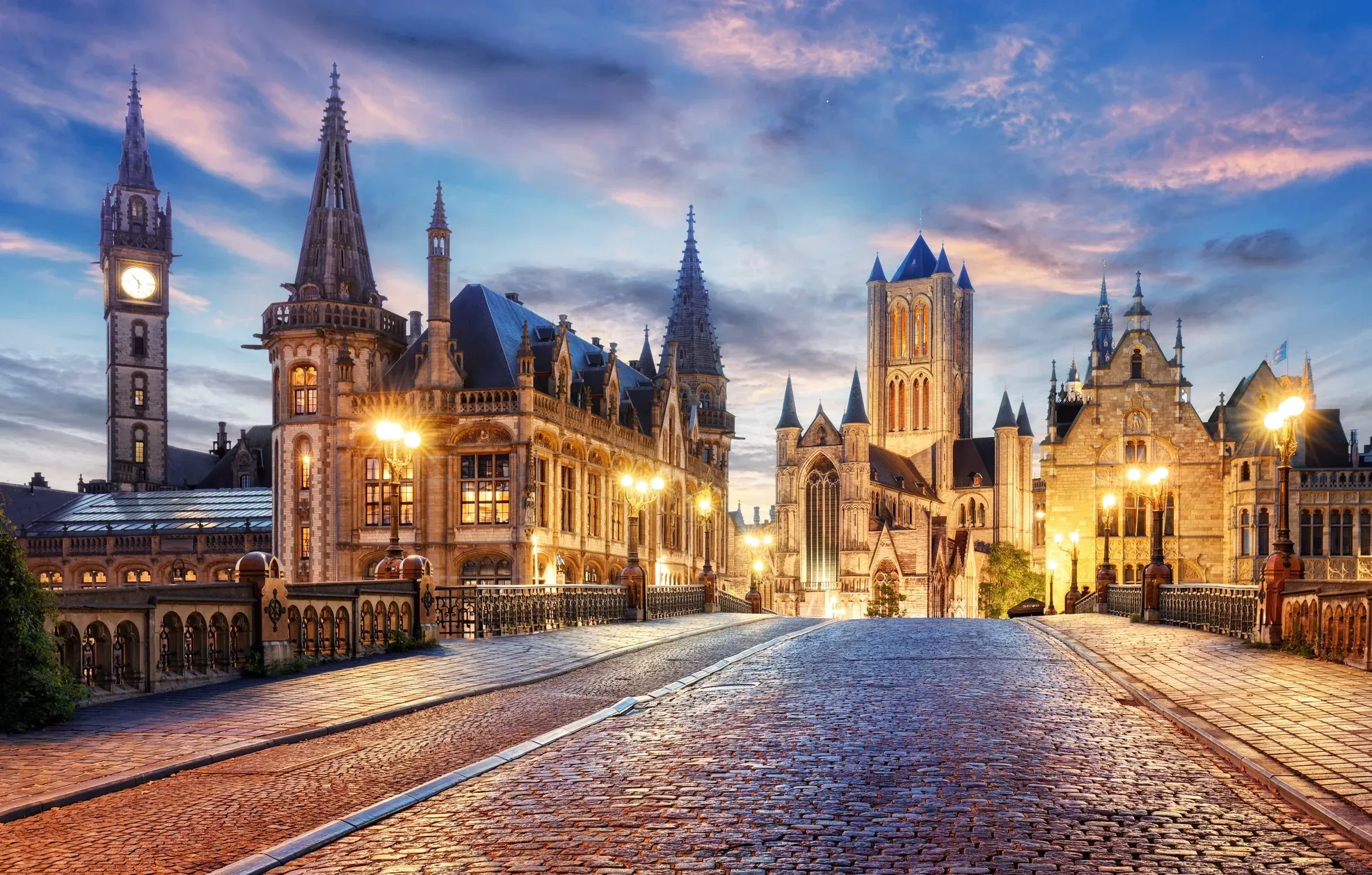
Roughly halfway along the route from Bruges to Brussels lies Ghent. By train you'll arrive in about 30-35 minutes. Ghent is also a city of medieval architecture, but it has a different character from Bruges. It's more youthful and lively, as it's one of Belgium's major university towns. Get lost in its alleys, walk along the Graslei and Korenlei on the banks of the River Leie, and continue to Gravensteen, the city's imposing medieval castle, built in 1180, that will transport you back in time.
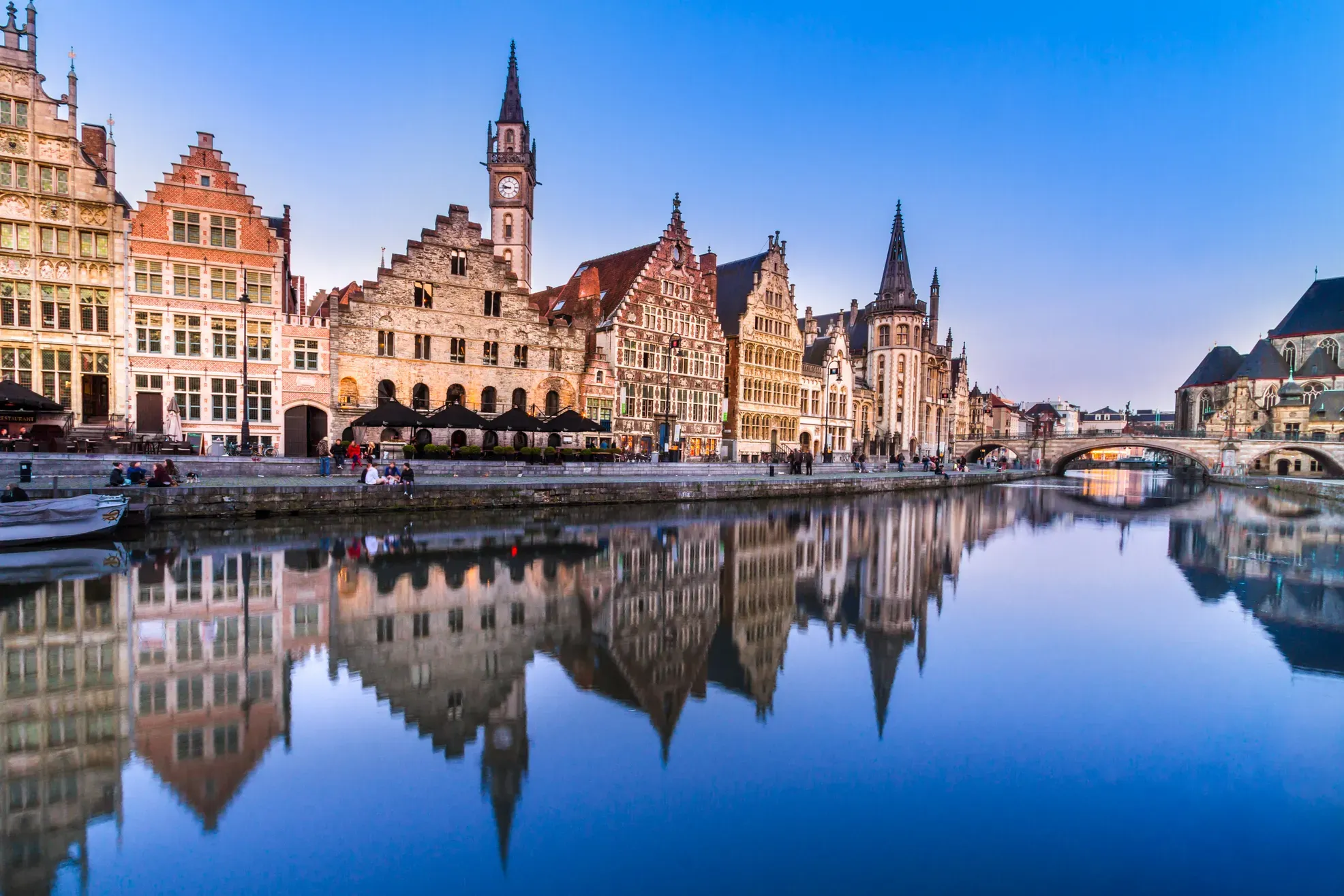
In the city center stand Ghent's three characteristic towers: the belfry, St. Boniface's Cathedral, and St. Nicholas' Church. If you have more time, you can visit the Museum of Fine Arts (MSK), the contemporary art museum S.M.A.K., or STAM, which tells the city's story. If the weather is good, it's worth sitting by the river like the locals.
Day three: Mechelen and Antwerp
Mechelen
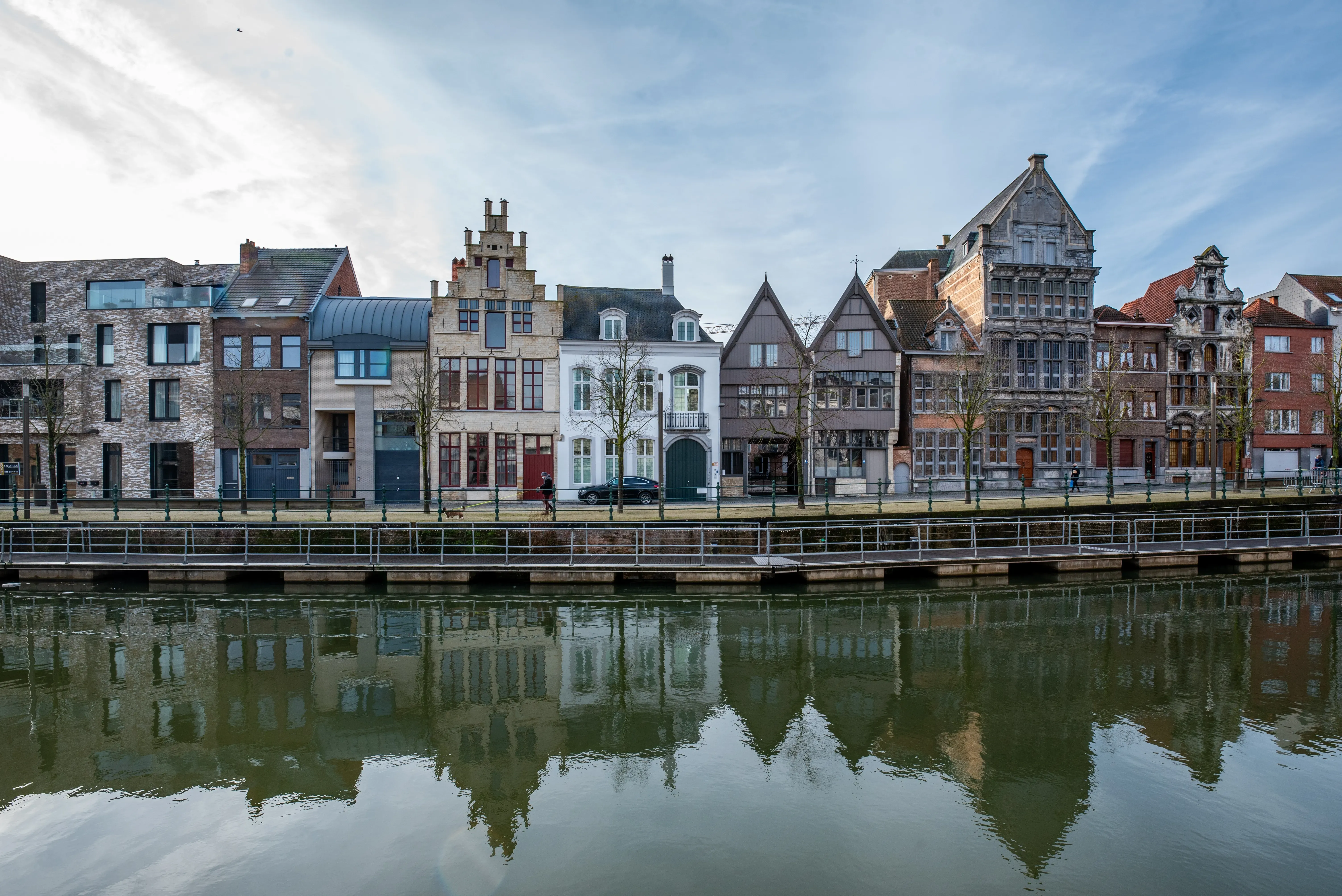
On the third day of the trip, head to the small and atmospheric Mechelen and to cosmopolitan Antwerp. Start in the morning for Mechelen, which lies halfway between Brussels and Antwerp and is extremely easy to reach. From Brussels by train you'll arrive in about 20 minutes, and the station is a very short walk from the historic center.
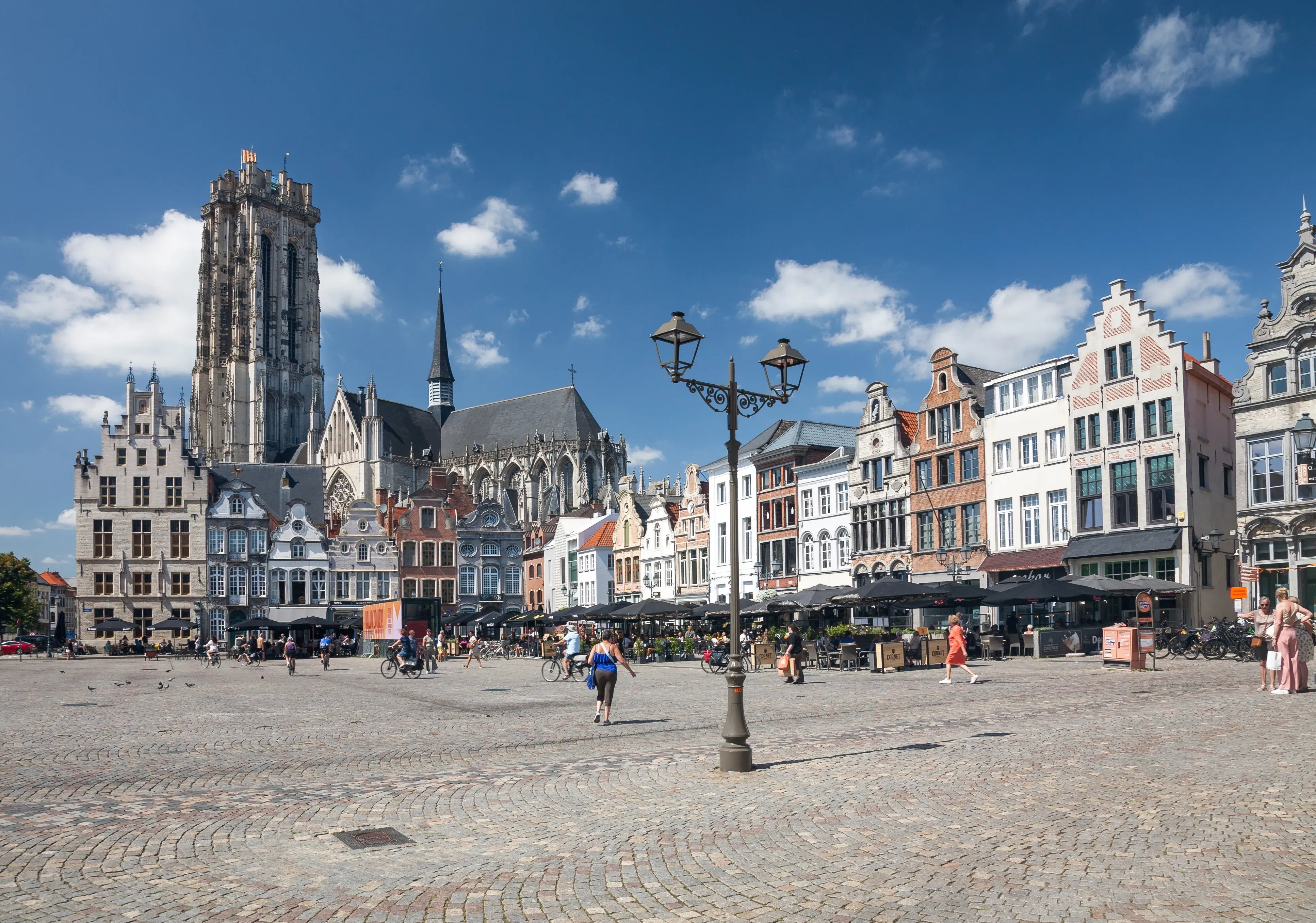
Mechelen's center is compact and easy to walk, so you won't spend much time there. Start from the Grote Markt, the city's main square with its cafés, dominated by the impressive St. Rumbold's Tower. At 97 meters high, the tower offers panoramic views over the city. Next door is St. Rumbold's Cathedral, an important example of Gothic architecture with works by significant Flemish artists.
Antwerp
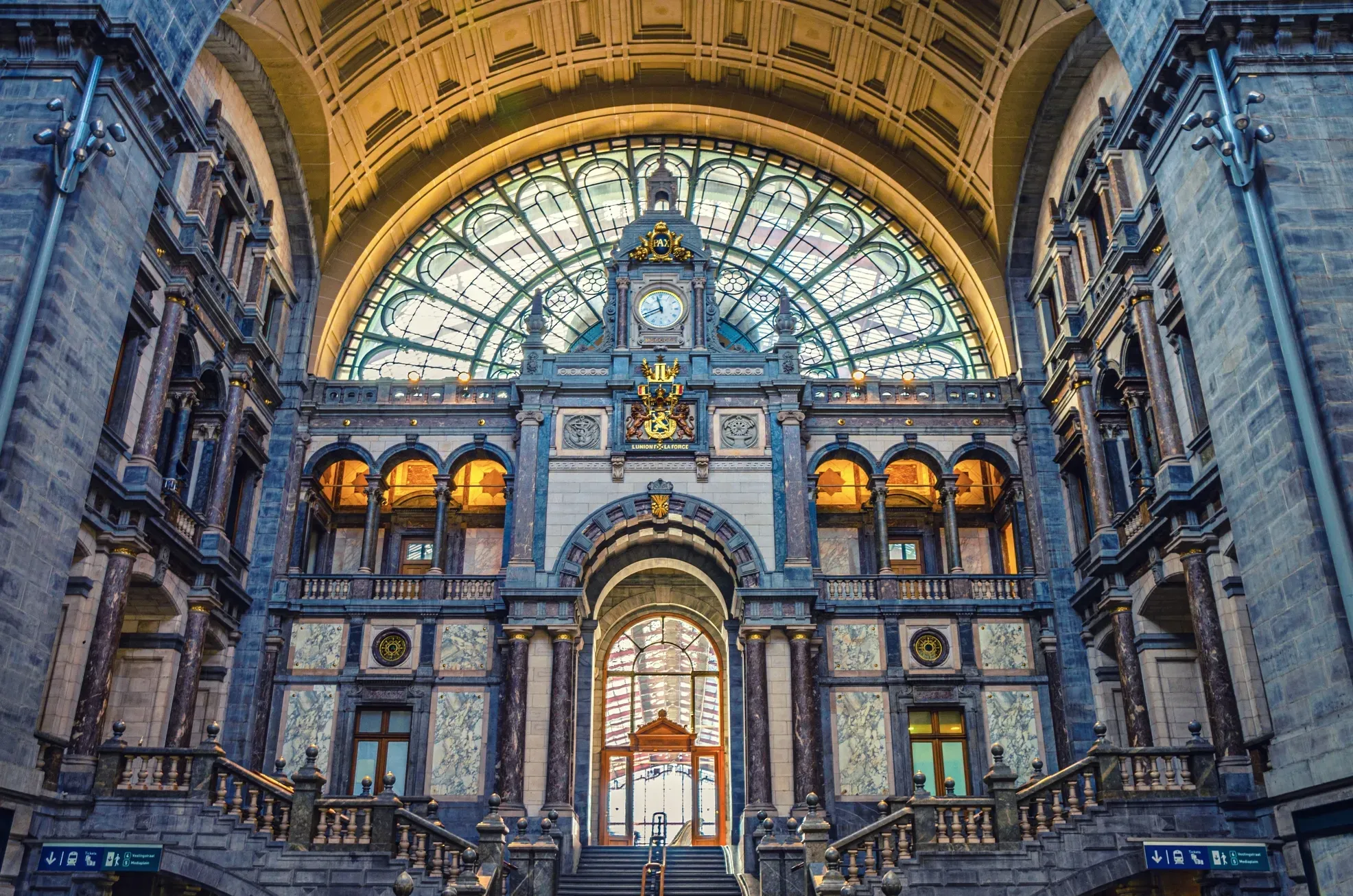
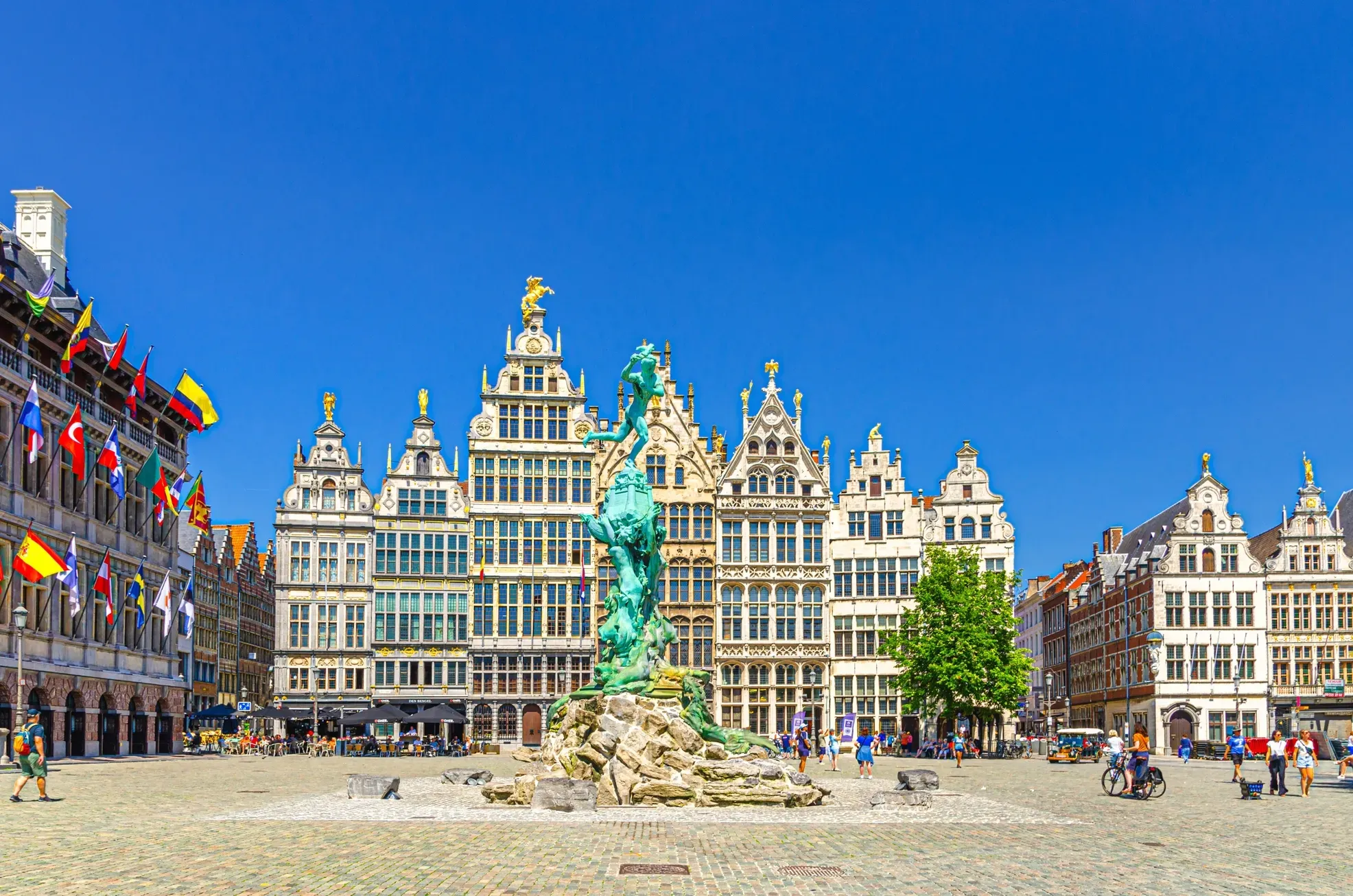
Continue by train to Antwerp, one of Belgium's most intriguing cities. The journey from Mechelen is another 20 minutes or so. Antwerp is Belgium's second-largest city, Europe's most famous diamond port, a metropolis of fashion and art. The first sight you'll encounter is truly impressive, as Antwerpen-Centraal is considered one of the most beautiful railway stations in Europe. From there you can head to the historic center, stroll the central square, the Grote Markt, with its medieval buildings and town hall, see the Cathedral of Our Lady and the statue of little Nello and his beloved dog Patrasche, and make your way to Het Steen, the medieval castle on the banks of the Scheldt.
Antwerp is also closely associated with fashion, design, and art. Fashion lovers can wander around Nationalestraat with its boutiques and visit the Fashion Museum, while art lovers will find references to Rubens and Flemish painting everywhere.
Day four: Liège and Leuven
Liège
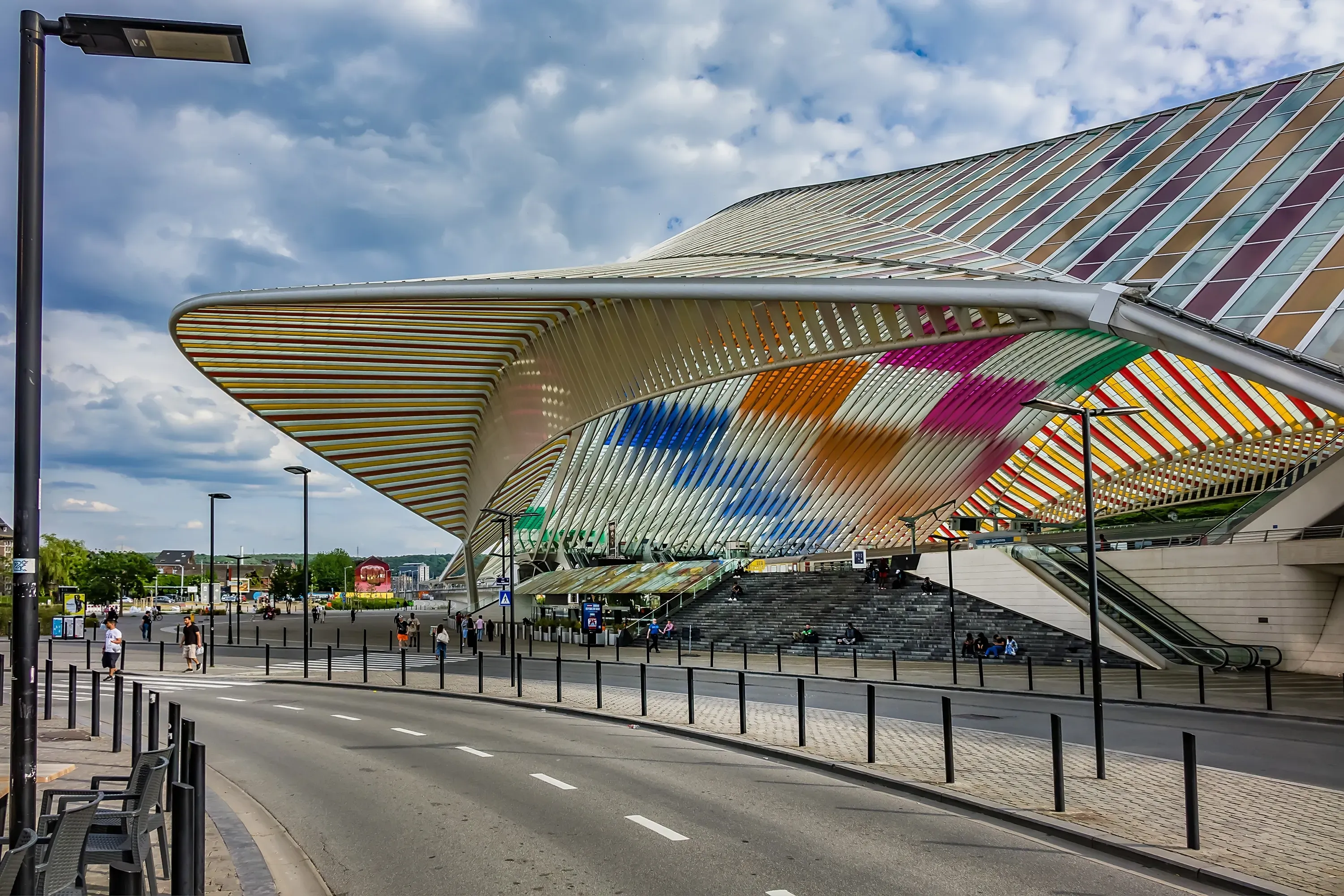
The last day of the trip moves between two cities with completely different characters, French-speaking Liège and Flemish Leuven. In the morning take the train from Brussels to Liège. The journey is direct and takes about 55-60 minutes. The city is built around the River Meuse and has a more authentic, urban character. You'll arrive at the impressive Liège-Guillemins station, which is one of its most important sights, as it's the work of the renowned architect Santiago Calatrava.
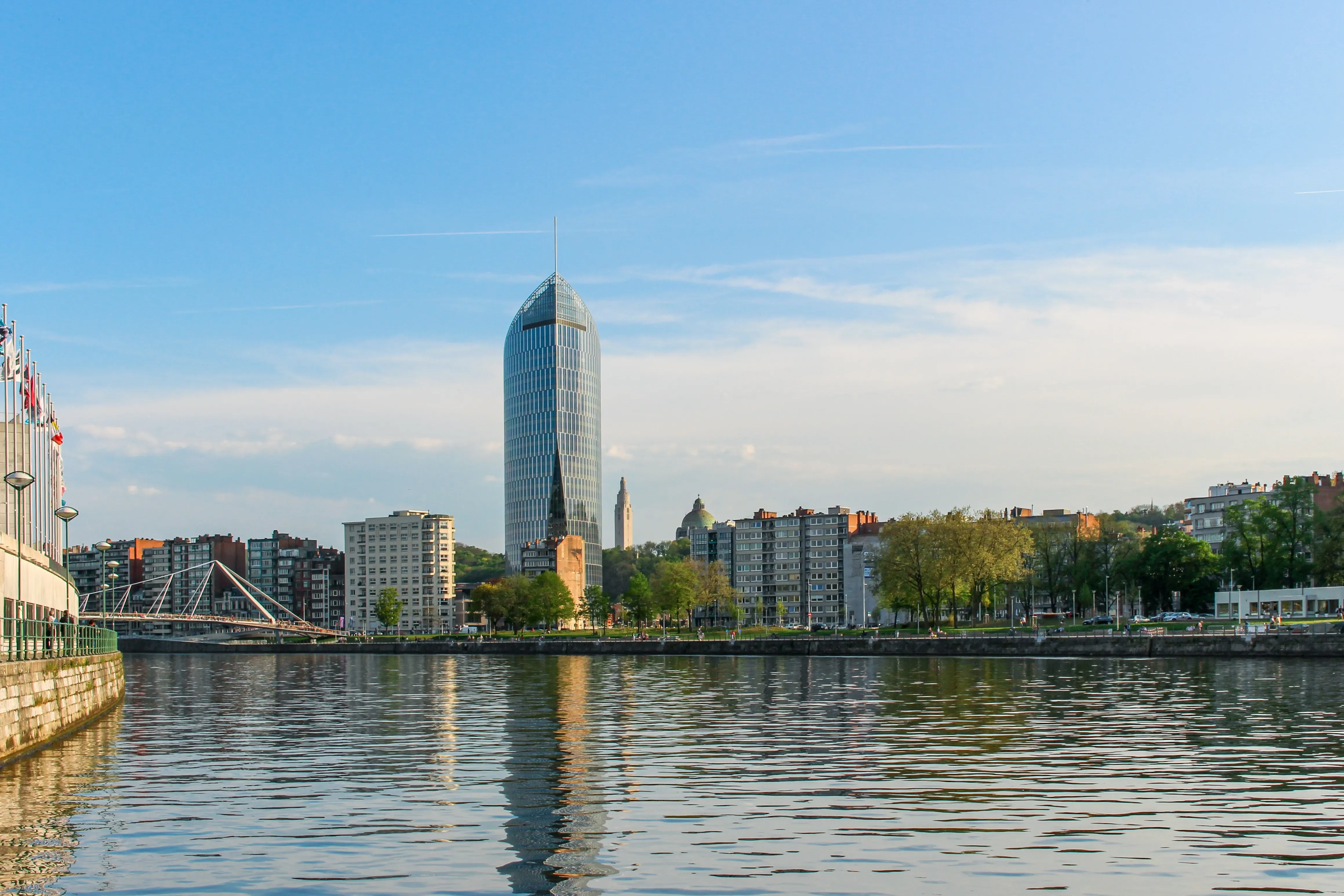
Start your stroll from Place Saint-Lambert, where you'll find the Palais des Princes-Évêques, which for centuries was the seat of the prince-bishops who ruled the area and today mainly houses the city's courts and administrative services. There you'll also see the Perron, a historic monument and a symbol of Liège's freedom and autonomy. From there head to the picturesque Rue Hors-Château, one of Liège's most beautiful and historic streets, in the heart of the old town, with well-preserved 17th- and 18th-century buildings. Continue up to the Montagne de Bueren with its 374 steps, which offers impressive views over the city. Make a stop to try the local gaufre de Liège, the signature Belgian waffle with its denser, caramelized texture.
Leuven
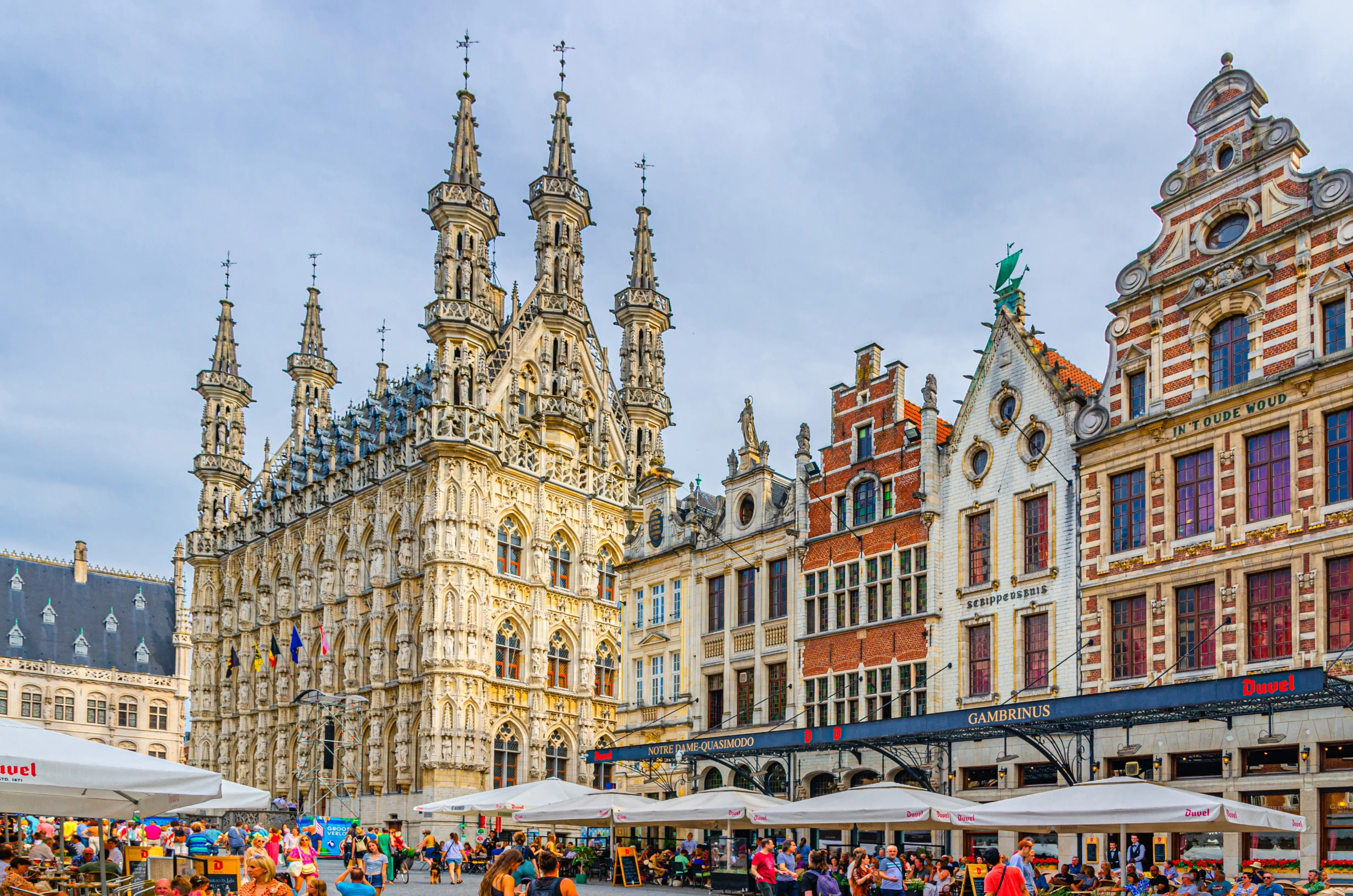
From Liège, return towards Flanders and stop in Leuven, Belgium's best-known university city. It's on the route from Liège to Brussels, 30 minutes from Liège. Although smaller than the other cities, Leuven has a strong youthful energy thanks to the students. It's very walkable, with the city's heart beating in the central square with the famous Gothic Town Hall.
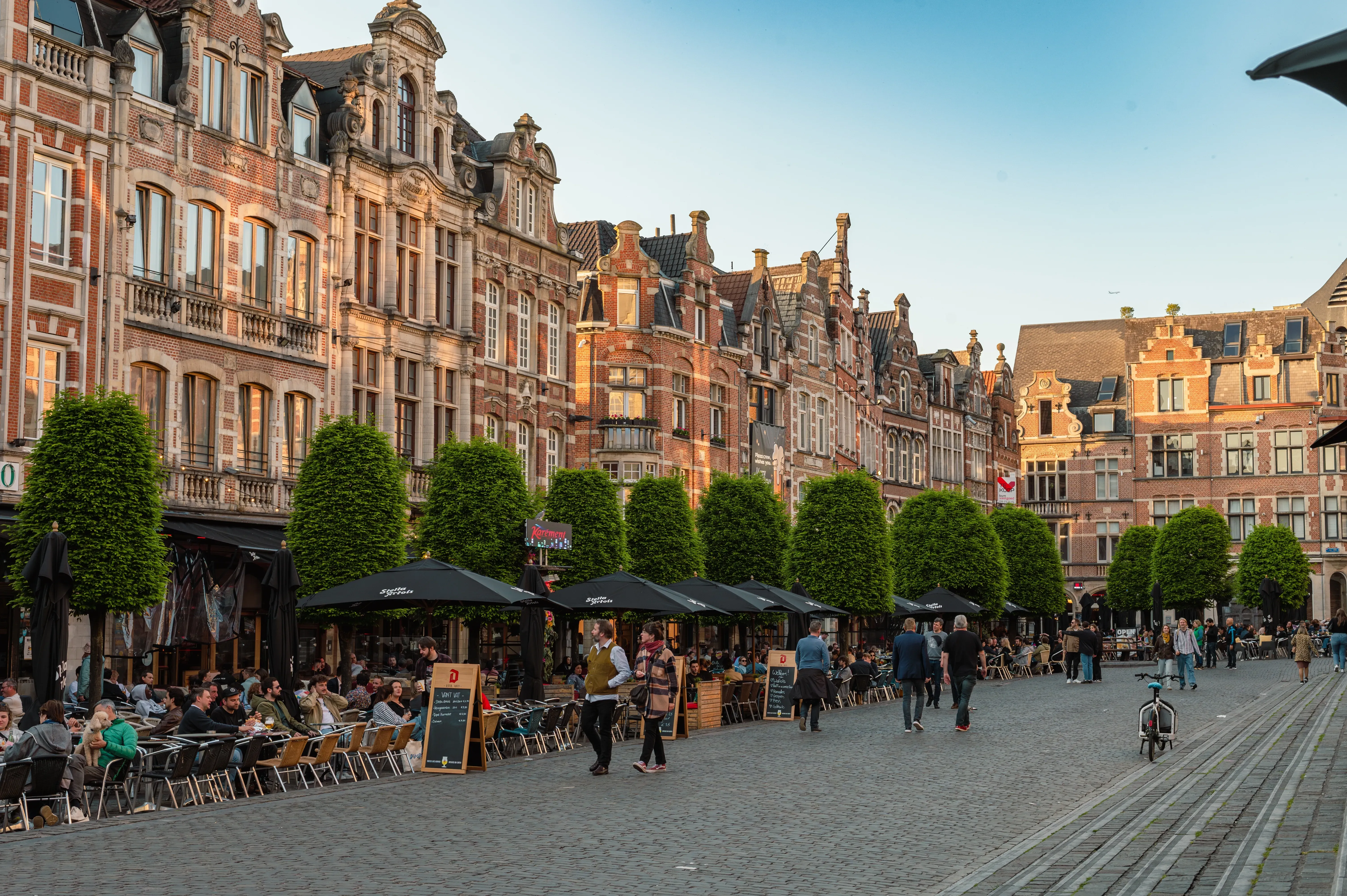
A few steps away is the Church of St. Peter, and from there you can walk to the Oude Markt, the famous square often called «the longest bar in the world» thanks to the dozens of cafés and bars that surround it. Don't miss the University Library & Tower, a landmark of the university quarter, as well as the Groot Begijnhof, a historic complex with cobbled lanes, small houses, and canals that's a UNESCO World Heritage Site.