





Alfama, the oldest and most picturesque neighborhood in Lisbon, offers a unique experience for every visitor.
Alfama is not just a neighborhood; it is the soul of the Portuguese capital. Whether you’re drawn to architecture, music, or simply the feeling of a city that lives and breathes through the centuries, the oldest and most traditional neighborhood of Lisbon will win you over with its sights and scents. You don’t need an itinerary to discover it. The best thing you can do is simply lose yourself in its narrow lanes, walk, and let the neighborhood reveal its secrets to you.
It is the only area that remained unaffected by the devastating 1755 earthquake. A stroll through its labyrinthine, colorful lanes is a journey back in time. The facades of many buildings are covered with beautiful hand-painted tiles (azulejos), and the streets are filled with shops selling traditional handicrafts, small cafes, and tavernas serving cod and Portuguese wine. In the evening, the melancholic music of fado drifts through old restaurants.
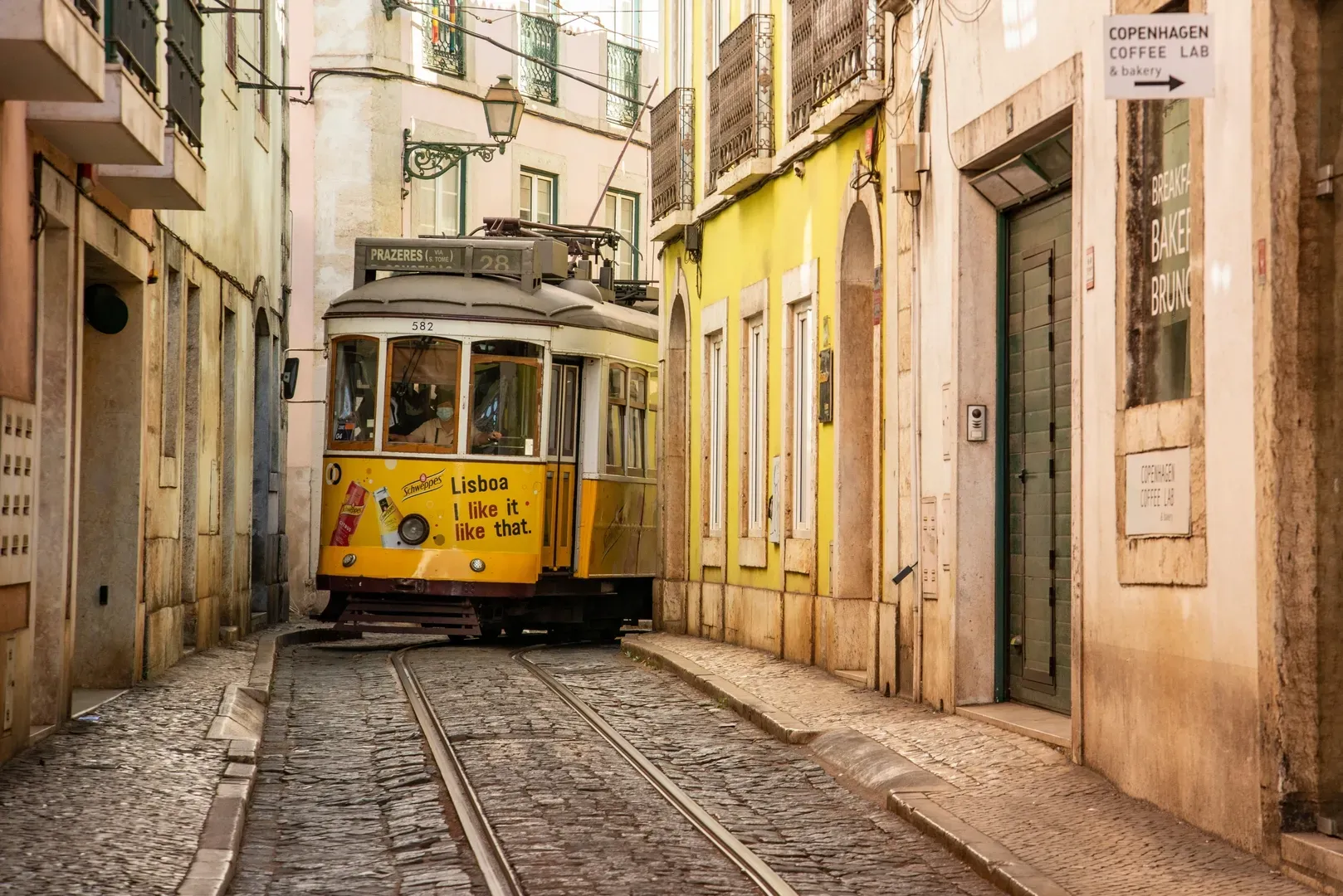
The name «Alfama» comes from the Arabic word al-hamma, meaning «hot springs», recalling the period of Muslim rule in the city (8th–12th centuries). After Lisbon was reconquered by the Christians in 1147, the area was inhabited mainly by fishermen and the poorer classes, something that helped preserve its authenticity.
The top sights in Alfama
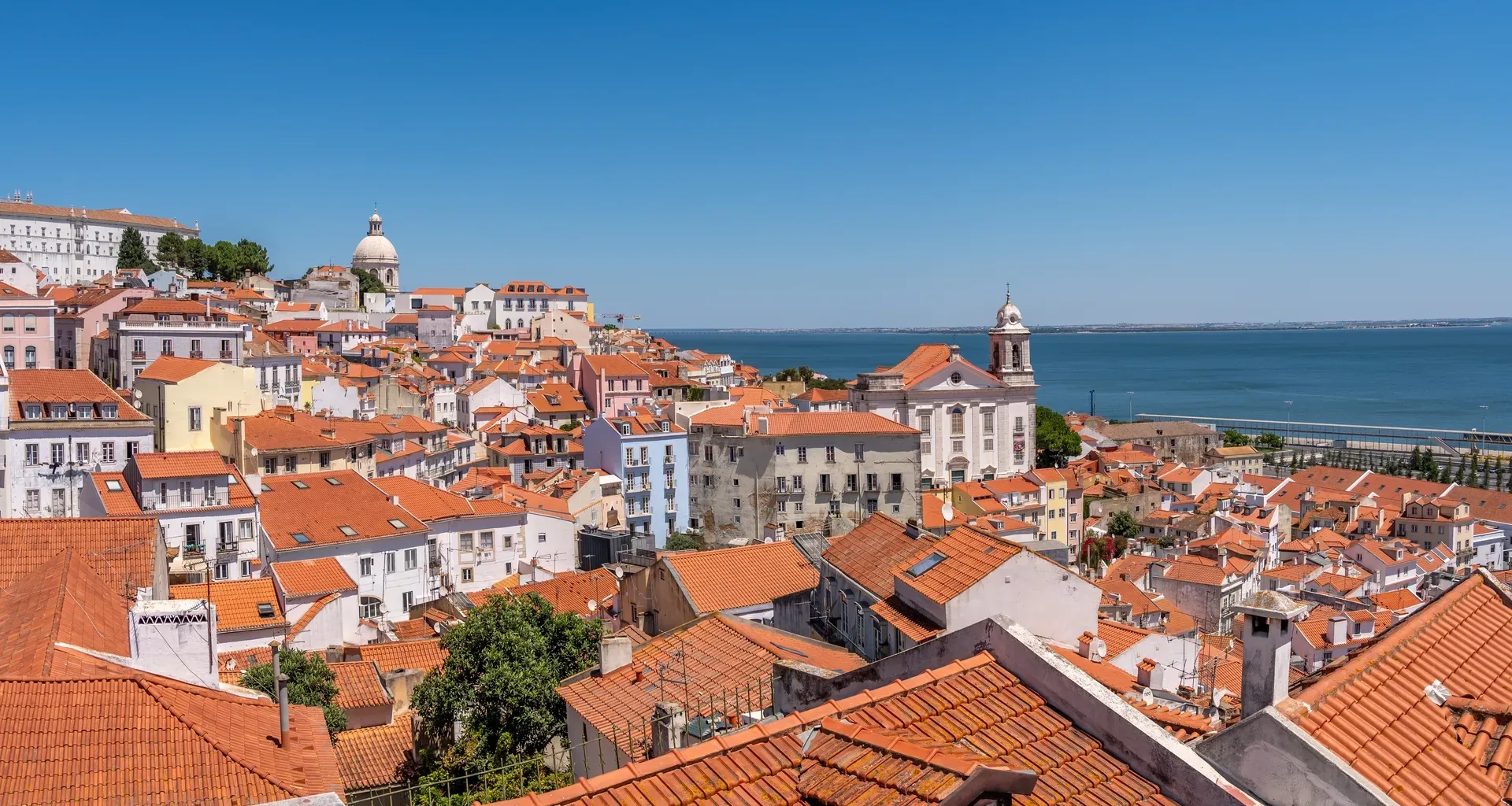
At the top of the neighborhood stands the imposing Castelo de São Jorge, a medieval castle with panoramic views over the entire city and the Tagus River. Built in the 11th century, it still preserves its fortifications and towers, which visitors can explore by walking along the walls.
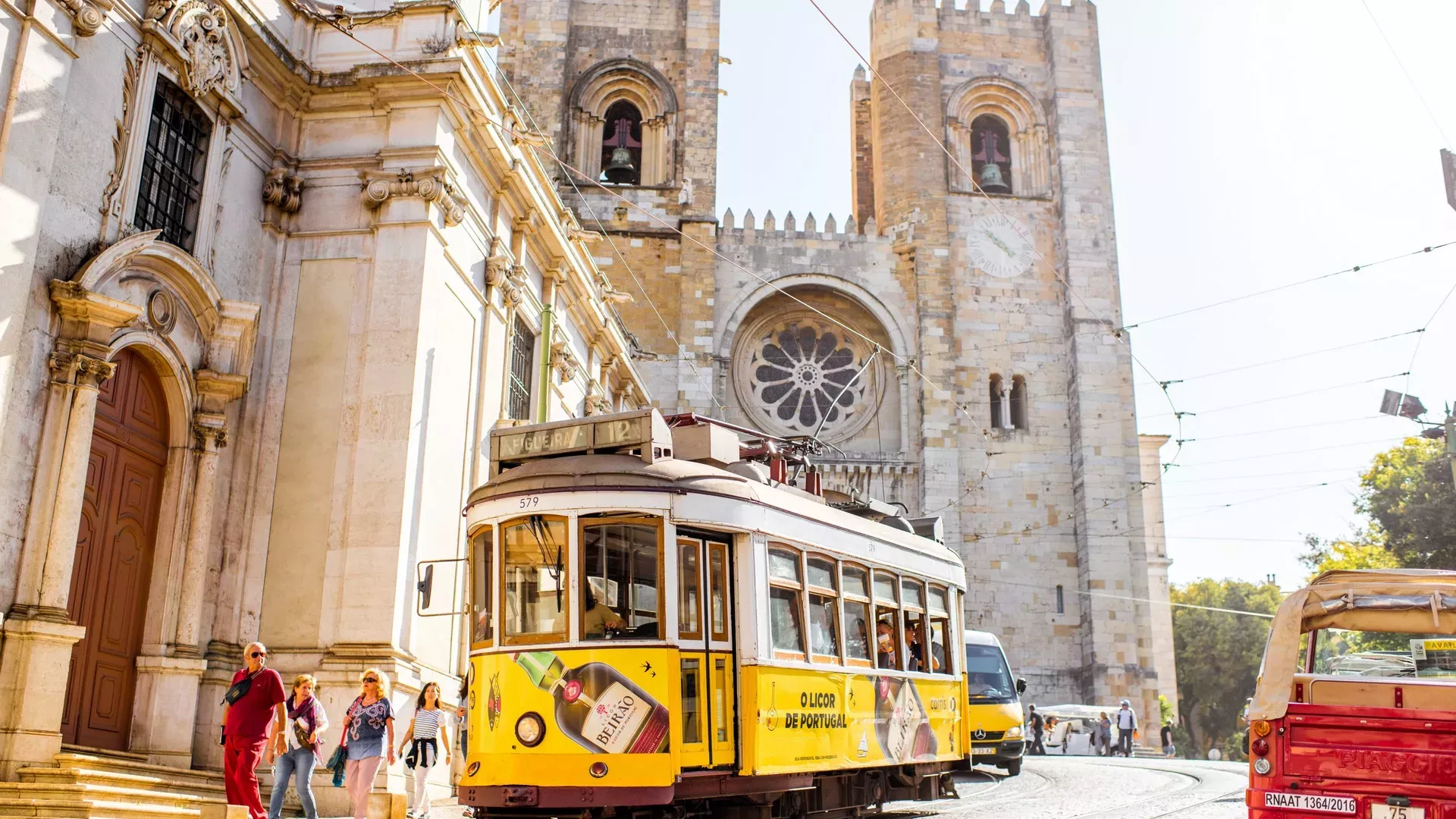
A little lower down, you will come across the city’s cathedral, the Sé de Lisboa, a monument with over 800 years of history that blends Romanesque, Gothic, and Baroque elements. The 1755 earthquake, which destroyed almost all of Lisbon, caused major damage to the cathedral, which dates back to 1147. It was later partially rebuilt and, at the beginning of the 20th century, acquired its present form. Visitors can also see the Tesouro (treasury) and the earlier Roman remains.
What to do in Alfama
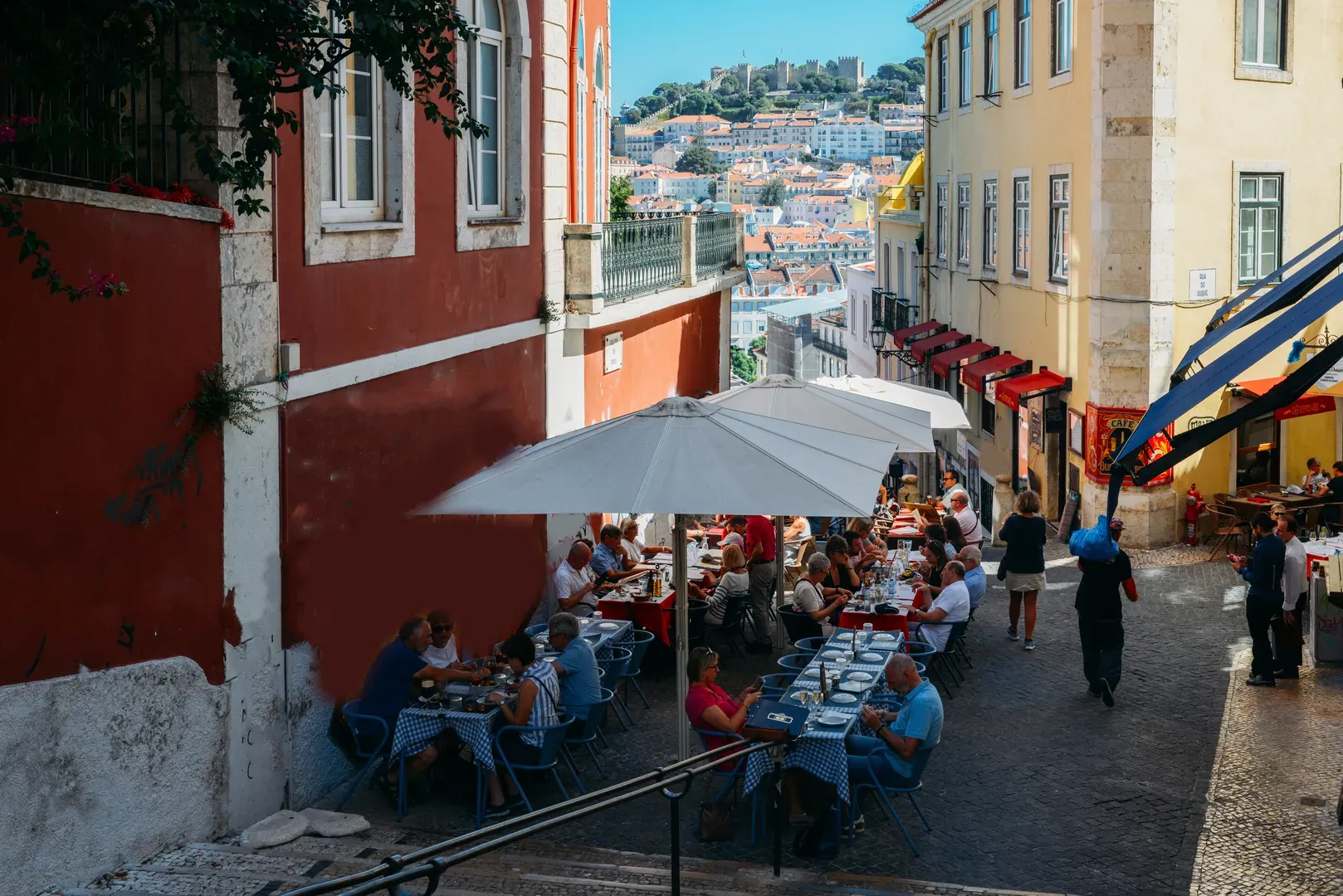
The magic of Alfama is in getting lost. Walk and discover atmospheric, narrow lanes and small squares buzzing with life. Rua de São Pedro is one of the most authentic streets in the area. Here you’ll see laundry hanging from balconies, small shops, and locals going about their daily lives largely untouched by tourism. Continue to Rua dos Remédios, which descends toward the river. It’s a lively street with traditional restaurants and little grocery stores.


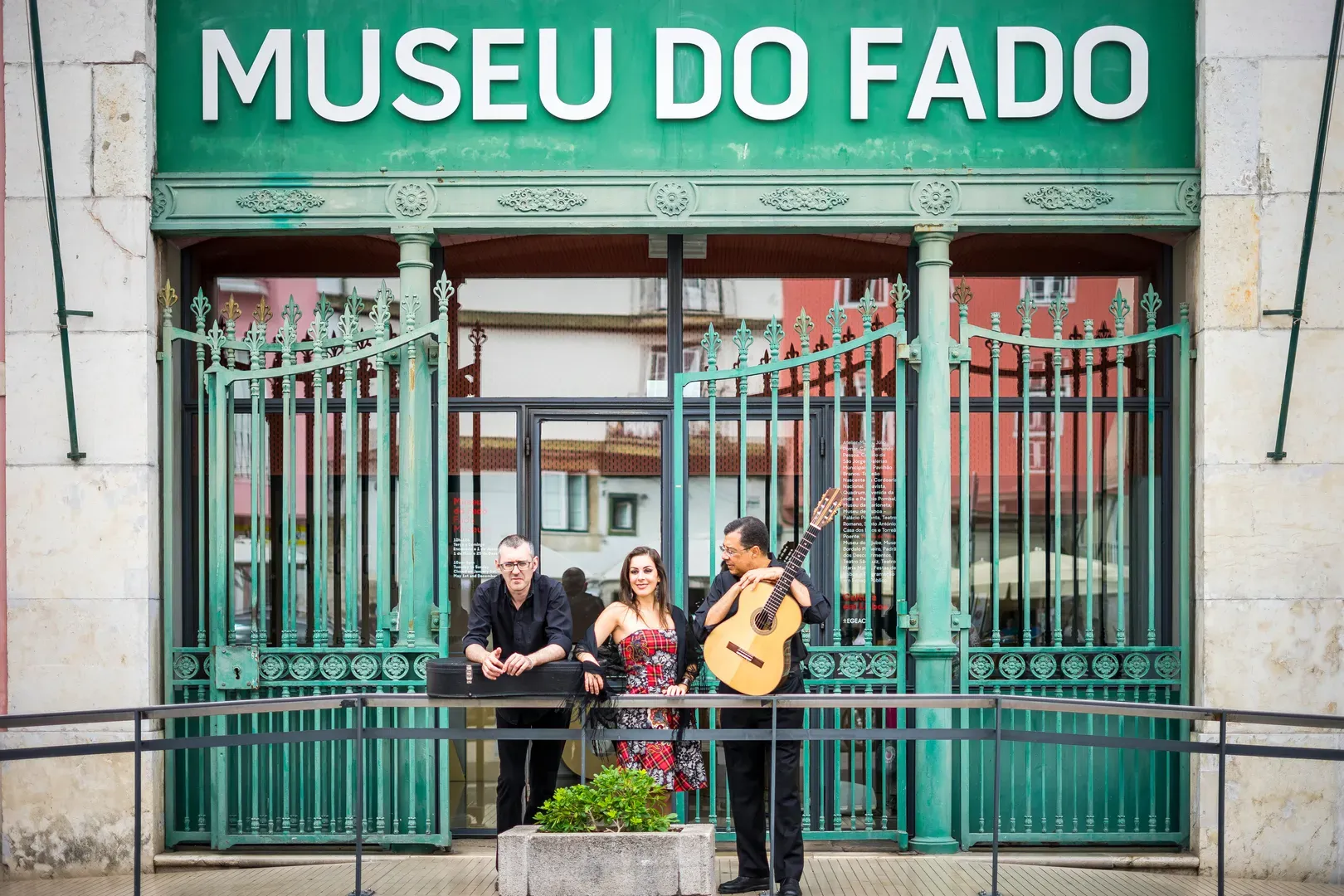
The heart of the neighborhood beats at Largo de São Miguel, a small square in front of the São Miguel church. A little further on is Largo do Chafariz de Dentro, near the Museu do Fado. Another interesting stop is Largo das Portas do Sol, which also functions as a viewpoint.
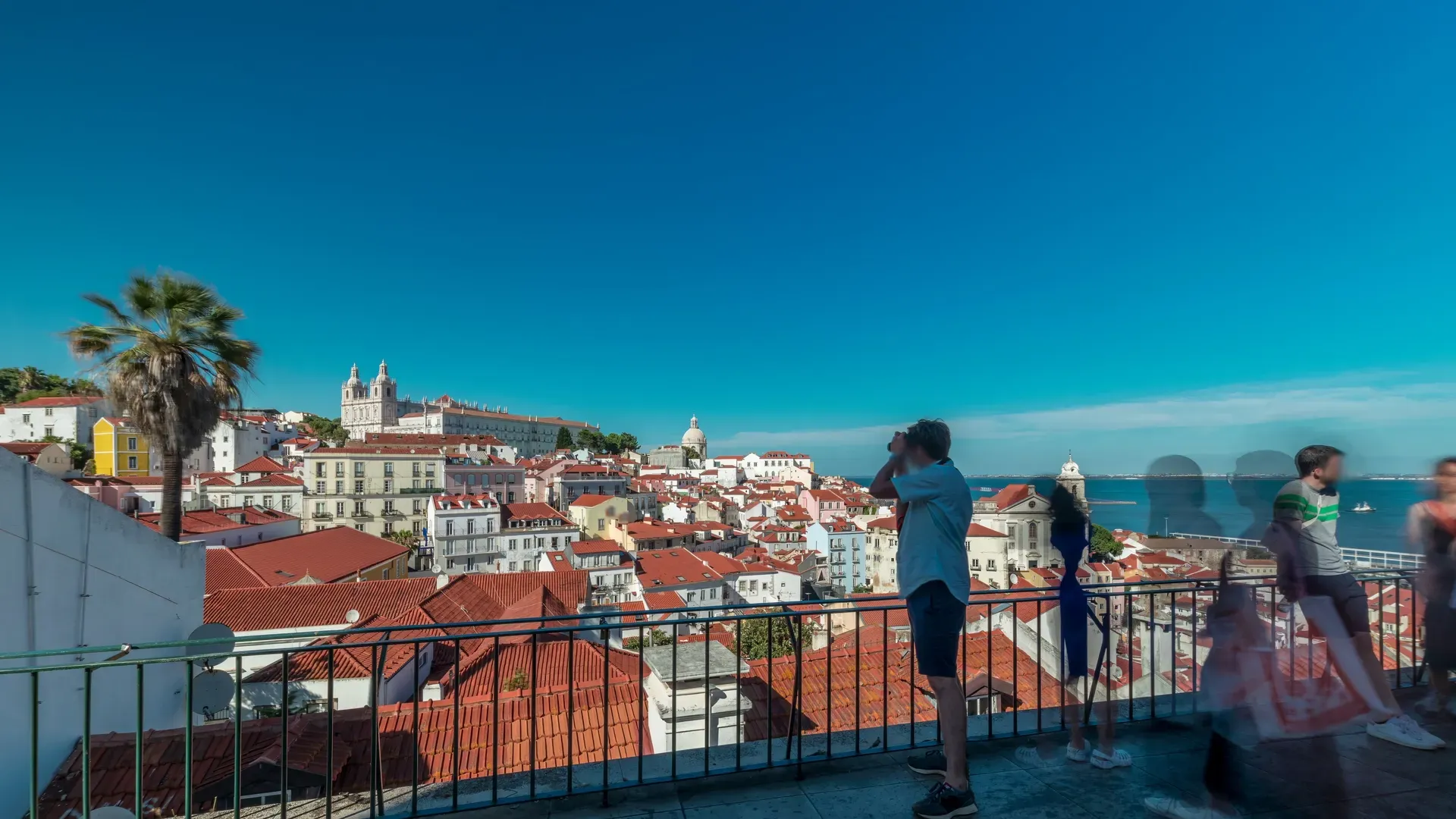
Miradouro de Santa Luzia is one of Lisbon’s most picturesque spots, known for its views over Alfama and the Tagus River. It stands out for its traditional azulejo tiles depicting historical scenes, as well as its atmospheric courtyard with garden, pergolas, and a small cafe. One of the most emblematic experiences is to hop on the historic tram 28, which runs through the neighborhood and offers a nostalgic ride past the city’s most important sights.


In the evening, choose a traditional restaurant or bar and enjoy live fado music. The fados are the melancholic, folk songs of the Portuguese that tell of wounded loves, twists of fate, and powerful emotions. In Alfama you can also visit the Fado Museum that reveals the roots of this traditional music.
Alfama is ideal for trying authentic Portuguese cuisine. Dishes like bacalhau (salted cod) and grilled sardines dominate the menus. Pair them with a glass of local wine or ginjinha (cherry liqueur) for a complete experience.