





Everything you can see and do on a short getaway to Albanias capital.
Tirana is a city ideal for a short getaway, a capital with a long, dark history that has been rebuilt and modernized in recent years. Colorful old buildings, modern skyscrapers, lush green parks, a history that combines Ottoman, communist and contemporary influences, along with a laid-back, youthful atmosphere, make Tirana an ideal destination for a packed weekend.
In just one hour by plane you will find yourself in the capital of Albania, a city in constant evolution and full of contrasts. Tirana makes for a city break ideal for two to three days, as you can get to know it on foot and see all the major sights. We visited this up-and-coming Balkan city, enjoyed strolls through its lively neighborhoods, admired landmarks that bear witness to its history, tasted the local cuisine and discovered its culture in 48 hours.
Skanderbeg Square
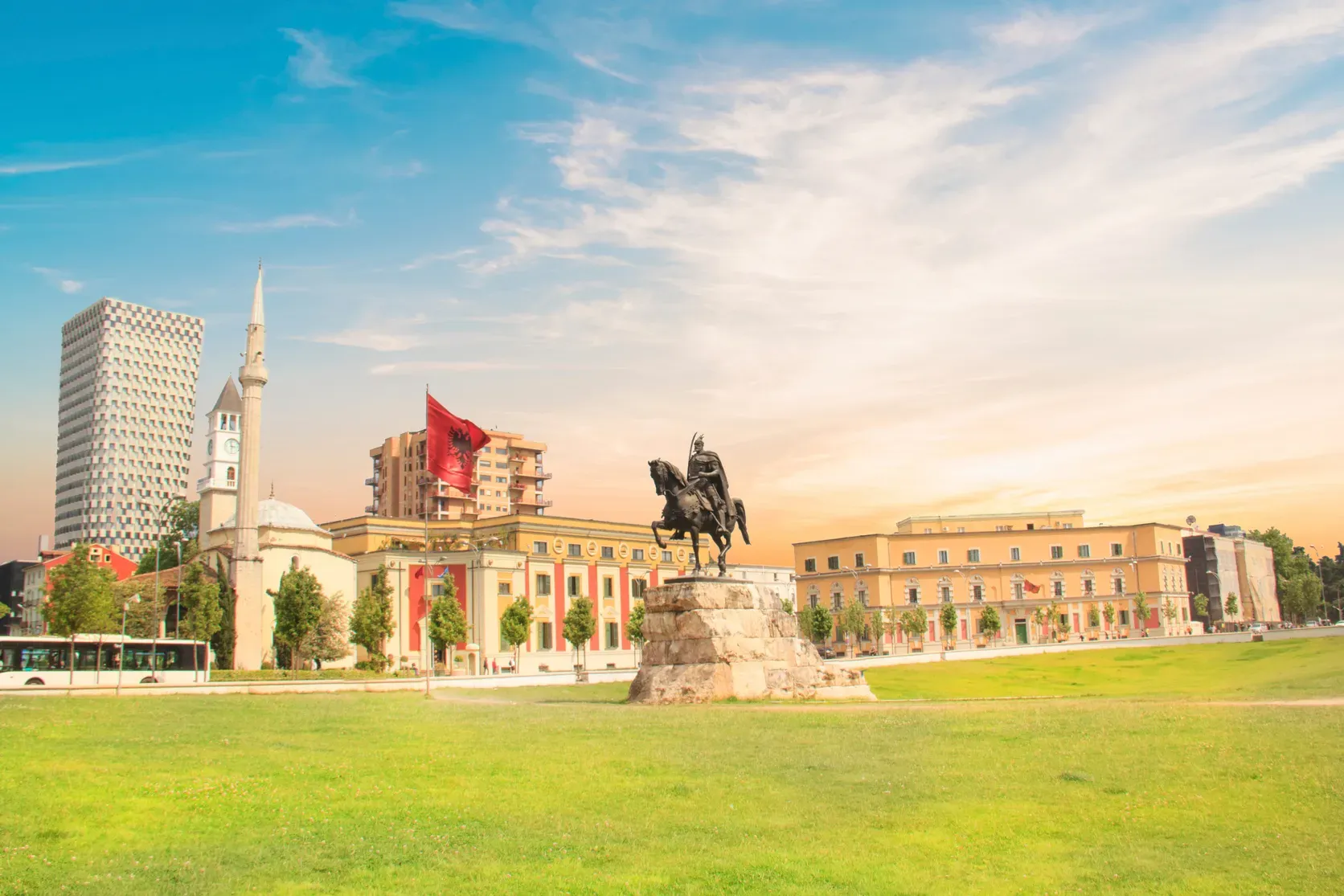
The city’s heart beats in Skanderbeg Square (Sheshi Skendërbej), the central reference point of Tirana where locals and visitors meet daily. Dominating the large contemporary square stands the statue of Albania’s national hero, the military leader Gjergj Kastrioti Skanderbeg, and around it cluster some of the city’s most important sights. On one side, the impressive National Historical Museum stands out, with the characteristic mosaic from the socialist period that narrates the country’s history from antiquity to today, and it is currently closed for renovation.
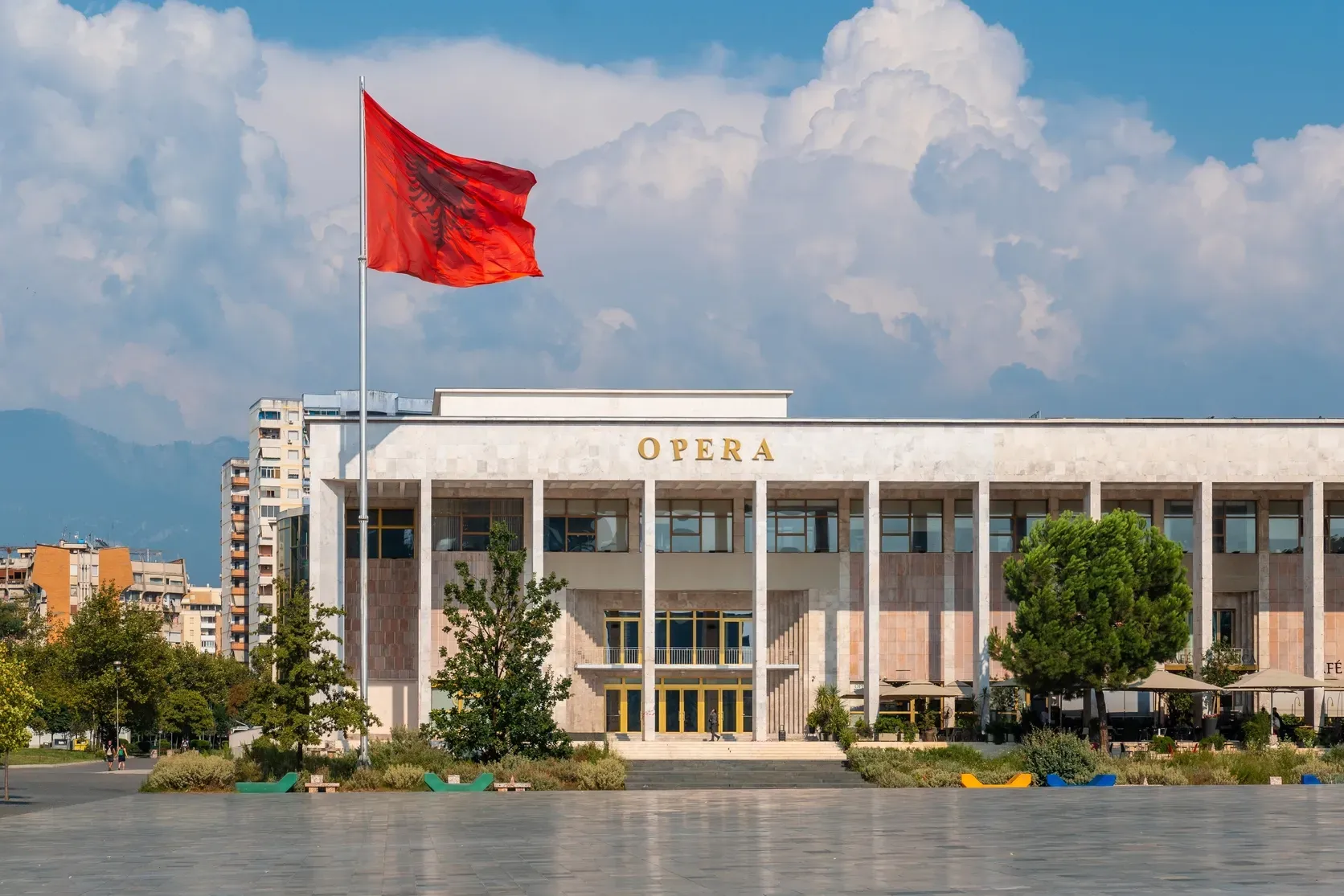
On the other side you will find the Tirana Opera, where the heart of the city’s cultural life beats. Built in the 1950s in characteristic socialist architecture, it hosts operas, ballets, concerts and theatrical performances. Just a few meters away are the Et’hem Bey Mosque, one of the oldest buildings in the city and one of the most impressive examples of Ottoman architecture, as well as the Clock Tower, from where you can enjoy panoramic views over the city center.
Tirana Castle
Tirana Castle (Kalaja e Tiranës), or the Fortress of Justinian, lies very close to the square and forms a charming enclosed quarter that harmoniously blends past and present. Its history dates back to before 1300 and it is a remnant of the area’s Byzantine heritage. The fortress was the point where the main routes between east–west and north–south met in the heart of Tirana.
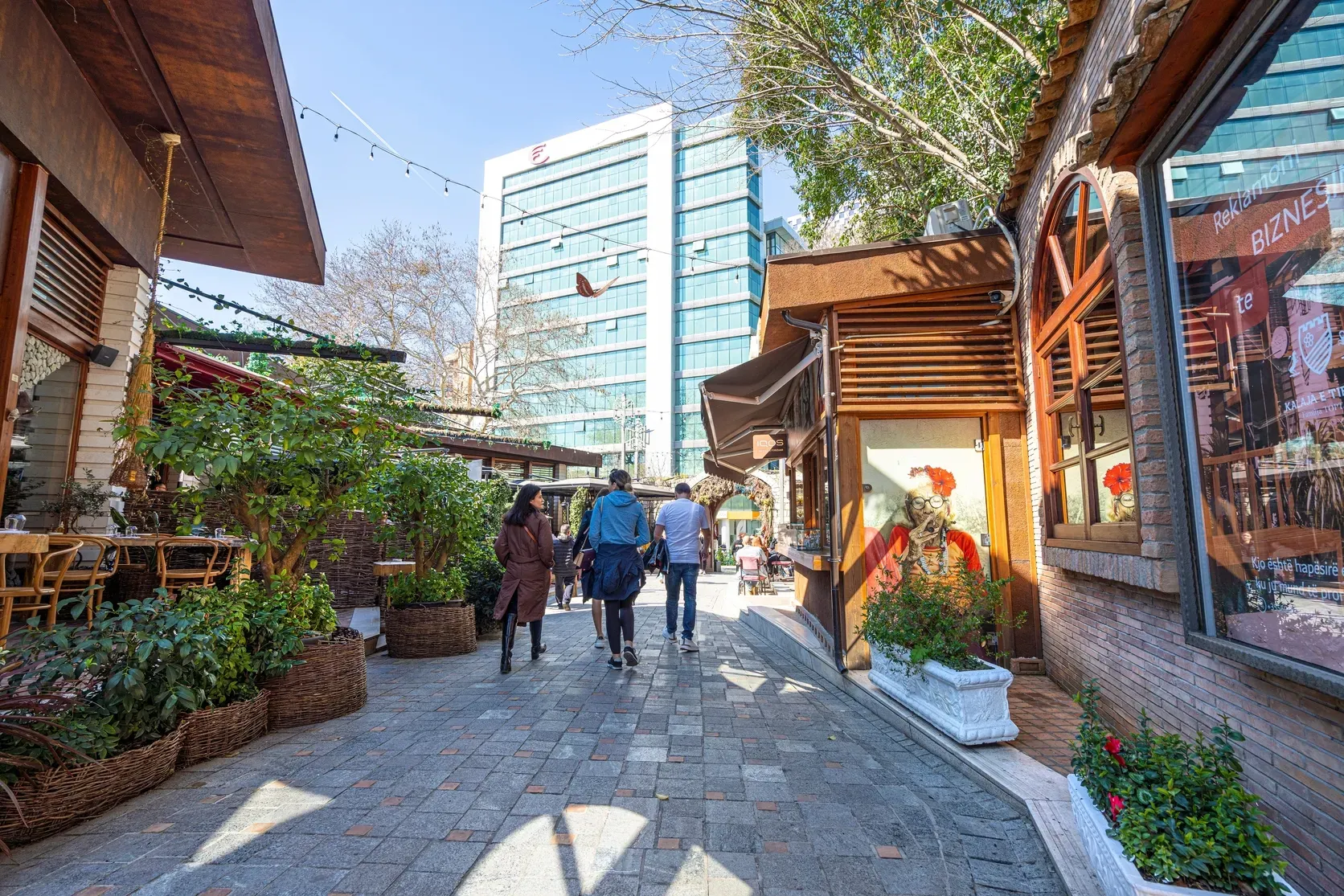
Amid the remains of the old fortifications a cobbled central lane has been created with picturesque cafés, restaurants, bars and shops selling local products and souvenirs, offering visitors an atmospheric stroll from another era. Behind the castle you’ll find the large Toptani shopping mall, with endless options of modern stores and restaurants.
The Grand Mosque Namazgah Mosque
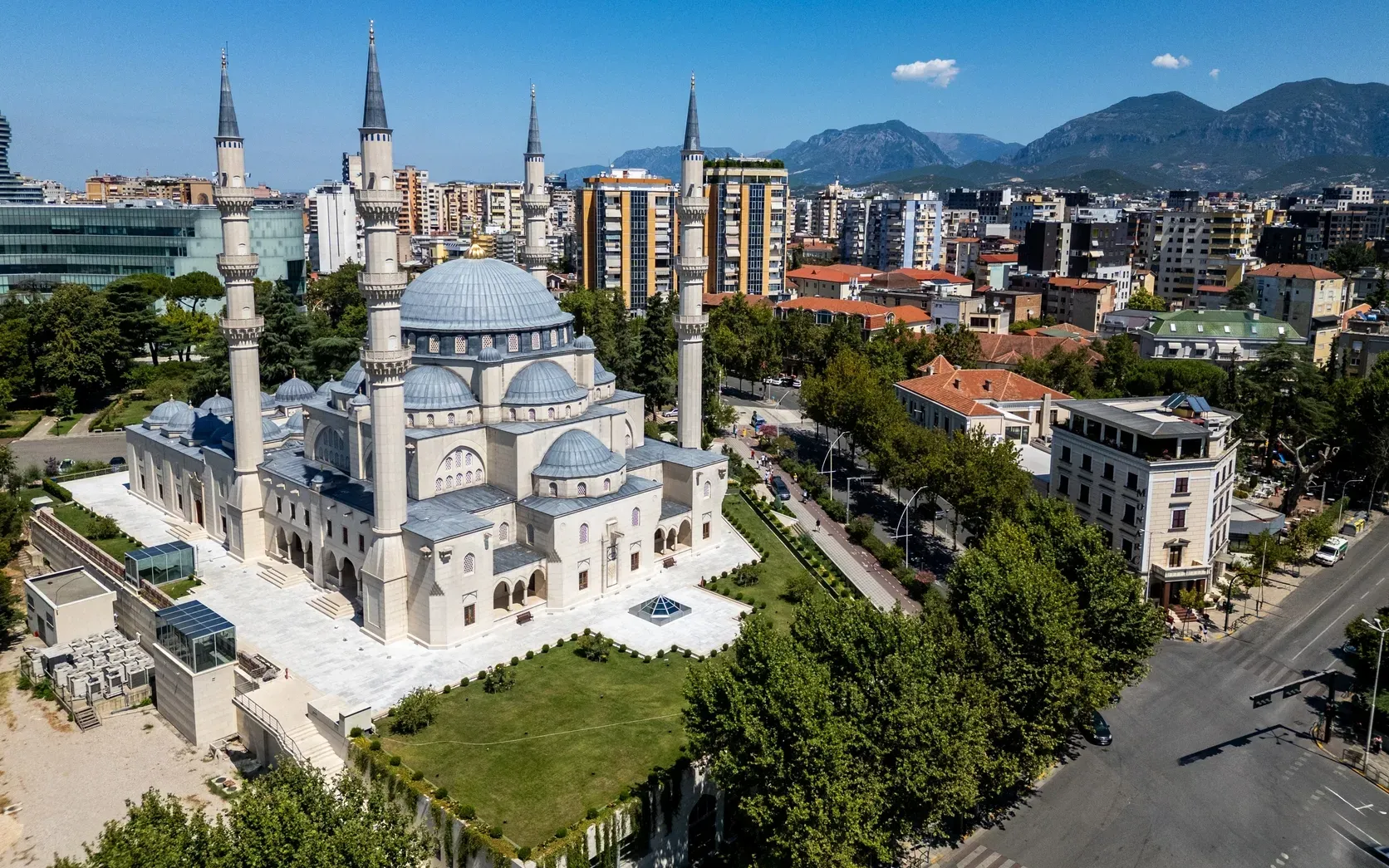
The Grand Mosque of Tirana (Namazgah Mosque) is one of the most impressive and modern religious monuments in the city center, and among the largest mosques in the Balkans. With discussions that began in the 1990s, construction started in 2015 and it was inaugurated in 2024. With imposing minarets and elegant architecture that blends Ottoman tradition with contemporary elements, it dominates Tirana’s historic center and is visible from various parts of the city due to its size. Its interior is bright, with decorative motifs and large prayer halls for up to 10,000 worshippers.
The Resurrection of Christ Cathedral
The Resurrection of Christ Cathedral in Tirana is one of the largest and most impressive Orthodox churches in the Balkans. It is located close to the city center and stands out for its modern architecture, with its imposing dome, clean lines and bright interior.
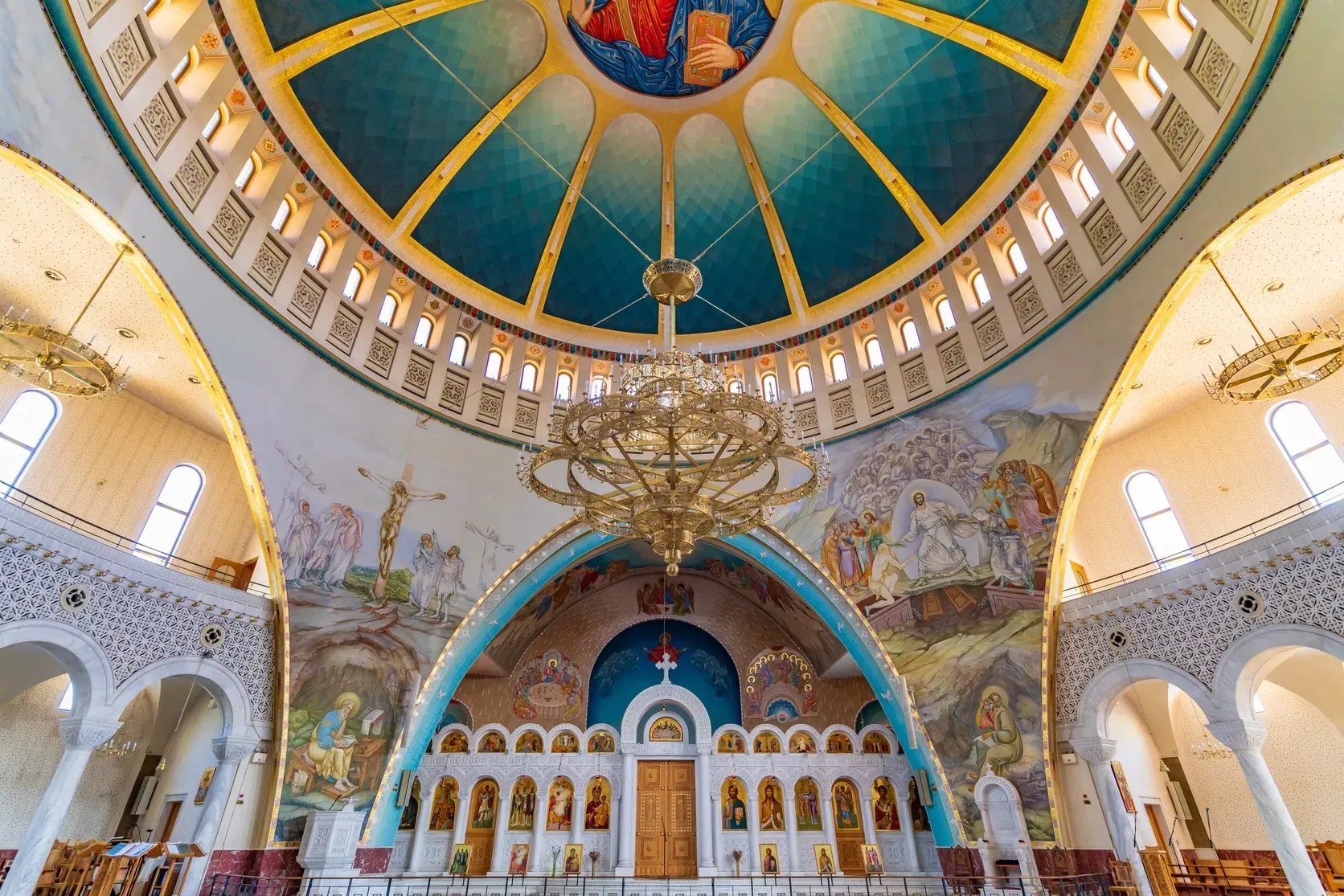
The cathedral complex also includes the Chapel of the Nativity, the bell tower, the offices of the Holy Synod, the cultural center, a library, two more chapels and a small museum. The original church was built in 1865 but was demolished in 1967, and the new construction was achieved from 2005 to 2012 after long negotiations with the Albanian authorities, with space allocated to Archbishop Anastasios.
The museums of contemporary history
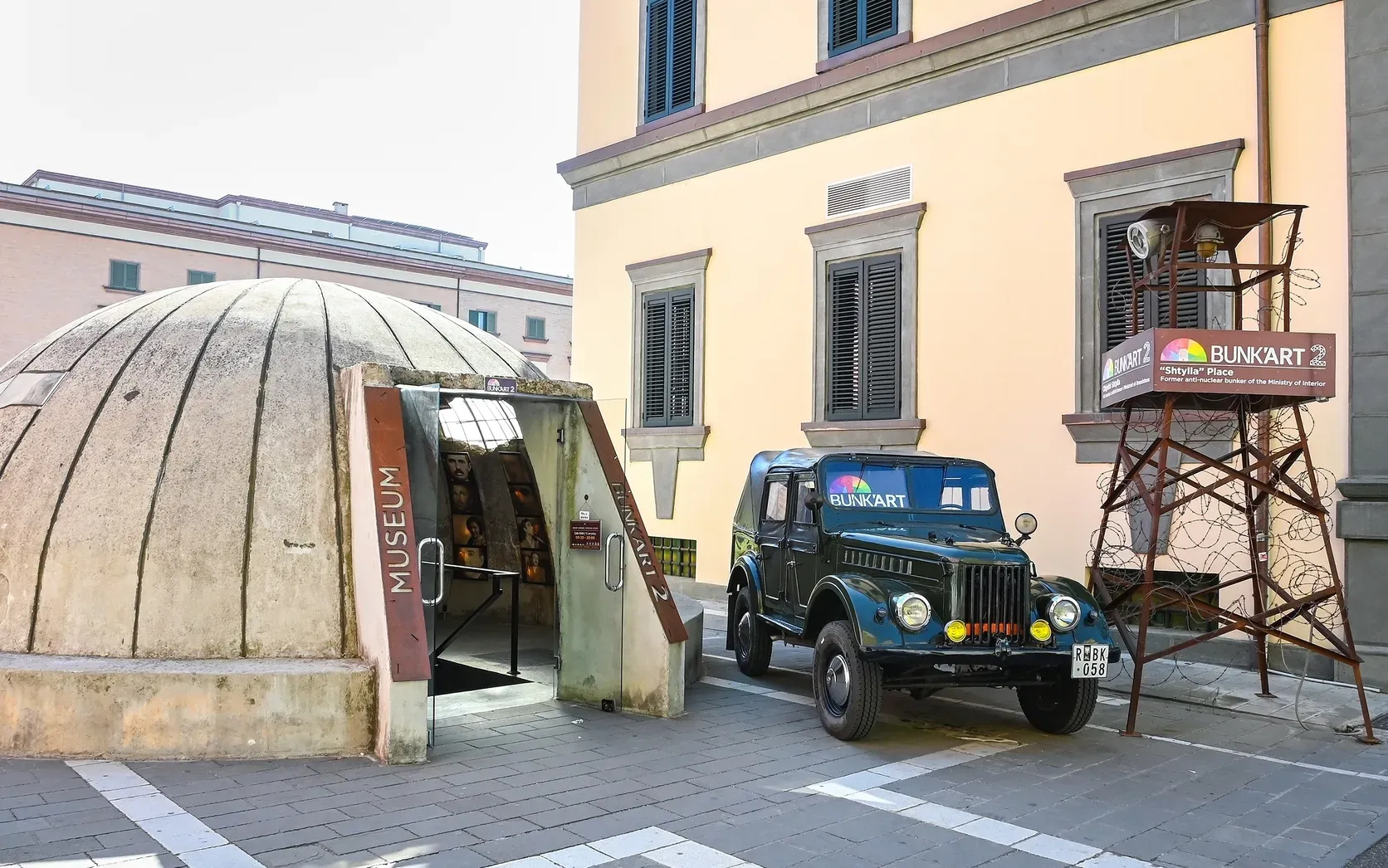
As you walk through the city center you will encounter important museums from Albania’s recent history, the period of the communist regime. The Bunk’Art sites, housed in vast underground bunkers from the Hoxha era, combine historical exhibits, testimonies and contemporary artworks. Bunk’Art 1 lies just outside the city center, while Bunk’Art 2 is in a central spot on Bujar Lako Square and focuses more on political repression and daily life under communism.
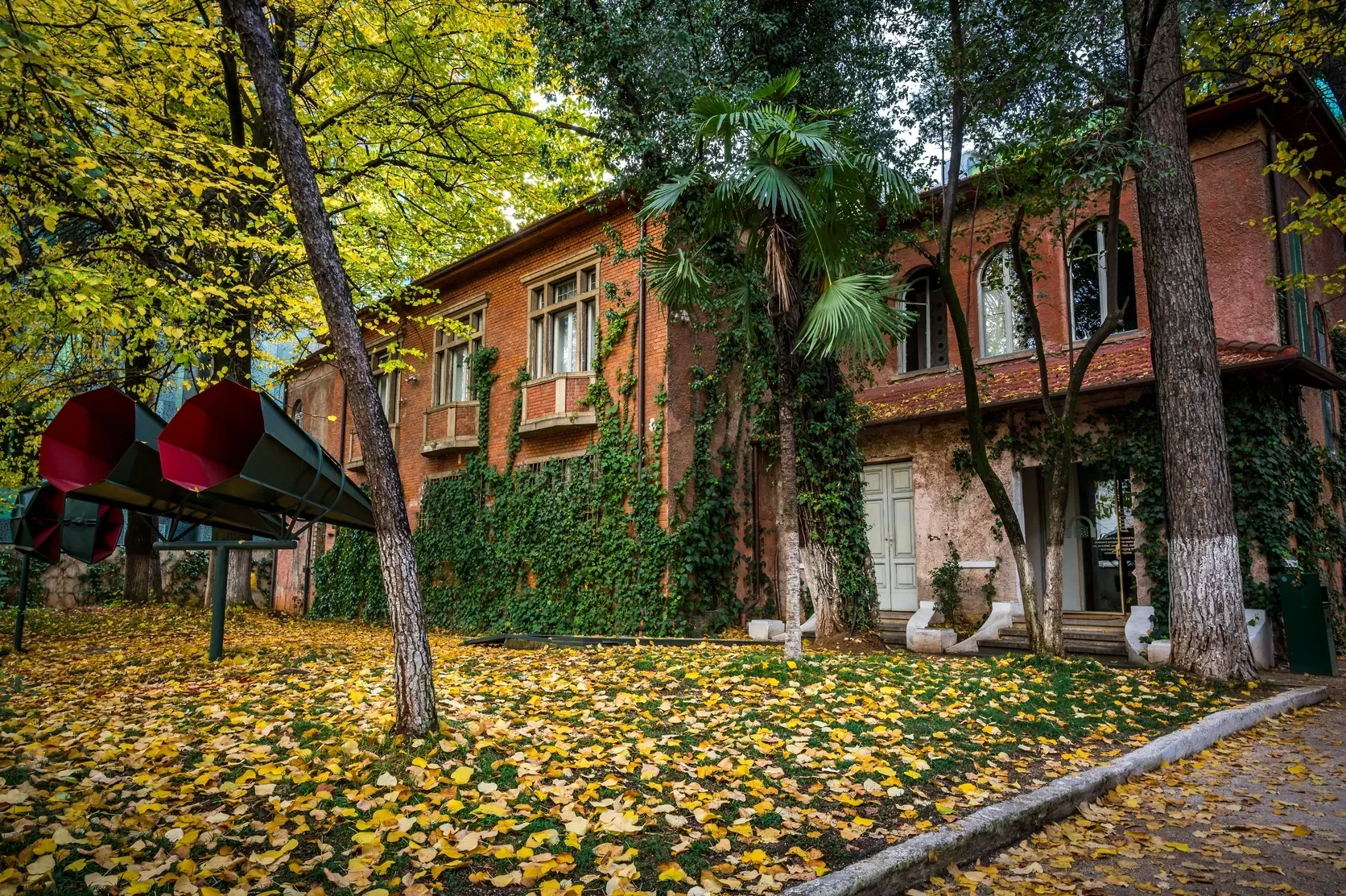
An intriguing look at the country’s past is offered by the House of Leaves (House of Leaves-Shtëpia me Gjethe), the former headquarters of the Sigurimi secret police. It opened its doors in 2017 and is housed in an impressive two-storey 1931 building that initially served as the first private maternity clinic in Albania. During the German occupation, the building was used by the Gestapo and after the war it served as the Sigurimi’s surveillance headquarters until the collapse of the communist regime in 1991. Today it is one of the city’s most interesting museums, where photography is not allowed inside, only a tour and an introduction to the country’s history.
The National Archaeological Museum of Tirana
The National Archaeological Museum of Tirana is the most important museum for those who want to explore Albania’s ancient roots. Its halls host finds from prehistory to Roman times, such as statues, inscriptions, ceramics and mosaics from Illyria, the Greek colonial period and Roman rule. It is located near the University of Tirana, and visiting it ideally completes your picture of the city, revealing a lesser-known yet equally significant historical dimension of the Albanian capital.
The open library
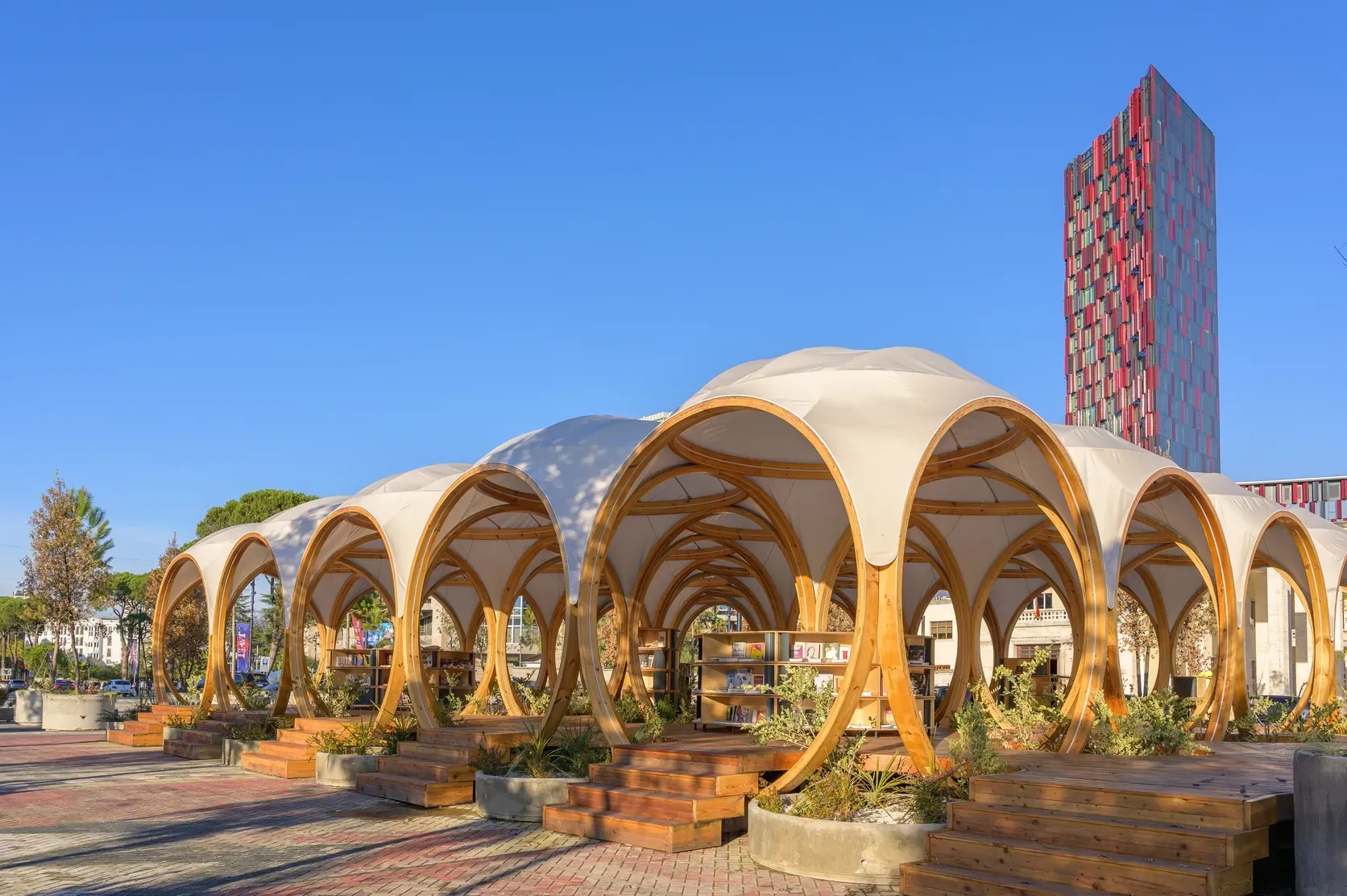
Outside the museum, in Mother Teresa Square, you will also see a very interesting open lending library. A recent addition to the city’s cultural life, the library offers a contemporary and functional space for reading and socializing. On its wooden shelves you’ll find a wide variety of books mainly in Albanian, with some editions in English.
The Pyramid of Tirana and contemporary architecture
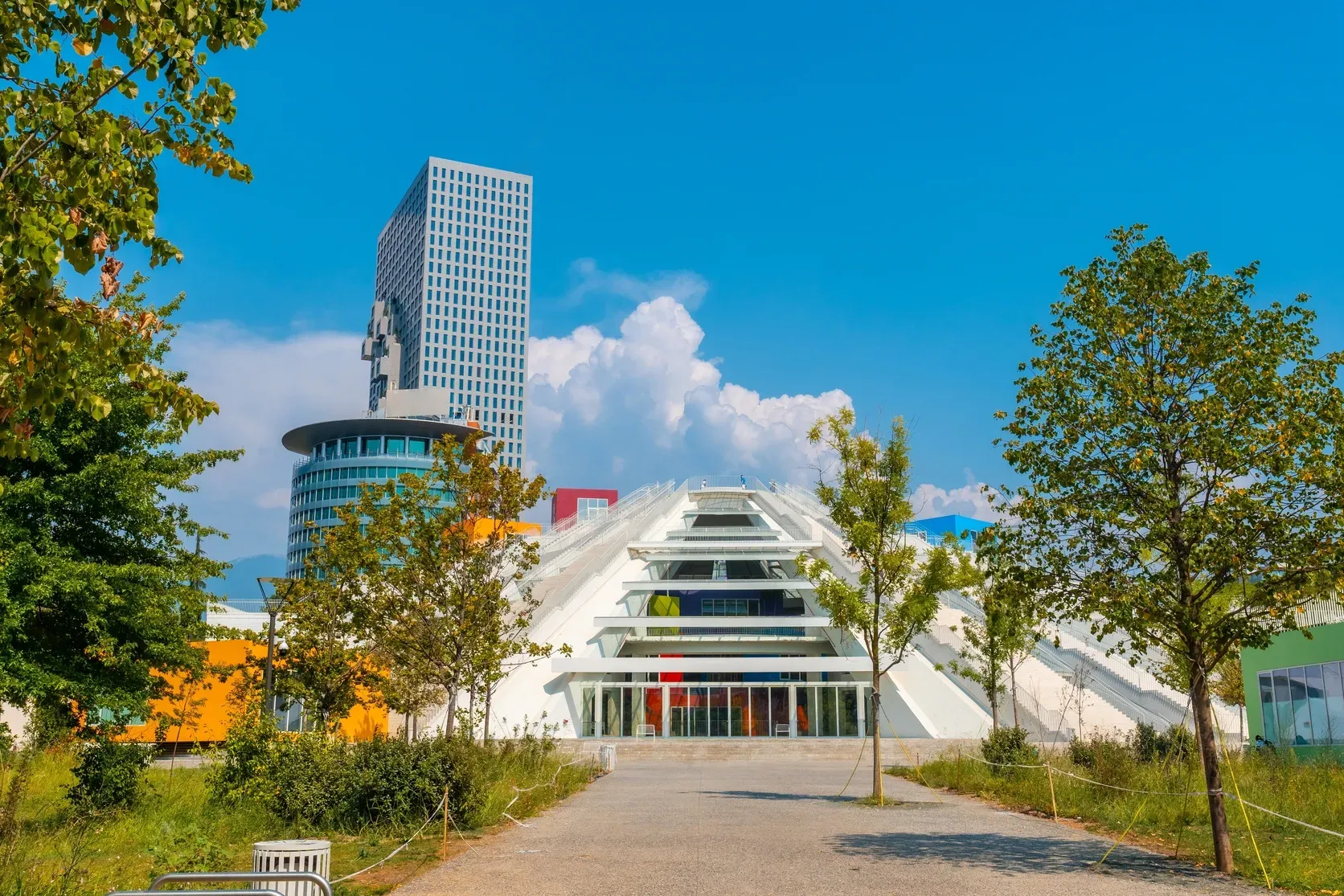
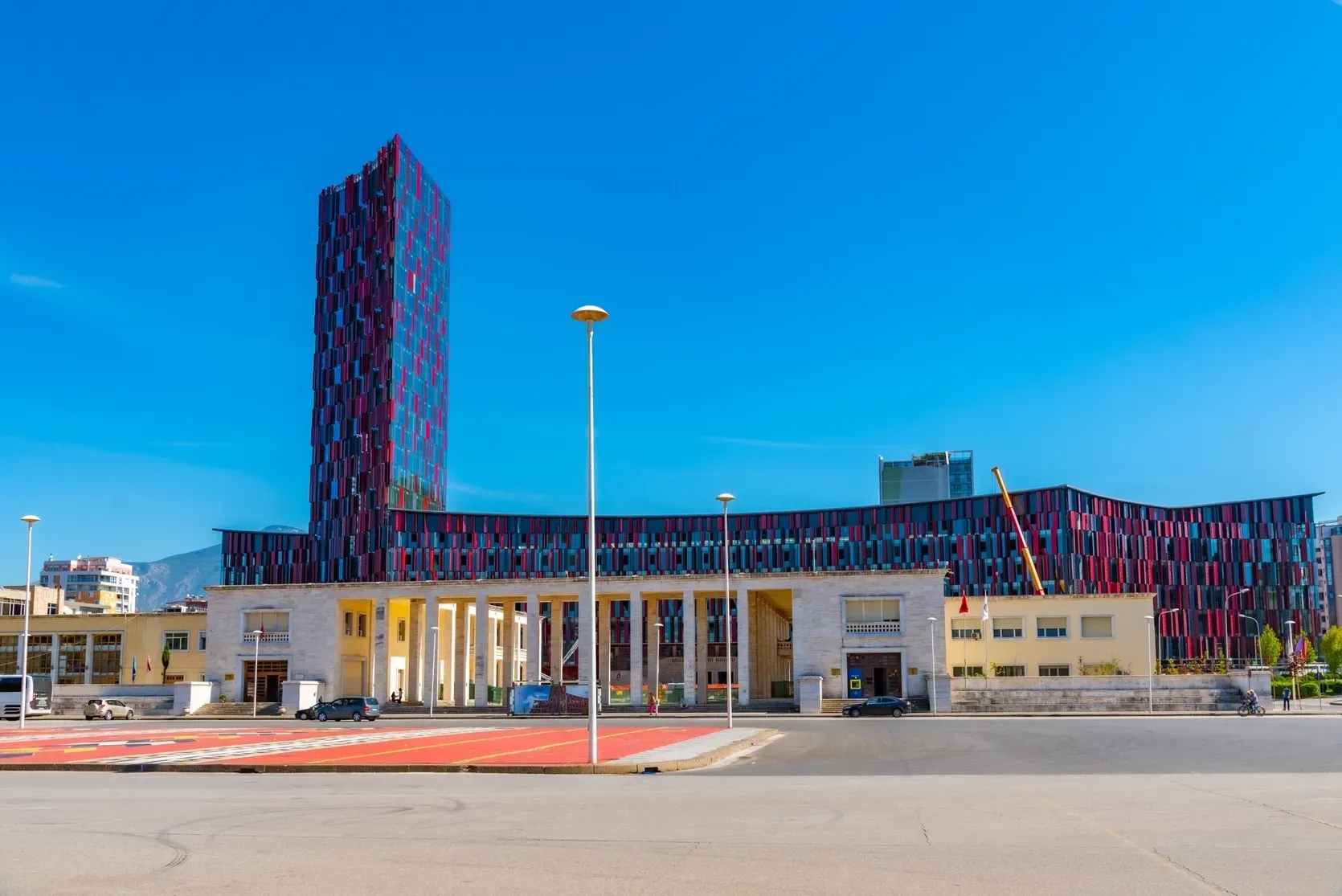
The Pyramid of Tirana, initially dedicated to Enver Hoxha, is one of the city’s most iconic sights on Bulevardi Deshmoret e Kombit. It opened as a museum in 1988 and became a conference center in 1991 after the collapse of communism, and in recent years it has been transformed into a contemporary cultural venue. It’s worth visiting both for its distinctive architecture and for the views across the city if you climb its steps. Within a short distance are buildings with contemporary architecture that showcase the city’s development.
The city’s lush parks
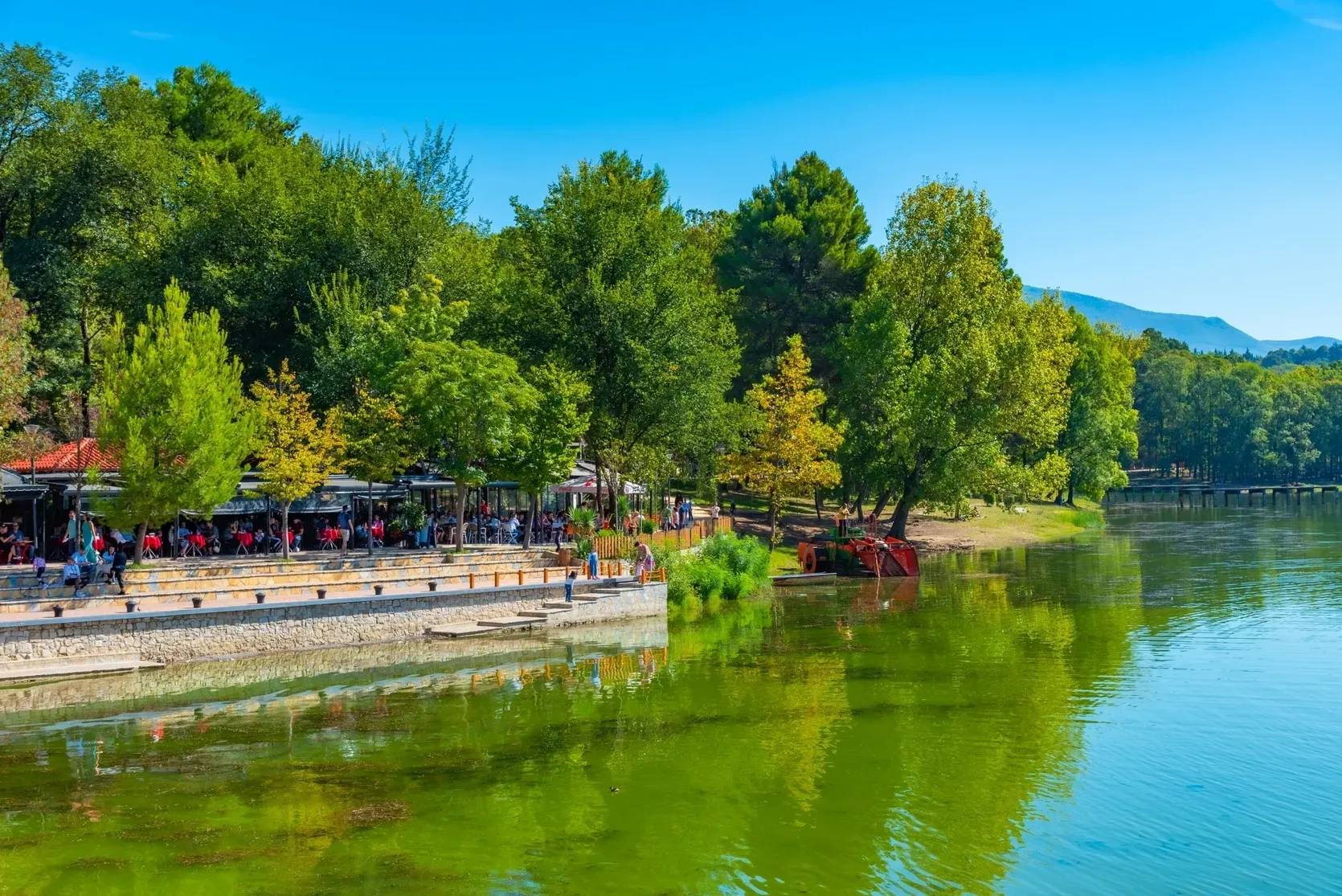
The Grand Park of Tirana is among the most beautiful places for a walk in the city, as it is the largest green lung next to the University of Tirana. Among its different plant species and pathways, you will come across cafés as well as sights such as the Church of Saint Procopius. The relaxing stroll ends with a visit to the impressive Artificial Lake of Tirana, a landscape that will soothe you. In front of the lake there are cafés where you can rest from your walk with the best view.
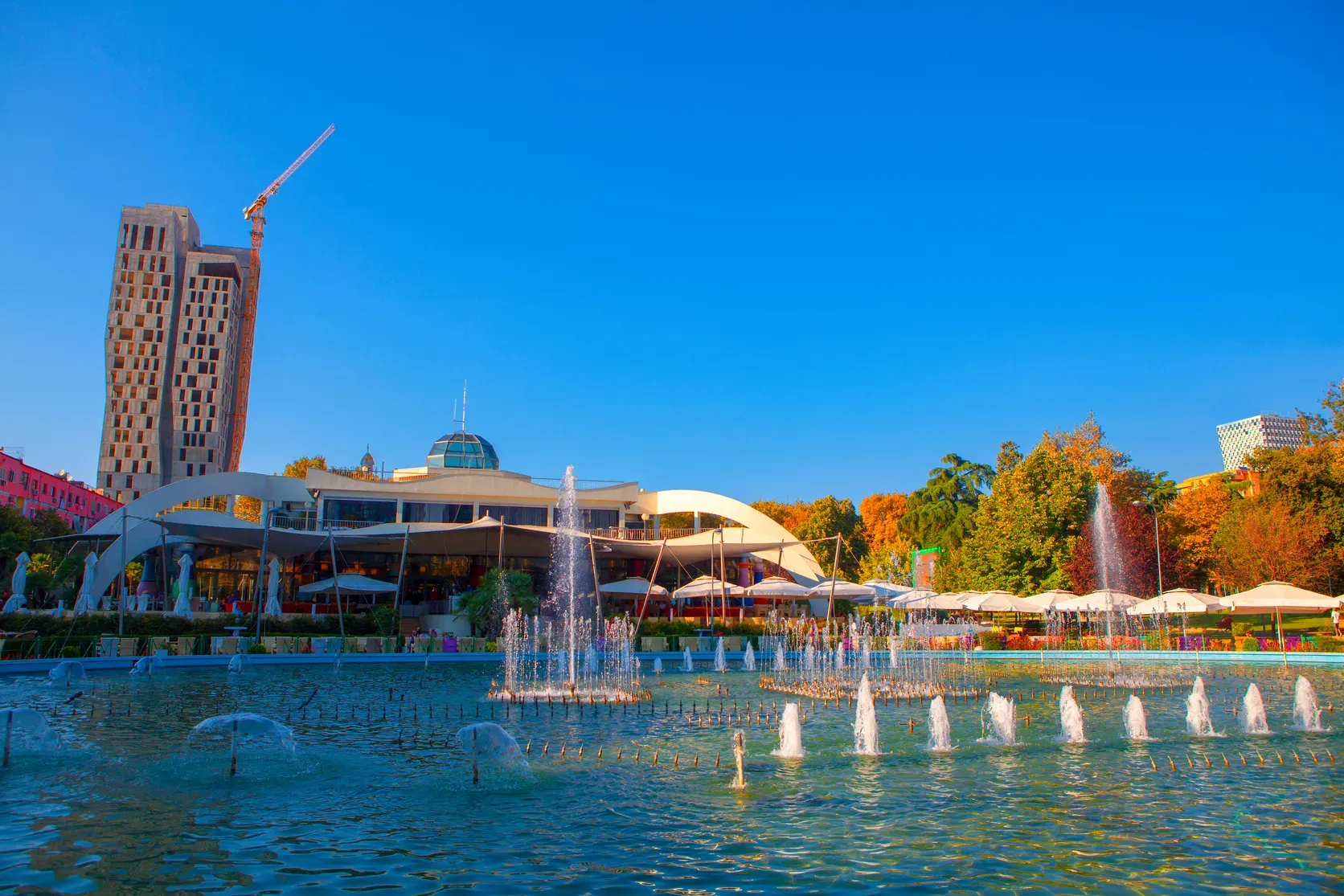
Rinia Park (Youth Park) is in the heart of the city, between the main boulevards, next to the Lana River that runs through Tirana. Since 1950 it has been where locals walk daily, relax by the fountain and play as families, while it once also served as a free space for the youth of Tirana.
Very close by is Lulishte Ismail Qemali, named after a key figure in Albanian history. This serene park offers a refreshing escape in verdant surroundings, while it also retains remnants of Albania’s communist past, such as the Postbllok monument with a section of bunker and a piece of the Berlin Wall, a donation from the state government of Berlin to the city of Tirana.
The vibrant Blloku neighborhood
The Blloku area is the city’s most vibrant and youthful district. Stroll its streets, a showcase of Tirana’s transformation. Once a forbidden zone for ordinary citizens – as the regime’s political elite lived here – today it is the city’s most youthful quarter, brimming with modern cafés, contemporary bars, boutiques and street art.
The city’s authentic bazaar
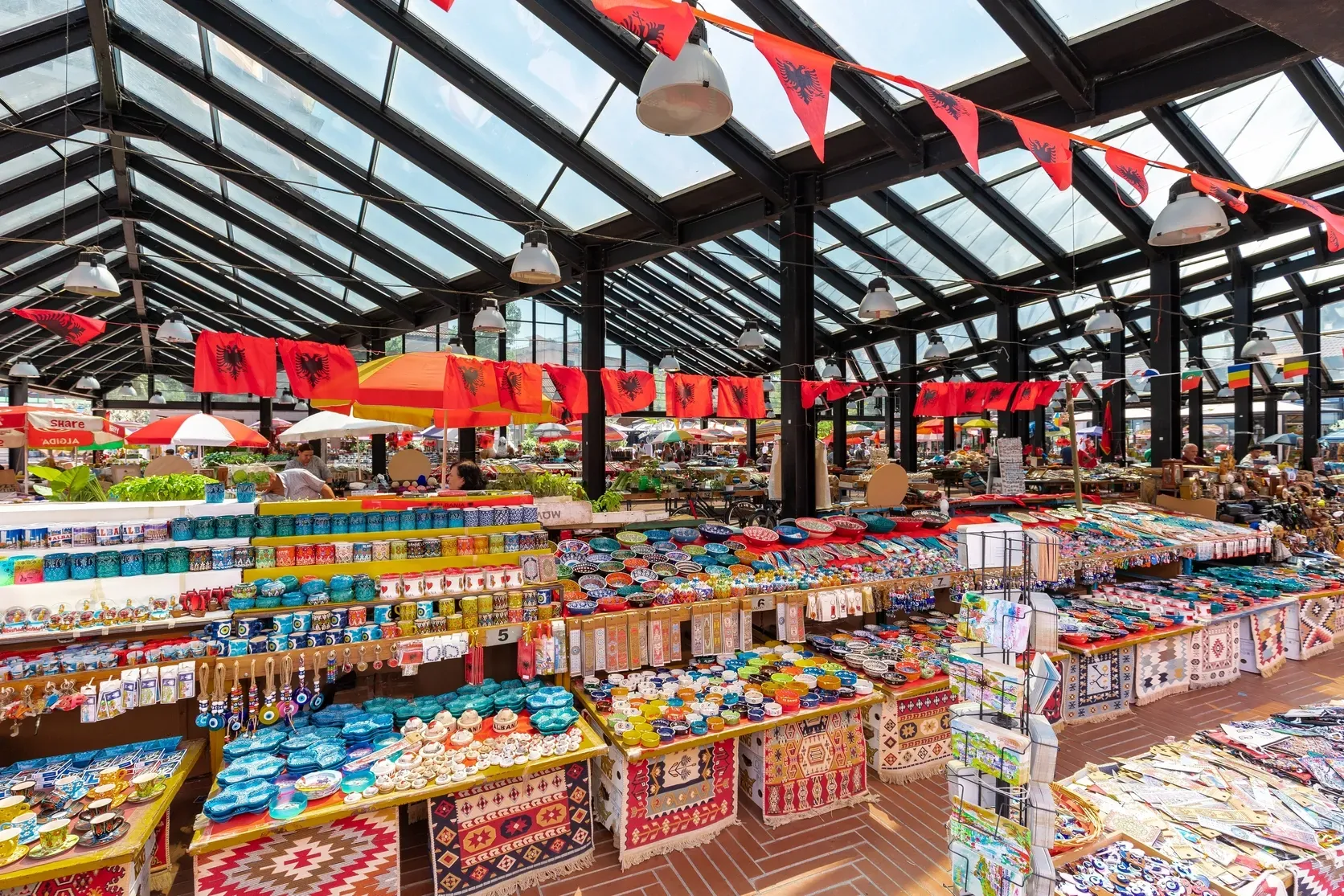
One of the most authentic and lively spots in Tirana is the Pazari i Ri. Renovated in recent years, it stretches across a large square and combines the traditional market with a contemporary aesthetic, hosting stalls with fresh fruits, vegetables, spices, local products and handmade items. Here you’ll find the souvenirs to pack in your luggage when you leave. Don’t forget to have cash with you, as most shops don’t accept cards. In addition to the Albanian lek (Lek), many also accept euros. Around the bazaar spread cafés and restaurants buzzing from morning till night, making it an ideal place for a stroll and a meal.
Heading up to Dajti National Park
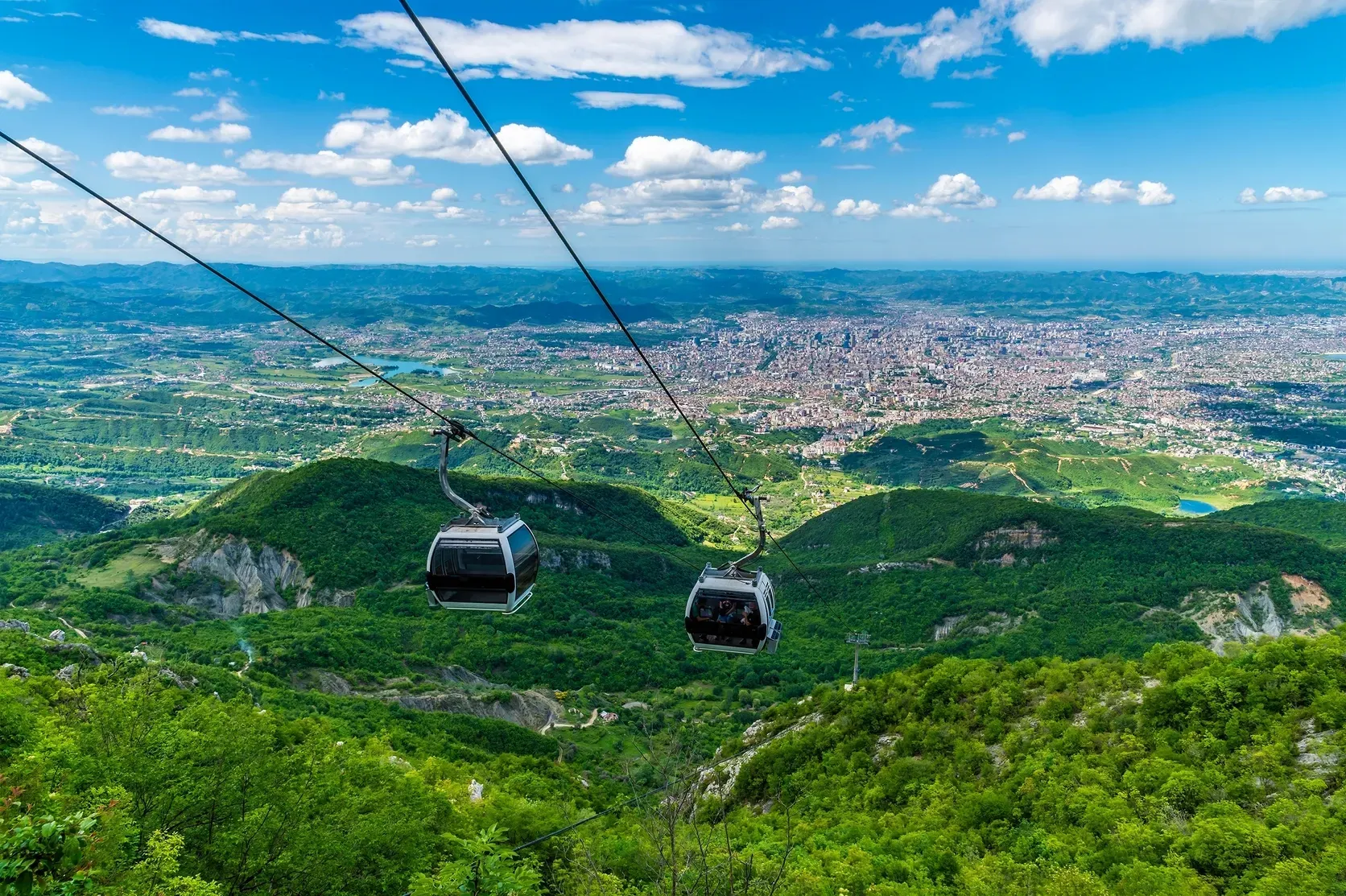
While you may not manage it within a single weekend, if you have time and want to see Tirana from above, take the Dajti Ekspres cable car. In a few minutes you will be at Dajti National Park, with panoramic views over the city and surrounding nature. There you can take short hikes, enjoy lunch at a restaurant or simply admire the landscape.
Food, coffee and drinks in Tirana
In Tirana, food blends traditional Albanian flavors with Balkan and Mediterranean influences. Restaurant menus are dominated by grilled meats, traditional filo pies, cheeses and seasonal vegetables, with homestyle recipes close to Greek and Italian cuisine. From traditional restaurants to modern bistros in the Blloku area and Pazari i Ri, options abound and prices remain affordable. For meat dishes, you can sit in the courtyard or the traditional interior of Odas Garden or nearby Oda.
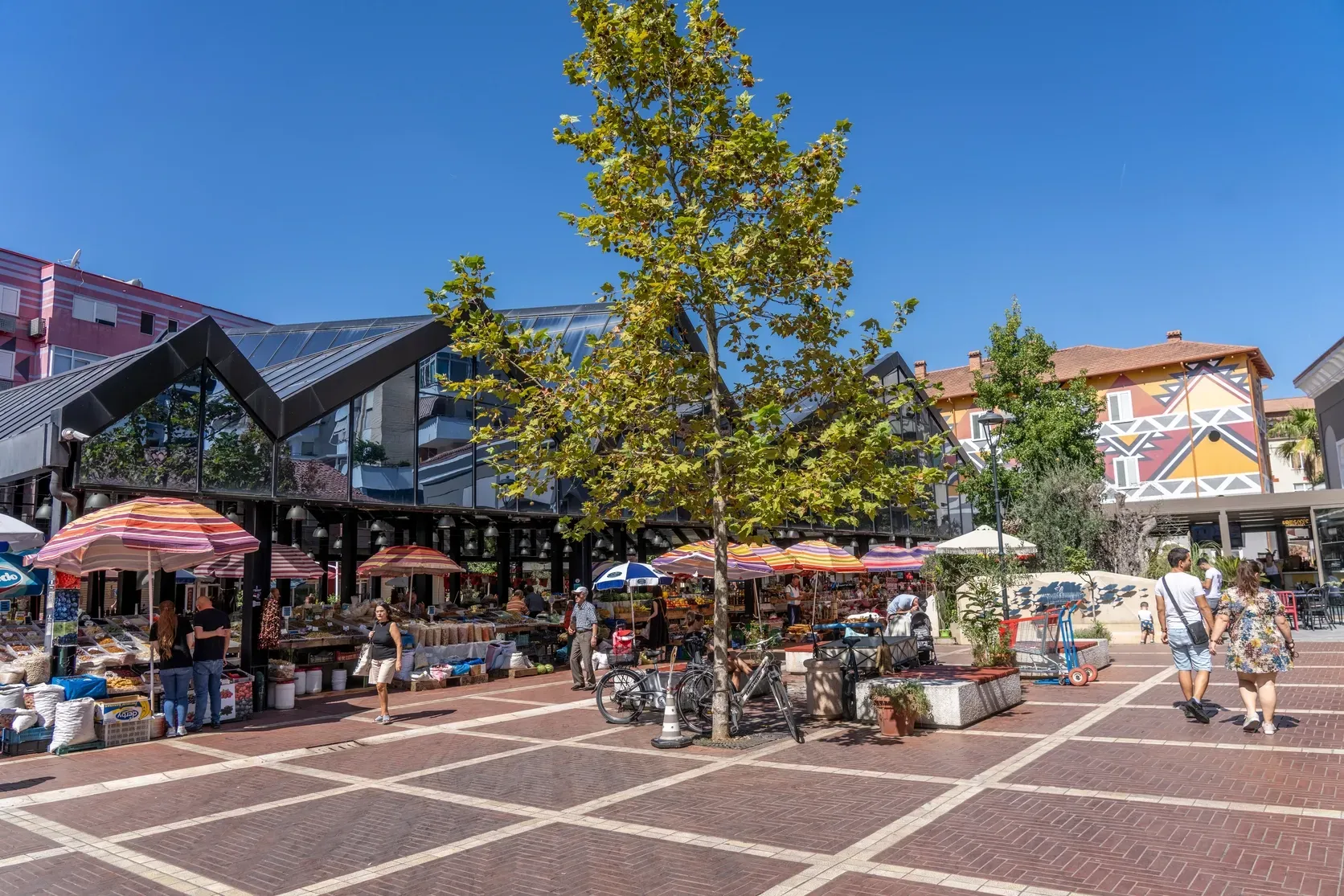
HANA Corner Café in the Blloku neighborhood is the most modern choice for quality coffee and dessert. Another good option for coffee is Foresta Grid within the lush greenery of Tirana’s Park. From morning till night, MUGO Tirana serves everything from coffee and brunch to food and drinks. Don’t miss visiting by midday the bakeries with traditional pies on Bardhok Biba Street. At low prices you’ll try triangular pies with cheese, spinach and other fillings, paired with ayran like the locals. For cocktails, head to Nouvelle Vague Tirana , which has made it onto The Worlds 50 Best Bars list, to Radio Bar Tirana and to Hemingway Bar Tirana with its jazz influences.