





From the parks and museums to the renowned breweries, we've gathered all the reasons to surrender to the Bavarian capital's charm. See what you can do in an unforgettable three days in Munich.
Munich is an iconic city of Germany for many reasons. Built on the banks of the Isar River, in the shadow of the Bavarian Alps, Germany's third-largest city and the capital of Bavaria charms visitors with its history, stunning architecture, culture, and delicious food. Below, we've gathered everything you can see and do on an unforgettable three-day stay in Munich.
Munich: What to see
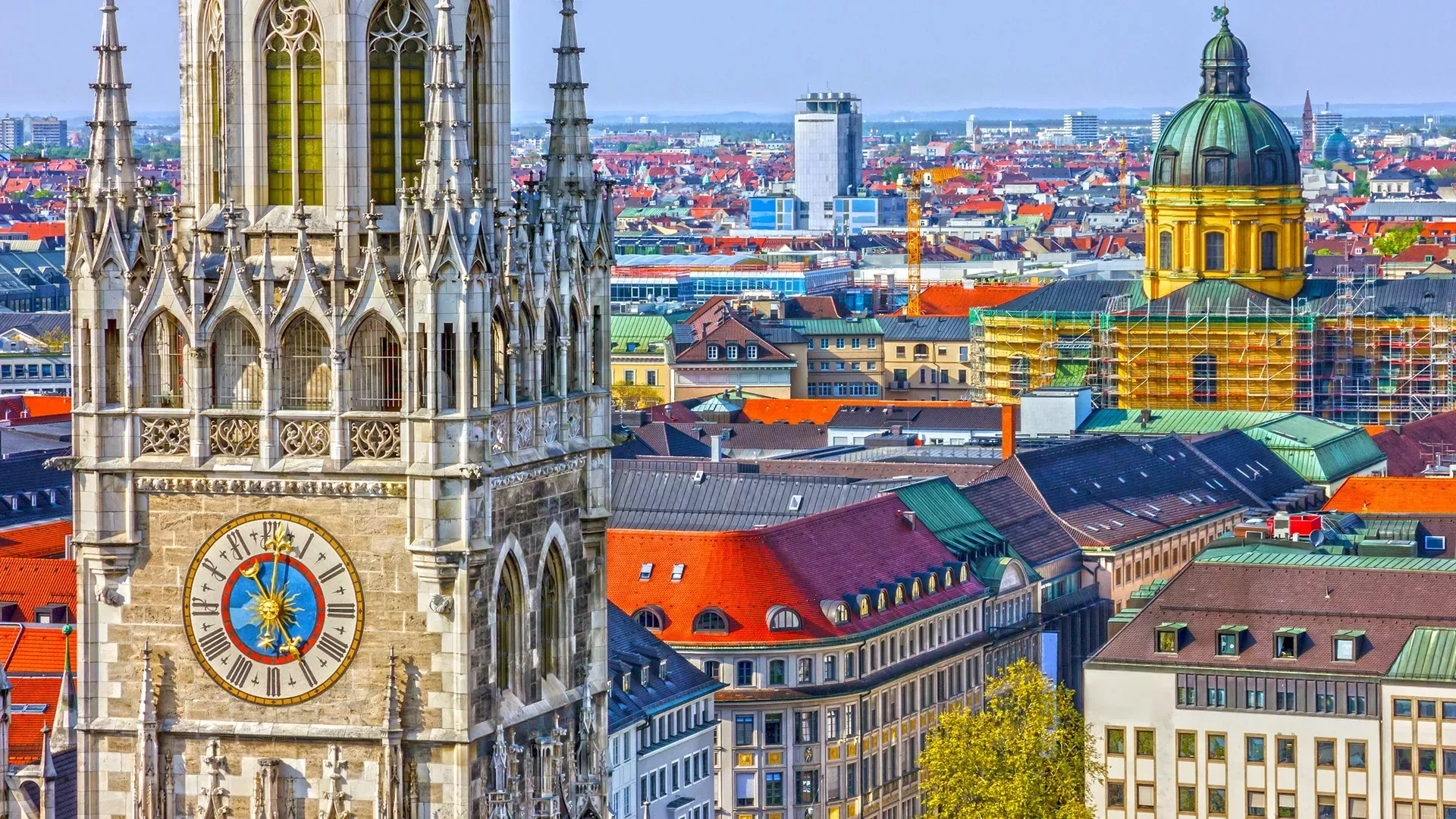
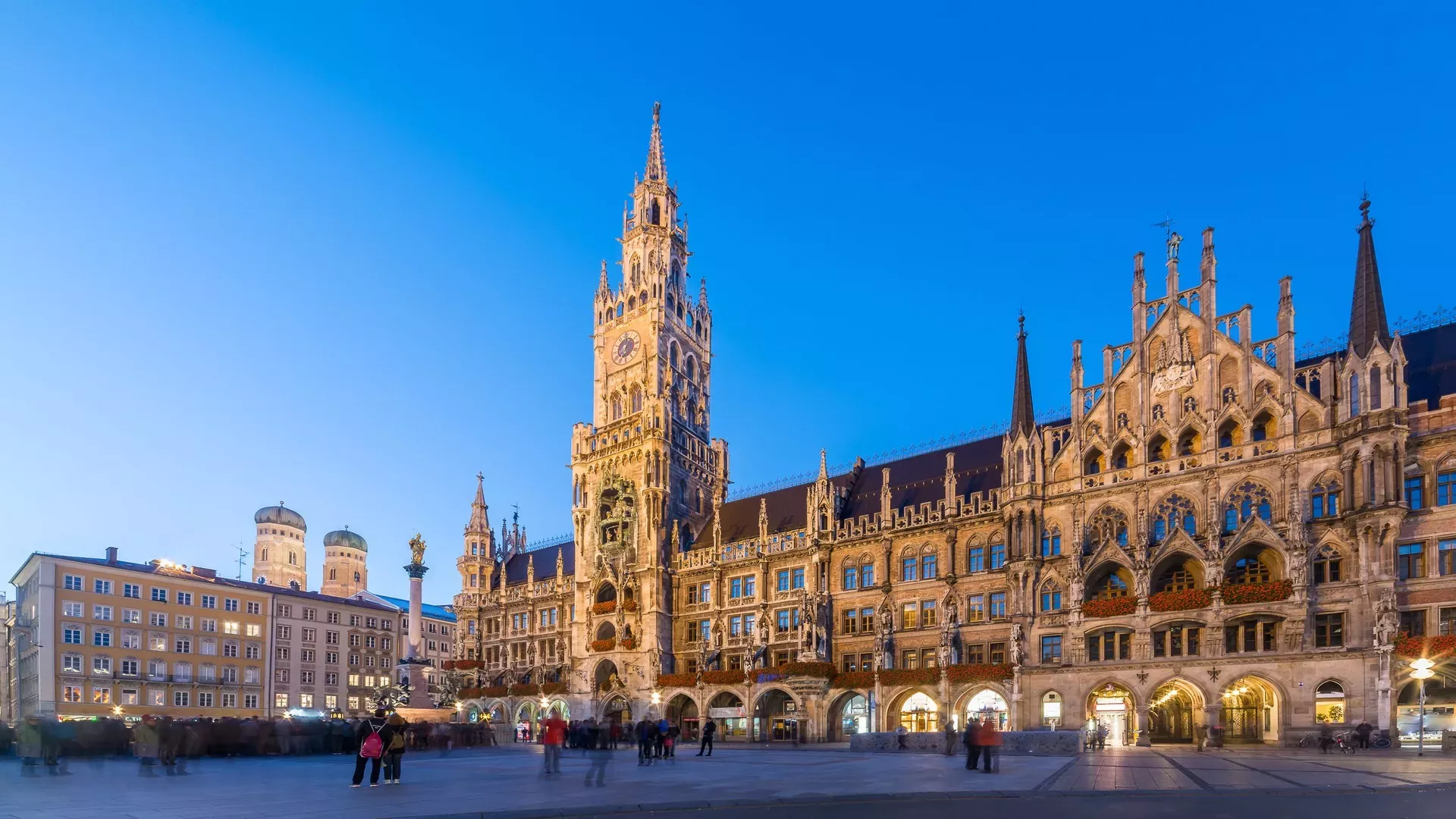
Exploring the city begins at Marienplatz, the central square in the heart of the Old Town, where you'll find the imposing neo-Gothic New Town Hall (Neues Rathaus) and the famous Glockenspiel with its figurines that come to life as it marks the hours.
Built in the 15th century, the Frauenkirche cathedral, with its twin domed towers, is the largest Gothic church in southern Germany and a symbol of the city. The southern bell tower is open to visitors and the viewing platform at its top offers unique views of Munich.
The Kunstareal is Munich's cultural heart. There you'll find the Alte and Neue Pinakothek with works by Dürer, Rembrandt, Rubens, and Van Gogh, the Pinakothek der Moderne, which houses four museums (art, graphic design, design, and architecture), and the Museum Brandhorst, a temple to contemporary art.
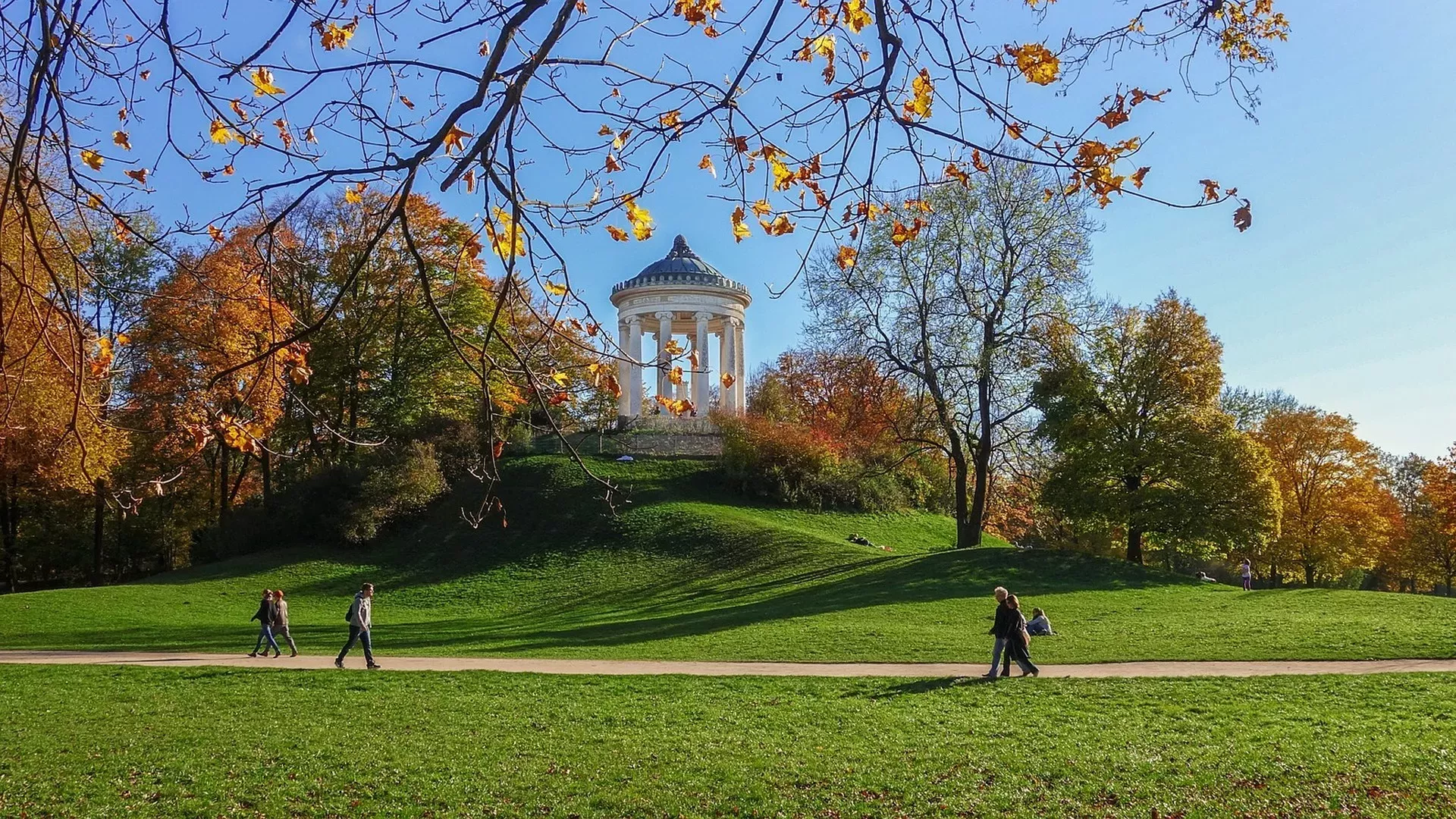
The Englischer Garten (English Garden) is the ideal place for a break in the city. It's a vast, lush expanse with 78 km of trails and a lake (Kleinhesseloher See) where you can go pedal boating. The park is also great for cycling, jogging, and even surfing in the icy waters of the Isar. It's said to be bigger than New York's Central Park!
The impressive Maximilianstrasse is the "avenue of luxury". Walking along it you'll admire imposing buildings like the National Theater and the Maximilianeum, home to the Bavarian parliament, and you'll browse the window displays of leading fashion houses.
The residence of the Bavarian rulers, the Residenz, built in 1385, today attracts visitors from all over the world who come to admire the refined architecture and the meticulous decoration of its rooms.
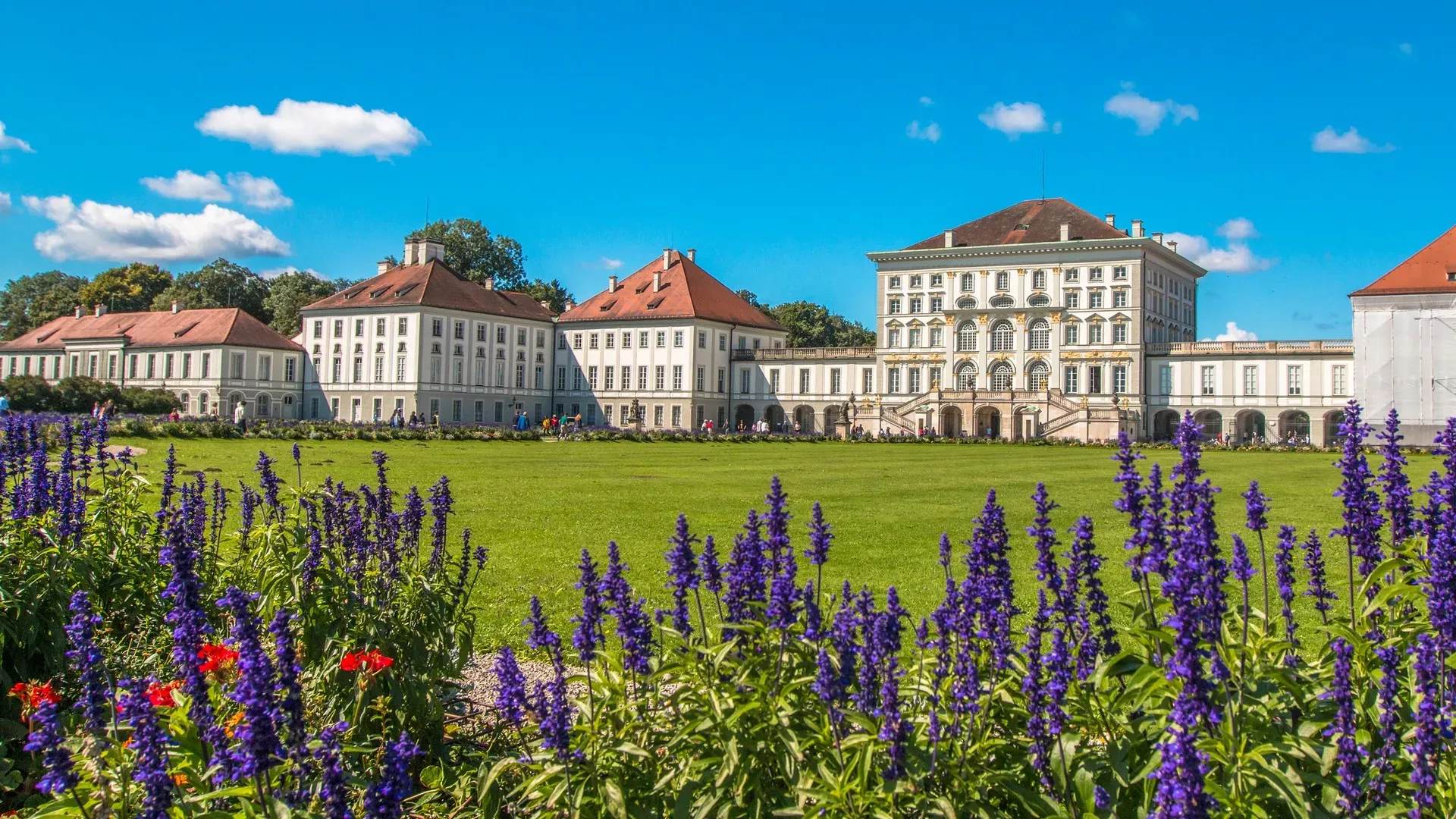
At the baroque palace of Schloss Nymphenburg, 6 km from Munich's center, you can admire the elaborate frescoes and the Hall of Mirrors, decorated in Rococo style. It has fairytale gardens and a lake where visitors, from April to October, can take a gondola ride.
The Viktualienmarkt is an open-air market with 200 years of history, where you'll find everything from organic produce, fresh fruit, local cheeses and cold cuts to flowers and herbs.
The Deutsches Museum (German Museum) is the largest museum of science and technology in the world. Built on a small island in the Isar River, it hosts around 28,000 exhibits from 50 different fields. If you have children with you, they'll be thrilled.
Visit the Olympic Park that hosted the 1972 Olympic Games, north of the historic center. The gorgeous parkland is ideal for endless walks.
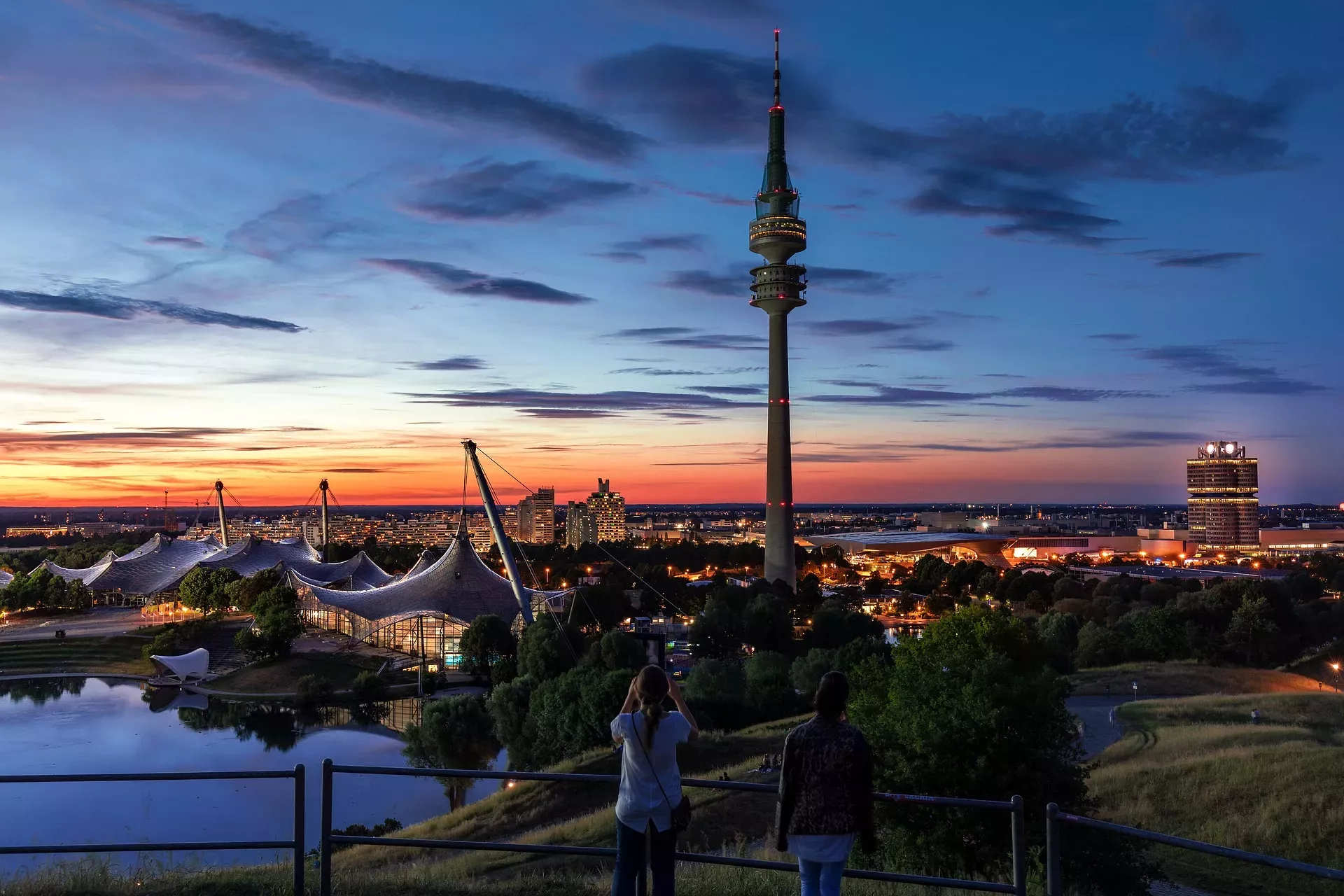
The BMW Museum, to the east of the Olympic Park, hosts all the company's historic models.
The Allianz Arena, home to Bayern Munich, is a must-see attraction for football fans. The futuristic building is illuminated on the outside in colors matching the home team.
Munich: What to try
The city's most famous beer hall is the Hofbräuhaus. It dates back to the 16th century and is a sight in its own right. Smiling waitresses in traditional dress will serve you sausages with sauerkraut and pork knuckle. Zum Augustiner and Weisses Brauhaus are two other renowned and popular beer halls worth visiting.
Wirtshaus in der Au is one of the best places if you want to try traditional cuisine.
Goldmarie serves tasty creative cuisine dishes, cooked with locally sourced organic ingredients.
For more gourmet cravings, there's Tantris, in the Schwabing area, which has been awarded two Michelin stars and is considered the city's most distinctive restaurant.