





A getaway that blends history and Greek mythology with stunning natural landscapes and beaches with azure waters.
One of Greeces most important historical destinations, Epidaurus uniquely blends ancient heritage with natural beauty. Brimming with lush landscapes, enchanting beaches and major sights, it is a year-round destination just two hours from Athens.
Nestled at the foot of Mount Arachnaion, Koryphaion and Tithio, the area is inextricably linked to mythology, as the god of medicine, Asclepius, was born here. From prehistoric times through modern Greek history, Epidaurus flourished thanks to its strategic position and its famed Asklepieion. Its name derives from its third ruler, the local hero Epidaurus, son of Argos and Evadne. It was also a significant hub during the Greek War of Independence, hosting the two historic National Assemblies.
Sights
Archaeological sites and landmarks
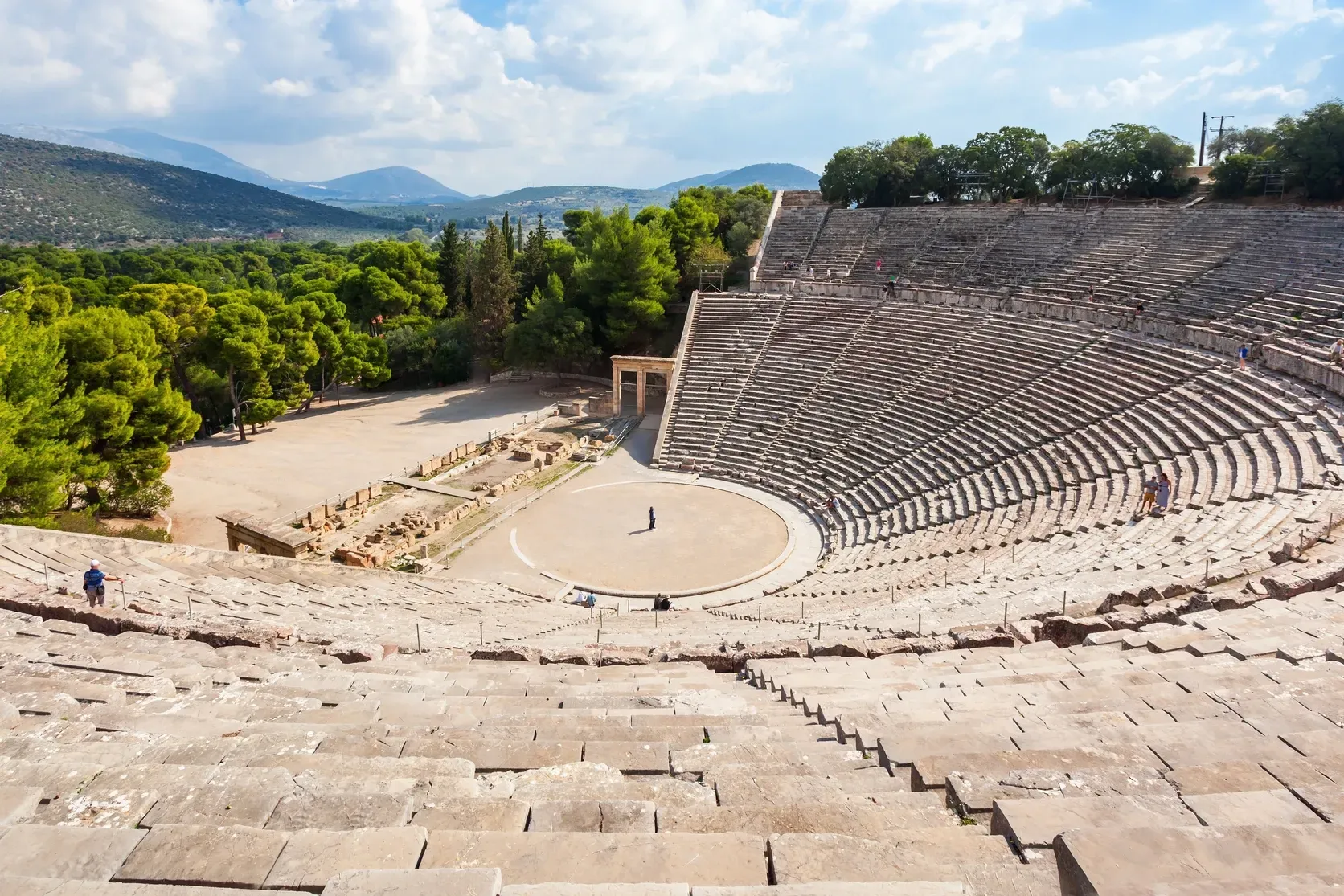
Epidaurus is a place that reveals its history at every turn. From globally acclaimed monuments to lesser-known yet equally impressive highlights, the area offers a unique journey through time. Its standout attraction is the Ancient Theatre of Epidaurus, one of the best-preserved ancient theatres in the world.
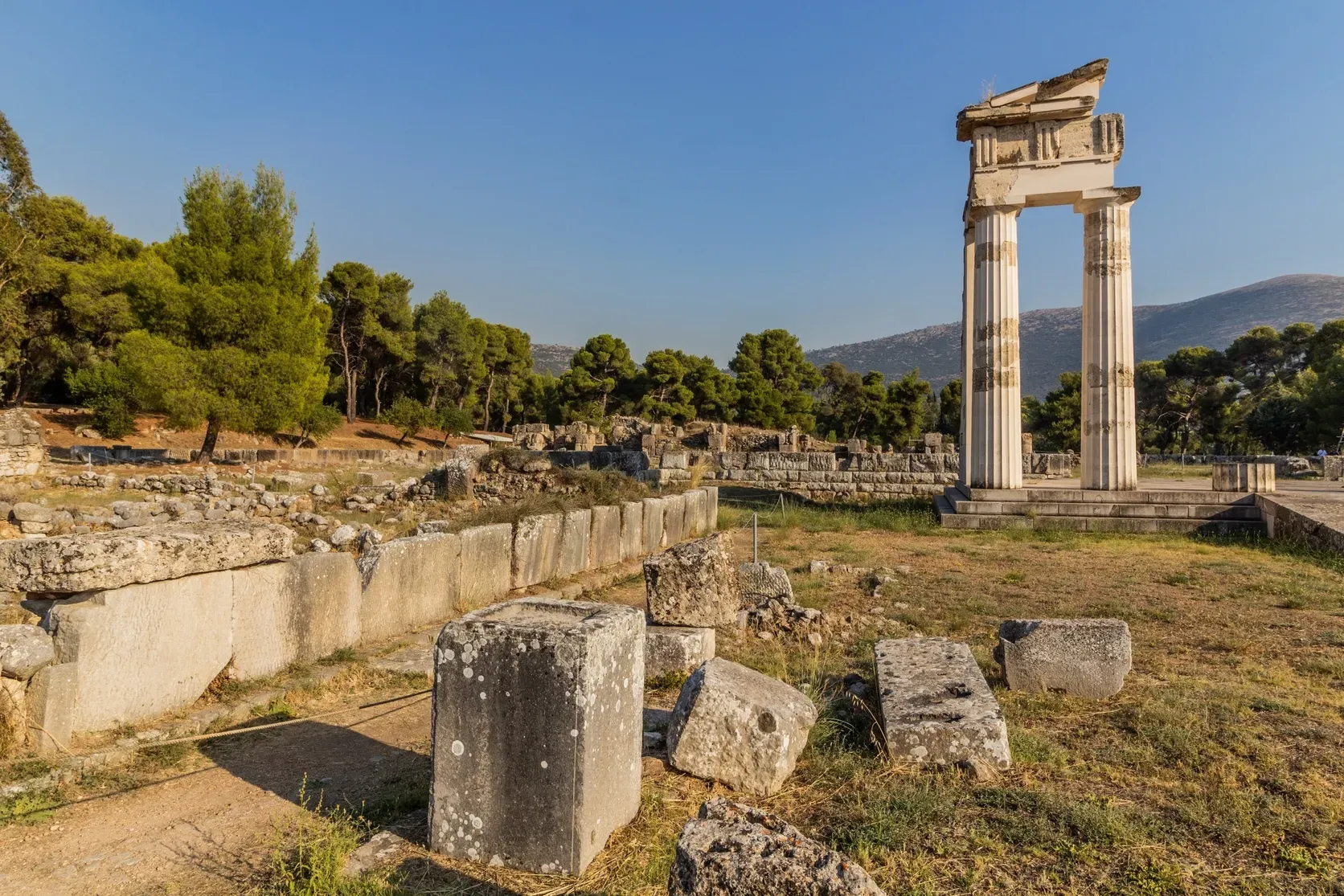
An architectural marvel of the 4th century BC, renowned for its unparalleled acoustics and aesthetics, with a capacity of up to 13,000 spectators. Its excellent condition led to the creation of the famed Epidaurus Festival, a long-standing success. Next to it lies the Asklepieion of Epidaurus, a UNESCO World Heritage Site and the most important healing center of antiquity, dedicated to Asclepius. Preserved here, among others, are the Propylaea, the gods temple, the Tholos and the Abaton.
In Ancient Epidaurus, the Little Theatre of Epidaurus also stands out. Built on the southwest slope of the Acropolis, it is dedicated to Dionysus. A site of worship and artistic expression since the 4th century BC, it now hosts events during the summer.

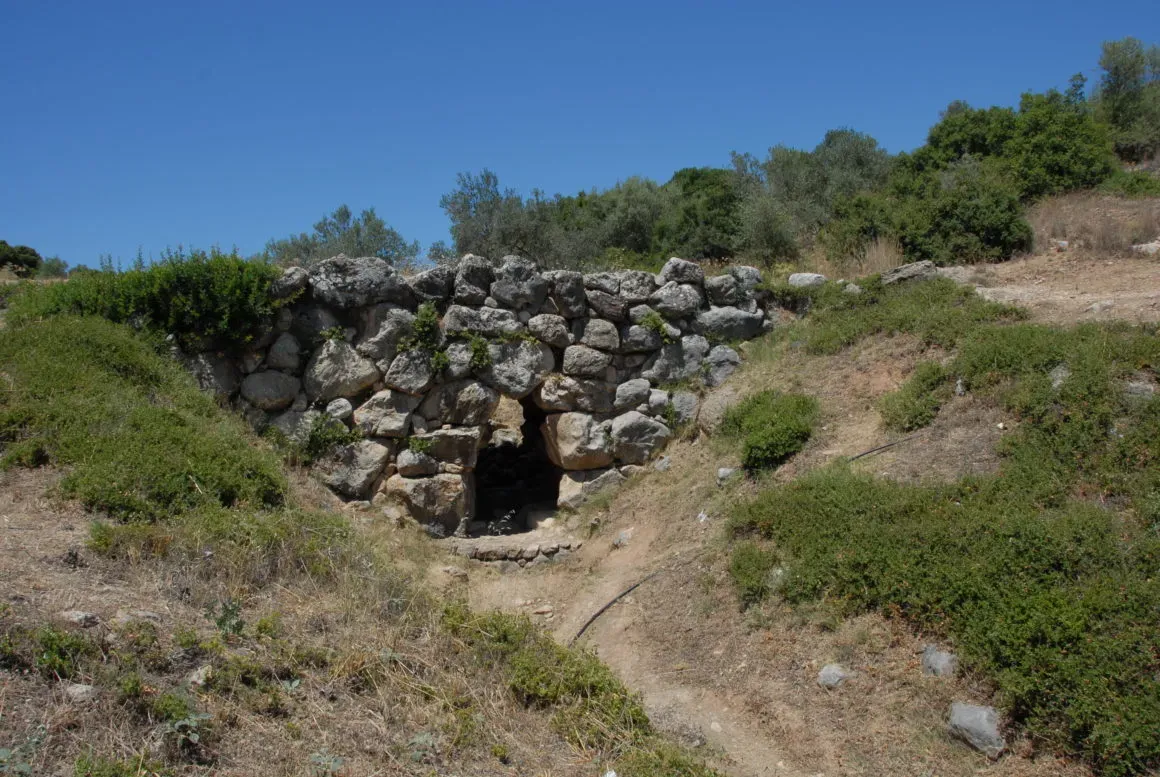
The seven vaulted Mycenaean tombs are of particular interest. Located at the foot of Mount Katarachi, they are among the areas most important monumental sights. Equally impressive is the Mycenaean Bridge of Arkadiko, also known as the Kazarma bridge, dating roughly to the 13th–14th century BC. It is considered the oldest preserved bridge in Europe and the oldest single-arch bridge still in use today. Built from massive boulders, it is a hallmark of Cyclopean architecture.
The Castle of Nea Epidaurus bears witness to the regions Byzantine and Venetian history. On the hill above Arkadiko stands an ancient castle known as the Acropolis of Kazarma. The castle was built by the Argives, roughly on the border of their state with that of the Epidaurians.
The Monument of the First National Assembly in Piada, present-day Nea Epidaurus, recalls the areas decisive role in the Greek War of Independence, where they voted and designated blue and white as the colors of the Greek flag. The Museum of the First National Assembly is housed in the renovated primary school of Nea Epidaurus, a neoclassical building from 1904.
Religious monuments
Epidaurus has a rich religious tradition, with notable churches and monasteries distinguished by their history and architecture. The Monastery of the Holy Archangels is built at the foot of Mount Arachnaion. Founded in the 15th and renovated in the 16th century, today it operates as a nunnery and is an important spiritual center of the region.
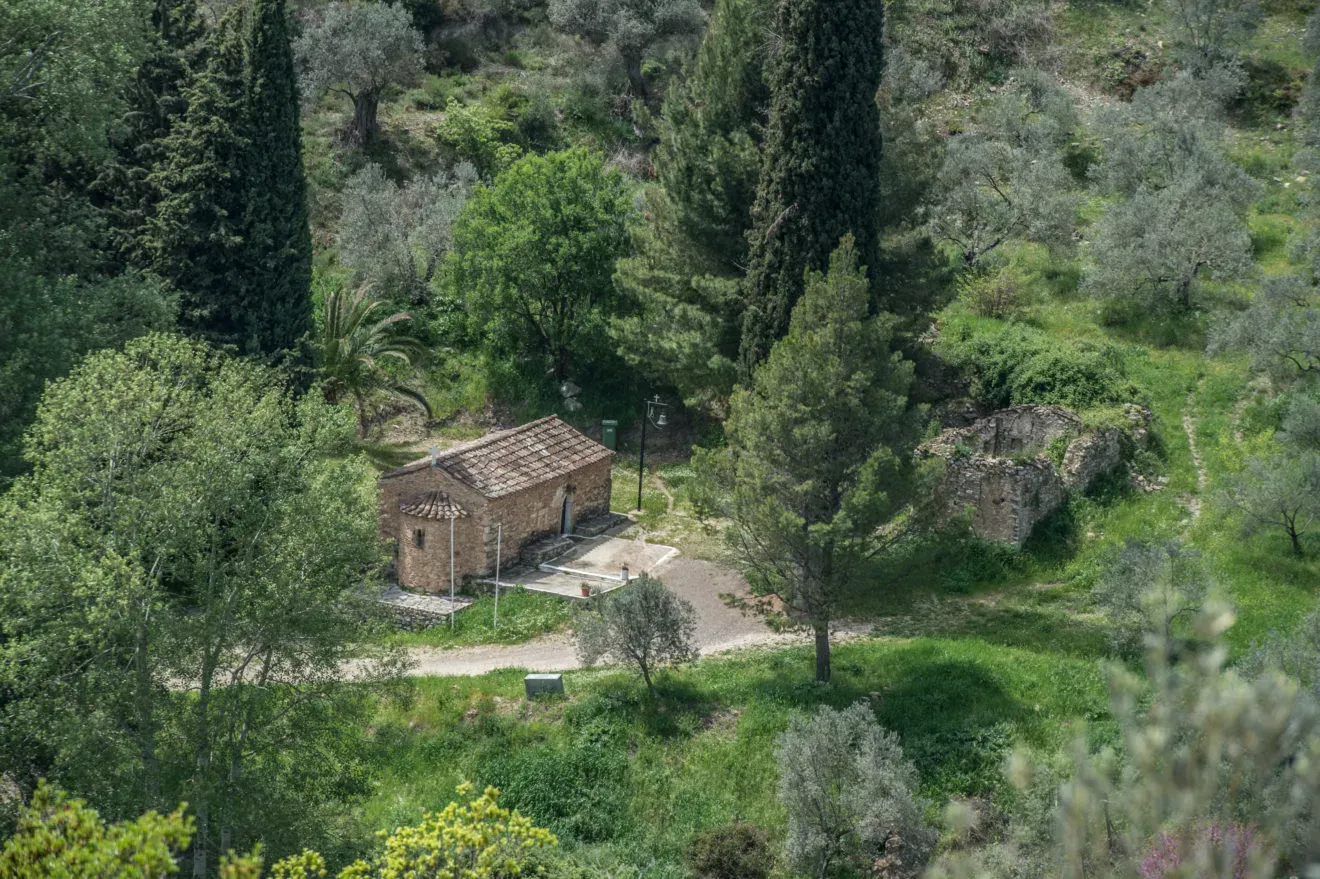
The Kalamio Monastery, set in a lush, tranquil landscape near Lygourio since the 17th century, houses important holy relics and is an ideal place to find serenity. It is also worth visiting theMonastery of Agnountos, known as Panagia tis Agnantas, dating to the 11th century and noted for its Byzantine architecture.

The Church of Saint Nicholas of Epidaurus is dedicated to the areas patron saint and is particularly interesting, as it is built on the ruins of an ancient temple of Hera, linking ancient with Christian tradition. Saint Marina of Epidaurus, dating to the 18th century, preserves significant frescoes with characteristically luminous faces and understated decoration.
The Church of Saint John the Theologian is a characteristic example of Byzantine architecture, with its current form shaped during Venetian rule. A significant monument of this period is also the Church of the Dormition of the Theotokos of Epidaurus, with a rich iconographic program and striking scenes.

Saint John the Merciful is among the oldest churches in the area (from the 11th century) and stands out for the use of ancient architectural members from the Asklepieion. The Church of Saint Athanasios of Epidaurus, from the 17th century, impresses with its fully preserved frescoes. At the Church of Saint Mercurius survive today ruined structures, a newer single-storey house and an old stone-built fountain with two water cisterns, known since the years of Venetian rule.
Picturesque villages
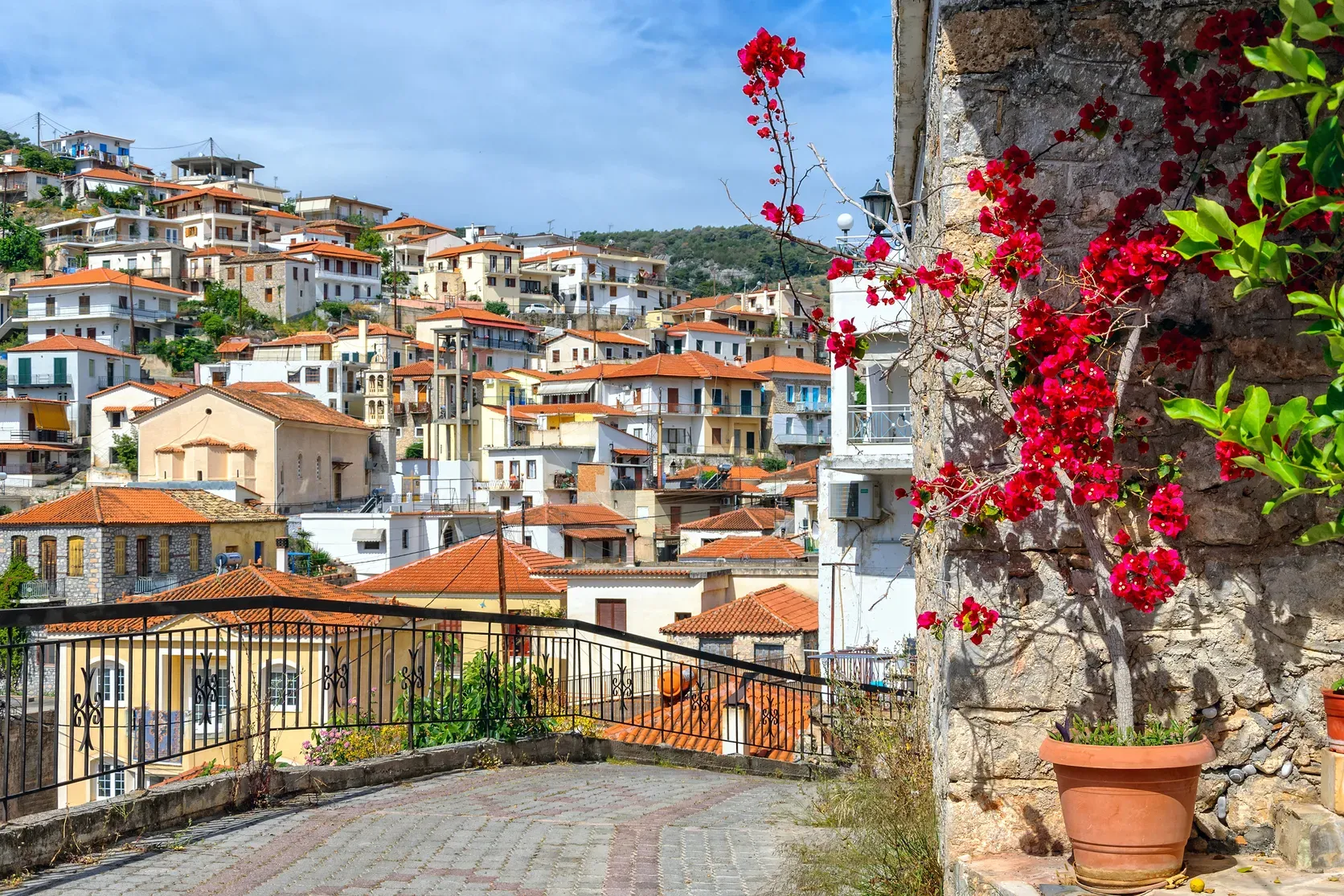
Every village of the Municipality of Epidaurus has its own character. Palaia and Nea Epidaurus are the liveliest spots. Palaia Epidaurus has a seaside vibe, while Nea is built into the interior of a steep rock, a short distance from the sea. Settlements such as Arkadiko, Dimaina and Adami retain their authentic character with stone-built houses and ancient sights nearby.
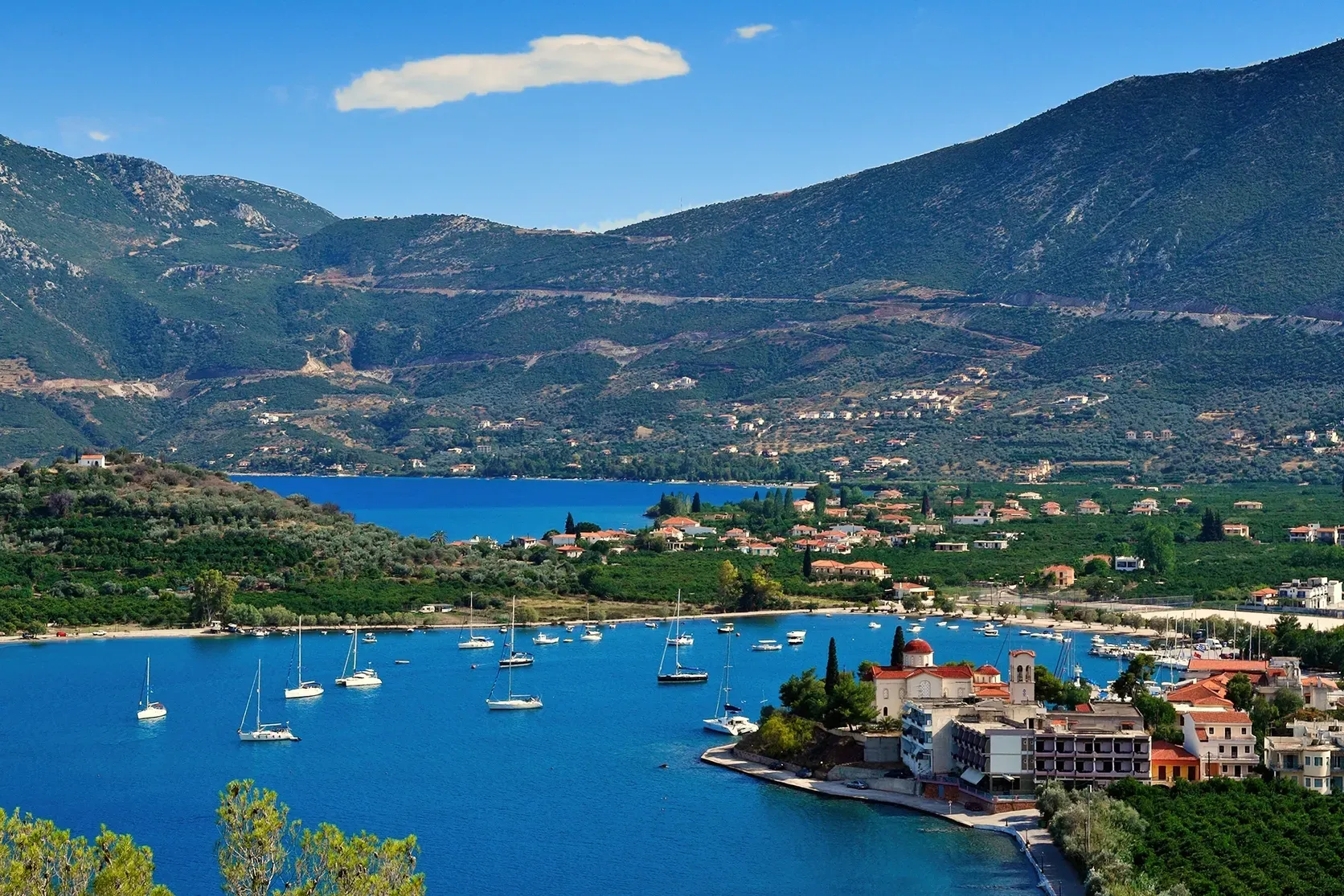
Lygourio, built near Lessa, an ancient city of the Epidaurians, is the nearest settlement to the Ancient Theatre of Epidaurus and the archaeological site of the Asklepieion of Epidaurus. In summer it draws many visitors who wish to attend the performances. Koliaki is a small picturesque village with wonderful views over the Epidaurus Bay and is famed for its local products. Here and in neighboring Tracheia the locals engage in olive cultivation, livestock farming, baking and cheesemaking.
Beaches for every taste
Epidaurus harmoniously combines mountain and sea and boasts impressive beaches for every taste. Its shores feature pristine waters and pine forests that reach all the way to the sea. In Nea Epidaurus, Aliotou beach is one of the most easily accessible spots for swimming. With deep, crystal-blue waters and pebbles, it is ideal both for relaxation and for activities. The small anchorage with sailboats lends a distinctly summery atmosphere, while the tavernas and cafés by the sea make it perfect for spending the whole day.

A little further south, Yalasi is among the areas most popular beaches. It combines sand and fine pebbles, has shallow and clean waters and attracts mainly young people as well as families. Here youll find organized facilities, beach bars and water sports, while the easy access makes it one of the best choices for families.
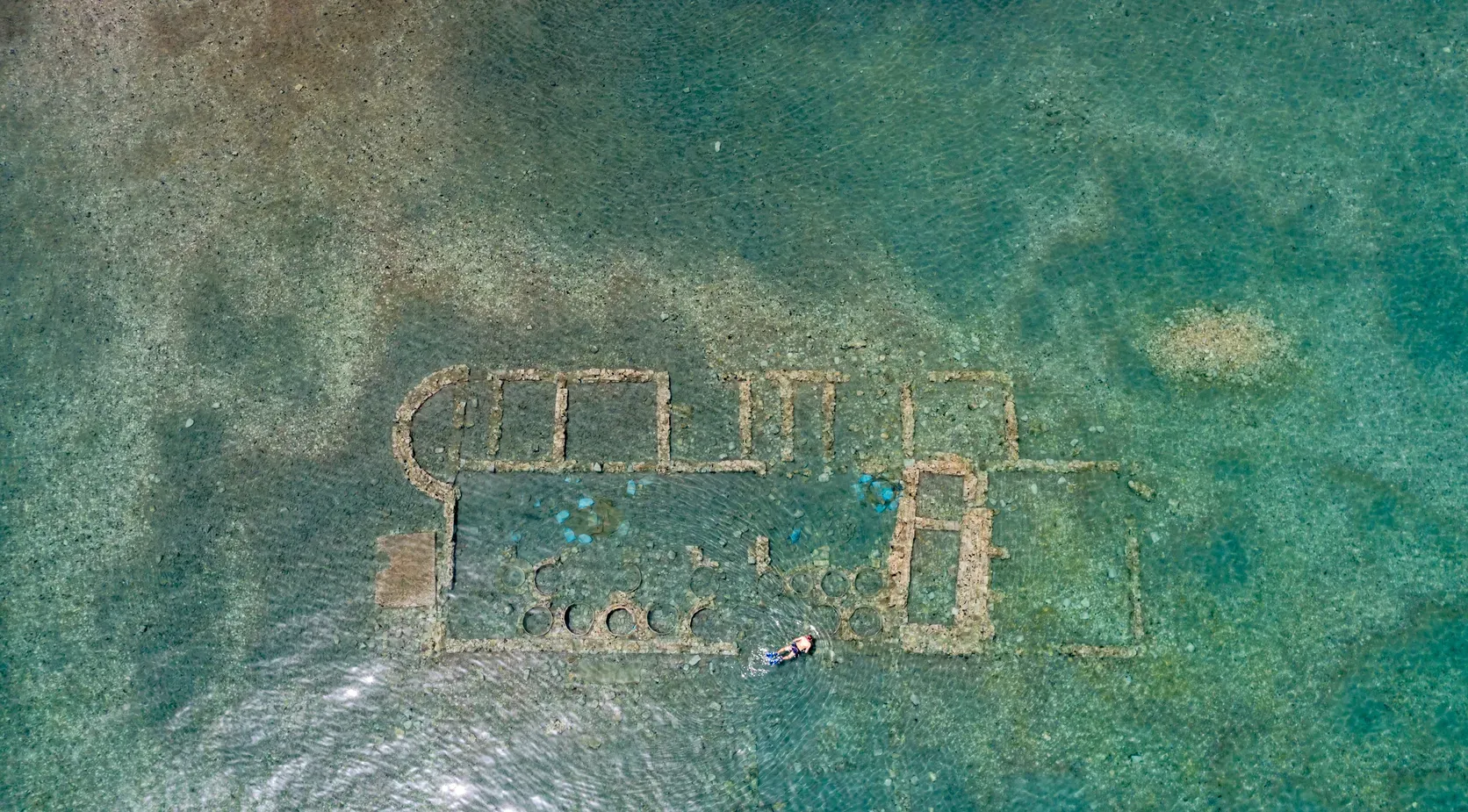
For those seeking something quieter, Polemarcha is hidden within a pine forest, with two beautiful coves of crystal-blue water. If you want absolute tranquility, Kalamaki in the ancient bay of Epidaurus is the ideal hideaway. With access via a footpath from Vagionia, it is a small, secluded beach with pristine waters. Vagionia beach in Nea Epidaurus is organized yet peaceful. A stones throw from Ancient Epidaurus, at Kalymnios or Gkliati beach, youll encounter a submerged ancient city just a few meters from the shore and at a depth of only two meters.
Outdoor activities
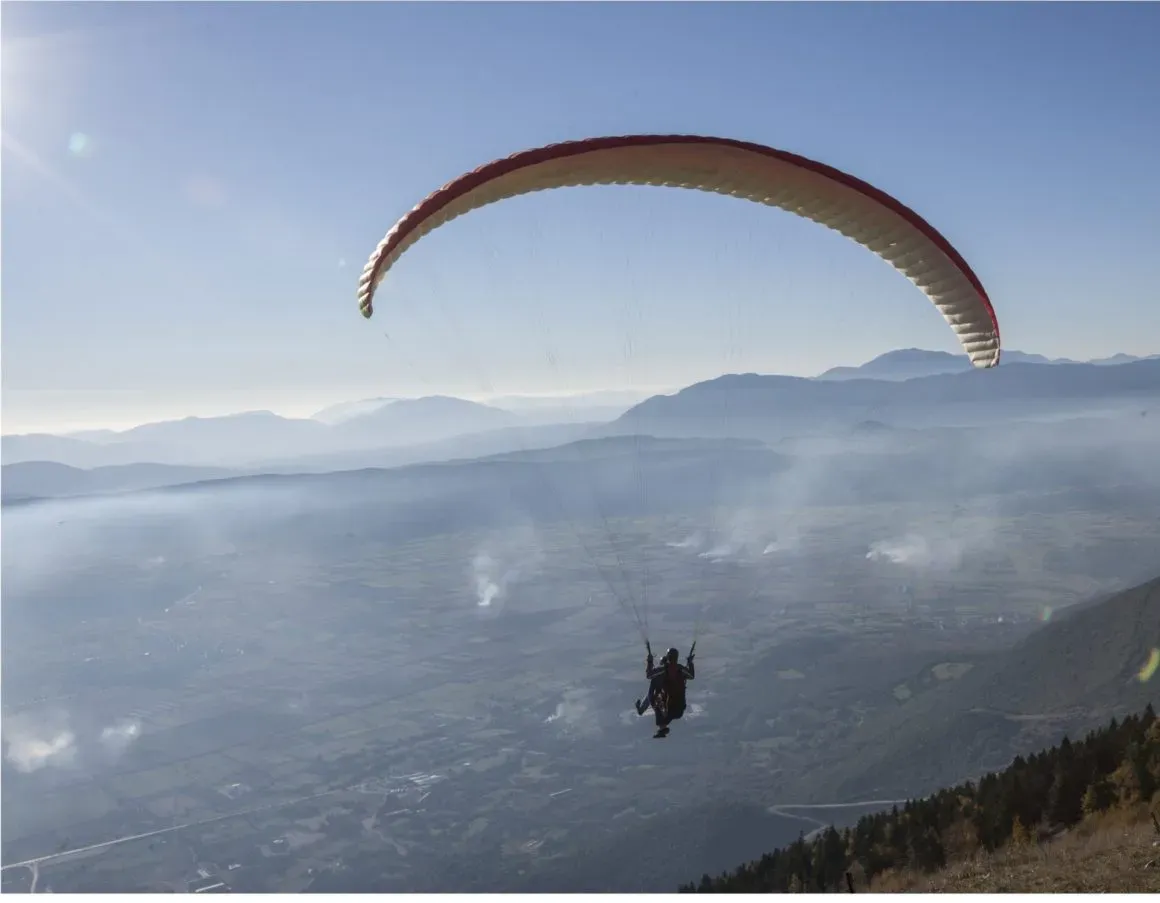
Epidaurus is not only a historic destination, but also an ideal place to enjoy experiences in nature and at sea. You can choose hiking along trails through pine forests and mountains or Paragliding on the areas slopes and savor unique vistas. The roads of the area are suitable for cycling, both for leisurely rides and for demanding routes. In addition, the clear waters of the Municipality of Epidaurus are perfect for water sports, canoeing, kayaking and diving.
Summer festivals
In summer the area comes even more alive with the Athens Epidaurus Festival, the countrys largest cultural organization and one of the oldest festivals in Europe. It hosts outstanding theatre and music performances by leading Greek and international artists, attracting audiences from all over the world. Performances take place every summer at the Ancient Theatre of Epidaurus and at the Little Theatre of Ancient Epidaurus.

Another important institution is the Epidaurus Lyceum, an international summer school for the applied study of ancient drama, which operates each year during the Athens Epidaurus Festival in the area of Ancient Epidaurus, attracting students from all over the world.