





At a distance of 25 km. west of the city of Karditsa, you will behold a small wonder of nature and humankind. The stunningLakePlastirais a unique destination for those seeking adventure as well as relaxation in nature.
Autumn suits lakesand Lake Plastiras is one of the best choices for a getaway that combines adventure and relaxation in nature. After about four hours from Athens or two hours from Thessaloniki, you will reach the beautiful artificial lake located 25 km. west of the city of Karditsa. Framed by the fir-clad peaks of the Agrafa, Lake Plastiras is the jewel of Thessaly. Its image is enchanting in every season, as the lake meets centuries-old firs that adorn its shores.
The circuit around Lake Plastiras (about 60 km.) is an experience worth having. In this corner of Greece, often called «Little Switzerland», you will discover dozens of traditional and welcoming villages, taste authentic local flavors and enjoy alsoa wealth of activities.
The history of the lake
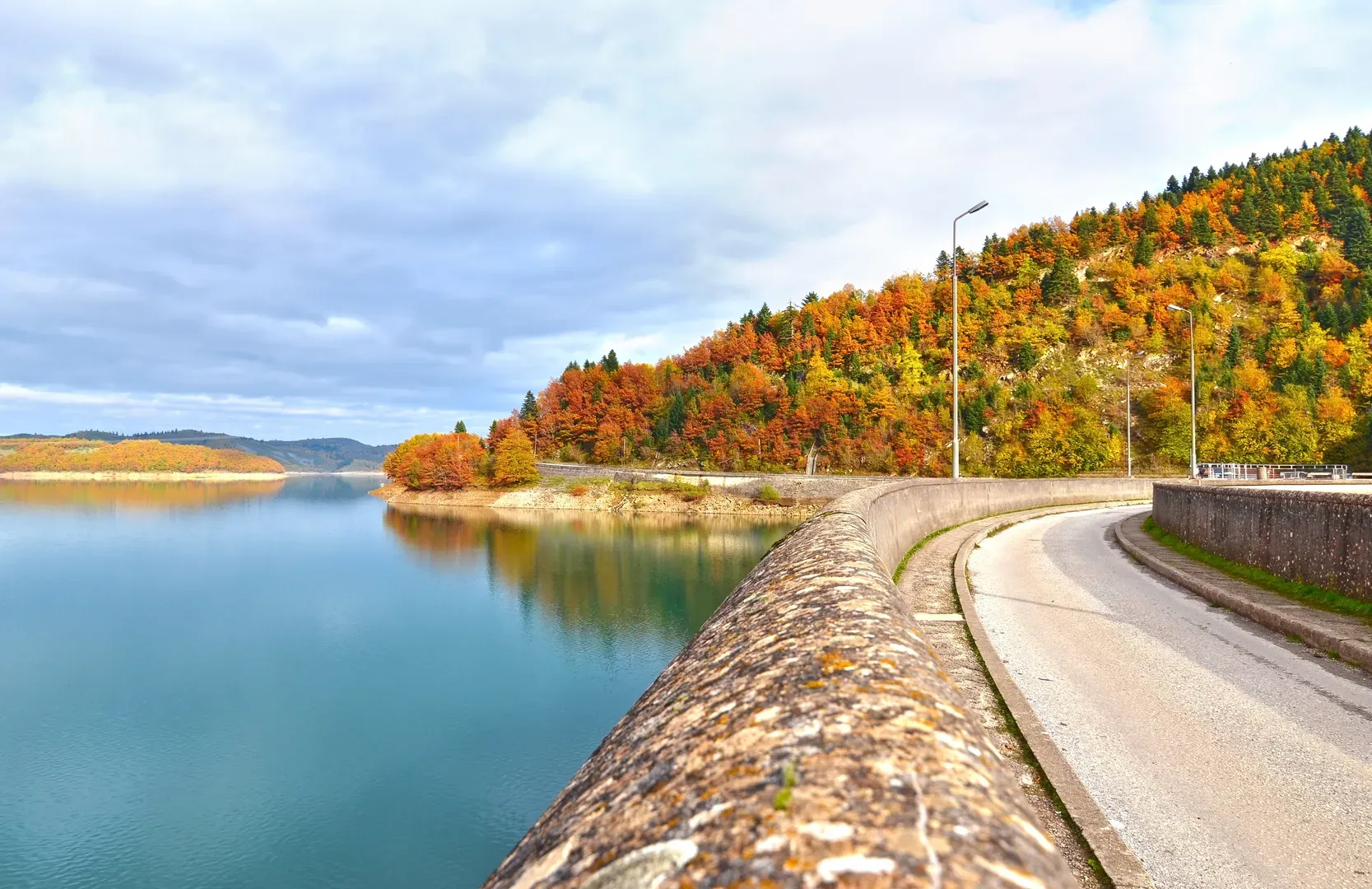
Lake Plastiras is the most successful example of human intervention in nature. Its visionary was General Nikolaos Plastiras, who conceived the idea of building a dam on the Tavropos River, with the aim of solving the long-standing irrigation problem of the Thessalian plain. Although the project had been in the works since 1925, it was finally completed in 1959. The 220 m. long dam held back the waters of the Tavropos, which covered the Nevropolis plateau and created a beautiful setting that people gradually began to discover and since then the entire area has been benefiting from the lake. Today, Lake Plastiras is one of the most beautiful destinations in mountainous Greece, an idyllic destination for every nature lover.
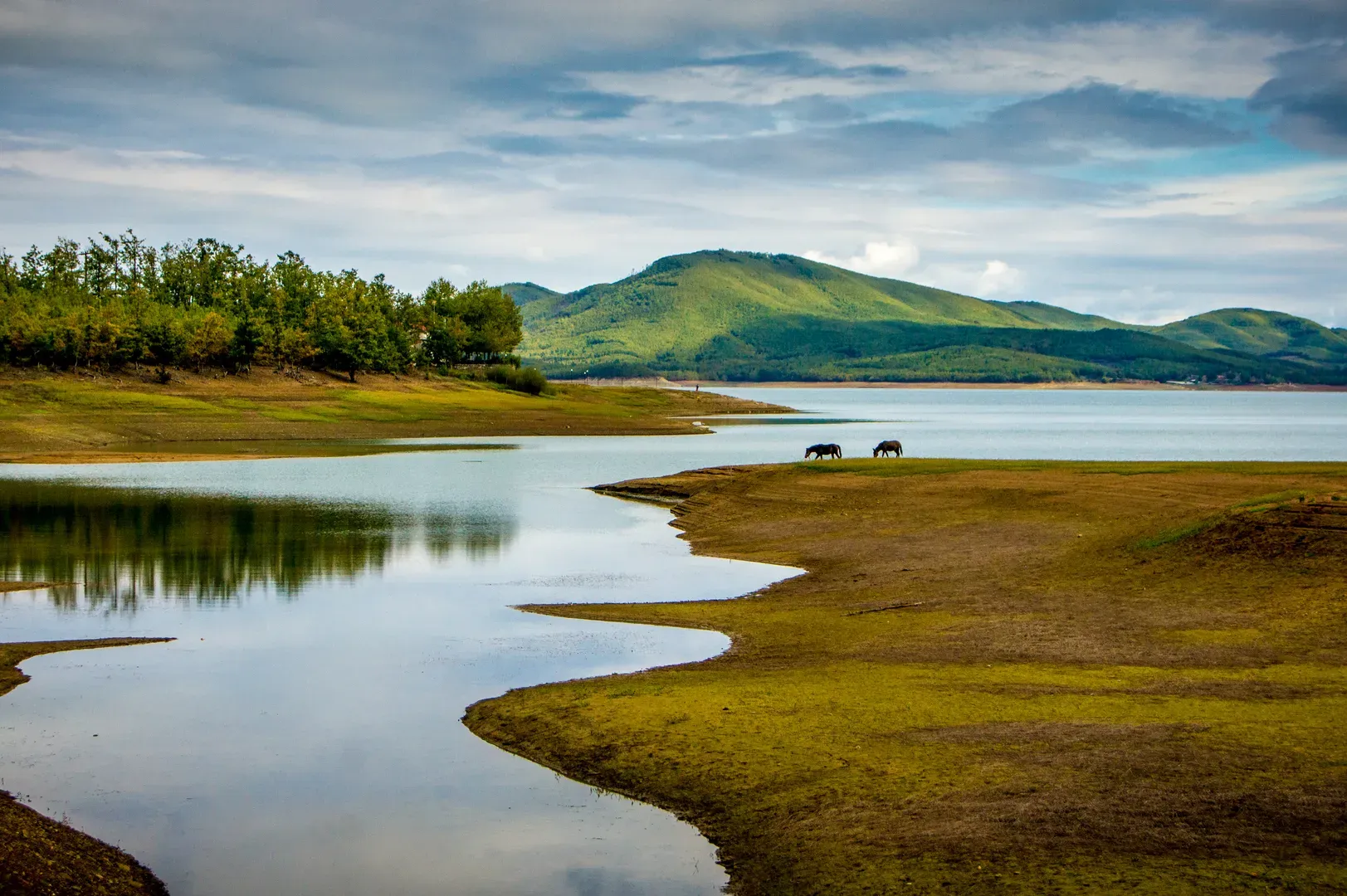
Tavropos Lake, which is the official name of Lake Plastiras, lies at an elevation of 750 m. occupying an area of about 25,000 stremmas, with a length of 12 km., a width of 4 km. and a depth of about 60 m. The waters of the lake feed the PPC hydroelectric station, irrigate the Thessalian plain and supply water to the city along with 38 towns and villages of the wider region.
The villages
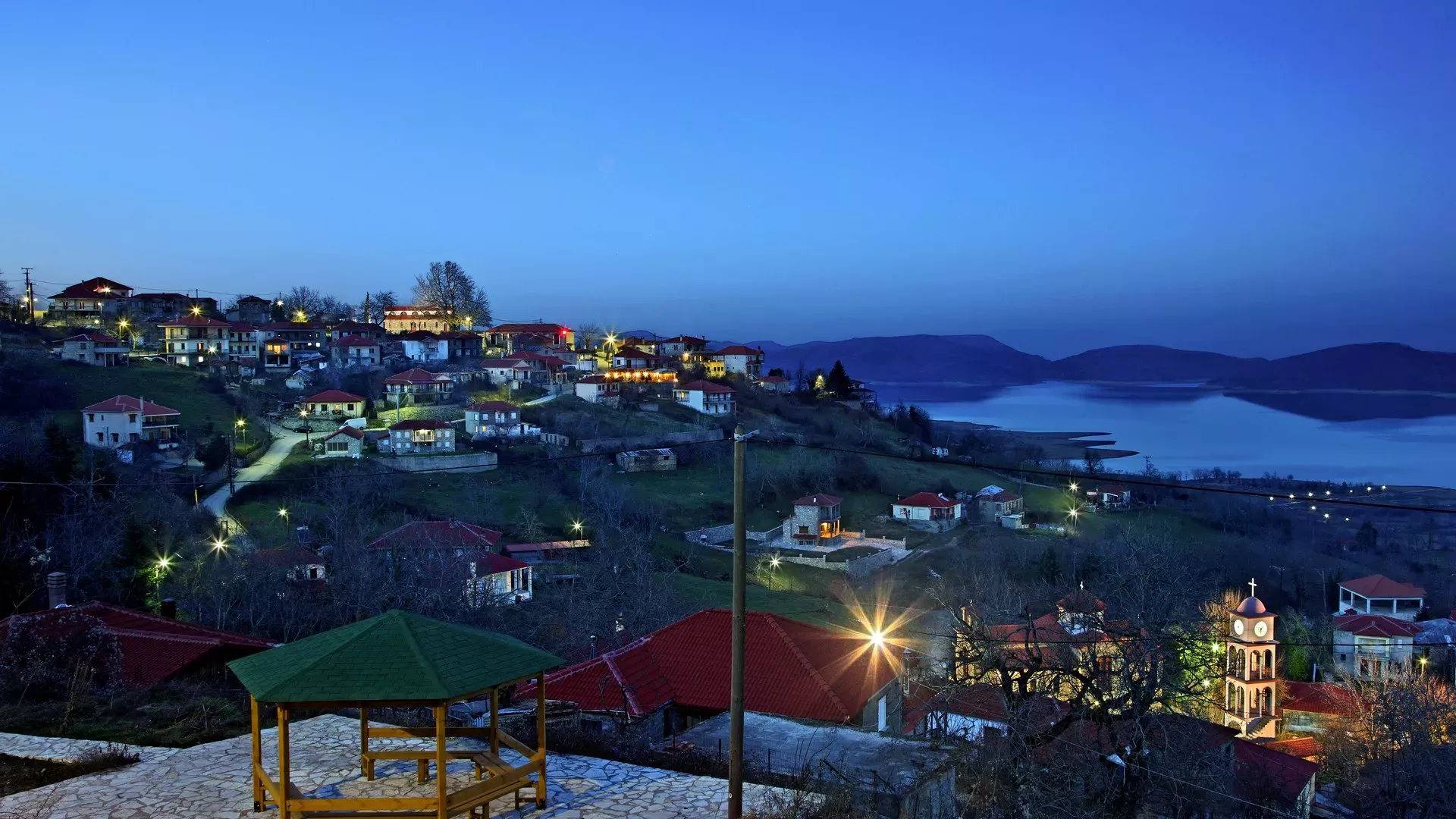
The many villages that fringe the lake make ideal bases for excursions and discoveries. All are beautiful and each one is uniquely its own. Stop by Messenikolas, which is known for its famous wine. There are also wineries open to visitors. Dont miss Morfovouni, the homeland of the Black Rider, Nikolaos Plastiras. In the lakeside Kalyvia,at the lakes beach you canenjoy your coffee or meal while gazing at the reflection of the landscape on the waters surface, and also do various sports (canoe/kayak etc.). The same on the opposite, eastern side where there is the corresponding beach of Lampero.
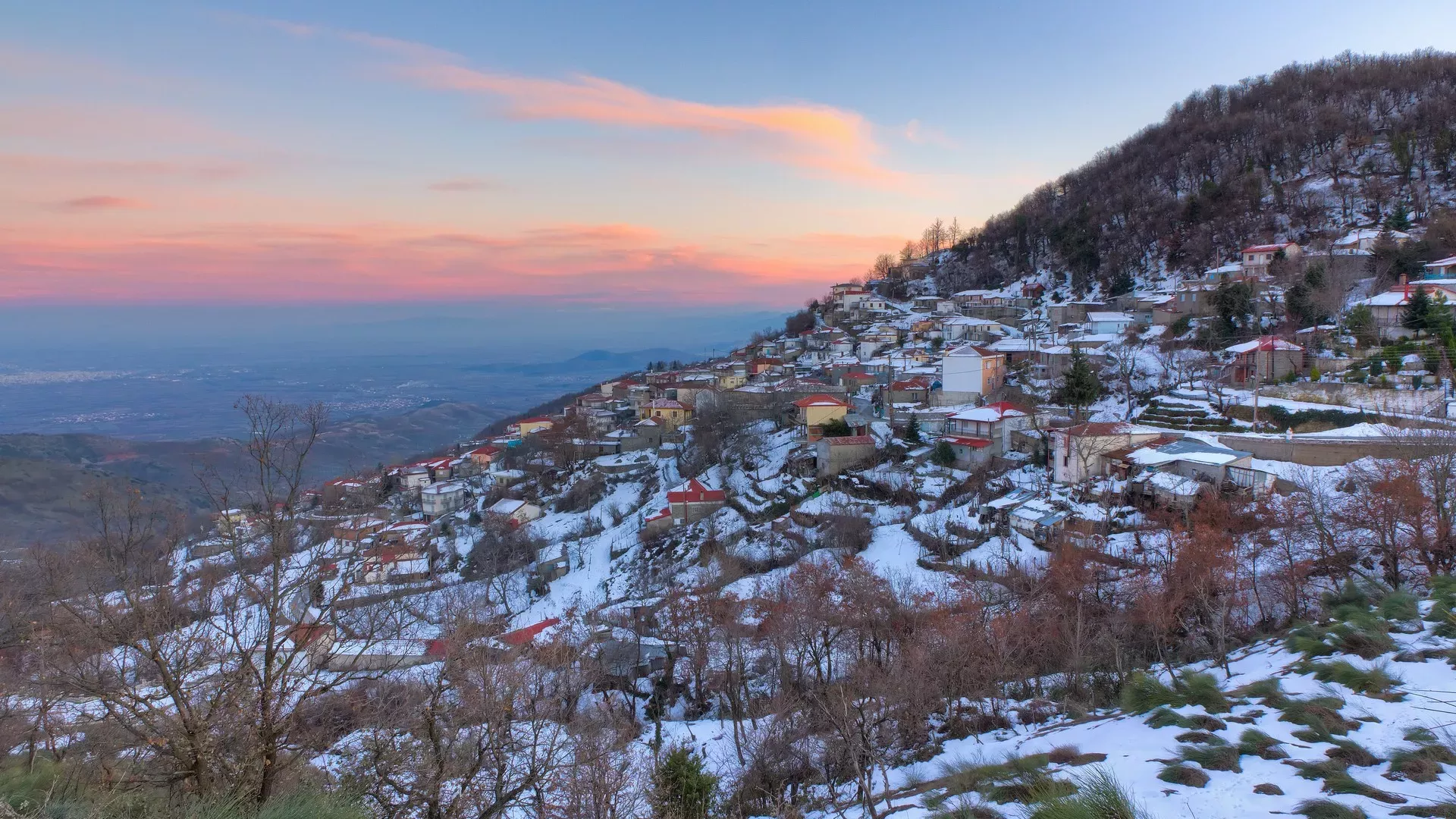
The village of Neraida,amid the firs, is worth a stop, mainly for its impressive view. TheNeochori- the most developed for tourism compared to the other villages - spreads along the slope and offers panoramic views of the lake. Other beautiful villages are the amphitheatrically built Belokomitis and thepicturesque Kerasia, a village ideal for walks in nature. We also suggest you visit Kanalia, just 20 minutes from Lake Plastiras. Built amphitheatrically on the northwestern foothills of the Agrafa, this beautiful village has the entire Thessalian plain spread out in front of it.
Attractions
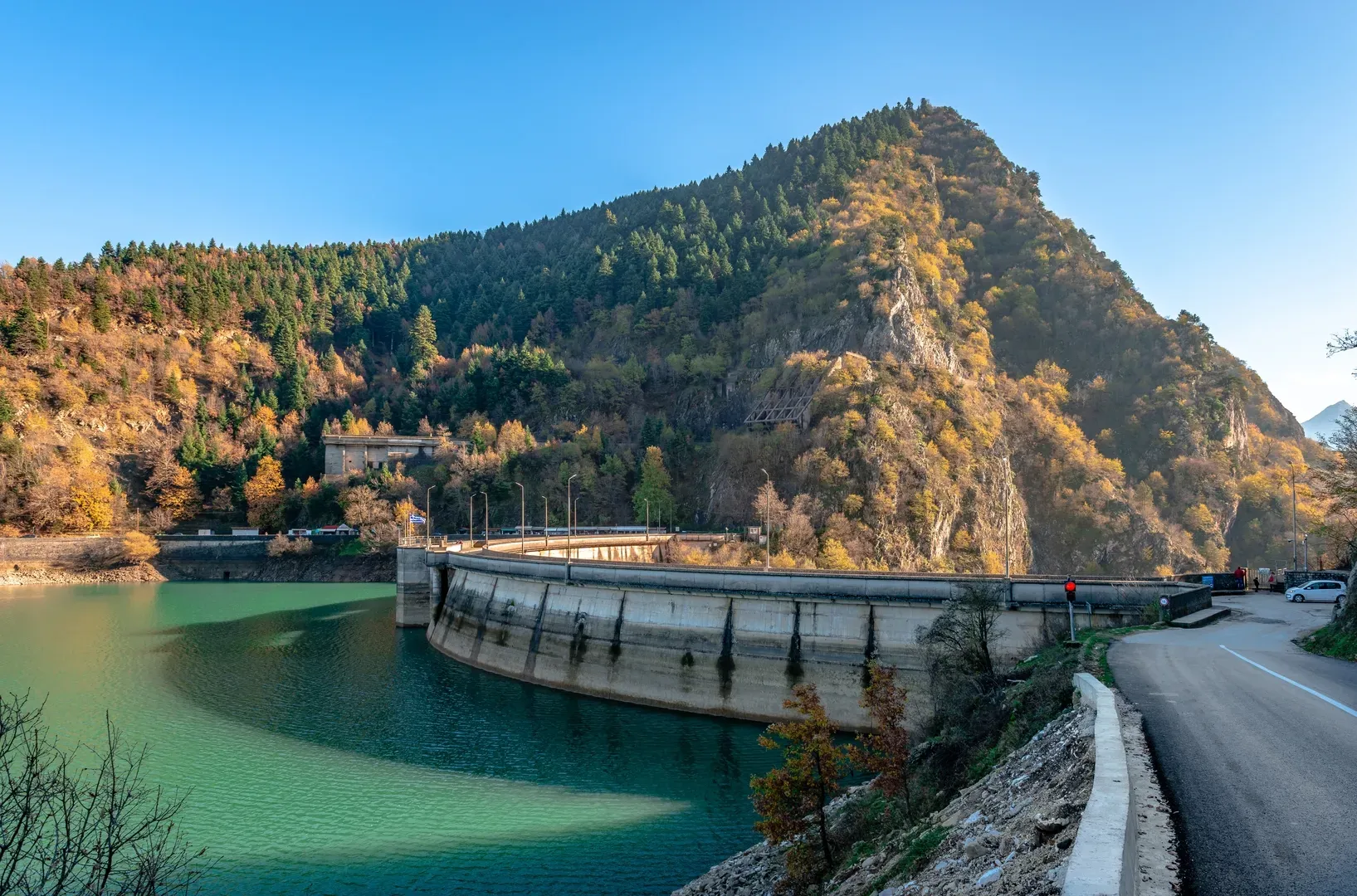
The Damof the lake is 220 m. long and 83 m. high. An impressive concrete structure, a sleek arch that seems to embrace the enormous mass of the lakes water, the dam is a lovely spot to gaze at the lake, as well as the backside of the dam which plunges to a depth of 83 m., sheer between the rocks. Also from the location Moucha, one can admire the lakes fjords and the islet Niagka.
If you want to see the lakes most charming image, drive to the Observatory. Arriving there, your gaze willdrift across the lakes watery surface, while on the other side, the forested slopes and, in the distance, the imposing peaks of the Agrafa complete the magical landscape.
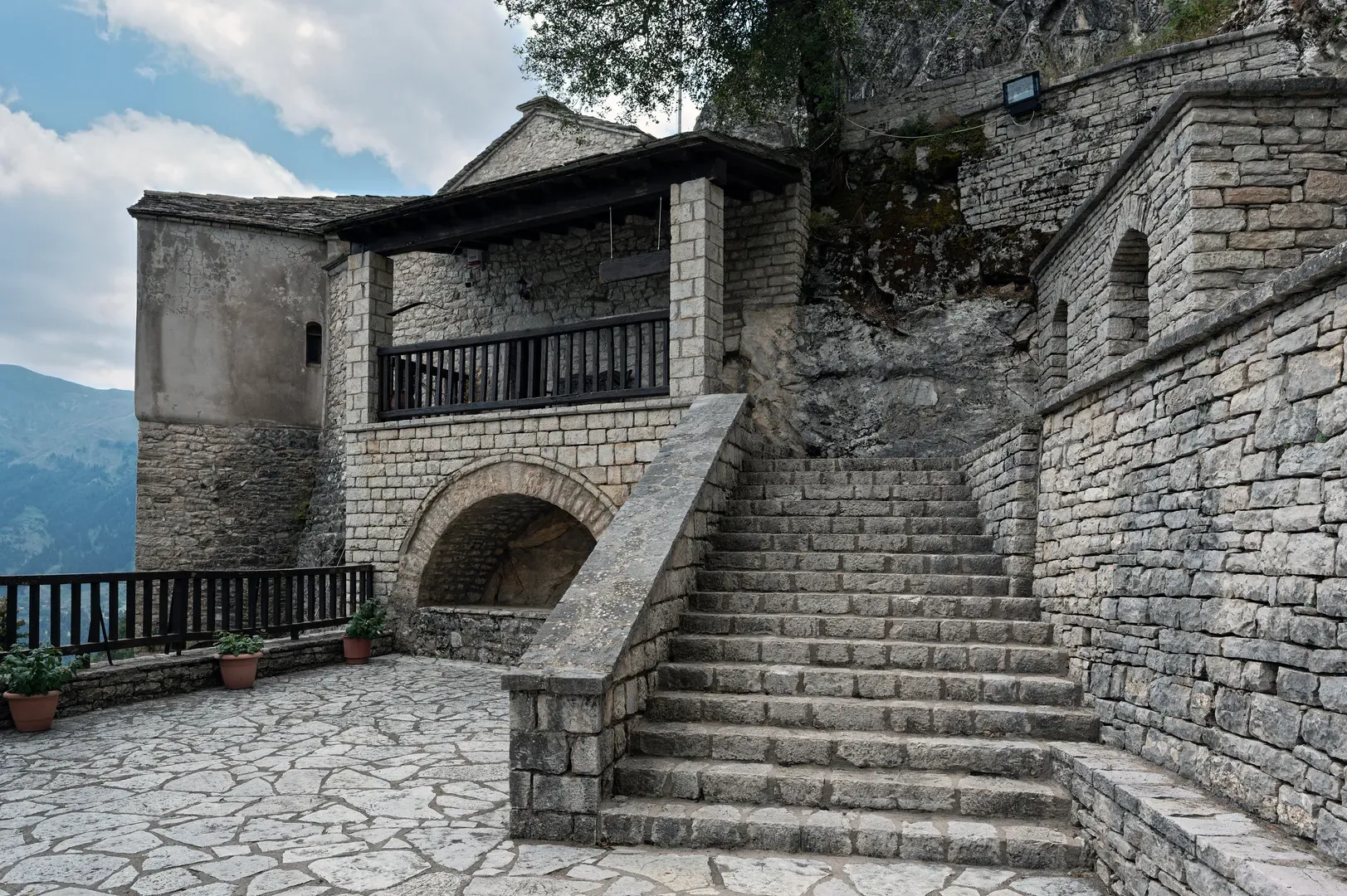
Visit the Monastery of Panagia Pelekitis, which is built atop a steep rock, near the village of Karitsa, and looks out over the lake from above. Founded in the late 15th century, the monastery consists of two churches and many other buildings and resembles a fortress.