





A city that looks like a living postcard, Rome has boundless energy and a charm that remains unforgettable for every visitor.
Iconic monuments, picturesque neighborhoods, grand squares, markets, and hidden cafés make Rome feel like a film set. The city that resembles a living museum deserves a spot on your travel list, even if you have only three days to explore it.
In reality, Italy's capital is one of those cities that's hard to get to know on a short trip. Still, even a few days are enough to get a taste of its unique energy and see the most important sights at your own pace. Just organize your itinerary by area so you can see everything you want and do most of your exploring mainly on foot. After all, a stop for coffee or pizza to go is a must.
Top sights
Rome is packed with sights that have been preserved through the centuries. Depending on the time you have, it's worth visiting as many as you can.
Colosseum and Roman Forum
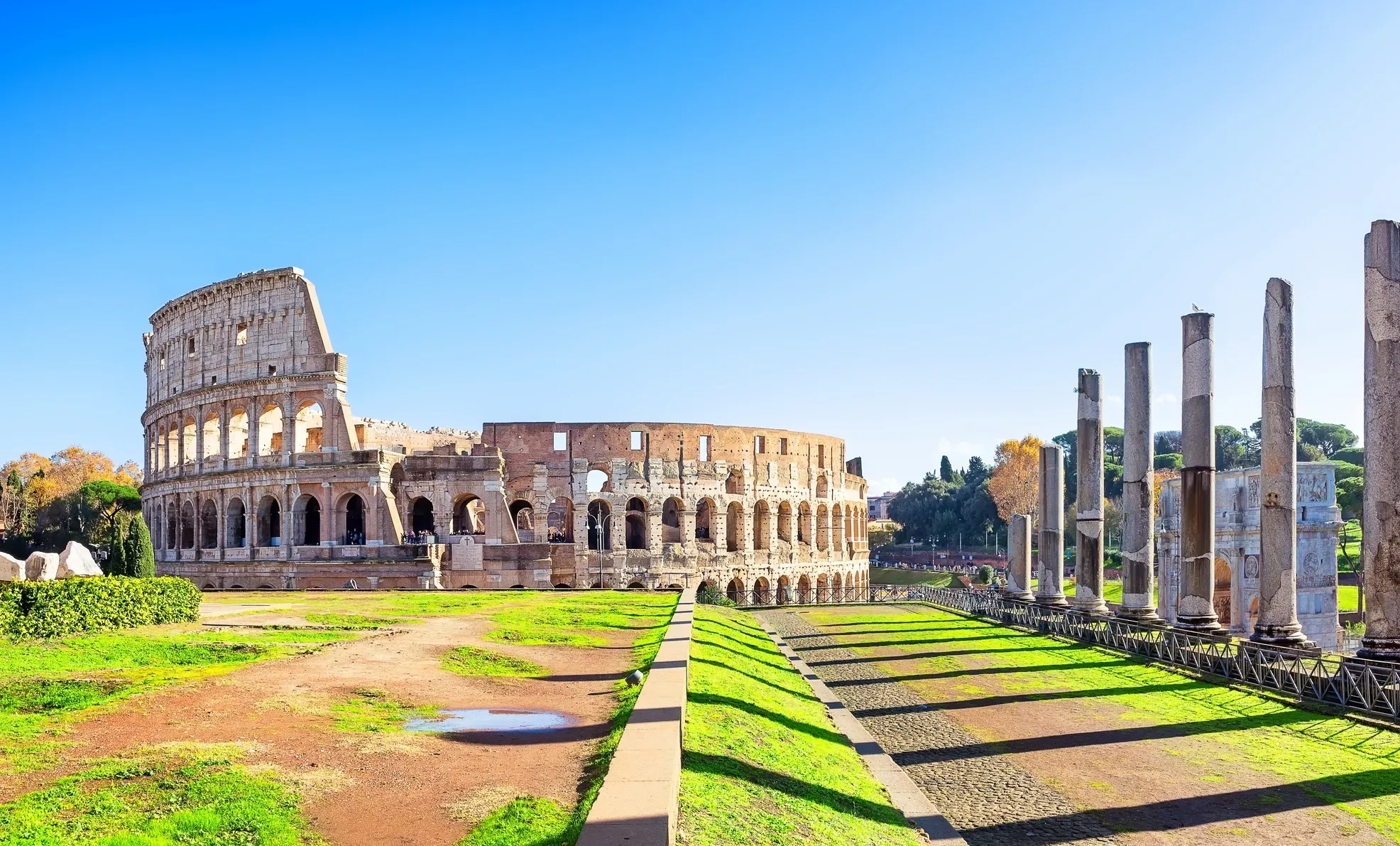
The Colosseum is the ultimate symbol of Rome. This striking amphitheater is one of Italy's most important monuments and forms part of the Colosseum Archaeological Park together with the Roman Forum and Palatine Hill. Walk through the Roman Forum, once the heart of the ancient city, and climb Palatine Hill to look down on the archaeological remains. Plan to spend a few hours exploring it all.
Circo Massimo and Bocca della Verità
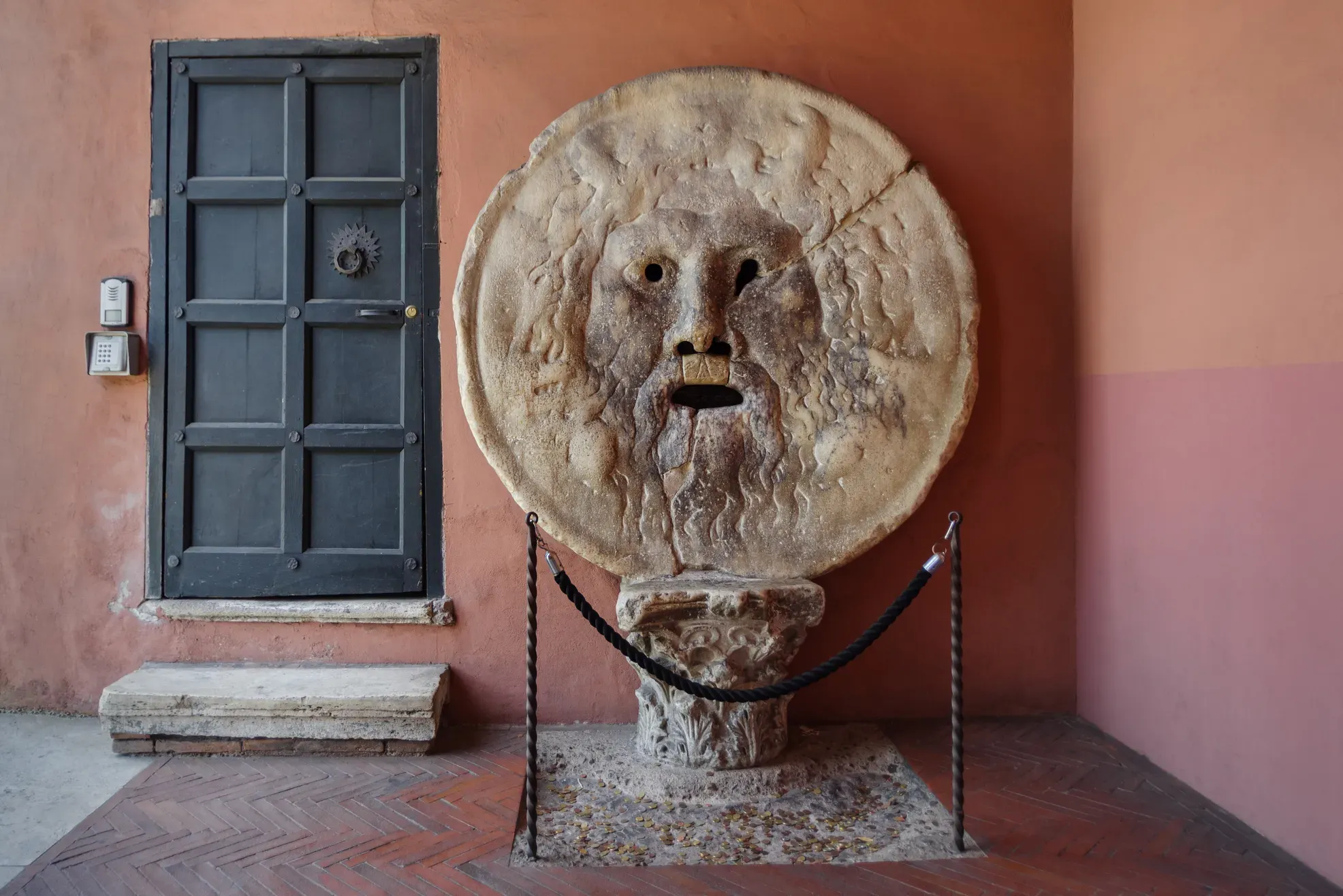
Very close to the Colosseum lies the Great Hippodrome (Circo Massimo), where you'll find stone and marble remains of the arena that could hold 250,000 Romans for chariot races. A few steps further, you'll see the Mouth of Truth (Bocca della Verità), where there's a daily queue of people waiting to put their hand in the marble statue's mouth, which, according to legend, would close when someone lied.
Fontana di Trevi
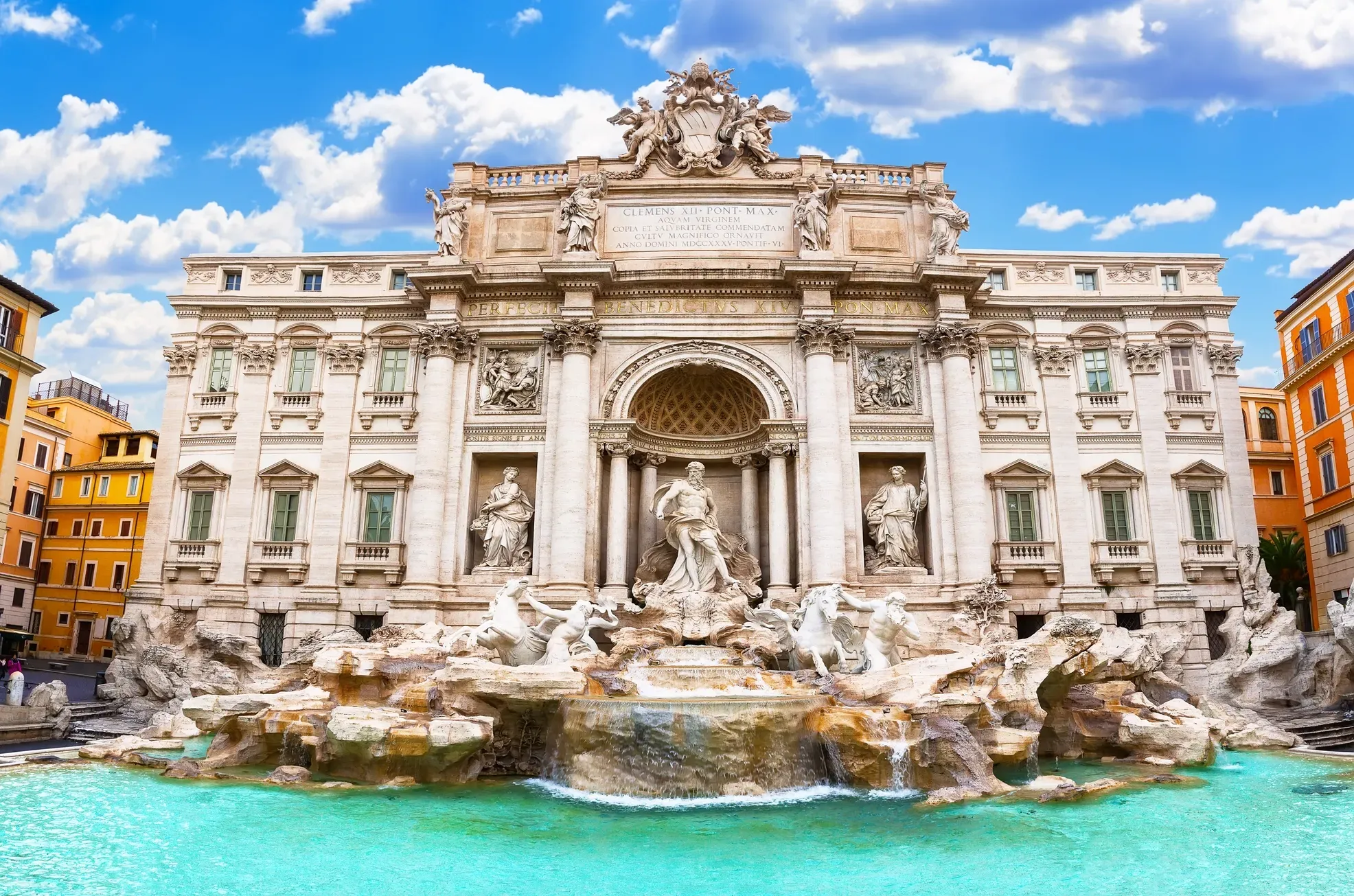
One of Rome's most famous sights, the Fontana di Trevi, draws crowds throughout the day. It's the largest fountain in Rome and one of the largest and most famous in the world. From February 2026, access to the inner area right in front of the fountain costs €2 for tourists and non-residents, from 09:00 to 22:00. Amid the crowd, you'll find a little space to toss your coin and make a wish. If you want to see it from afar, access is free. Very early in the morning, or late at night, you'll avoid the long lines.
Pantheon
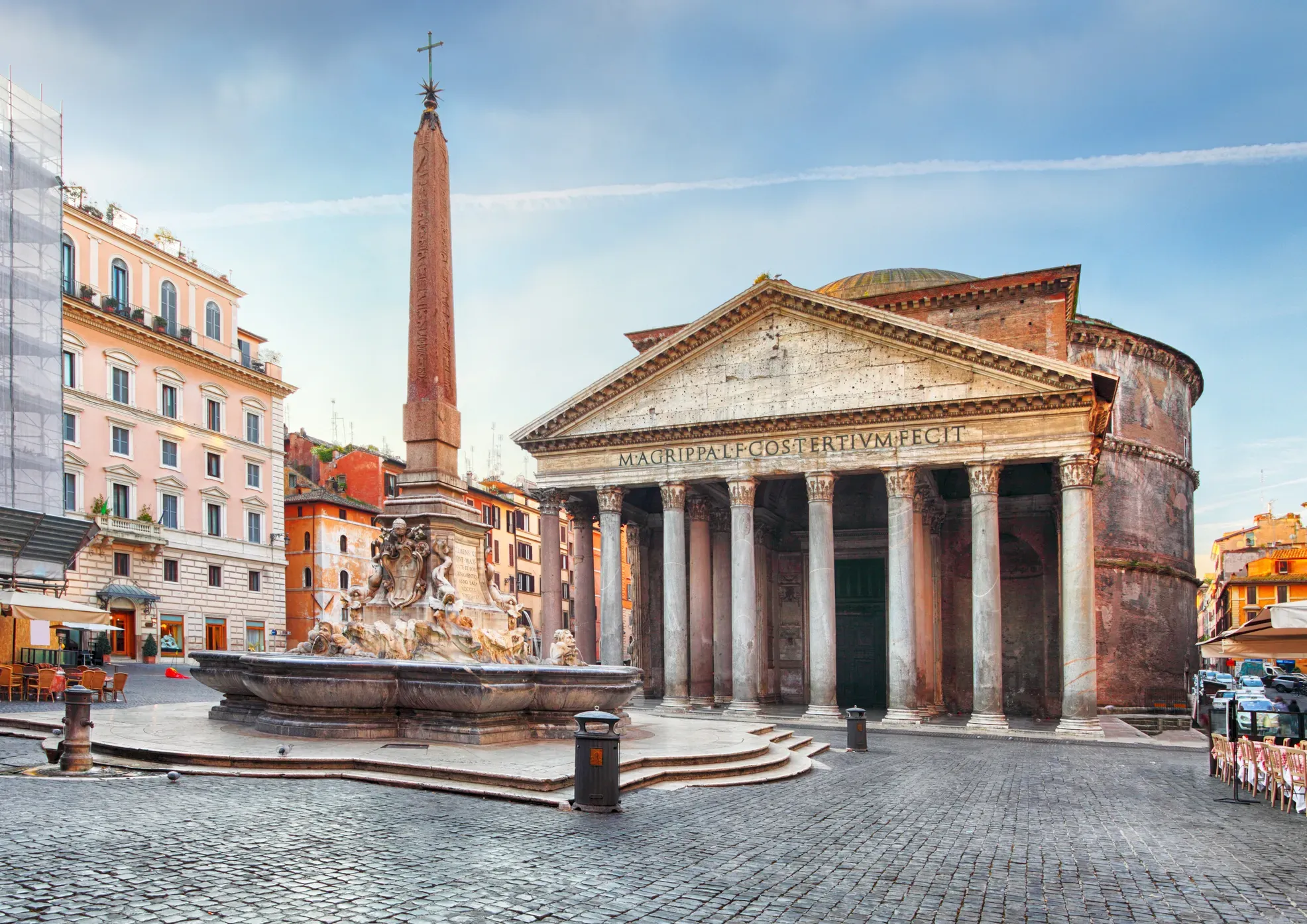
The Pantheon is less than a ten-minute walk from the Fontana di Trevi. Reaching Piazza della Rotonda, you'll behold the impressive building, one of the most significant achievements of ancient Roman architecture. The temple was dedicated to all the gods of Ancient Rome—as its name suggests—and was later converted into a Christian church in the 7th century AD. It's one of the best-preserved buildings of the Roman Empire. Sunlight pierces its striking dome, creating a play of light and shadow. Legend says it's the point from which Romulus, one of the city's twin founders, ascended to heaven.
Altare della Patria
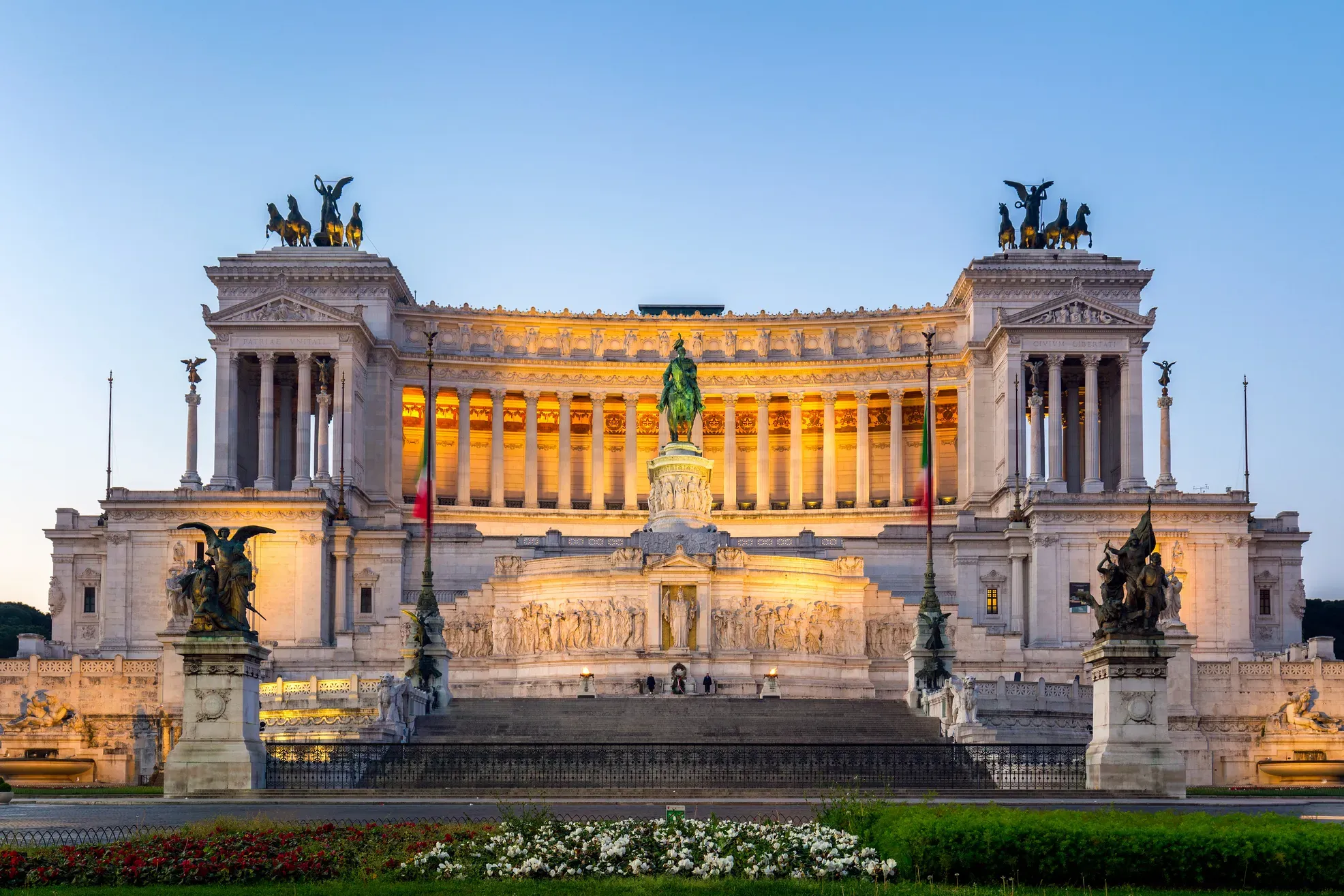
Walk toward Piazza Venezia, where you'll be impressed by the National Monument to Victor Emmanuel II (Altare della Patria). It was built in honor of the first king of unified Italy and bears his name. It was designed in 1885 and completed in 1925, made of white marble from Botticino in Brescia. The monument contains the Tomb of the Unknown Soldier with an eternal flame, built beneath the statue of Italy after World War I.
Vatican
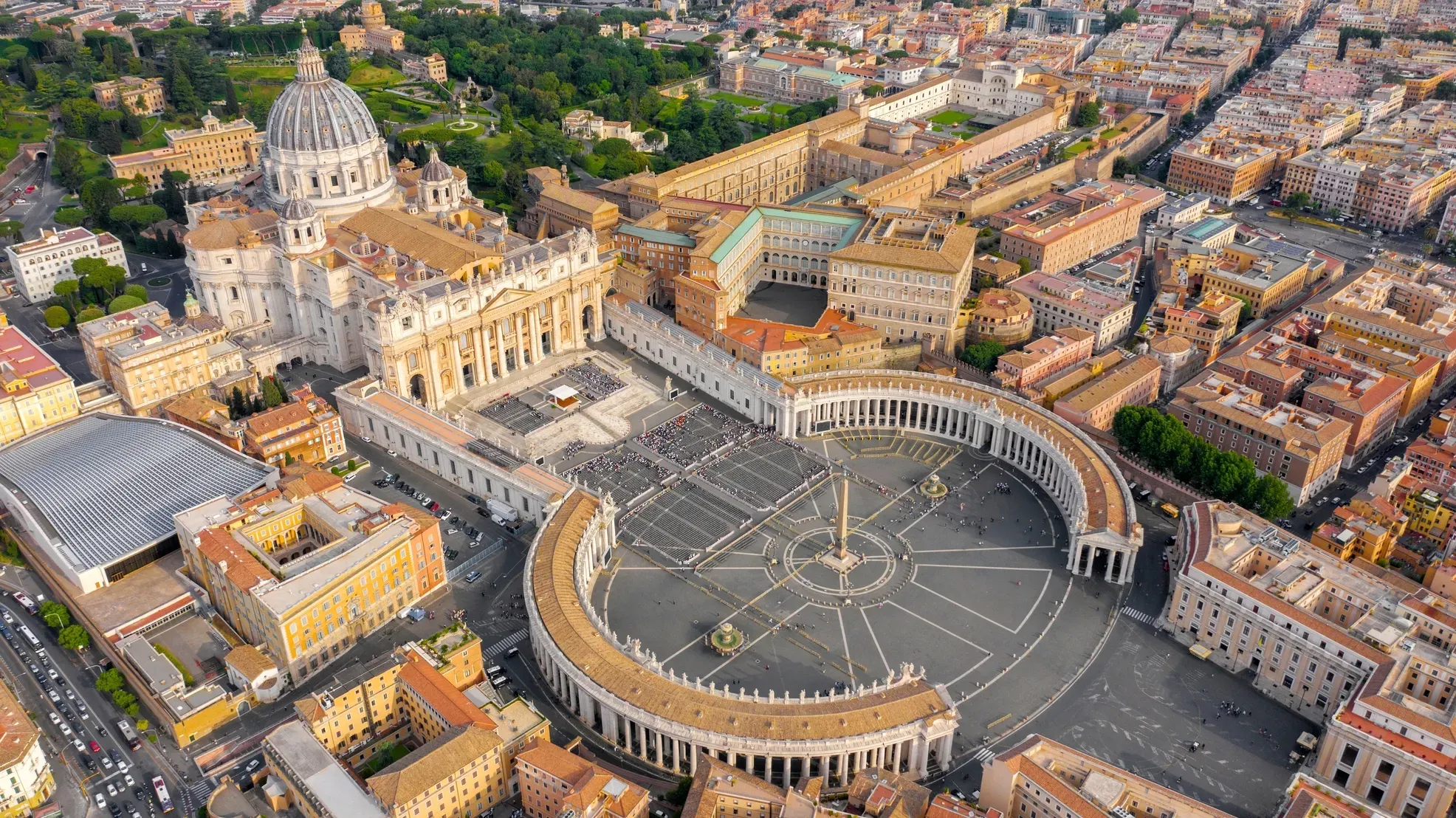
No tour of Rome would be complete without the Vatican, the independent state within it. Arriving at St. Peter's Square, you'll see the imposing St. Peter's Basilica, framed by elliptical colonnades of 284 Doric columns by the Italian architect and sculptor Gian Lorenzo Bernini. There you'll have the chance to admire Michelangelo's famous Pietà.
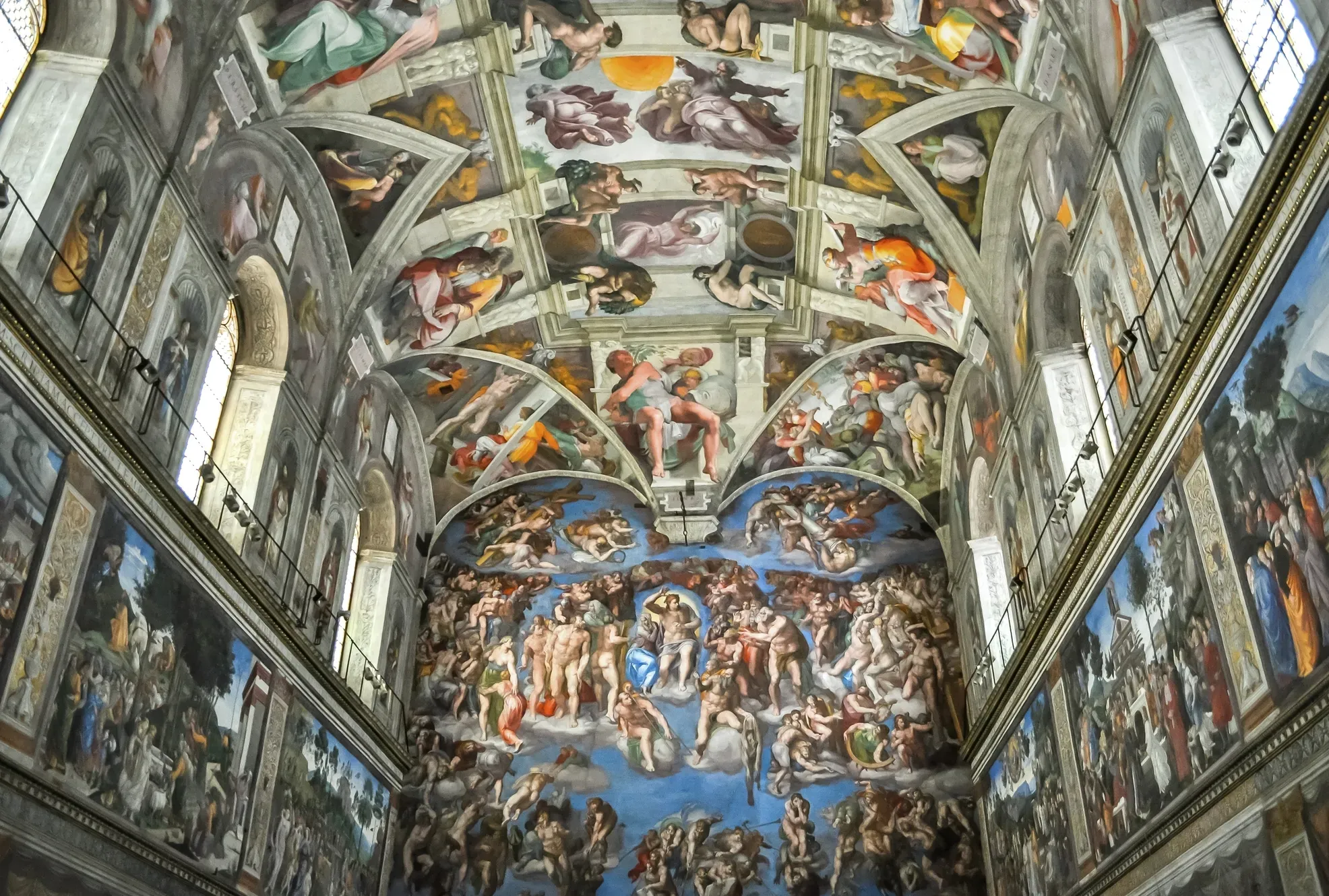
If you have time, it's worth visiting the Vatican Museums, which house masterpieces of the Renaissance. The most distinctive is the Sistine Chapel, with the ceiling painted by Michelangelo in the 16th century. It's important to book your ticket online in advance to avoid the huge lines.
Piazza di Spagna and Piazza del Popolo
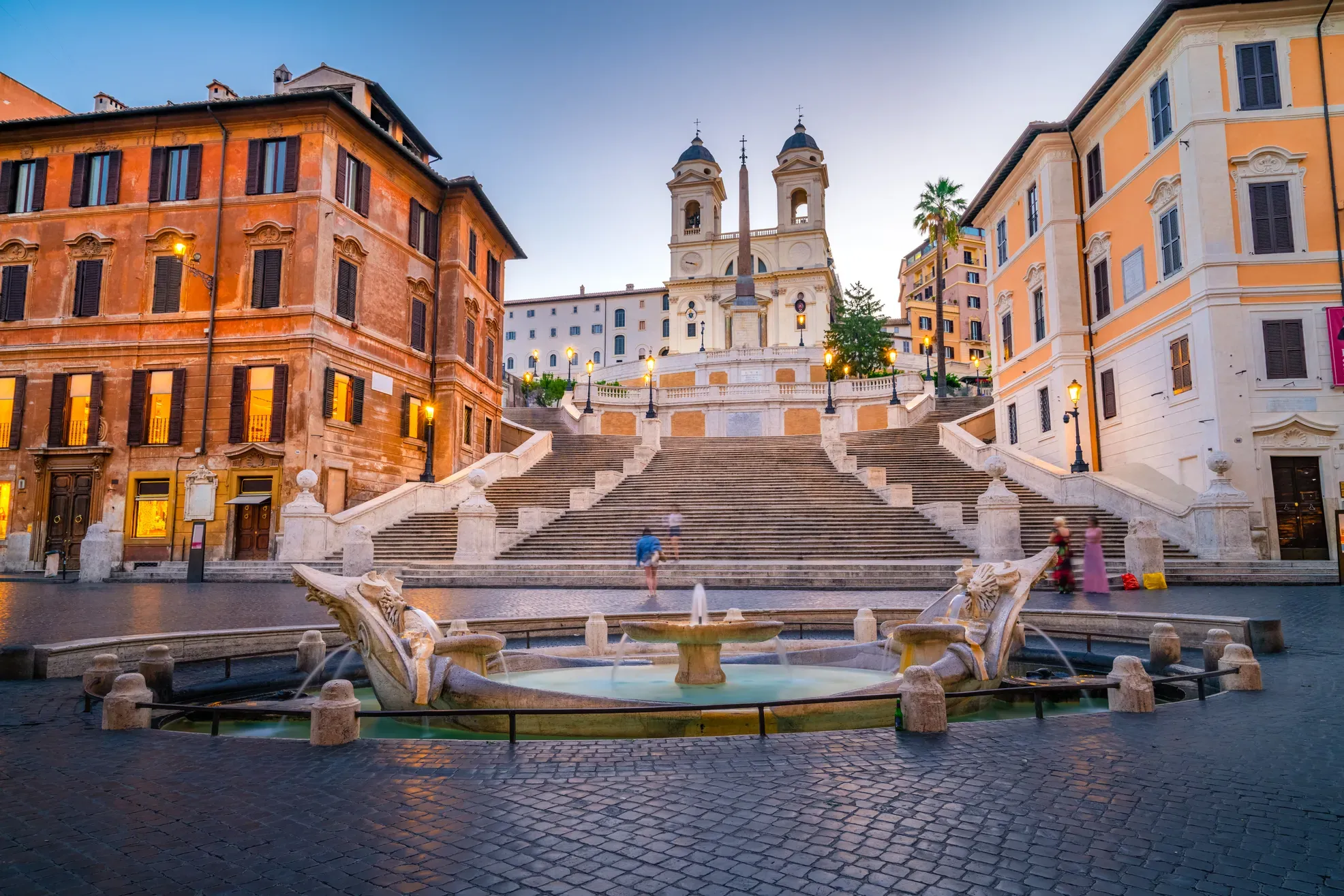
One of the city's most famous spots is Piazza di Spagna and the renowned Spanish Steps. The area is ideal for a morning stroll and photos, especially before it fills with visitors. From here you can walk along Via dei Condotti, Via del Corso, and the surrounding streets, where the heart of Rome's shopping district beats.
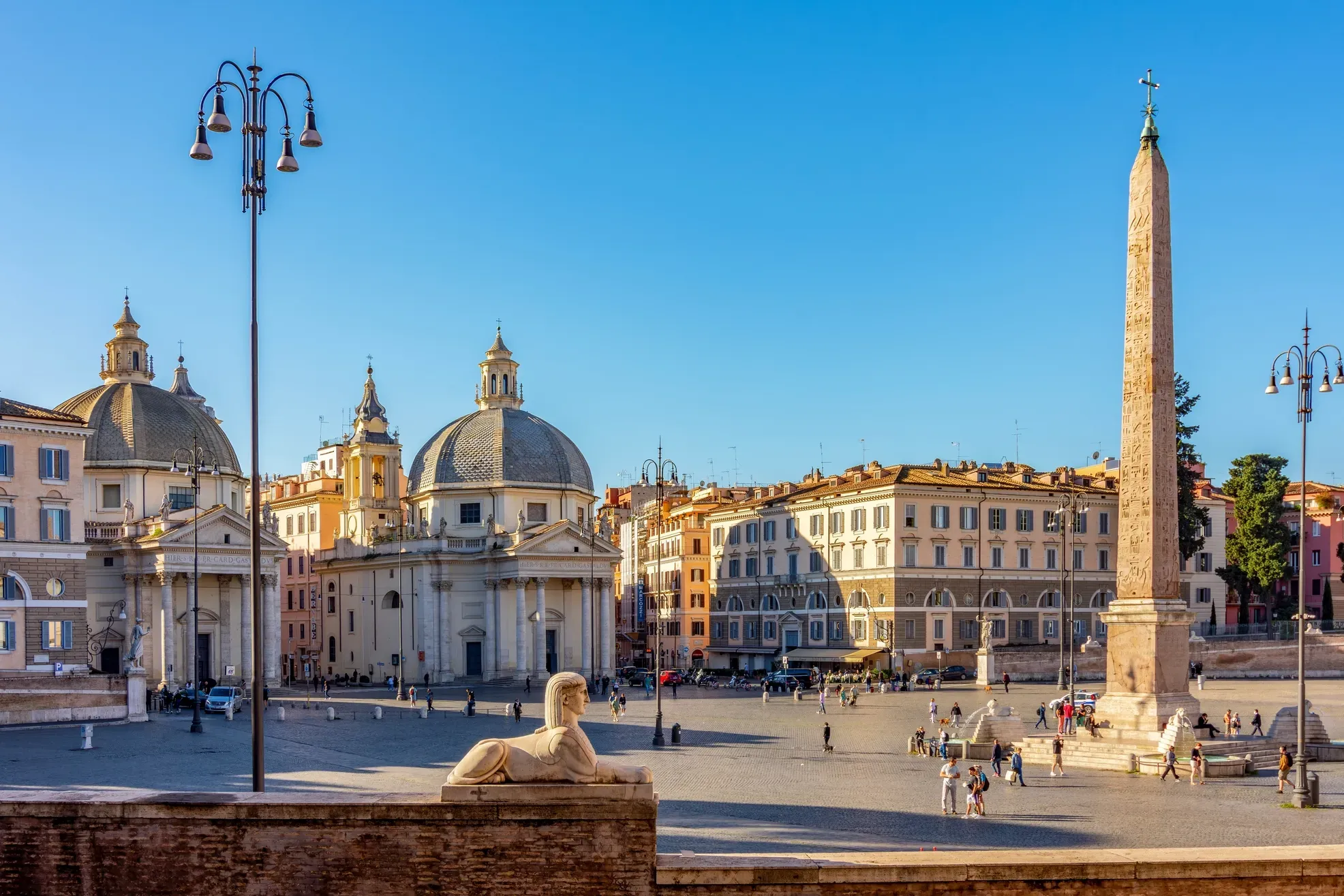
Continue walking toward Piazza del Popolo, one of the city's most impressive squares. Climb the steps up to the Pincio for panoramic views and a beautiful sunset; if you love art, step into Santa Maria del Popolo to see Caravaggio's works in the Cerasi Chapel.
Strolls in the city
In the Eternal City you'll relish walking, uncover hidden secrets, and enjoy the views from above.
Trastevere
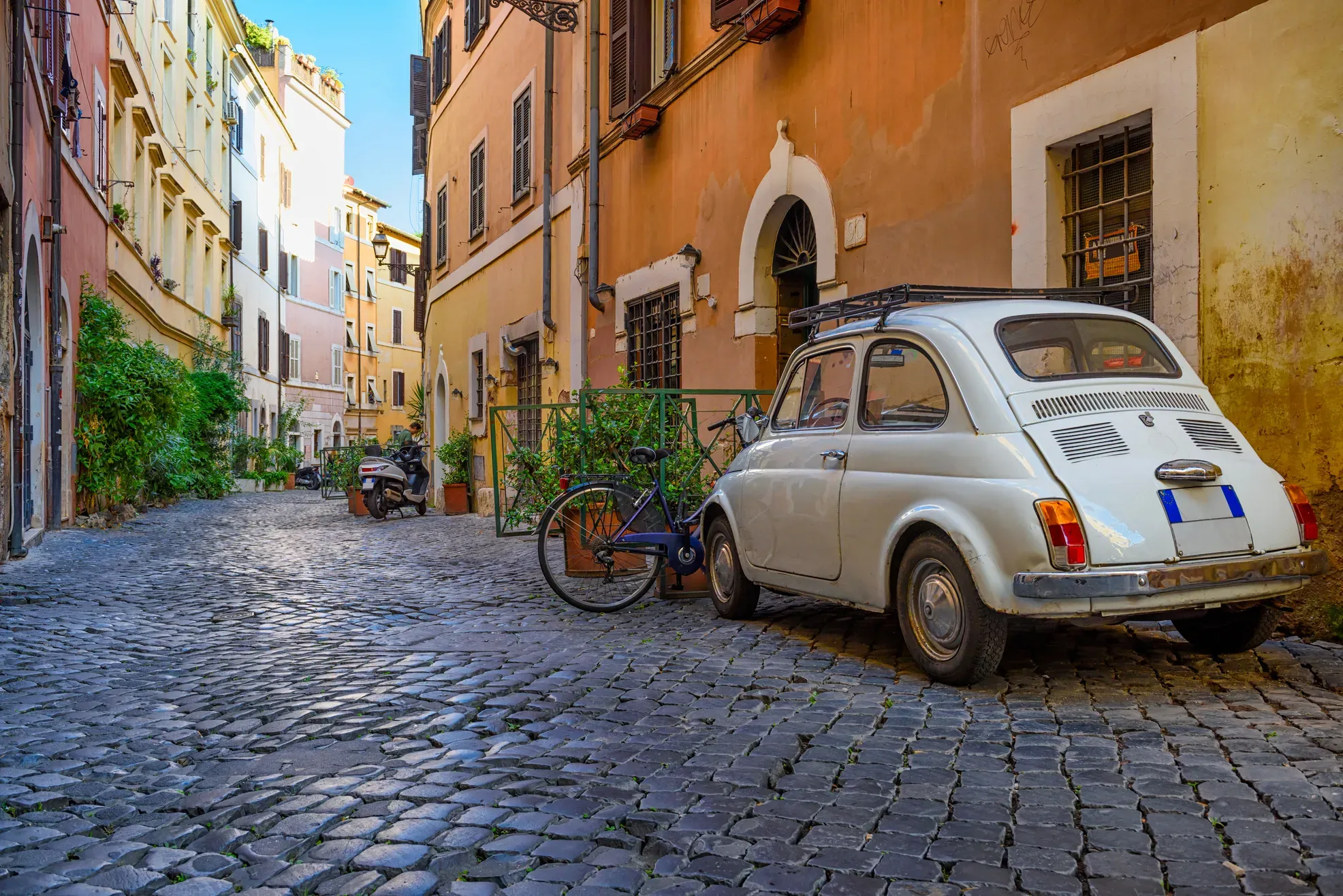
Ponte Sisto, one of the city's most beautiful bridges, will lead you to Trastevere, the neighborhood that comes alive when the sun sets. Narrow cobbled lanes, hanging flowerpots, small squares, and old buildings create one of Rome's most atmospheric scenes. In Piazza di Santa Maria, you'll find people of all ages sitting on the church steps. Get lost in the alleys with bars and restaurants and spend your afternoon there with an aperitivo and local flavors.
Piazza Navona and Campo de' Fiori
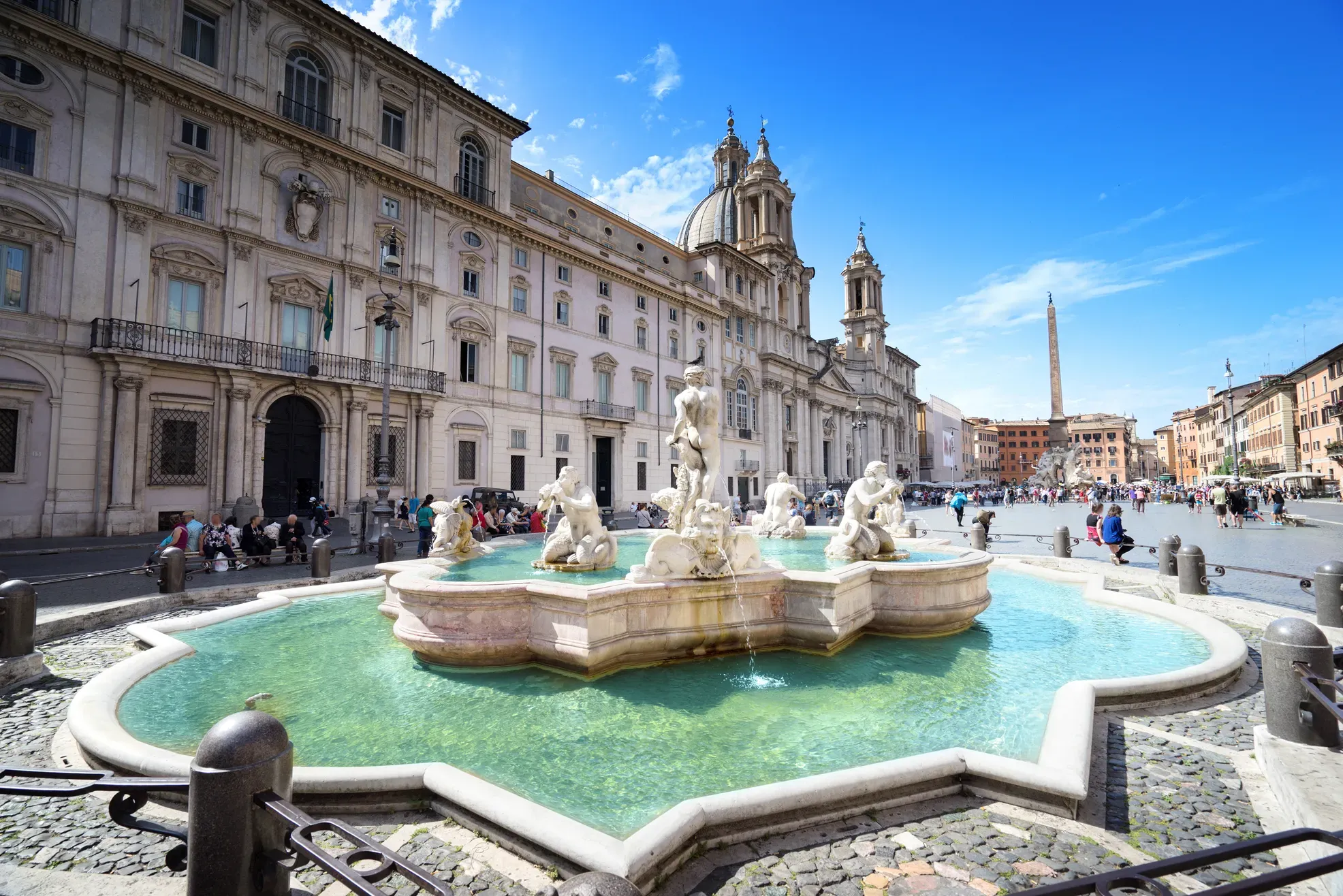
One of Rome's most emblematic squares, Piazza Navona is busy and full of cafés and restaurants. Here you'll take photos at the famous marble Fountain of Neptune. Very close by is a hidden city secret, the Arco degli Acetari garden. At Via del Pellegrino 19, you'll see the sign that leads you to the inner courtyard that looks like it's straight out of a postcard.
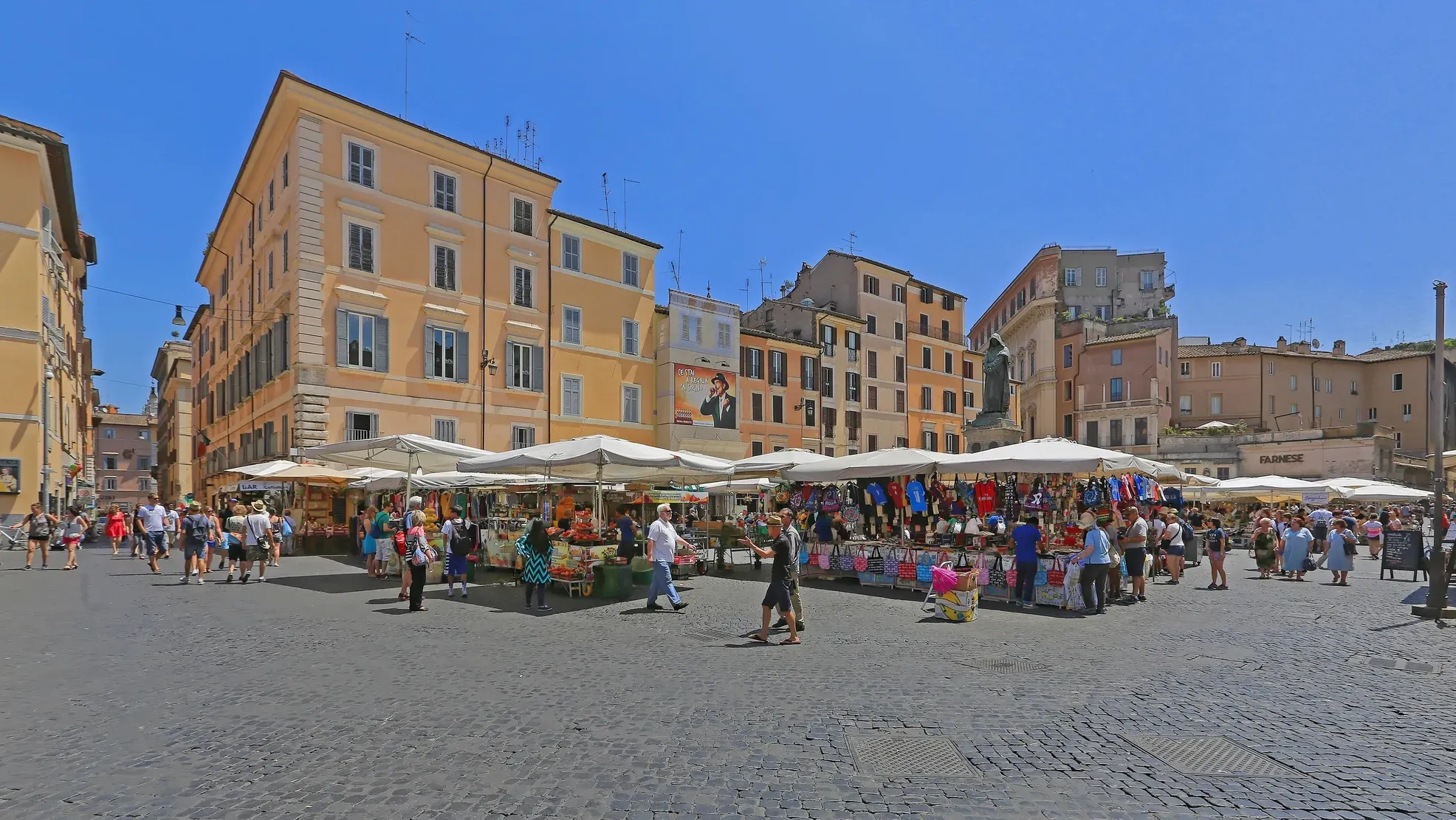
In less than five minutes on foot you'll reach the city's most famous, vibrant open-air market, Campo de’ Fiori. On the square's colorful stalls, you'll find everything from local produce and flowers to tourist products.
Monti
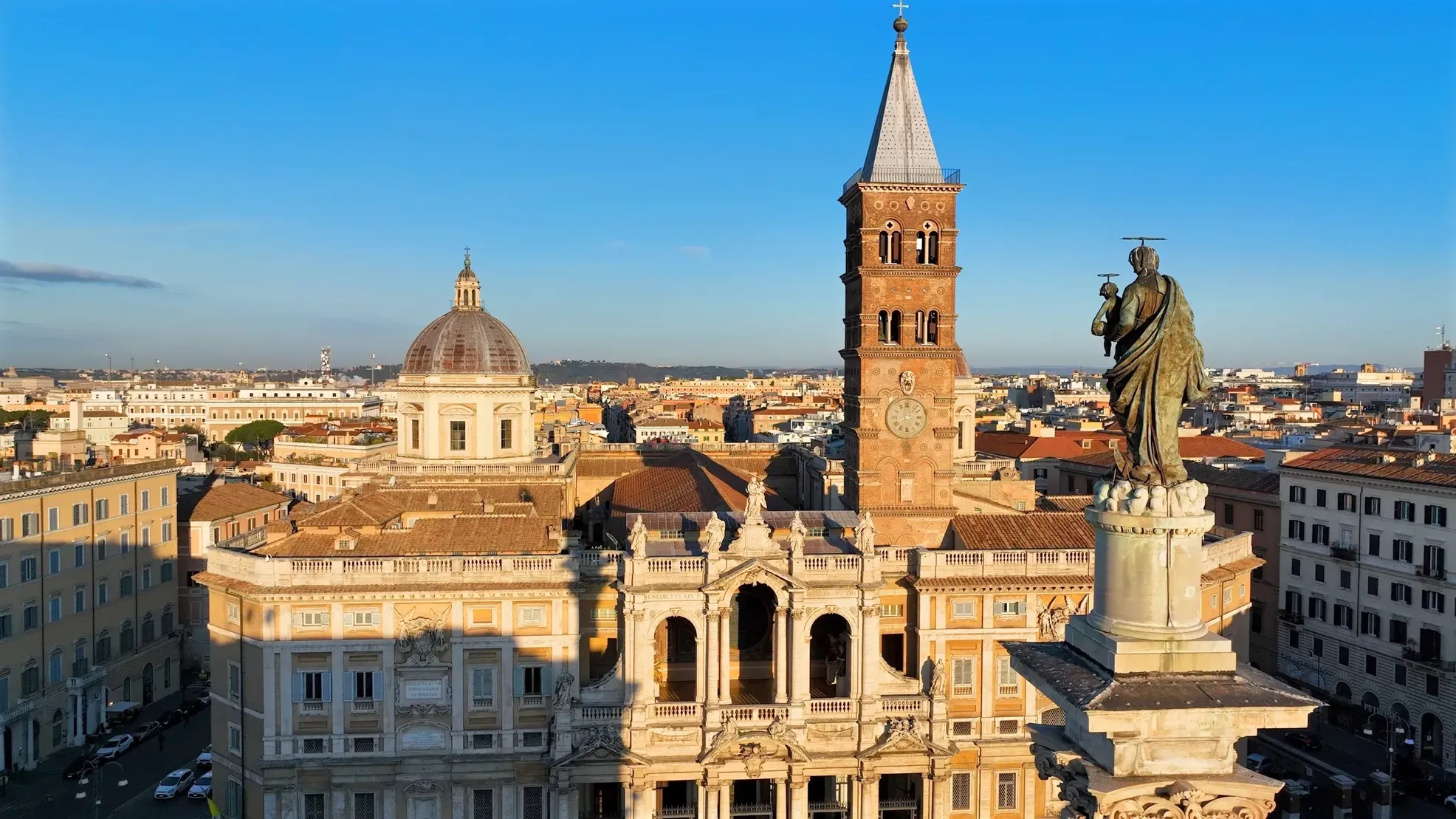
Don't miss a walk through the Monti neighborhood, one of the city's most beautiful. It pairs well with a visit to the Colosseum and along its streets you'll come across Rome's opera house and the Basilica of Santa Maria Maggiore, the city's largest church dedicated to the Virgin Mary, famous for its Roman mosaics and gilded ceiling. You'll also find options here for a quick coffee.
Gianicolo and Giardino degli Aranci
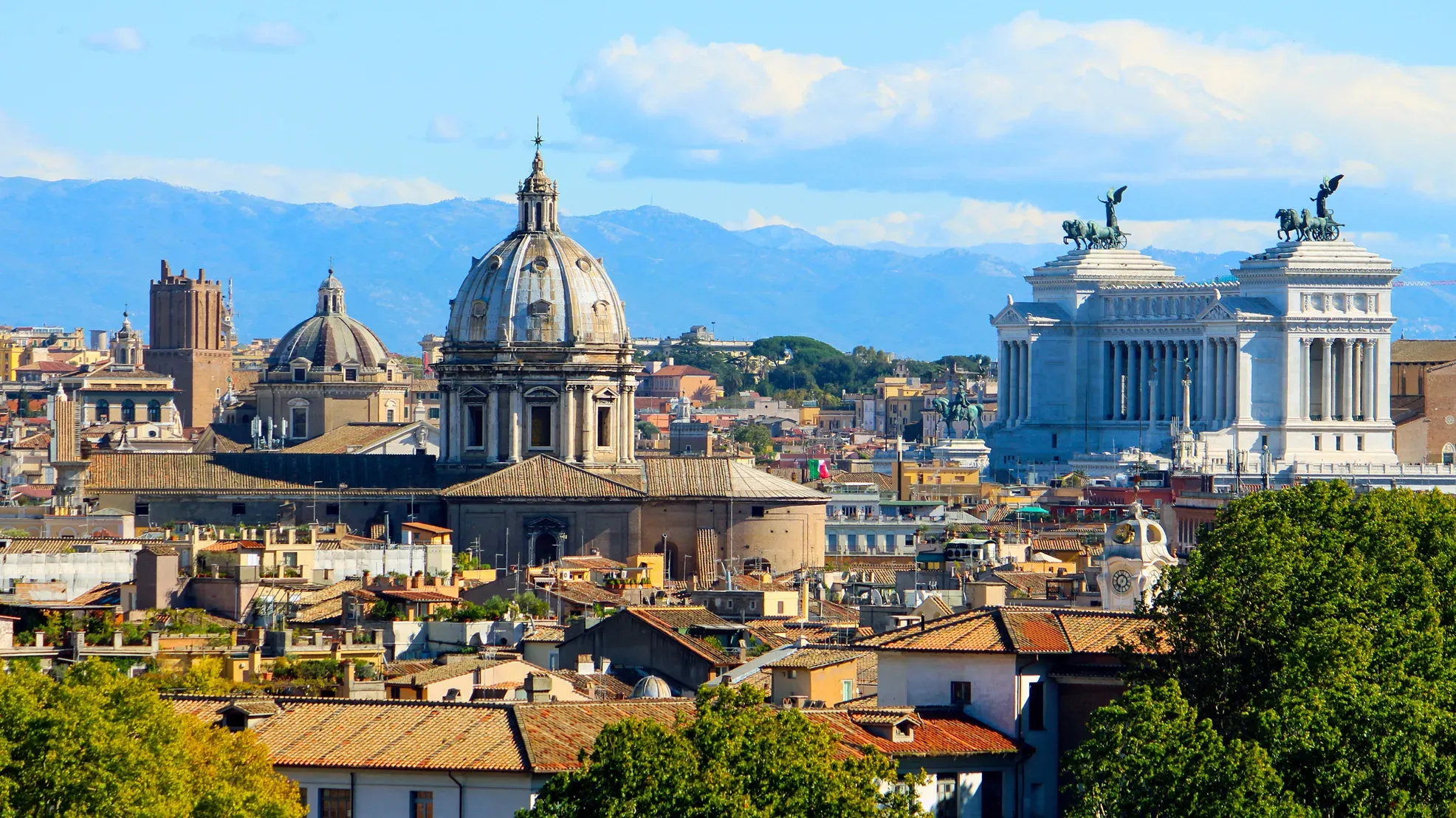
If you want to take in the views from above, climb Gianicolo hill, which is close to Trastevere. On the way to the top you'll come across a unique fountain, the Fontana dell’ Acqua Paola, also known as Il Fontanone, where it's worth making a stop.
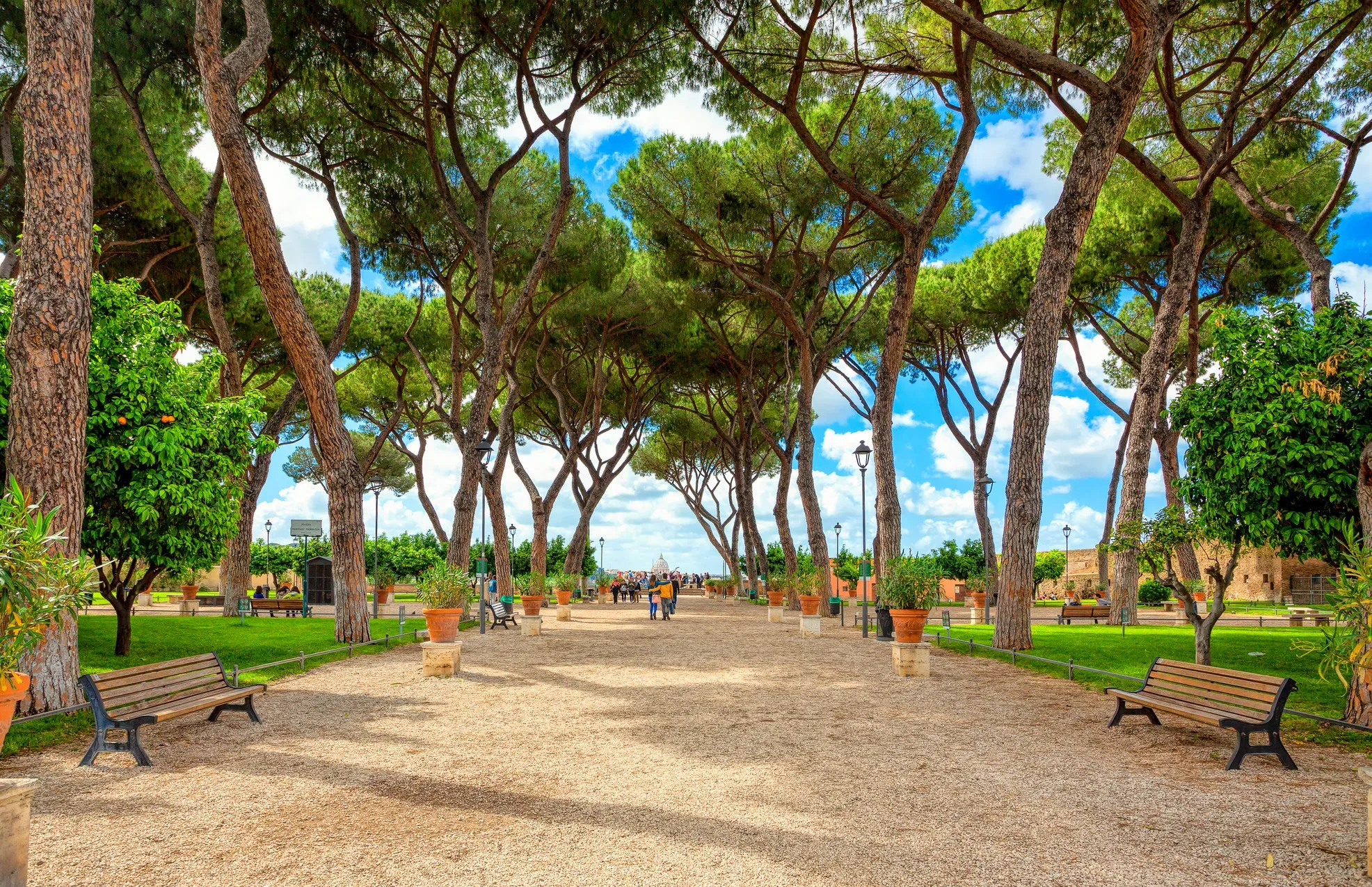
Another good option for enjoying panoramic views of Rome is the Giardino degli Aranci on the Aventine Hill. It's a short distance from the Colosseum and is a peaceful garden with orange trees, as its name suggests, with wonderful views of the city and the Tiber.
Villa Borghese
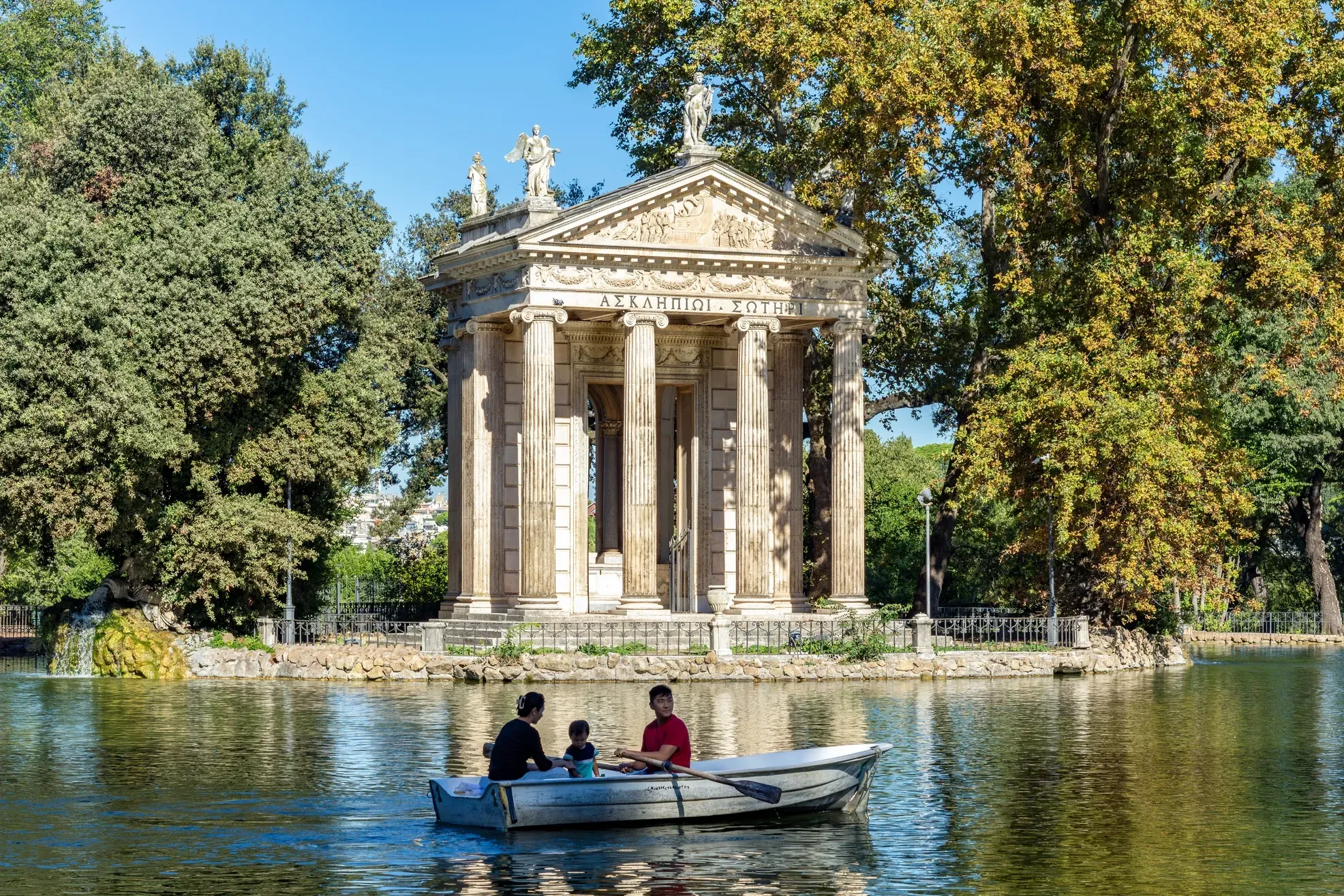
Rome's calmer side is revealed in the Villa Borghese park. Just a few steps from the bustling Piazza del Popolo, you'll feel serenity amid the lush greenery. Besides walking, one way to explore the gardens is to rent a bike, and if the weather allows you can also go boating on the lake. It's worth visiting the Galleria Borghese too, with its superb collection of Italian Renaissance works and more.
Where to eat in Rome and what to try
Gastronomy is an integral part of a trip to Rome. If you're a pasta lover, you'll try carbonara, cacio e pepe, and amatriciana, but it's also worth adding pasta alla gricia to your list, which combines guanciale, pecorino, and pepper. Try saltimbocca alla romana too, one of the signature dishes of the local cuisine, with thin slices of veal atop fresh sage.
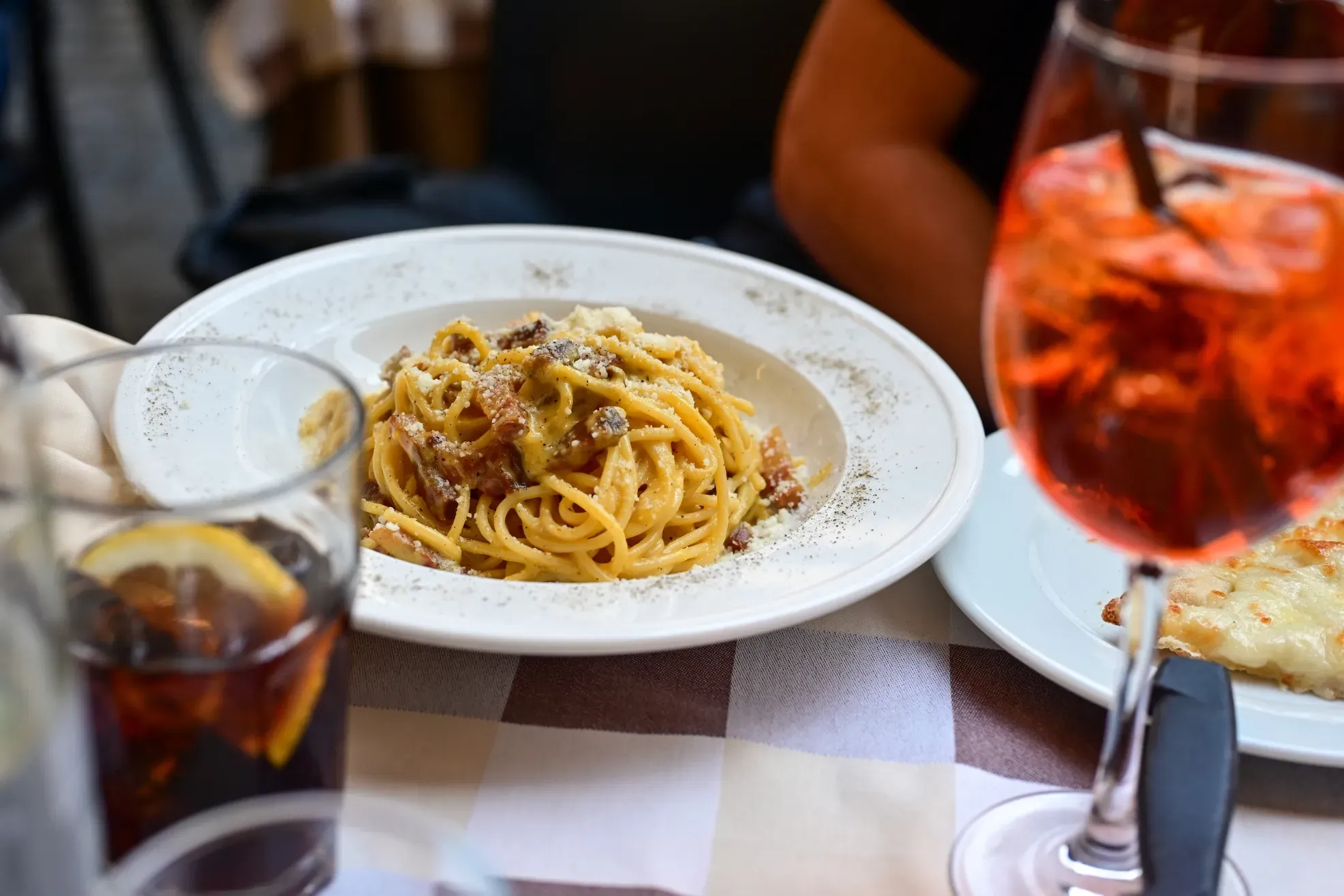
In Trastevere, some of the most popular choices for traditional cuisine are Tonnarello and, on Piazza di San Calisto, Nannarella. Osteria da Fortunata near the Pantheon—and in other parts of the city—always has quite a crowd, while nearby you'll also find Ristorante Trattoria Antonio al Pantheon. At Pierluigi, operating since 1938 on Piazza de' Ricci, you'll enjoy dishes with fresh seafood and pasta, such as carbonara with sea urchin and cod. For pasta to go, it's worth heading to Pastificio Guerra near Piazza di Spagna, where you'll find different and affordable options daily.
On the cobbled Via della Madonna dei Monti, you'll find the traditional Pizzeria alle Carrette for pizza. You'll also eat authentic pizza Romana (different from the classic Napoletana) at Pizzeria Da Baffetto. For fresh tiramisu visit Pompi and Two Sizes. For gelato there are endless options, among others, Gelateria La Romana since 1947, Frigidarium, Giolitti, and Come il Latte.
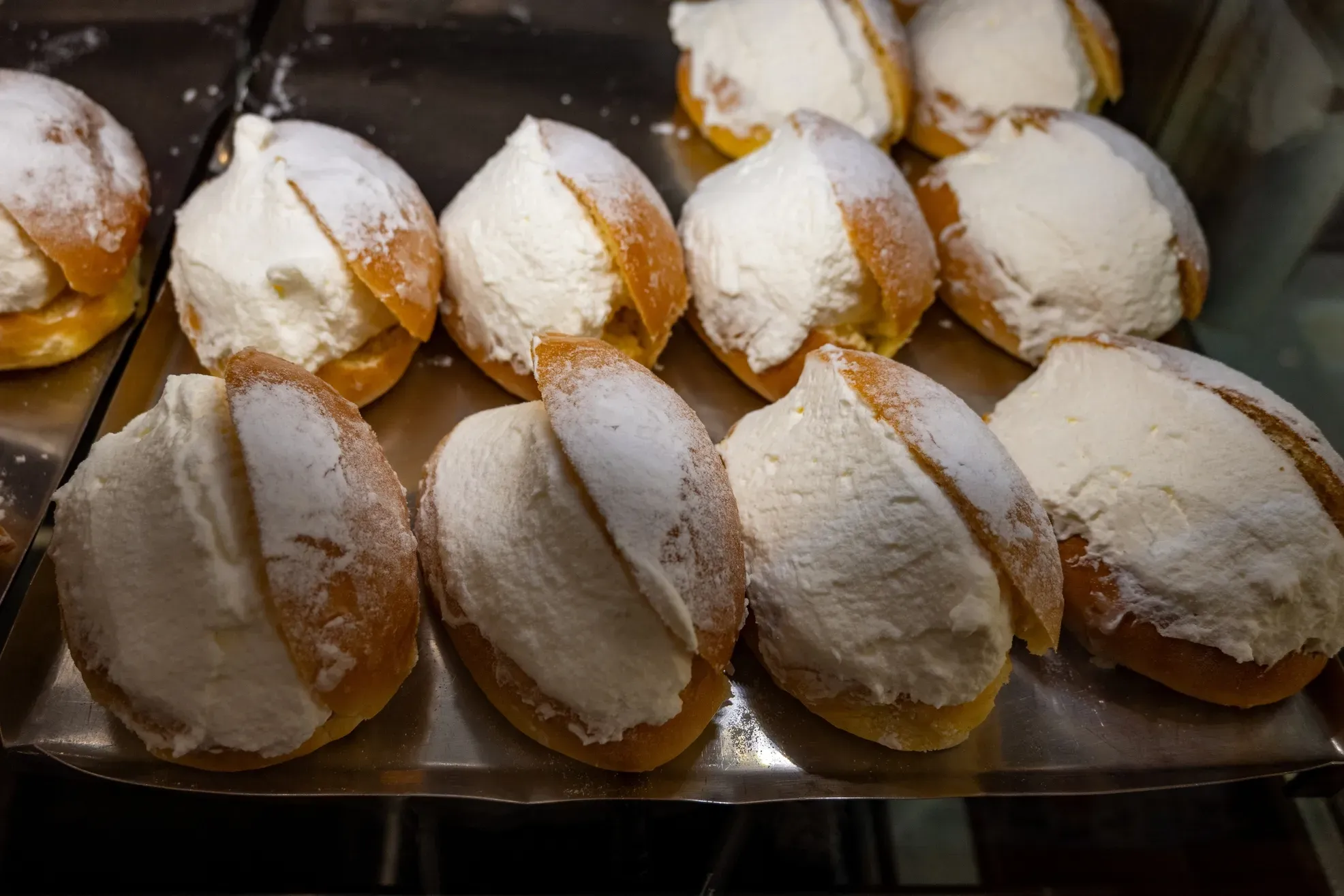
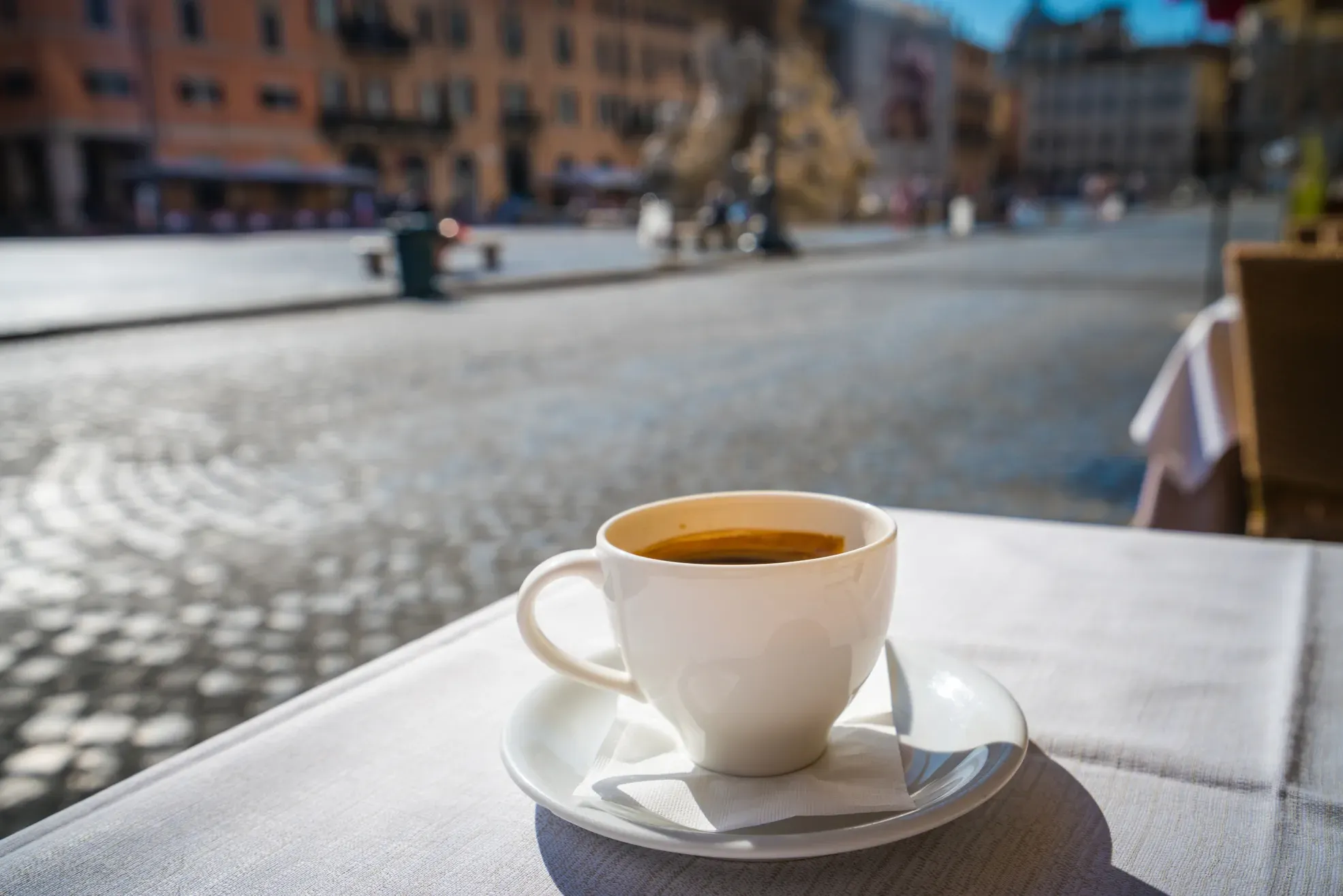
For coffee, follow the locals' rhythm, sipping an espresso standing at the bar of Sant’ Eustachio Caffè, which has been operating since 1938. Pair your espresso with a croissant filled with pastry cream or praline at La Licata, or with a fluffy maritozzo, its whipped cream spilling between brioche, at pasticceria Forno Monteforte. For a drink you can go to the popular cocktail bar Salotto42 that serves aperitivo on Piazza di Pietra, to Bar del Cinque, or to Jerry Thomas Speakeasy, for an Old Fashioned and Nitro Campari.
Tips for a 3-day trip to Rome
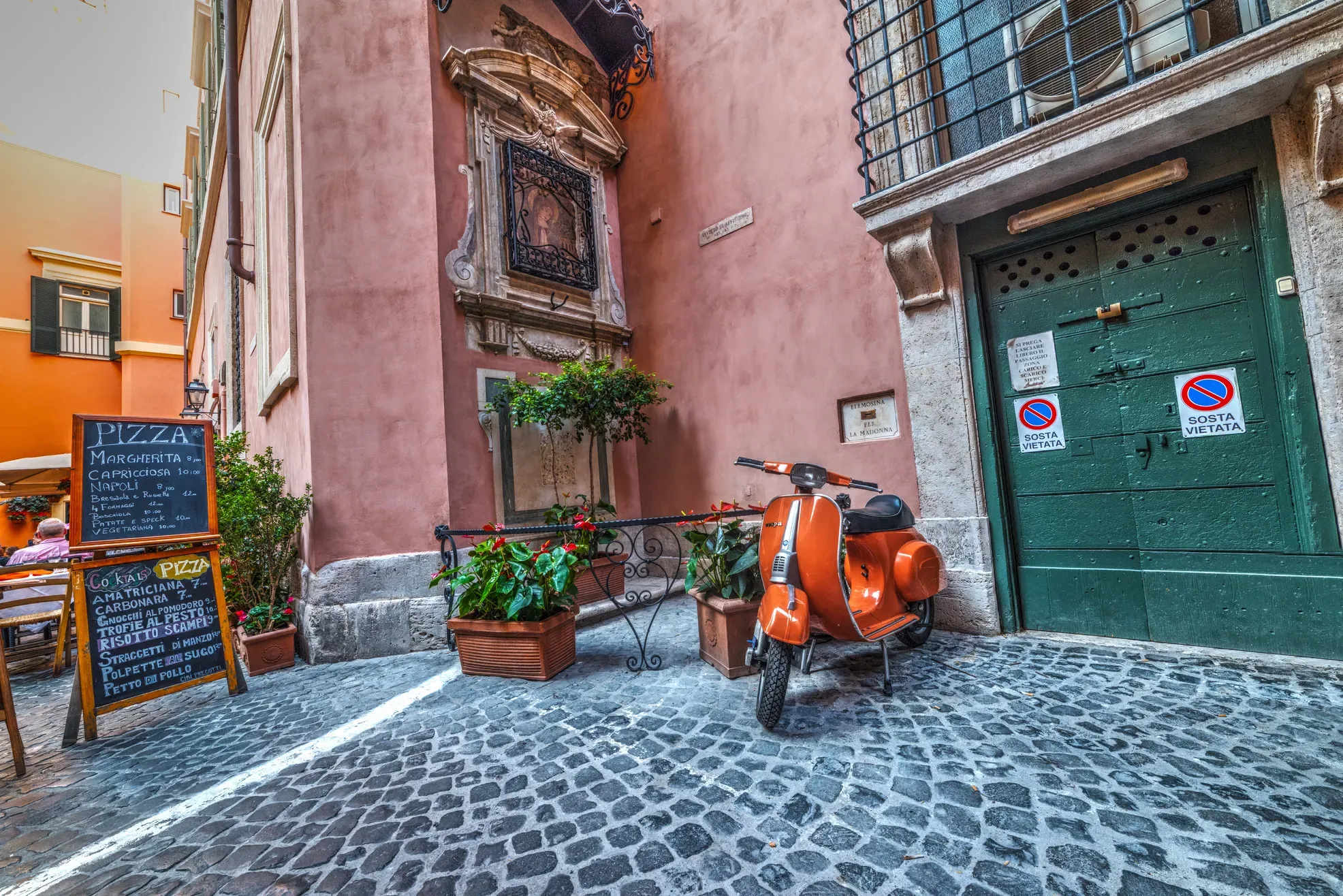
Rome is a city best explored on foot. Wear comfortable shoes, because walking on cobbled streets might be challenging. Rome has an organized public transport network. Check in advance which modes suit you so you have an idea. There's also the option of renting a bicycle or a Vespa.
Because you won't have much time, to avoid the lines it's best to have booked your tickets in advance for the most popular museums and sights. Don't try to see everything and rush from one place to another. Put on your schedule what you truly want and have time to see. You don't need to go inside every sight - leave some for your next trip!