





Peloponnese. Here the impossible is only the beginning. A journey from the idyllic villages of Parnon to the highest peaks of Taygetos.
Villages hidden in the mountains, breathtaking landscapes and trails through lush nature. Traveling in Mountainous Peloponnese, from Parnon to Taygetos we encounter emerald forests unique in their kind, waymarked paths for endless explorations, and traditional settlements that make an ideal destination for winter and festive getaways.
Every journey to Mountainous Peloponnese is an opportunity for renewal, as travelers are inspired by the authentic spirit of this land. From antiquity to today, its history is filled with moments when the impossible became the starting point for something greater. This is the invisible thread that unites the people, the cities, the landscapes, and everything it offers.
Parnon: The undiscovered mountain of the Peloponnese
The mountain that separates Arcadia from Laconia, Parnon, conceals gorgeous traditional villages and idyllic trails amid exuberant nature for lovers of exploration. Also known as Malevos, it is the most extensive mountain complex in the Peloponnese and one of the most important ecological zones in Greece, with several of its areas included in the European Natura 2000 Network.
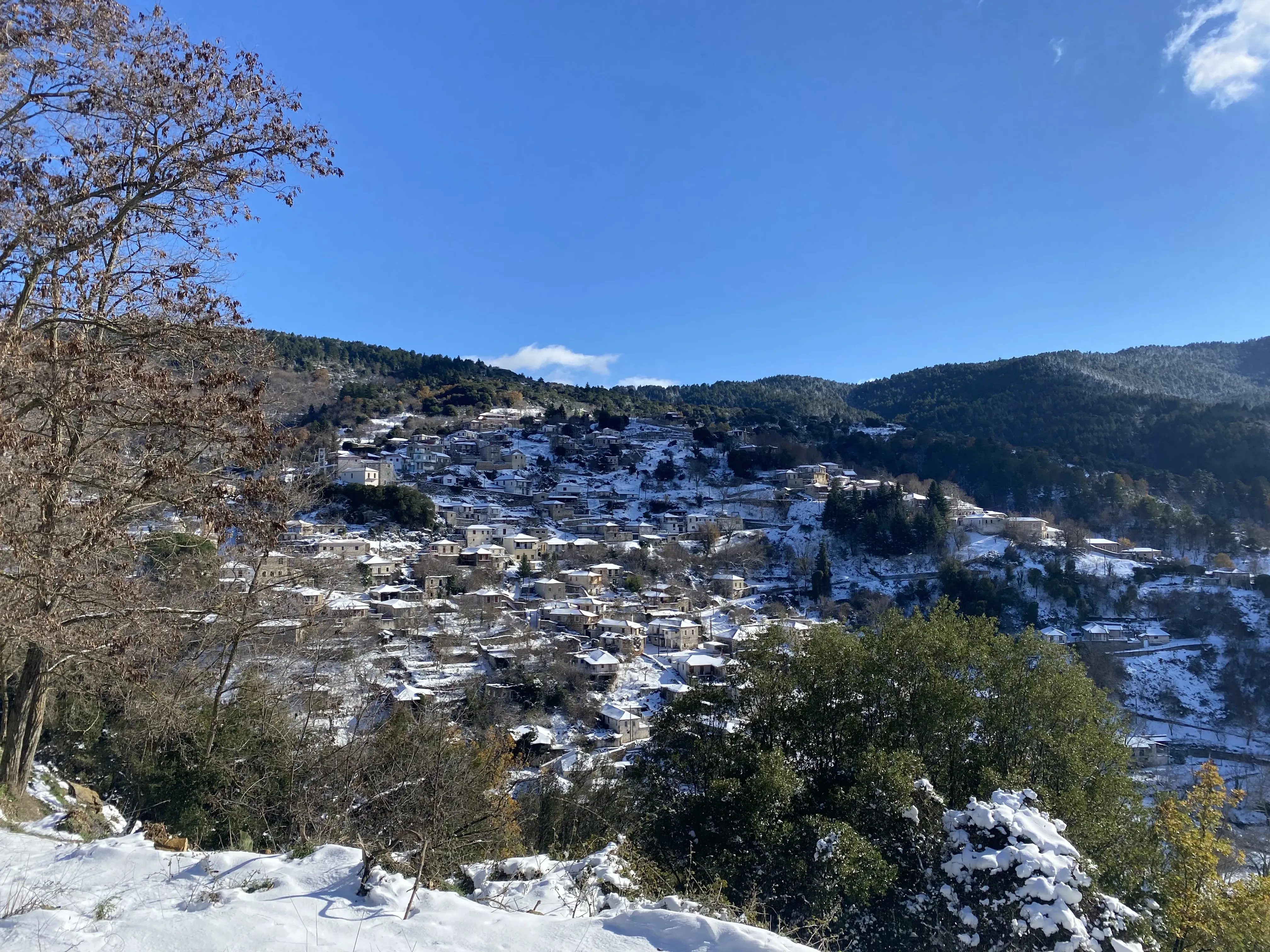
On Parnon, 1,000 flora species have been recorded, fifteen of which are endemic and unique in the world. Eleven are rare throughout Europe. The fauna is also remarkable, with 200 different species of rare and protected birds, mammals, reptiles, and amphibians. Among Parnon’s most popular villages are Kosmas and Agios Petros on the Arcadia side, and Vamvakou, Karyes and Polydroso (Tsinzina) on the Laconia side.
Kosmas, Arcadia
Tucked away on Parnon’s southeastern slopes, at an elevation of 1,150 meters, Kosmas is built within a verdant landscape with abundant waters and magnificent fir forests. Built with local stone by the hands of Lagkadia and Kosmas master craftsmen, the stone-built houses with their tiled roofs are set against an open horizon to the sea and the mountains.
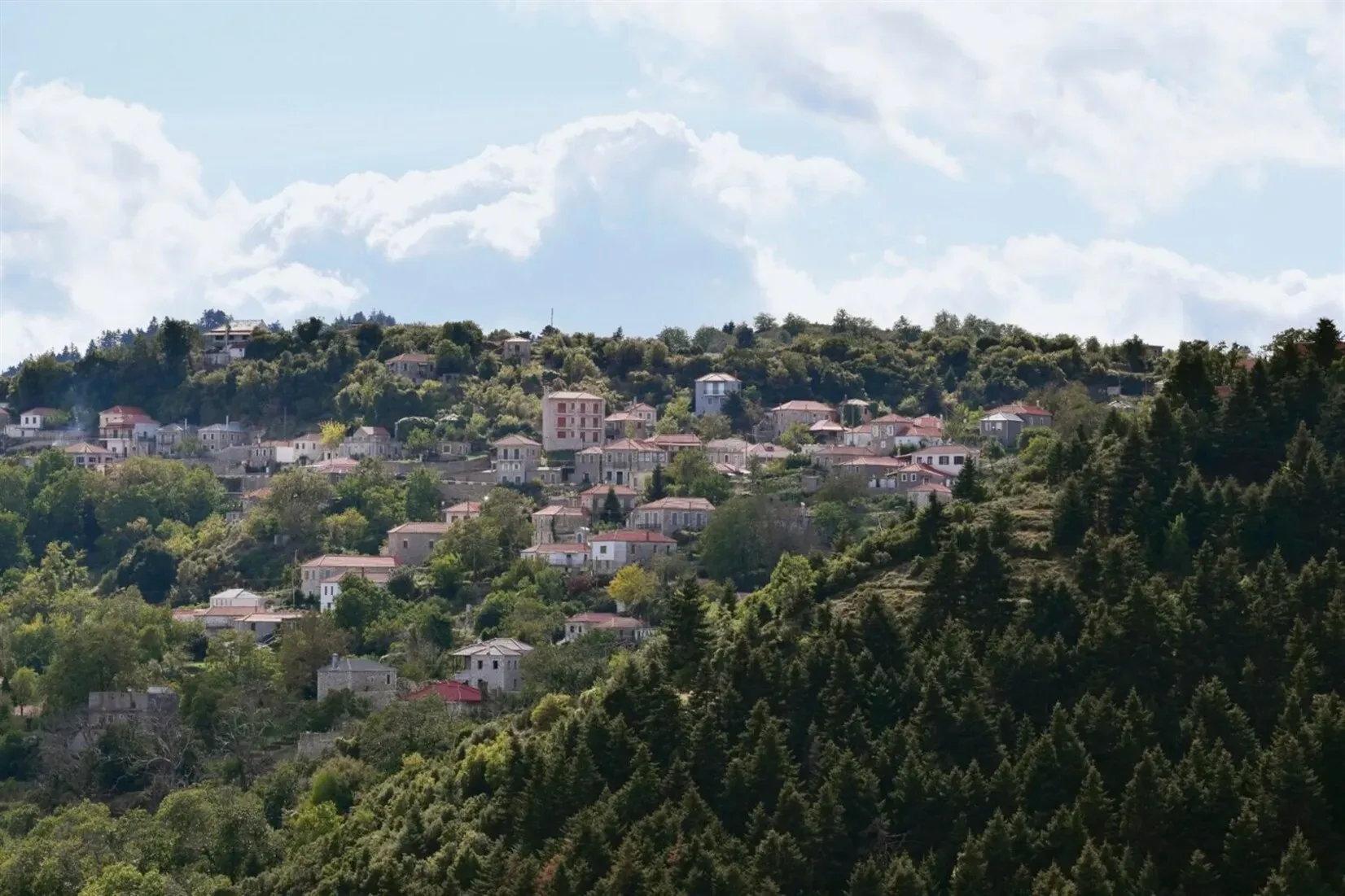
The heart of the village is the large square with the imposing Church of Agioi Anargyroi and the centuries-old plane trees that cast shade over the cafés and little tavernas. The scene is relaxing, ideal for those who want to escape the city bustle and unwind. There are many activities worth doing near Kosmas, but a stroll through the chestnut forests stands out.
Agios Petros, Arcadia
The traditional settlement of Agios Petros is built in a lush landscape on Parnon’s eastern foothills, at an elevation of 952 meters. It is a heavily wooded village, full of firs and walnut trees that frame the old manor-like tower houses. Among Agios Petros’ buildings, the 18th-century Trikalitis Tower, the Church of the Apostles Peter and Paul, and the renovated stone school stand out.
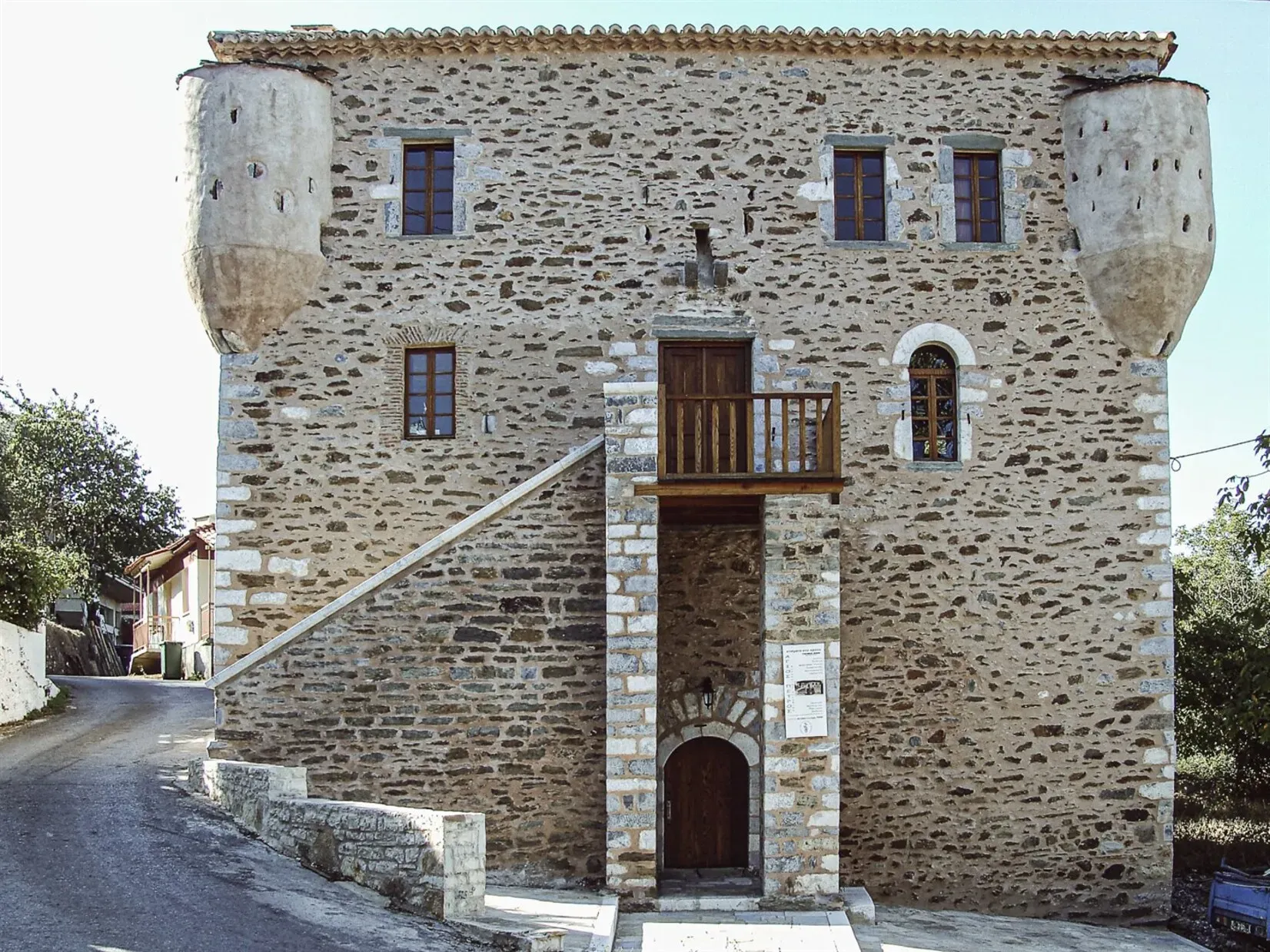
Using the village as a base you can follow different routes on Parnon and hike to many villages and summits.The more experienced can climb the peaks Mikri and Megali Tourla. One of the finest trails is the one that links the village with Moni Melevis, while the National Trail 033 also stands out, starting from Agios Petros, crossing Monemvasia and ending at Cape Maleas.
The Monastery of Panagia Malevi
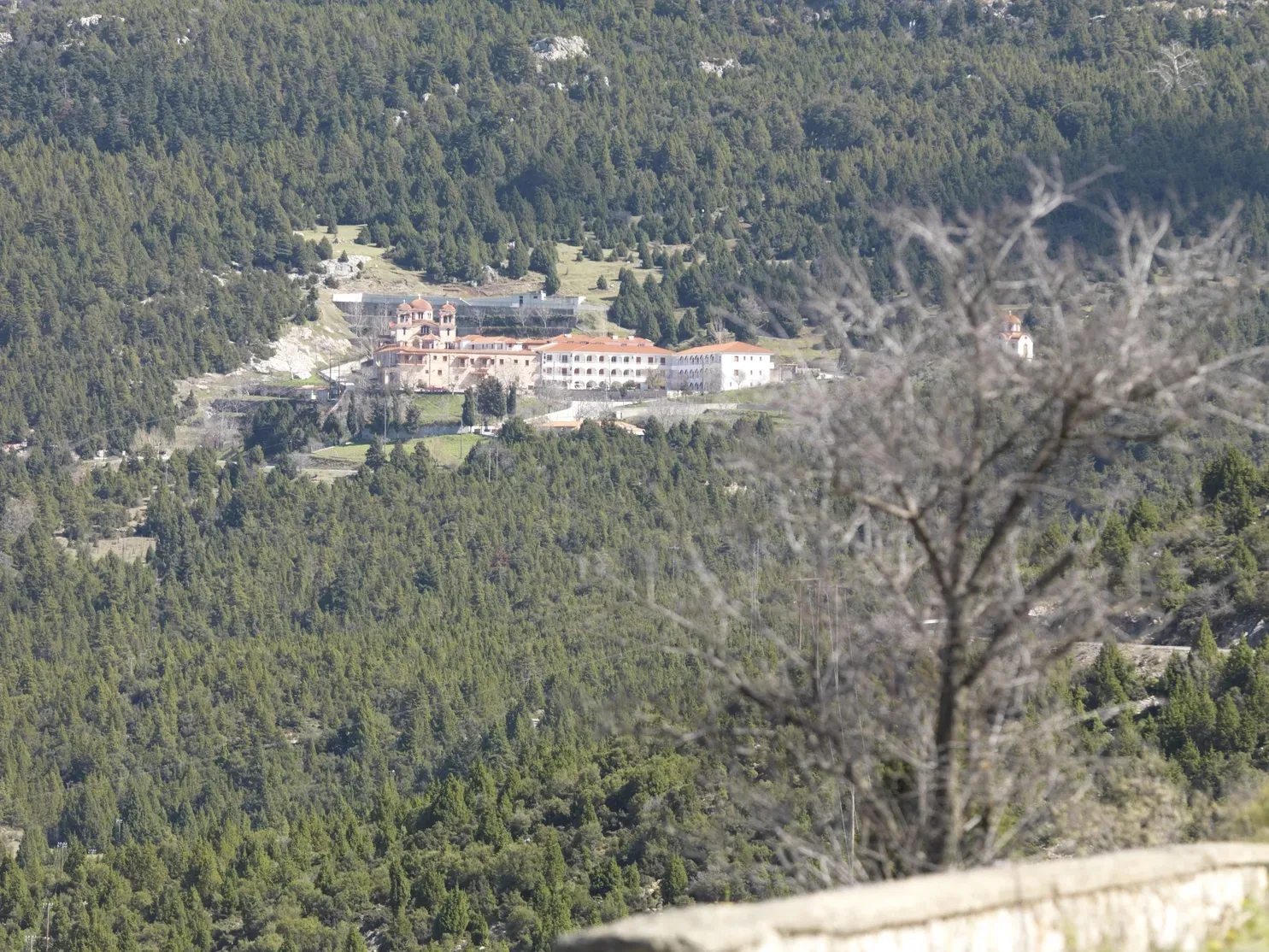
At a distance of 10 km from Agios Petros, at an elevation of 920 meters, lies the Monastery of Panagia Malevi, which together with the Monasteries of Loukou and Eloni is among the best known in Kynouria. Built amid fir forests with panoramic views, it is famous for the icon of the Virgin Mary, considered miraculous. From the monastery you can reach the large-fruited juniper forest (Juniperus drupacea, άρκευθος ο δρυπώδης), unique in its kind in Europe, spreading over an area of about 750 stremmas. The area «Moni Malevis–Mount Parnon» is included in the European Natura 2000 Network.
Vamvakou, Laconia
Vamvakou is a small village on the western side of Parnon, at an elevation of 900 meters, within a beautiful natural environment near extensive forests of fir and black pine. Vamvakou has a very interesting history. A group of young people, with roots and strong ties to the village, wanted to write a new chapter in Vamvakou’s history. The once abandoned village came back to life thanks to the initiative of the group, which founded the Vamvakou Revival organization. As part of the Vamvakou Revival, a restaurant-café and two guesthouses operate.
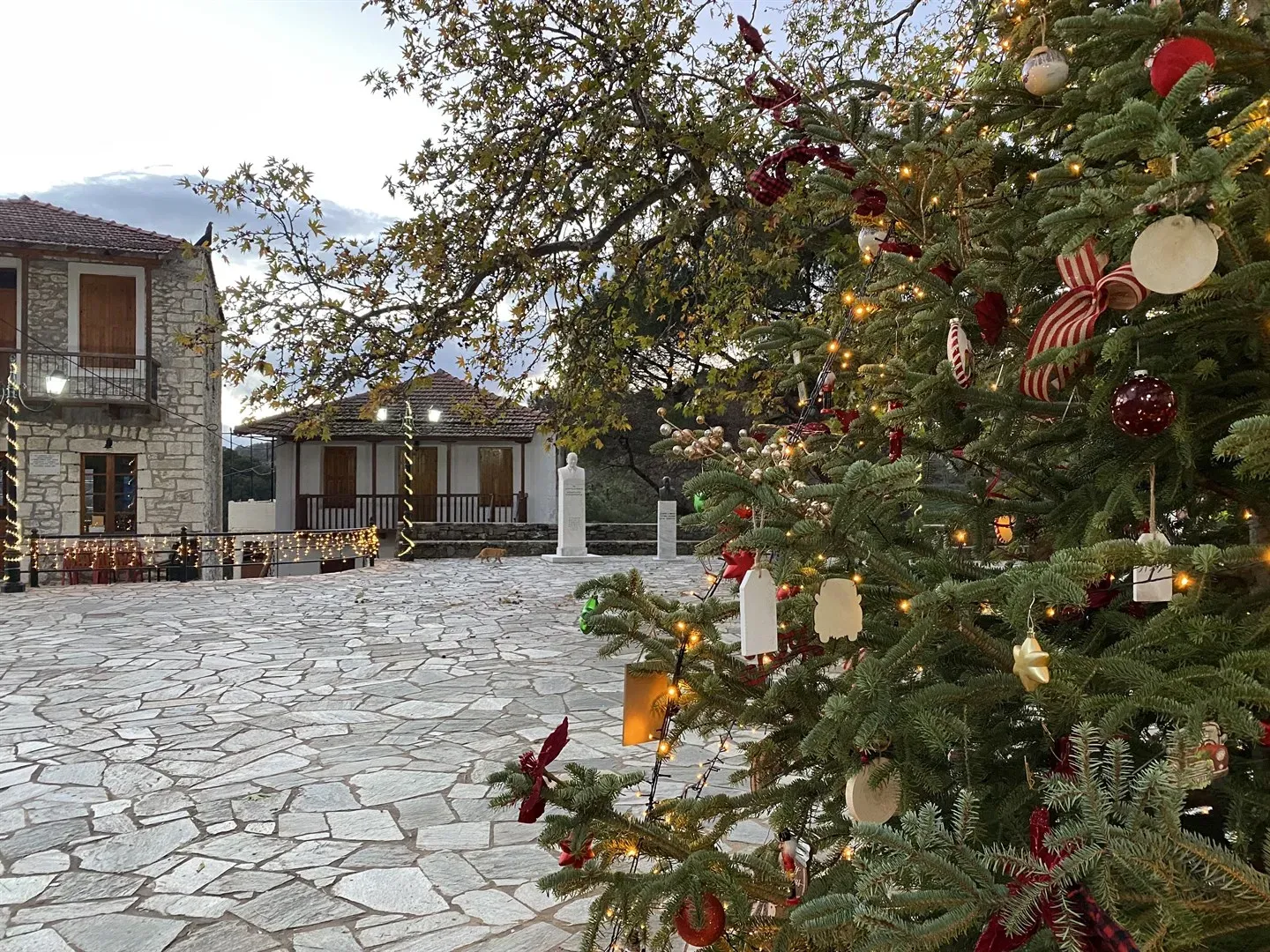
In the village it’s worth visiting the Church of Agios Charalamboson the central square and the Folklore Museum.Vamvakou is a base for easy mountain ascents to the summits Megali Tourla (1935 m) and Gaitanorachi (1803 m), from where even Athens is visible when the atmosphere is clear. Important milestones each year are the now-established mountain rendezvous such as the Vamvakou Santa School.
Taygetos: The highest mountain of the Peloponnese
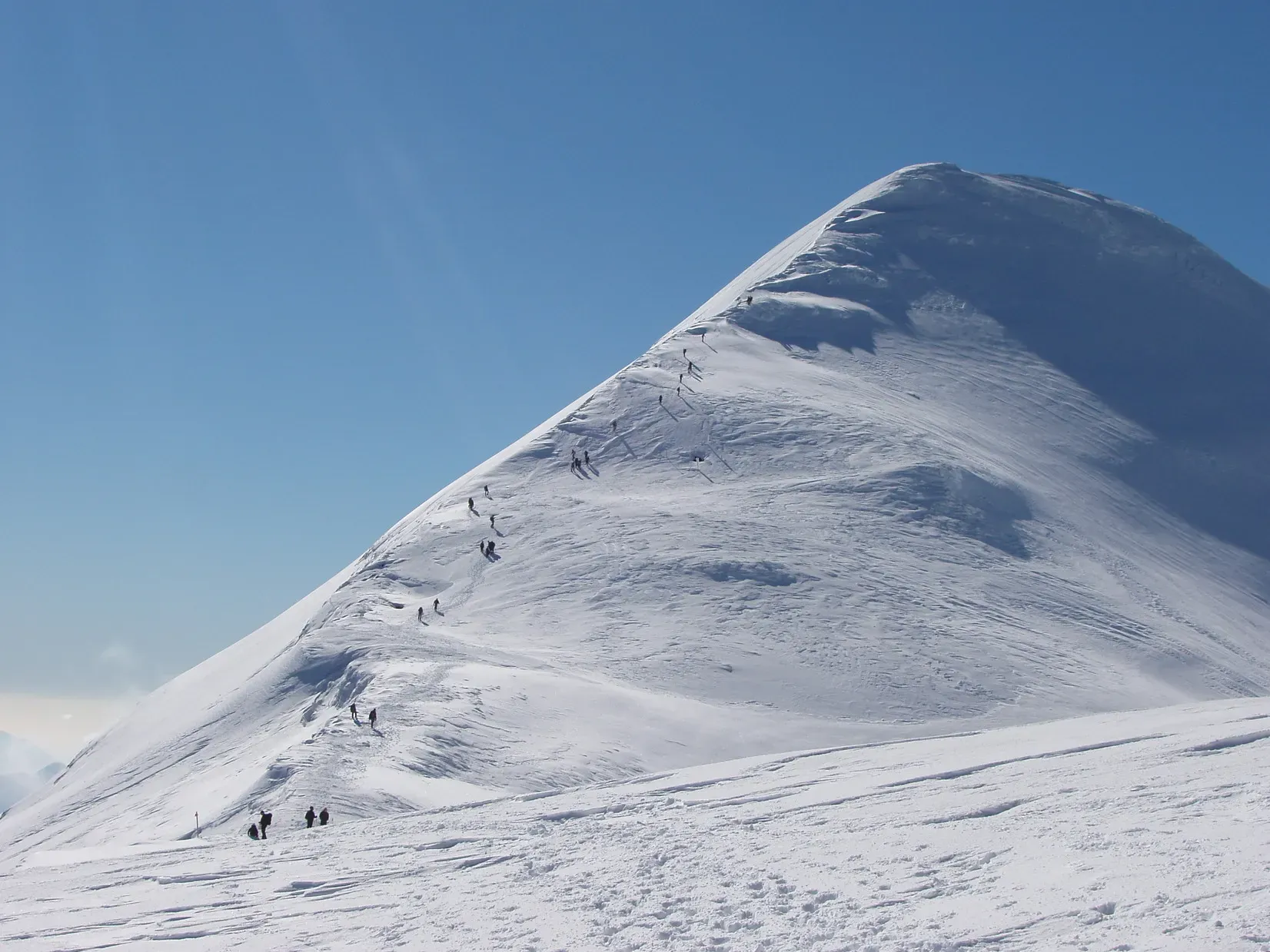
The highest mountain range of the Peloponnese, the imposing Taygetos spans areas of the prefectures of Laconia, Messenia and Arcadia. Its highest peak at 2,404 meters is Profitis Ilias, with the chapel of the same name. The range reaches the Mani peninsula and Cape Tainaro. The eastern side of the mountain, with the gorges that feed the Evrotas, has been included in the Natura 2000 biotope network and has 87 recorded bird species and 100 butterfly species.
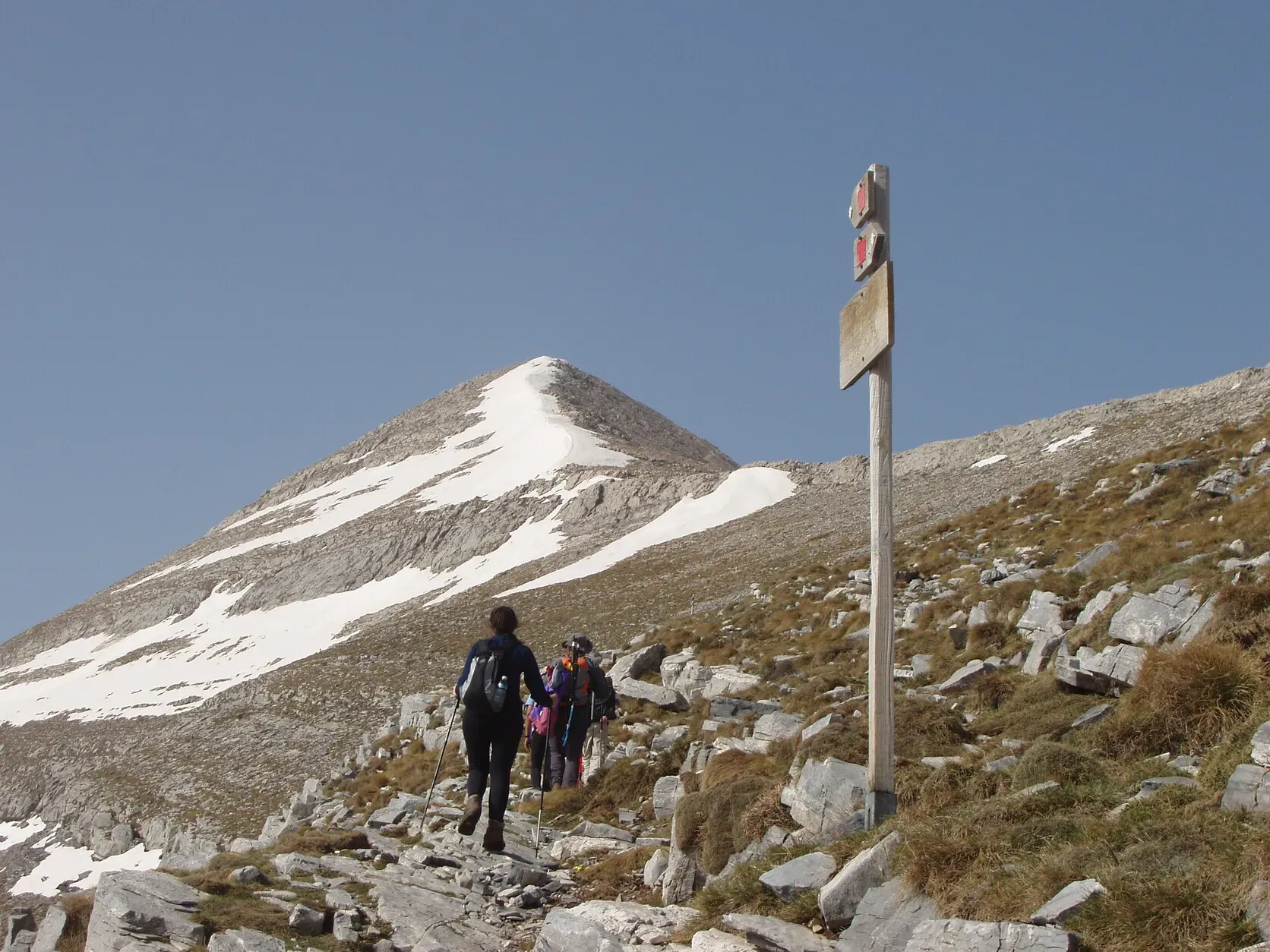
The villages located on Taygetos are known for their traditional architecture. Each preserves its uniqueness, offering interesting sights and activity options. Access from one village to another is easy, including via the network’s trails. The entire area, about 77 sq. km in size, is a mountaineering paradise, as visitors can enjoy, beyond nature, a large trail network that caters to all categories of mountaineers almost throughout the year.
Walking the trails of Taygetos
The network of traditional paths that extends across the northern section of Central and Eastern Taygetos, Taygetos Trails, has a total length of approximately 90 km. It lies within the prefecture of Laconia and links the 14 mountain villages Loggastra, Trypi, Agia Eirini (Varsova), Stavros, Pikoulianika, Vlachochori, Taygeti (Barsinikos), Pergantaika, Anavryti, Socha, Kalyvia Sochas, Agios Ioannis, Parori, Mystras. The network has entry points from the villages of Loggastra, Agia Eirini (Varsova) Trypi, Pikoulianika, Mystras, Parori, Agios Ioannis and Kalyvia Sochas. The routes of the network are 28 and cater to all levels of hiking experience, while they are accessible throughout the year.
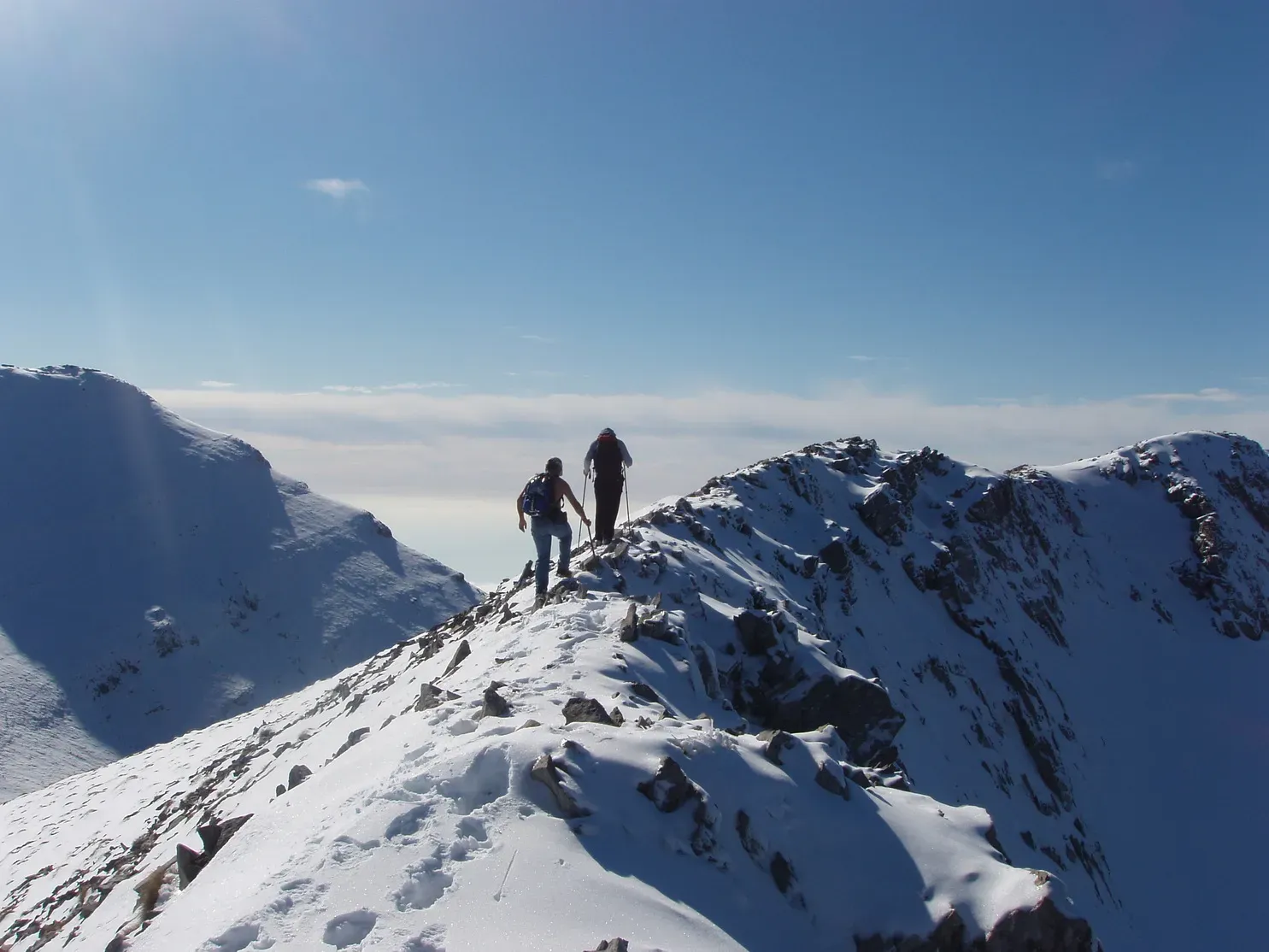
Restoration of the trails is underway, coordinated by theProgressive Association Taygetis (Barsinikos)of Mystras, with the support of theMunicipality of Spartaand theRegion of Peloponneseand aims to serve as the guiding line for the development and utilization of the traditional paths and consequently of the wider area. The restoration and waymarking of the trail network are carried out under the responsibility of theHellenic Mountaineering Club of Sparta.
Local flavors

In Messenia, at feasts and in tavernas you will always find suckling pig that roasts in the oven for hours. Messenia is famous for its olives and its excellent extra virgin olive oil, considered among the best in the world. Mani (Laconian and Messenian) is famed for salt-cured meat served with fried eggs and sygklino (salt-cured pork, smoked and then simmered with orange). Other beloved traditional dishes include rooster with hylopites, gogges (fresh pasta) sprinkled with mizithra and butter, kayianas, trahanopita and tsigarolachana (aromatic mountain greens sautéed with onion, tomato paste, oil, salt and pepper). Sweets that stand out, among others, are Kalamata diples, Monemvasia amygdalota and Christmas lalagia.
From Parnon to Taygetos, our travelogue leads us to unique villages and landscapes of unparalleled beauty. The Peloponnese offers us unforgettable experiences and invites us to discover it this winter. Find all the information for your next trip here.