





Peloponnese. Here the impossible is only the beginning. A journey from the snow covered peaks of Mountainous Corinthia to the stone built villages of Gortynia.
Imposing mountain peaks, alpine lakes, trails between rivers, monasteries carved into rocks and atmospheric villages that keep tradition alive. The Mountainous Peloponnese with its unique beauty, is one of the most popular destinations for winter getaways as it offers options for everyone.
We travel from Mountainous Corinthia to Gortynia in Arcadia, passing through snow-covered slopes, enchanting lakes and stone-built villages embraced by nature. Every corner of the Peloponnese hides a story, a treasure, an opportunity for something new. Here the impossible becomes possible and every visit is a chance for renewal, whether it is for a weekend, or for the Christmas holidays.
Mountainous Corinthia: An alpine paradise
The highest mountain of Corinthia - and the second highest of the Peloponnese - Mount Ziria or Kyllini, is divided by the Flambouritsa Gorge into Greater Ziria (with highest peak at 2.374 m.) and Lesser Ziria (with highest peak at 2.117 m.). and is an irresistible destination that pairs with strolls through the surrounding villages and the sights of Mountainous Corinthia.
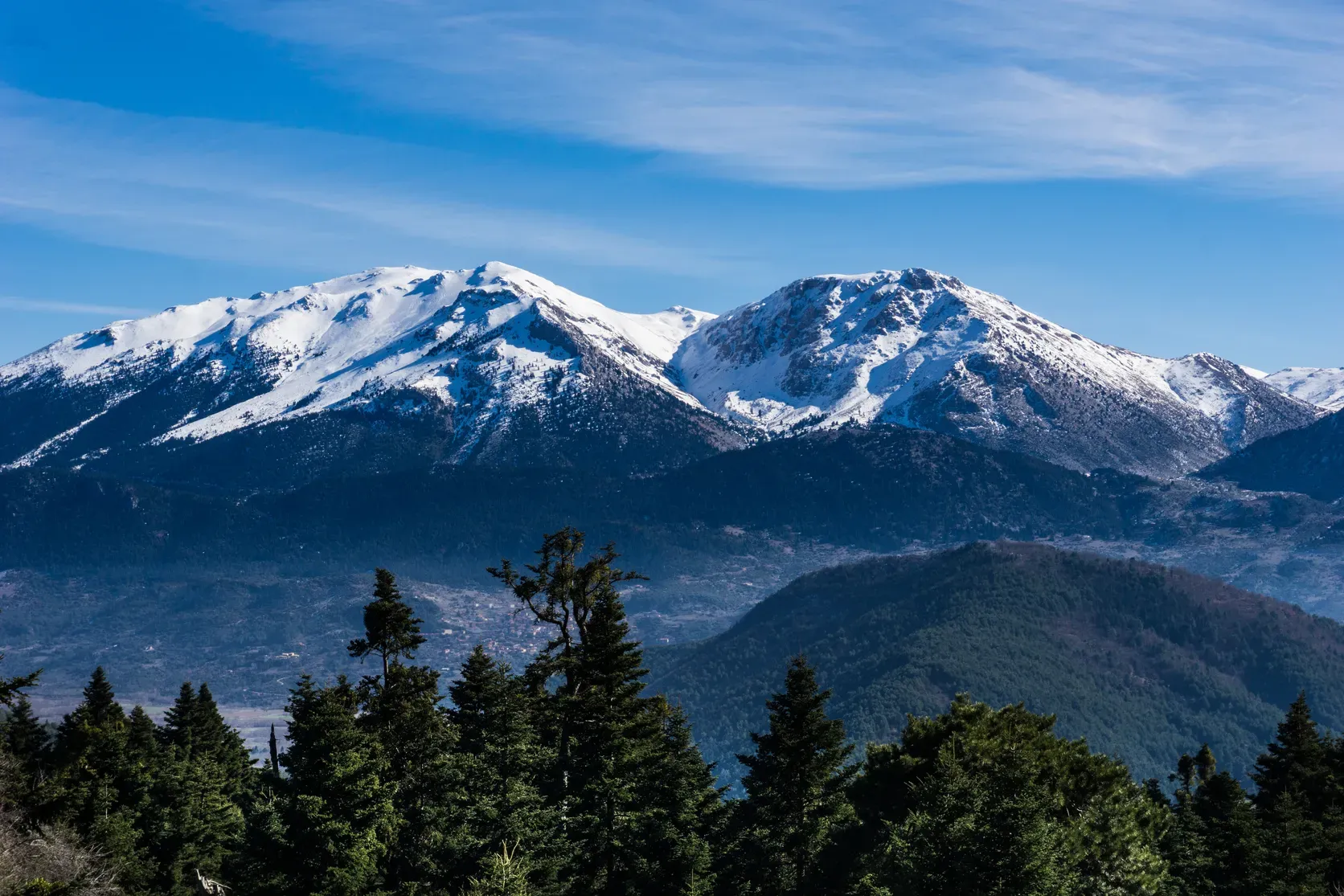
The Greater and the Lesser Ziria with their trails, the ski center, the refuges, Hermes cave and the Skafidias plateau are a magical place in all seasons. On Greater Ziria, at 1.480 m., depending on rainfall and snowfall, the shallow Lake Dasiou appears, which when it freezes reflects like a mirror the enchanting landscape all around.
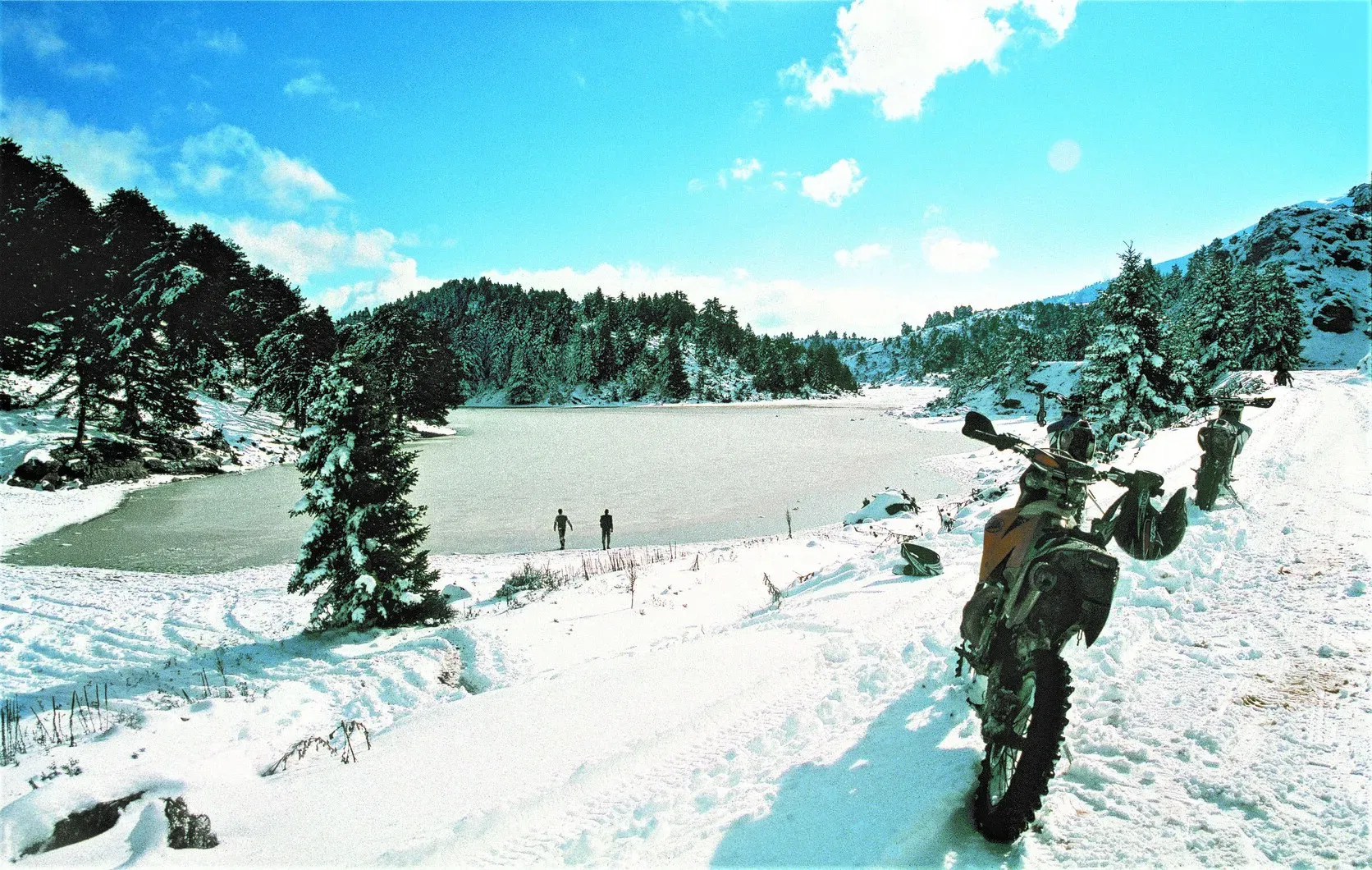
On the route to the Skafidias plateau, which is accessible from Goura, you will meet shepherds from Feneos who bring their herds there, and if you are lucky you will also see the famous semi-wild horses enjoying their freedom. On the plateau of Mount Ziria, at an altitude of 1.500 meters, is the Ziria Ski Center, operating since 2007. It is one of the newest ski centers in Greece and is ideal for beginners and families with children. It has a beginners slope with a drag lift (baby lift) with a total length of 150 m. and a second one, with graduated levels, on which a 400 m drag lift operates.
Trikala Corinthia
Built on the slopes of Ziria at an altitude of 900-1.100 meters, Trikala Corinthia is a small mountain paradise. According to a 1716 treatise by the Patriarch of Jerusalem Chrysanthos Notaras, they got their name from the three good things they have: the abundance of waters, the vineyards that produce their wine and the healthy air. They also have three districts: Upper, Middle and Lower Trikala. All are built in nature, with springs and fountains, stone-paved squares and unique views of the surrounding mountains.
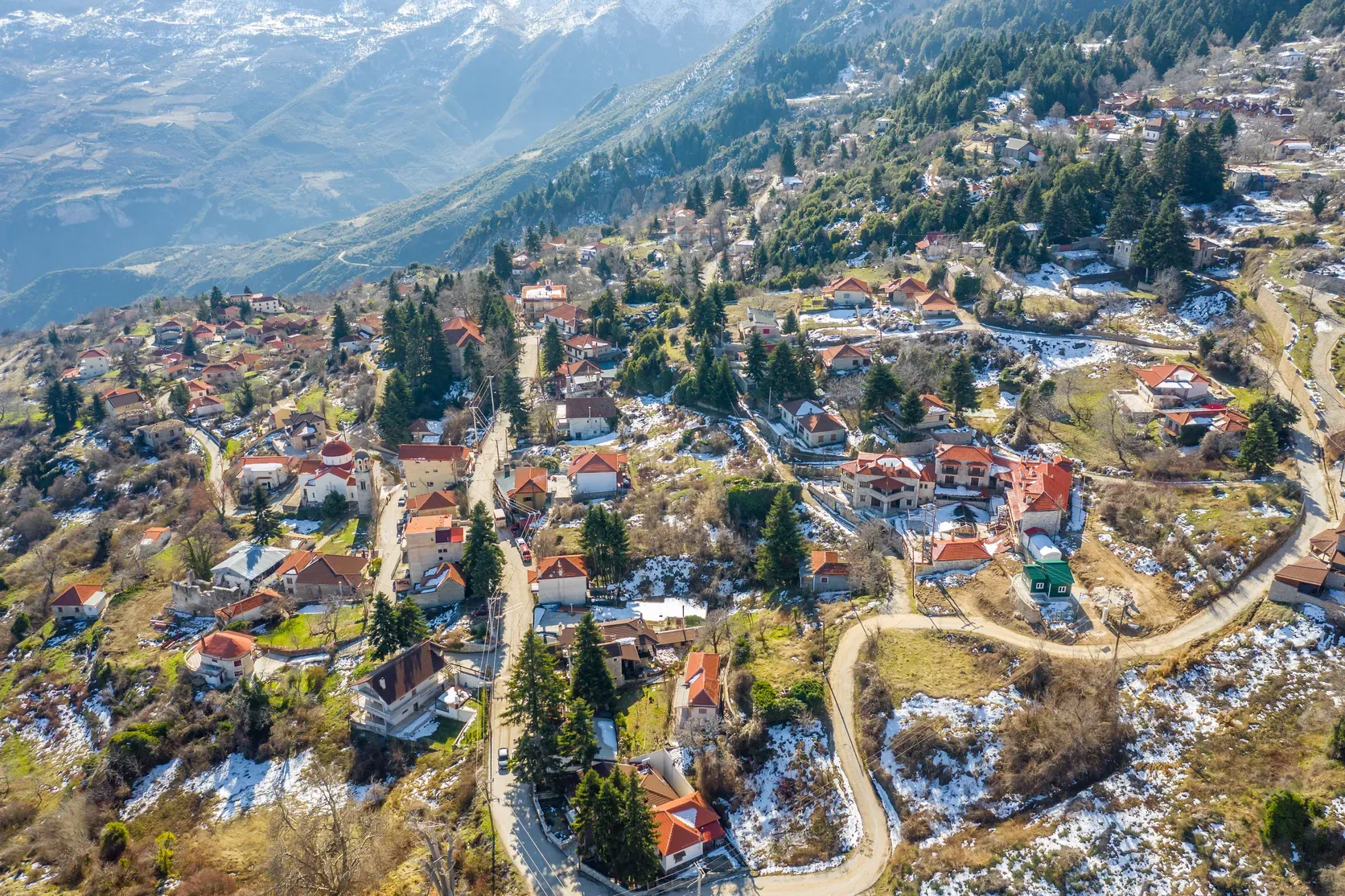
The strolls start from Lower Trikala, with the wonderful stone-built square with the two centuries-old plane trees and the impressive Church of Agios Dimitrios (1697) that stands out for its frescoes. Middle Trikala is the starting point of the most beautiful mountain trails of Ziria. From the middle district of Trikala also begins the road to Karya, which is built at an altitude of 1.300 meters. After a short route you will reach the beautiful village that has a privileged view of Ziria and the surrounding area.
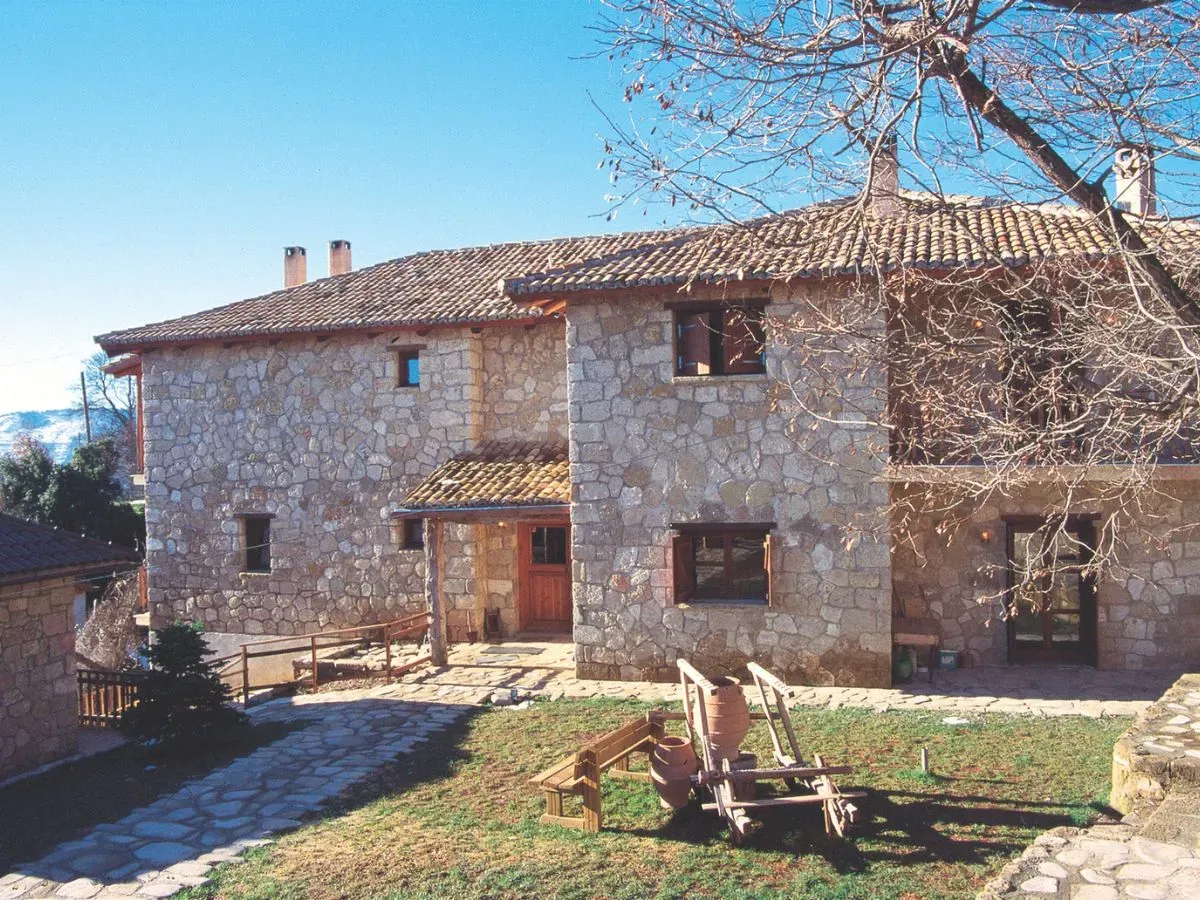
To get from Middle to Upper Trikala you can walk the path known as «Ancient Myssaion», on a route that lasts about 45 minutes. From Upper Trikala it is worth continuing your stroll to the 15th-century Monastery of Agios Vlasios - the view from here will reward you. Starting from Trikala Corinthia you can also visit the nearby villages, such as the traditional Manna from where a trail also starts towards Greater Ziria.
Goura Corinthia
Goura, built at an altitude of 945 meters, is a beautiful village overlooking the Feneos plateau. It is the hub of the area, as it has guesthouses, traditional cafés and tavernas, and is the ideal starting point for excursions to nearby attractions. The villages reference point is the paved square, where locals and visitors sit to rest in the shade of the trees or at the cafés. On weekdays life flows calmly here, while on weekends and holidays visitors flood the village, enjoying good food and accommodations in the guesthouses.
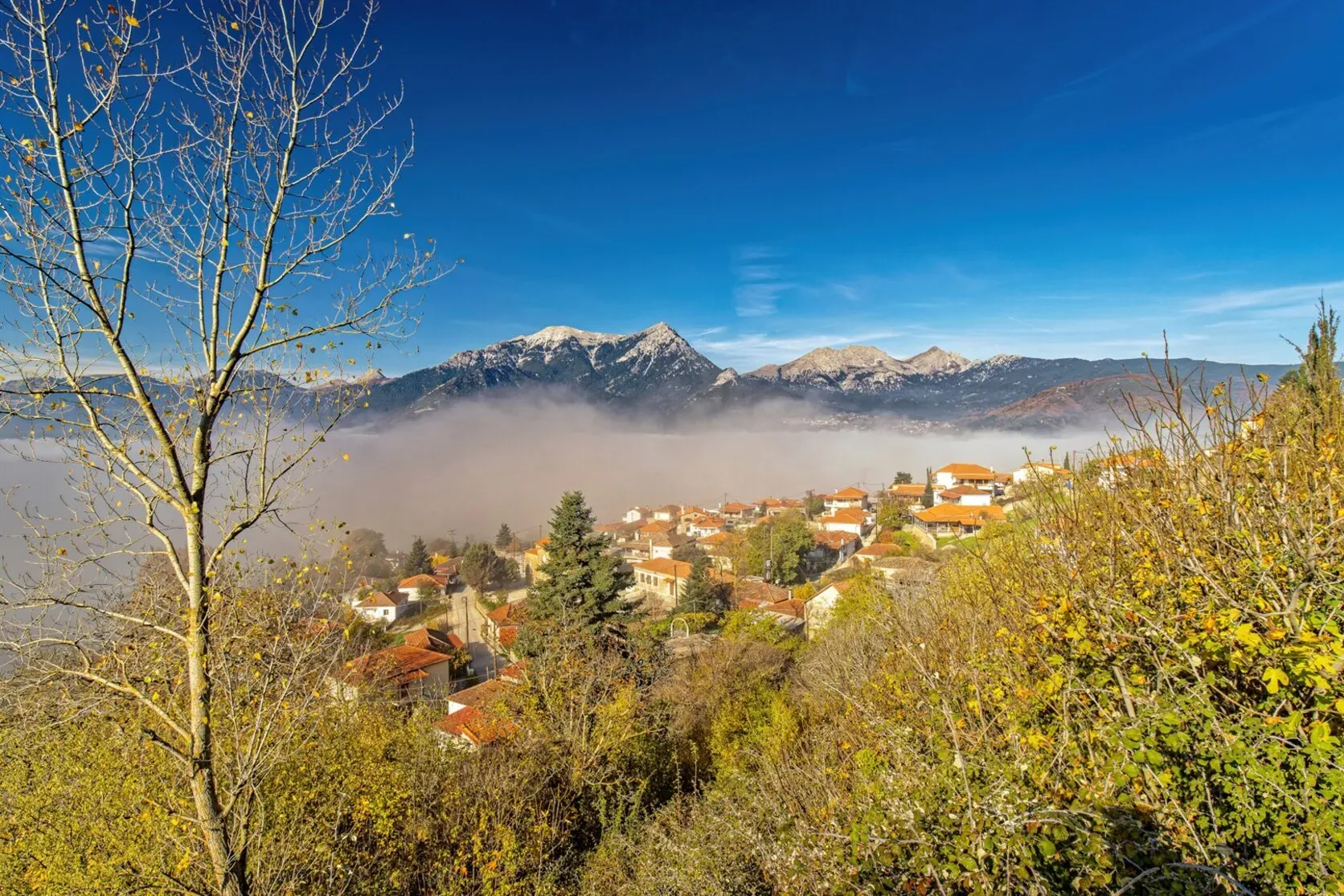
Do not forget to include in your plan a stroll to the alpine-beauty, artificial Lake Doxa, with the small church of Agios Fanourios at its center. In Mountainous Corinthia you will also encounter Lake Stymphalia, the wetland that hosts more than 143 species of avifauna. There you can also visit the interesting Stymphalia Environment Museum, while just outside the village of Stymphalia you will see the impressive ruins of the Monastery of Zaraka. Outside Kato Tarsos, you will come across the impressive little church of Panagia of the Rock.
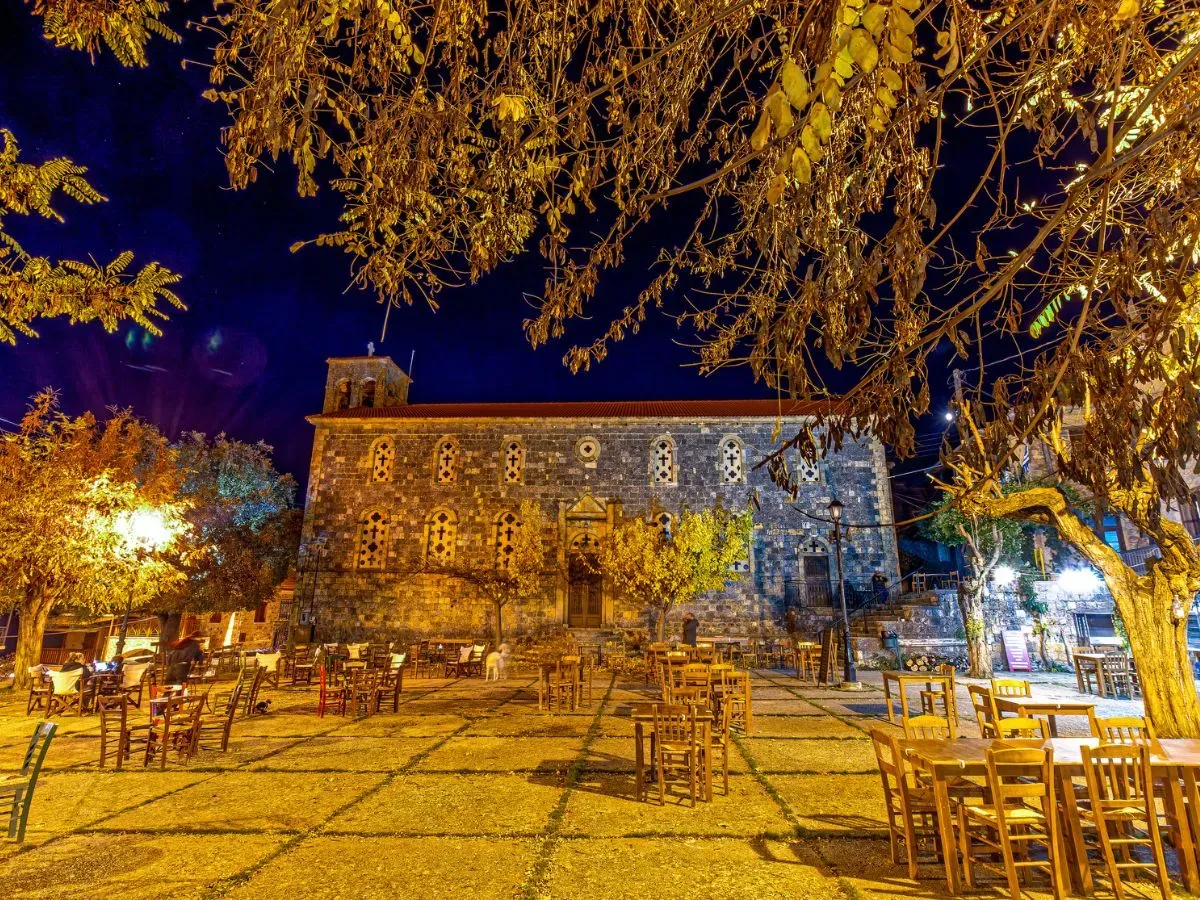
As you leave, do not forget to take with you from the grocery stores you will find in all the villages the traditional products of Feneos such as beans, fava, handmade pasta and dairy products. In the area you will also find homemade spoon sweets, tasty jams, honey, mountain tea and oregano.
Nemea Vineyard
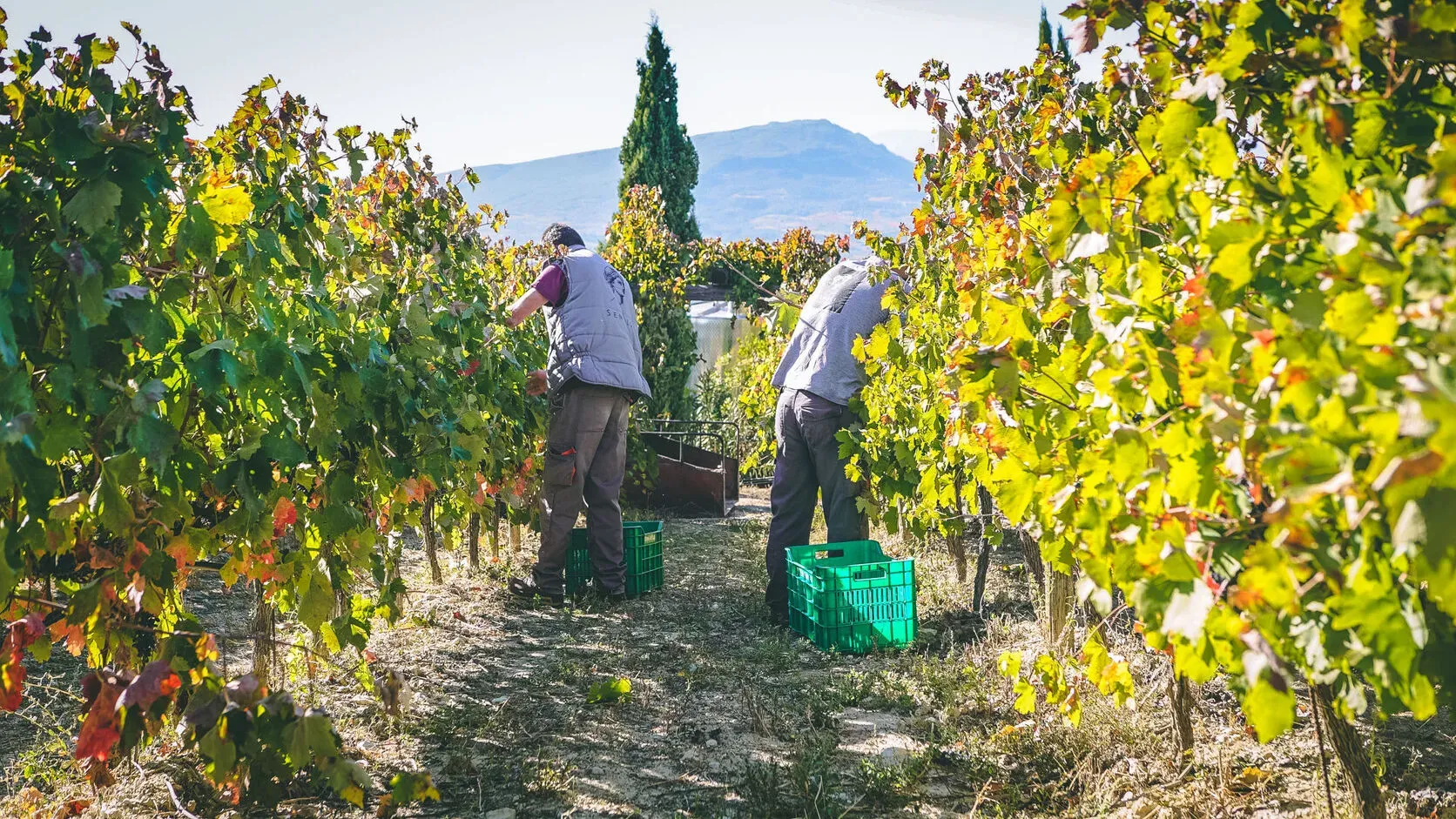
In the villages of the area you will also have the opportunity to taste the award-winning PDO wines of Nemea, the largest wine-growing zone in Greece. A mountainous mass with deep gorges shaped over time by rivers such as Asopos and Xerias created the relief of the PDO Nemea viticultural zone that extends over 25-30.000 stremmas. The viticultural zone of Nemea was recognized in 1971 (as OPAP and later PDO) and Agiorgitiko constitutes 80% of it. Agiorgitiko is the noblest grape variety in southern Greece, having the gift of producing a wealth of different types of wine.
Gortynia: On the paths of nature and history
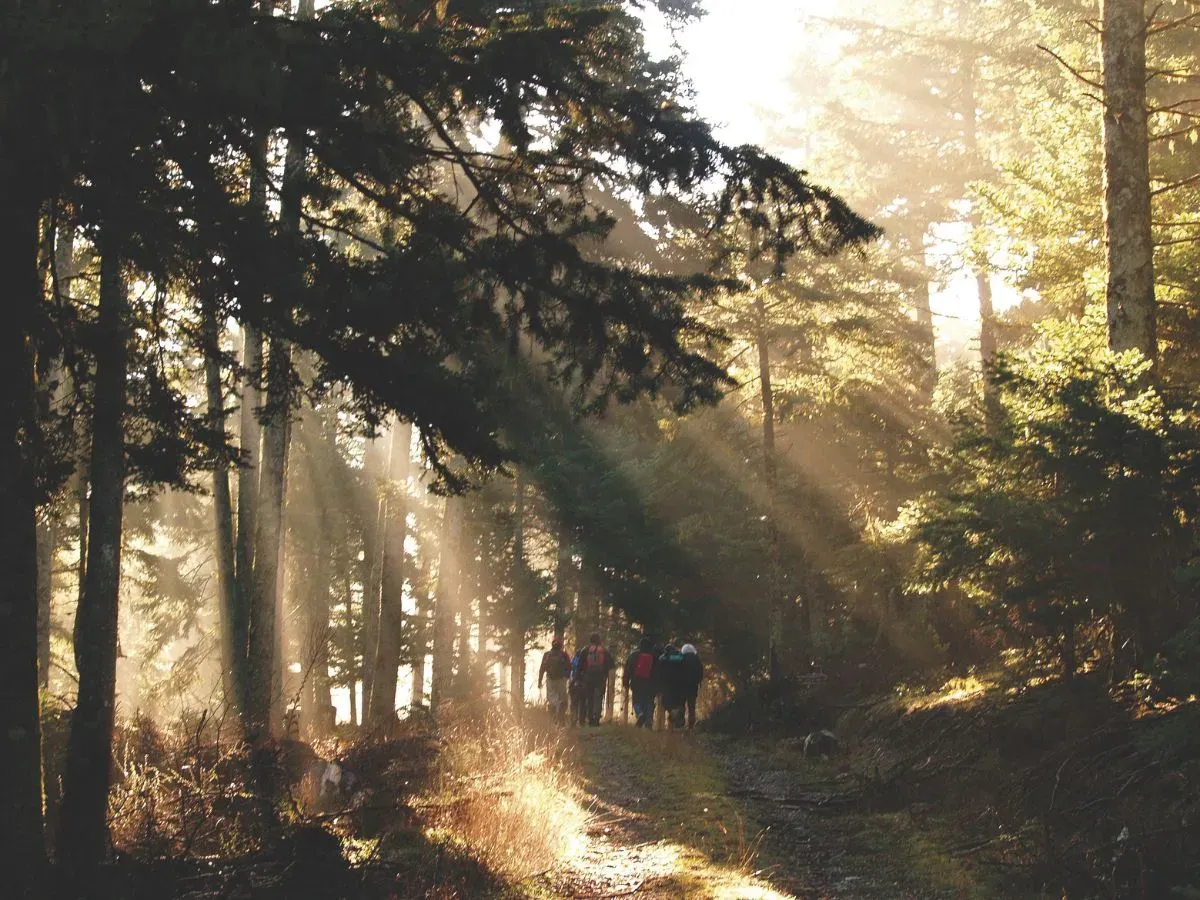
Land of the god Pan and of the Greek Revolution, Mainalo is the most important mountain of Arcadia. Though modest in elevation, it is one of the most extensive mountain complexes in Greece. Mainalo is adorned with traditional settlements, archaeological sites, medieval castles, temples, monasteries, watermills and stone bridges. Here we encounter a large network of trails, with a total length that exceeds 600 km. It is worth getting to know the Menalon Trail, a 75 km network divided into 8 sections, which connects nine mountain villages, and to try activities such as rafting on the Lousios and the Alfeios.
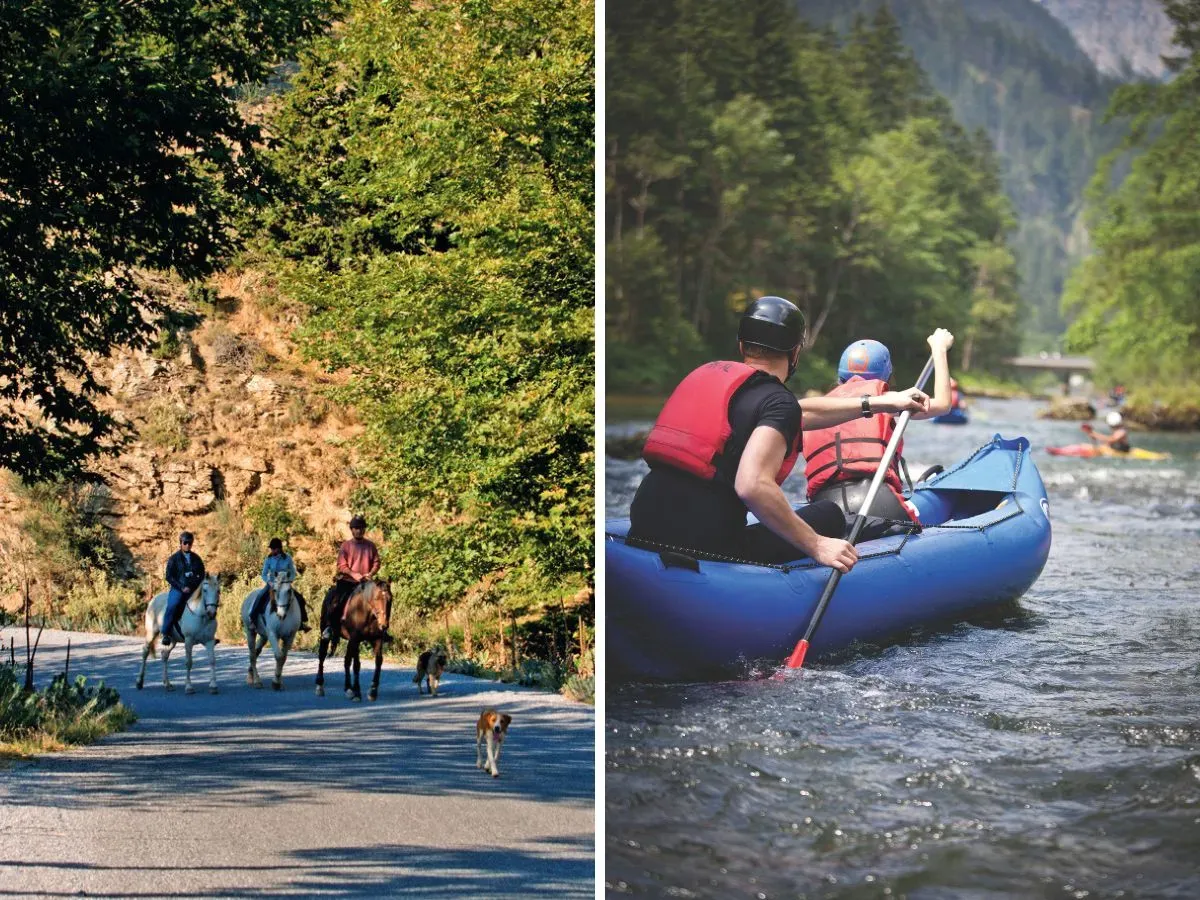
In the western part of Arcadia, Gortynia is one of the most authentic and mountainous regions of Greece. Here are some of the most beautiful and most historic villages, with the most popular being Dimitsana, Vytina and Stemnitsa. To the west of Mainalo springs and flows the Lousios River through an impressive gorge. One of the most popular trails of Lousios is the one that connects the monasteries of Agios Ioannis Prodromos and Philosofos (route duration 45 minutes - 1 hour). Also very beautiful is the trail that connects Stemnitsa with ancient Gortyna, passing by the Monastery of Prodromos.
Stemnitsa
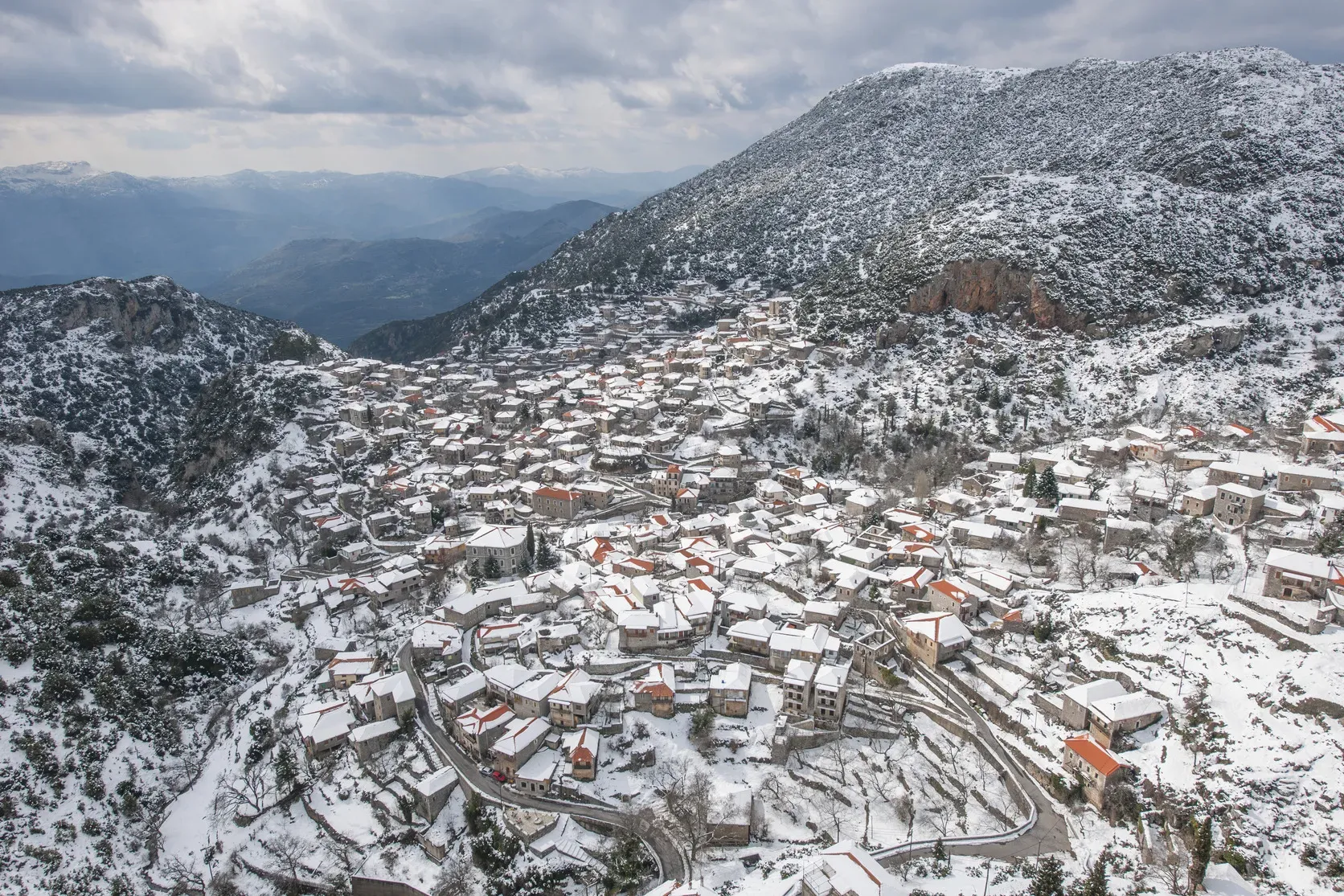
At the foothills of Mount Klenitsa, between 4 ravines, lies one of the most beautiful traditional villages of the Peloponnese with houses built by the famed Lagkadia master builders. In Stemnitsa the visitor walks and breathes the crisp air, at an altitude of 1.100 meters, amid rich forests. The mountain air mixes with the aroma of wood from the fireplaces that burn throughout the village, while the voices of locals and visitors enliven the cobbled lanes.
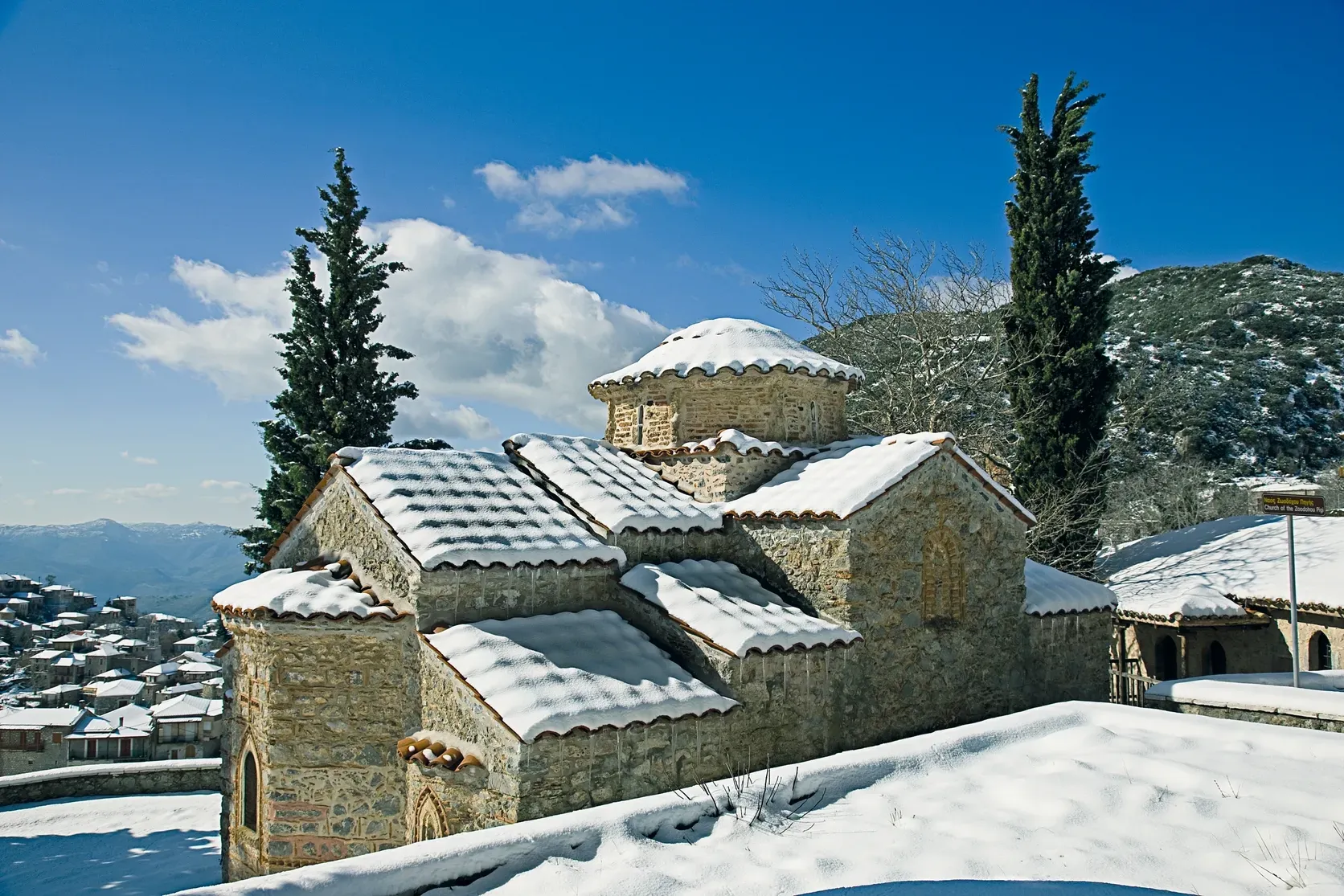
In Stemnitsa you will encounter impressive houses, lovely stone guesthouses, small churches and gushing springs. In the village there are little tavernas that serve local cuisine, traditional cafés, cafe-bars and patisseries. Standing out are the shops with handcrafted jewelry and traditional products, as the locals have excelled in the art of silversmithing and goldsmithing. A testament to the village’s long and unbroken tradition in this art is the operation of the School of Silversmithing since the 1970s.
Dimitsana
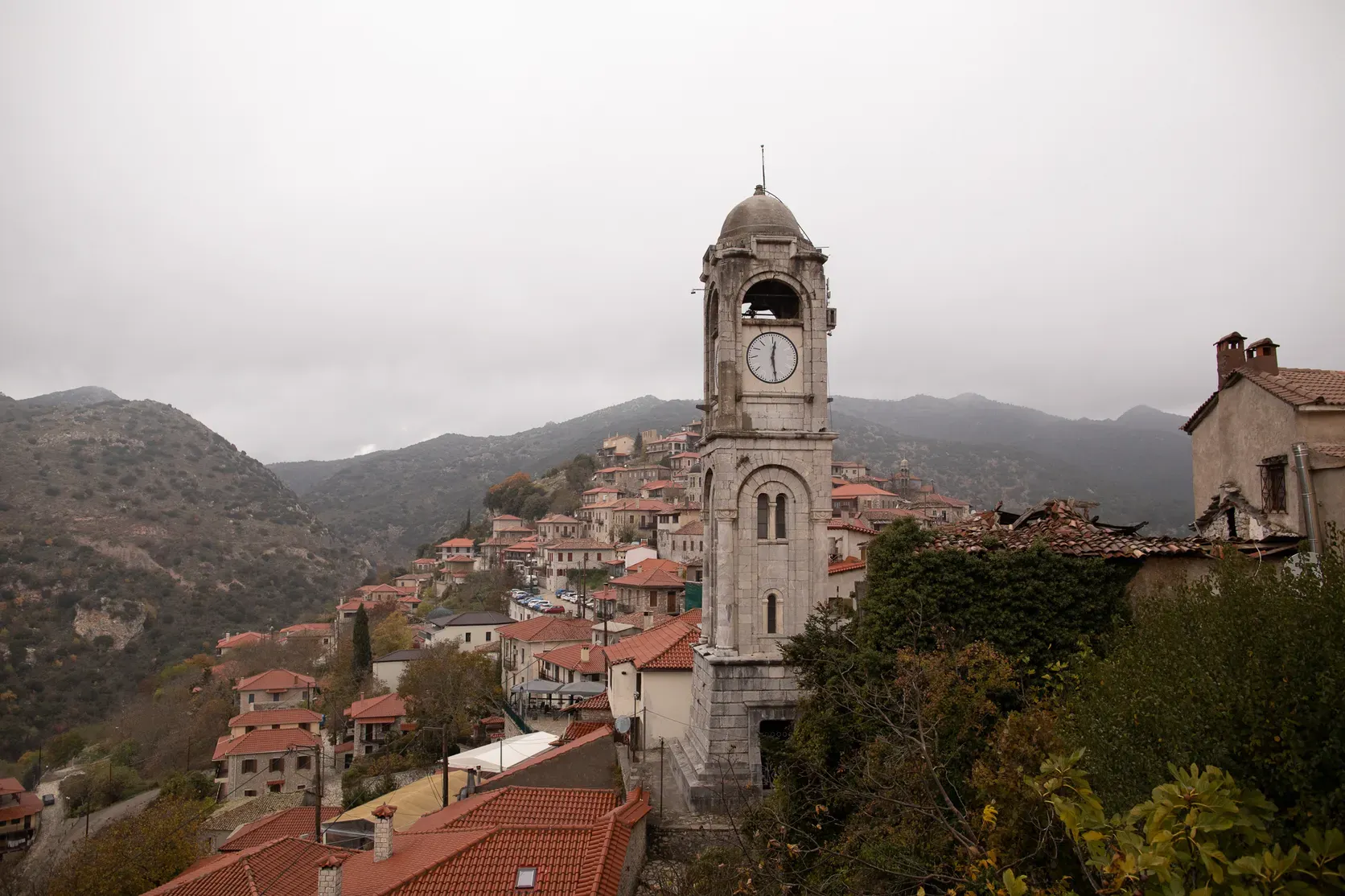
Designated since 1978 as a traditional settlement, Dimitsana spreads amphitheatrically on the forested slopes of Mainalo. In this position stood the ancient city of Teuthis, which flourished in the Classical and Hellenistic periods. Ruins of its walls can still be discerned in some alleys. One of the most impressive sights of Dimitsana is the Open-Air Water Power Museum, unique in its kind in all of Greece, which operates under the responsibility of the Piraeus Bank Group Cultural Foundation and highlights the significance of water power in traditional society.
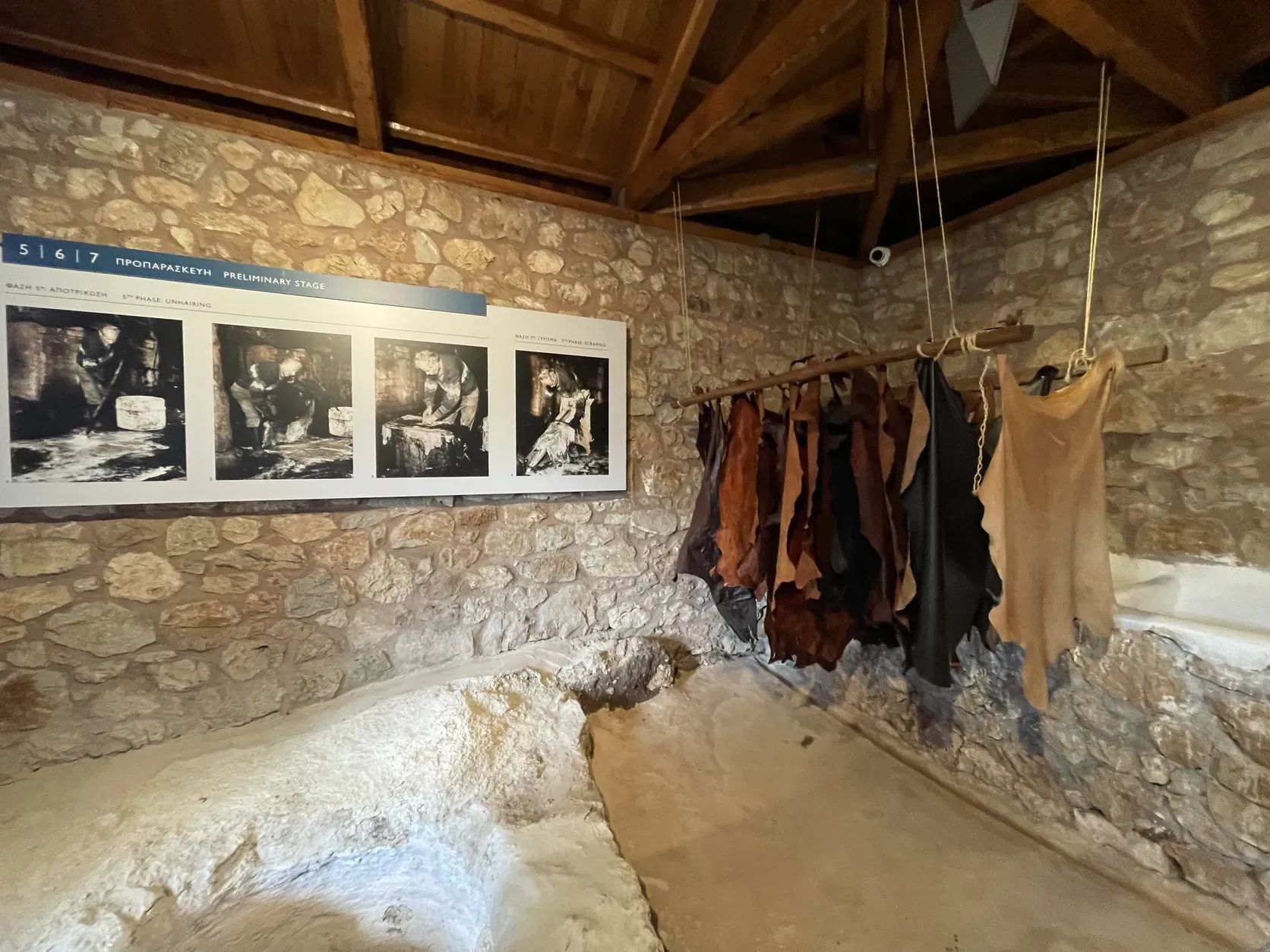
Cobbled alleys, Byzantine churches and towering mansions compose this historic village, while significant attractions of the area include the residence of Germanos of Old Patras and the historic library that houses rare editions. In the village many traditional guesthouses operate, housed in well-maintained buildings, while you will find tavernas, cafés and shops with souvenirs and local products.
Vytina
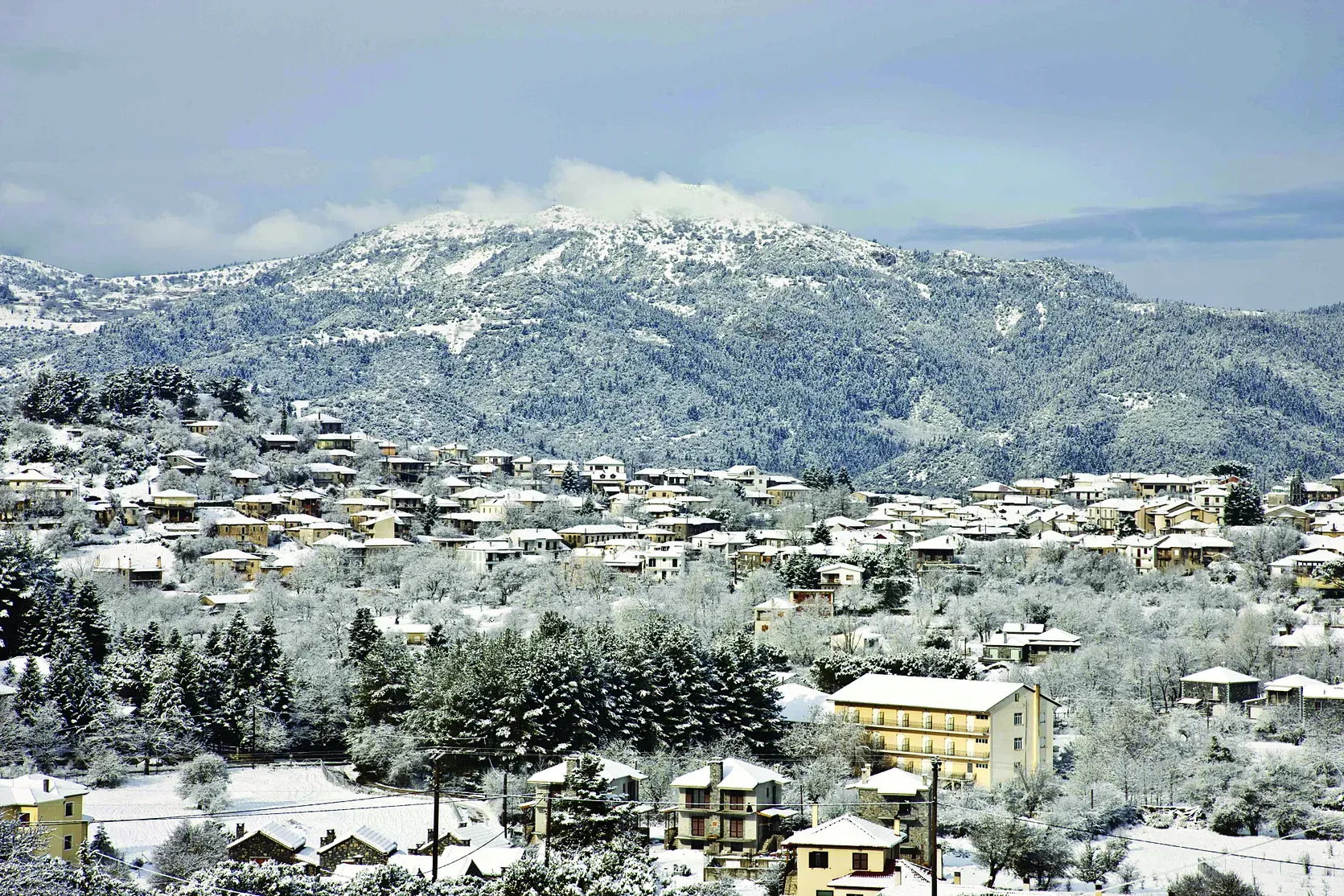
One of the most popular villages of Mainalo, Vytina has everything every traveler seeks, from clean air and sights to slopes filled with firs. The village is on the slopes of Mainalo «at an elevation of 1033,67 above sea level», as exactly inscribed on a plaque next to the Church of Agios Tryfon, in the central K. Paparrigopoulos Square, where the heart of Vytina beats. Here locals and visitors drink coffee, next to the Folklore Museum that is worth a visit.
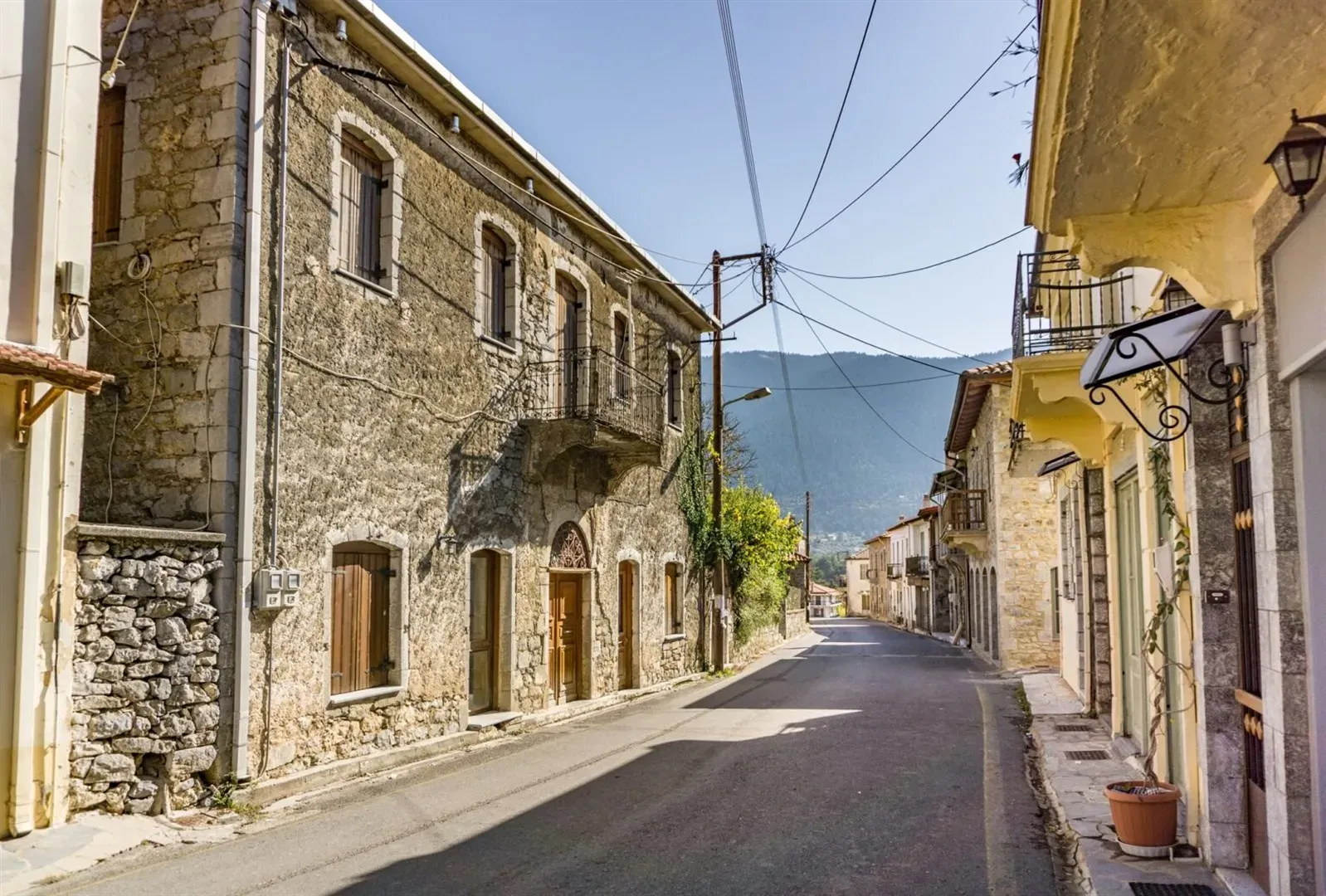
Among the sights of the area is the Triantafyllideios Forestry School that houses the Forest Service, in a two-storey neoclassical building (1890-95) within a 150-stremma estate. Do not miss a stroll in Vytina’s famous little forest, full of various kinds of trees, and on the famous «Road of Love», a romantic route between tall trees.
Karytaina
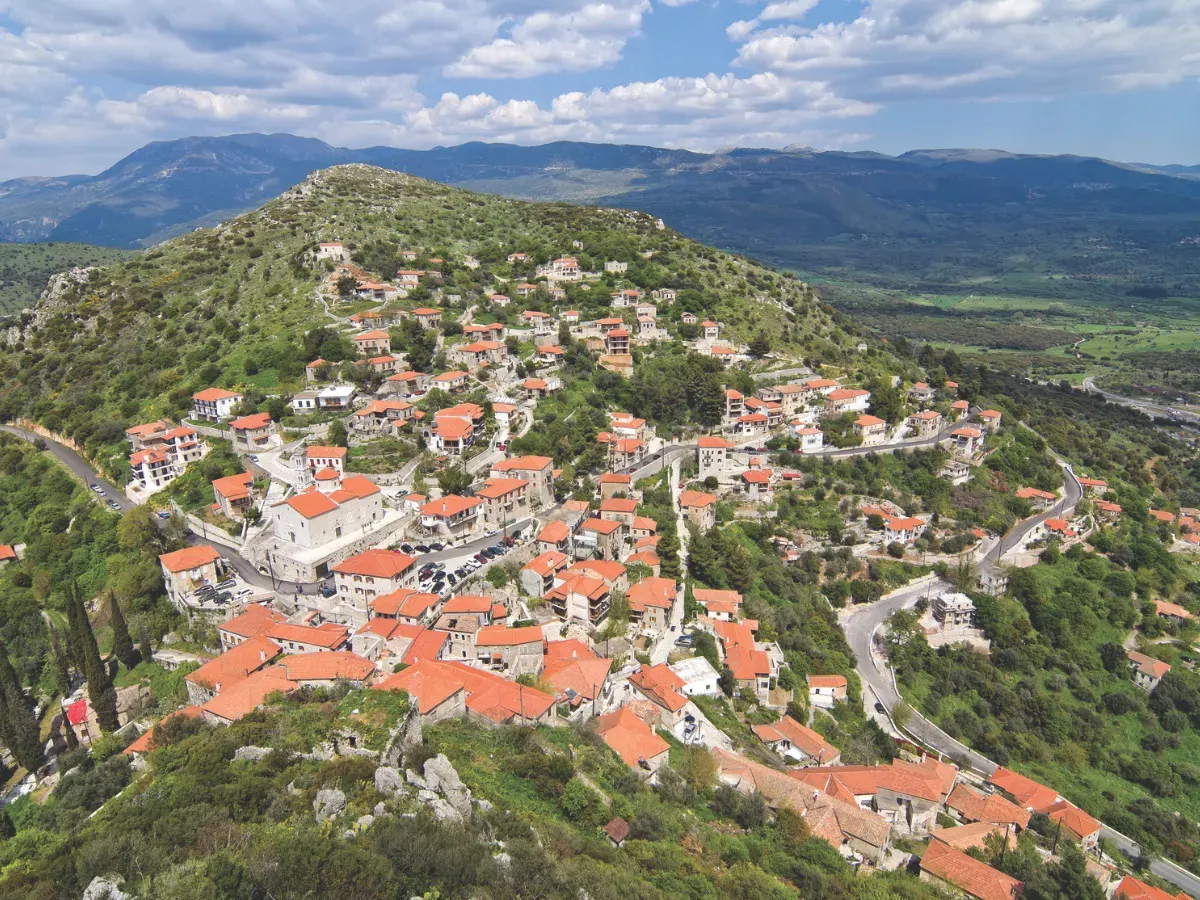
Built on the side of a rock on the southwestern edge of Mountainous Arcadia, Karytaina is one of the most picturesque villages of the area, with the Alfeios and the Lousios River flanking it to create impressive landscapes. The castle on the rock and the stone buildings compose the scene in the declared traditional settlement of Karytaina that preserves the color of a medieval castle-town.
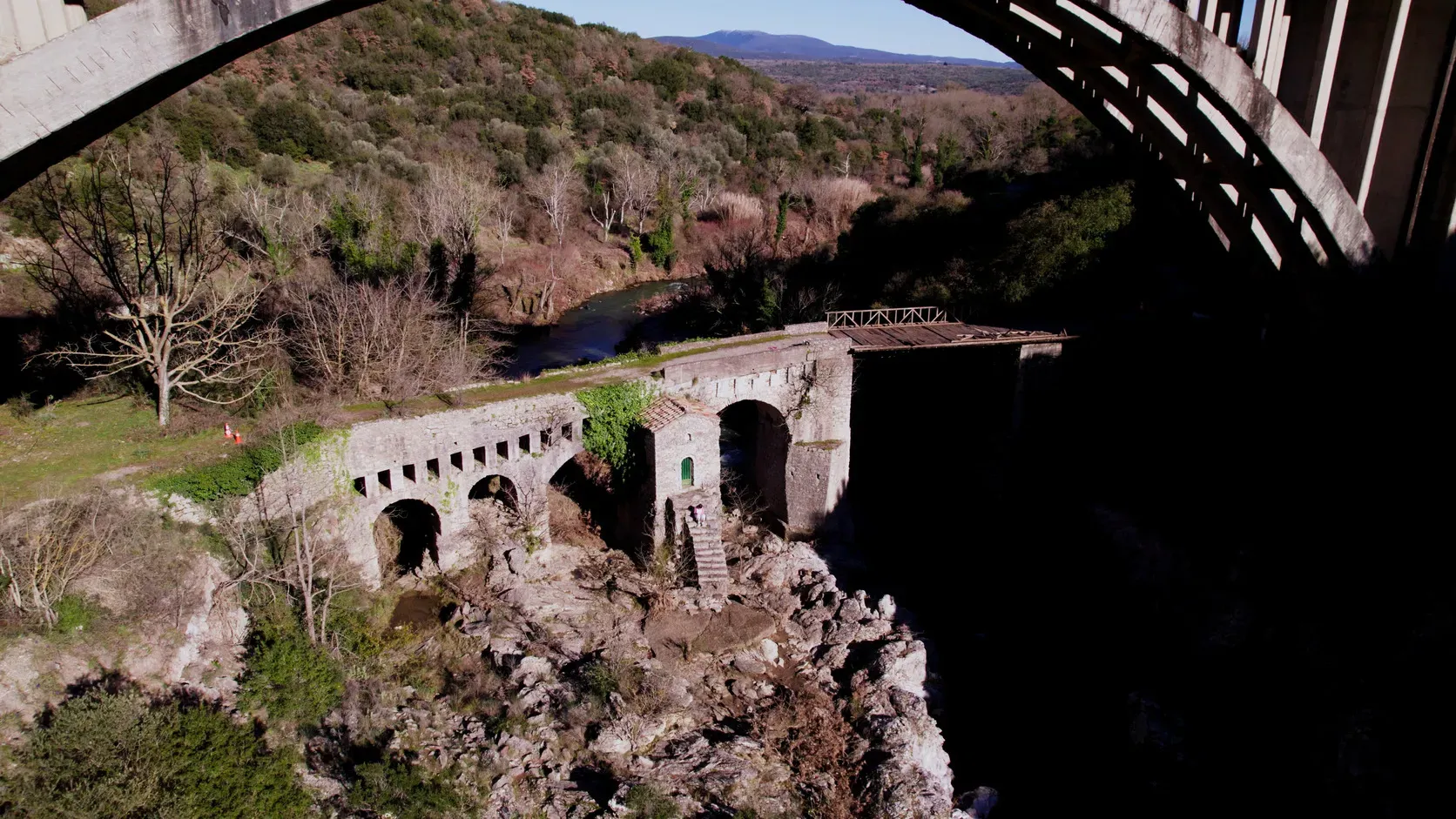
The castle of Karytaina served as the base of the Old Man of Morea during the Revolution of 1821 and is among the most important fortresses of the Frankish and Ottoman periods. The famous bridge of Karytaina, one of the oldest in the Peloponnese, was built by Geoffrey de Brier in the 13th century, as was the castle.
Local flavors
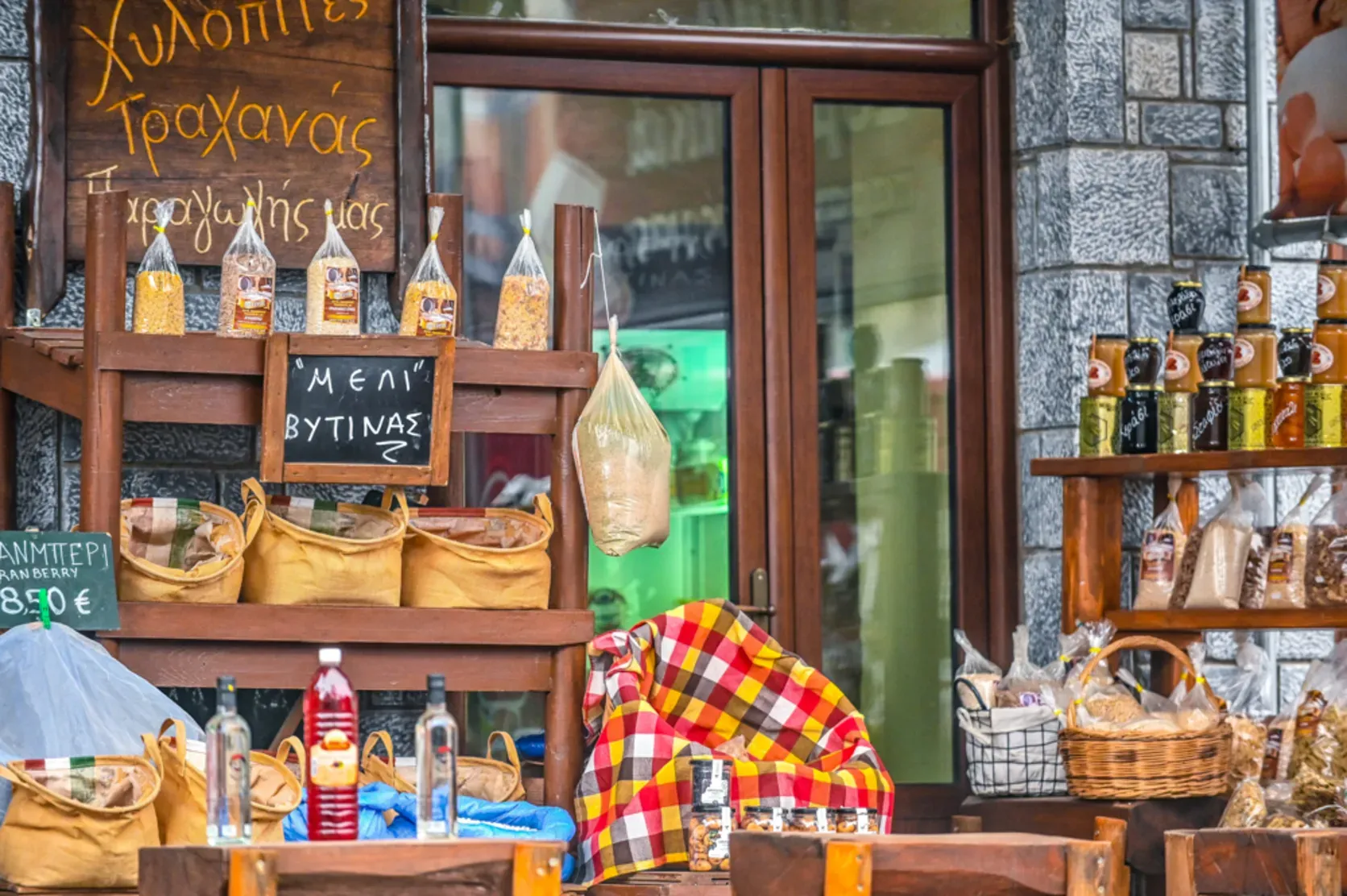
In the tavernas of all the villages of Gortynia you will try meats such as mutton, wild boar and rooster stewed in tomato sauce. Do not leave the area without putting in your luggage the local products that you will find in all the grocery stores. It is worth buying handmade hylopites, trahana, Vanilla Fir Honey of Mainalo, as well as herbs such as chamomile, mountain tea, mint, and spoon sweets.
From Mountainous Corinthia to Gortynia, the Peloponnese offers the ideal setting for festive and winter getaways. A journey through this land is an experience that surely remains unforgettable. Find all the information for your next trip here.