





Spring in the Aegean means bougainvillea, blooming hillsides and the blue of the sea and the sky merging and creating a mesmerizing spectacle.
The Aegean villages conceal a unique beauty under the light of the spring sun. The stone-paved lanes, whitewashed houses, flower-filled courtyards and an unhurried pace of life invite us to lose ourselves in their simplicity and charm. Even the settlements that are not by the waves hide a special allure. From Lesvos to Karpathos, we have selected six renowned and beautiful villages of the Aegean, ideal to visit in spring.
Molyvos, Lesvos
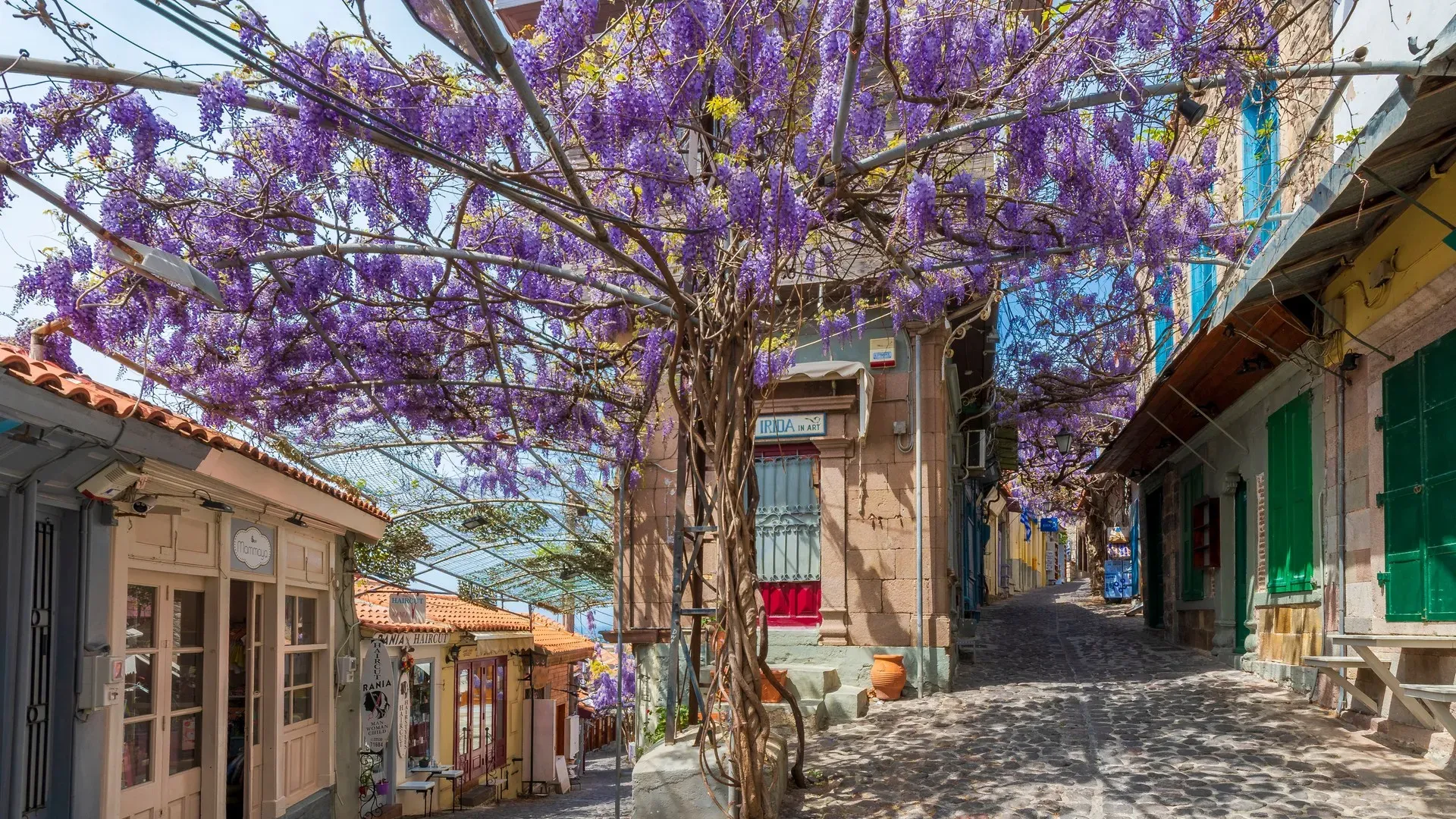
Molyvos (or Mithymna) is considered one of the most beautiful villages of the Aegean, and rightly so. The imposing castle crowning the settlement, the picturesque cobbled alleys, the stone-built houses with wooden balconies, and the colorful harbor with fishing boats create a remarkably beautiful ensemble that captivates every visitor.
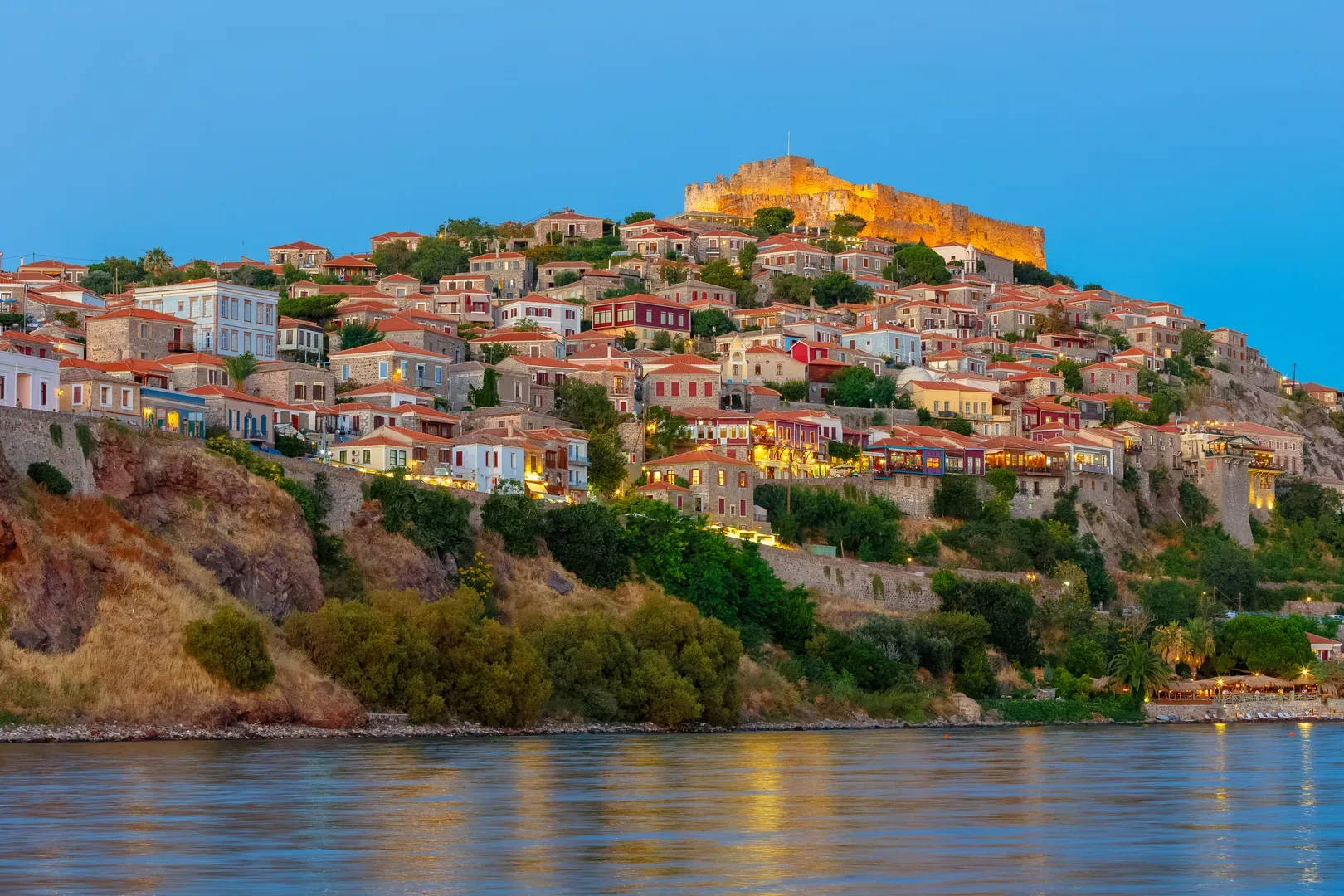
This treasure lies in the northern part of Lesvos and is about 60 km. from Mytilene. In spring it is pure magic thanks to its natural purple adornment. The preserved settlement, enchanting with its quaintness and special aura, is also known for its "purple rivers", which bloom with the arrival of spring. In Molyvos Lesvos, the alleys and courtyards are draped in wisteria, a climbing plant that produces clusters of purple flowers around Easter, dramatically changing the palette of the landscape.
Pyrgi, Chios
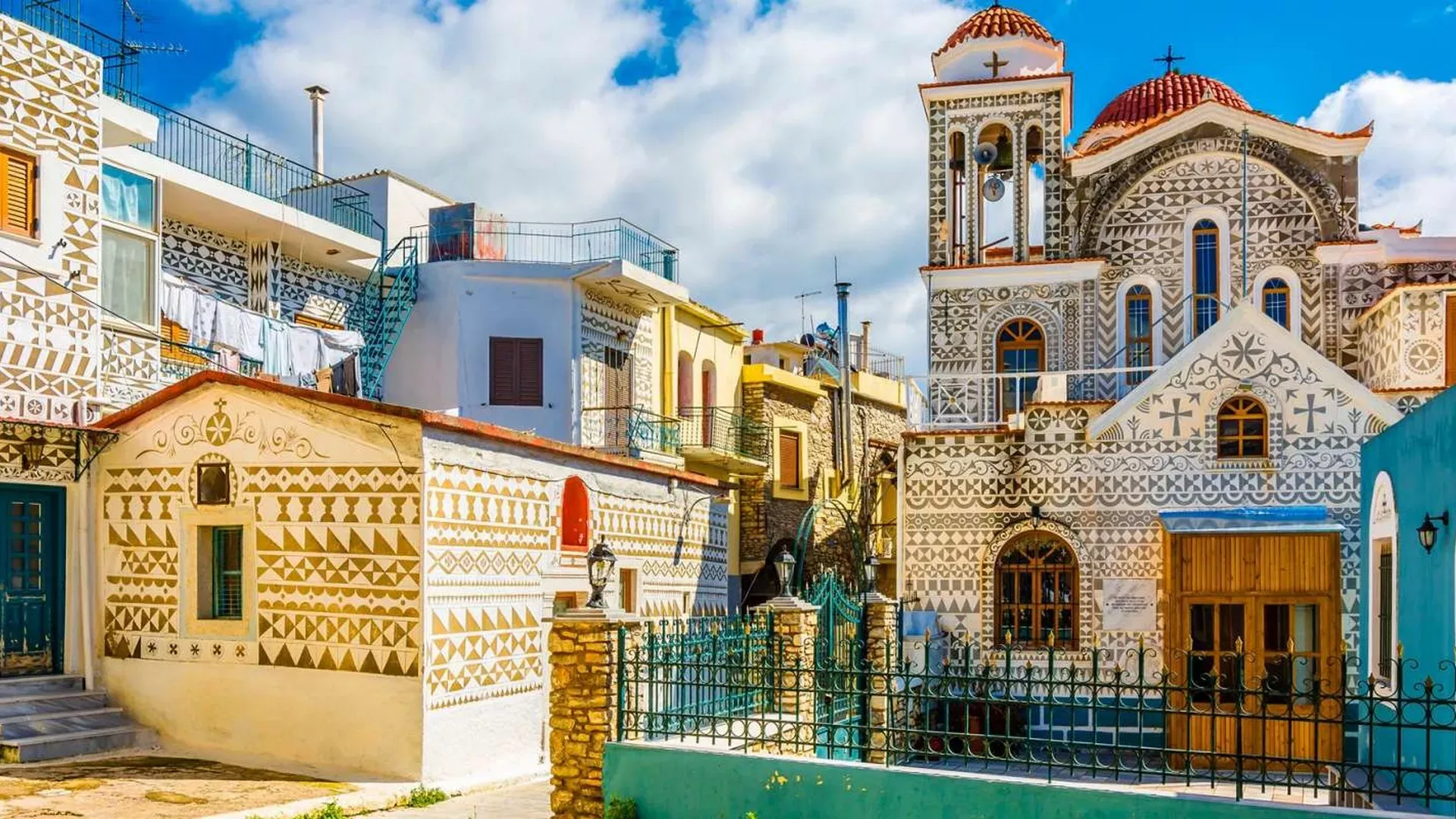
Chios, the fifth-largest Greek island in the northern Aegean, remains low-key and unspoiled. Each spring its meadows burst with striking red tulips, creating one of the most impressive sights. The villages of Chios each have their own unique character, but the ones that stand out to visitors are the Mastichochoria. One of the most beautiful and distinctive villages in all of Greece is Pyrgi, known as the "painted village", about 25 km. from the town of Chios.
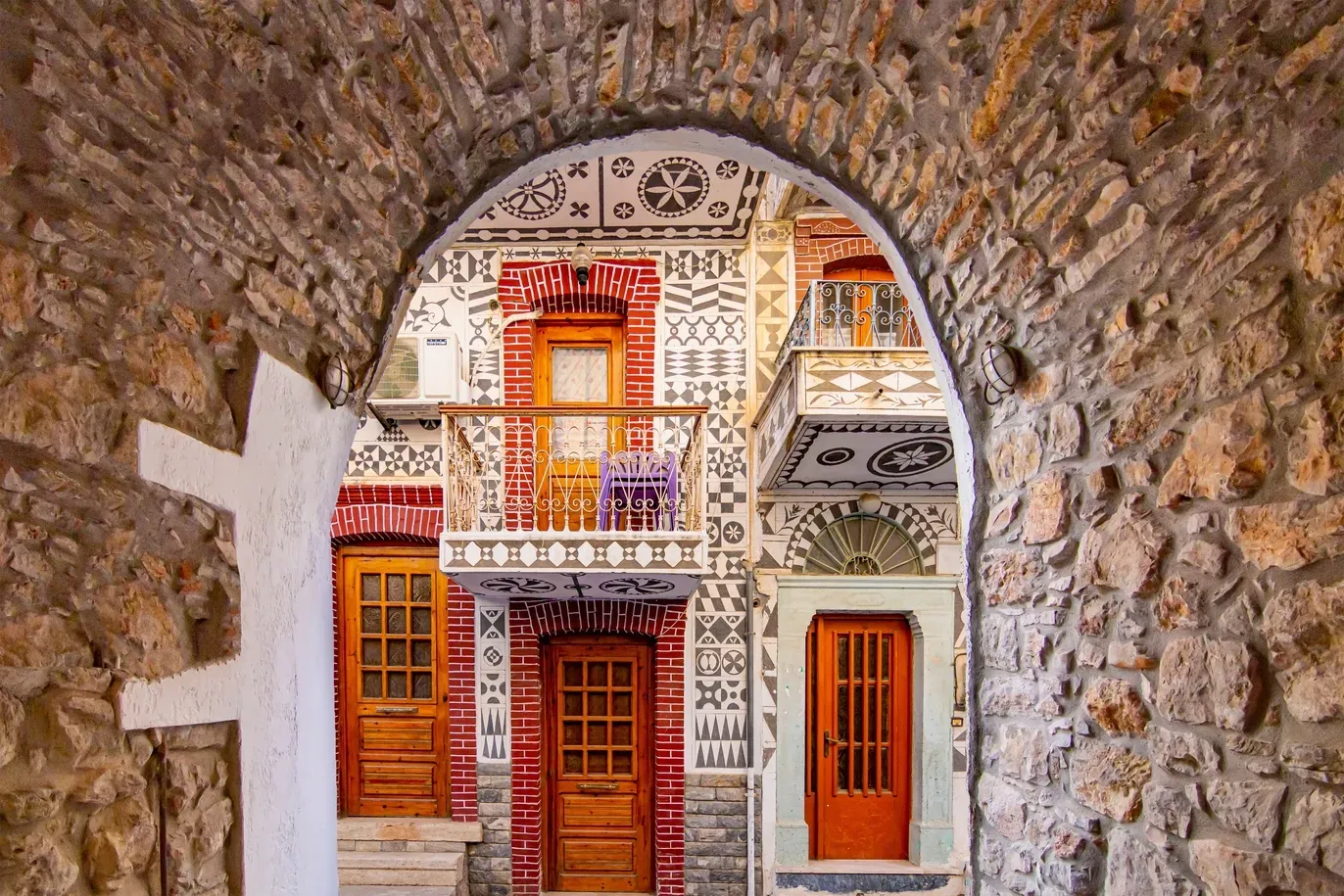
The village has been preserved as it was built, declared a protected monument, and stands out for the exterior decoration of its houses with distinctive geometric patterns. These are the so-called "xysta", a type of facade decoration with black-and-white geometric designs. Paved, narrow alleys, tall houses linked by arches to those opposite, and countless churches compose a unique scene unlike anywhere else. Because it was scarcely damaged by the 1881 earthquake, Pyrgi also retains its medieval appearance inside.
Lefkes, Paros
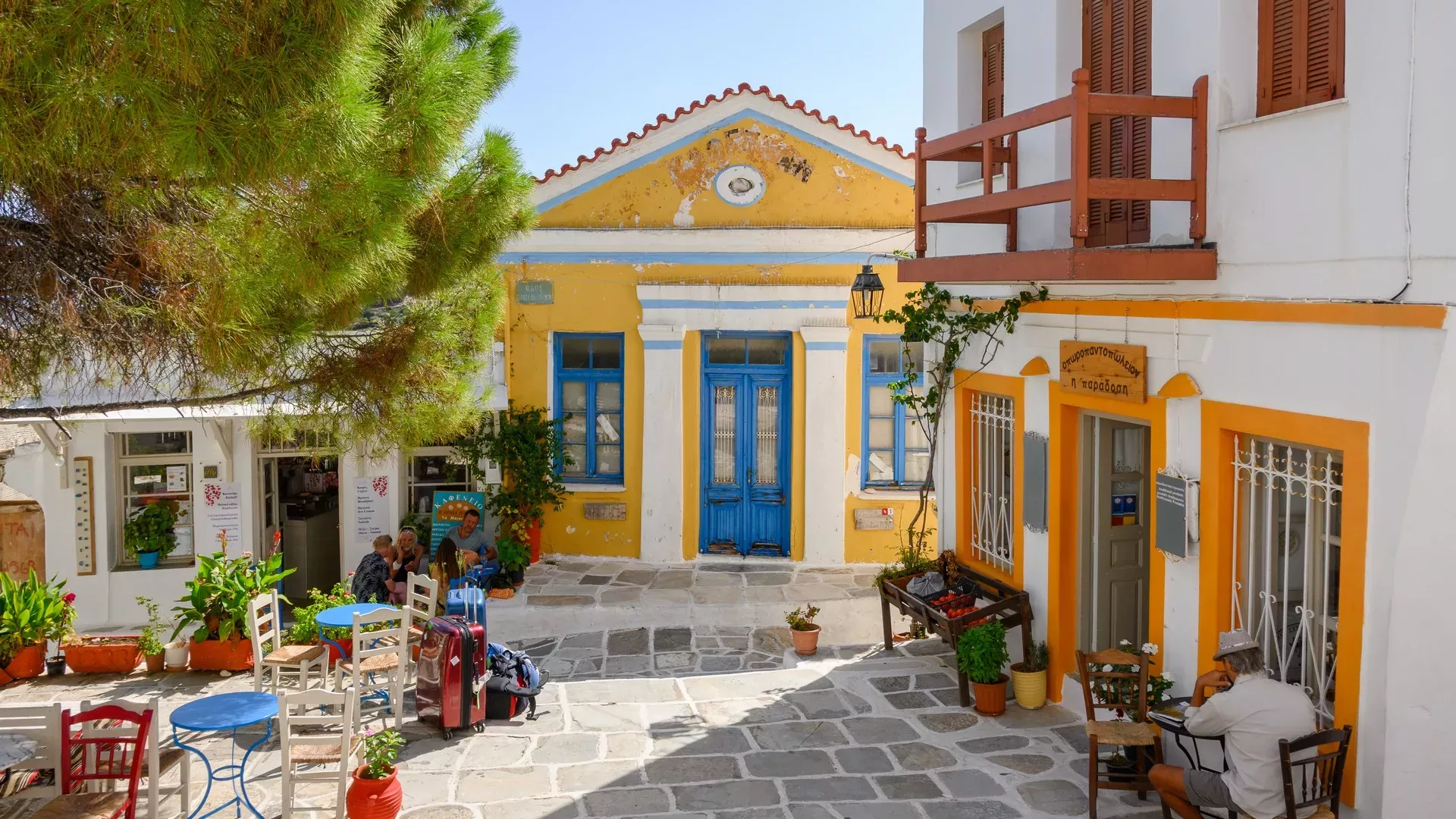
Paros has everything one seeks in a Cycladic island, from gorgeous beaches to seaside tavernas, tranquil villages and options for nightlife. The village that has stolen the hearts of many visitors is Lefkes, the islands first capital. Just 11 kilometers from Parikia, the village is built on Paross hills at an elevation of 250 meters.
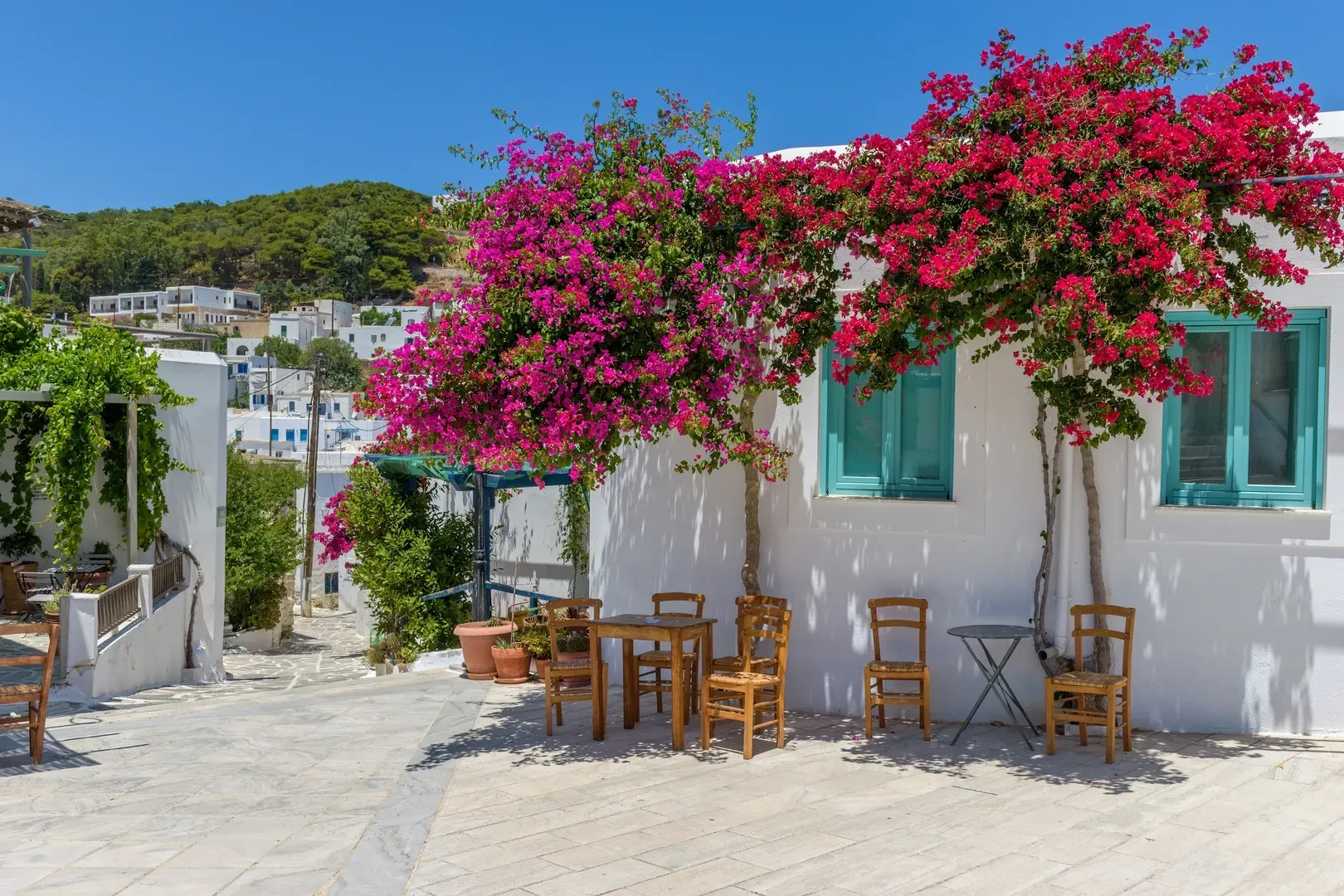
Its quintessential Aegean houses are built amphitheatrically, forming many narrow alleys where cars do not enter, making them ideal for strolling. Enjoy your walk along Ramnos, the central cobbled street, to reach the Church of the Holy Trinity, the villages jewel. Follow the Byzantine path paved with marble slabs that links Lefkes with the neighboring village of Prodromos, a 7 km. route amid small vineyards, olive groves and fragrant shrubs.
Pyrgos, Tinos
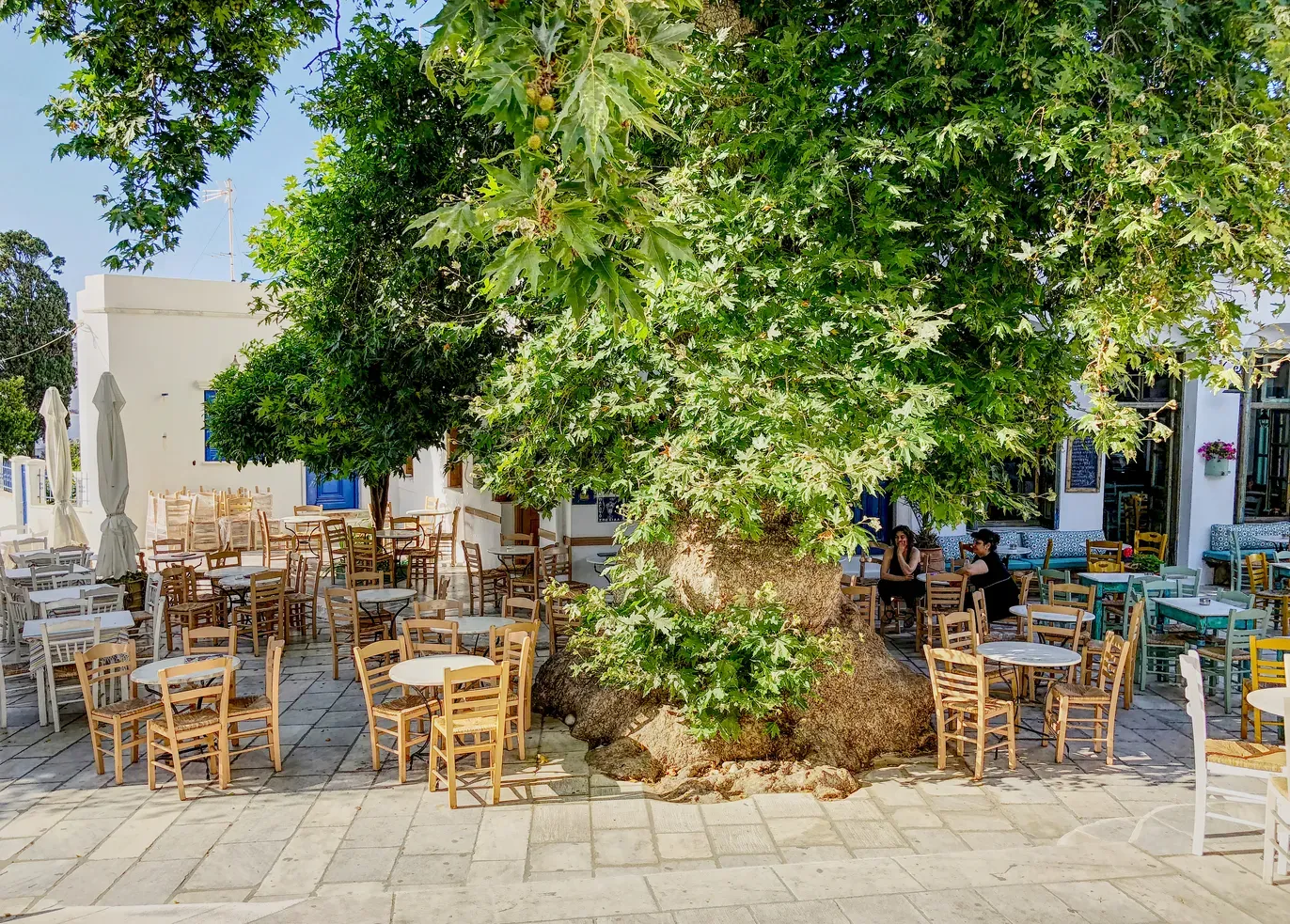
Tinos counts more than 45 villages, small and larger, with Cycladic character. In spring on the island, it is worth visiting Pyrgos, the largest village, located about 25 km. north of Chora. Birthplace of renowned sculptors and painters such as Giannoulis Halepas, Dimitris Filippotis, Nikiforos Lytras and more, and the center of Tinos marble craftsmanship, Pyrgos is, in its entirety, an open-air museum of folk art, with marvelous marble creations adorning every corner - from churches and houses to fountains and even the bus stop. In Pyrgos youll find the house-museum of Giannoulis Halepas, the Museum of Tinian Artists and the Museum of Marble Crafts, and the School of Fine Arts also operates here.
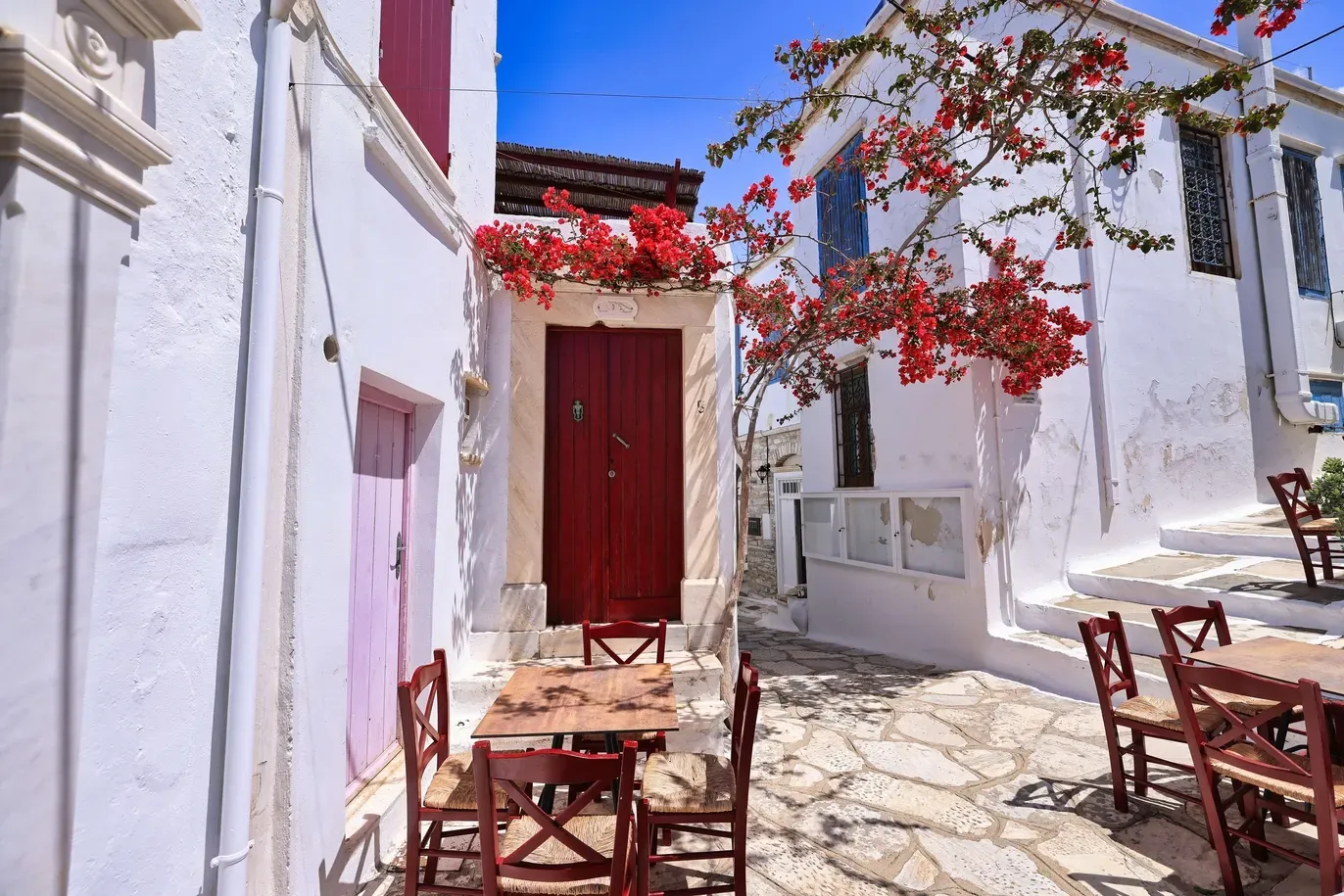
All strolls along the picturesque cobbled lanes with their wonderful architecture lead to the central square with the centuries-old plane tree that offers shade. There, at the tables of the traditional cafes, the favorite habit of locals and visitors is Greek coffee and galaktoboureko, overlooking the promenade.
Apiranthos, Naxos
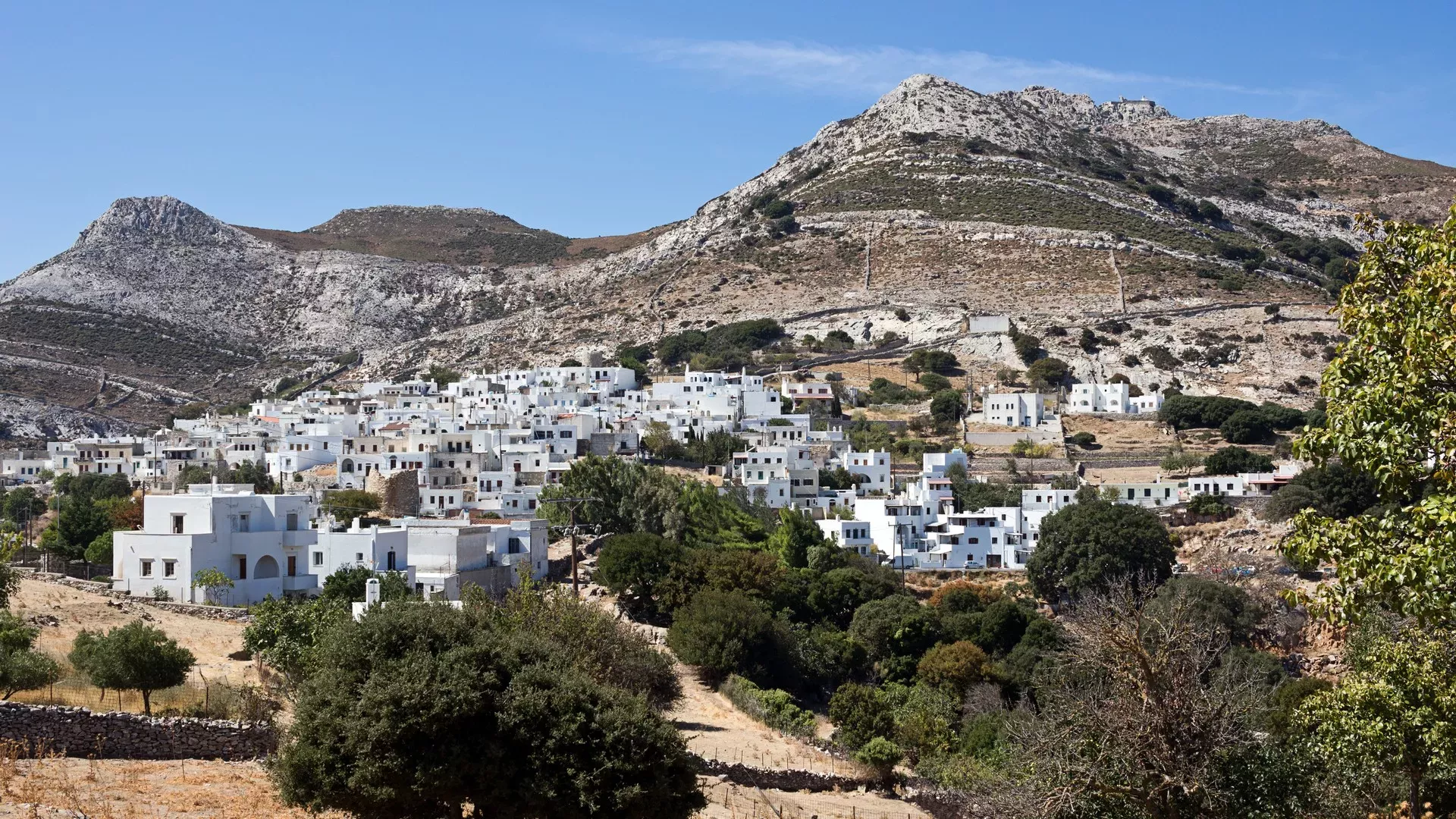
Naxos is famed not only for its wonderful beaches, gastronomy and archaeological monuments, but also for its beautiful villages. For many, the most beautiful is Apiranthos, a mountainous gem in the lush hinterland of Naxos that preserves traditions, the residents distinctive idiom reminiscent of the Cretan dialect, and its architectural character from the era of Venetian rule.
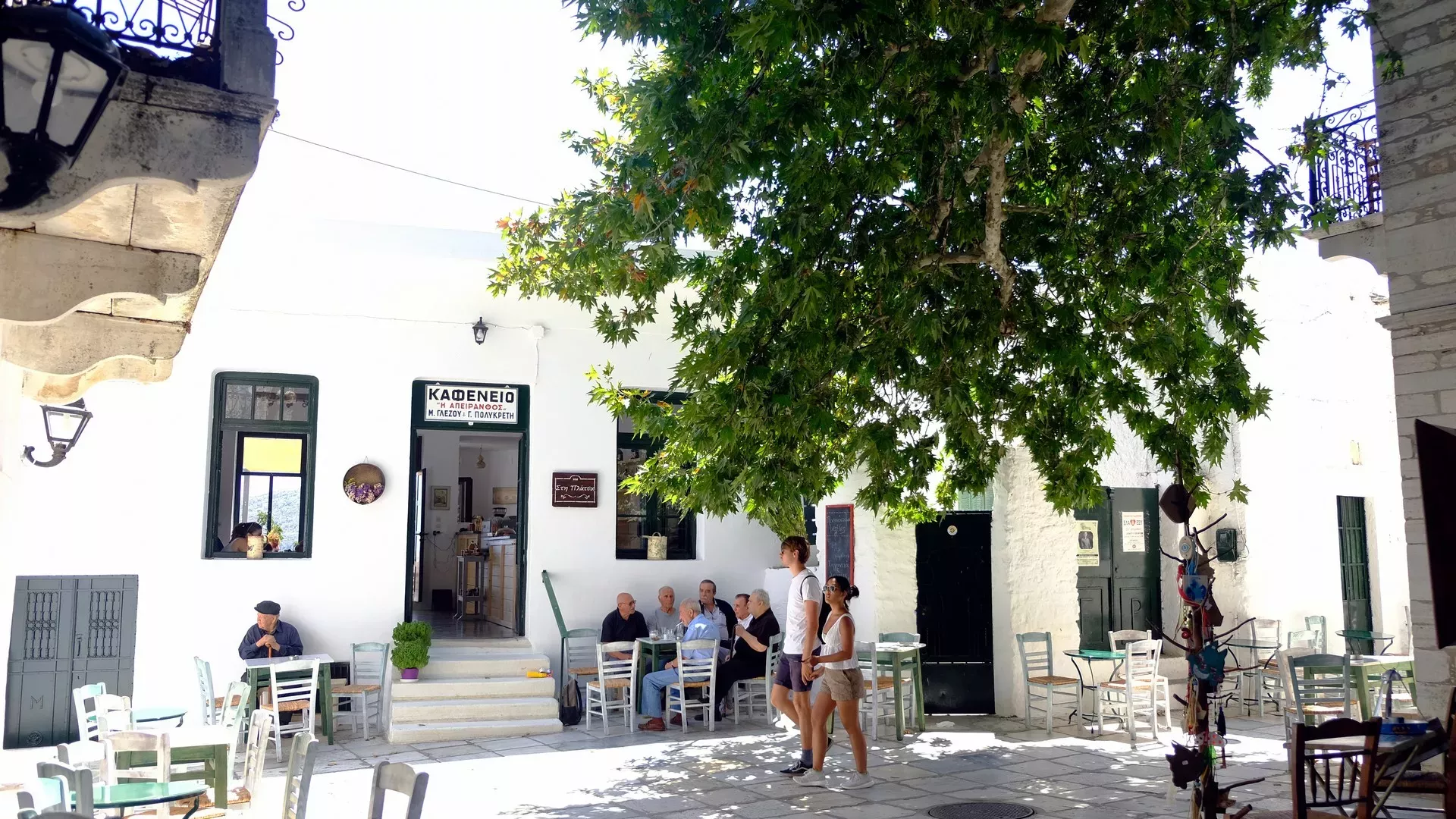
Apiranthos is a traditional stone-built village, set in the heart of mountainous Naxos at 600 m. on the foothills of Mount Fanari, 28 km. from Chora. The birthplace of Manolis Glezos showcases the islands authentic side, with marble-paved alleys and Venetian towers, vaulted arches and stone two-storey houses. Visit the museums, as well as the traditional cafes on the village square.
Olympos, Karpathos
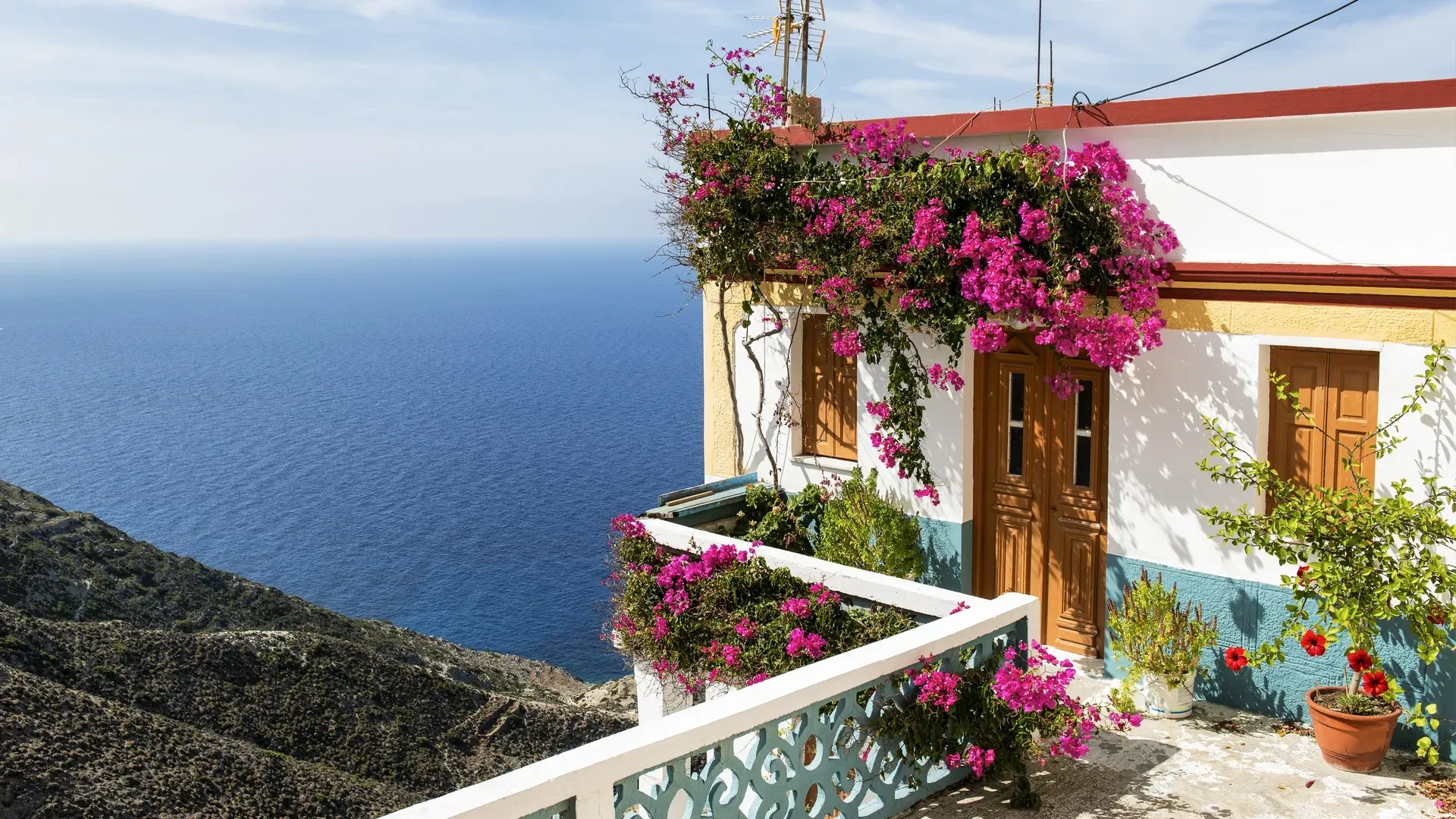
Karpathos has been attracting more and more visitors in recent years. This remote island off the main ferry routes charms travelers with its unique landscapes, authentic hospitality and beaches with crystal-clear waters. The village that truly stands out for its traditional character is Olympos, or Elympos as the locals call it. Unaltered by time, it is one of the most picturesque villages in Greece. The settlement was built in the northern part of the island, following the architecture of fortified medieval island settlements, and it has preserved this image almost intact to this day.
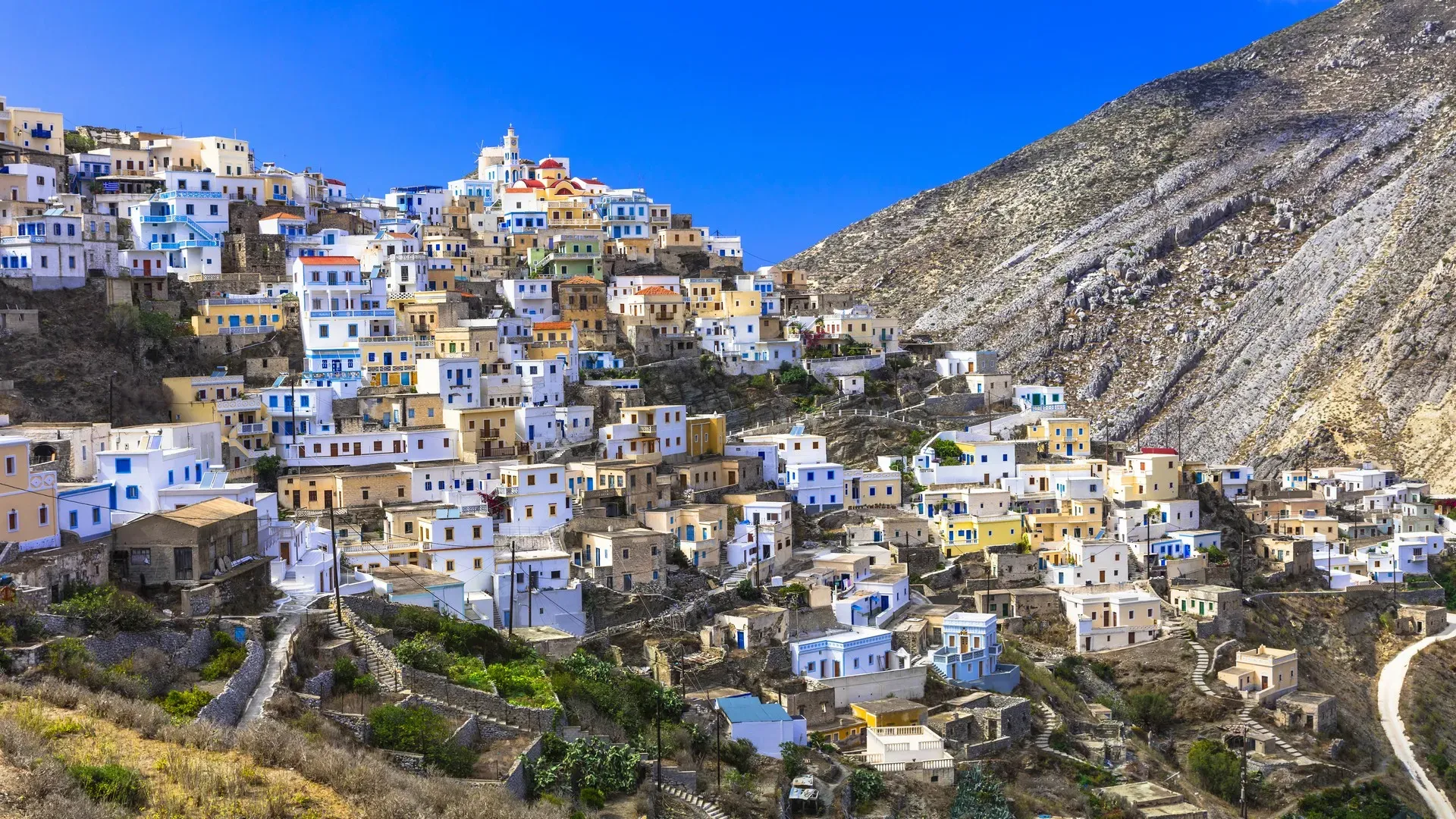
Until a few decades ago it was cut off from the rest of Karpathos, without electricity and roads. Today, the few permanent residents welcome visitors in the local dialect and wearing traditional costumes. The colors of the flowers and the houses create a unique setting in spring. Its worth wandering its narrow lanes lined with tavernas and shops selling local products, while a standout experience is the view from the windmills at sunset.
The Easter customs in the village are many, as on Holy Thursday the women dye Easter eggs and knead stavrokouloura and lambrokouloura. An old custom observed during the Epitaphios procession is to place on it photos of those who passed away during the year.