





«Hidden» corners that reveal a different side of Venice, far from the tourist crowds.
Unrivaled beauty, iconic landmarks and postcard-perfect landscapes compose the cinematic backdrop of Venice. The "floating city", which welcomes at least three million tourists a year, is alive no matter when you visit. This season at the famous Carnival of Venice, visitors gather on little bridges and in squares to celebrate together. This years theme, titled il Tempo di Casanova, is dedicated to Giacomo Casanova, who was born 300 years ago.
However, Venice has far more to offer than just its Carnival. Beyond the sights everyone knows, the Square and the Basilica of St Mark, the Rialto Bridge and the Doges Palace, you will find a wealth of spots that reveal a different side of the city, away from the tourist crowds. We have gathered five of Venices hidden secrets so you can discover its unknown corners and fall in love with it even more.
The Palazzo Grimani di Santa Maria Formosa
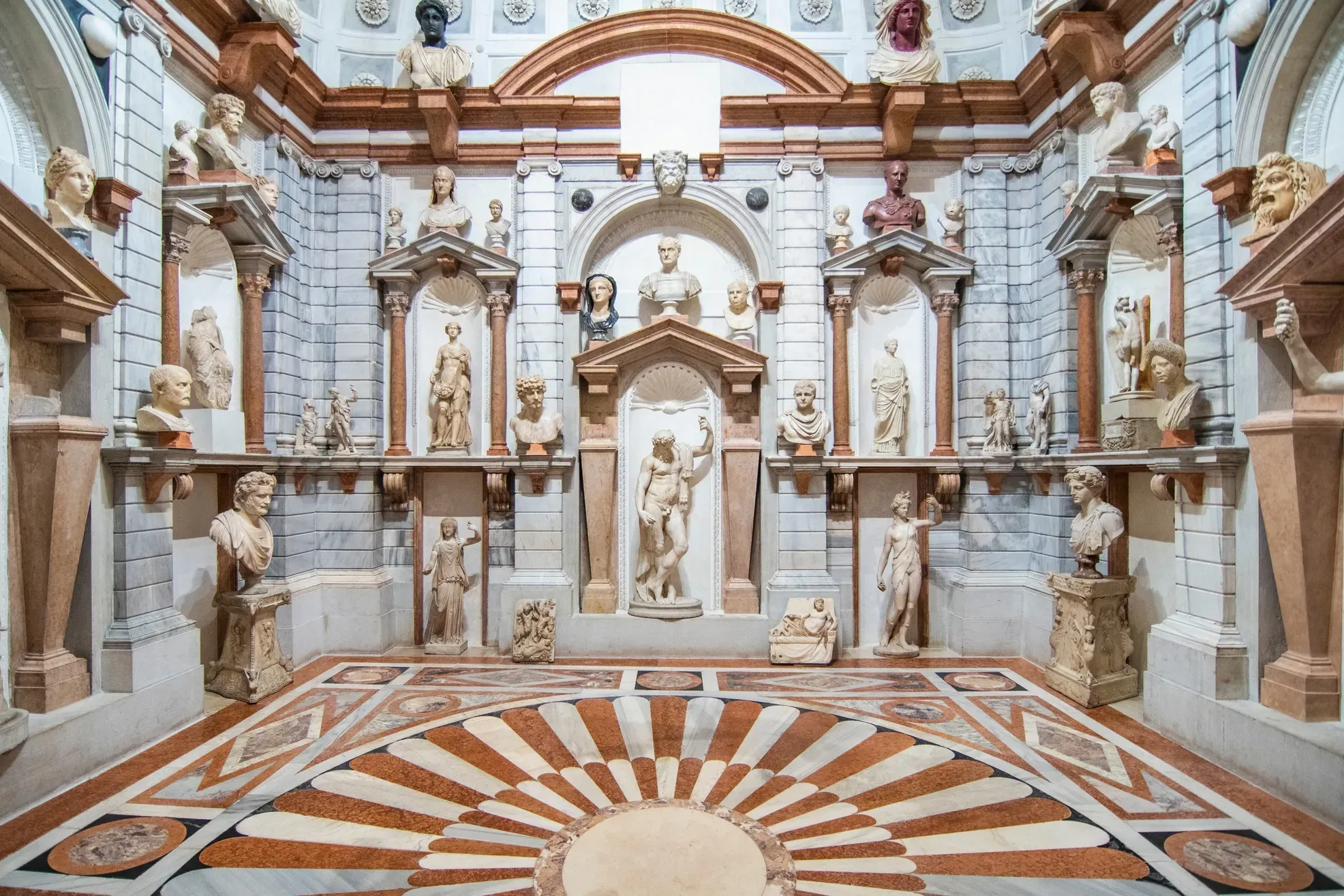
In the Castello district near the Campo di Santa Maria Formosa you will come across the impressive Palazzo Grimani. Built in the 16th century, it is a masterpiece of Renaissance architecture. The palace was the residence of Doge Antonio Grimani, from whom it takes its name, and it stands out for its unique frescoes. The central courtyard of todays state Museo di Palazzo Grimani offers a singular atmosphere, with imposing columns and natural light that diffuses beautifully through the space. The interior frescoes are inspired by Greek and Roman mythology. One of the most striking highlights is the Sala di Psiche (the chamber of the soul), a room that once had a wooden ceiling on which five paintings depicting the myth of Eros and Psyche were mounted.
The library of San Francesco della Vigna
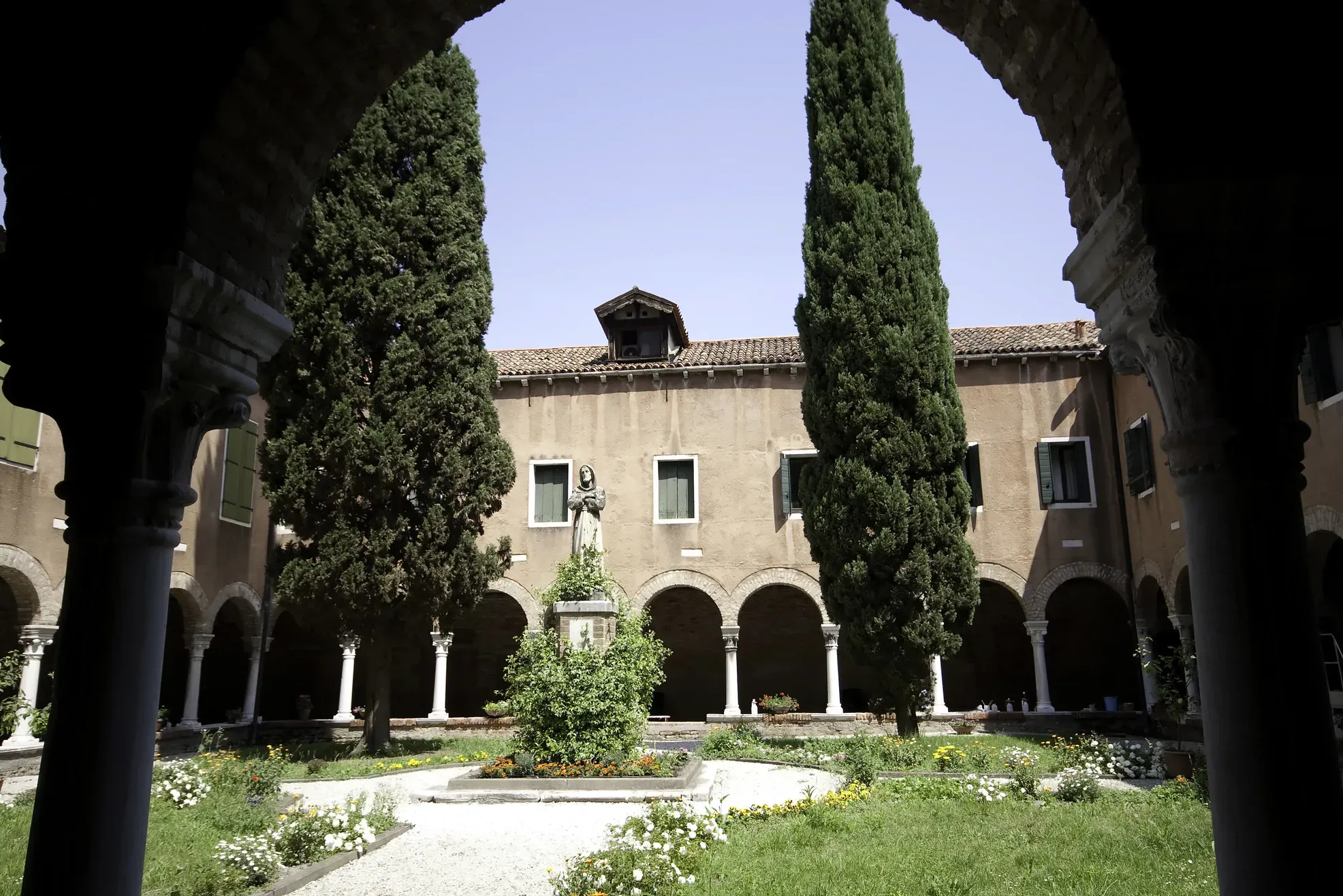
One of Venices lesser-known libraries is tucked inside the monastery of San Francesco della Vigna. The complex, built in the 13th century, is renowned for its striking façade, designed by the Renaissance architect Andrea Palladio. The monastery lies in a non-touristy area, allowing you to explore it in peace. In the San Francesco della Vigna library you will lose yourself among rare manuscripts, old books and historical documents that shed light on medieval and Renaissance Venice.
The Scala Contarini del Bovolo
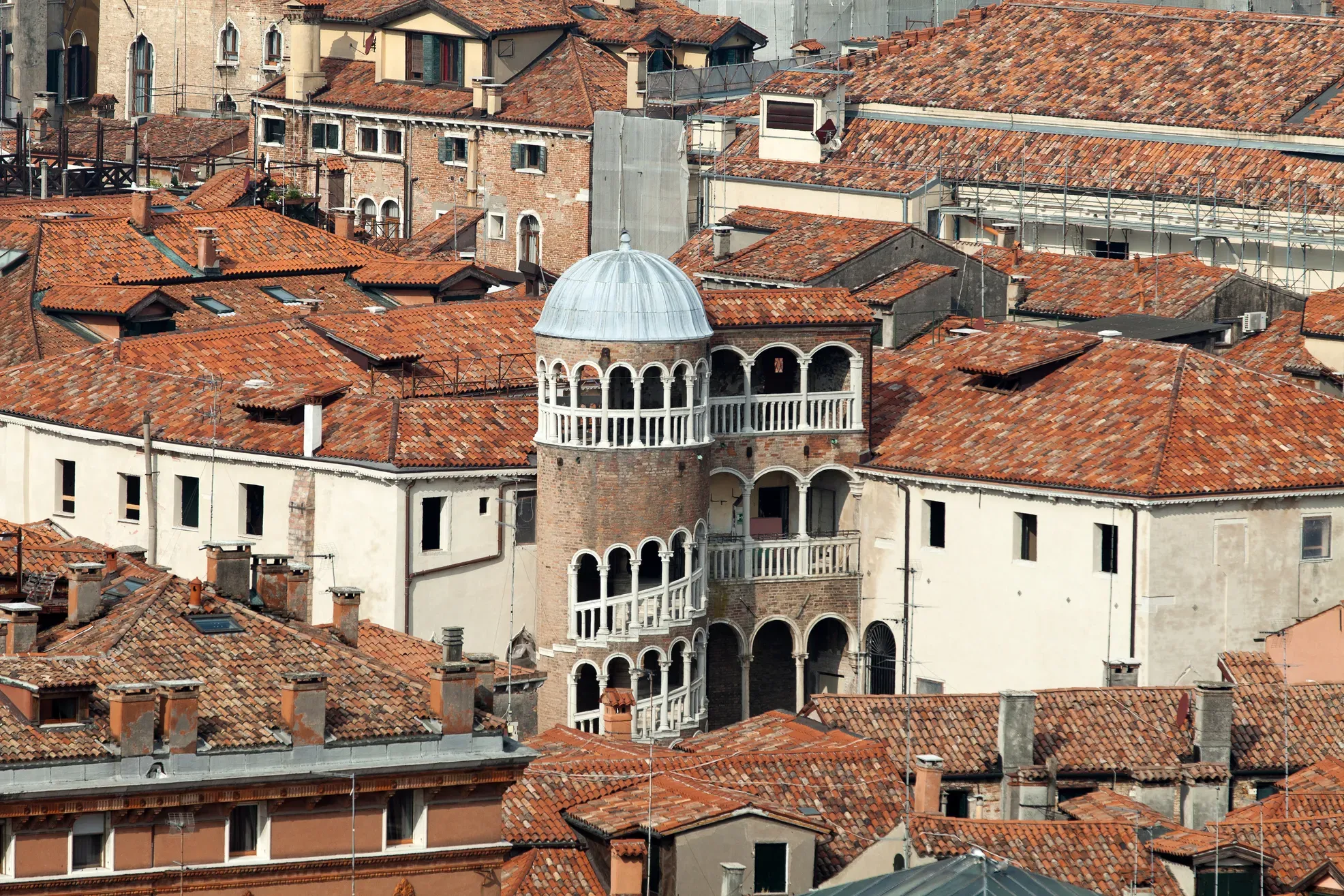
A true architectural marvel in the city is the famed Scala Scala Contarini del Bovolo at the Palazzo Contarini del Bovolo. The 15th-century palace even served as one of the filming locations for Orson Welless Othello. Its most distinctive feature is the spiral staircase, also called the snail shell. It was created to enhance the prestige of the palace and showcases a blend of Renaissance and Gothic architecture. Its a favorite spot for photographers, and for good reason: as you climb the staircase, a panoramic view over Venices terracotta rooftops unfolds.
The submerged crypt in the church of San Zaccaria
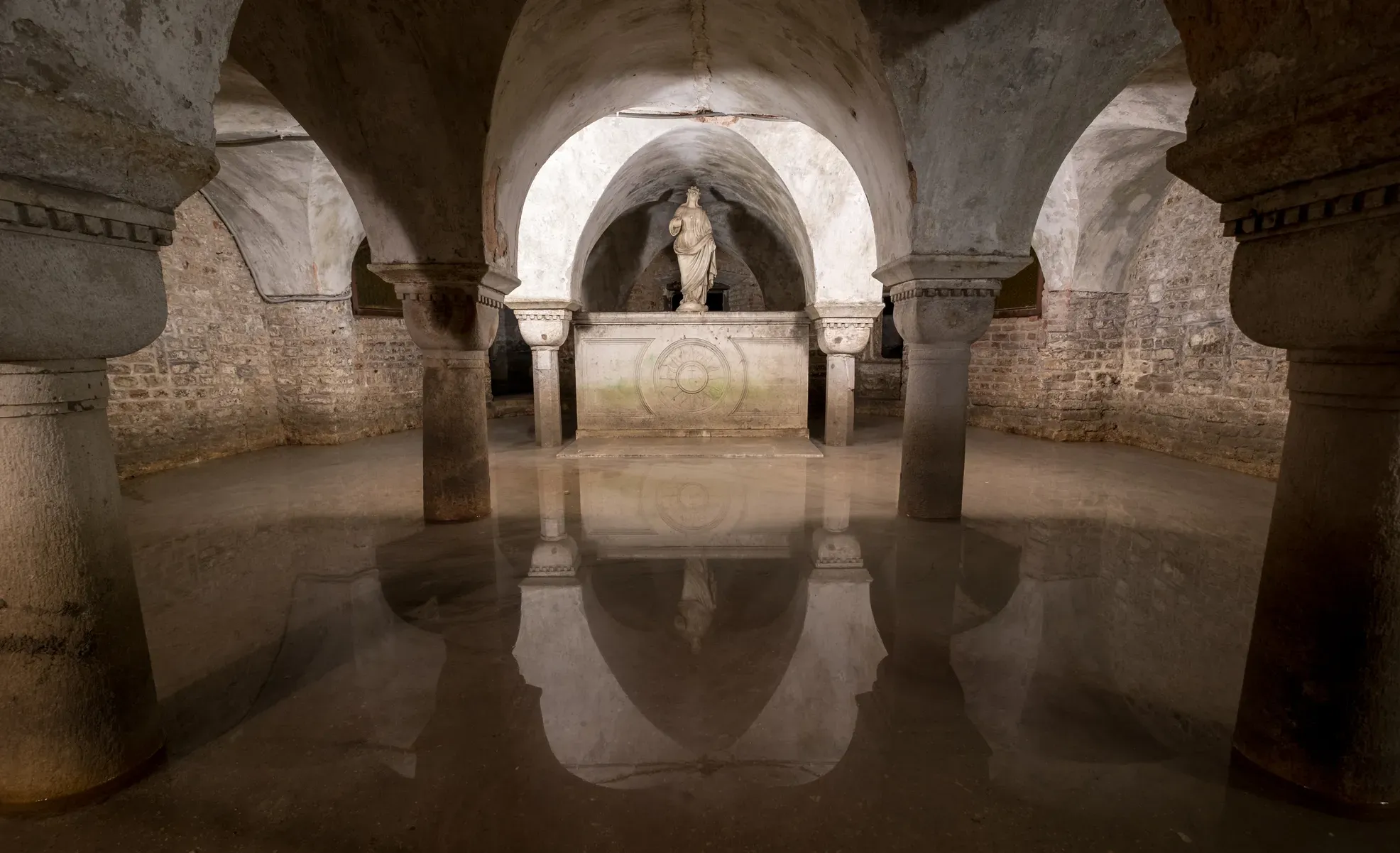
The monastic complex of San Zaccaria lies very close to the central Piazza San Marco. The church, dedicated to Saint Zacharias, the father of John the Baptist, hides a secret. One of the few visitable crypts in the city is found here. In the submerged crypt, with its small columns, the rising water level creates an awe-inspiring atmosphere. The serenity, combined with the crypts reflection in the water, leaves visitors speechless.
The Chiodo bridge
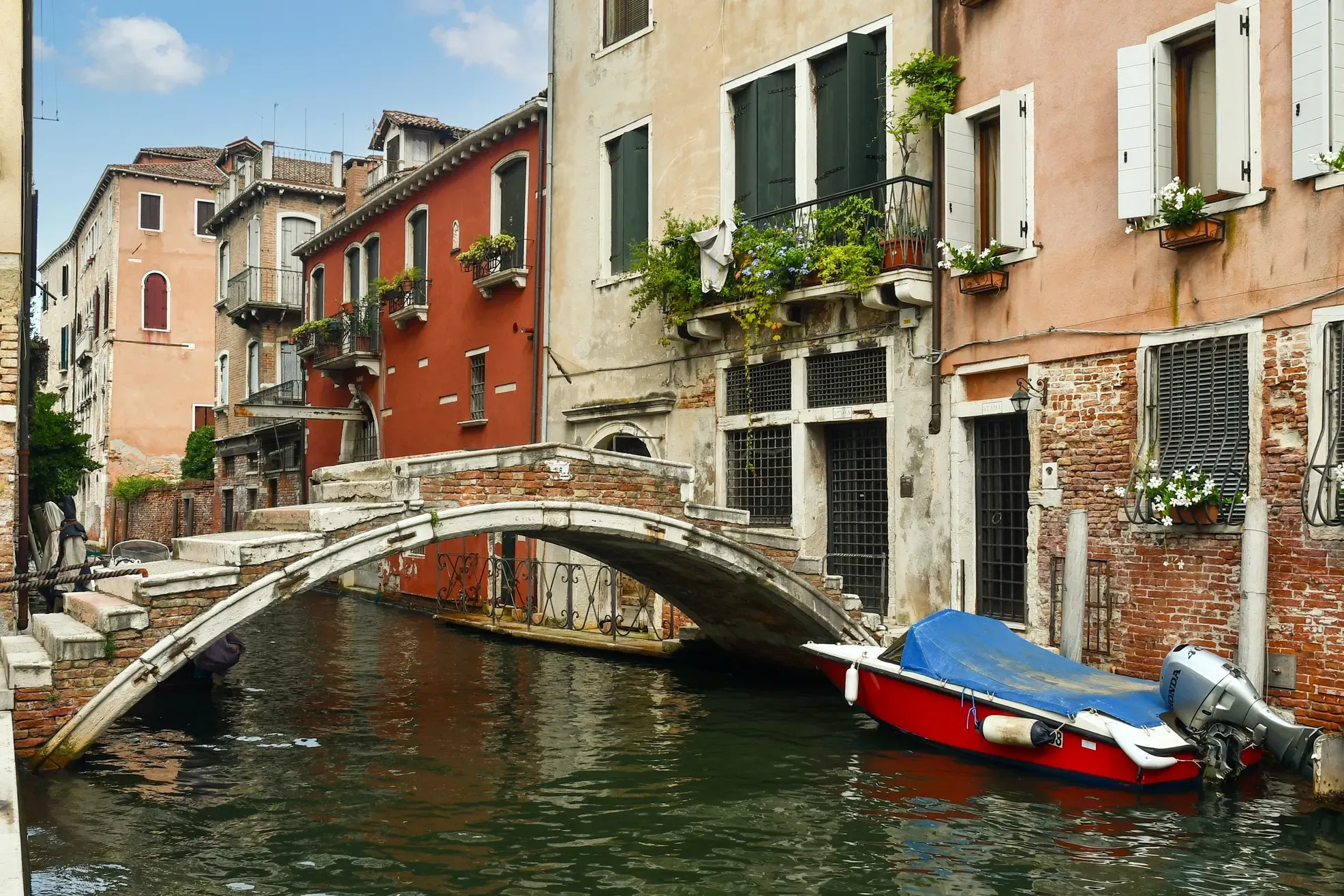
The Venetian Ponte Chiodo is a little treasure on Venices canals, just beyond its central core. This small, charming bridge with a story is said to be the last remaining with this original design. Its hallmark is that it has no railings, unlike other Venetian footbridges. Its name, Chiodo, meaning nail, comes from the surname of the noble family that once owned the bridge. A similar case, -the twin of Ponte Chiodo- is the famous Ponte del Diavolo located on the islet of Torcello.