From Buckingham Palace to the Palace of Versailles and the Winter Palace in St Petersburg, these majestic palaces continue to impress to this day with their history, opulence and architecture.
Once they were the residences of rulers and emperors. Today, these majestic palaces are popular attractions and singular monuments of history, culture, and architectural harmony, offering visitors a journey through time. Royal residences have inspired writers and painters for centuries, while they continue to impress with their opulence, scale, and distinctive architecture. We've gathered and present 10 of the most beautiful palaces in Europe.
Palace of Versailles, France
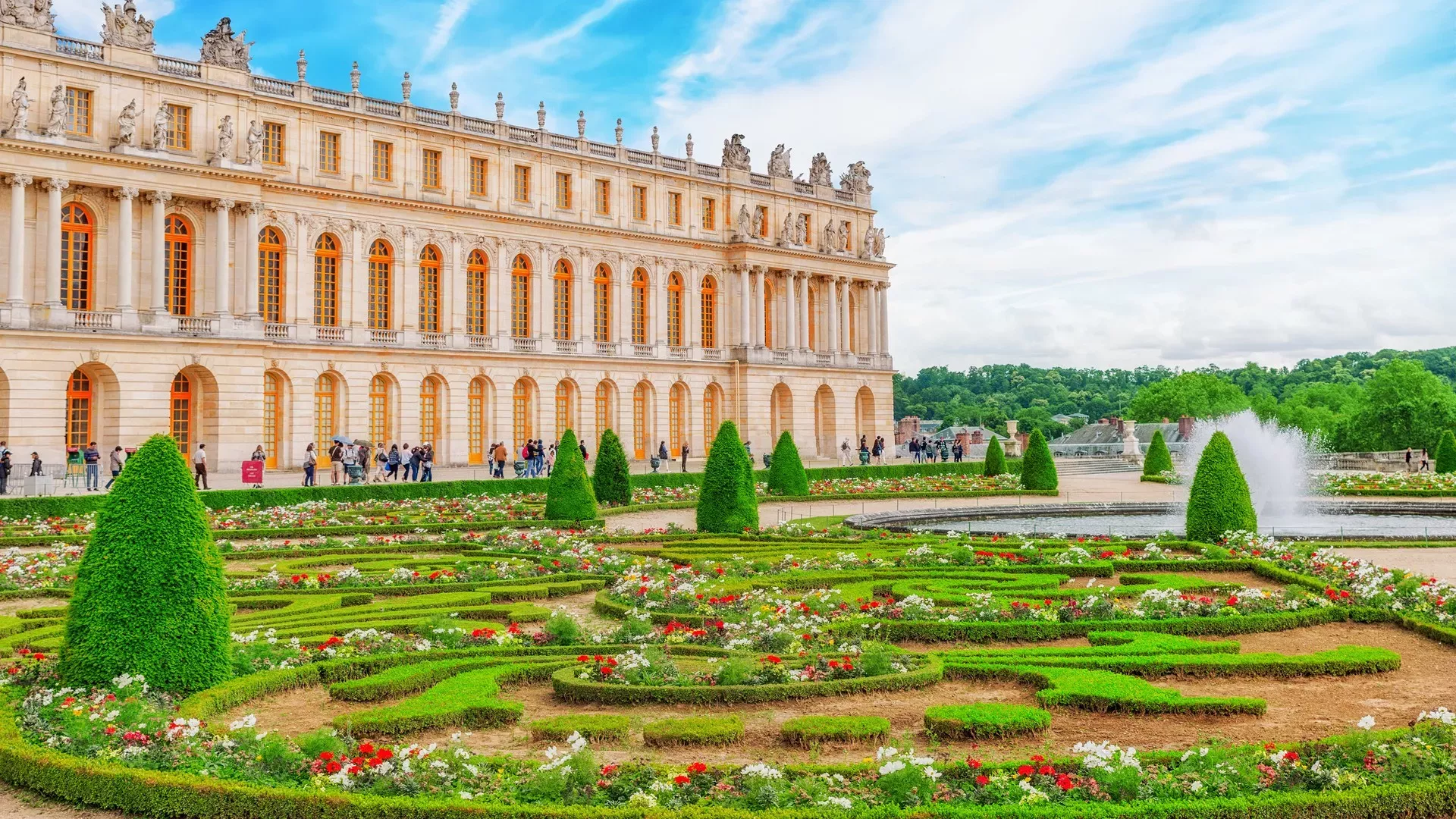
The Palace of Versailles lies a few kilometers outside Paris, in the city of Versailles, and is a unique historic monument of world cultural heritage. It was in 1682 that Louis XIV decided to expand a small palace that served mainly as a hunting lodge, with the aim of making it the most dazzling palace in Europe. By the late 18th century the palace had taken its present form. At the heart of the building stands the famed Hall of Mirrors, 70 meters long, adorned with lavish crystals and mirrors. The palace is also renowned for the impressive gardens that surround it. It's the third most-visited attraction in France, drawing millions of visitors every year.
Buckingham Palace, London, United Kingdom

There isn't a person who has visited London and hasn't taken a stroll past Buckingham Palace. It was originally built in the early 18th century for John Sheffield, Duke of Buckingham, and was purchased by King George III for his wife, Queen Charlotte, in 1761. Over the years it expanded further, and today it has 775 rooms. A symbol of the British capital, it attracts many tourists who want to be photographed with the palace, its distinctive gates, and the guards in their signature red uniforms as a backdrop.
Doge's Palace, Venice, Italy
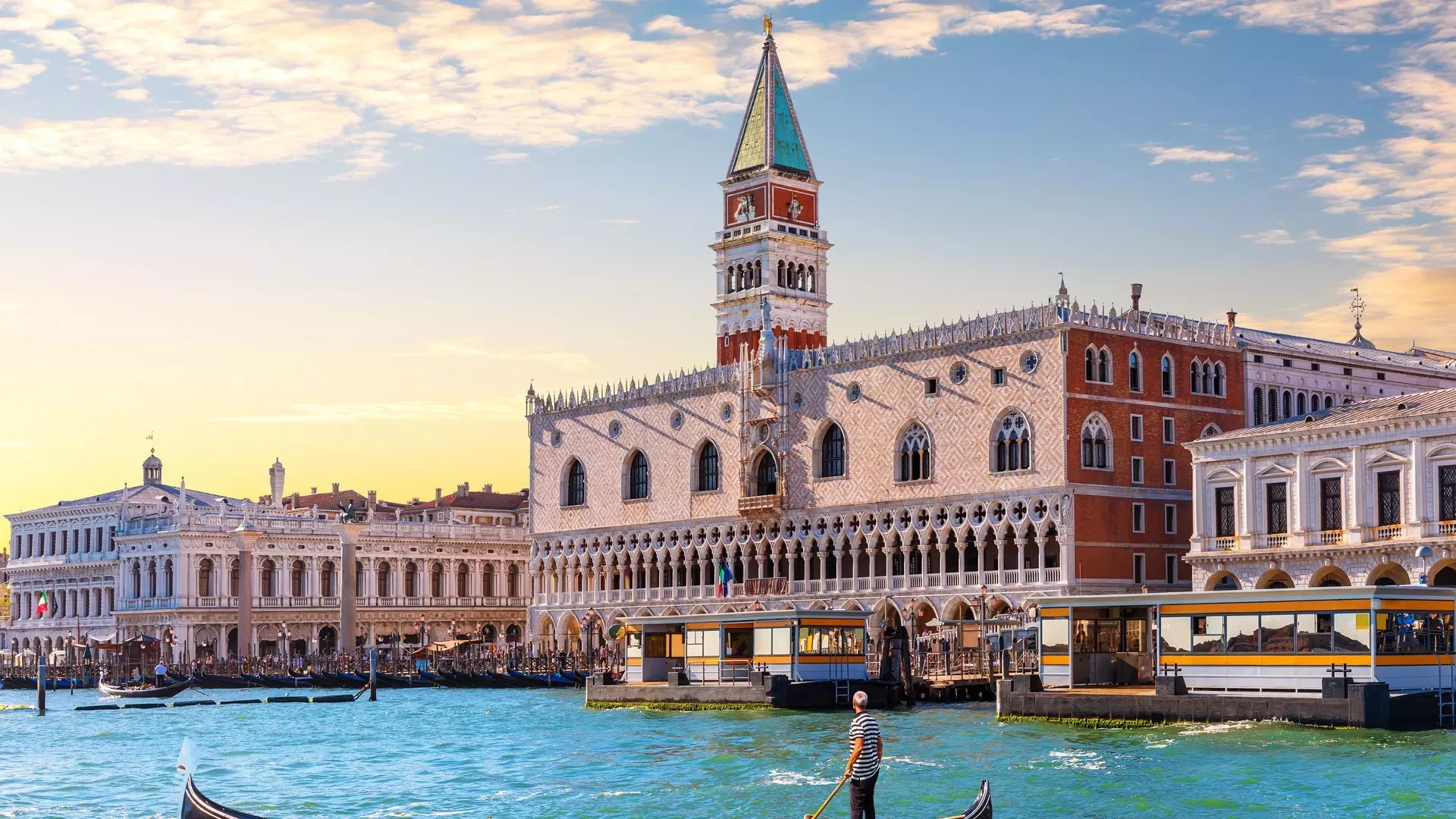
The Doge's Palace dates back to the early half of the 14th century and was the residence of Venice's leaders, the Doges, for several centuries until the fall of the Venetian Republic in 1797. This Gothic masterpiece opened as a public museum in 1923. The most spectacular hall is the Great Council Chamber, originally used for legislative debates. This vast room is adorned with frescoes, elaborate ceiling decorations, and numerous paintings, especially portraits of Doges.
Palace of Caserta, Italy
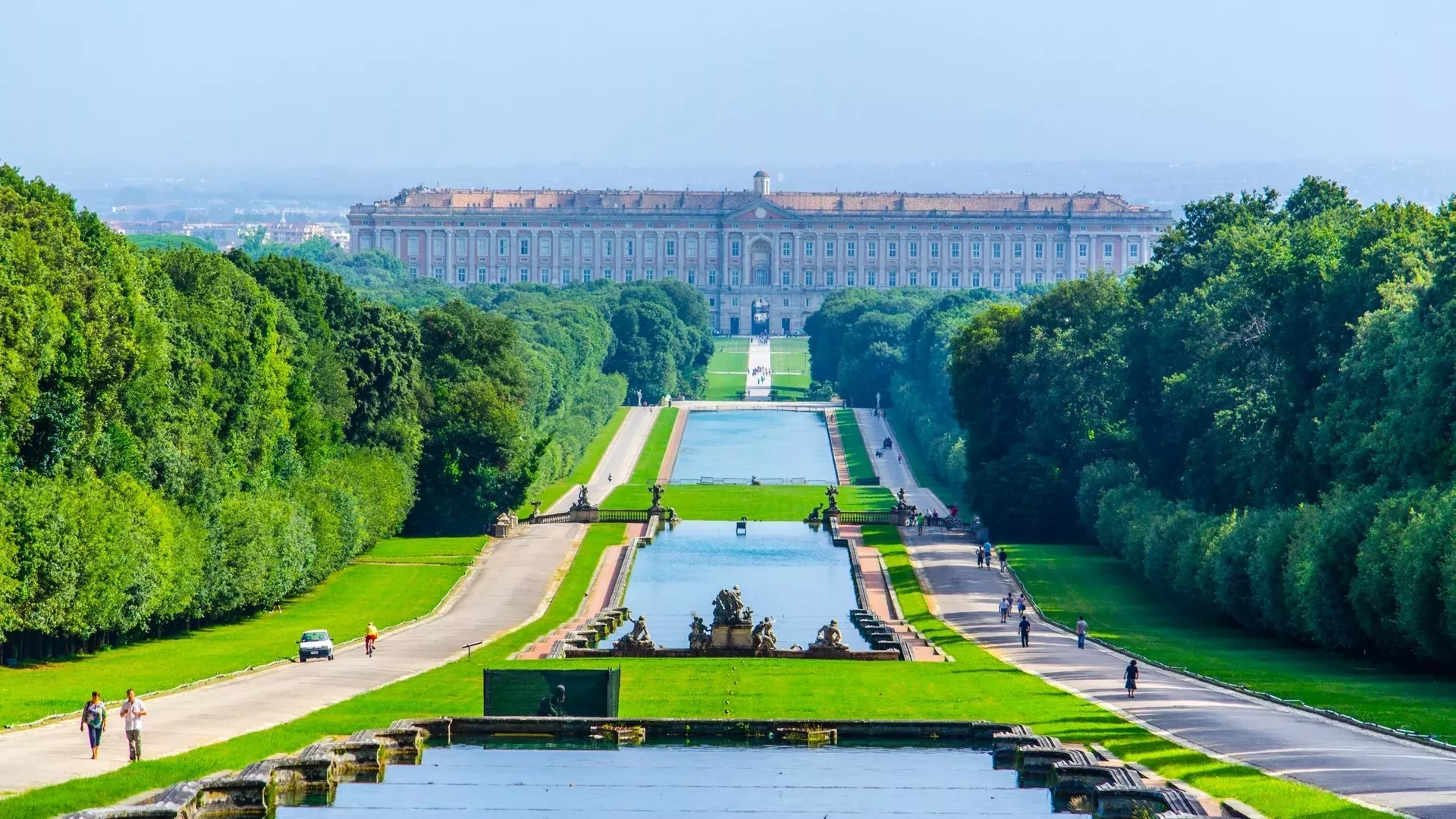
This Baroque-style palace in Caserta, Italy, was built by Charles III, King of Naples, in the mid-18th century as a royal residence and as a rival to the Palace of Versailles. It took several decades to complete, and the final building boasts more than 1,200 rooms and 1,742 windows. The palace came at an exorbitant cost. It cost 6,000,000 ducats, or about 700 million pounds sterling (950 million dollars).
Schönbrunn Palace, Vienna, Austria

Schönbrunn Palace in Vienna is among Europe's most significant and historic palaces. It served as the Habsburgs' summer residence from the 18th century until 1918 and today is a major tourist draw with over 6 million visitors annually. Of its 1,441 rooms, the most famous is the Mirror Room, with white-and-gold Rococo decor and crystal mirrors. It's said that Mozart gave his first concert here at the age of 6, for the royal family in 1762.
Alhambra, Granada, Spain
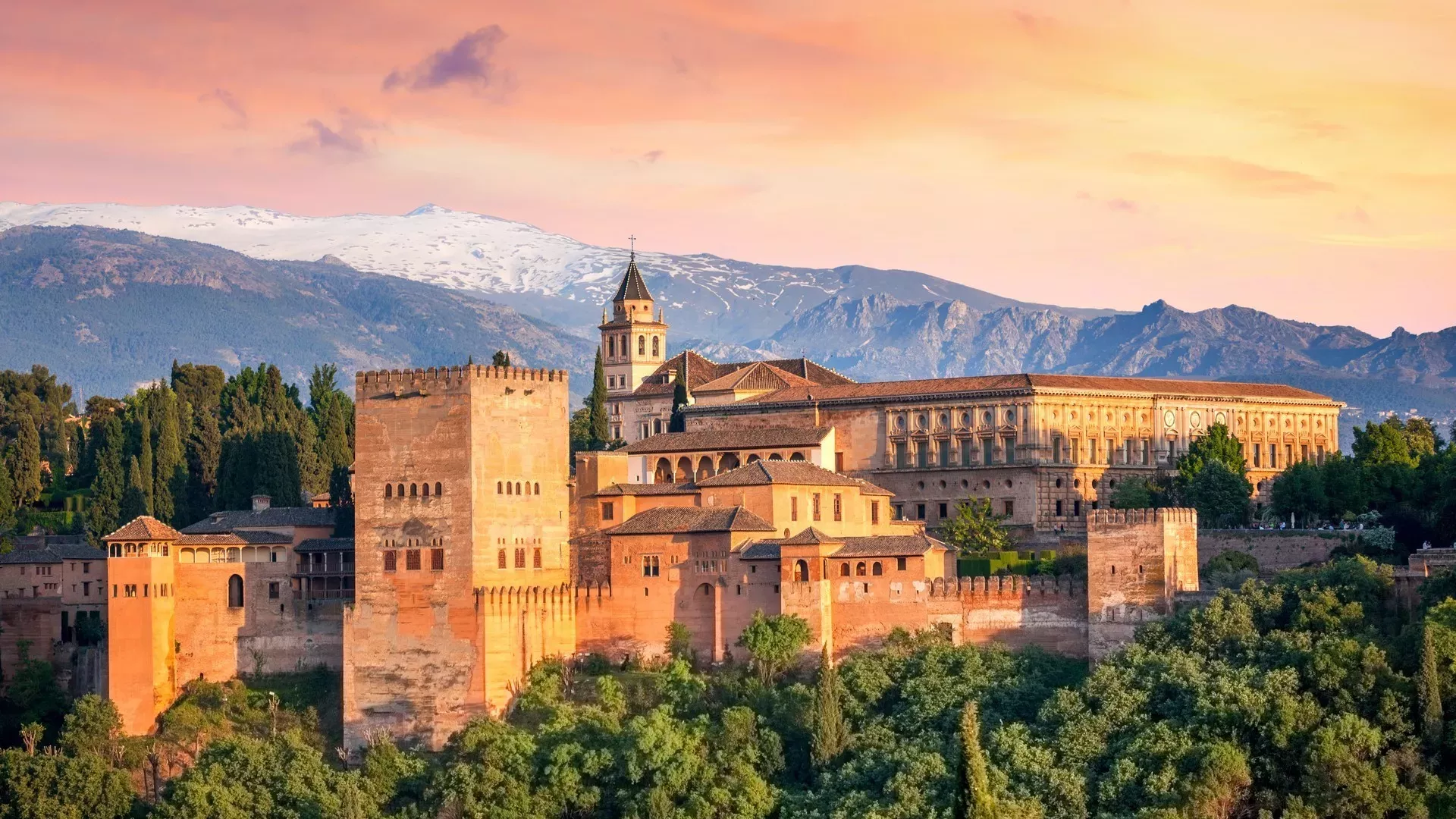
The Alhambra in Granada was built by the Moors in the 14th century, when they flourished on the Iberian Peninsula, and is perhaps the most impressive example of Arab architecture on European soil. It's also known as the Red Fortress and, together with the Generalife summer palace and Granada's old Arab quarter, is included among UNESCO's World Heritage Sites.
Winter Palace, Saint Petersburg

The Winter Palace in Saint Petersburg was, from 1732 until 1917, the official residence of the Russian monarchs. The green-and-white palace has an elongated rectangular shape and is estimated to have 1,500 rooms. Today it belongs to the complex of buildings that house the Hermitage Museum, one of the world's oldest museums, which holds an astonishing collection of more than 3,000,000 exhibits, including works by Leonardo da Vinci, Picasso, Monet, Rembrandt, and others.
Royal Palace of Amsterdam, Netherlands

The impressive Royal Palace of Amsterdam stands on the western side of Dam Square, in the center of Amsterdam, opposite the War Memorial and next to the New Church (Nieuwe Kerk). The palace was built as a city hall during the Dutch Golden Age in the 17th century. The building became the royal palace of King Louis Bonaparte and later of the Dutch Royal House.
Sanssouci Palace, Potsdam, Germany

Sanssouci Palace is in Potsdam, near Berlin. It was built as the summer palace of Frederick the Great, King of Prussia, and is designed in the Rococo style. It's often referred to as Germany's answer to Versailles, despite its much smaller size. It's surrounded by a beautiful park, with vineyards, gardens, pavilions, and temples. Sanssouci and its gardens were declared a World Heritage Site in 1990.
National Palace of Sintra, Portugal
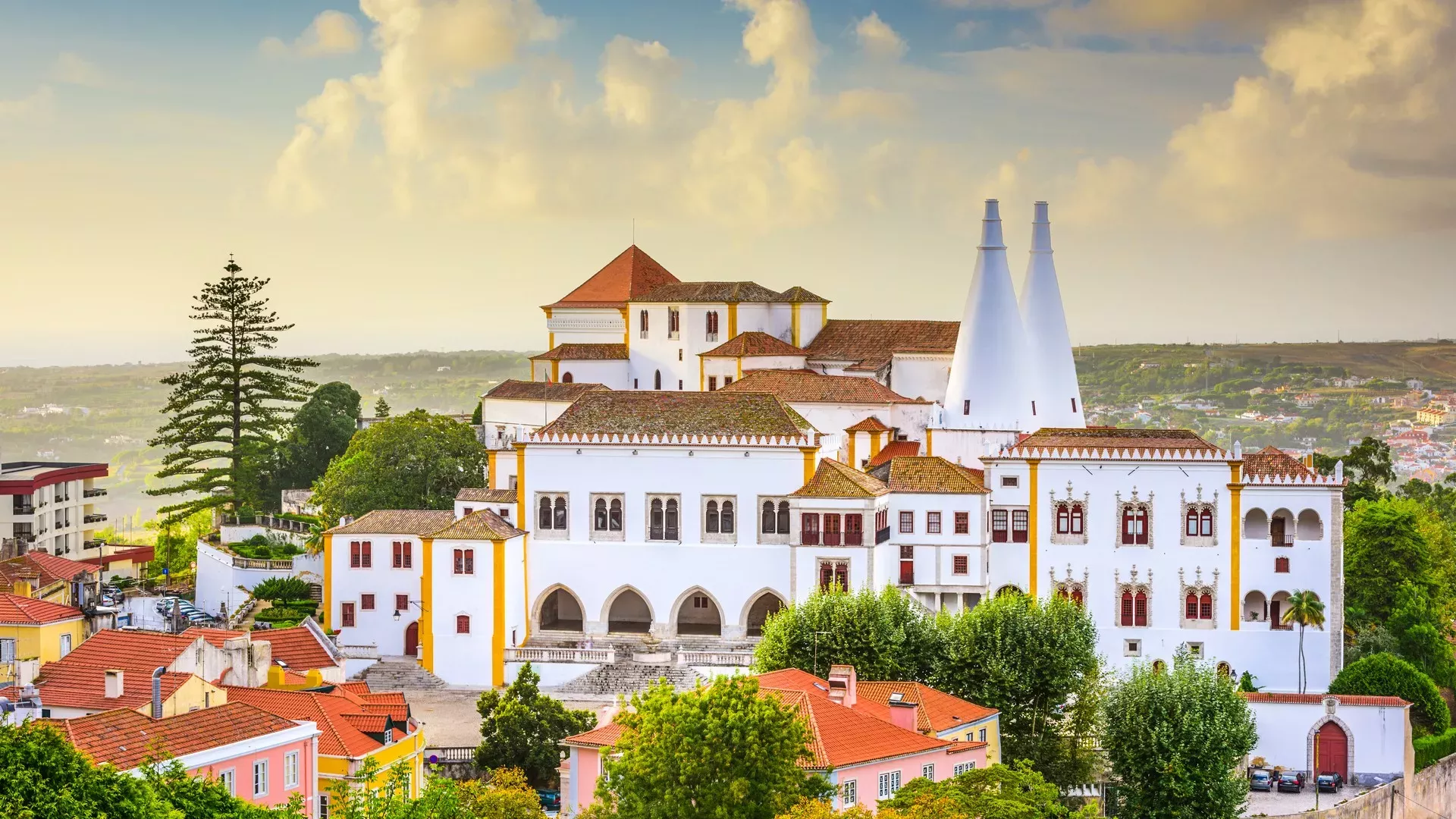
Visible from miles away, the National Palace in the Portuguese town of Sintra was completed in 1854 and is considered a hallmark of European Romantic architecture. It's a major tourist attraction and part of Sintra's cultural landscape, which has been designated a UNESCO World Heritage Site.