


The 11th annual edition of Booking.com's Travel Predictions shows that in 2027 travelers will break away from the ordinary, choosing experiences based on mood, budget, and the need for something different.
For years, travel followed a familiar recipe. You pick a destination. You pack your suitcase. You stick to the itinerary. In 2027, that recipe changes. Travelers are choosing trips designed to surprise their friends, booking based on their mood, and selecting their travel companions according to the budget. The hallmark of travel in the year ahead will be surprise, beyond anything even an algorithm could predict.
For the 11th year, Booking.com's Travel Predictions draw on consumer research and broader travel data to spotlight the trends, behaviors, and motivations expected to shape travel in the year ahead. This year, Booking.com marks 30 years of innovation in the travel industry, staying true to its mission to make it easier for everyone to experience the world. In this context, it also tapped into the knowledge and experience of its own employees, who have deep expertise in travel and technology.
Based on data from more than 28,000 travelers across 32 countries and territories, including 503 respondents from Greece, as well as employee perspectives on how people search for and book trips, Booking.com has highlighted 9 key predictions expected to define 2027.
1. Plot Twist Trips: Vacations beyond the ordinary
The first trend centers on Greek travelers' desire to break away from their usual choices and try experiences they wouldn't even expect of themselves.
According to the research, 77% of Greek travelers are interested in choosing a vacation specifically to do something completely out of character and routine. Others' reactions are also part of the experience, with 25% saying they actively want to surprise friends and family with their travel choices.

These are trips that upend the usual, step beyond what others take for granted, and leave room for a genuine surprise. At the same time, nearly one in three Greek travelers 32% has deleted or avoided posting vacation content because the trip felt too predictable or ordinary. In 2027, the search for experiences that break from expectations is set to be a major motivator, turning vacations into a chance to try something different and surprise others as well as themselves.
2. Social Currency: Money also determines who you travel with
A trip's budget no longer influences only the destination, but also who ultimately takes part. In 2027, spending habits and differing expectations around money appear to play an ever bigger role in shaping the travel group. Almost half of Greek travelers 48% say they've reconsidered whom to invite on a trip due to differences in spending habits, while 49% have experienced tension or disagreements during vacations because of different expectations about money.
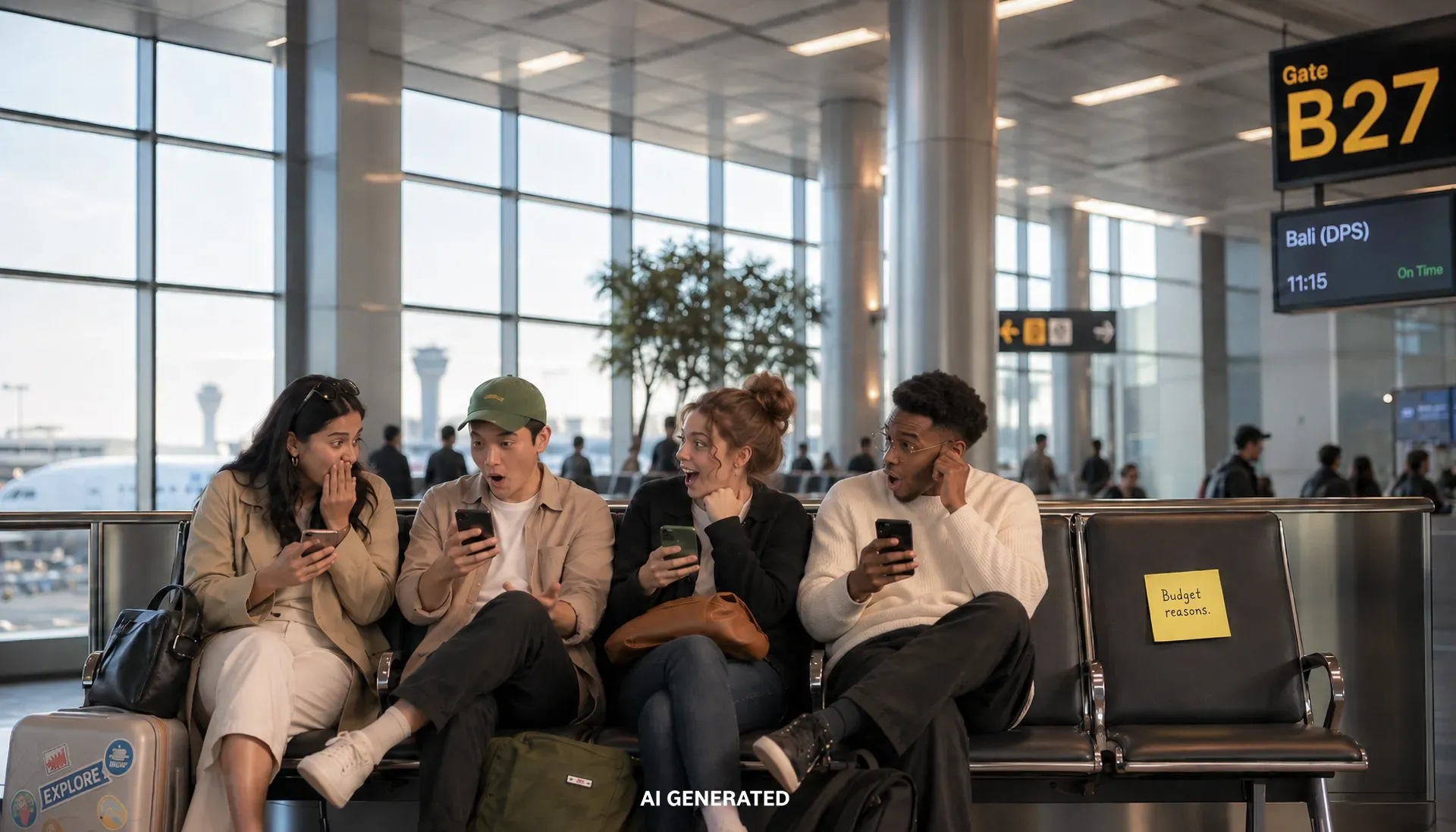
For 38% of Greek travelers, the decision was even more drastic, admitting they have completely excluded someone from a travel group. The trend extends to families too, with 56% of Greek parents saying they'd like to travel without their children so they can spend more on themselves. The findings highlight how decisive a role budget can play not only in where someone travels, but also in who ultimately accompanies them.
3. Vibe Check(In): Choosing a destination based on mood
In 2027, choosing a travel destination seems to depend increasingly on how travelers want to feel and less on the place itself they'll visit.
According to the research, 88% of Greek travelers would choose a vacation destination primarily based on the emotion or mood they want to experience, while 76% would use a search tool that suggests destinations according to their emotional state.
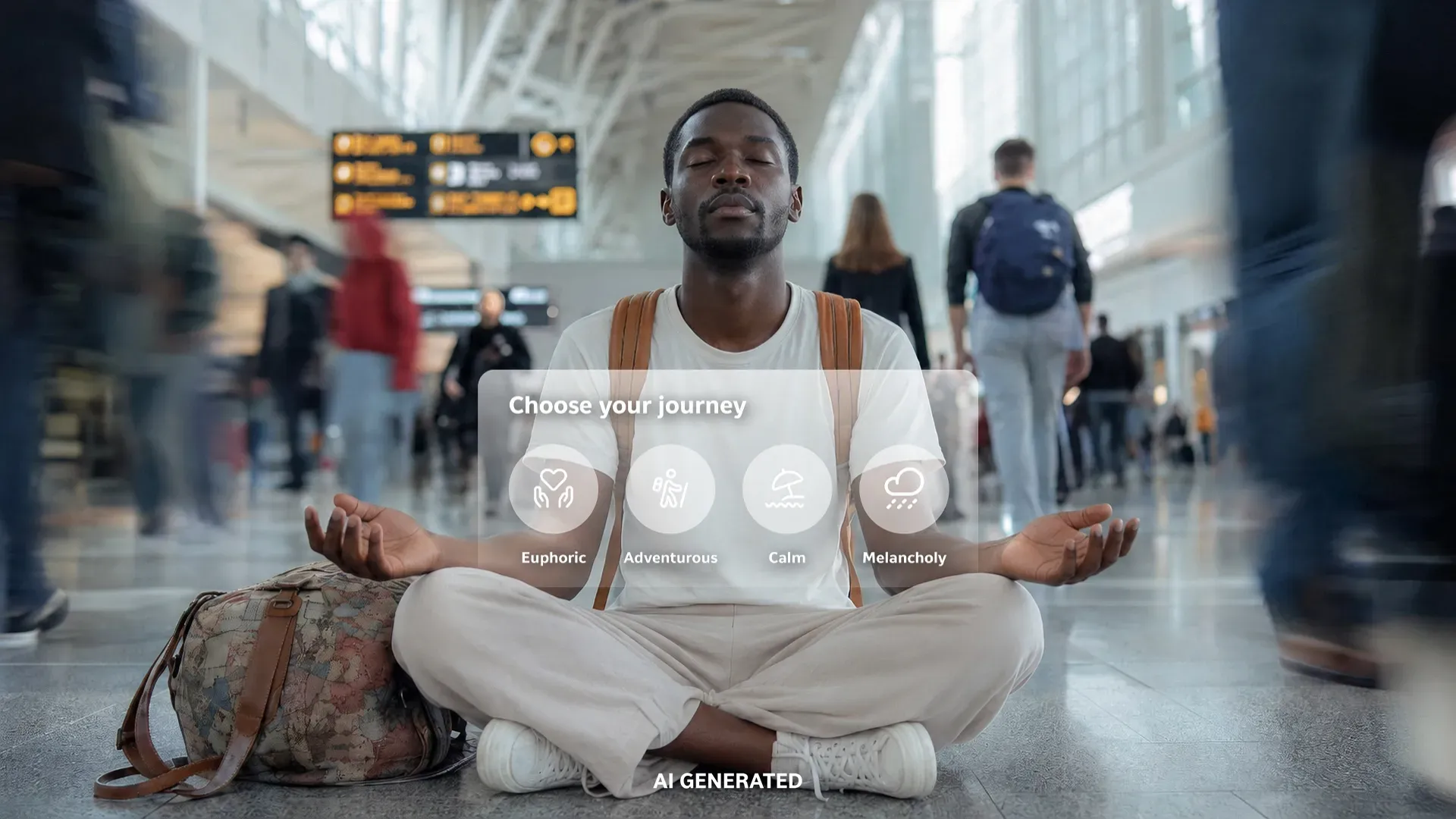
The trend is even stronger among Gen Z. 66% of Gen Z travelers in Greece would be willing to share data from wearables, information from their phone, or details about their mood with a travel provider to receive more personalized suggestions. The corresponding figure among Greek boomers stands at 45%. The findings show that travel personalization is evolving, with a traveler's emotional state taking on an ever greater role in both the search and the selection of the next destination.
4. The All-Exclusive: The end of packages that include everything?
The fourth trend examines the traditional all-inclusive model, as changes in health, diet, and lifestyle increasingly influence how travelers plan their vacations. According to the research, 63% of Greek travelers say that at least one change related to their health, body, or lifestyle has affected their choice of destination or vacation activities in recent years. At the same time, Greek travelers are increasingly reluctant to pay for services they won't use. 67% would prefer a vacation package that allows them to remove amenities they don't consider essential.
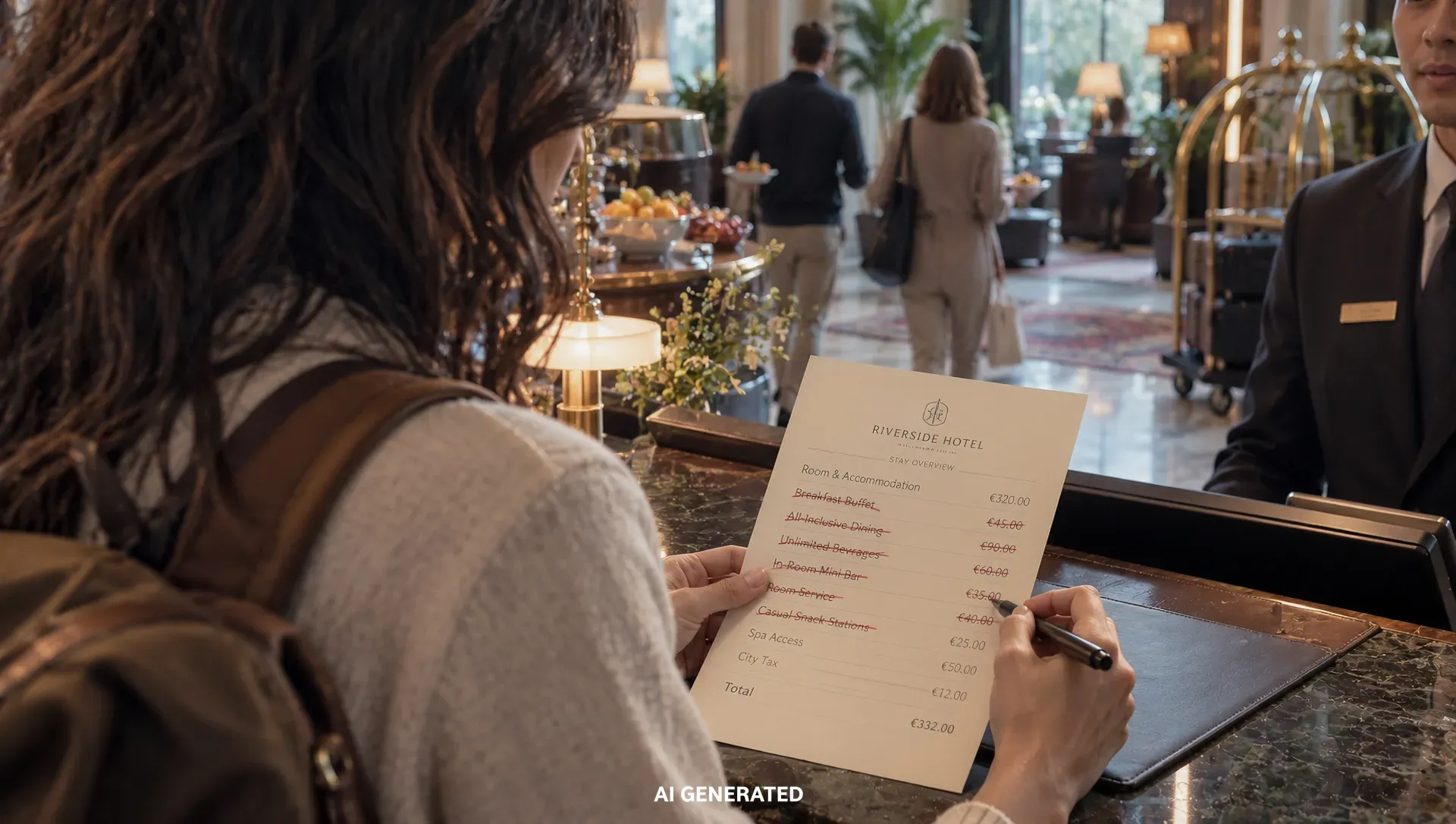
At the same time, 55% say their dietary habits could influence their choice of accommodation or even destination, showing that travel choices are increasingly tailored to each traveler's lifestyle. The trend underscores growing interest in more flexible and personalized hospitality packages, where travelers choose and pay for services that truly match their needs and preferences.
5. Trip to the Beyond: Rising interest in paranormal experiences
A more unusual form of themed tourism seems to be gaining ground, as more and more travelers seek experiences that go beyond traditional leisure vacations and connect with mystery, the paranormal, and existential questions. According to the research, 64% of Greek travelers are interested in experiences related to paranormal phenomena, stories of haunted places, and unexplained events.

At the same time, 40% say they'd seek out an experience in the hope of communicating with someone from the «other side», while 44% are interested in activities that explore issues around the afterlife, death, or spirituality. Away from the pace of everyday life, travel can create space for thought, remembrance, and personal reflection, offering some people even a sense of greater closeness to those they've lost. This trend highlights the growing interest in darker, more mysterious travel experiences that broaden the very notion of travel beyond classic leisure.
6. PTO: Powered by AI – Artificial intelligence takes on the work while you're on vacation
Artificial intelligence also seems to be changing the relationship between work and free time, giving travelers the chance to disconnect more while on vacation. According to the research, 60% of Greek travelers say they enjoy the last day of their trip less because they're thinking about returning to work, while 26% even bring their laptop to stay on top of their work emails. In this context, 57% of Greek travelers would be interested in using an AI assistant that would take on part of their professional duties while they're on vacation. At the same time, 27% would feel comfortable allowing AI to manage emails and administrative tasks during their absence.

For 32%, AI could offer another advantage: keeping them informed about what they missed while they were away, giving them the option to extend their vacation by one extra day. The trend suggests AI can serve as a new 'digital coworker' during holidays, helping travelers disconnect more and return to work more smoothly.
7. Hotel in the Sky: The wellness experience starts on the flight
The seventh trend points to the growing importance of comfort and wellness already during the flight, with travelers seeking a more holistic experience before they even reach their destination. According to the research, 90% of Greek travelers say they'd take a very long trip if they knew they'd arrive rested and refreshed. Among the in-flight amenities they'd like to have, 37% mention specially designed food and drink menus or guidance on caffeine consumption aimed at improving sleep.
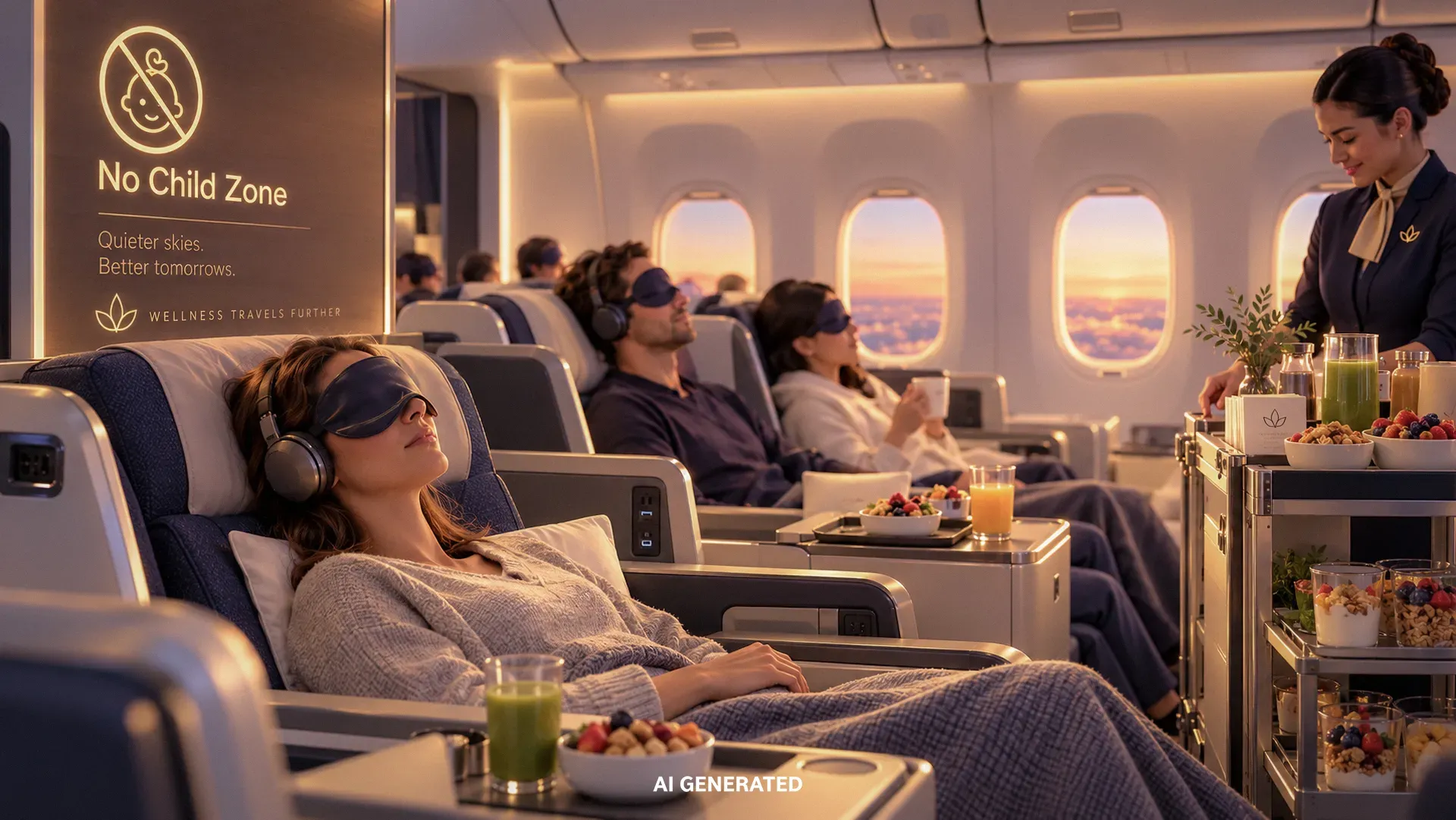
At the same time, 28% are interested in specialized lighting that could help reduce the effects of jet lag, while 19% would like access to skincare kits during the journey. In addition, more than one in five Greek travelers (22%) would even choose a specially designated quiet zone in the cabin without the presence of children.
The trend shows that the travel experience now begins well before arrival, with travelers seeking more comfort, rest, and wellness even during the flight.
8. Sweat Synergy: Sports tourism and new friendships
The eighth trend links solo travel with participation in sports activities and the creation of meaningful social connections. According to the research, 62% of Greek travelers who have traveled alone say a shared activity or athletic challenge led to a new relationship or friendship.At the same time, 56% of Greek travelers would be interested in joining, during a trip, a community of people with similar sports interests or lifestyle.

At the same time, 60% of Greek solo travelers who are interested in traveling to watch or take part in a fitness or sporting event are looking for more than the event itself: the chance to make new connections and friendships that last.
The trend highlights how athletic experiences can serve as a point of connection between people, turning a solo trip into a more social experience.
9. Trailside Therapy: Vacations as a chance for meaningful communication
The ninth trend shows how vacations can be an opportunity for more meaningful communication between couples, beyond traditional romantic experiences. According to the research, nearly half of Greek travelers (45%) would consider taking a trip with the goal of addressing or resolving disagreements and conflicts in their relationship. At the same time, 86% say that at least one activity during their vacation helps them have more honest or difficult conversations.
Among the activities considered most effective for this purpose is walking or hiking together, a choice that gathers 40% among Greek travelers.

The trend suggests vacations can provide the right setting for deeper communication, with shared activities and time away from everyday life creating more space for open conversations.
Alessandro Callari, Regional Manager for Greece, Italy, and the Southern Mediterranean at Booking.com, said: «Travel is no longer so much about following a set recipe as it is about expressing each traveler's personality and desires. People are redefining how, why, and with whom they travel, while technology gives them greater freedom and confidence in their choices.At Booking.com, we're actively shaping the future of travel, combining artificial intelligence with even more advanced personalization capabilities, so that every stage of the travel experience adapts to each traveler's personal needs, intentions, and emotions, making it easier for everyone to experience the world in their own way».
Methodology
The Travel Predictions 2027 research was carried out on behalf of Booking.com and was based on a sample of adults who plan to travel for business or leisure in the next 12 to 24 months. Data collection took place online in July and August 2026, with a total of 28,230 respondents from 32 countries and territories. The margin of error for the global sample is ±0.6%. 503 respondents from Greece took part, and the findings specifically concerning the Greek market in this press release are based on this sample.
Markets that took part in the research include Argentina, Australia, Austria, Belgium, Brazil, Canada, Colombia, Croatia, Denmark, France, Germany, Greece, India, Ireland, Italy, Japan, Saudi Arabia, Mexico, the Netherlands, New Zealand, Portugal, Singapore, South Korea, Spain, Sweden, Switzerland, Taiwan, Thailand, the United Arab Emirates, the United Kingdom, the USA, and Vietnam. At the same time, Booking.com employees shared their views on changing traveler behaviors and new travel trends through surveys and focus groups that helped shape the thematic areas and the consumer research.
For more information, follow @bookingcom on social media or visit news.booking.com.


