





The mythical "Mountain of the Gods" was recognized as a natural and cultural treasure, of outstanding universal value for humanity.
Olympus is now on the UNESCO World Cultural and Natural Heritage List, following a unanimous decision by the members of the competent Committee during the proceedings of the 48th Session in the city of Busan, South Korea.
The inclusion of the mythical mountain in this List is one of the most important international distinctions in the field of protecting cultural and natural heritage, as it recognizes Olympus's Outstanding Universal Value, placing it among the most emblematic monuments worldwide that require special protection and care, for the benefit of Humanity.
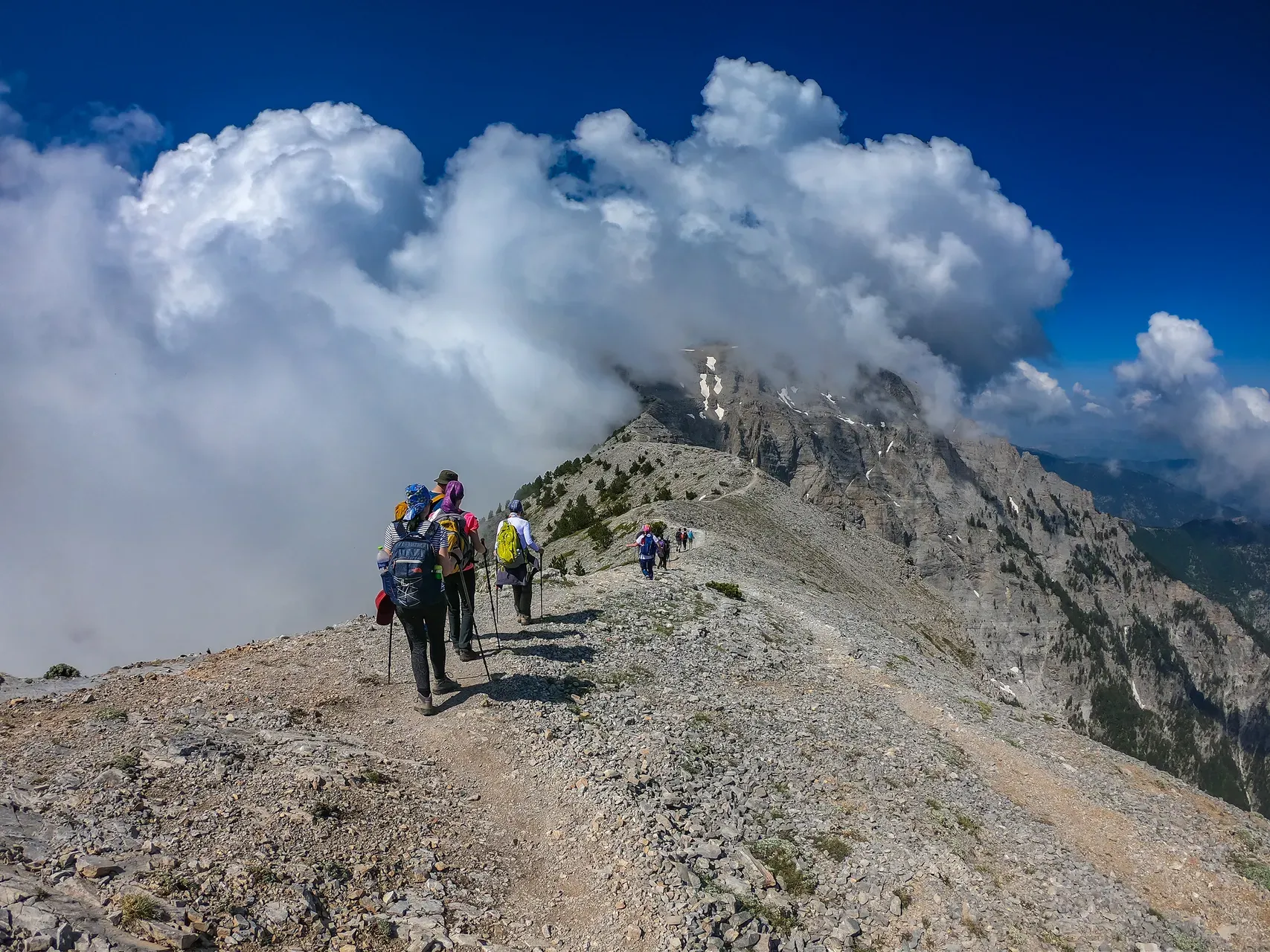
The Minister of Culture Lina Mendoni said: «The inscription of Olympus on the UNESCO World Heritage List confirms Greece's enduring commitment to the protection, promotion, and sustainable management of its cultural and natural heritage, in accordance with the principles of the World Heritage Convention. At the same time, it strengthens the international profile of a place that constitutes a timeless symbol of Greek culture, of nature, and of universal heritage, highlighting the international community's shared responsibility for its safeguarding, for the benefit of present and future generations. The inscription encapsulates, in a unique way, the inseparable unity of our cultural and natural heritage. Olympus is the mountain that, through the Homeric epics and ancient Greek literature, carried Greek mythology and Greek culture across the world. It remains the eternal symbol of the residence of the Olympian Gods, and of a multidimensional and “ dramatic” landscape, inspiring awe and respect and continuing to nourish thought, art, the sciences, and global cultural creation. The epithets of Olympus in Homer's works -«πολύπτυχος», for its numerous peaks, «μακρός», which dominates the horizon imposingly, «νιφόεις», snow-clad, «πολυδειράς», for its many ravines- formed the starting point of this timeless inspiration. The image of Olympus, as captured by Homer's poetic genius almost three millennia ago, remains unchanged to this day, provoking the same feeling of admiration and respect in the modern visitor. Warm thanks to Greece's Permanent Representative to UNESCO, Γιώργο Κουμουτσάκο, for his steady and substantive support throughout the process, to the staff of the Ministry of Environment and Energy and of ΟΦΥΠΕΚΑ, as well as the Directorate of Prehistoric and Classical Antiquities and the Ephorate of Antiquities of Pieria of the Ministry of Culture. Their scientific training, dedication, and excellent cooperation led to achieving the shared goal of the inscription, a multifaceted success that makes us all proud».
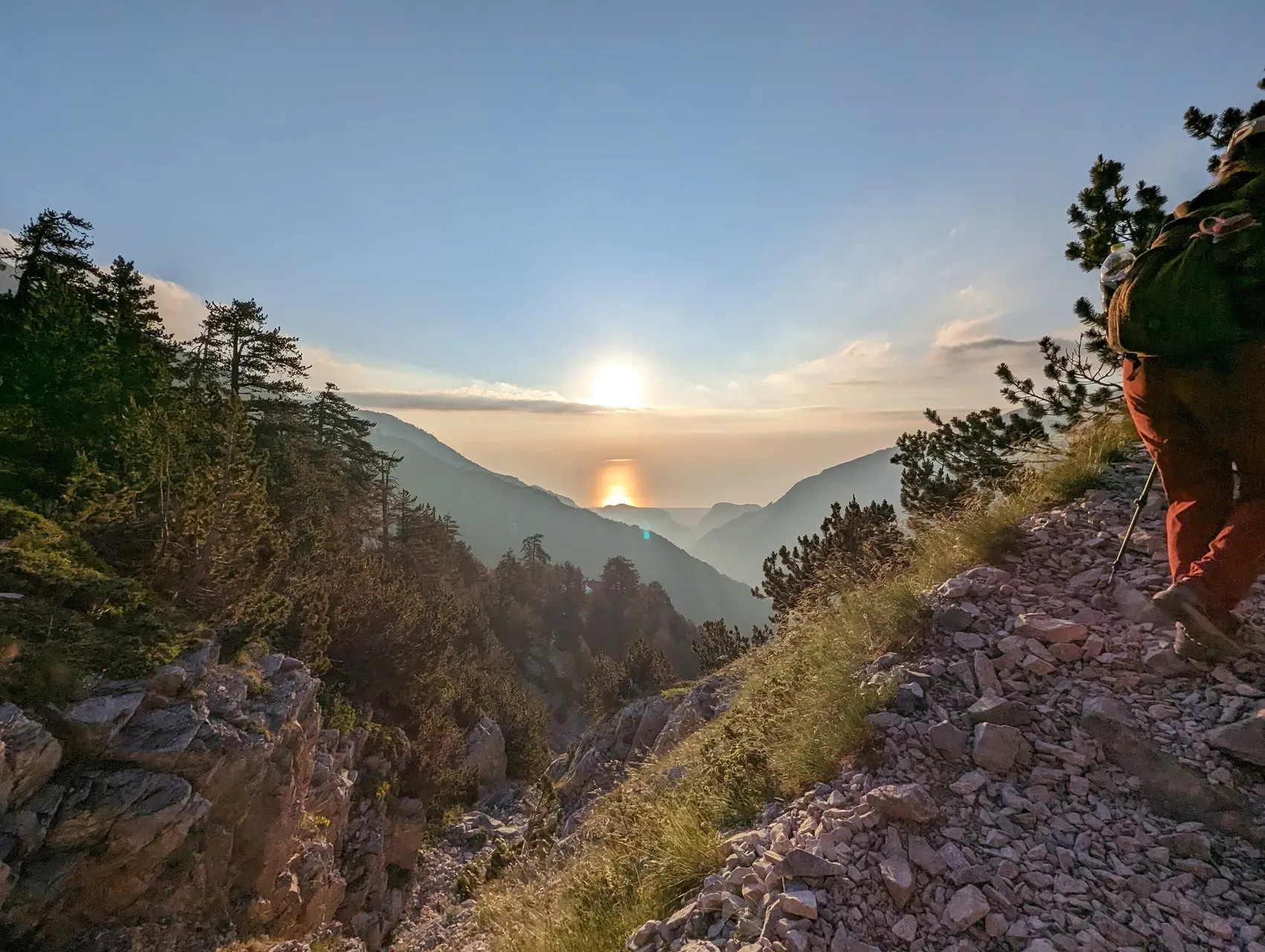
The Minister of Environment and Energy, Stavros Papastavrou said: «Greece's natural environment is a living and integral part of our identity, history, and culture. Its protection and promotion lie at the core of our government's policy. Olympus was declared Greece's first National Park in 1938, it is a refuge for rare birds of prey, while it hosts 28% of plant groups -over 1,900 species and indeed 27 of them that grow only on Olympus and nowhere else in the world- and significant wildlife populations. From Olympus, a global symbol that connects the ancient myth of Greece's highest mountain, as the home of the gods, with our country's environmental future, to the Untrodden Mountains and the new National Marine Parks announced by Prime Minister Κυριάκος Μητσοτάκης and which we are implementing, we prove in practice that the protection of nature and biodiversity is a steady national priority. With the establishment and strengthening of ΟΦΥΠΕΚΑ we laid the foundations for a modern and comprehensive management of the country's protected areas. Through the systematic cooperation of the Ministry of Environment and Energy, the Ministry of Culture, and ΟΦΥΠΕΚΑ, the complete nomination dossier of Olympus for its inclusion in the UNESCO World Cultural and Natural Heritage List was drawn up, successfully completing an effort that began in 2014.We are now moving from international recognition to concrete projects. In the immediate future we are implementing on Olympus interventions amounting to over 10 million euros, aiming to protect the natural environment, improve accessibility, and achieve the sustainable development of the wider area. Warm thanks and congratulations to Dr. Διονύσια Χατζηλάκου, director of ΟΦΥΠΕΚΑ, who led the entire effort, as well as to all those who contributed to this major national success. Special thanks to the Minister of Culture Lina Mendoni, with whom we once again worked constructively for the benefit of our Homeland. And a special mention for the support to the Permanent Representative of Greece to UNESCO, Γιώργο Κουμουτσάκο. We continue with plan and consistency, so that we can protect and showcase our country's unique natural and cultural heritage for today's and the next generations».