


Do you feel like you have… countless clothes but still don't know what to wear?
This paradox of abundance seems more like a symptom of an industry that has taught us to consume fashion quickly and mindlessly rather than any personal impasse.
However, building a wardrobe with a point of view, character, longevity, and an eco-conscious mindset isn't as hard as you think.
See how to redefine your relationship with your clothes by adopting a few simple, smart habits that will do good for the planet and your wallet too!
1. Shop mindfully and put quality over quantity
The first shift starts when you're shopping and it's the most important one. Instead of getting swept up by the fleeting trends of fast fashion and all those micro-trends you see on TikTok that “push” you to buy clothes that end up in the trash after a little while, invest in timeless pieces.
Look for quality fabrics, such as organic cotton, linen, or recycled materials or, even better, trust brands that put sustainability into practice and don't just use it for greenwashing. On funky buddha gr, for example, you can see the so-called “Transparency Report” that includes the garment's entire journey, from its fabric to even its dyeing. Trust companies like these that clearly show what they stand for and you'll soon create a collection of clothes you'll enjoy for years.
2. Try pre-loved pieces and accessories
Your style might not be that vintage, or you might not find clothes you like in second-hand shops, but there are always opportunities and pieces that can suit you.
Another excellent idea is to host a "clothes swapping party" at your place with your friends, where you'll have a coffee and swap clothes you no longer wear. What feels boring to you may be someone else's new favorite piece!
3. Extend the life of your clothes with proper care and washing
The way you care for your clothes plays a huge role both in their lifespan and in energy consumption - and it's a way to make your wardrobe more sustainable. Wash your clothes at 30°C or even with cold water, since low temperatures are more than enough for everyday freshening while also protecting the fabric fibers.
Also, in a country like Greece the dryer isn't necessary - the sun and the air are your best (and completely free) allies. Finally, choose eco-friendly, biodegradable detergents that don't burden the water table.
4. Repair and alter your clothes as much as you can
Did a button come off? Did a seam come undone? Don't rush to throw the garment away! Learn the basics of sewing and remember that a simple crochet hook can save the situation in a few minutes. Or that dress that's now too big for you, why not have a seamstress take it in instead of buying a new one?
If a pair of jeans has grown old, why not cut it and turn it into shorts for the summer? Alterations give new life to things you'd written off and allow you to express your creativity in a unique way, wearing clothes no one else has!
5. Don't throw your old clothes in the trash
According to EU data for 2022, per-person consumption of textile products in the EU required on average 323 square meters of land, 12 cubic meters of water, and 523 kilograms of raw materials. And things get even worse if we take into account the tons of textiles thrown away every year.
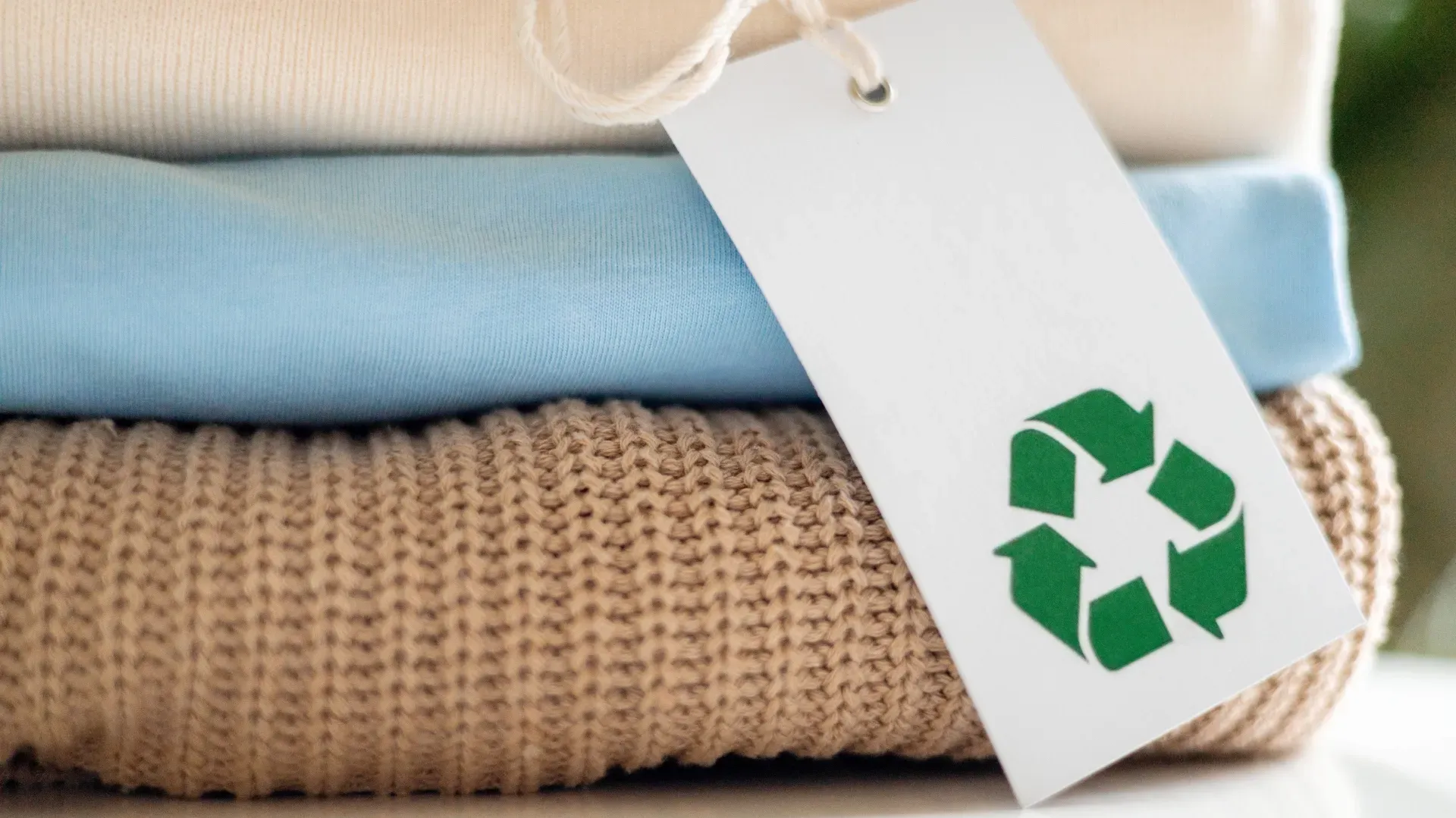
So when it's time to part with something, do it responsibly. If the garment is in good condition, donate it to a charity or place it in your municipality's special clothing collection bins. Alternatively, you can sell it on second-hand platforms. If it's completely worn out, choose textile recycling instead of the general waste bin.
As you can see, building an eco-friendly wardrobe doesn't require dramatic sacrifices or huge changes from one day to the next. It's a process that starts with small, conscious steps, and it's up to you to choose the ones that feel easiest. Step by step, you'll not only reduce your environmental footprint, but you'll also gain a wardrobe full of pieces that truly express your personality!


