





Escape to the picturesque villages of Kissavos, far from overtourism and the crowds.
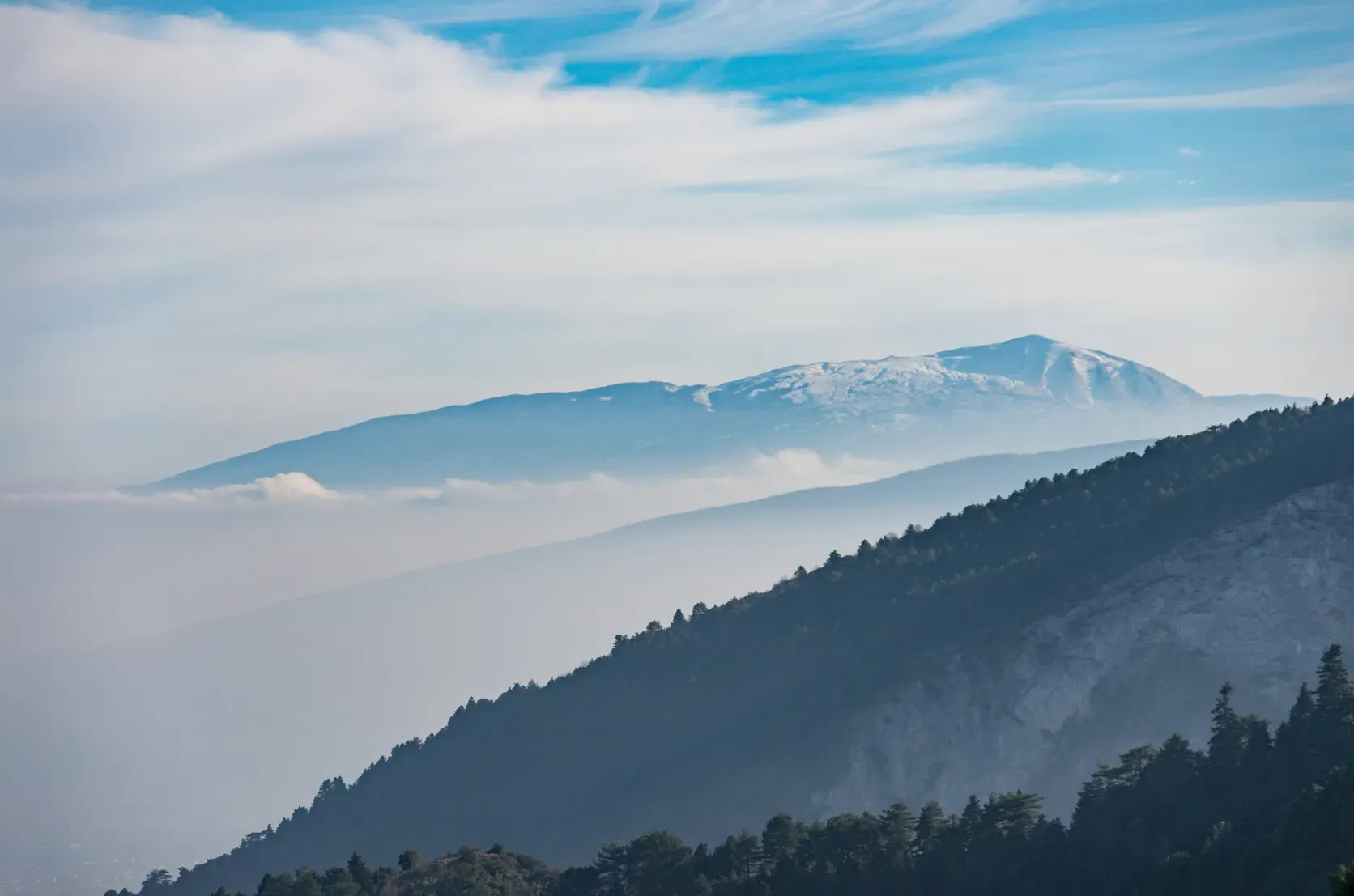
In the heart of Thessaly, in the northeast of the regional unit of Larissa and south of the Vale of Tempe, directly opposite Olympus stands Kissavos (also known as Ossa). Its summit reaches 1.978 meters in elevation and its natural world is rich, with beech, fir and chestnut forests, running waters and impressive gorges. On the slopes of the verdant mountain lie picturesque mountain villages, far from mass tourism, ideal for peaceful explorations against a backdrop of wonderful natural scenery in every season of the year.
Kissavos: Escape to Thessaly's undiscovered mountain
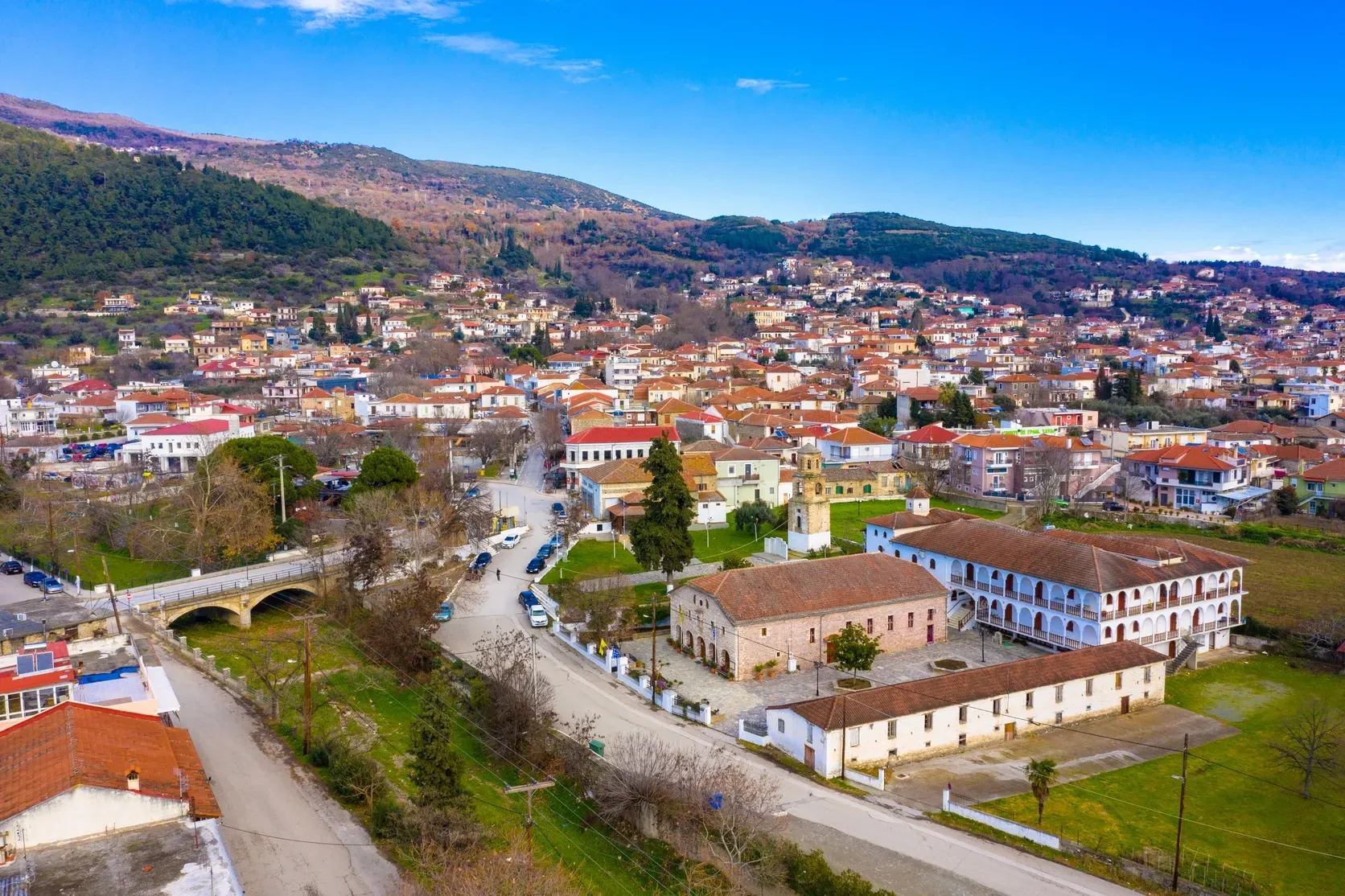
Your exploration of Kissavos can begin from Agia, the picturesque small town on the southeastern foothills of the mountain, in the «opening» created by Ossa and Mavrovouni. Blending the beauty of the mountain with the sea that lies a short distance away, Agia is famed for its lush landscape, fertile fields with apple and cherry trees, and for its traditional atmosphere that stays alive over time.
The Amyros River flows through the area, springing from Kissavos. On its banks you encounter three stone-built bridges. The presence of three pillboxes testifies to the struggles of the people of Agia during the Civil War. In Agia the churches add color, with a characteristic example the Church of Agios Antonios, as well as the monasteries of Agios Panteleimonas and Agioi Anargyroi, while the mansions of the small town stand out for their beauty.
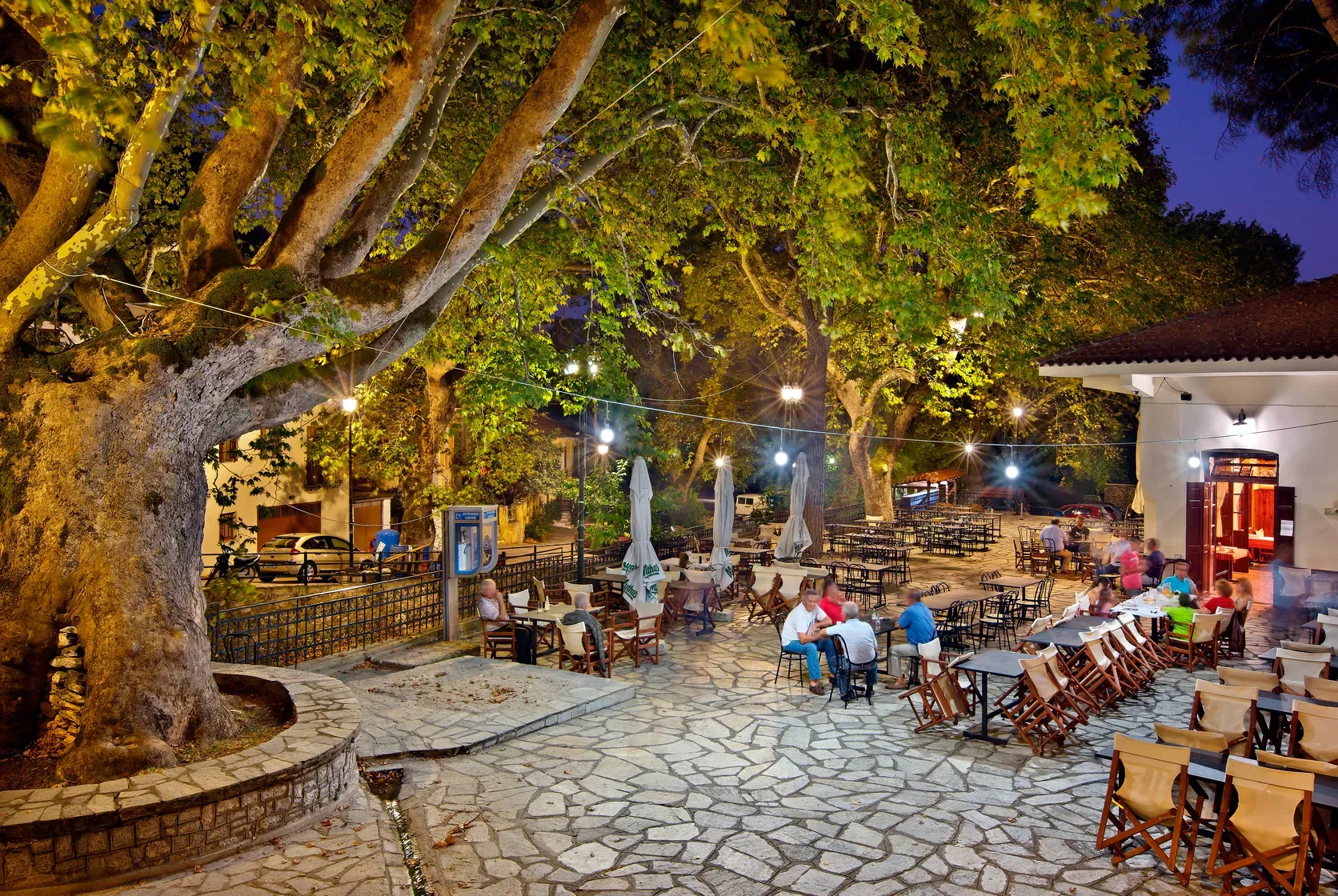
A short distance from Agia lies Metaxochori, the «quiet force» of Kissavos. This lovely little village keeps a low profile and makes an ideal base for excursions that will give you the chance to get to know Thessaly's hidden beauty. The village's current name (it was formerly called Retsiani) derives from its relationship with silk production. Elegant mansions (witnesses of the era when the village flourished thanks to silkworm breeding), lush vegetation and running waters compose the setting in this serene village.
Many artists, poets and writers found their refuge in Metaxochori - that's why it's also called the «village of artists». The locals will show you the homes of the cartoonist and playwright Bost, Aliki Georgouli, Loukianos Kilaidonis and Anna Vagena.
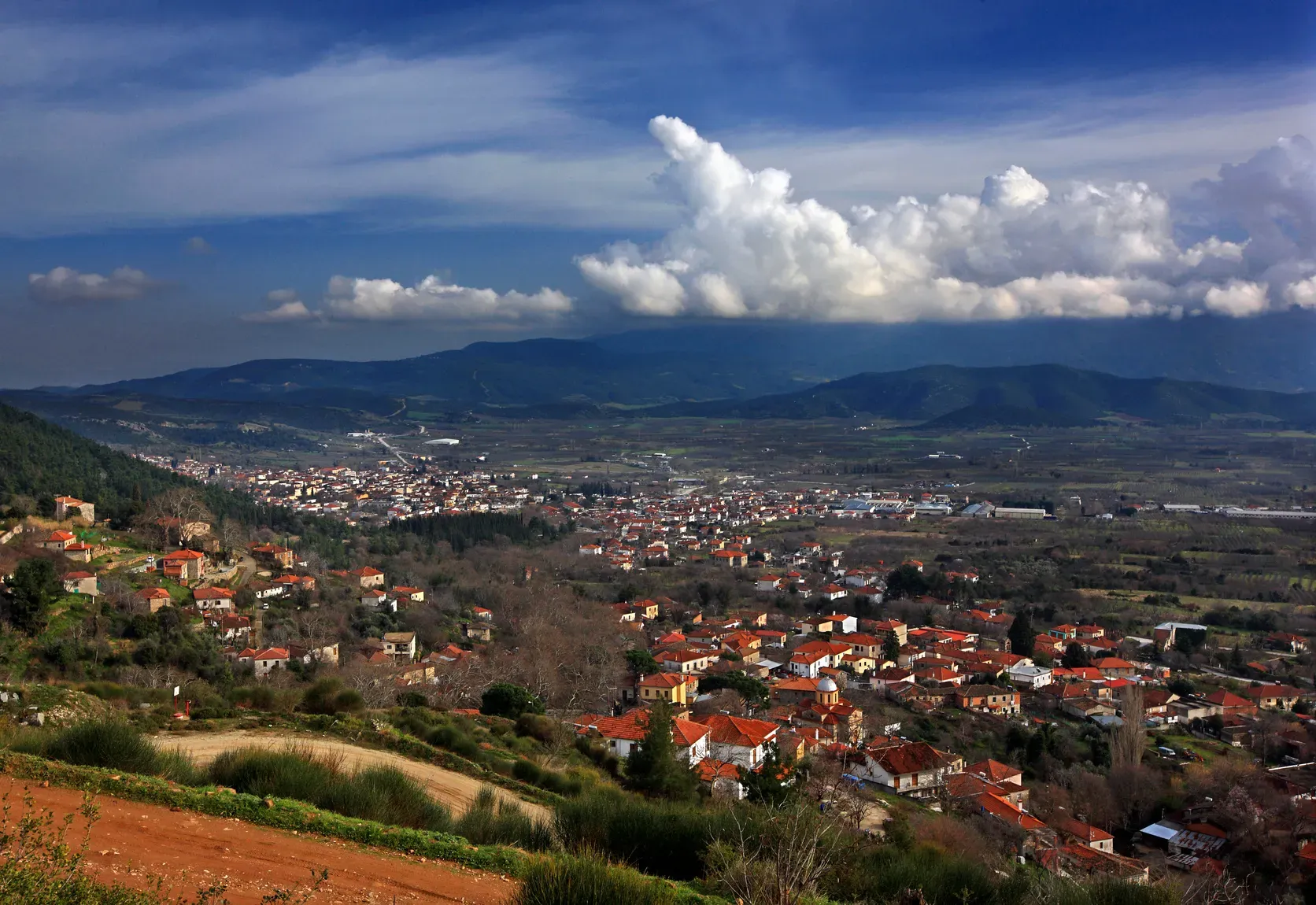
Anatoli Kissavou, the mountain's highest village at an elevation of 1.000 meters, is a destination that combines striking nature, history and authentic tradition. All around you'll find beech, oak and fir forests, ravines with plane trees and fertile orchards, while it stands out for the impressive views from the Thessalian plain to the Aegean. With Byzantine roots, the village once called Selitsani today lives mainly from agriculture and livestock farming. Don't miss the Church of Agios Georgios with the Ecclesiastical Museum on the village square, as well as the old school that houses Anatoli's Cultural Center and the permanent exhibition of old photographs.
Just 4 km. from the village is the Holy Monastery of Timios Prodromos, which seems built on a natural balcony of Kissavos. Founded in 1550 by Saint Damianos the Myrichovitis, it continues an important monastic center that flourished from the 9th to the 13th century. Today it functions as a women's monastery, with an emphasis on ecological cultivation and self-sufficiency, producing dairy products, jams and mountain herbs.
Megalovryso stands out for its views and its position, as it's built at an elevation of 600 meters on the northeastern foothills of Kissavos. It was once called Nivoliani (in Slavic it means heavenly city) and its current name is attributed to the waters that ran from the village's many springs-fountains.
Its sights include the fountains such as the «Megali Vrysi», which supplies the village with water, and «Misochori», which lies next to the plane tree, as well as the picturesque little chapels and the village's stone-built school. Throughout the year cultural events take place, with those of Carnival and Easter standing out. Just outside the village, at the spot «Karaouli», you'll enjoy views from the Thessalian plain to the Aegean. It's worth walking the Agia-Megalovryso path, which is a protected Natura 2000 habitat.
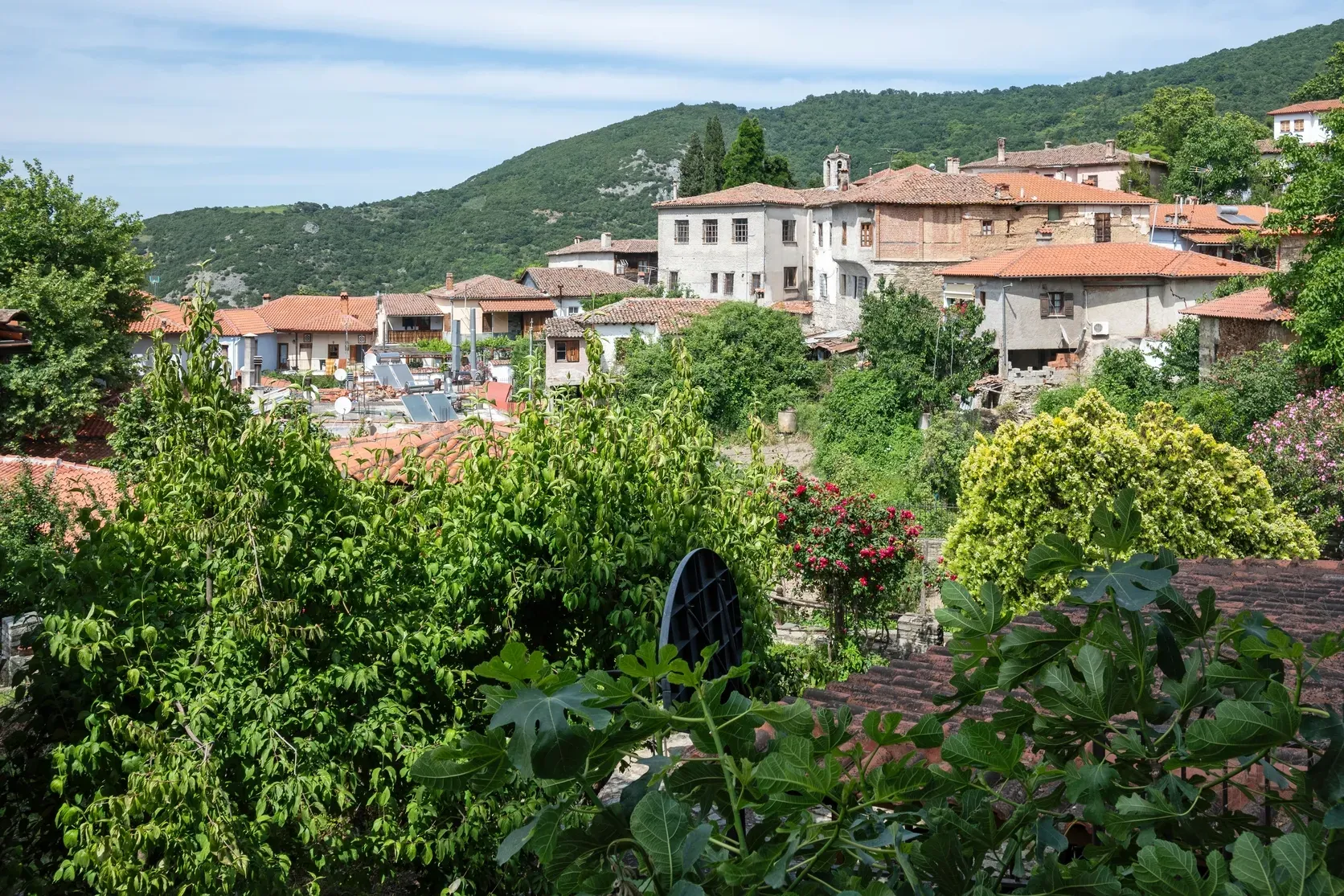
The village of Melivoia is the largest in the municipality of Agia and is built at an elevation of 400 m., at a distance of 45 km. from Larissa. Climbing towards its square, you come across traditional houses and small alleys, with residents sipping tsipouro in the little cafés. It's said that the best green apples are produced here, the famous apples of Melivoia.
For those who love to discover mountains by walking them, the area offers beautiful hiking trails. You can follow the Melivoia - Velika path that starts next to Velika beach and passes through wonderful landscapes with forests of plane trees, chestnut and walnut trees, impressive waterfalls and little streams, as well as many wooden benches for those who want to rest. The path ends in the center of the village of Melivoia.
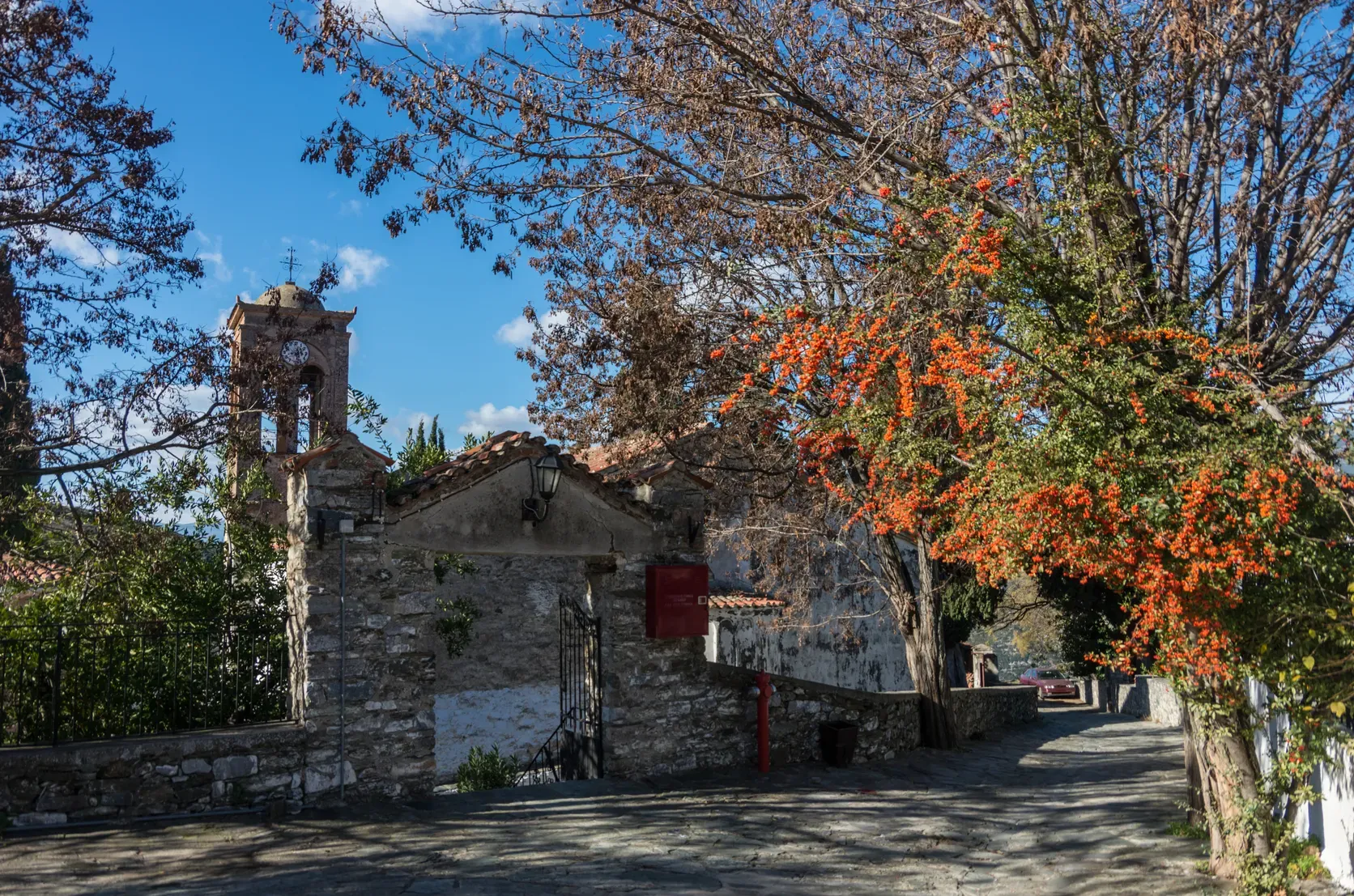
Sotiritsa lies on the fringes of the mountain and is about 8 km. from Agia and about 44 km. from Larissa. It's divided into two settlements: Ano and Kato Sotiritsa. The name of the village has also been given to the plain that lies between the Agiokampos stream and the Velika stream. The village's first inhabitants were engaged in logging oak, while their income also came from livestock farming, olive production and silkworm breeding. In the 1970s the village was gradually abandoned, with residents migrating to the seaside areas, while in recent years efforts have been made to regenerate the village, with the restoration of houses, traditional tavernas and guesthouses.
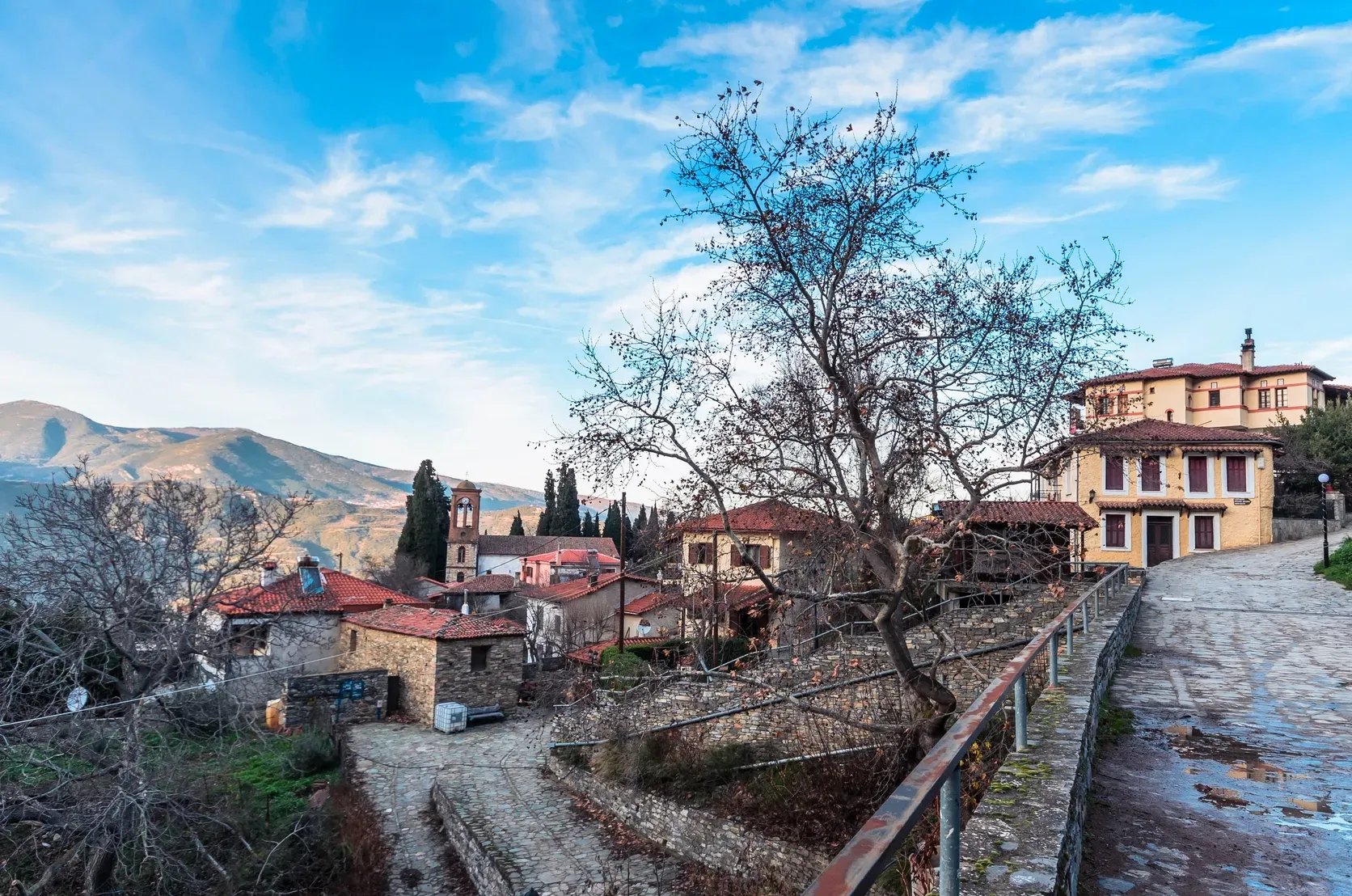
On the other side of Kissavos, 30 km. from Larissa and «hanging» above the Vale of Tempe, lies stately Ambelakia, a jewel of a village in Thessaly. At first glance you can tell that this village differs from the others. The setting of the preserved historic settlement includes refurbished doll-like houses among cypresses and pines, ornate cobbled alleys, stone fountains and a sense of nobility that hasn't disappeared since the world's first cooperative was founded here under the name «Common Partnership and Brotherhood of Ambelakia».
Walking the village's cobbled lanes you'll admire the well-preserved stone-built mansions that reveal earlier eras of glory and prosperity. The three-storey mansion of Georgios Mavros, or Schwarz, built in 1787, as the residence of the president of the Ambelakia Cooperative Georgios Mavros Schwarz, is the most impressive of the many mansions that have been preserved. Indeed, it was recently renovated and its frescoes and wooden elements were restored.
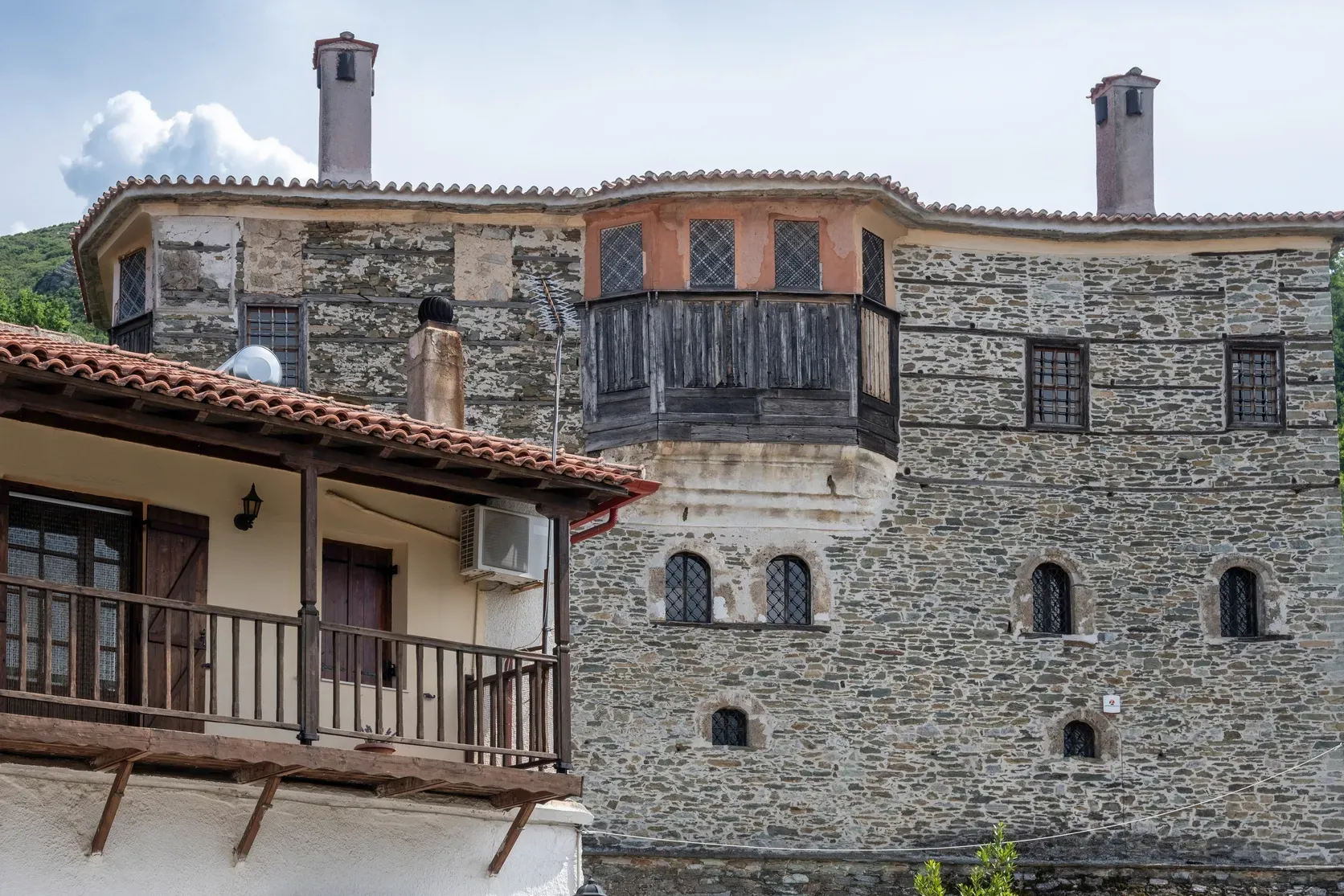
Among the sights one can see in the village is the Folklore and Historical Museum housed in the Mola Mansion, offering visitors a journey through time and into the everyday life of the people of Ambelakia. Also make a stop at the Church of Agios Georgios, which has remarkable frescoes and rare icons. Setting out from Ambelakia you can also visit the Castle of Orias, from where you'll enjoy an excellent view towards the Vale of Tempe.