





We discover the magic of autumn in one of the most beautiful cities of Northern Greece.
There are some places in Greece that look their best in autumn. Kastoria is certainly one of them. A spellbinding lake, intriguing sights, traditional neighborhoods, escapes into nature and good food. The stately city of Western Macedonia has everything that makes us want to pack our bags for a getaway this season.
Strolls by Lake Orestiada
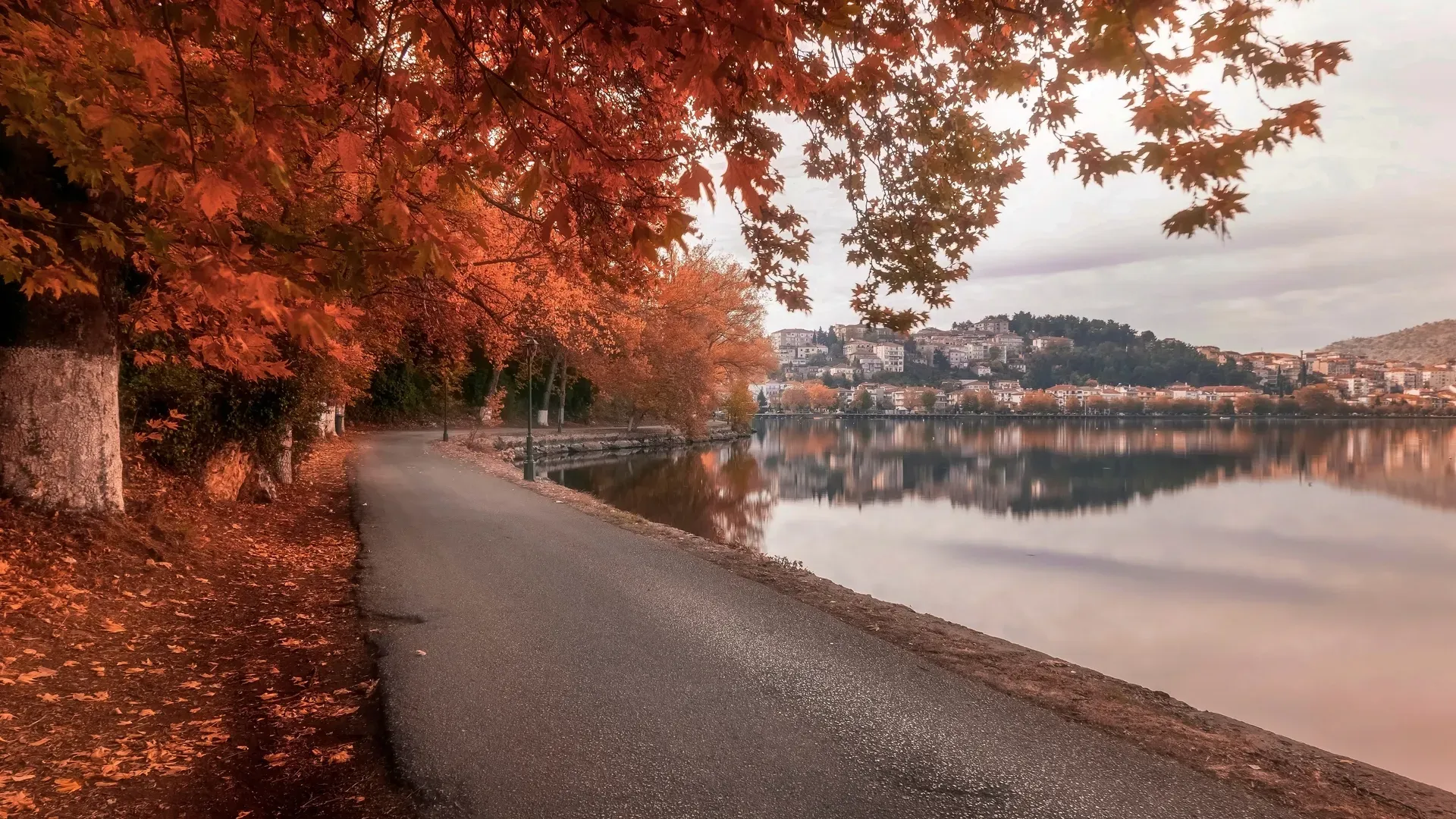
In Kastoria you will take the most beautiful autumn lakeside strolls. Lake Orestiada is intertwined with the character, history and evolution of the city. It has been designated as a place of particular beauty by the Ministry of Culture and has been included in the European Network «NATURA 2000». Kastorias lake lies at an altitude of 630 m. above sea level, covers an area of 28 sq. km. and is the eleventh-largest lake in Greece. Its waters are home to many fish species, as well as more than 200 species of birds (16 of which are rare and endangered), making it one of the most important wetlands in the country.
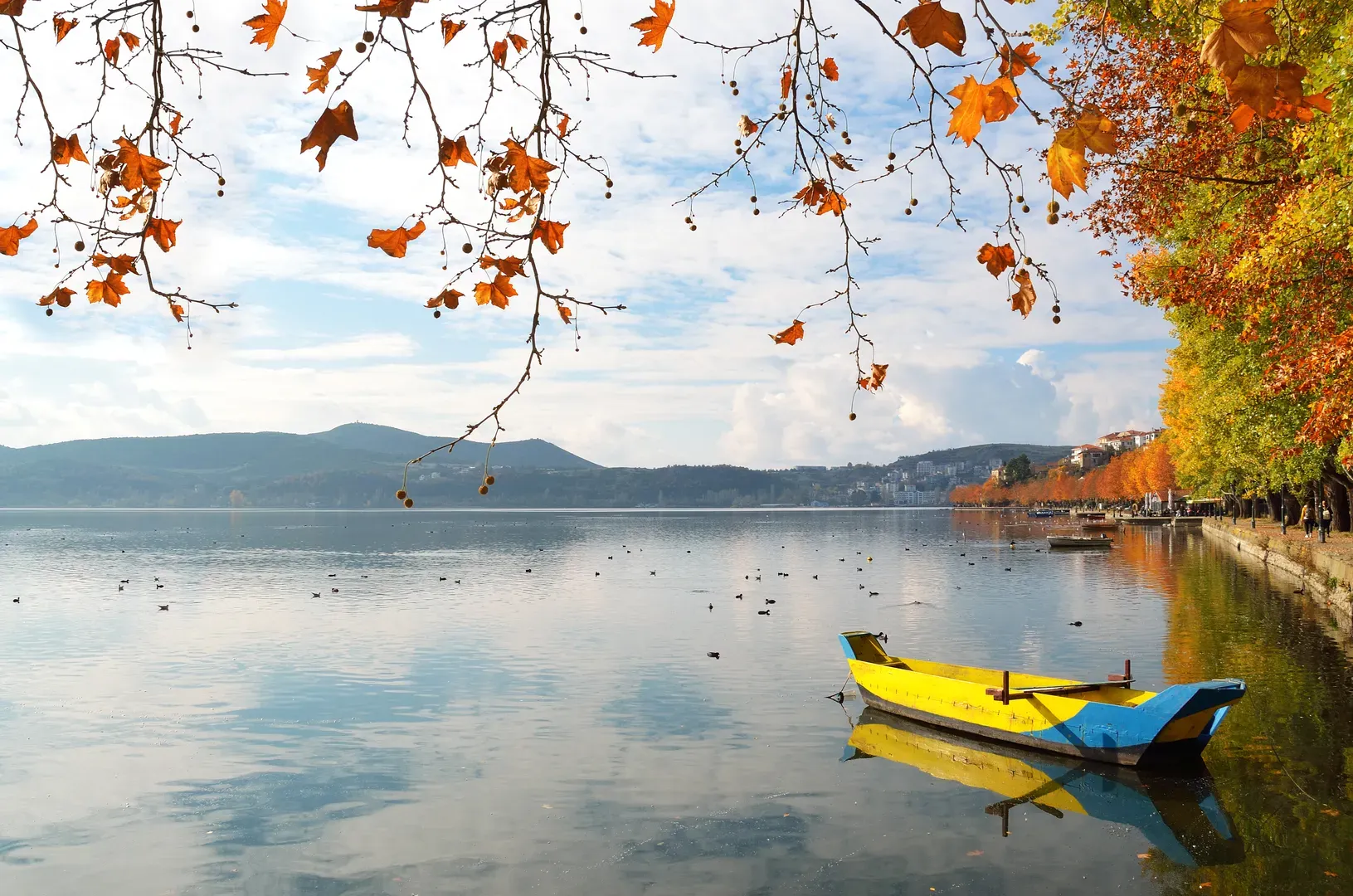
Here, strolls unfold as lazily as needed to enjoy the beauty of the landscape. The short loop of the lake is about 8 km long and is ideal on foot or by bicycle (there is also the long one, which continues toward the lakeside villages). As you walk, youll gaze at pelicans and ducks, as well as the impressive sight of fishermen rowing their «boats» standing up.
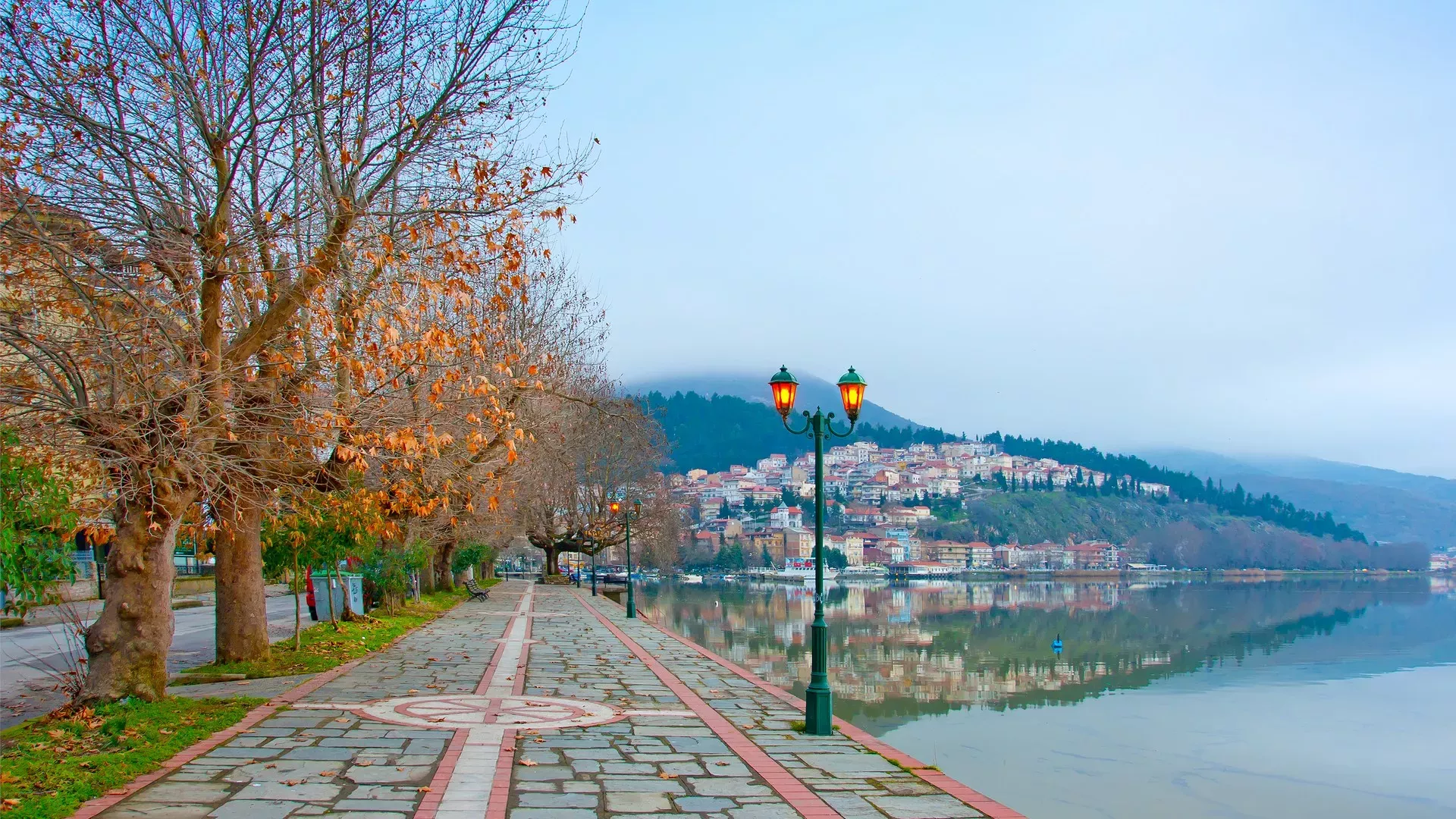
Along the route there arepavilions ideal for picnics, while on the plateau in front of the Monastery of Panagia Mavriotissa stands a plane tree about 900 years old. On the northern part of the lake liesthe Cave of the Dragon withten chambers open to visitors and seven underground lakes that are well worth seeing. The cave was discovered by locals by chance in the 1940s and opened its doors to the public only in 2009.
The traditional neighborhoods
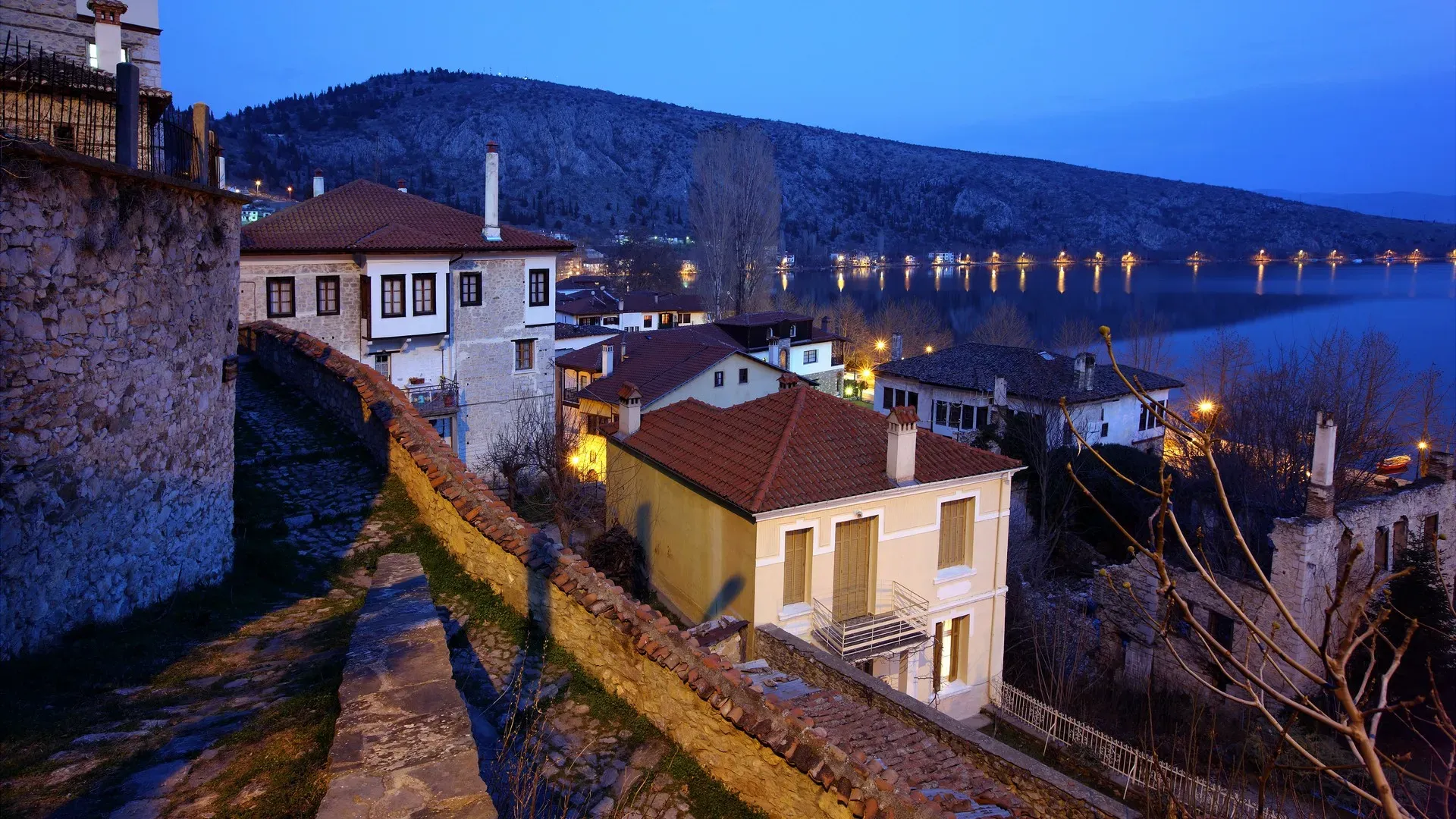
A stroll throughDoltso, the old town ofKastoriais one of the experiences you should not miss. Starting from the main square, just a few meters from the lake, wandering the neighborhoods atmospheric stone-paved lanes will transport you to another era. The imposing and stately mansions, the two- and three-storey buildings of the 18th and 19th centuries, stand as undeniable witnesses to an economy that flourished thanks to the intense commercial and artisanal activity of Kastorias furriers.
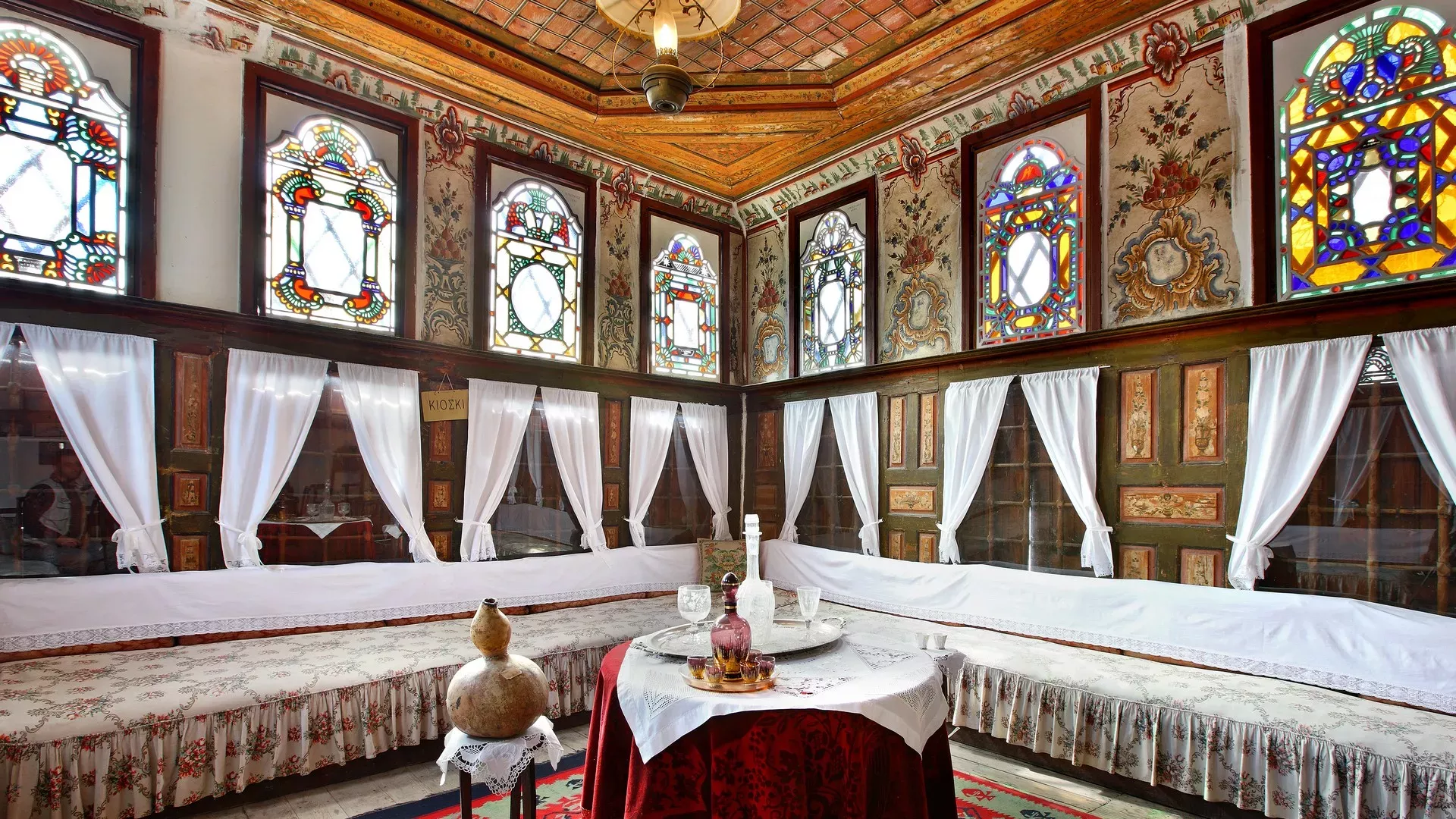
Some ruined and others impressively restored, the mansions ofKastoriaare of great interest for their masonry, architecture and painted decoration.Some mansions, after their renovation, operate today as hotels (Archontiko Orologopoulou, Doltso, etc.), while others have been converted into museums, such as the Nerantzis Aivazis mansion which houses the Folklore Museum and the Emmanouil mansion which houses the Costume Museum.
Gastronomy
Beyond its famed lake, imposing mansions and dozens of Byzantine churches, Kastoria can also boast a rich local cuisine. The renowned sarmades, meatballs with makalo (a sauce with flour, tomato and garlic), the areas famous giant beans and fish from the lake are just a few delicious reasons to fall in love with this city.
Dont miss
Dispilio
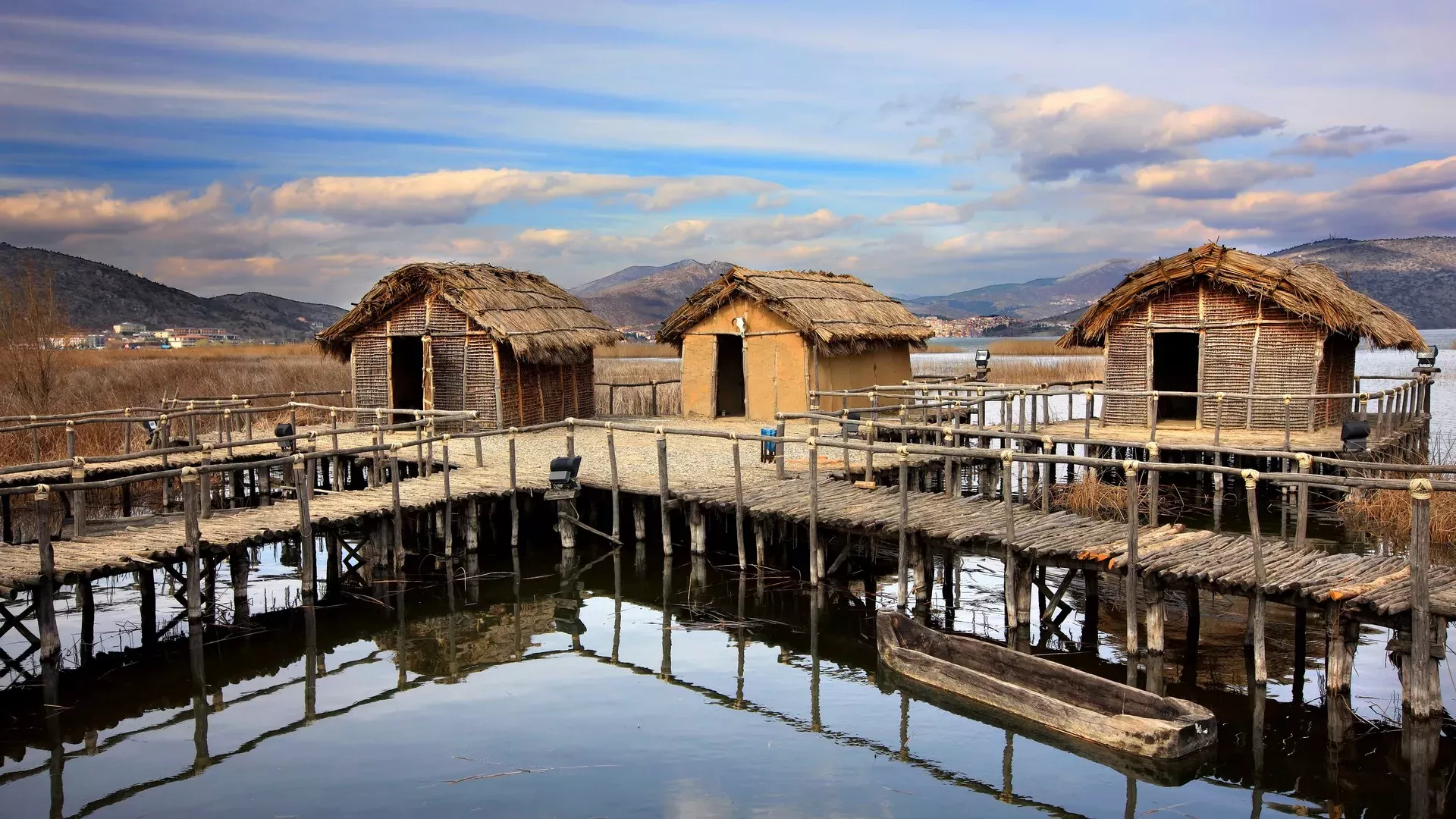
After your strolls in the city of Kastoria, its worth visiting a special attraction in the area: the prehistoric lakeside settlement in Dispilio, a few kilometers outside the city, on the southern shore of the lake. In Dispilio, one of the oldest and most important lake-dwelling settlements in all of Europe was discovered in 1932. The reconstruction of the prehistoric settlement, with huts on wooden platforms in the lake, will take you back in time and give you an idea of what a «household» looked like about 7,500 years ago.
Koresteia
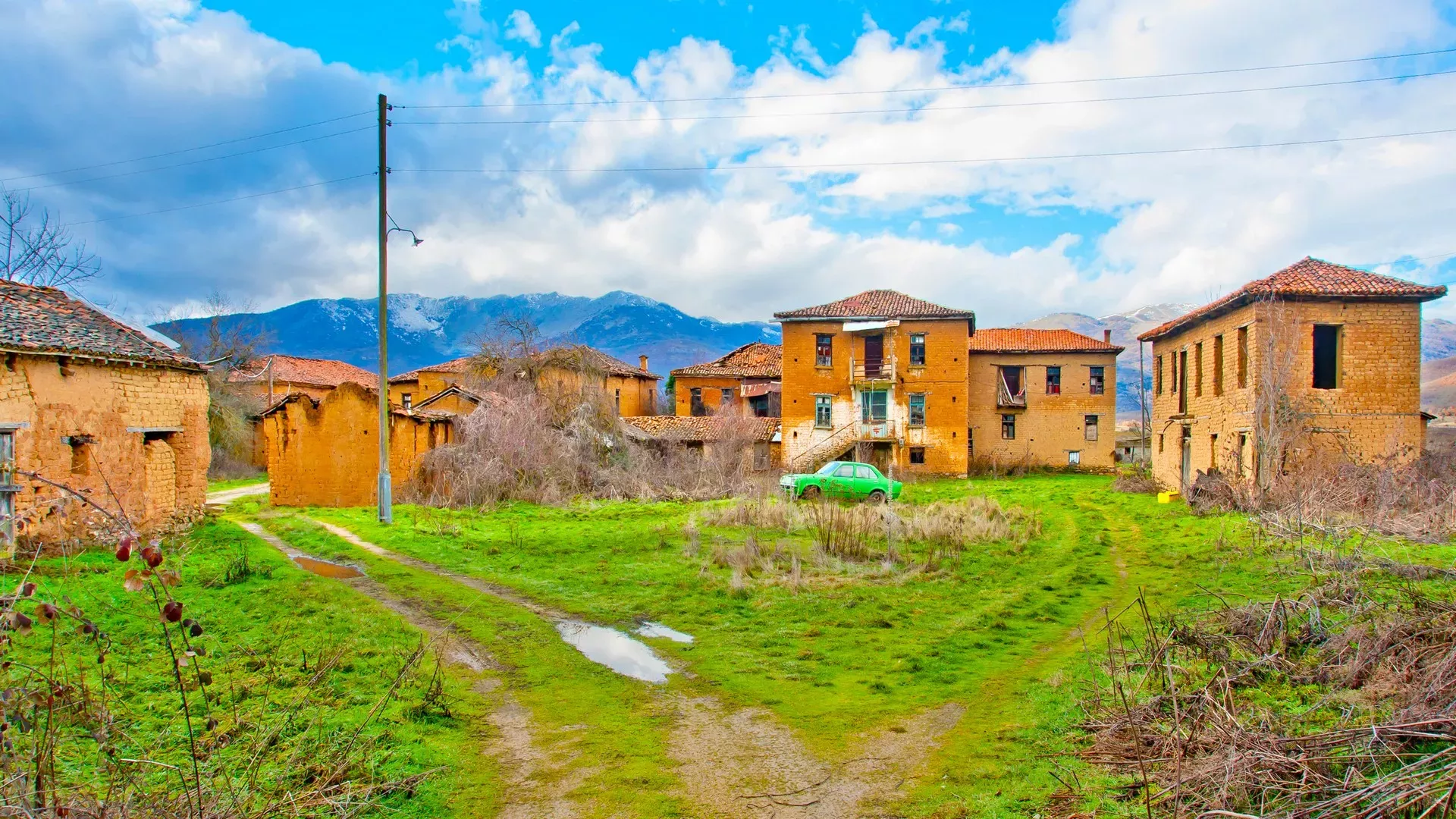
A few kilometers north of the city of Kastoria lie Koresteia or the adobe villages, a historic cluster of villages of exceptional architectural and cultural interest thanks to their mudbrick houses with their distinctive red color. The houses were built by master craftsmen in the first half of the last century with mud made from red earth, water and straw and are unique examples of traditional architecture. Today, most of the villages are abandoned and half-collapsed, while a few of them still retain a handful of residents.