





If for you travel isn't just an opportunity to see more, but also to sleep better, then these cities are worth your attention.
For many travelers, vacations have stopped meaning an exhausting schedule of sightseeing and have begun to mean something much simpler: rest. Sleep tourism, or «sleep tourism», is the new trend in wellness travel that puts good, high-quality sleep at the heart of the travel experience. Several studies carried out in recent years have sought the European cities that offer the most ideal conditions for sleep tourism, examining everything from air quality and levels of noise and light pollution to greenery and nighttime temperatures.
What is «sleep tourism»?
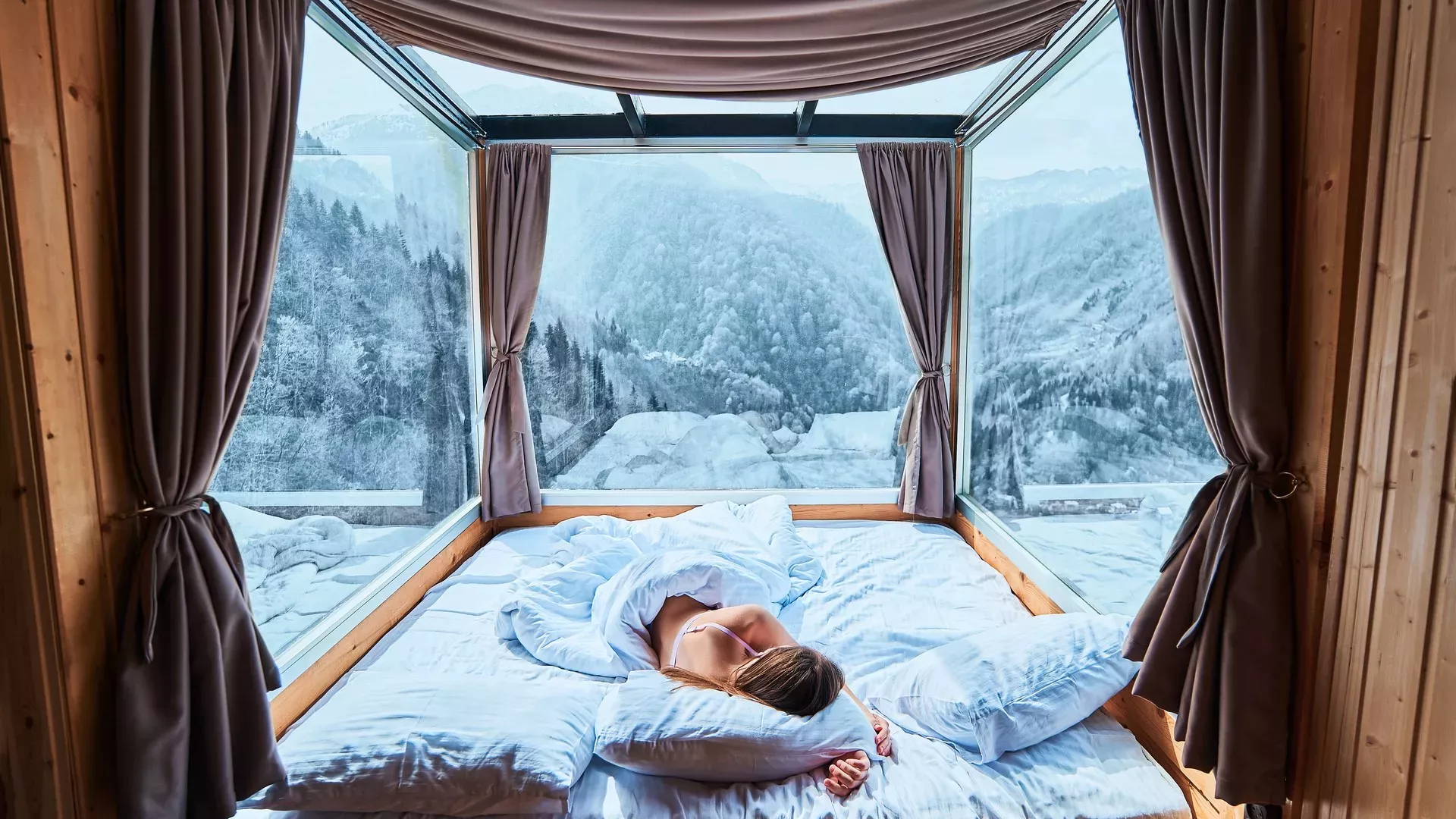
Sleep tourism is a more specific version of wellness tourism: the traveler chooses a destination with the main criterion being the ability to relax and sleep better. This can mean a hotel with blackout curtains, soundproofing, special mattresses, a spa and relaxation treatments, but recent studies also put the destination itself under the microscope. The company Eminent, for example, evaluated noise, light pollution, air pollution and nighttime temperatures, while MattressNextDay used eight factors across 60 European cities. Coway, on the other hand, created the European Sleep Index 2026 with seven environmental and lifestyle indicators.
5 top cities in Europe for sleep tourism
Below, we've gathered five European cities that rank high in the results of the above studies, confirming that they offer the right environment for a trip with rest and better sleep as the main goal.
Reykjavik, Iceland
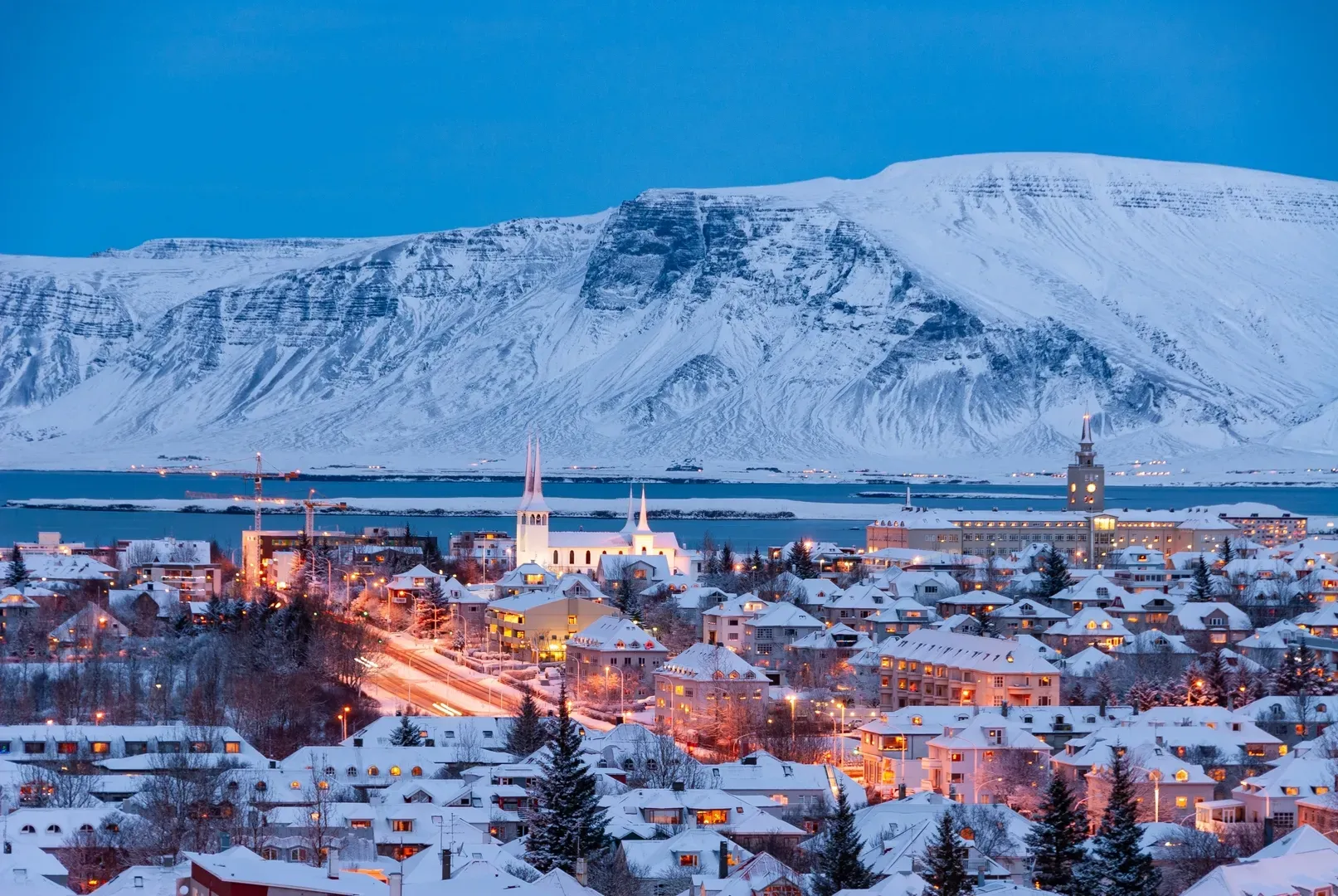
Reykjavik seems to be the undisputed star of this new trend. The Eminent study, published by Forbes and Conde Nast Traveller, ranks it first among European cities for sleep tourism, with an impressive Sleep Score of 99.2/100. The Icelandic capital stands out for a very low overall level of noise and light pollution, as well as exceptionally cool summer nights. And of course, it's hard to find a better backdrop for an unwinding trip than what Iceland, the land of ice and fire offers: landscapes of raw beauty, glaciers, active volcanoes, waterfalls cascading from lush green mountains, beaches with black sand. Reykjavik is ideal for those who really want to slow the pace on their vacation.
Stockholm, Sweden
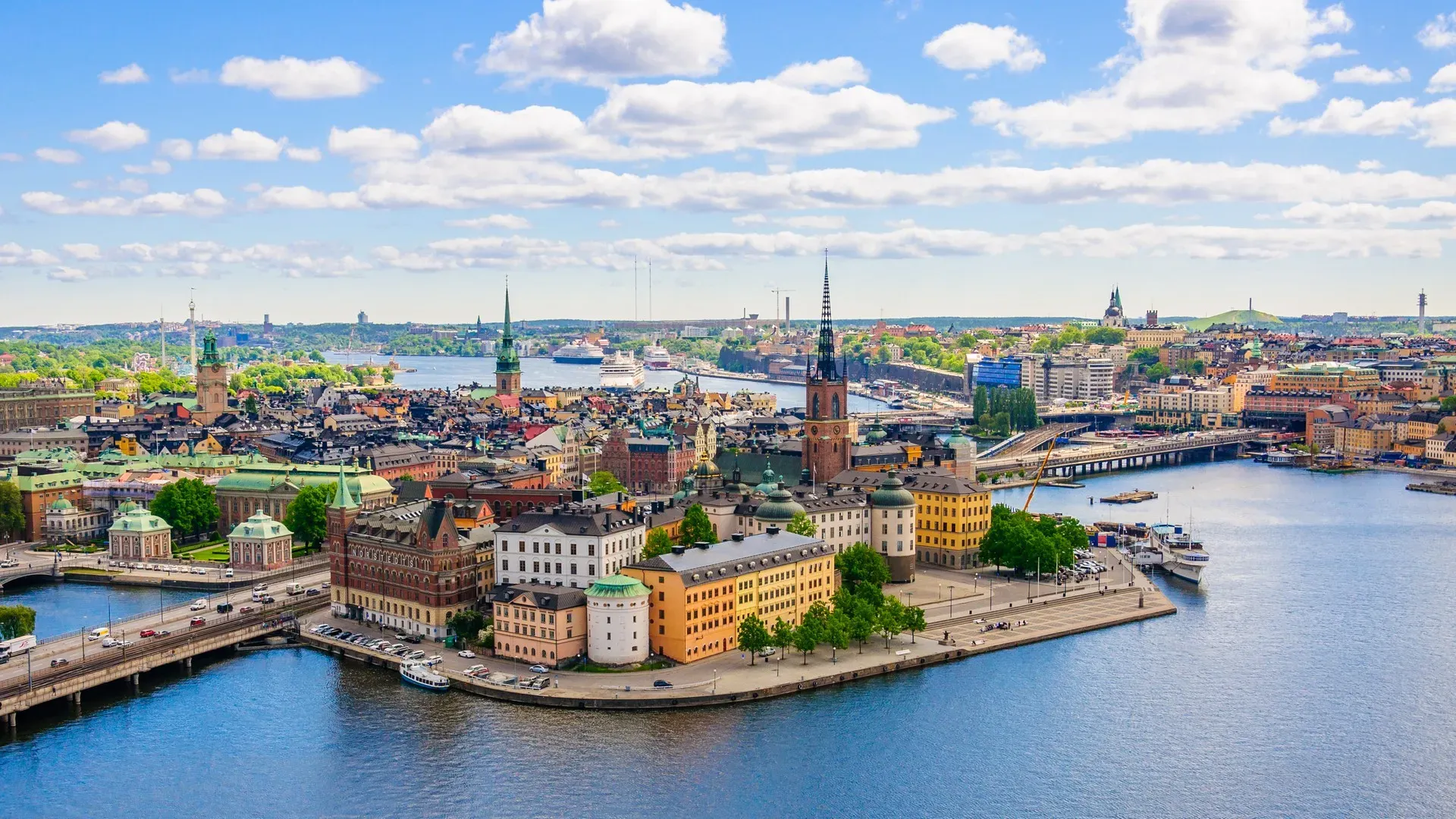
Stockholm is the city that proves more than any other that good sleep doesn't have to mean isolation. The Swedish capital took second place in Eminent's ranking, with 96.1/100, and it also sits in third place in Coway's European Sleep Index 2026. In the latter study it stood out especially for air quality, while the presence of water and nature within the urban fabric works in favor of a calmer experience. Built across 14 islands, Stockholm blends historic neighborhoods with verdant parks, museums, design, restaurants and countless routes along the water.
Vilnius, Lithuania
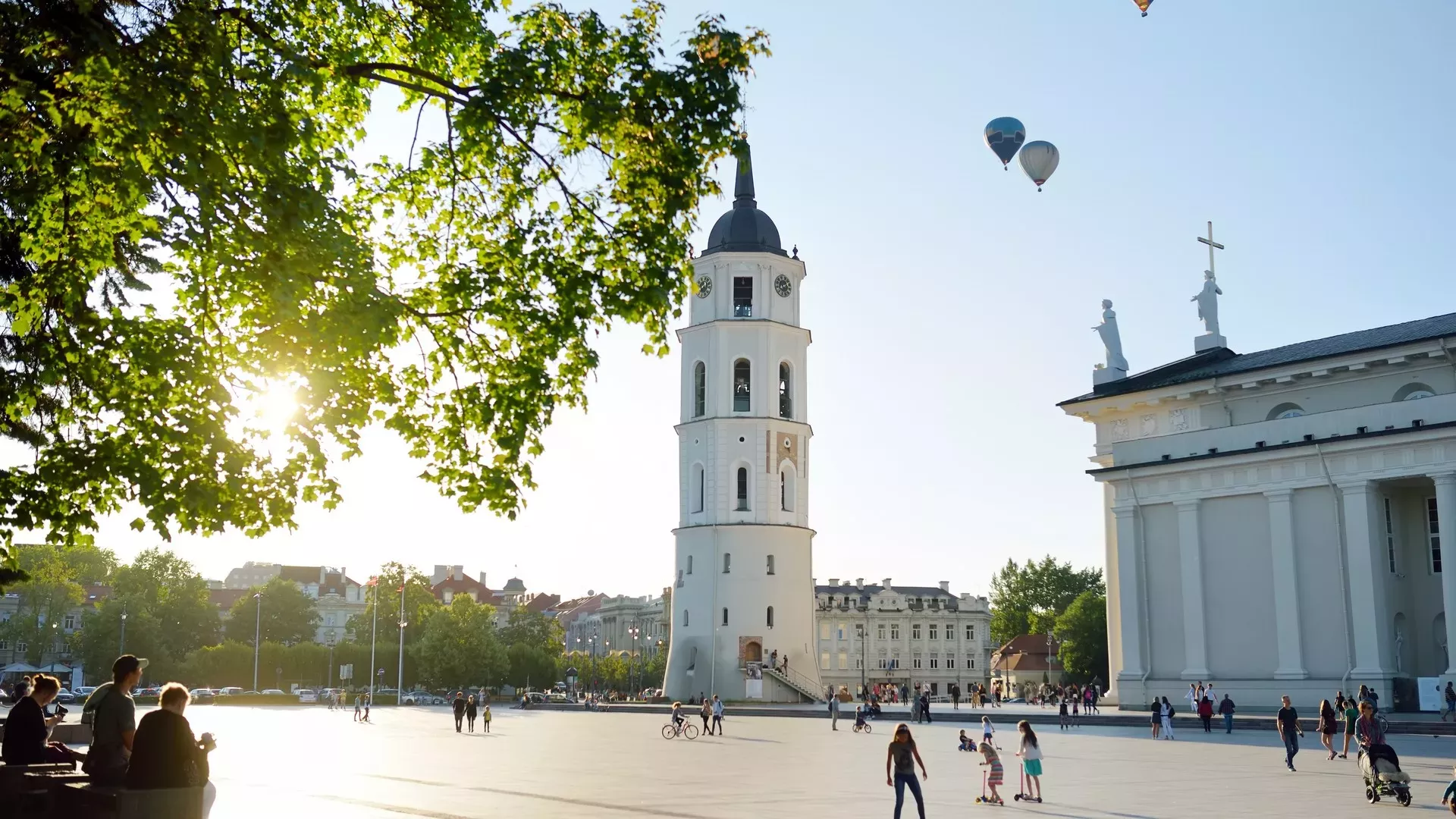
Vilnius isn't just a «quiet» destination. Its historic center, with Baroque architecture and narrow lanes, is a UNESCO World Heritage Site, while the city boasts a vibrant culinary and cultural scene. MattressNextDay's study named it the top European destination for sleep tourism, with a score of 8.26/10, thanks to air quality, greenery and low nighttime temperatures. More than half the city is covered in greenery, while hotels like the Grand Hotel Vilnius offer a spa, blackout curtains and amenities designed for relaxation.
Cork, Ireland
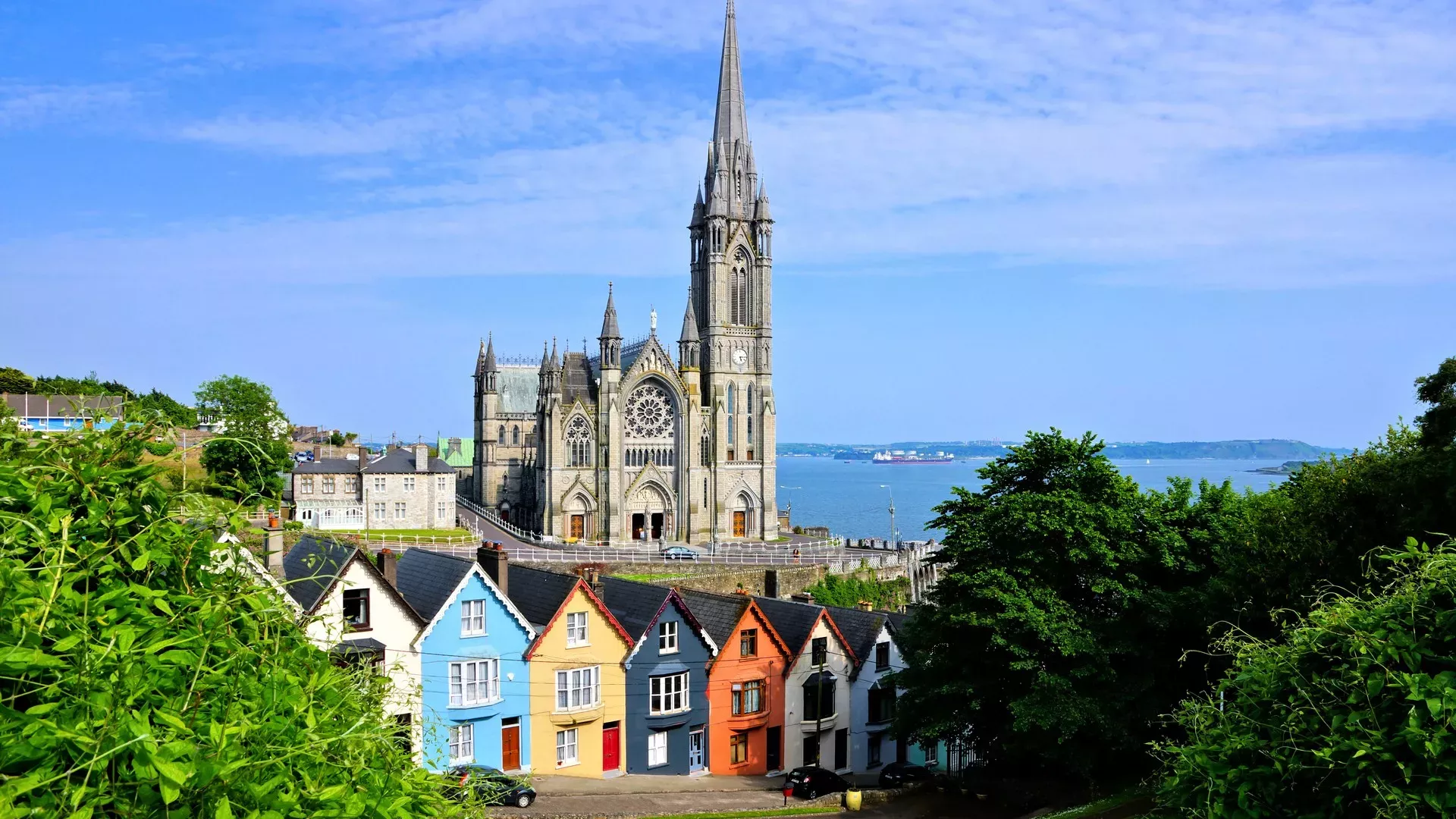
Cork may not have Dublin's international tourism profile, but precisely this smaller scale is part of its allure for a traveler. It's a destination for those who want to pair a relaxed itinerary with the feeling of being far from the noise of Europe's big metropolises. In Eminent's 2026 ranking it came third, thanks to relatively quiet conditions, mild summer nights and low air pollution. At the same time, Cork offers all the ingredients of a pleasant city break: historic buildings, pubs, markets, gastronomy and easy access to the Irish countryside.
Zurich, Switzerland

Zurich may not be the first city that comes to mind when we hear about... «sleep vacations», but the data places it very high. In Coway's European Sleep Index 2026 it ranks first among 25 major European cities, with particularly low light pollution and strong overall environmental performance. Its big advantage for the traveler is that it combines the conditions of a tranquil city with excellent infrastructure: a lake, parks, easy transport, top-tier hotels and access to the Alps.