





A list brimming with golden sand and turquoise waters from the famous travel guide.
Picking out the best beaches in Greece is anything but easy. From the Ionian Islands to the Cyclades and the Dodecanese and from the North Aegean to Crete, Greek beaches are unique and that’s why they’re celebrated by foreign media. Just before summer officially begins, Lonely Planet created its own list of the 13 best beaches in Greece. Which ones have you visited so far?
Paleokastritsa, Corfu
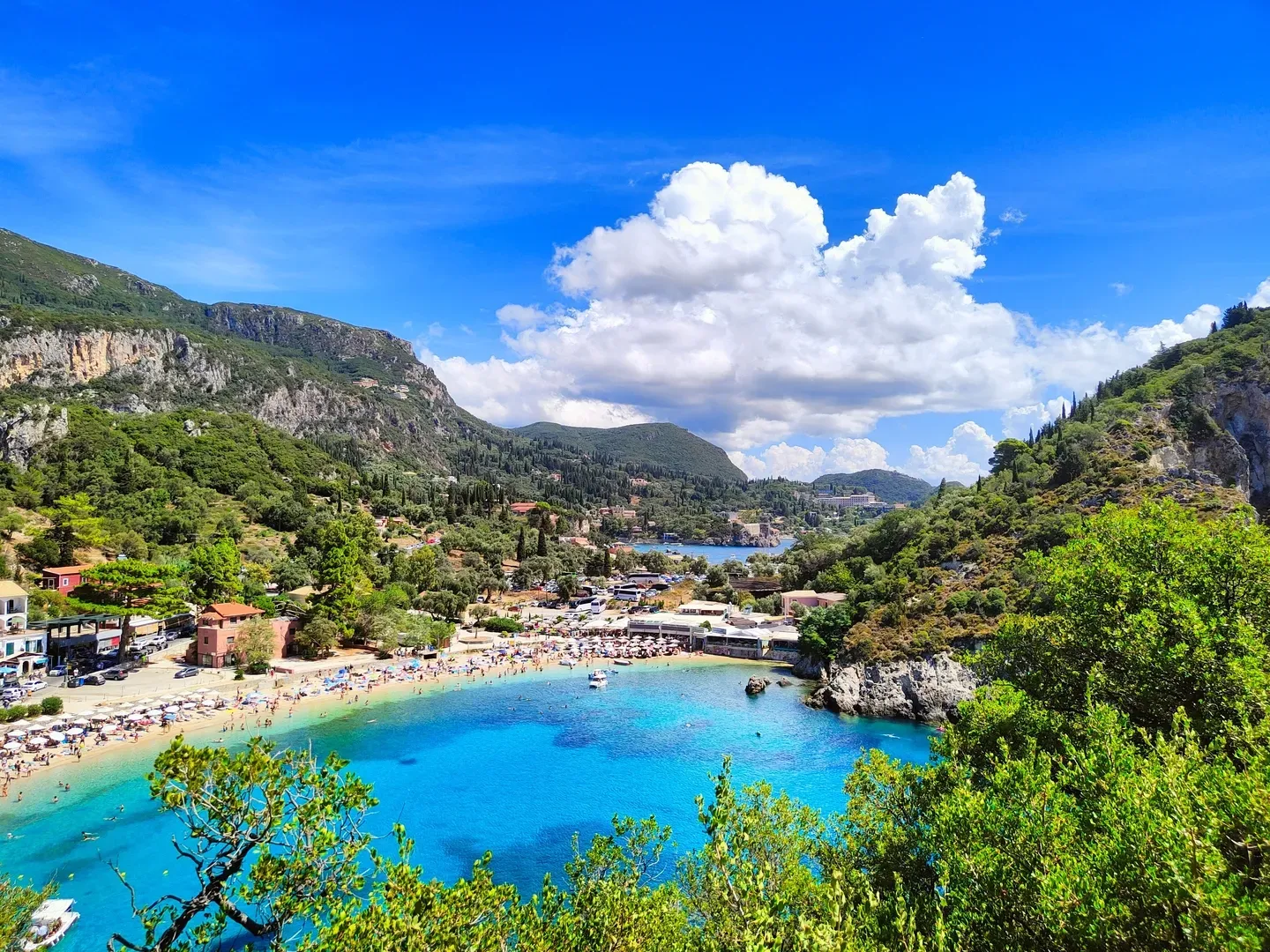
About 25 km northwest of Corfu Town, the area of Paleokastritsa features a series of small, picturesque bays beneath lush green mountains cloaked with cypress and olive trees. The beaches of Paleokastritsa have sand, pebbles, and crystal-clear turquoise waters (but they’re quite cold even on the hottest days). Don’t miss renting a boat to explore gorgeous nearby beaches that are accessible only by sea. As Lonely Planet notes, the beach at the end of the settlement «is extremely popular during peak season and securing a sunbed or a patch of sand to lay your towel can be a challenge, no matter how early you arrive».
Falassarna, Crete
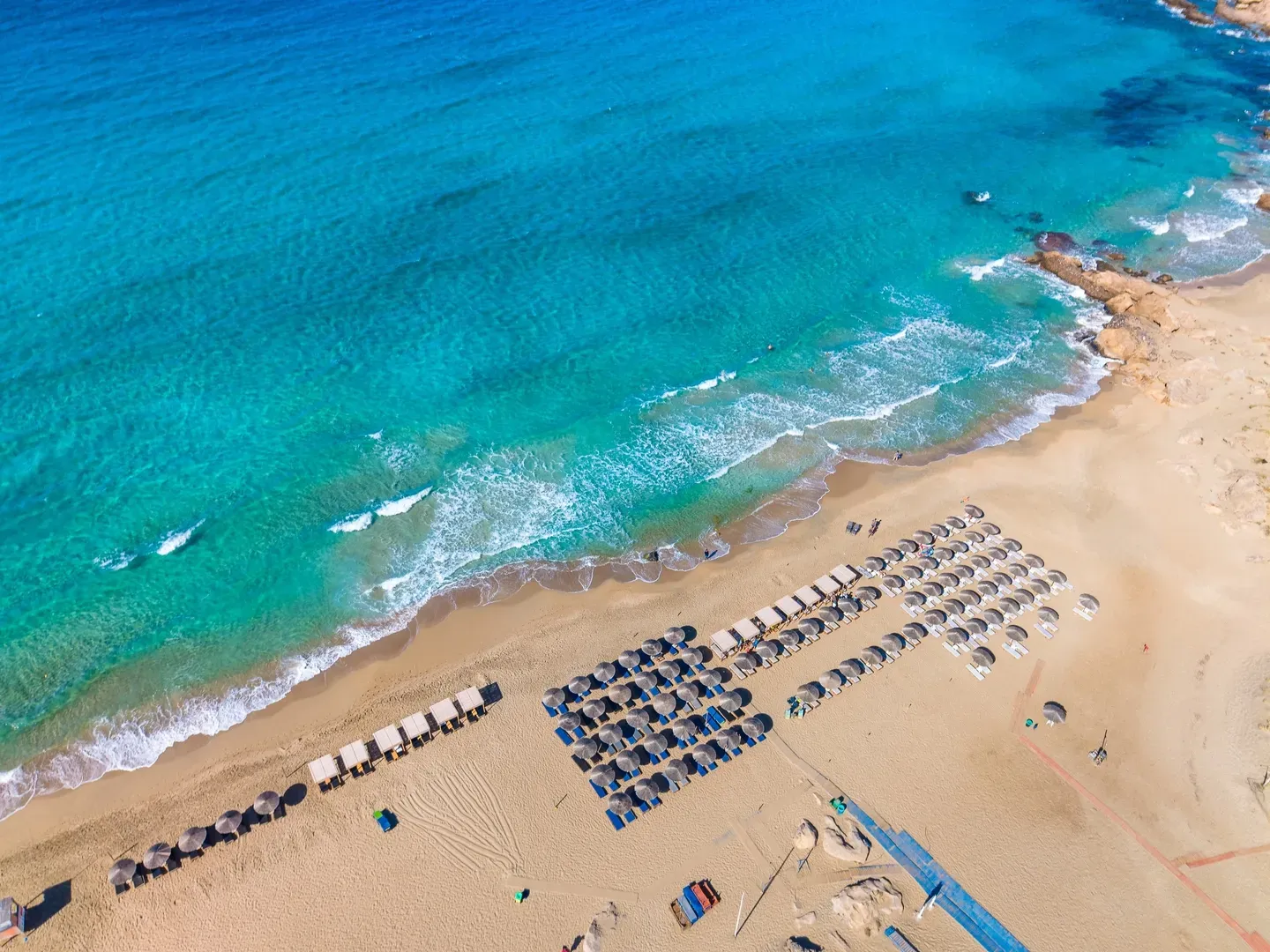
White sand, turquoise waters, and imposing mountains set the scene at Falassarna Beach on Crete’s west coast, 59 km fromChania, beside the ruins of ancient Falassarna. It essentially consists of five continuous beaches - the main beach is called Pachia Ammos and is the most popular. It’s worth staying until sunset, which is considered one of the most enchanting in Crete.
Apella, Karpathos
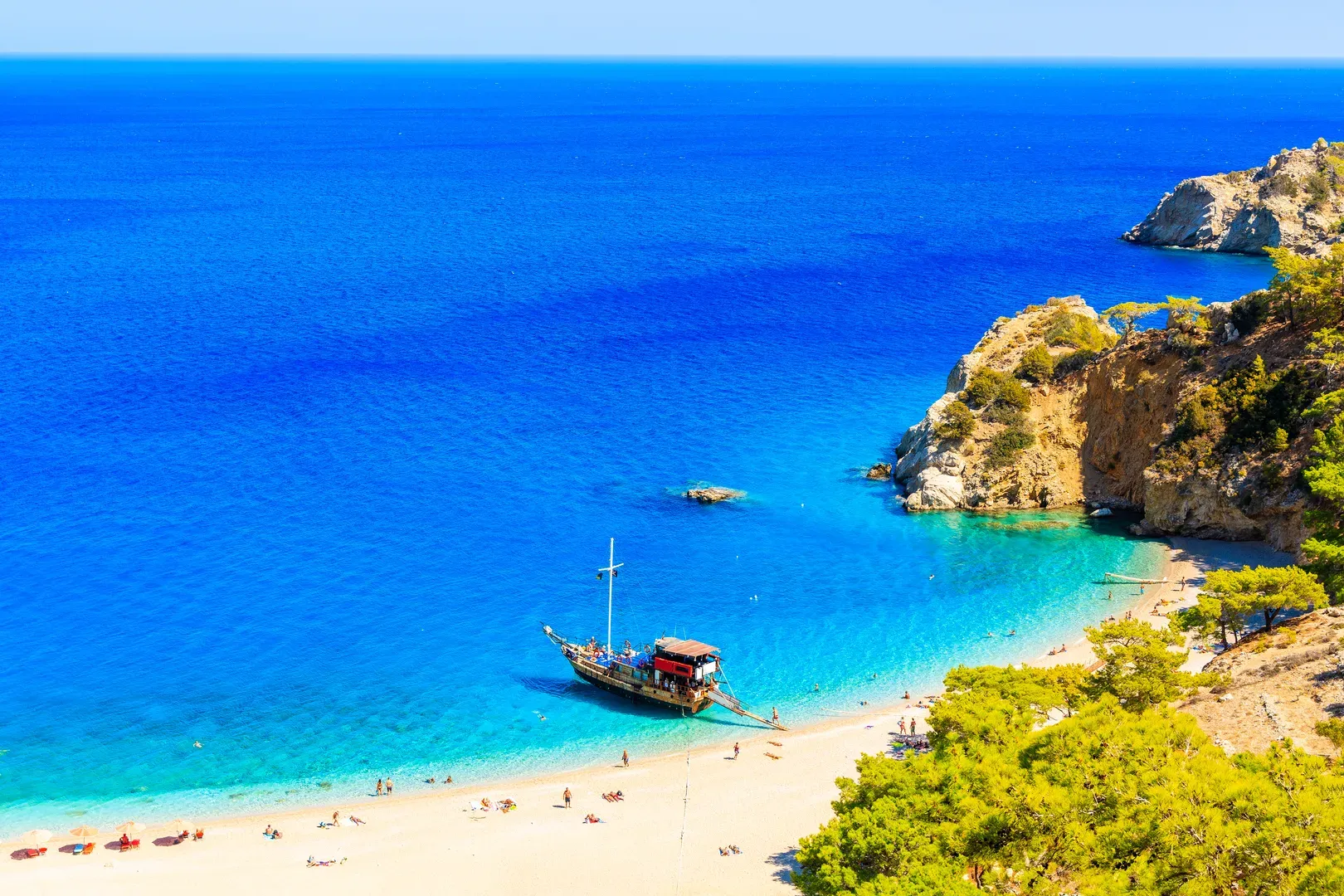
The exotic Apellaon Karpathos is perhaps the most beautiful in the Dodecanese, according to Lonely Planet. The beach is on the island’s eastern side, 22 km from Pigadia. Pines leaning over the beach, white sand with pebbles, and pristine waters in every shade of turquoise make the scenery magical. The beach is organized, but there is plenty of space to spread out your towel and relax in the shade.
Navagio, Zakynthos
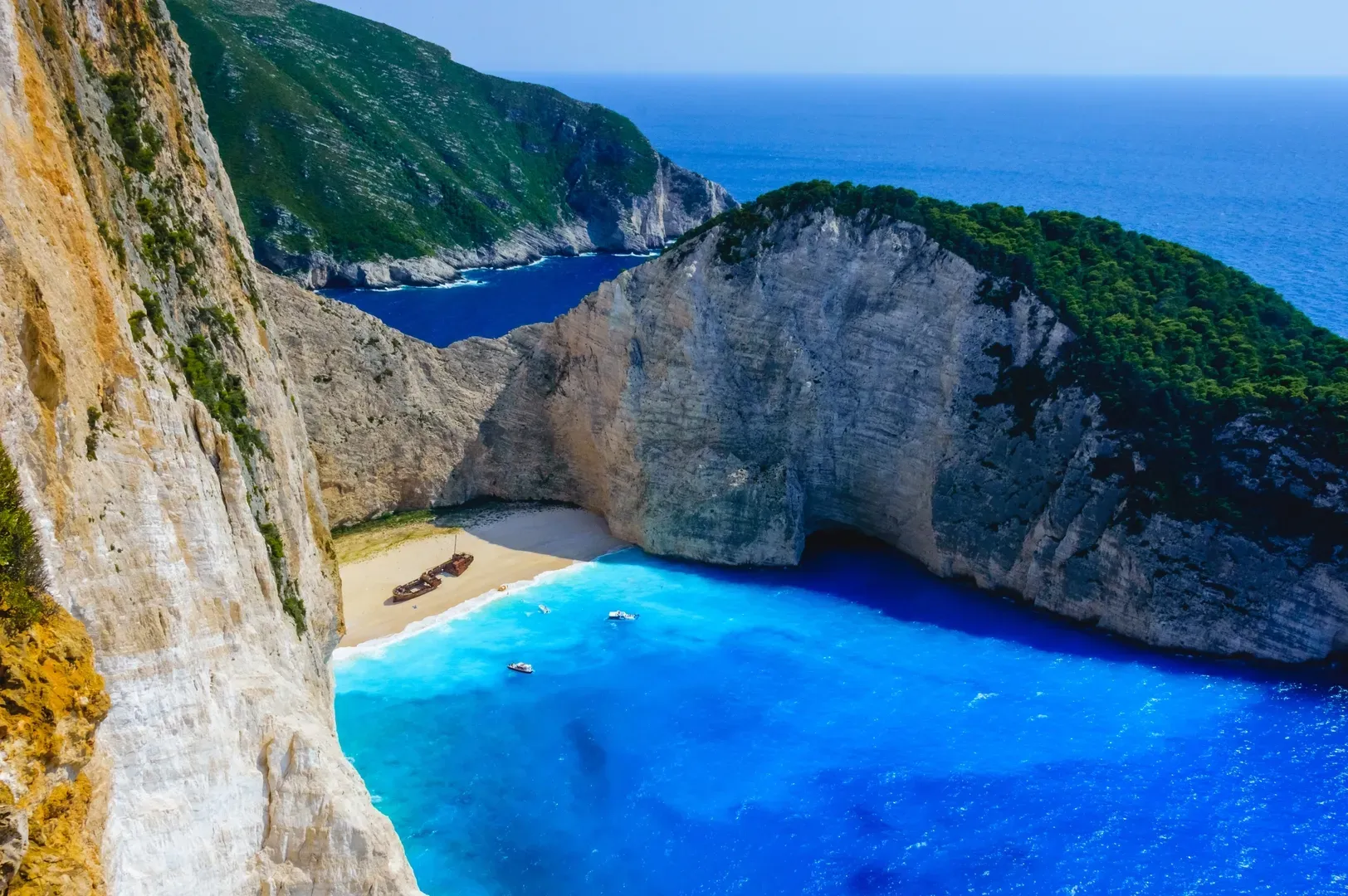
The famous NavagioonZakynthosis not missing from Lonely Planet’s list. The dramatic cliffs, waters in every shade of blue, and the ship’s hull in the middle of the beach compose the ultimate Greek postcard that has traveled the world. Note that in recent years access to the beach has been prohibited for safety reasons and those who want to see and photograph the place can do so by sea, from the boats.
Platis Gialos, Mykonos
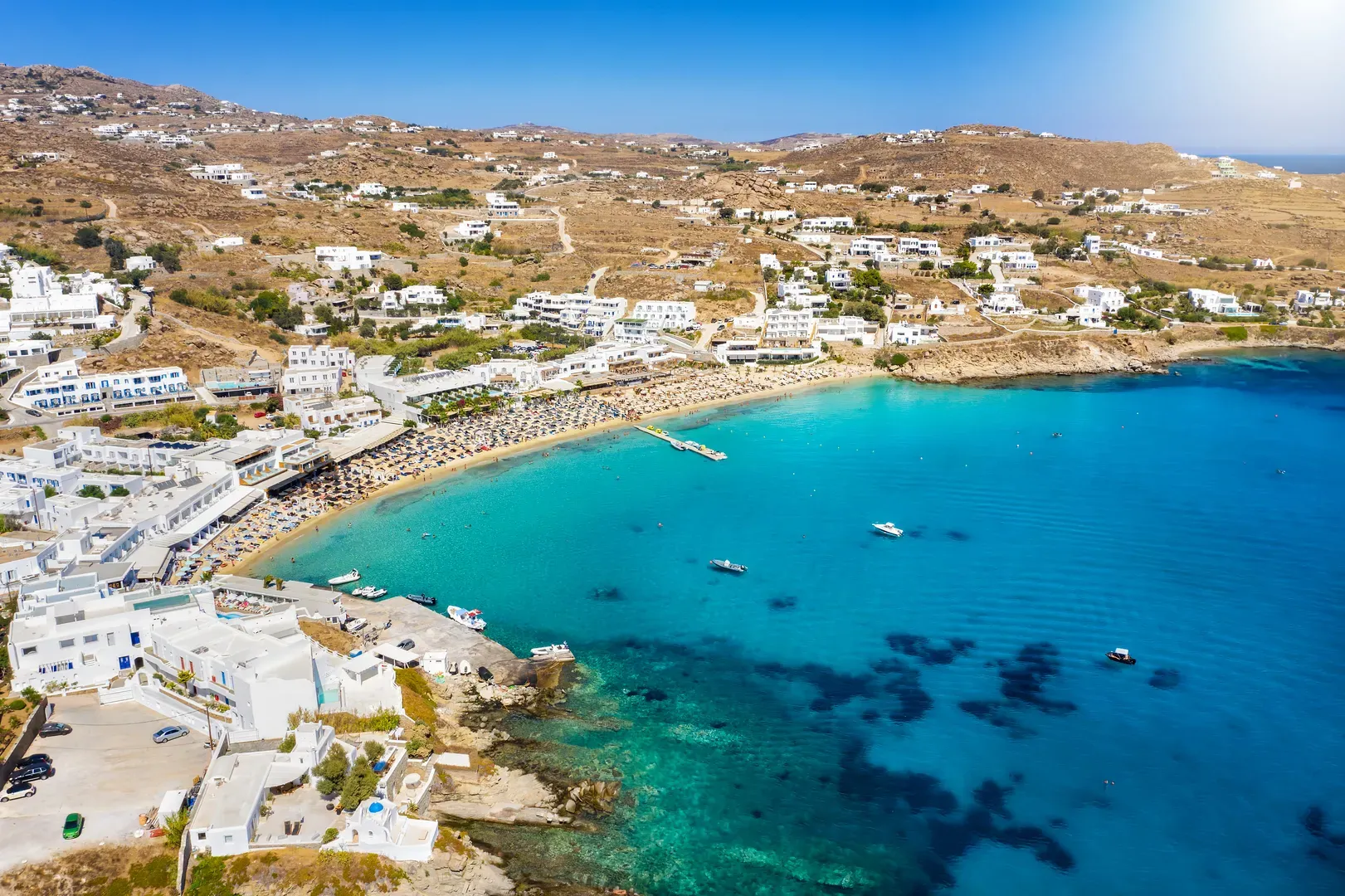
On the south side ofMykonos, 4.5 km from Chora, the vastPlatis Gialos beach is one of the island’s most popular. It has easy access, golden sand, hotels, restaurants, facilities for water sports, and other amenities that will make you want to spend the whole day on the beach.
Koukounaries, Skiathos
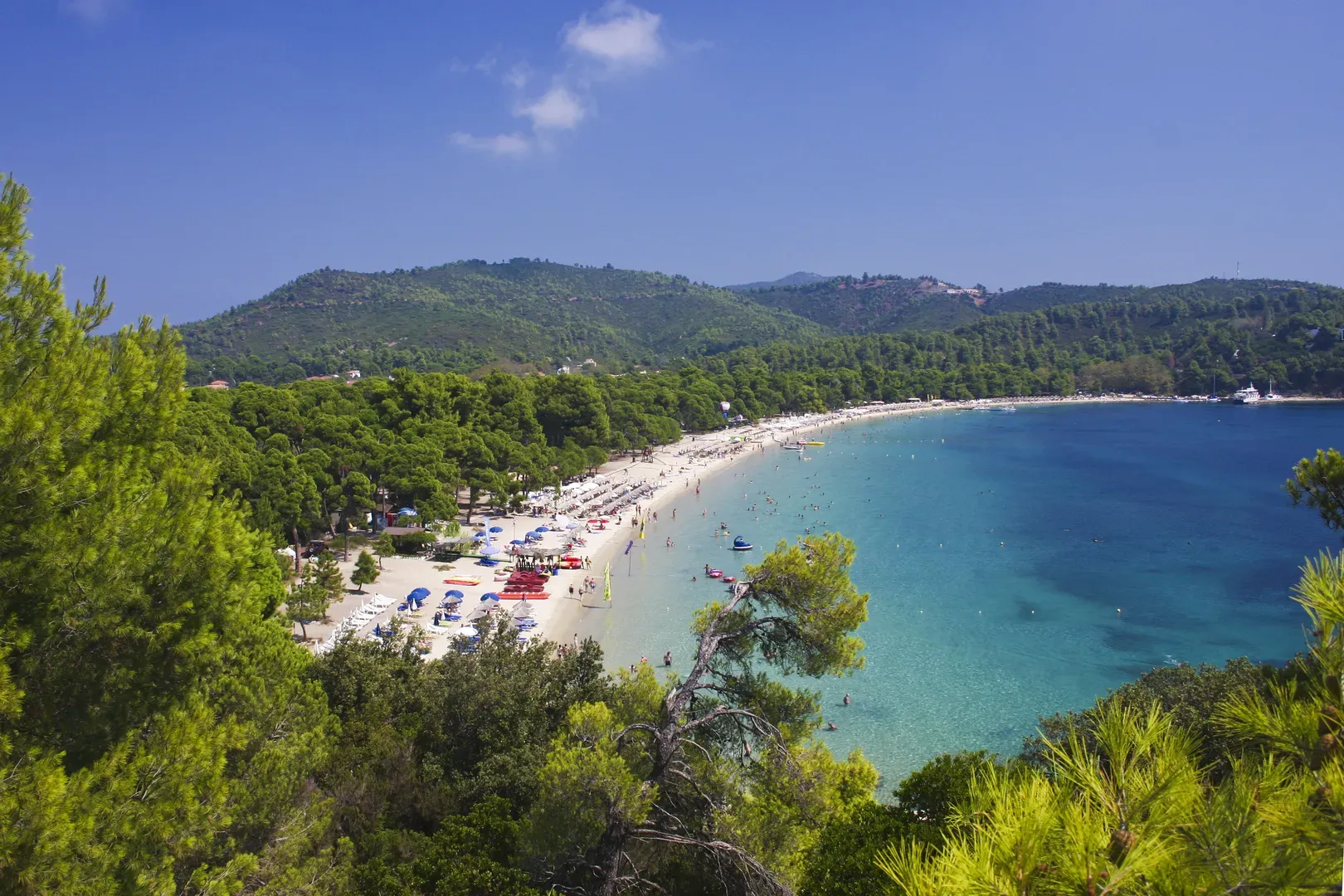
Koukounaries Beach at the southwestern tip of Skiathos, also known as «Golden Sand», is the island’s most famous. Beyond the deep-blue, crystal-clear waters and golden sand, the beach is renowned for the dense pine forest that stops a few meters from the sea and the Strofylia wetland. The beach is well organized, and in the area you’ll find plenty of accommodation, many tavernas and cafés. Naturally, water sports for adrenaline lovers are part of the scene too.
Myrtos, Kefalonia
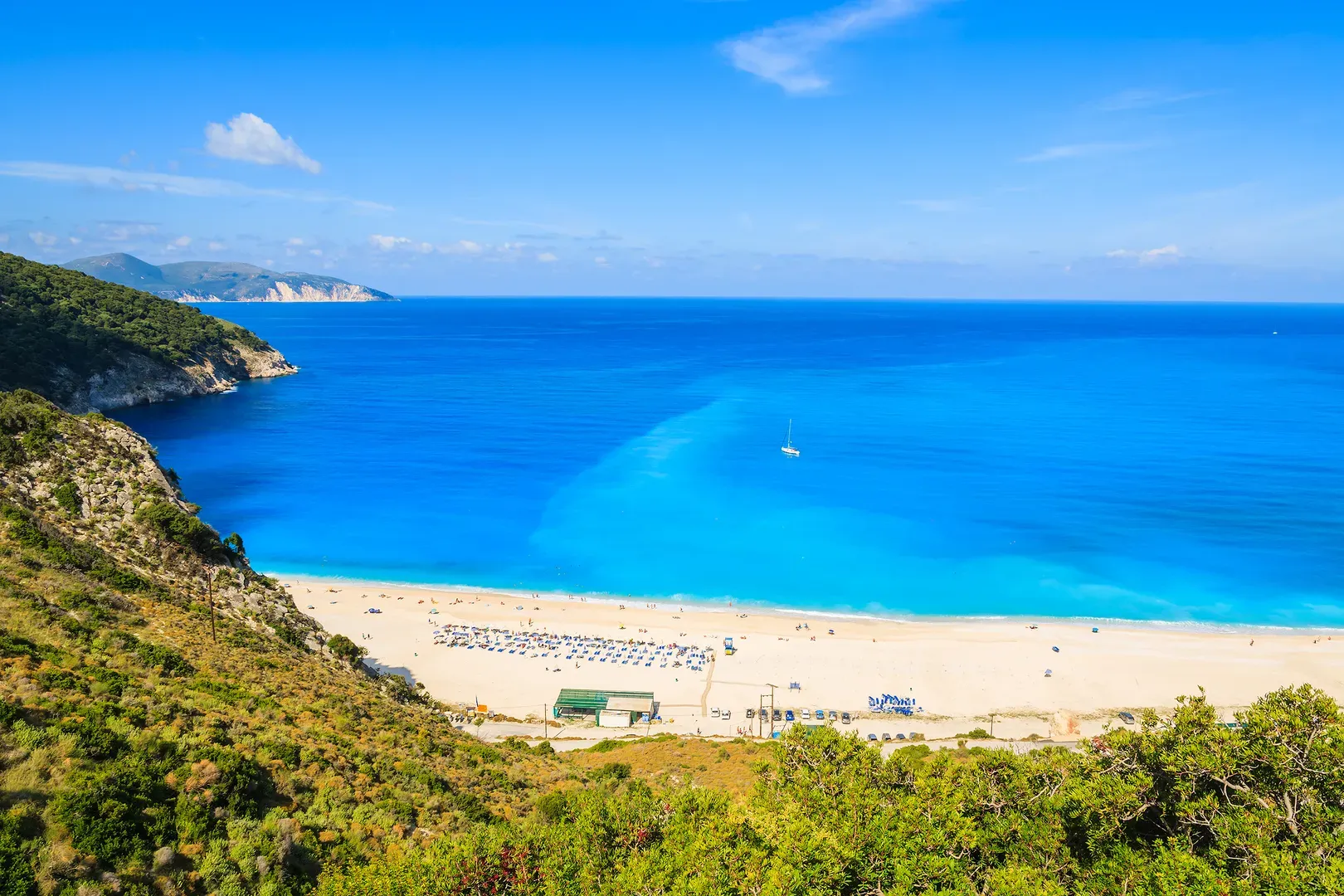
Considered the most famous beach onKefalonia, it has been named many times as the best beach in Greece. Myrtos is 30 km from Argostoli, near the village of Divarata. Sheer towering cliffs surrounding the beach, chalk-white pebbles, and the sea’s uniquely blue color due to the area’s currents make it a picture-perfect scene. If you stay here until sunset you’ll enjoy a sight you won’t forget.
Red Beach, Santorini
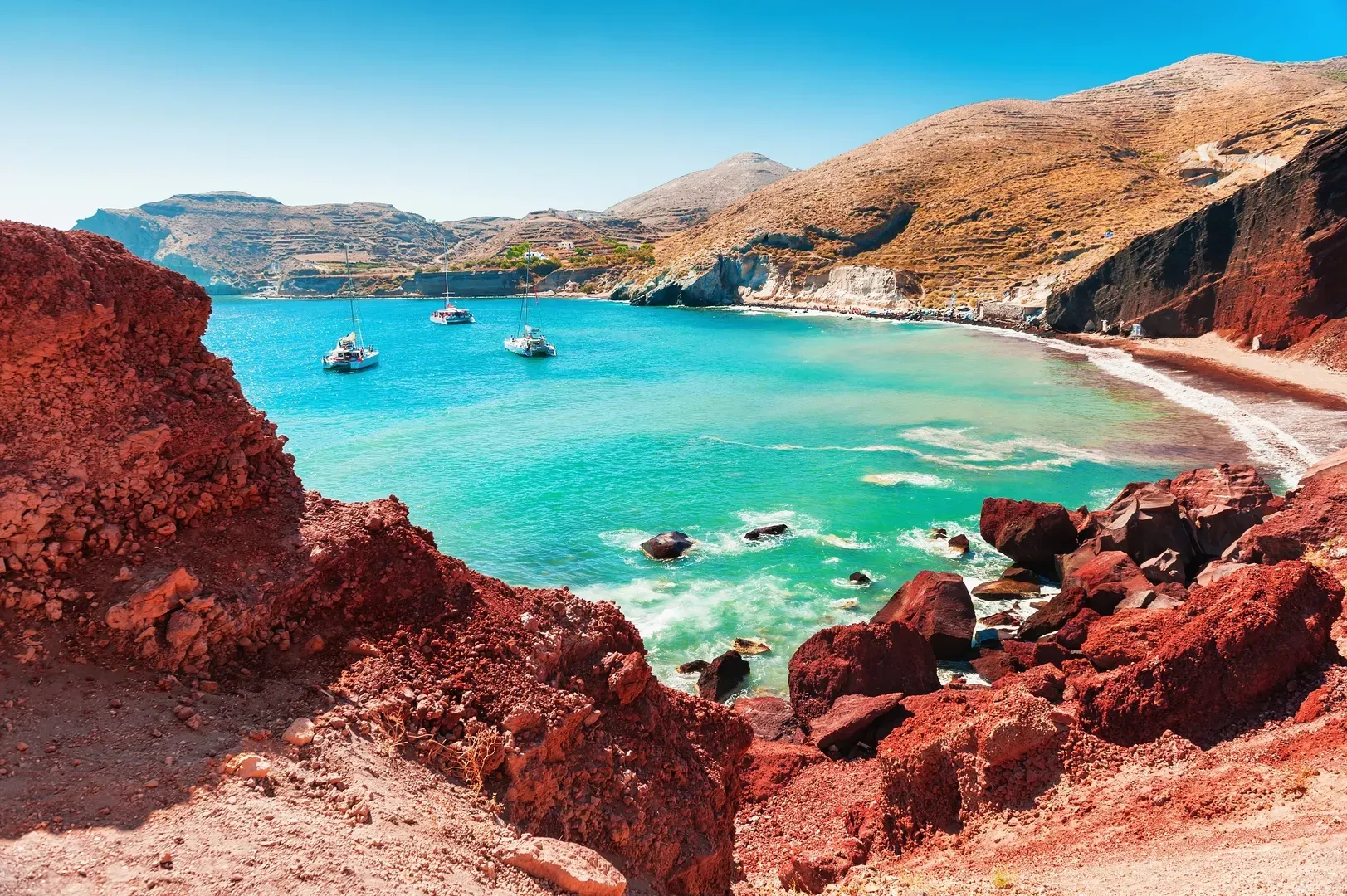
Near the archaeological site of Akrotiri lies perhaps Santorini’s most famous beach: the much-photographed Red Beach. The red of the cliffs, the blue of the sea, and an eye-catching mix of white, black, and red sand create an impressive palette of colors in this rare island landscape. You can reach the beach either on foot from the small port of Akrotiri or by boats departing from Kamari, Akrotiri, and Perissa.
Elafonisi, Crete
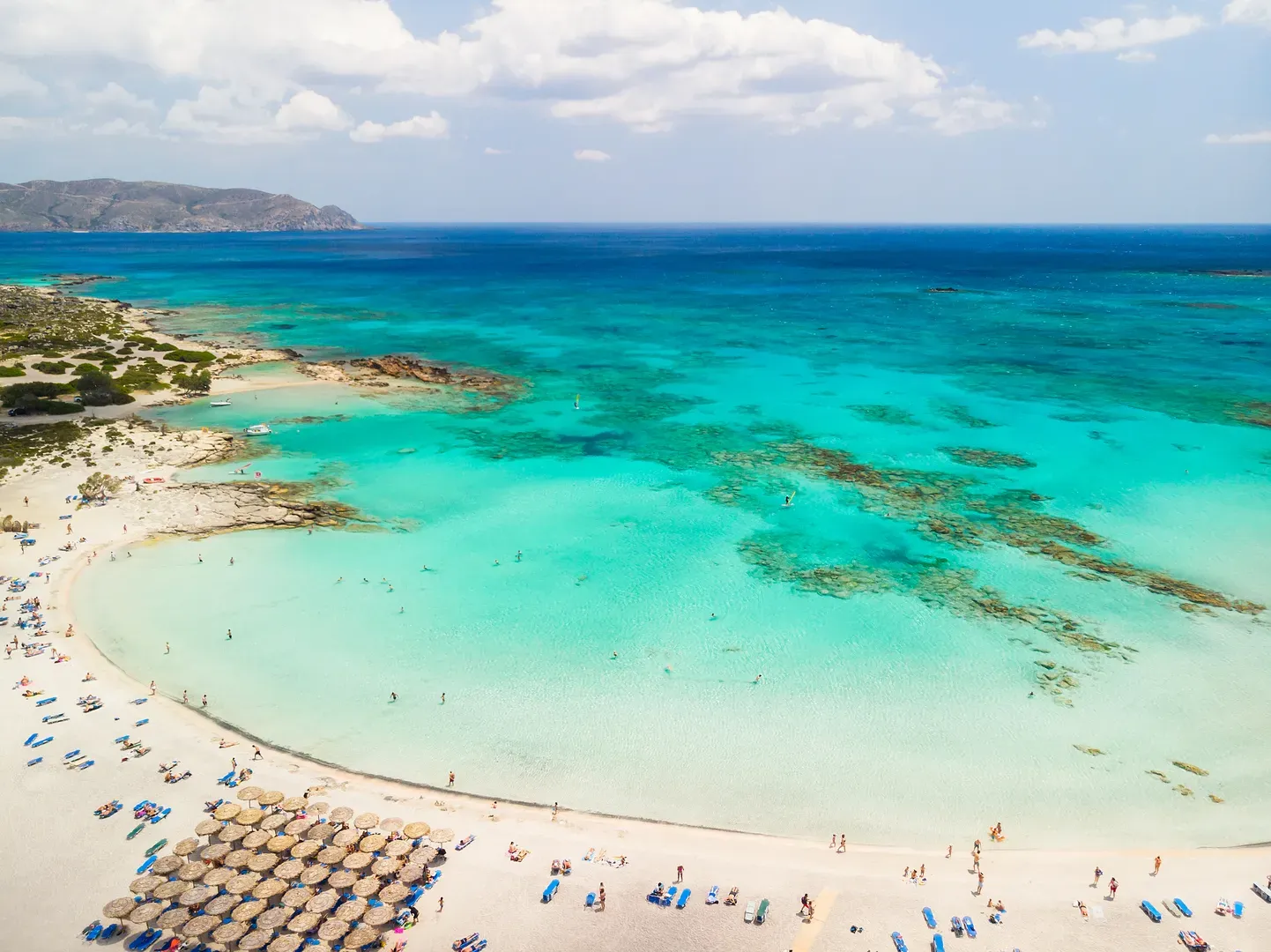
At the remote southwestern tip ofCrete, Elafonisi is one of the most popular destinations in Chania prefecture. It’s a narrow peninsula that «breaks» at its base, giving the impression of a separate island about 150 m from the opposite shore. The area is part of the Natura 2000 network and the setting is tropical, with shallow turquoise waters and white sand that takes on pinkish hues from thousands of crushed shells.
Potami, Samos
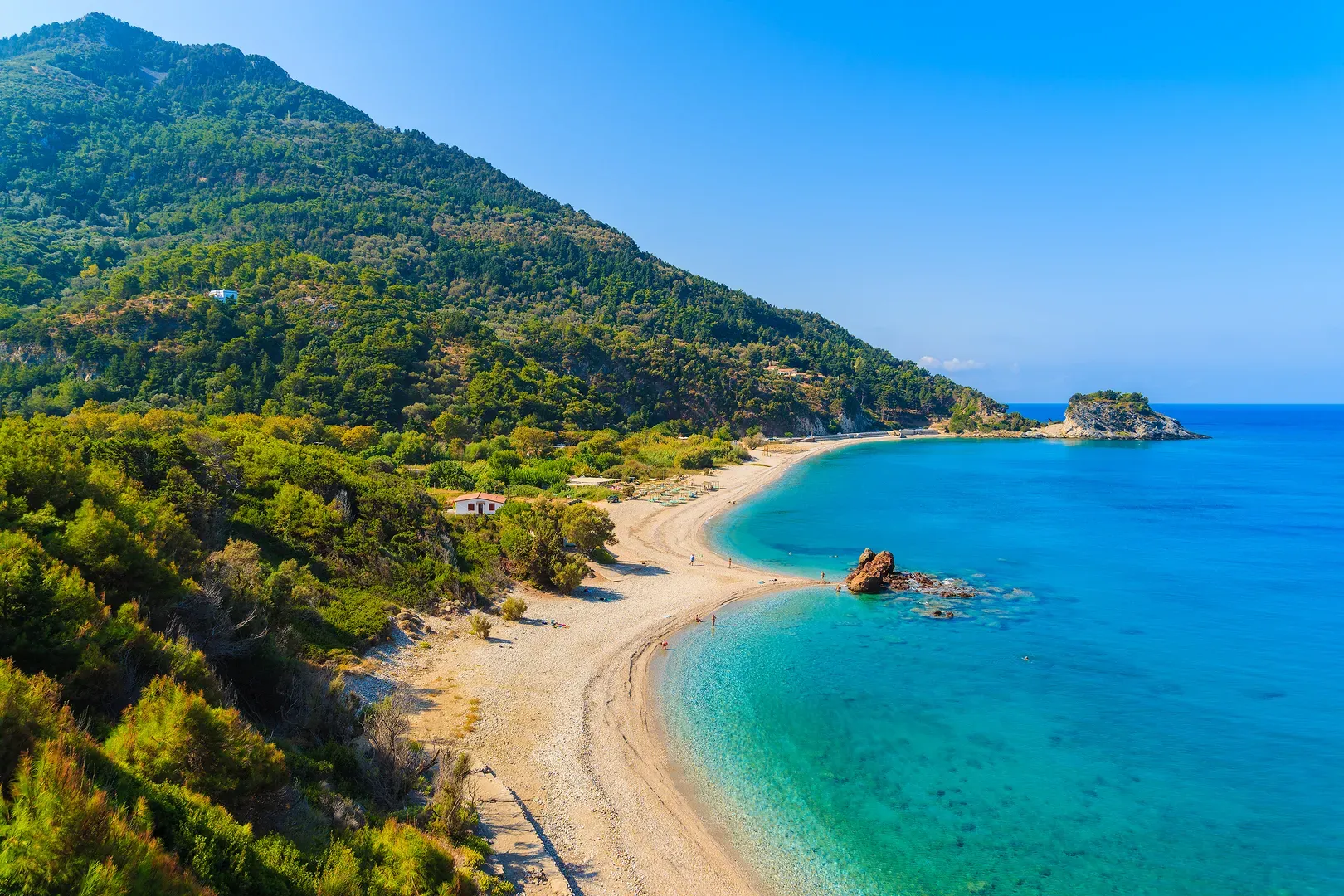
On the northeastern coast ofSamos, beyond the port of Karlovasi, lies one of the island’s finest beaches. A distinctive landmark of the shore is the church of Agios Nikolaos, above the beach. Potami is a large pebble beach with crystalline waters. It’s worth making the 2 km route from the beach to the waterfalls. You’ll pass through a beautiful forest to end up at a small, picturesque pool where you can swim and dive from the high rocks around it.
Poseidi, Halkidiki
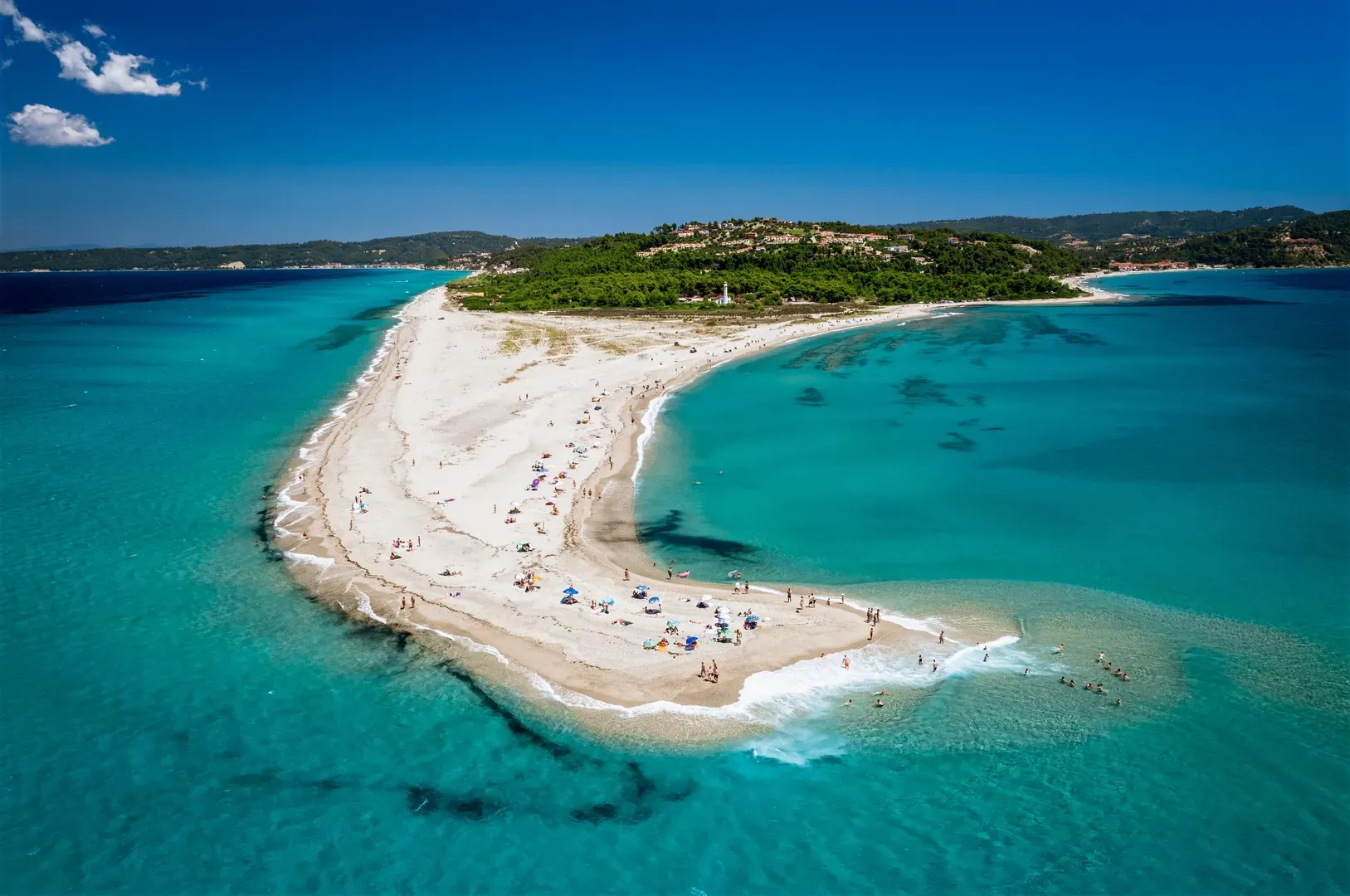
Poseidi lies at the southwestern tip of the Kassandra peninsula, 105 km from Thessaloniki. The most striking spot is Poseidi’s tip, where a ribbon of land at the peninsula’s edge reaches into the sea. This sand spit-symbol of Halkidiki is one of the area’s most beautiful beaches. Here you’ll also find a lighthouse from 1864, one of Kassandra’s loveliest sights.
Seychelles, Ikaria
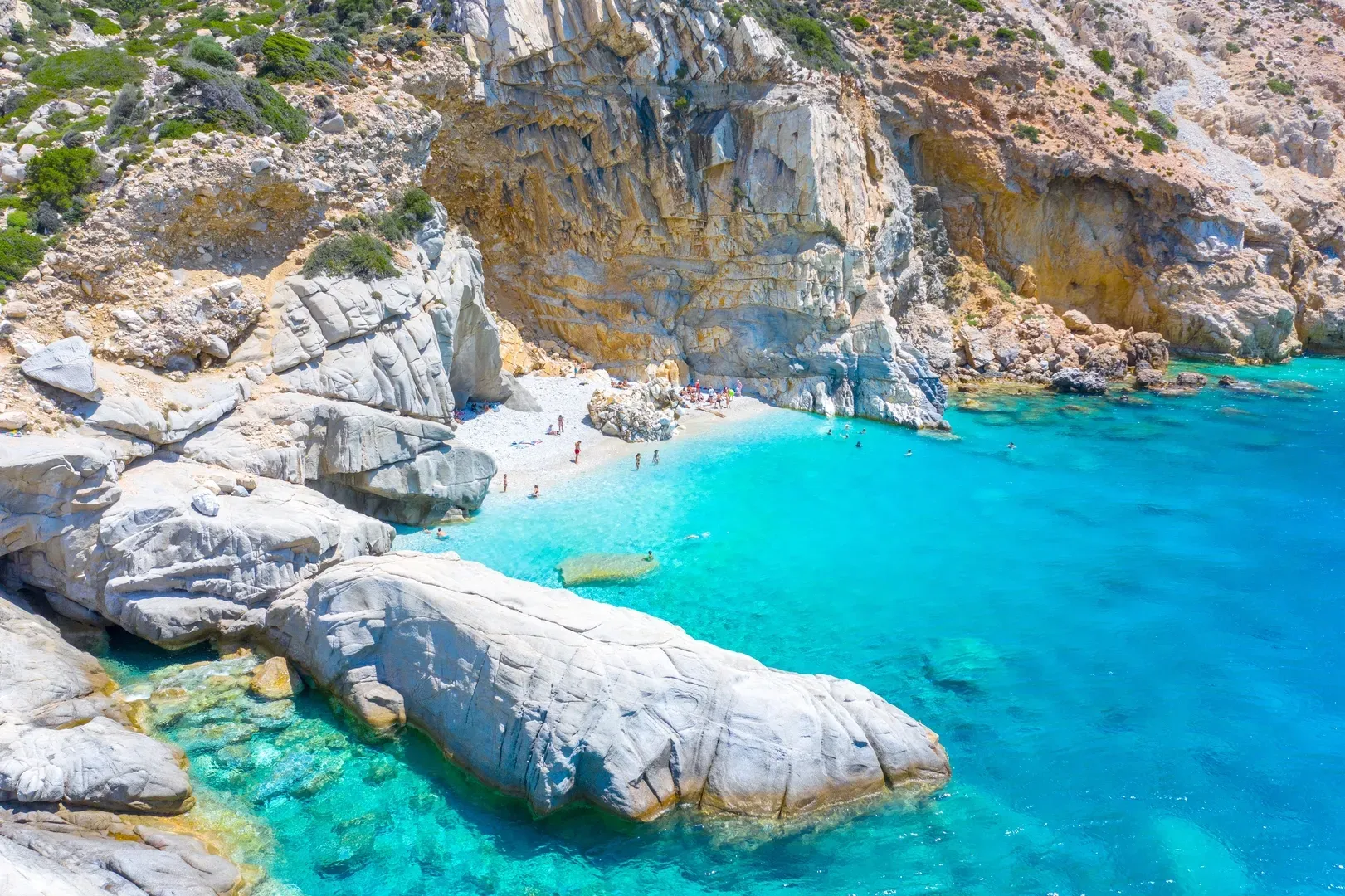
On the southwest side ofIkaria, about 25 km west of Agios Kirykos, you’ll come upon the island’s star beach, Seychelles. The beach has light-colored pebbles and white sand and is encircled by striking rocky formations that create a distinctive setting. The path to get here is difficult but worth the effort.
Prasonisi, Rhodes
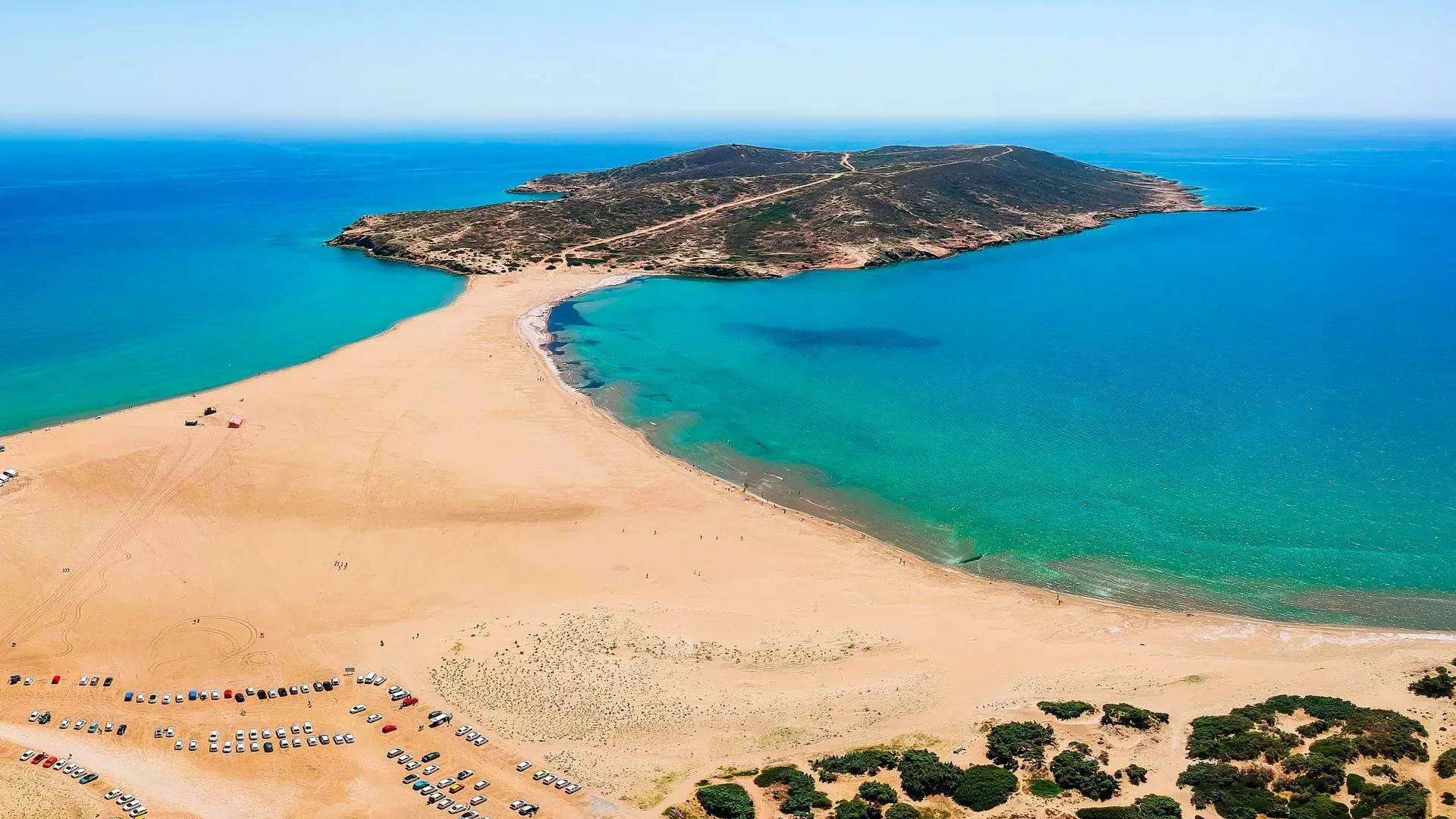
At the southernmost tip ofRhodes, nature has worked its magic. A small islet is connected to the mainland by a strip of sand that forms two exotic sandy beaches which, depending on the season and the weather, are narrower or wider. Prasonisi is a paradise for surf lovers, while the entire area is an important habitat and of particular environmental interest. The distance from Rhodes Town (90 km) makes getting to Prasonisi a little adventure, but one that’s worth it.